Cats and Trails and Garden Tales
Musings on cats, travel, gardens and life
Stark Landscapes of Washington State
Huh?
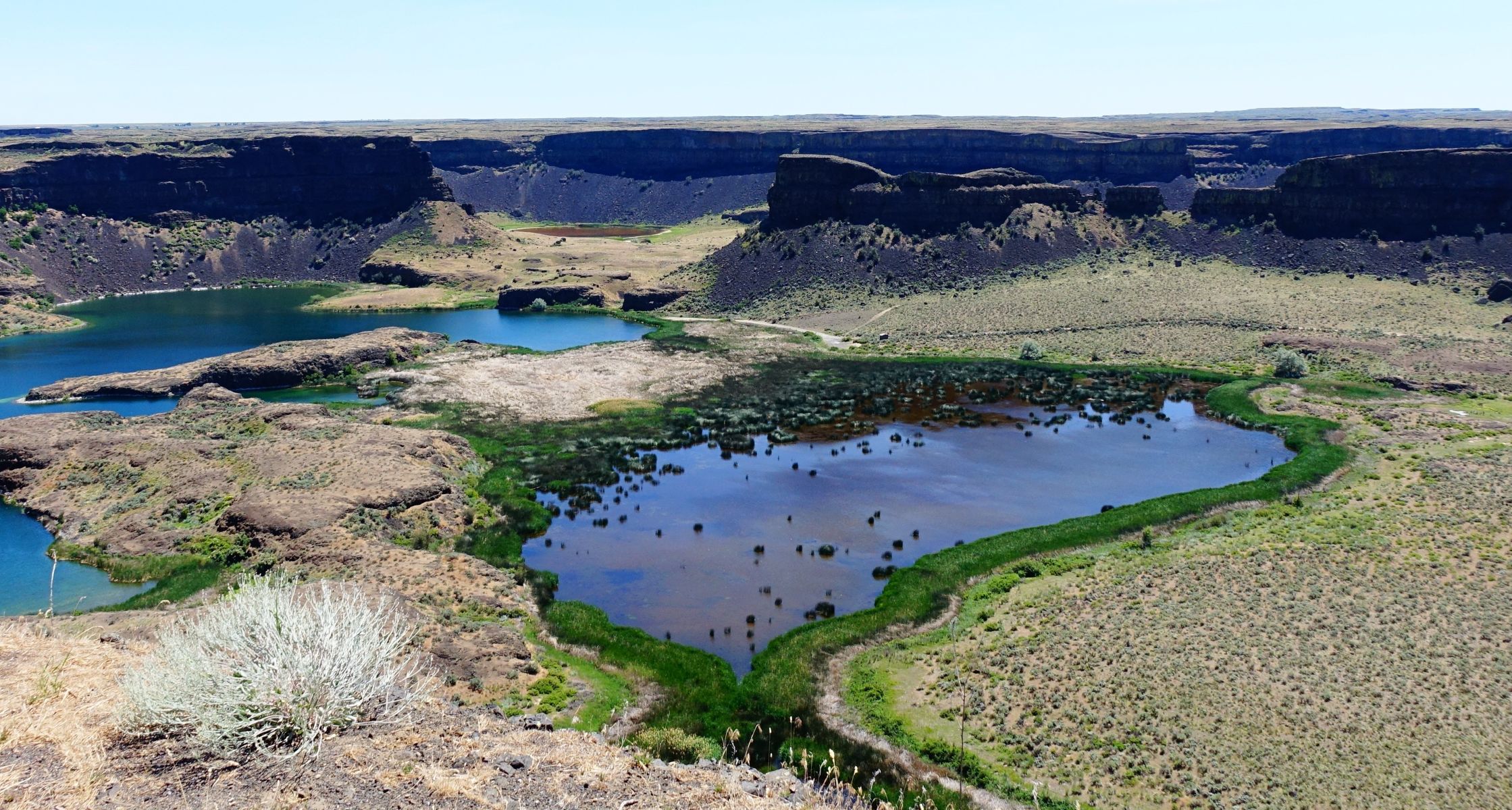
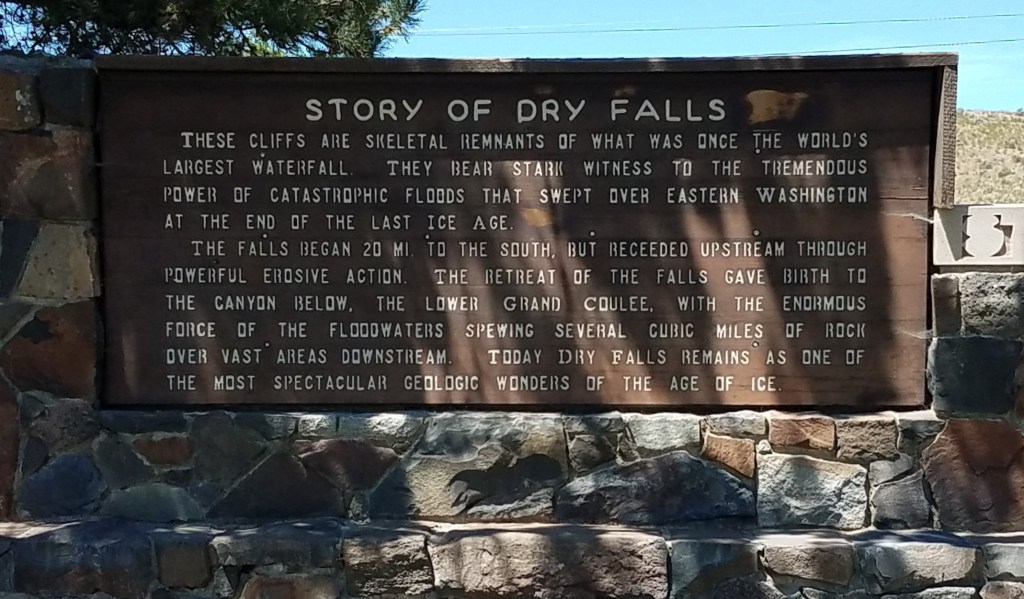
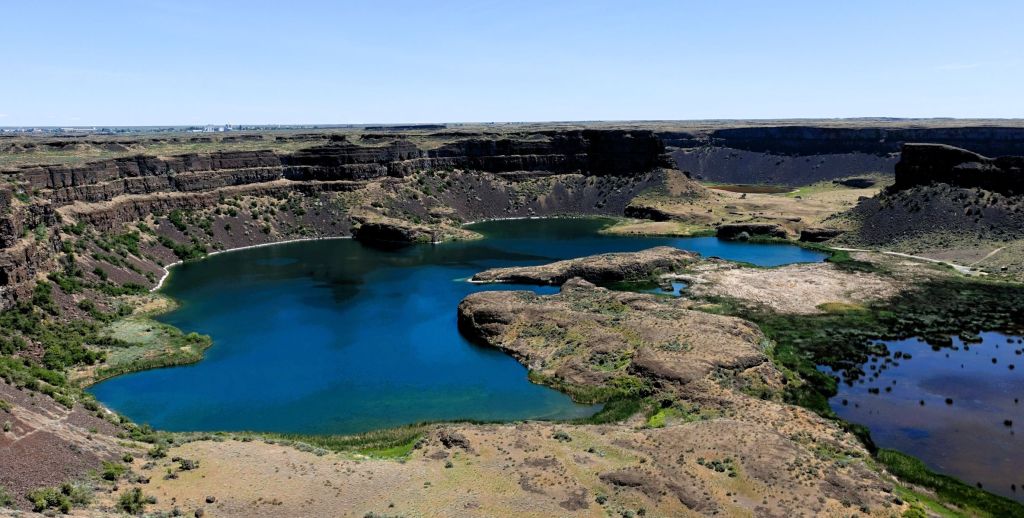
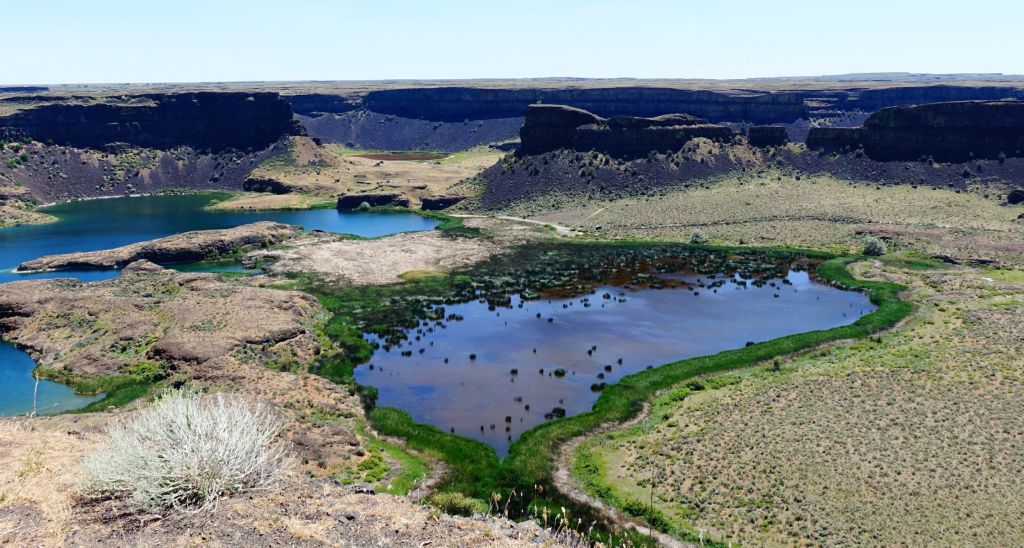
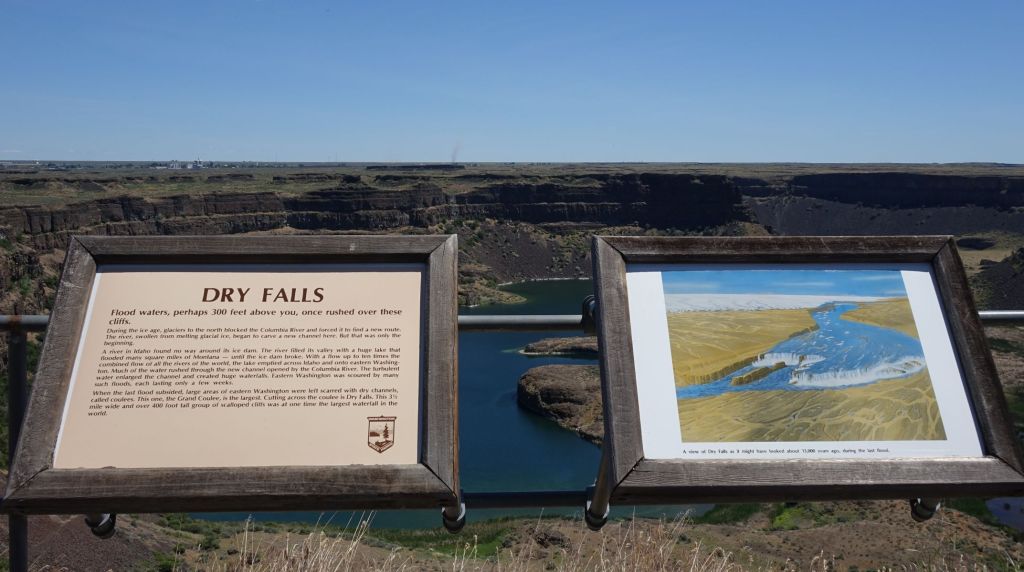
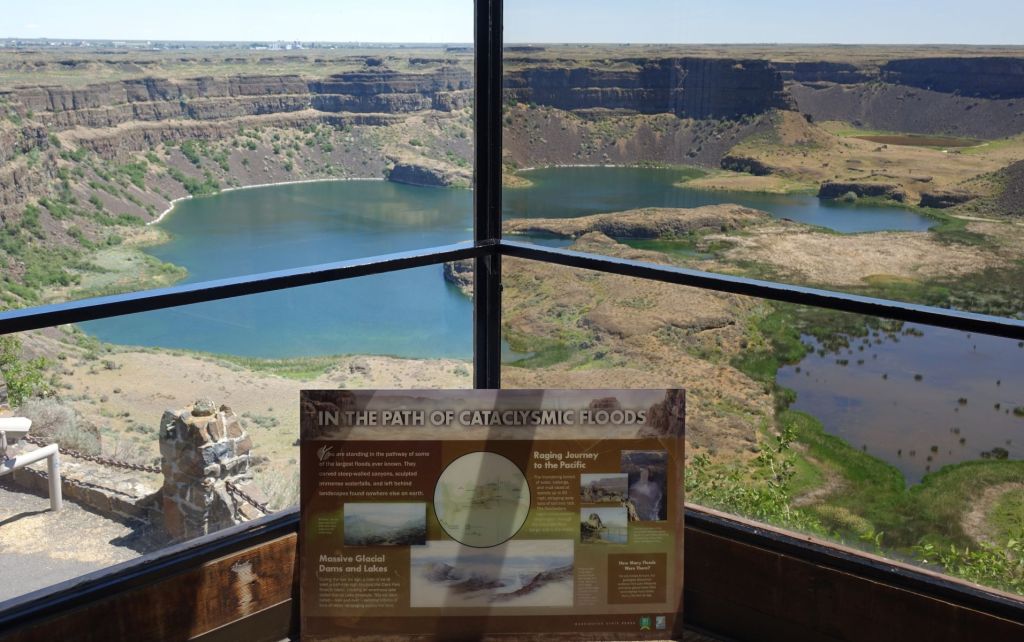
I’m from Washington, the Evergreen State, so called because of the lush, green landscape on its west side. But the middle and east side of the state may come as a surprise to you with its stark contrast of desert, scablands and canyons, including Dry Falls, once the world’s largest waterfall.
A three-hour drive, east of Seattle, it makes for a fun road trip, and geology lesson.
While you’re in Central Washington, stop by the tiny town of Waterville, population 1,127. At 2,650 feet, it’s the highest incorporated town in the state.
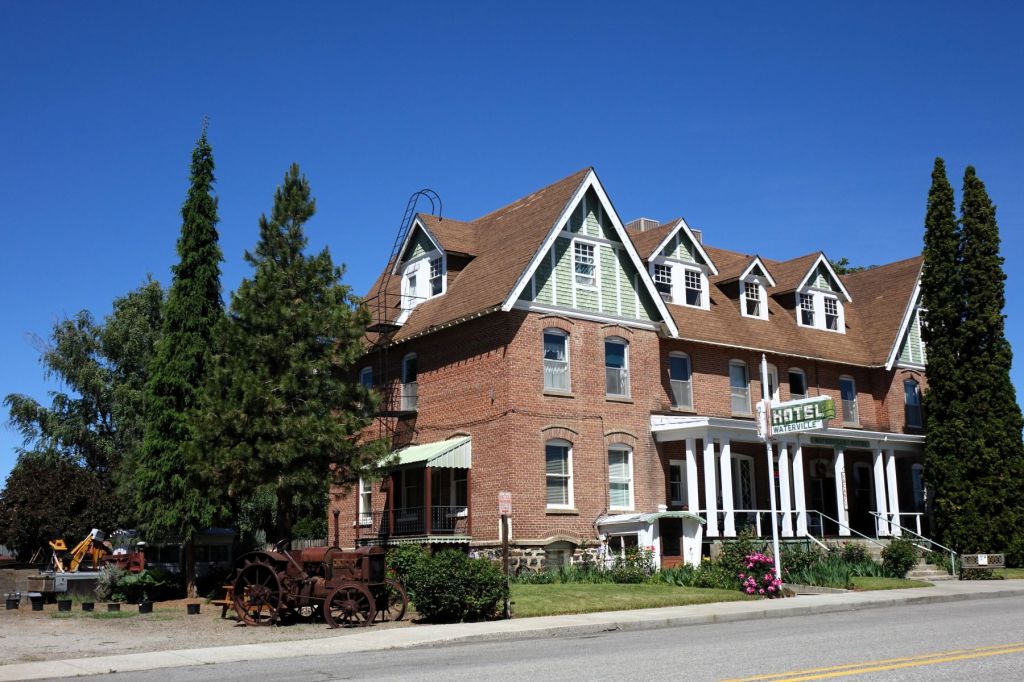
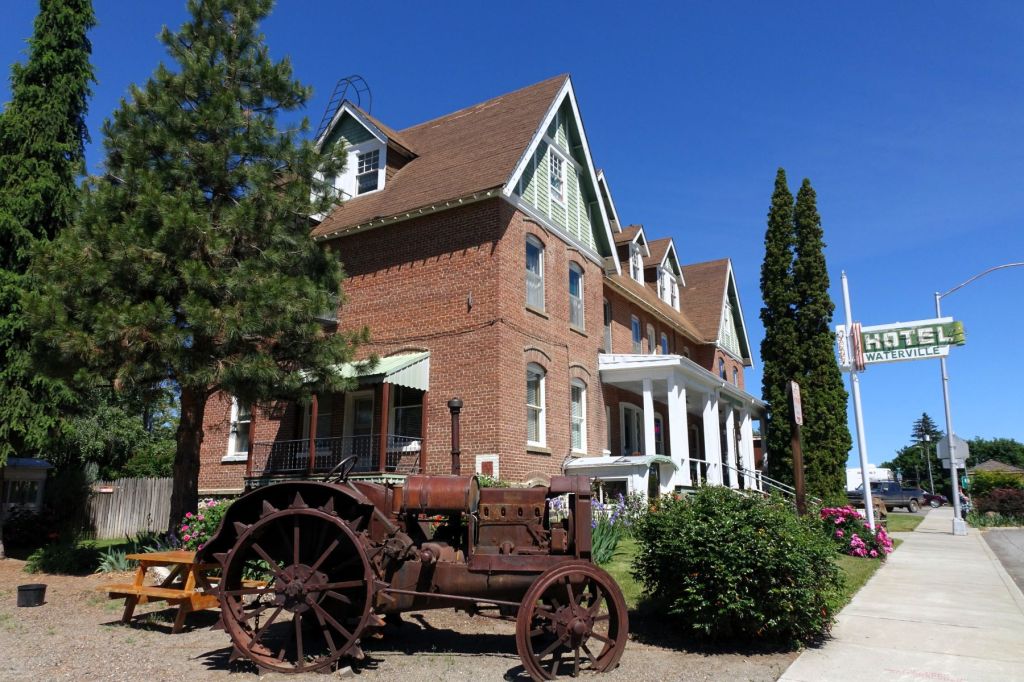
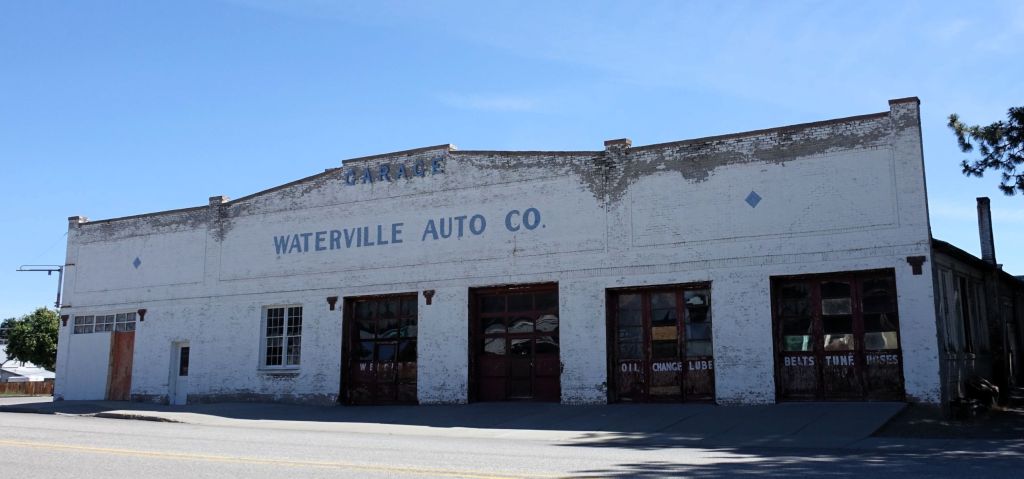
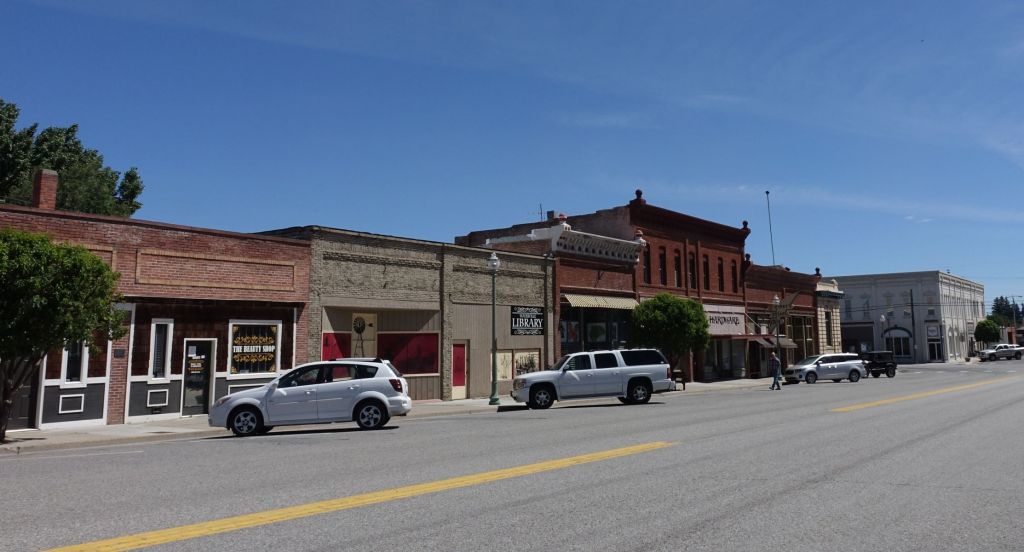
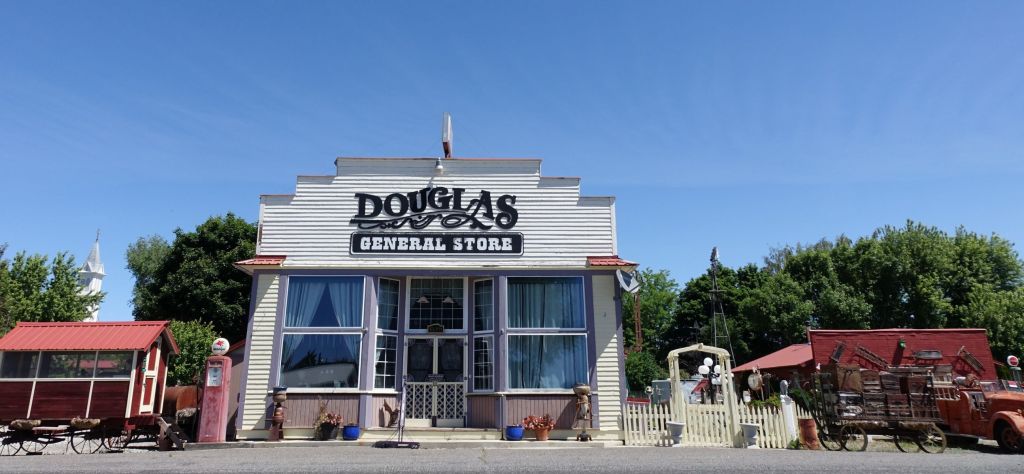
And the even tinier town of Douglas, just a wide spot in the road.
Swing by the 800-foot-tall butte of Steamboat Rock
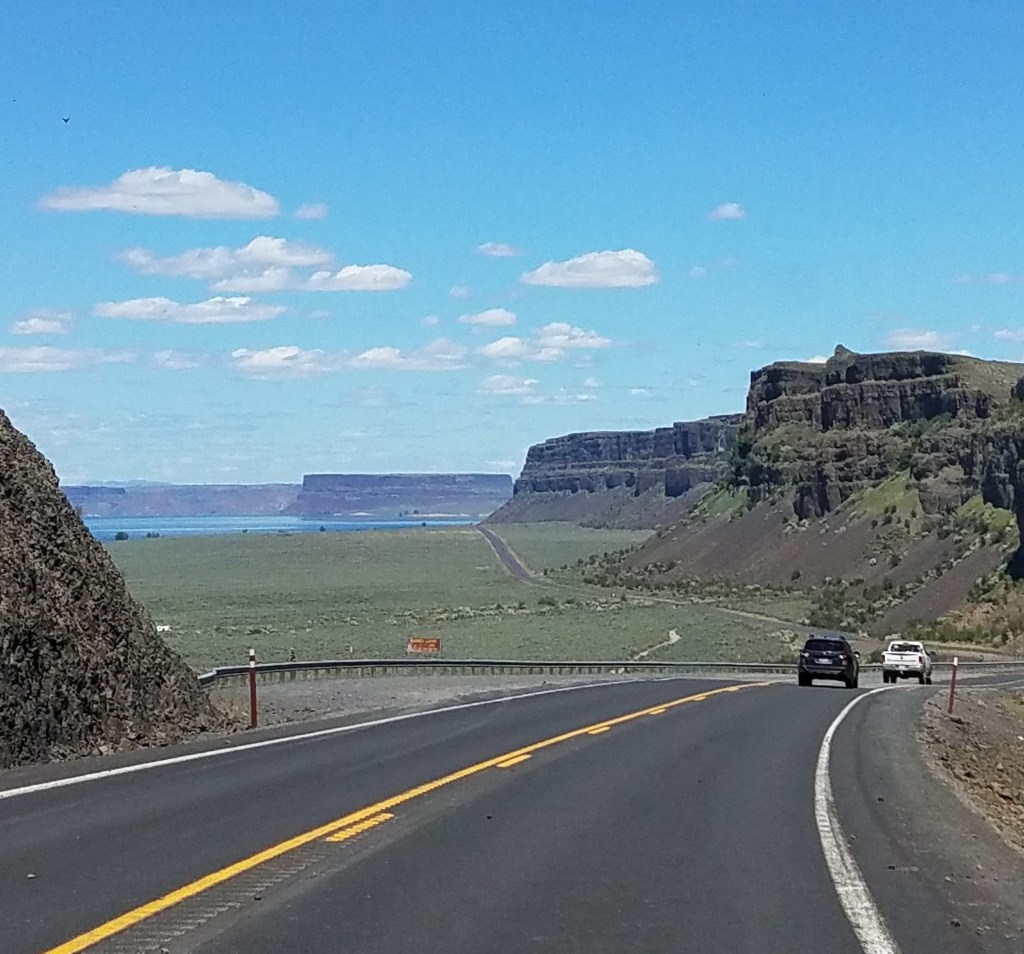
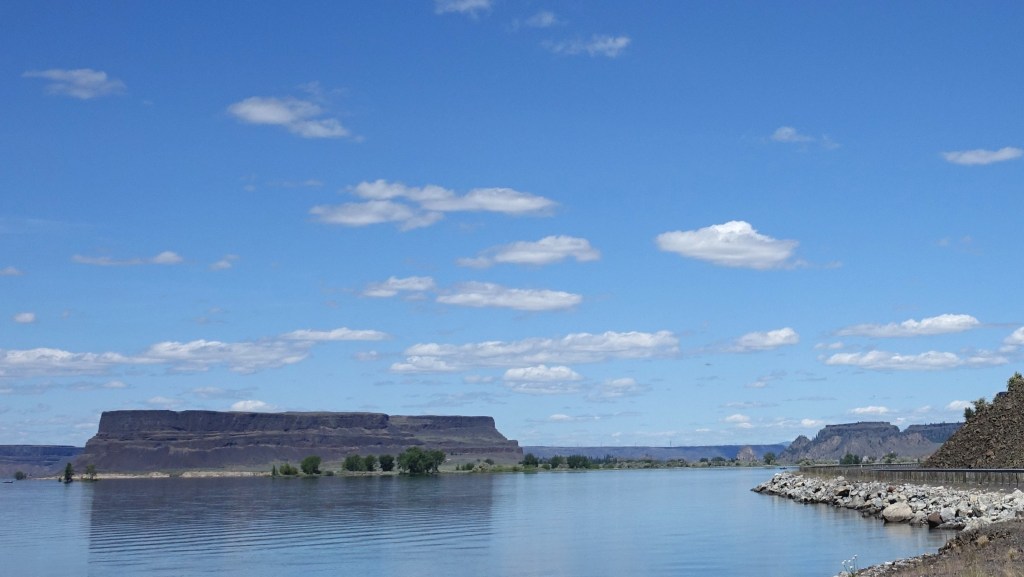
on your way to your final stop: Grand Coulee Dam, the largest hydropower producer in the U.S., which is anything but tiny.
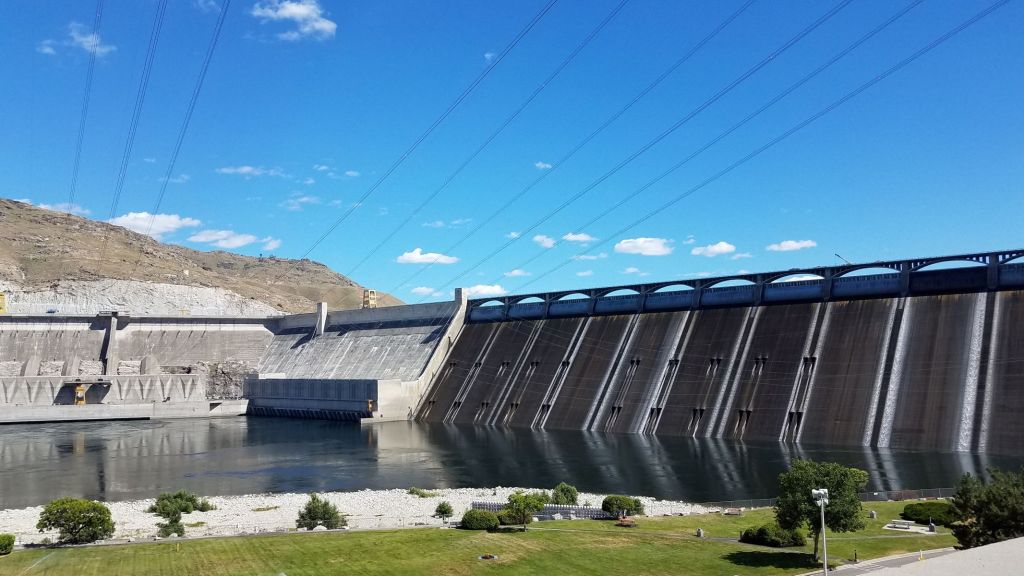
There are other stark landscapes in Washington State, but not quite as interesting as these. So that will do for Sunday Stills, Stark.
~ Susanne
 Cats and Trails and Garden Tales
Wow, I didn’t know that your state had a desert, it looks like down here somewhat! Beautiful views. ❤️😎
Yes indeed! Our west side and east side of the state are very different!
Someday I need to drive up there during summer. 😎
Fab photos of such an interesting part of our fair state, Susanne! Central WA has all that abrupt, and yes, stark, volcanic rock. Like there are 3 completely different climate zones. I can’t even imagine the world’s largest waterfall thriving there millennia ago. I laughed at “scablands,” LOL! Still so much of the state we have to see! Very informative post, thanks for the tour!
Thanks, Terri! I was happy to come up with some “stark” pictures. 🙂 Glad you enjoyed it. And “scablands” is a real thing, maybe unique to Washington State. This from Wikipedia: “The term scabland refers to an area that has experienced fluvial erosion resulting in the loss of loess and other soils, leaving the land barren.” I added a better definition of the area in a comment below!
Thanks for that! We see much of that erosion in Eastern Washington. The Palouse Falls area looks similar!
Yes! I believe that area is included in the scablands! Here’s a better definition for the area. “The Channeled Scablands are a relatively barren and soil-free region of interconnected relict and dry flood channels, coulees and cataracts eroded into Palouse loess and the typically flat-lying basalt flows that remain after cataclysmic floods within the southeastern part of Washington state. The Channeled Scablands were scoured by more than 40 cataclysmic floods during the Last Glacial Maximum and innumerable older cataclysmic floods over the last two million years. These floods were periodically unleashed whenever a large glacial lake broke through its ice dam and swept across eastern Washington and down the Columbia River Plateau during the Pleistocene epoch.”
There is so much to explore in Washington and so unique…great photos!
Thanks, John! Washington truly is unique!
Alex and I have been discussing some mini-vacations there…so many unique sights so close to home
Wonderful! Let me know if you need any help planning! ☺️
I love that side of the state. So different from Western Washington, but beautiful in its own way.
Yes, so different and a bit mysterious.
Hi Susanne
Thank you for taking us there. Impressive.
All the best
The Fab Four of Cley
🙂 🙂 🙂 🙂
Thank you. Glad you enjoyed it!
I enjoyed seeing Waterville and Douglas. They look so typically American, just how I imagined America when I was a child.
Best wishes, Pete.
Thanks, Pete. There are many of those little towns in the middle of Washington, and I always enjoy passing through them!
What an interesting sight and fascinating geology lesson! I like the look of Waterville and Douglas too. You make me wish we’d had time to include eastern Washington State in our trip as well as the west!
Thanks, Sarah! We usually visit Dry Falls as a day trip when we’re spending the night in Wenatchee, so you weren’t that far away! I could have said more about the area, but mainly let the pictures do the talking. But I added a comment for Terri describing the ‘scablands’ ancient history.
You’re right, we were perhaps not that far away from here!
Love these pictures, Susanne!
Thank you!
I’m from Washington too, and enjoy watching the short stories the geology professor at Central Washington University posts – especially those he did and called “Nick on the Rocks.” He explains the how and why the PNW landscape looks the way it does in a way that is easy to understand.
Thanks for the suggestion. 😊 I may look him up!
Lovely tour.
Thank you!
I didn’t know that about dry falls. I don’t get to the central or east side of the state that often. I’m in the SW part of the state.
A very unique part of Washington, so different from the west side!