Cats and Trails and Garden Tales
Musings on cats, travel, gardens and life
Work-In-Progress-New Theme to Come

I’ve been wanting to upgrade my Theme for some time since my current theme – ‘Natural’ – is missing some features I’d like to have.
Which is just to say, I’ll be offline for a while this weekend while I do the upgrade. So if you drop by in the interim, you may see a ‘Coming Soon’ message saying so.
Hopefully it will go smoothly – if not, I’ll need to work out the kinks, as there’s no going back to ‘Natural’ which has been retired.
And I’m thinking it may be time to upgrade my Site Icon putting Tiger to rest, and elevating Benji to his spot.
(Thank you, Tiger, you served your role well.)
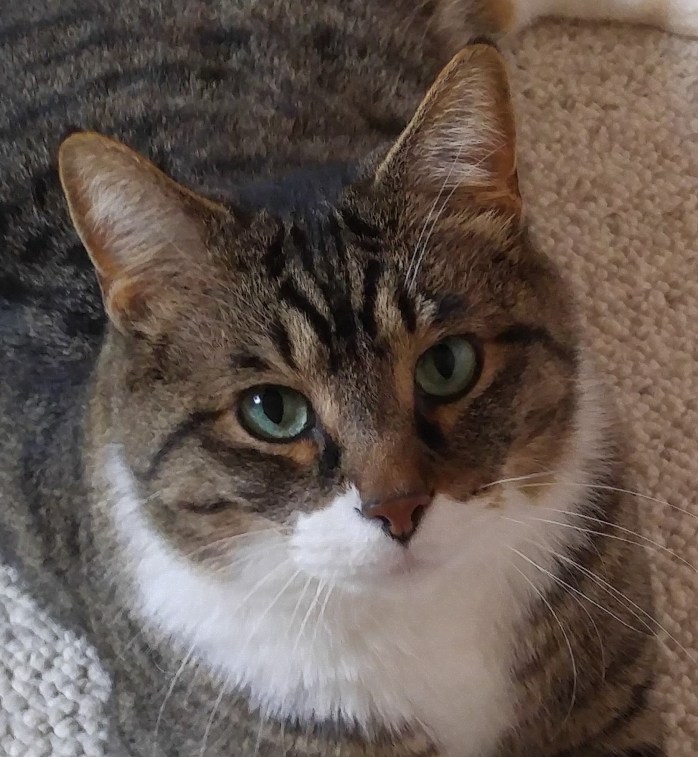
I’m not sure exactly yet which headshot of Benji I’ll use, but I do like his debonair look in this photo.
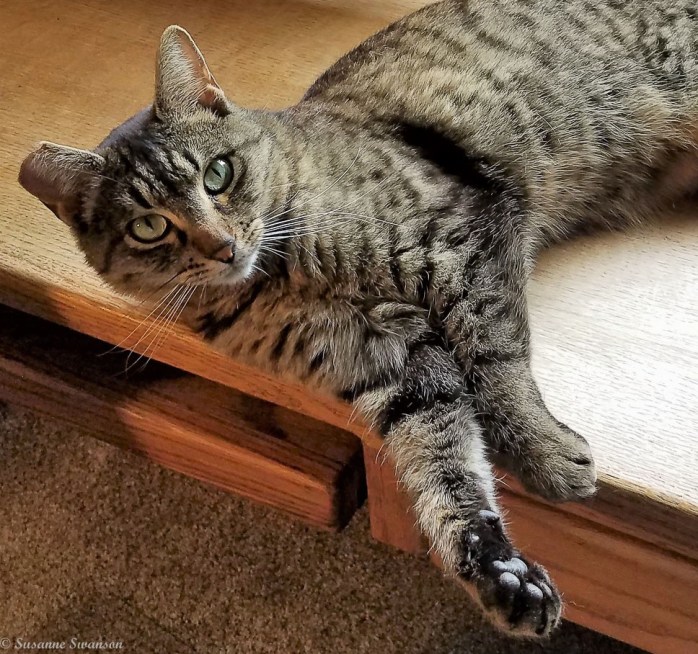
Something like this, perhaps?
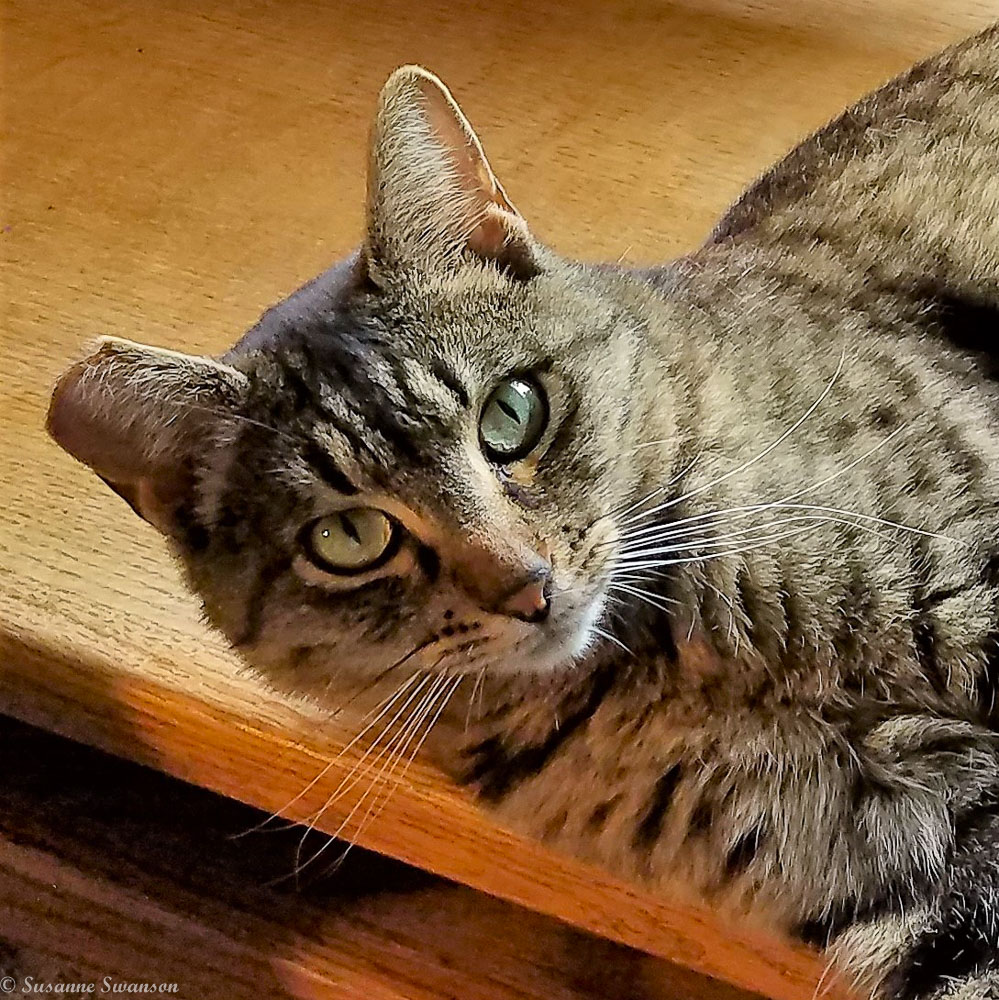
Wish me luck!
~ Susanne
M, N, and O – Flowers with Story
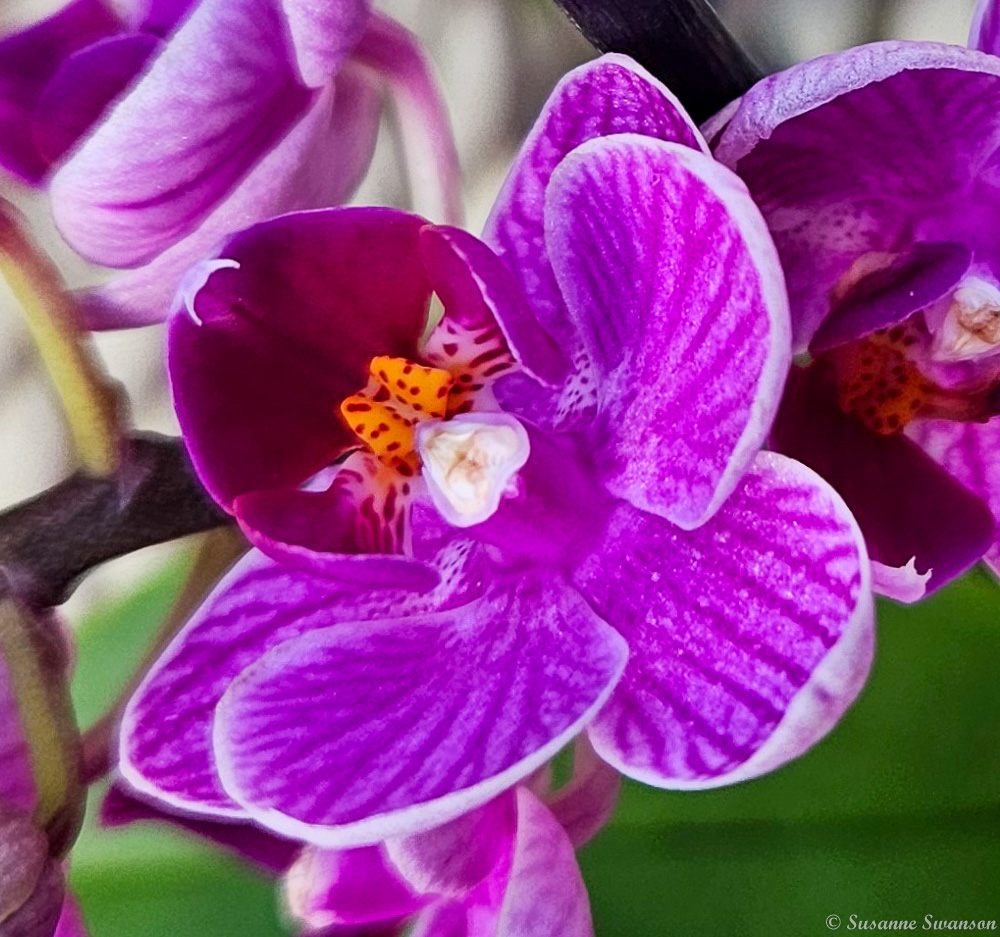
Today I’m participating in #The Flower Hour and am tasked with finding plants that start with M, N and O. Here’s what I chose and why.
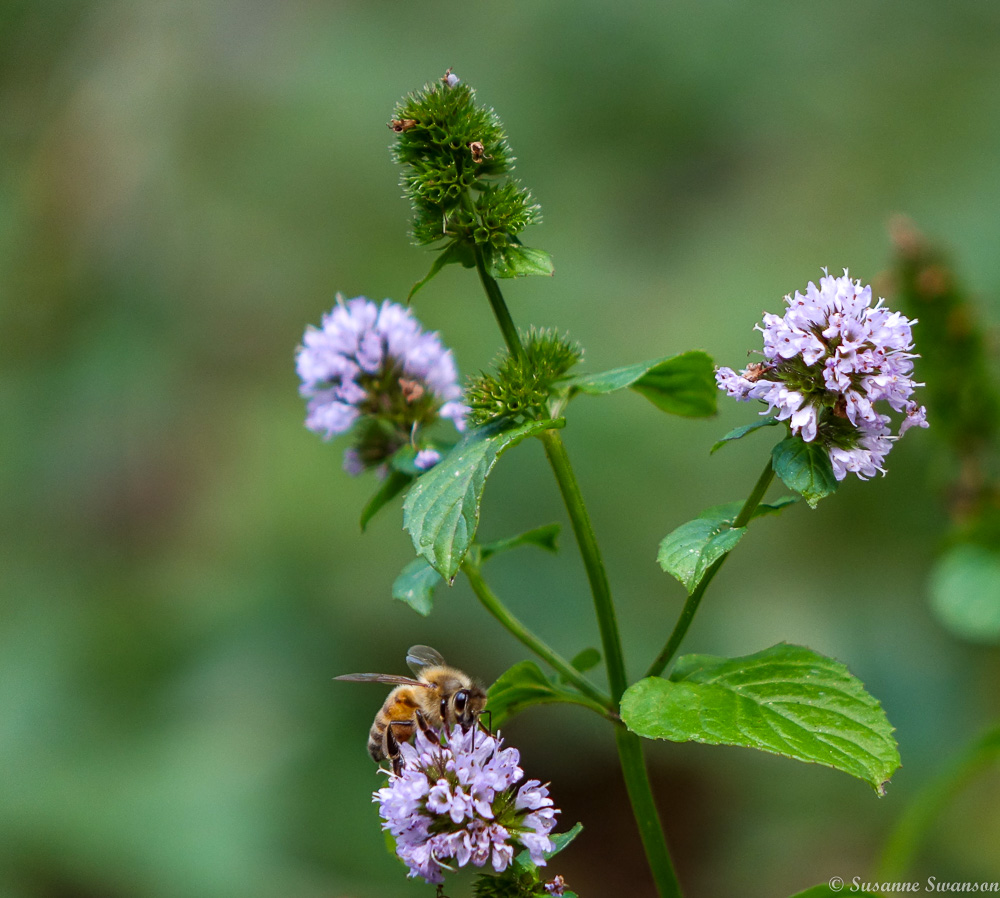
M is for Mint, a prolific, some say, invasive plant, that is none-the-less a bee magnet in the herb garden. There are many varieties of mint – peppermint, spearmint, chocolate mint – and none will let you down, pull them out and they keep coming back!
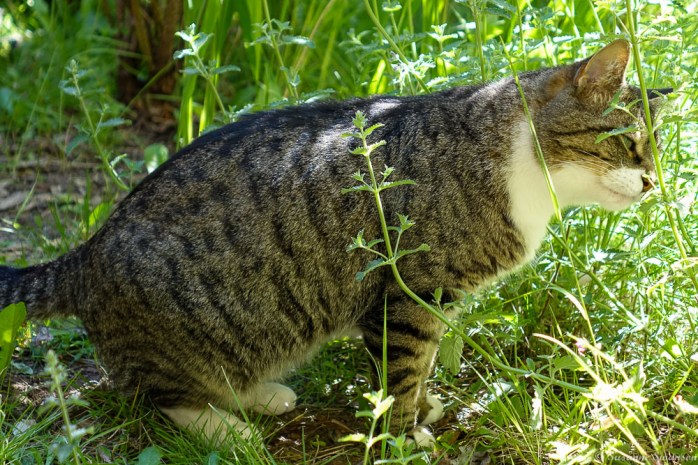
If you’d asked Tiger, the very best is Catmint, one of his favorite snack foods in the garden, and so it reminds me of him.

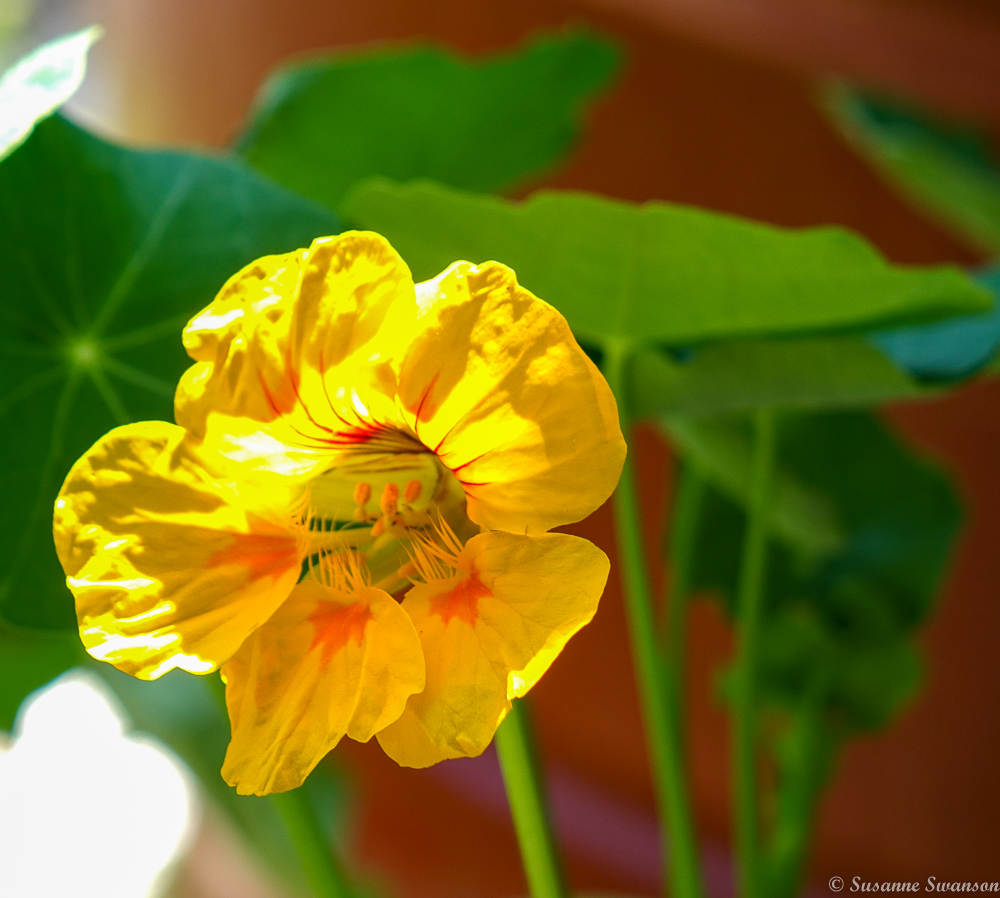
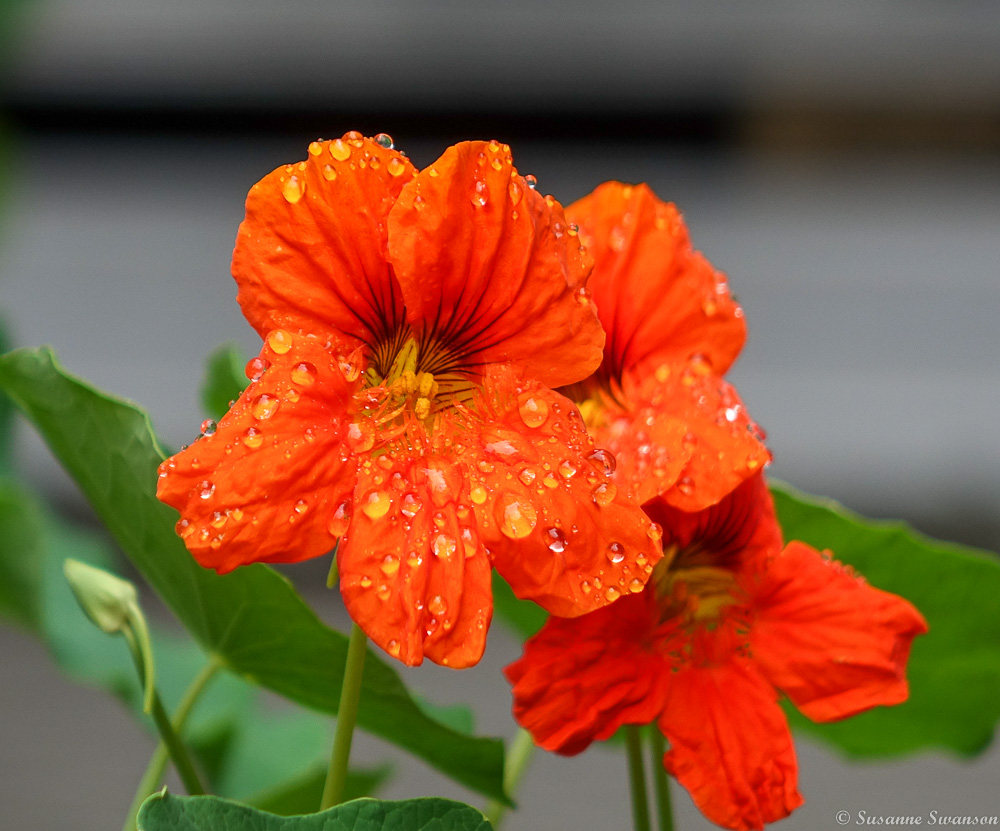
N is for Nasturtiums, another hardy herb, sometimes served on top of greens to add color and a peppery taste to your salad. Nasturtiums remind me of my mom for no other reason than I remember her growing them when I was a kid. Nasturtiums are undemanding – she was too – in fact they insist on having poor soil for blooming. If your soil is too rich, you may end up with a bunch of leaves, though even those look good with raindrops.


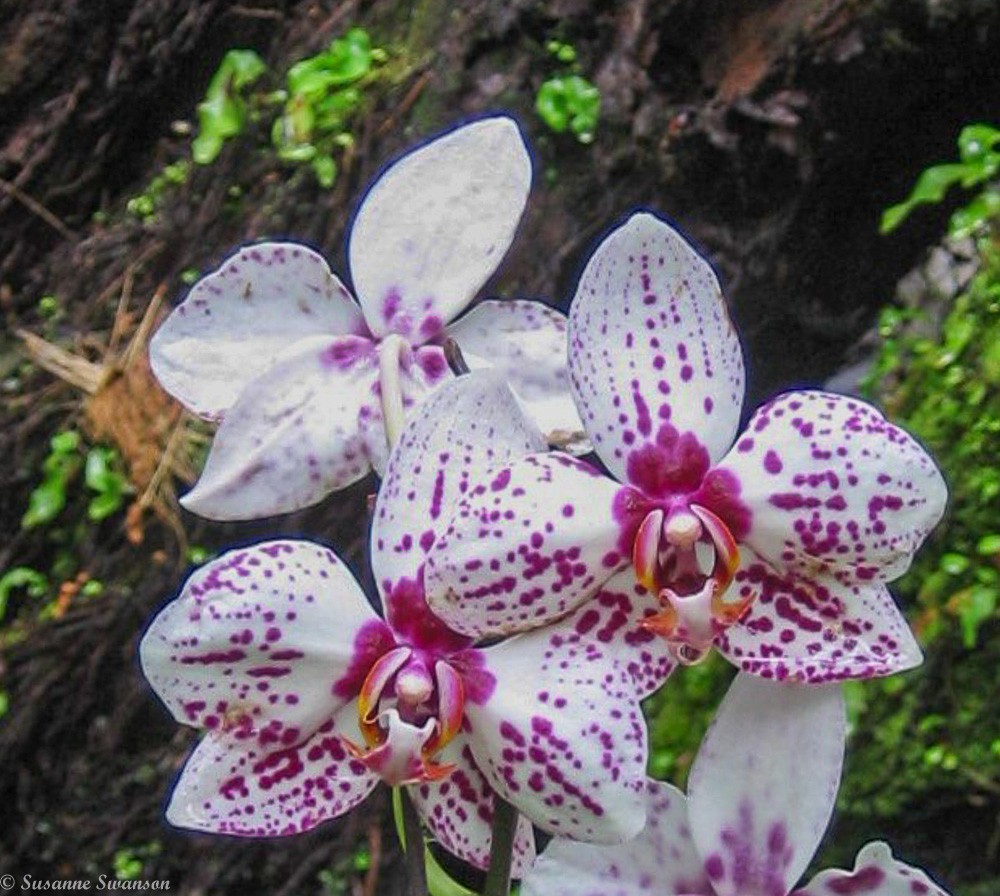
O is for Orchid and orchids cheer me up. Perhaps because they remind me of Hawaii, a favorite place of mine where I took the photos below,
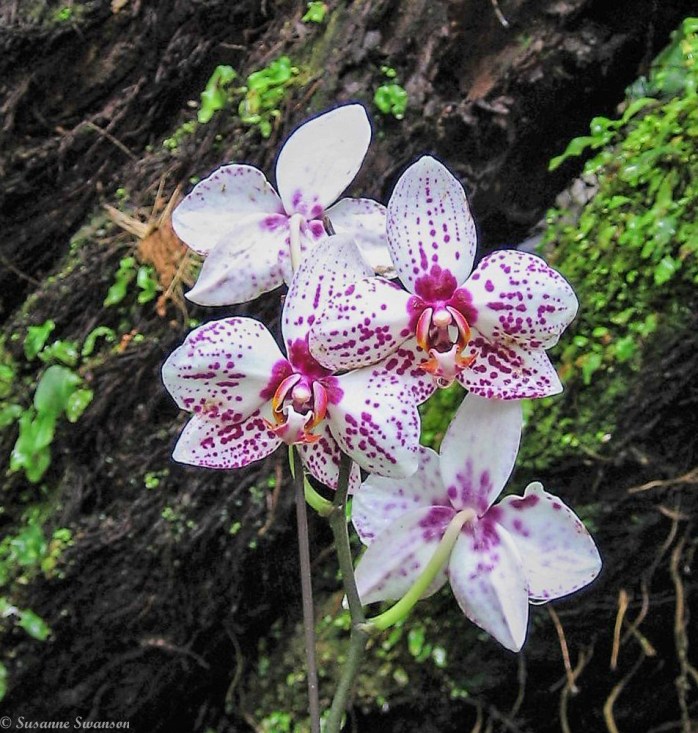
or perhaps because of their smiling faces; despite the beauty, I can’t help seeing a freckle-faced kid!
Earlier this year during a difficult time, I bought an orchid; it was Valentine’s Day, so it was in a little red cup with hearts.
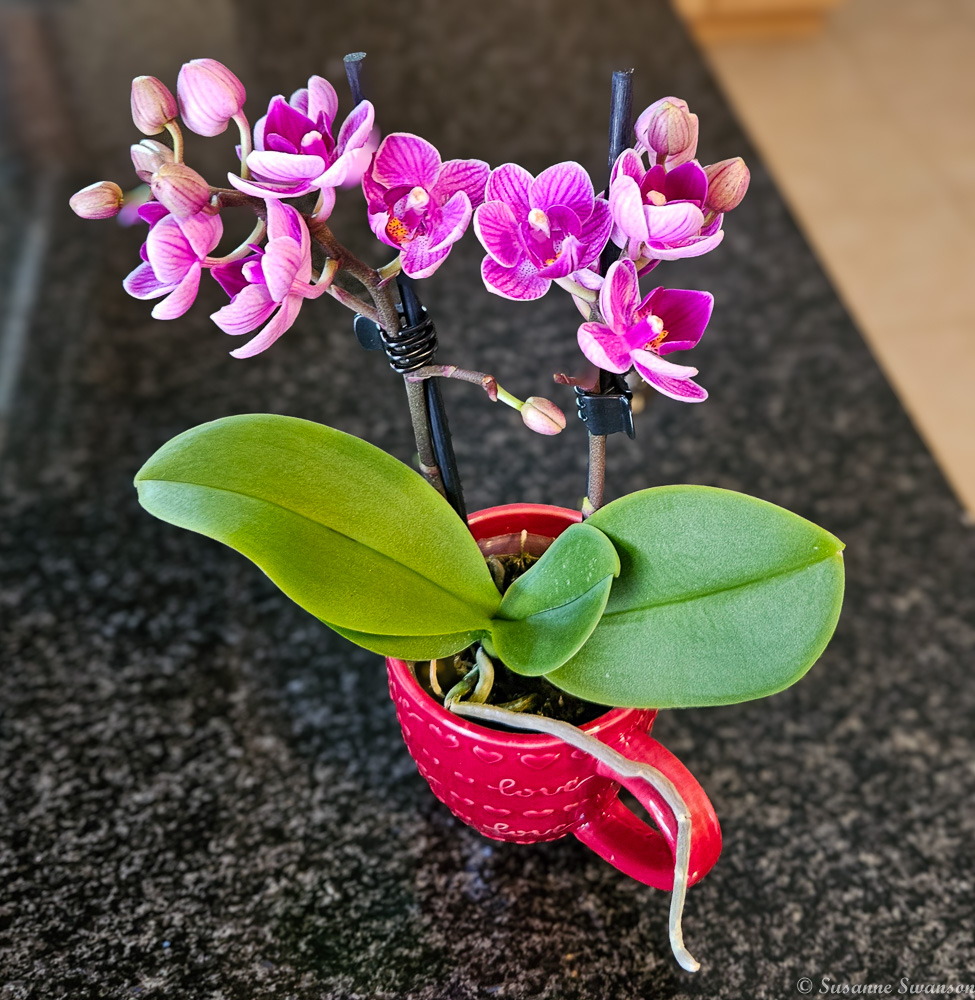
I admired it for months before the blossoms dropped off.
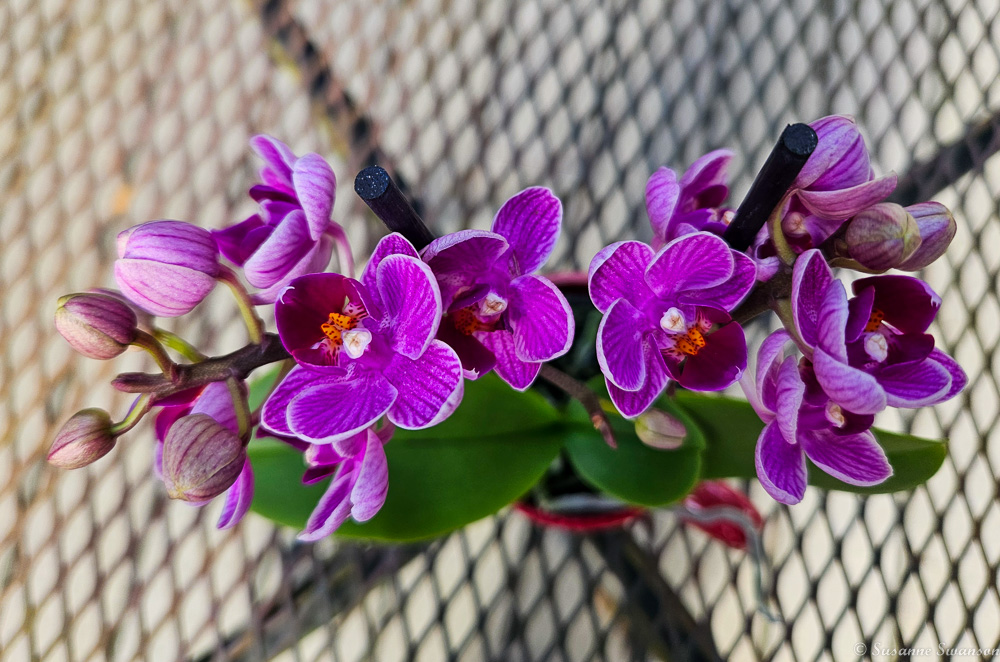
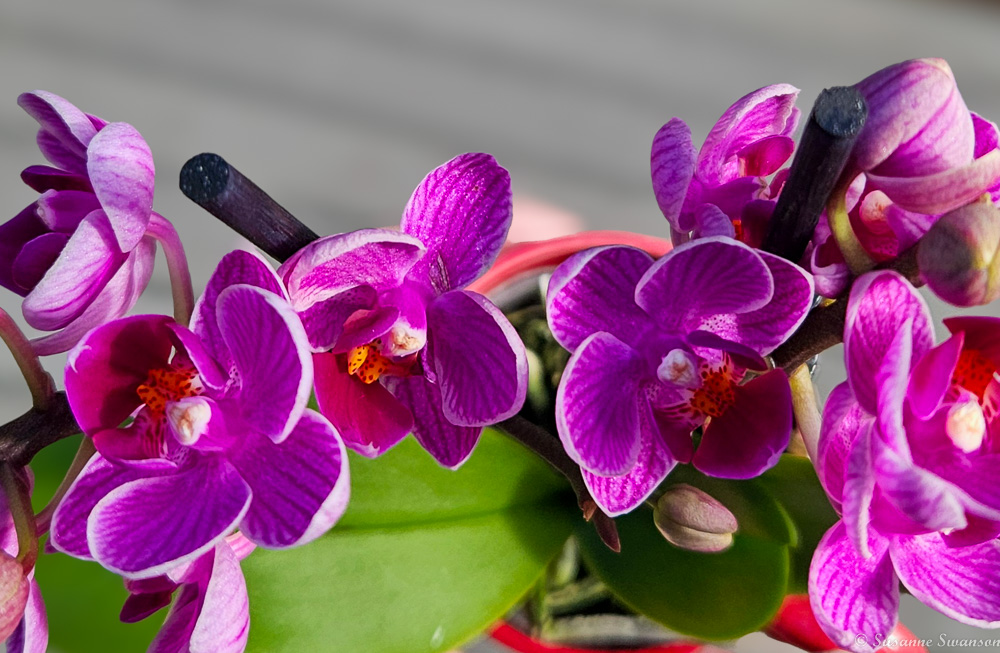


I still have it sitting on my windowsill and hope it will bloom again. But even if it doesn’t it served its purpose.
~ Susanne
Remembering a Smoky Weekend at Mt. Shuksan and Bellingham
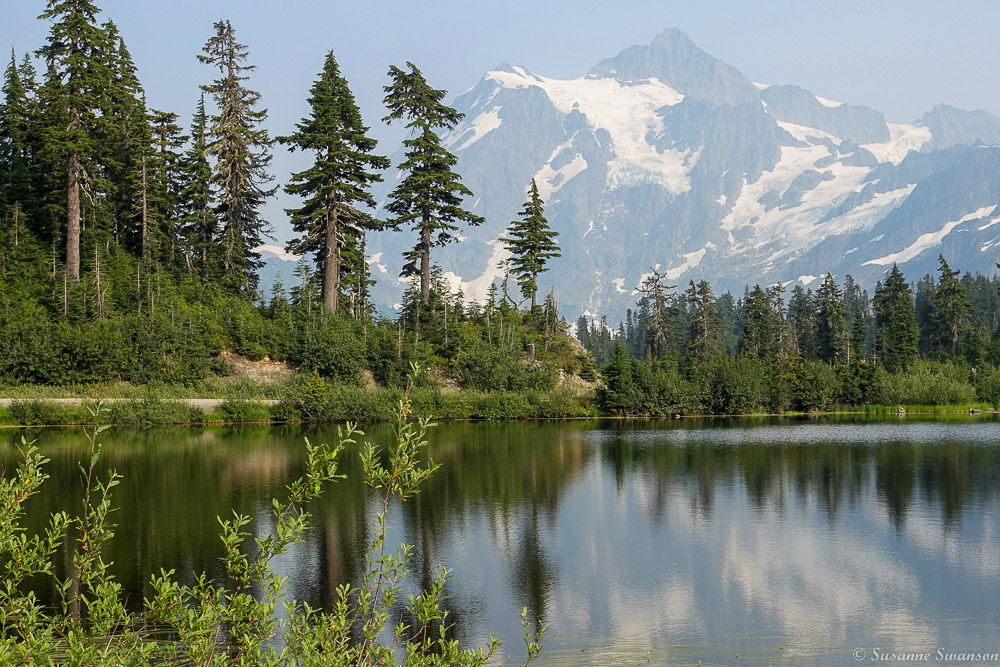
Mt. Shuksan, in the North Cascades, is one of the most photogenic mountains in the U.S and I’d always wanted to see it. The most accessible scenic views are at Picture Lake, an easy drive from Bellingham, but most of the year the trail at the lake is snowed in. That leaves only the summer months which also happens to be wildfire season.
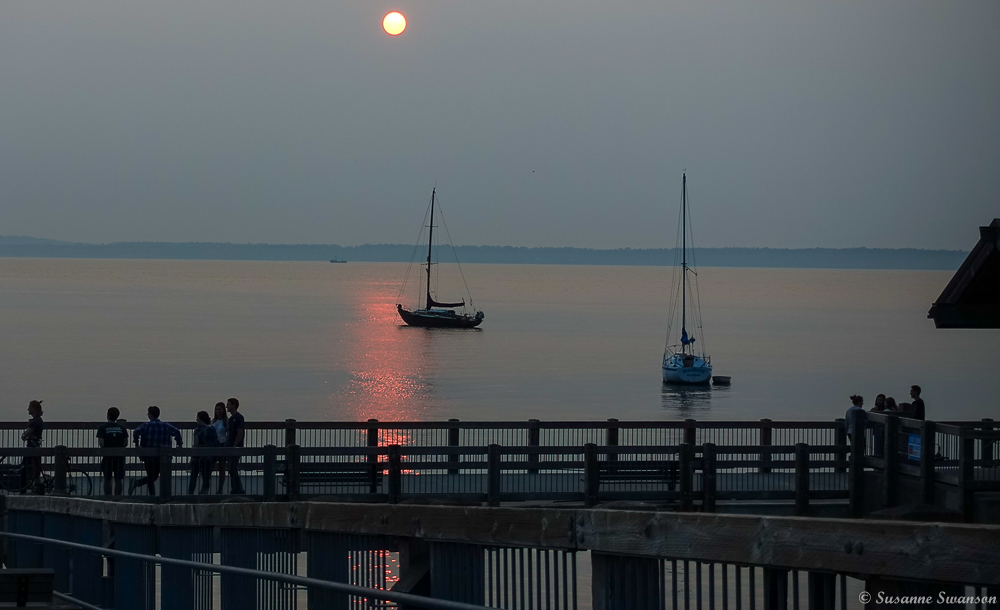
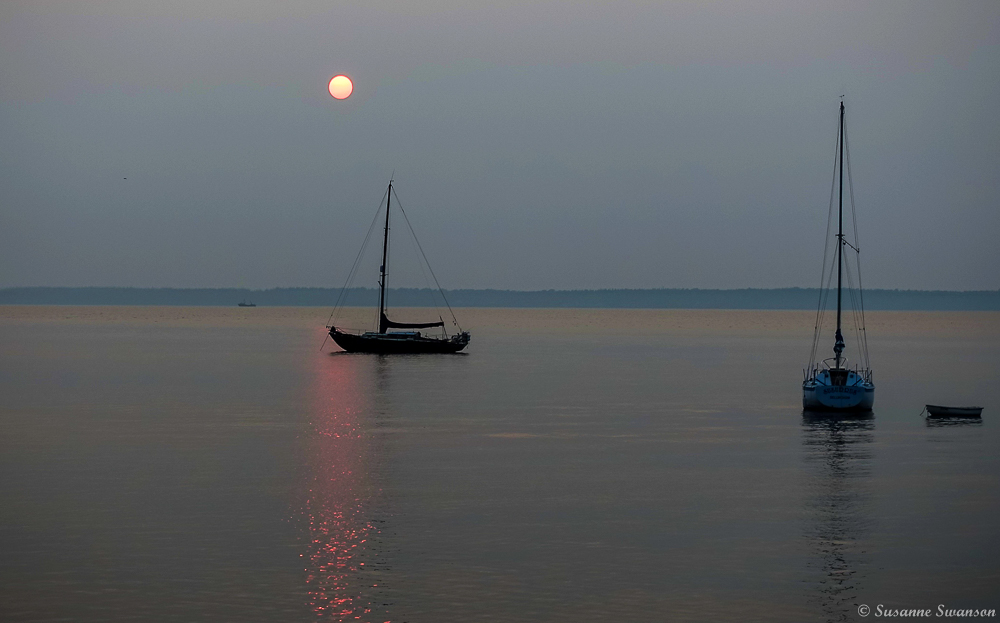
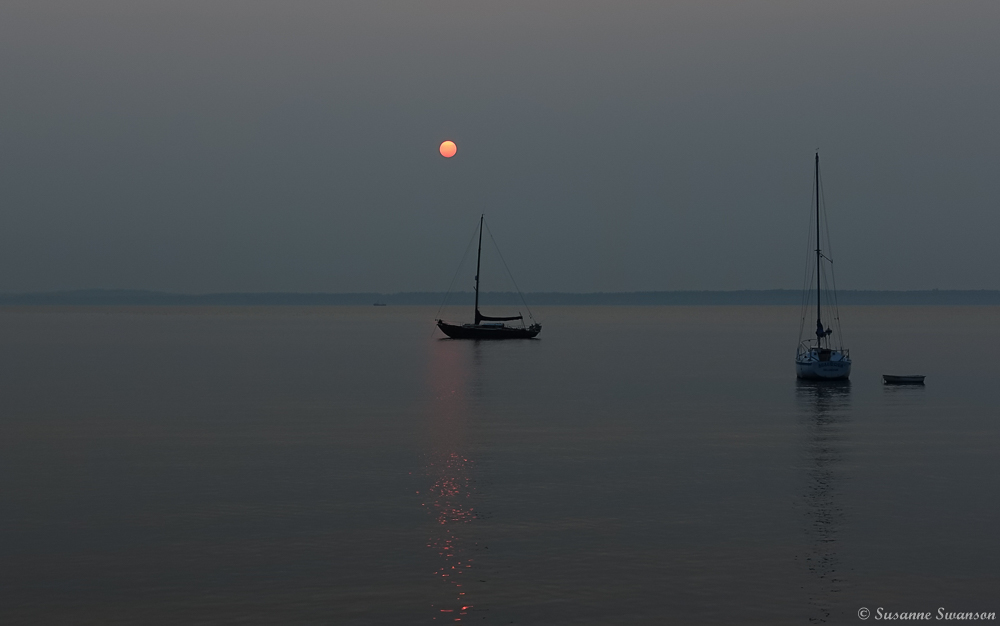
So it was, a few years ago, we made the trip to Bellingham in the middle of August, where smoke from wildfires made for a mysterious sky and sunset over Bellingham Bay.
The next day we drove to Mt. Shuksan, which was as beautiful as I expected, even though it was partially obscured by the haze of smoke.
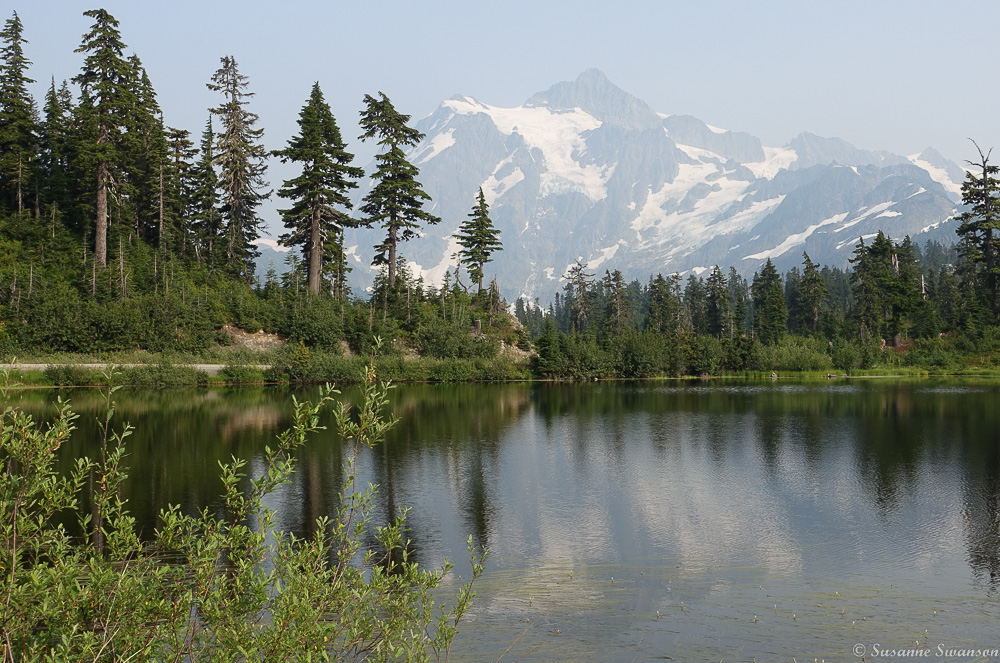

Still, we took the trail around the lake, admiring it from all angles,
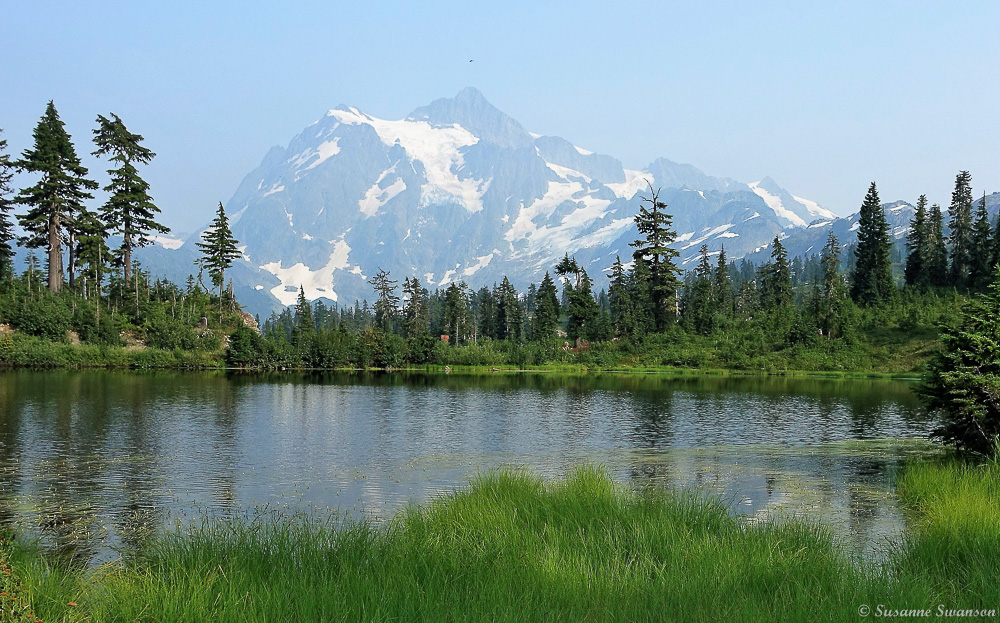
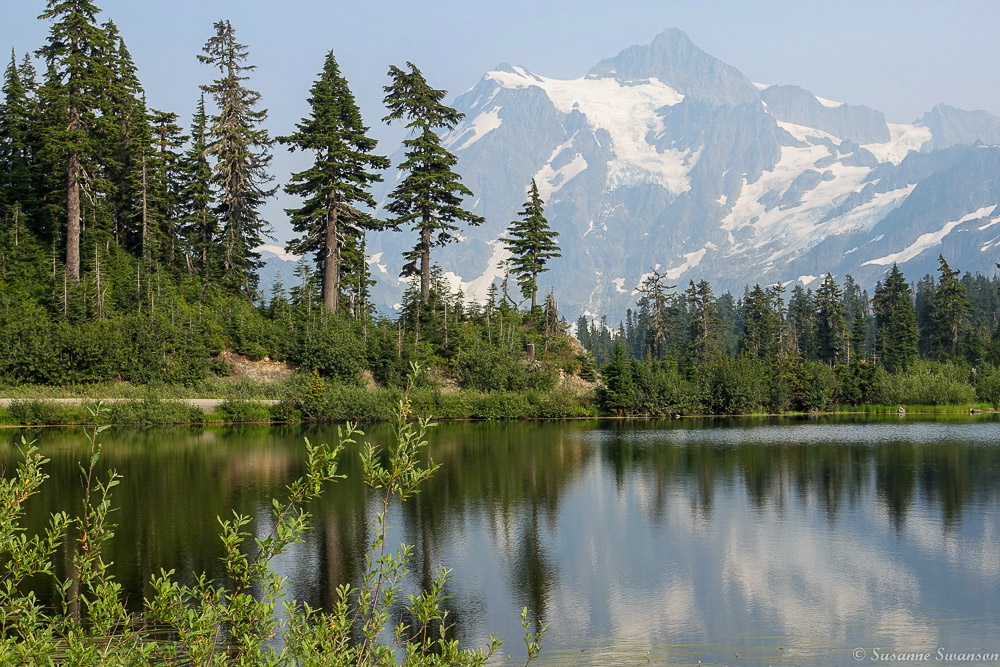
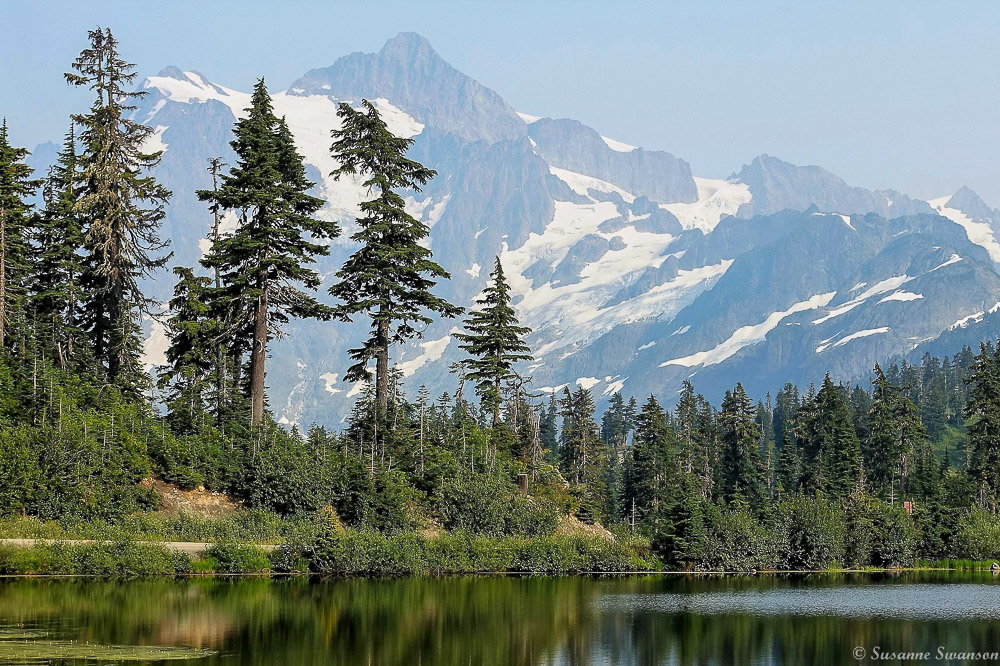
imagining how awesome it would be under clear skies.
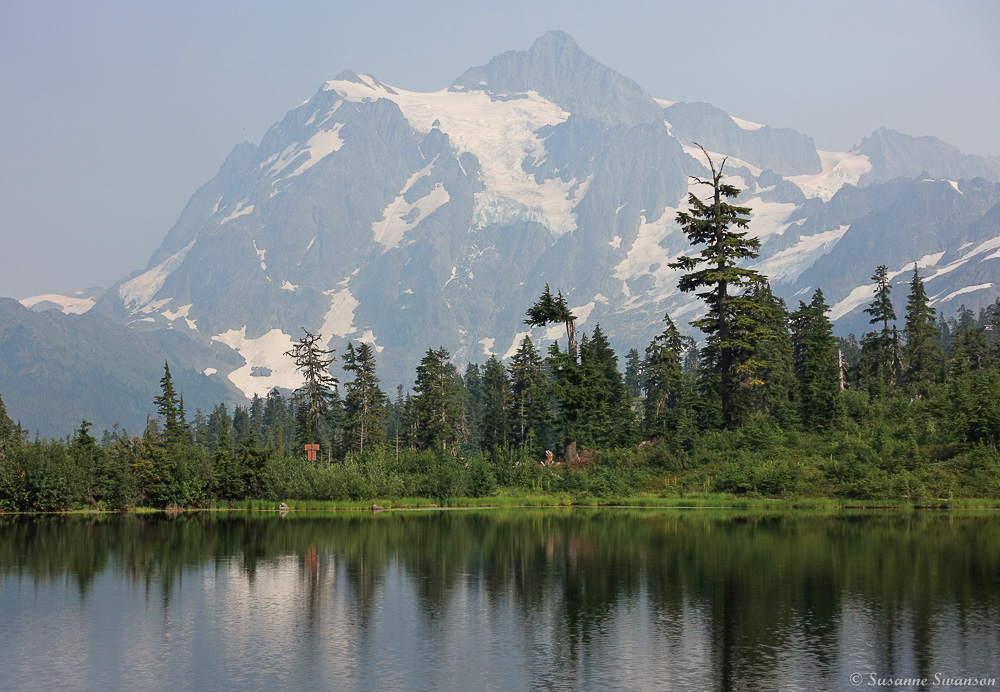
I hope to go back to see it again before wildfire season begins, or perhaps in in the fall, when surrounding colors turn to gold.
For more on Mt. Shuksan and Picture Lake, check out the National Forest Website – Mount Baker-Snoqualmie National Forest | Picture Lake Path | Forest Service
Sharing with Sunday Stills, Smoky.
~ Susanne
Twice Upon a Time at Turtle Bay – on Oahu’s North Shore

It remains to be seen whether there will be a third.
We first visited in 2020, just before Covid took over the world. It happened because I took advantage of a Cyber sale the day after Thanksgiving with rooms for half-price.
It was everything I hoped for and more.
The hotel sits on the tip of the North Shore, so we enjoyed both sunrise and sunset over the Pacific.
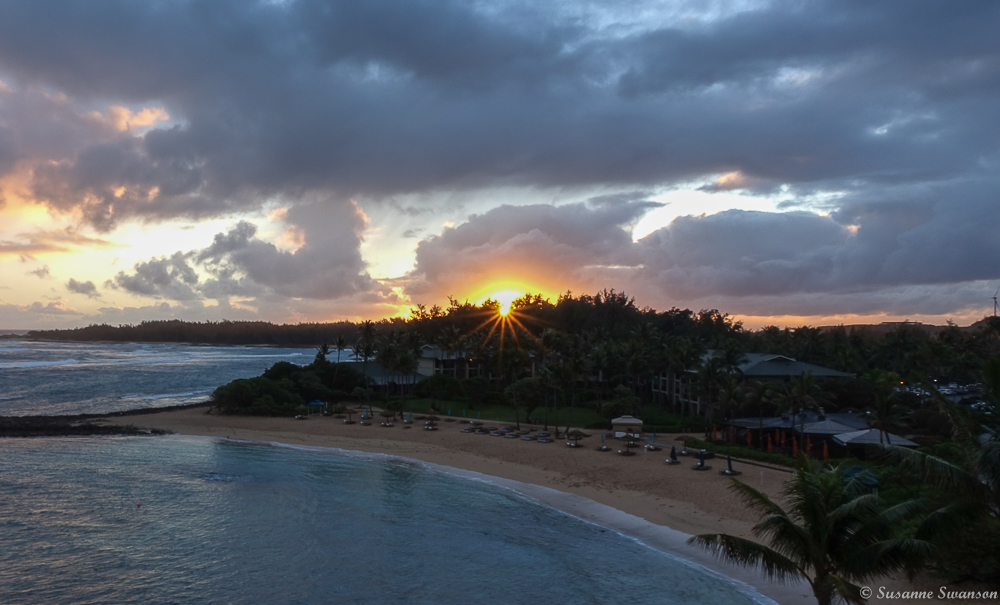
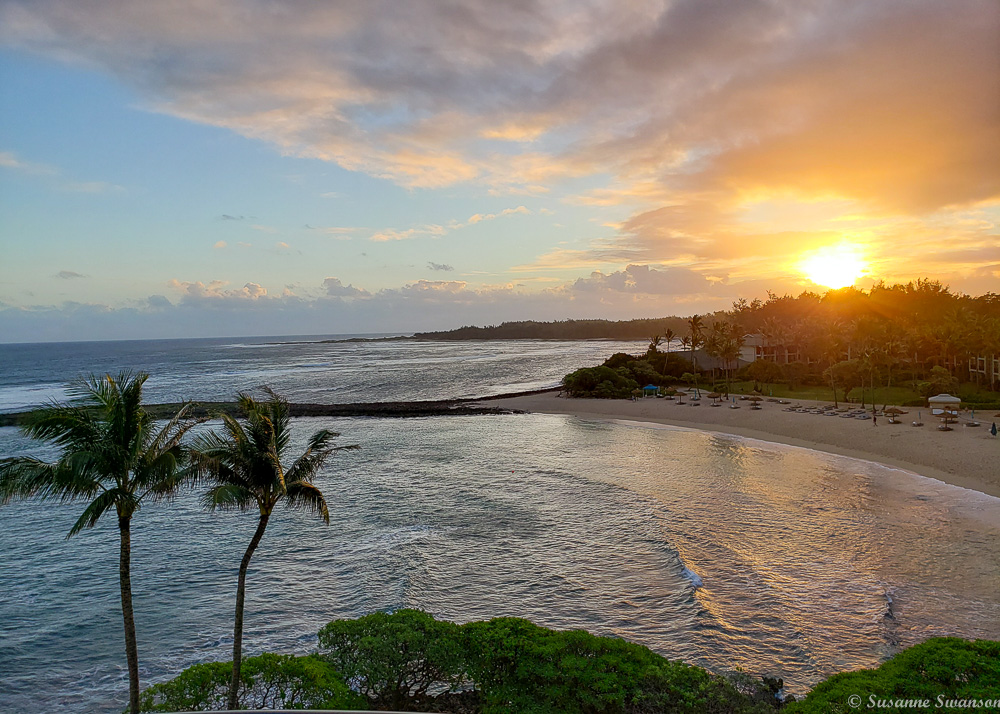
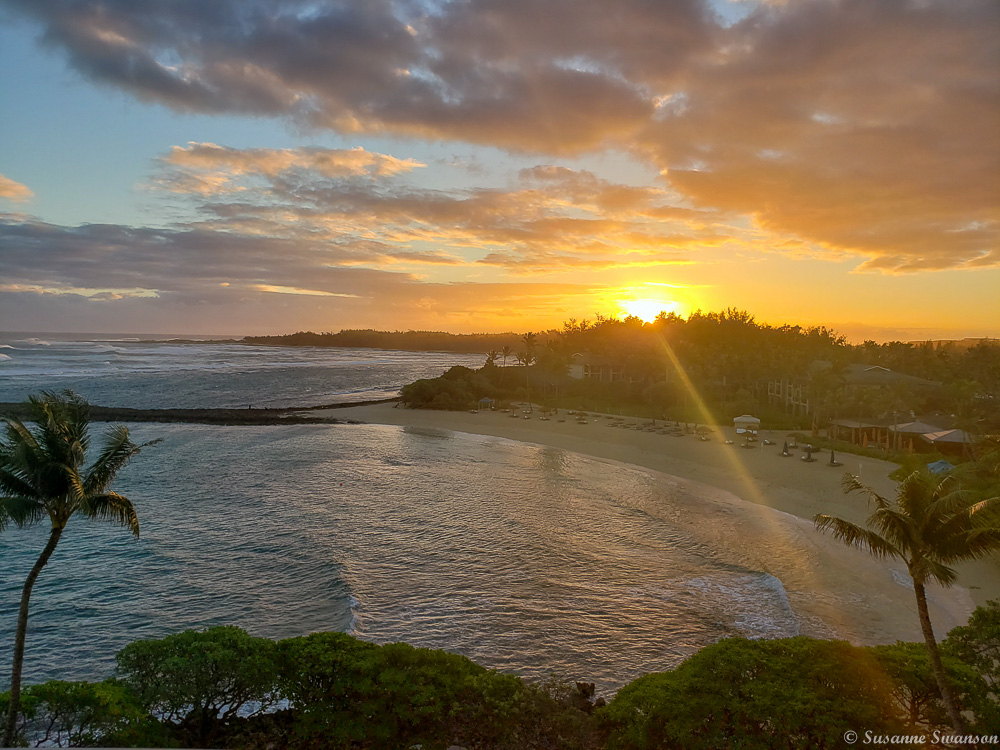
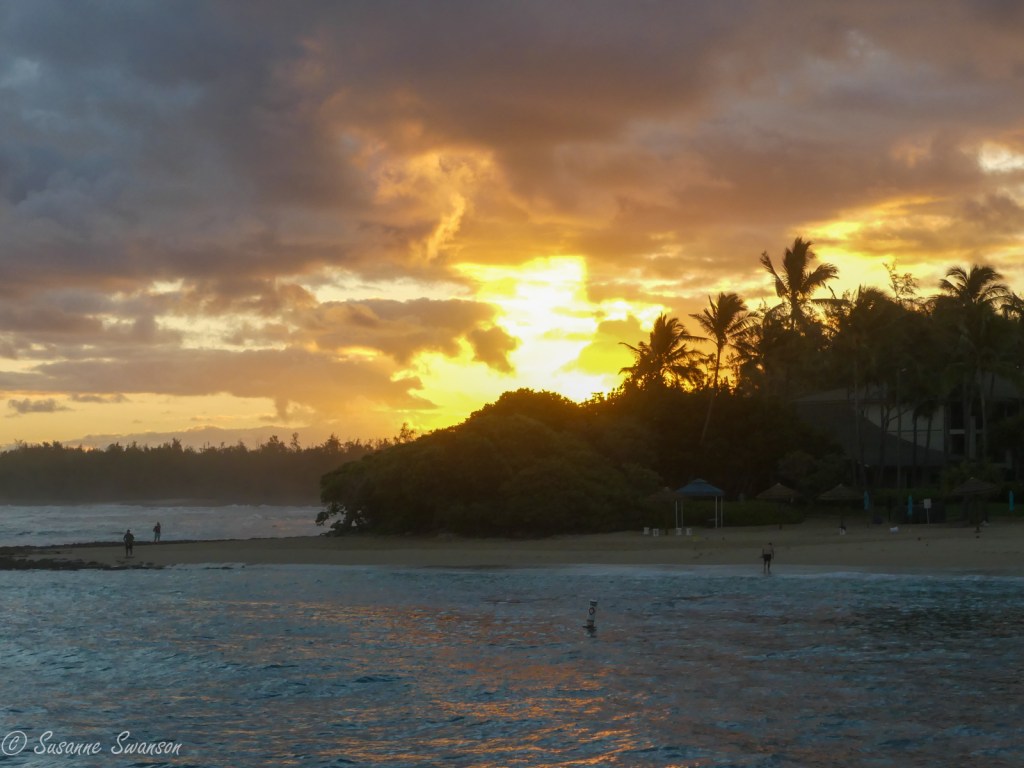
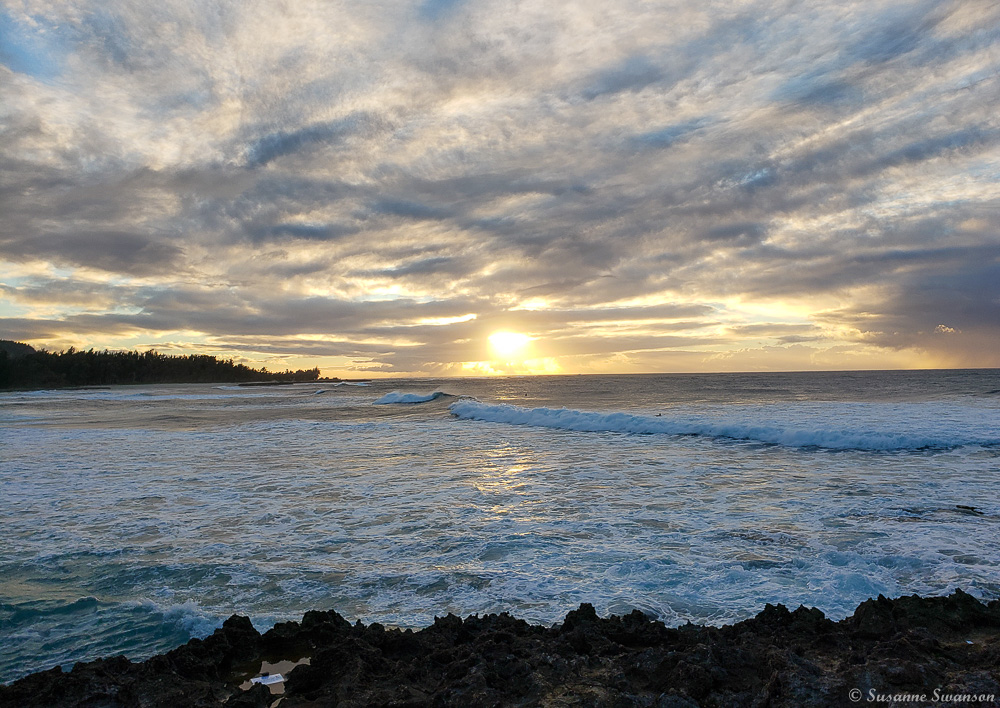
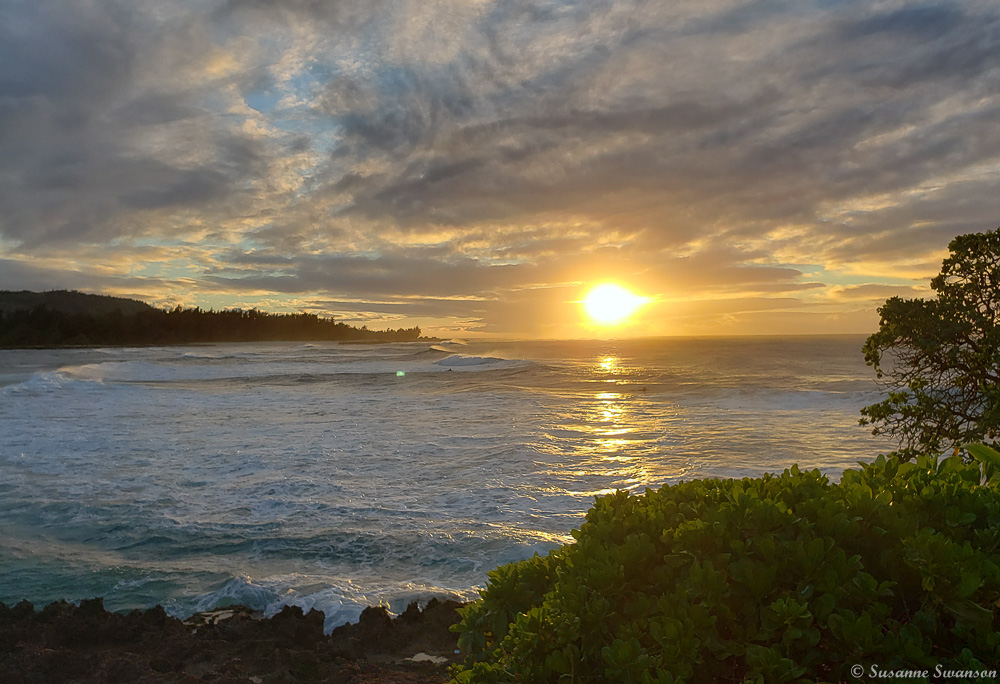
The property is large and secluded with its own beaches.
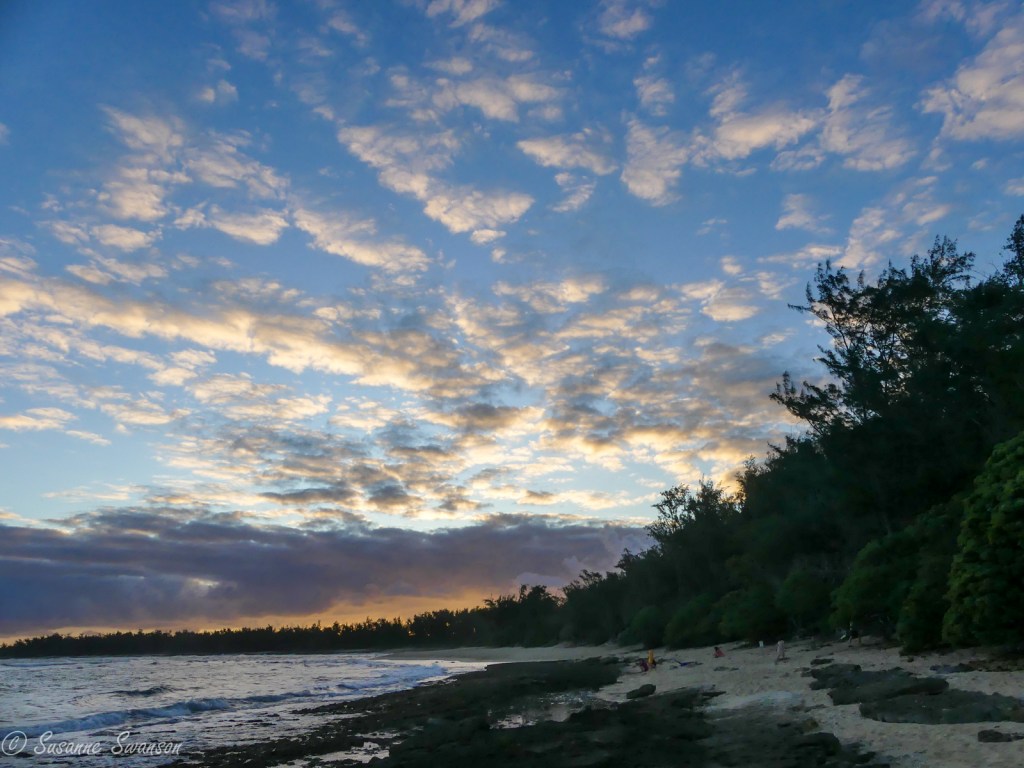
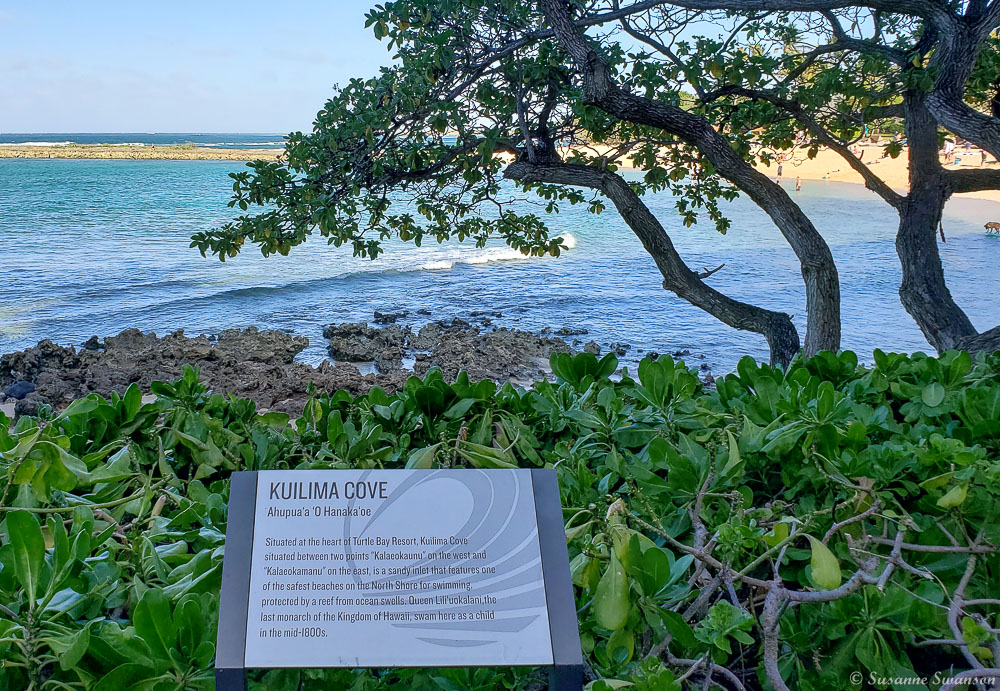
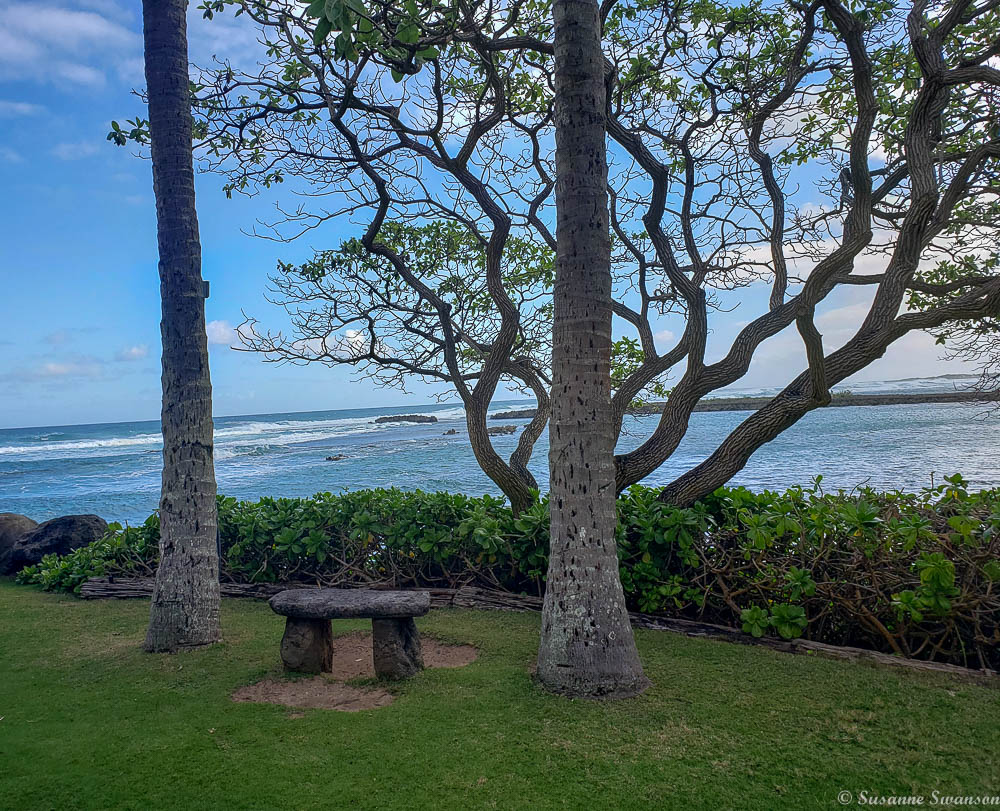

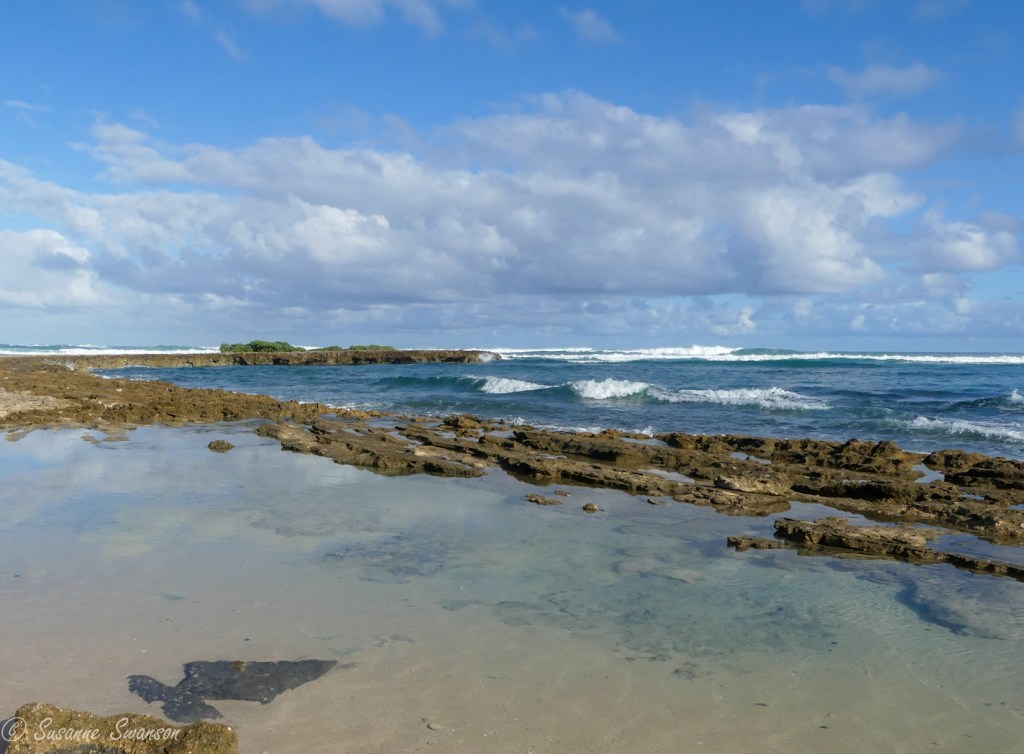
Isolated.
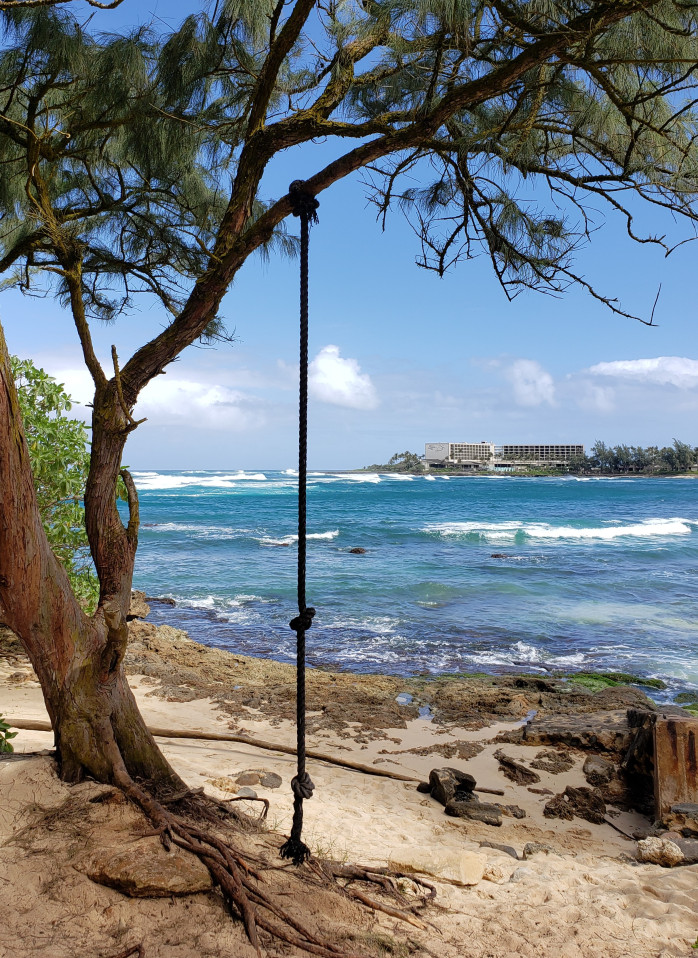
With walking trails.
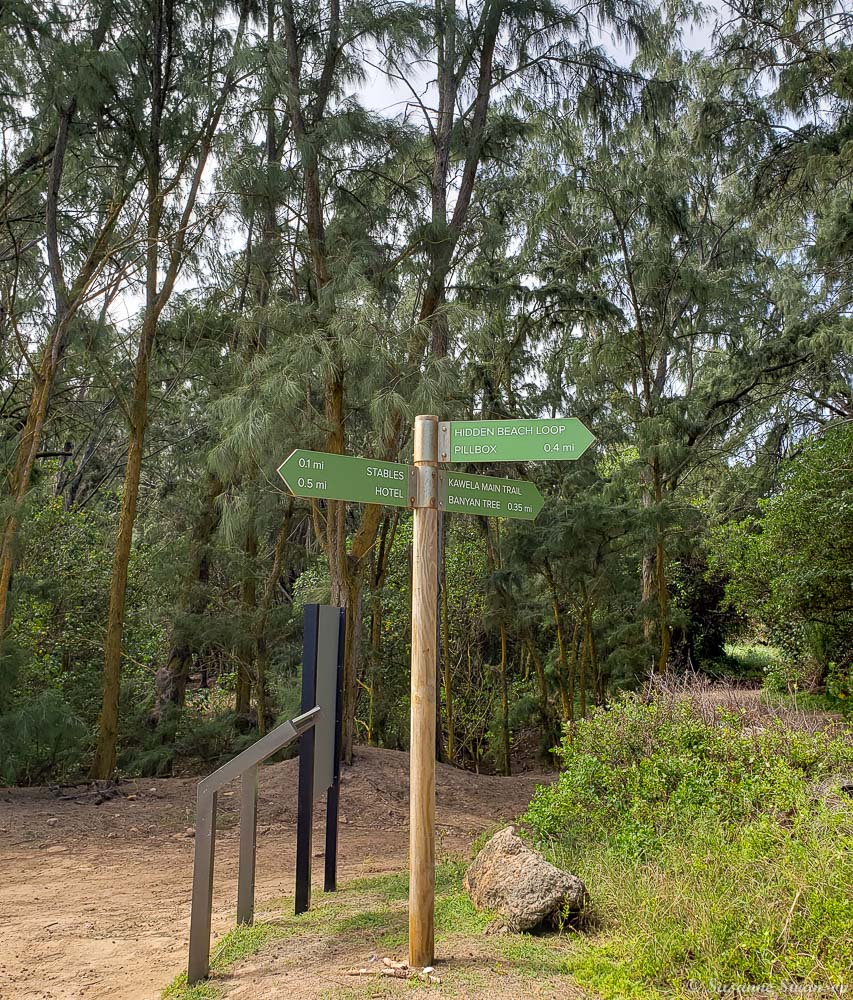
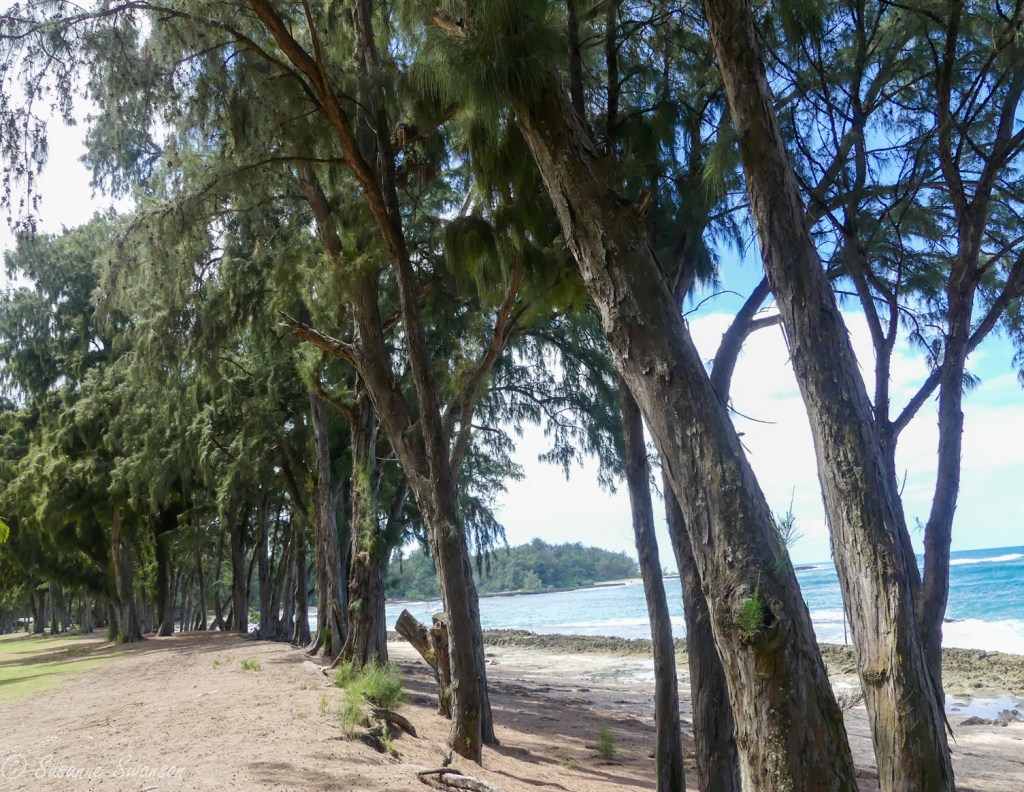
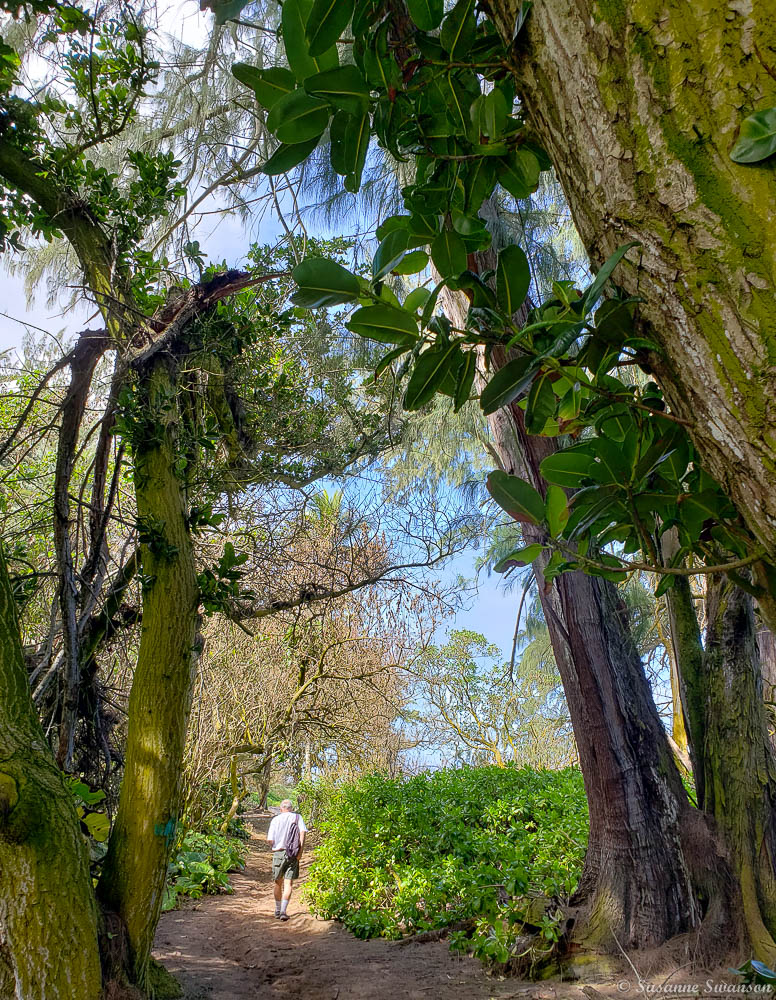
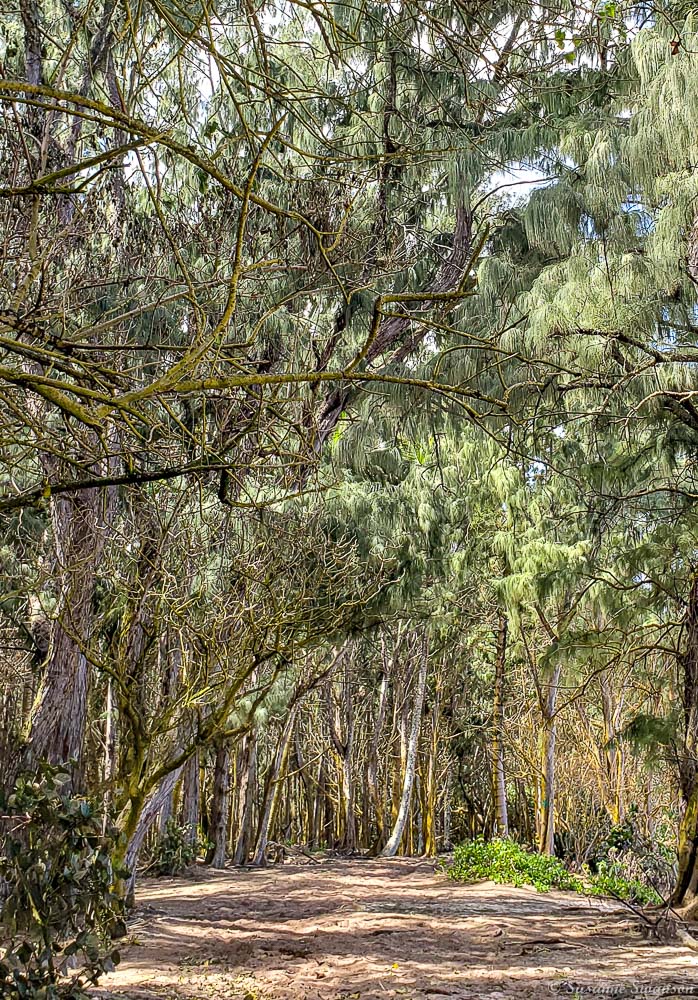
Historic.
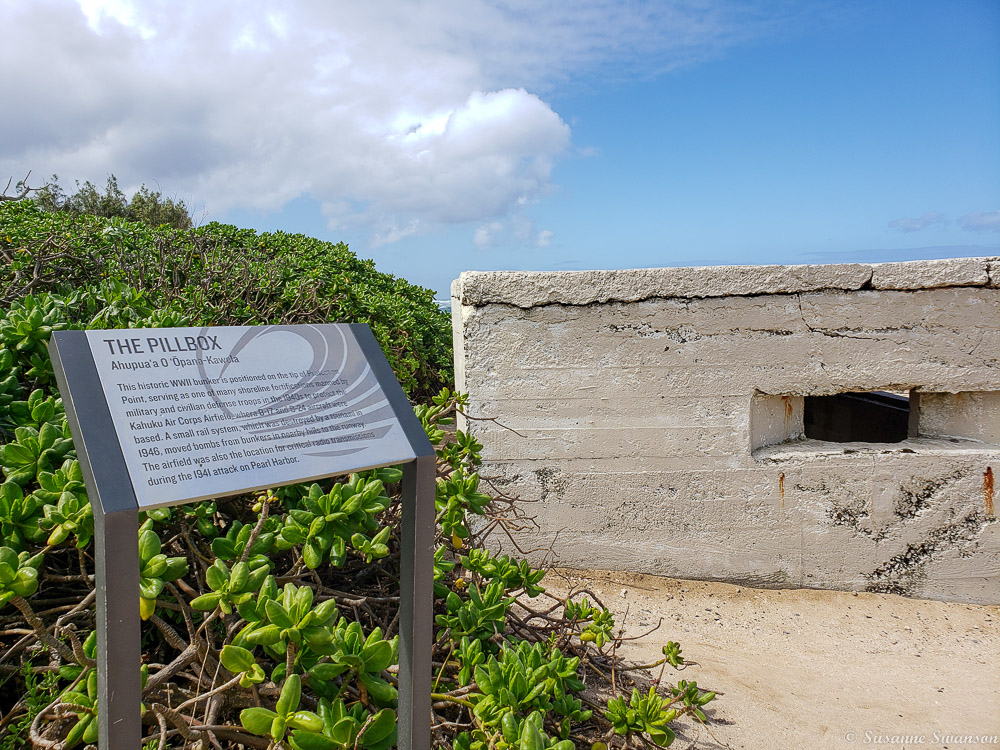
The first trip got us hooked, which led to a second trip at full price, but still affordable for a few days.
And then the property was purchased by the Ritz Carlton.
Same property. Same beaches. Double the price, locking out locals and ordinary travelers alike.
While reviews are still good (it’s all about the location), they’re not good enough for those who expect more of the Ritz brand. Especially for the price.
So I’m happy to have stayed there not once, but twice.
And who knows? With another change of ownership someday, perhaps there will be a third.
~ Susanne
Charmed by a Red-Breasted Nuthatch
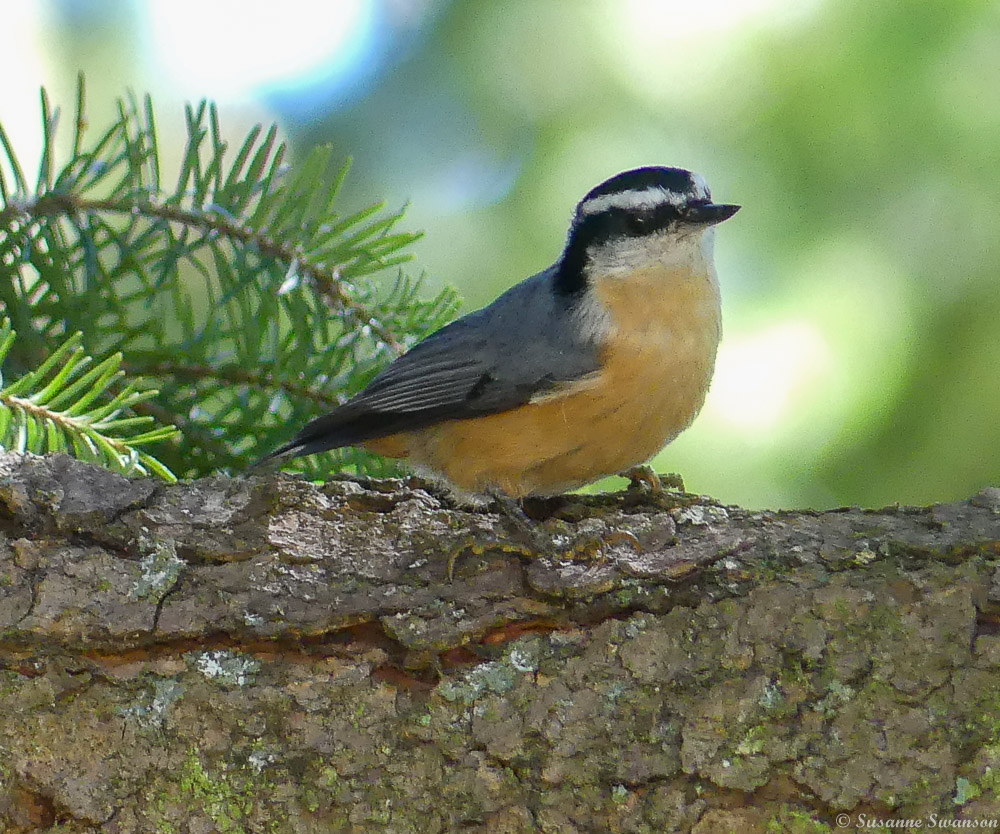
Yesterday I watched a Red-Breasted Nuthatch in my backyard and was completely charmed.
I was sitting on my deck when I heard his call and saw him swoop into my yard.
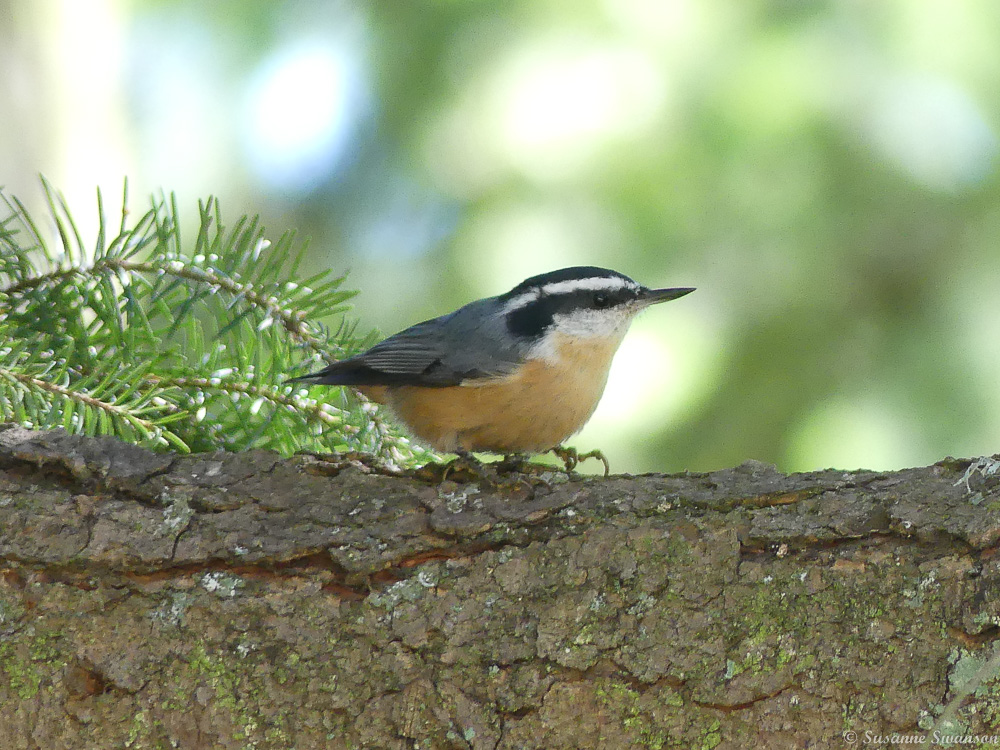
He landed on a branch overhead and began to hunt in earnest.

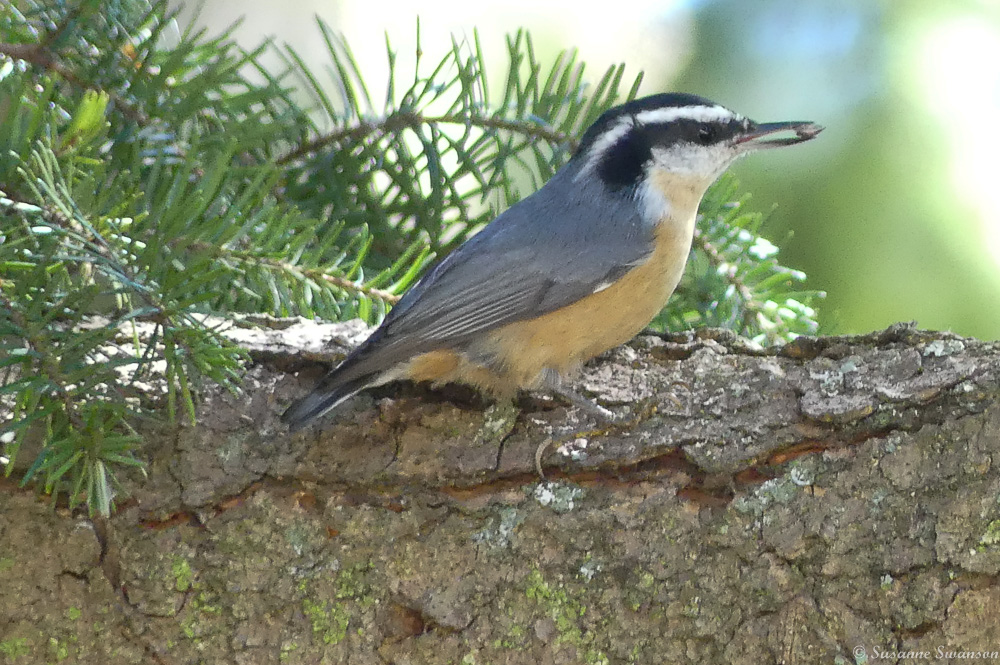

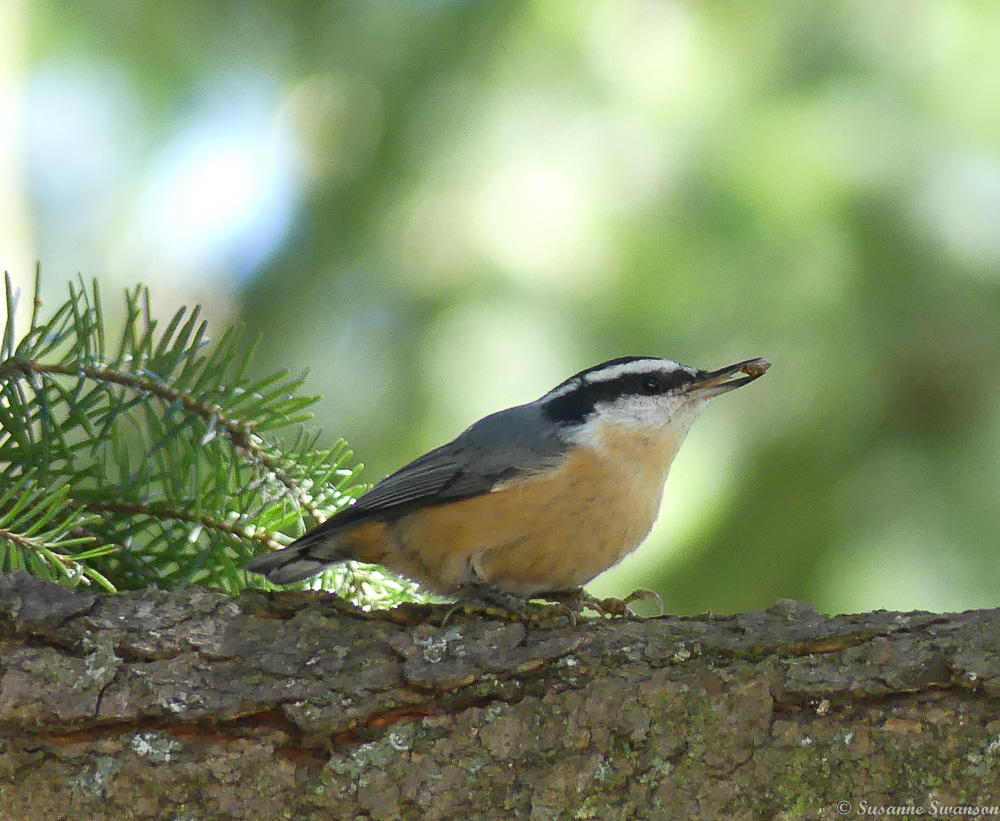


After hunting, he stopped by the bird bath and was refreshed.

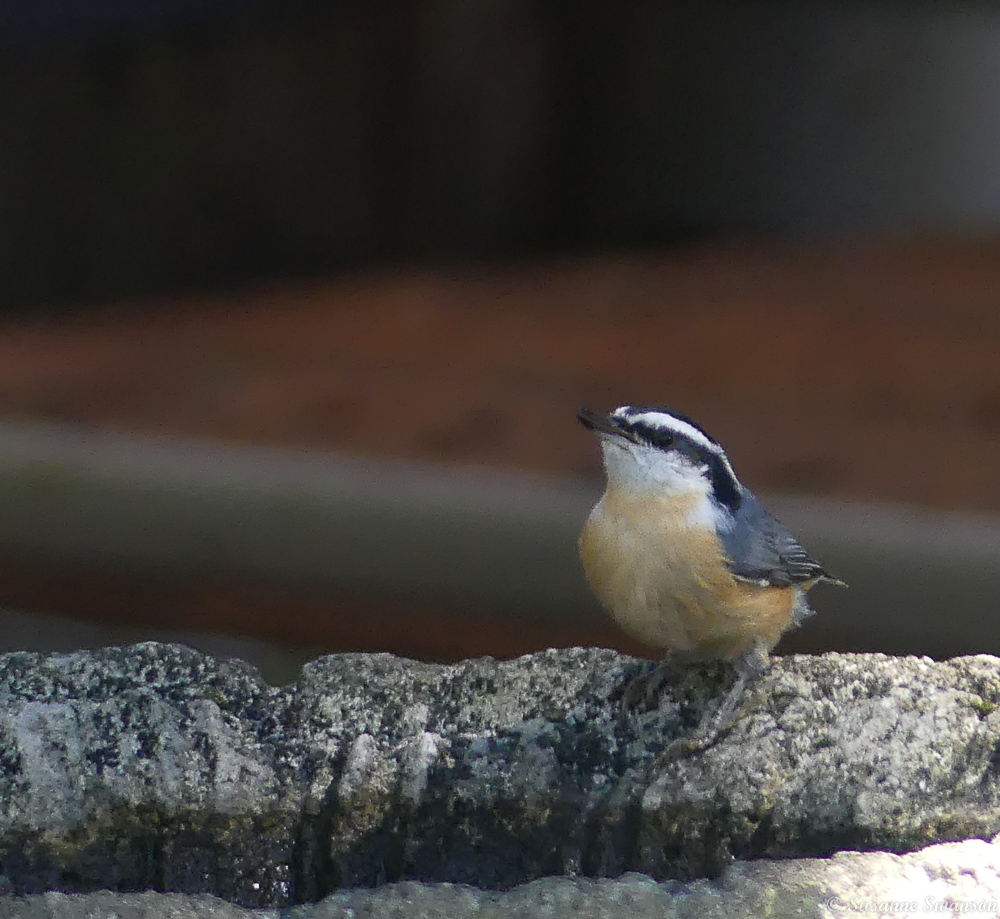
According to my Peterson Field Guide, the Nuthatch is a “small, stubby tree-climber with strong, woodpecker-like bills and strong feet. The short, square-cut tails are not braced like woodpeckers’ tails during climbing. Nuthatches habitually go down trees headfirst.” I can vouch for that.
The Red-breasted variety is small, only 4 1/2 inches long; one of my favorite tiny birds.
~ Susanne
Flowers in Yellow and Ochre and Saffron, at Hovander Park
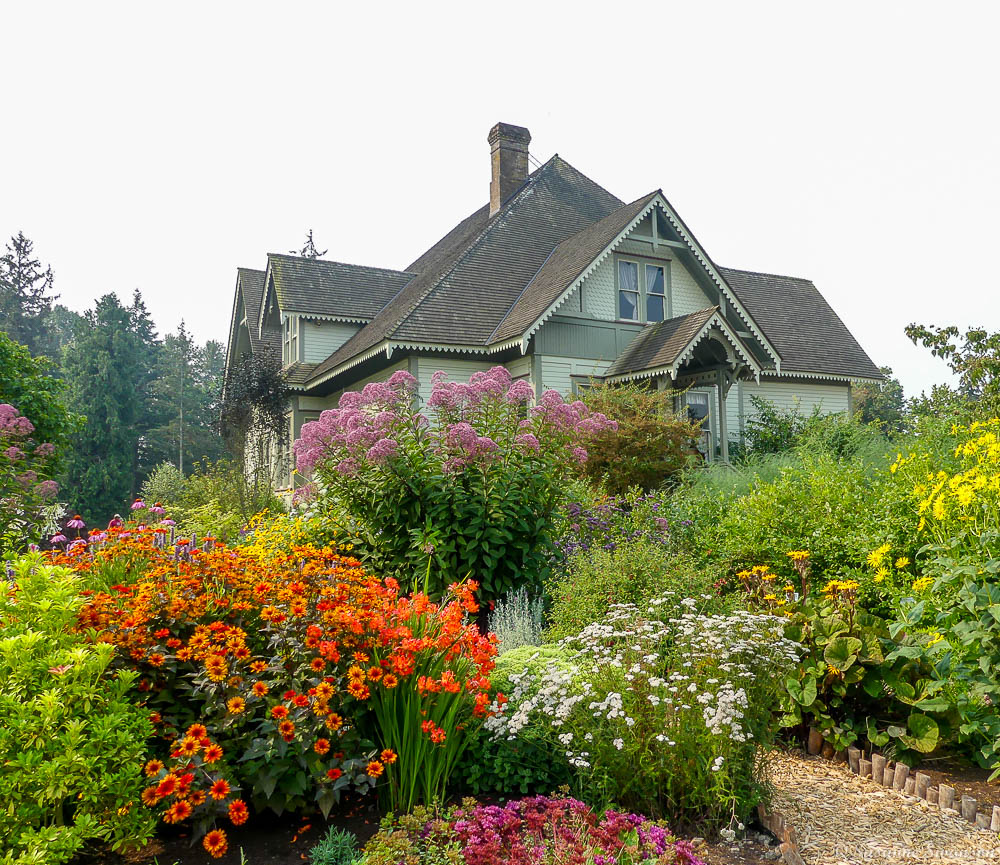
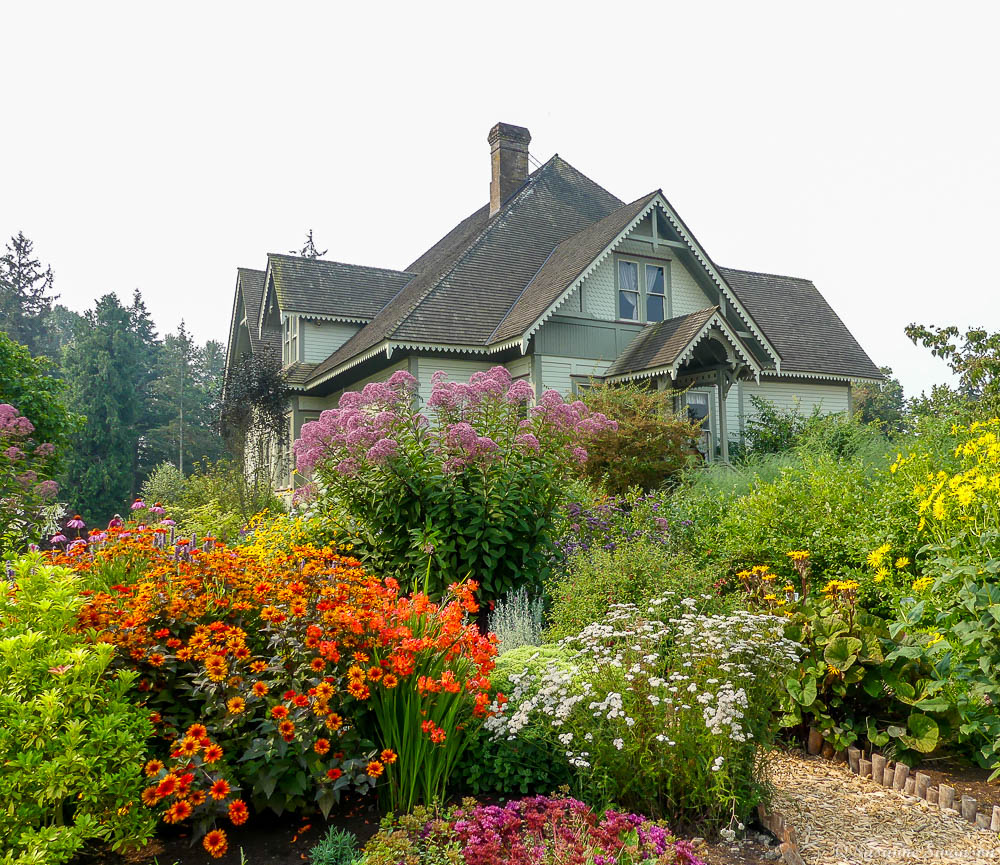
Last week we got away for a much needed respite to Bellingham and beyond, and enjoyed a day at Hovander Park in Ferndale. I’d always wanted to see it, and it so happened there was a Senior Fair in the park, so we went.
There were typical vendor booths and community services, as well as music and activities, all fun to explore.

But I mostly enjoyed the grounds: the old homestead, built in 1903,
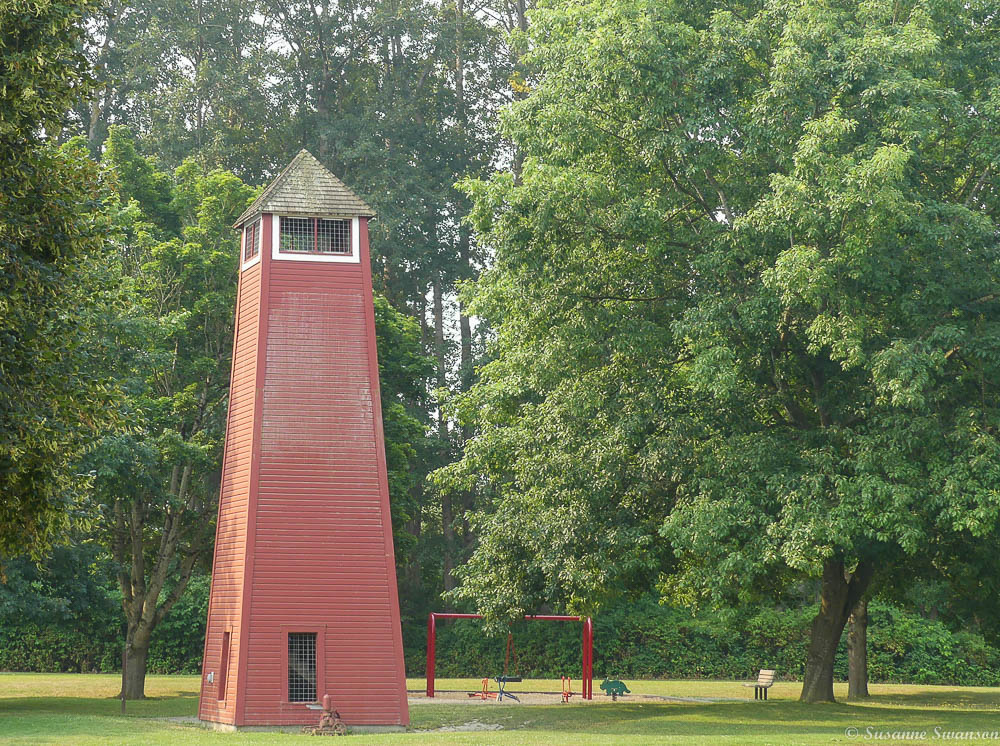
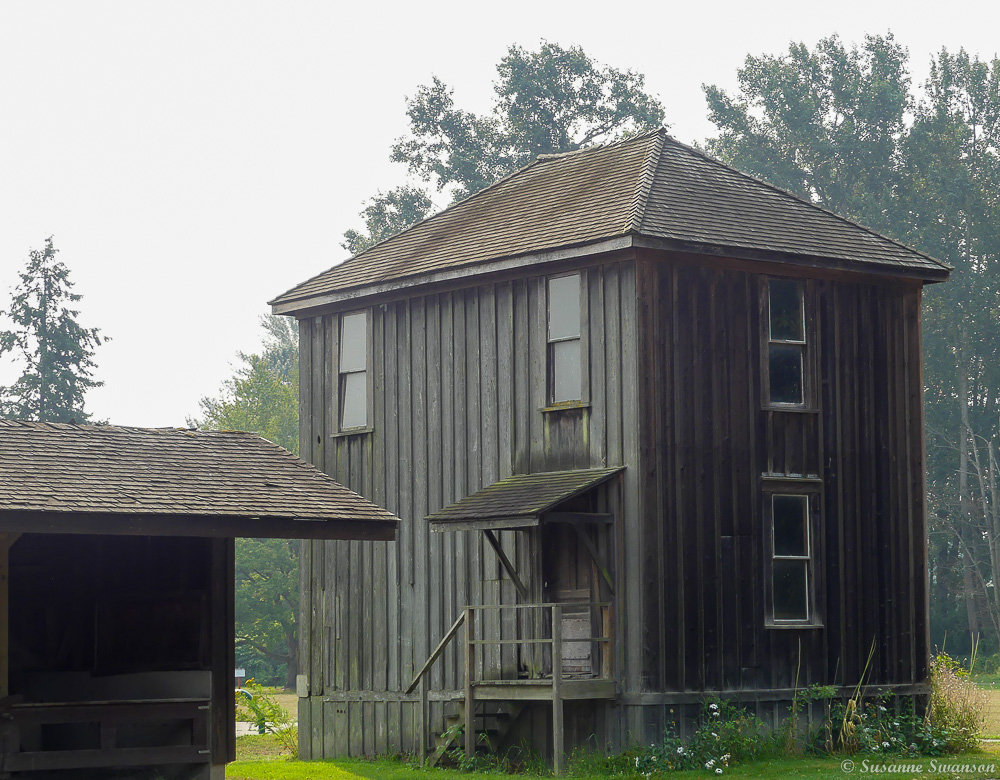
other outbuildings,
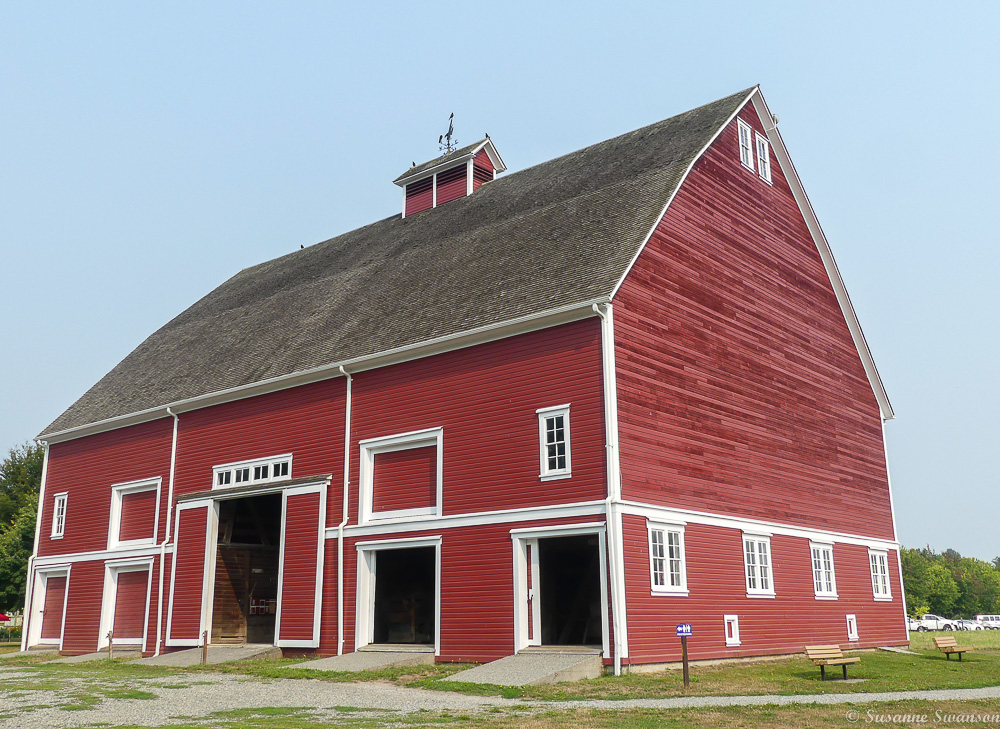
and a magnificent barn, built in 1911. More on the history of the Hovander Homestead, here.
I also loved the farm animals,
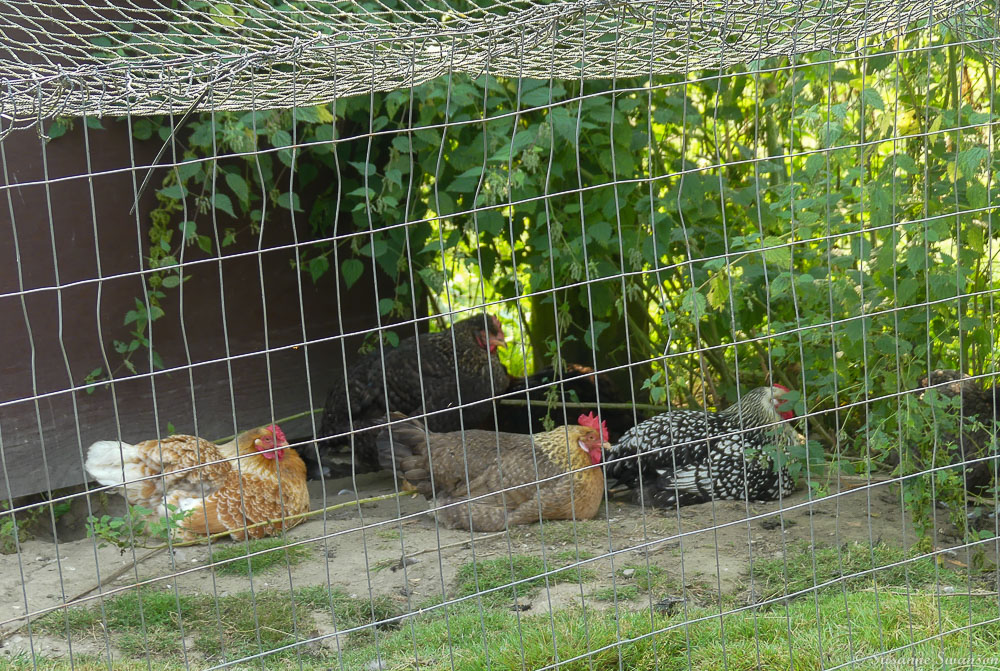
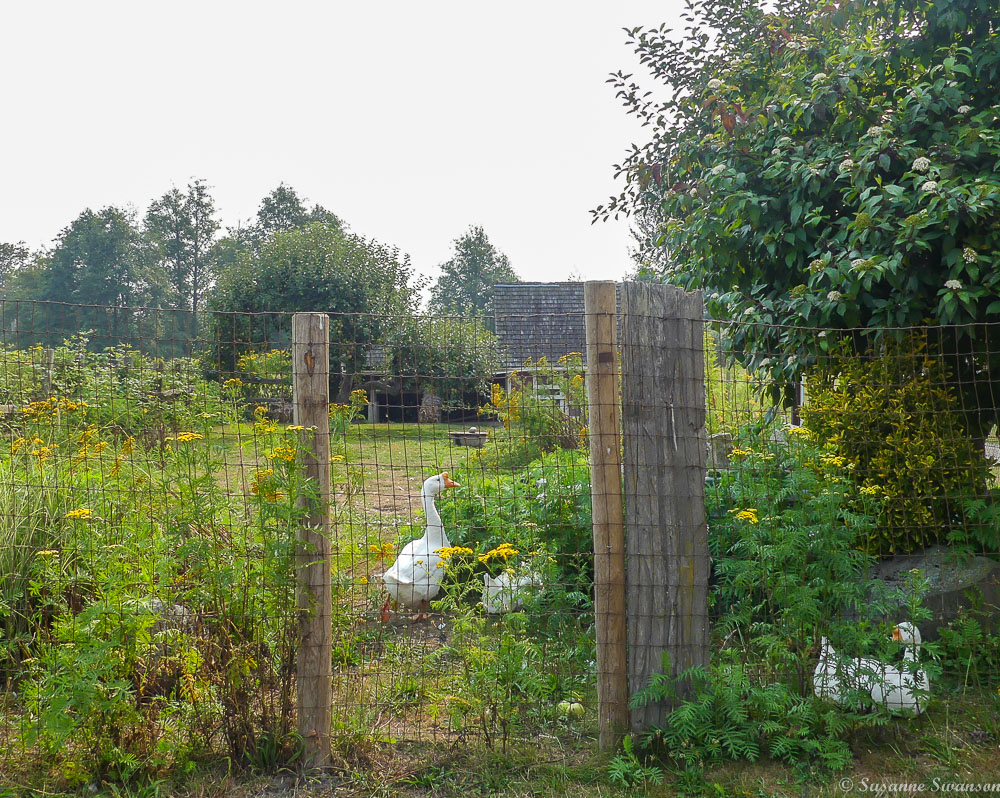
including a very stylish duck.
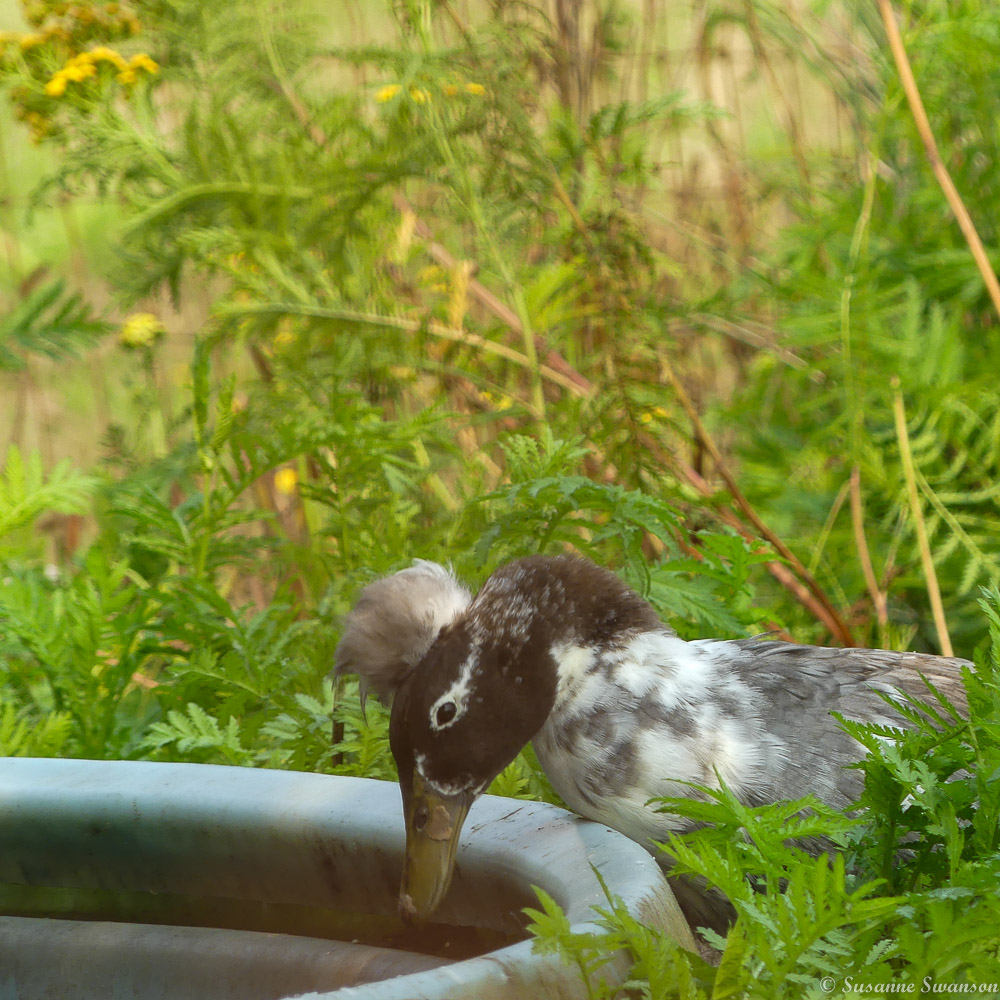
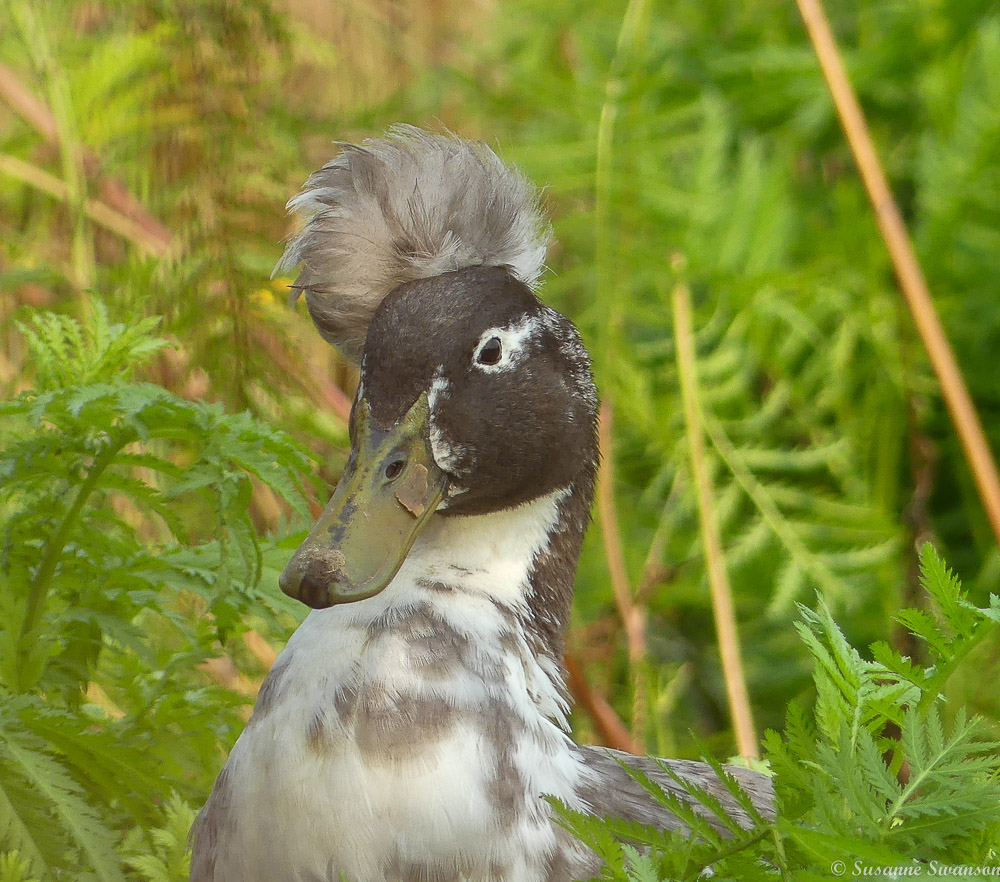

I enjoyed the gardens most of all, filled with summer flowers in yellow and ochre and saffron, which I’m sharing for Sunday Stills.
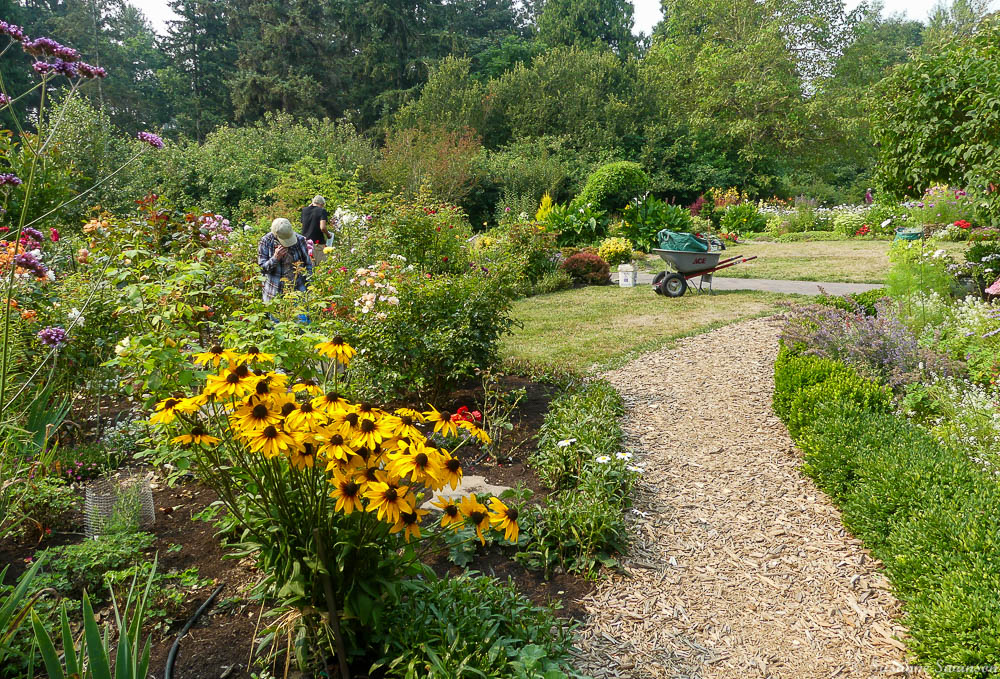
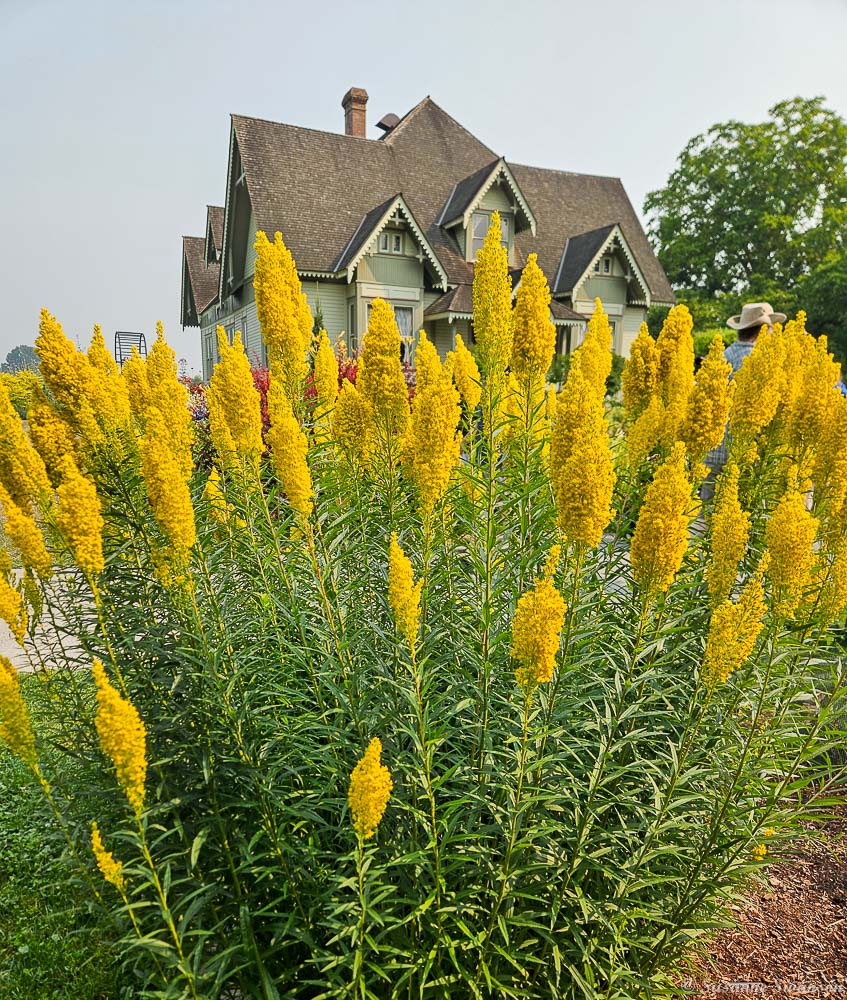
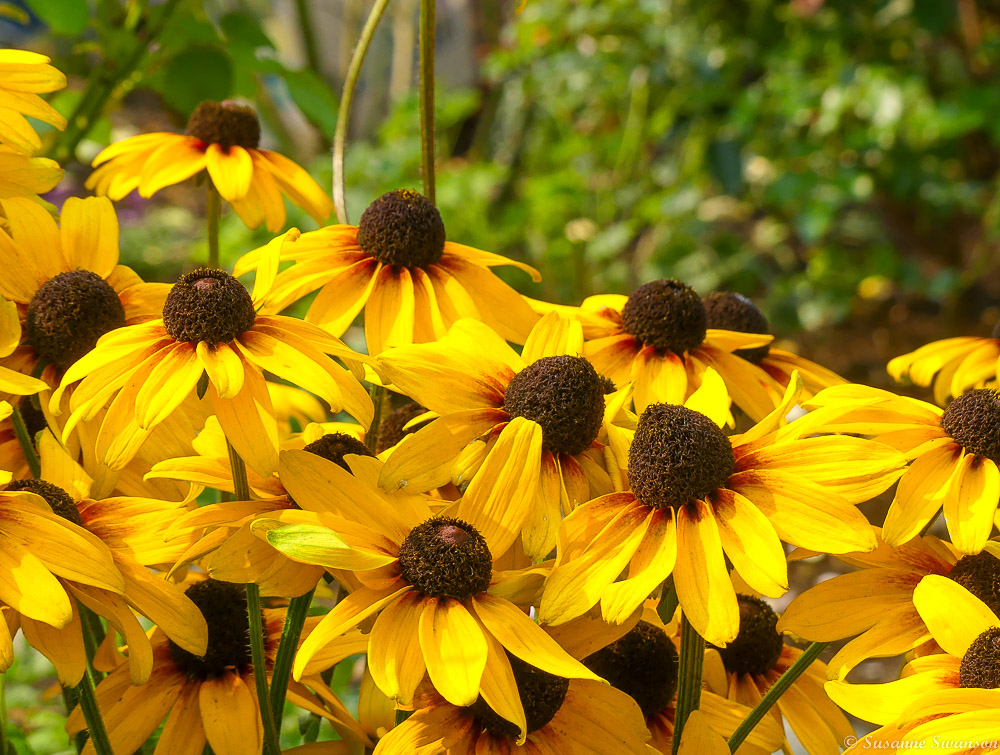
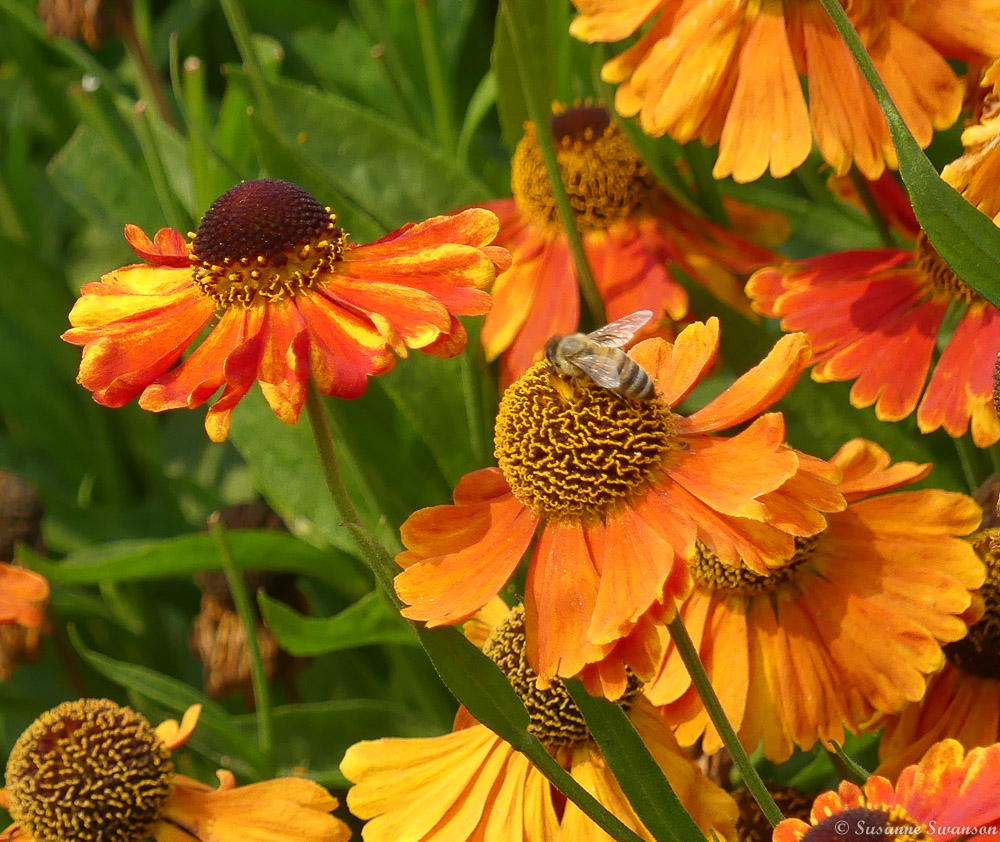
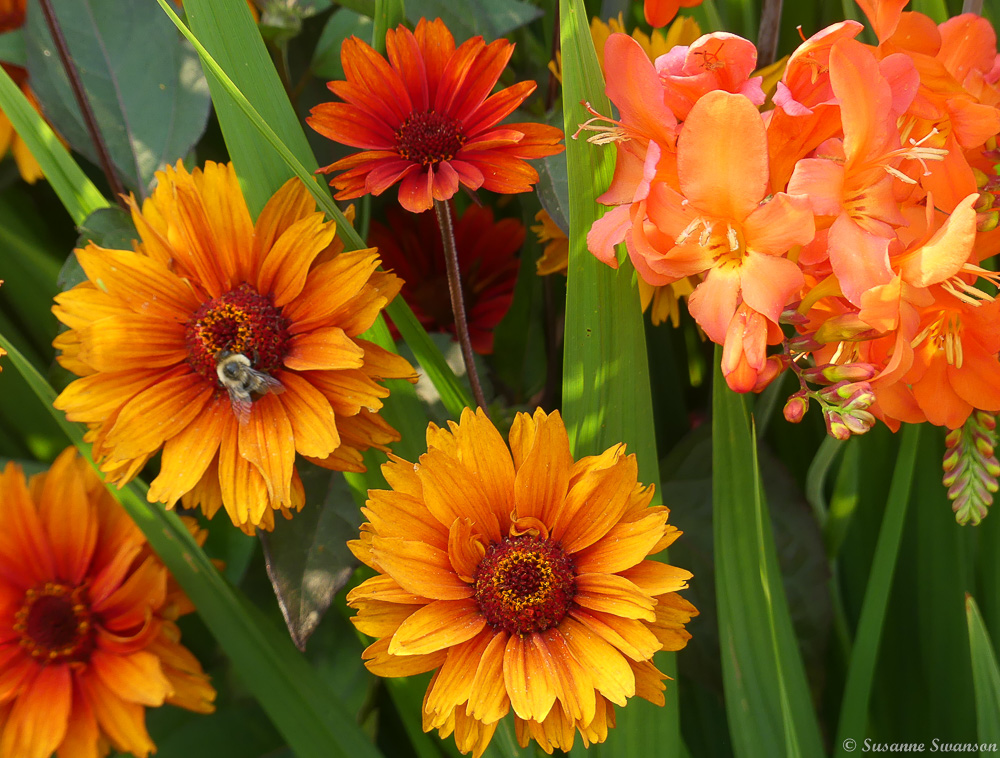
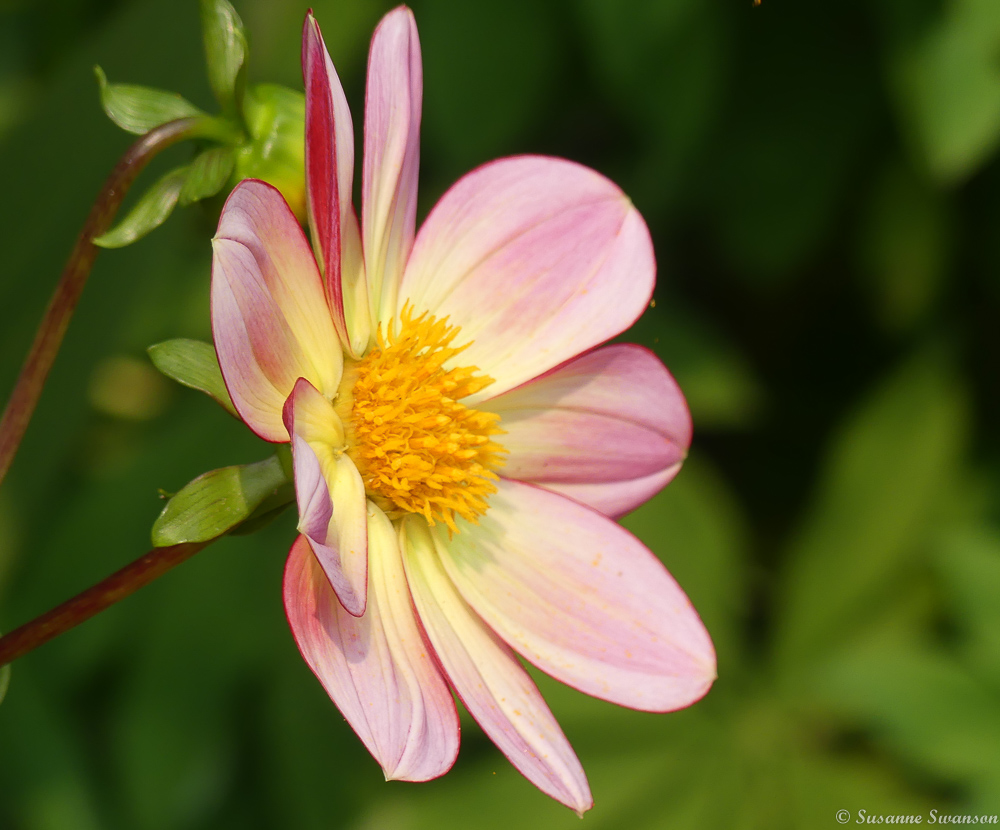

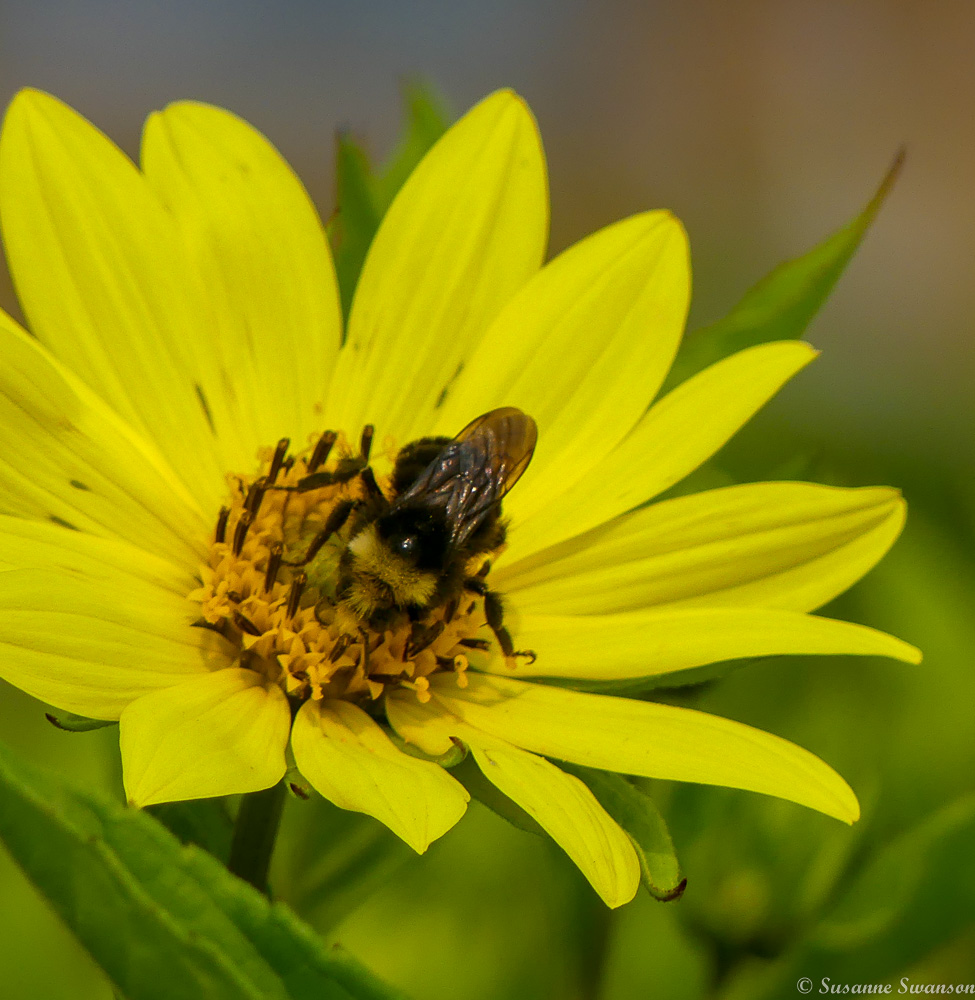
I always sigh at a well-done cottage garden and sometimes think I should like to live in a homestead so surrounded.
~ Susanne
It’s International Cat Day

Just another day to share pictures of my favorite feline,

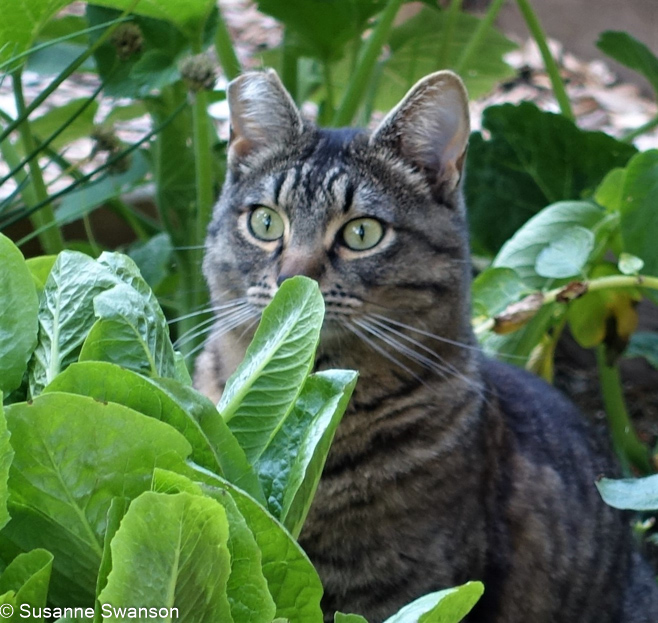


The indomitable Benji!

Happy International Cat Day!
~ Susanne and Benji
A Nature Walk at Tennant Lake in Ferndale
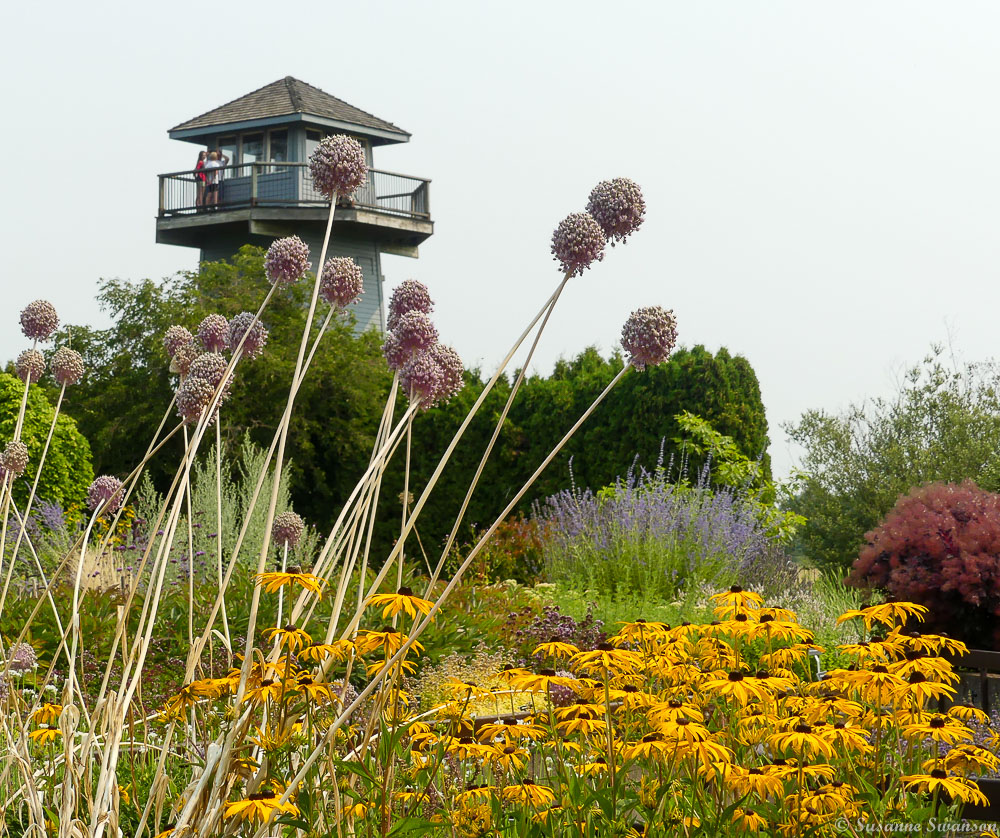
We often head to Bellingham 90 minutes north of Seattle, but this time we kept going and visited two wonderful parks in the tiny town of Ferndale, Tennant Lake and Hovander Park.
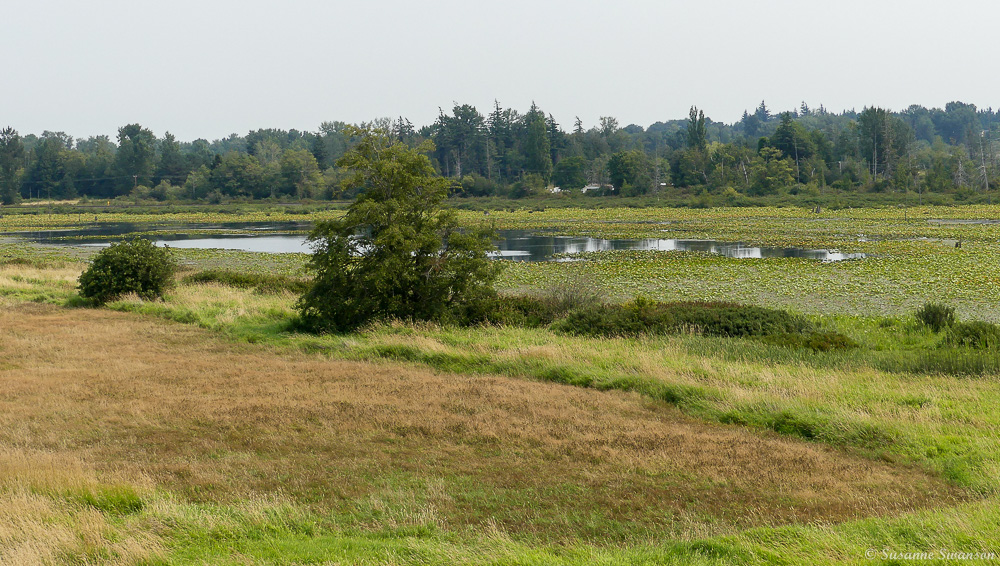
Tennant Lake is an 80-acre shallow peat bog lake and has a nice trail and boardwalk through the marshy flood plain of the Nooksack River.


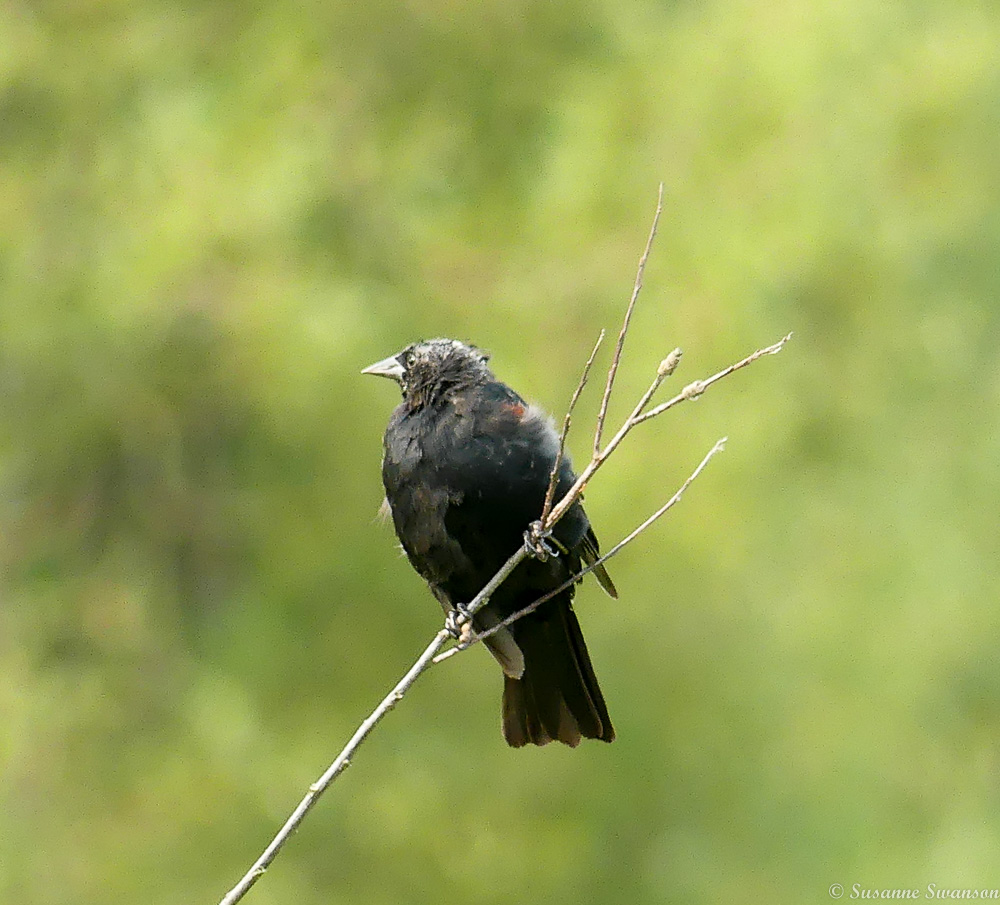
It’s home to a large variety of ducks and birds though we didn’t see many, except for this young blackbird.
Perhaps it was too hot and smoky for them to be out; the smoke finally arrived from the terrible wildfires east of the Cascades.

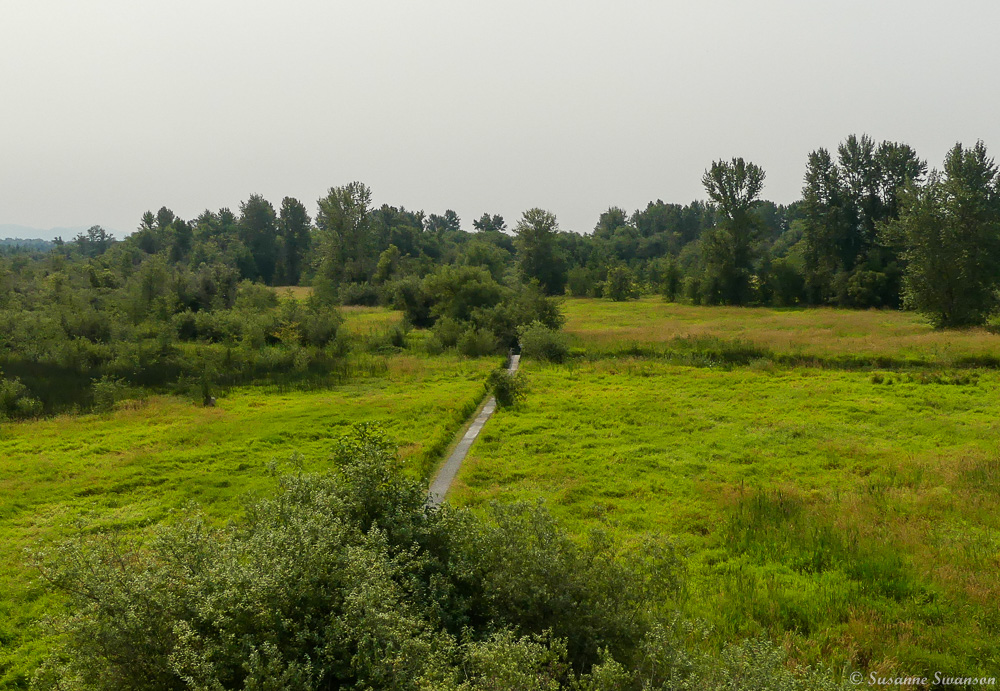
We appreciated the portions of the walk that entered into shady, wooded areas over the marsh.

And while the birds were mostly quiet, we did hear the occasional cry of frogs jumping into the water.
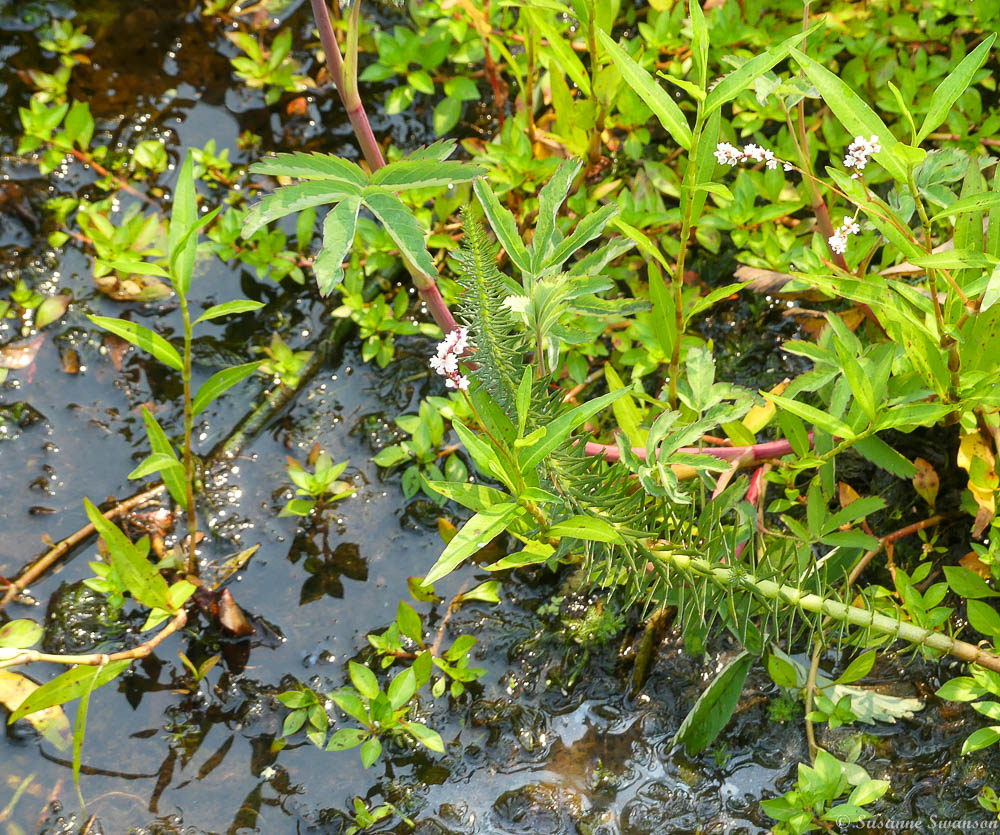
There was also an old homestead and 50-foot observation tower on the property,

surrounded by beautiful gardens, which I admit was my favorite part.
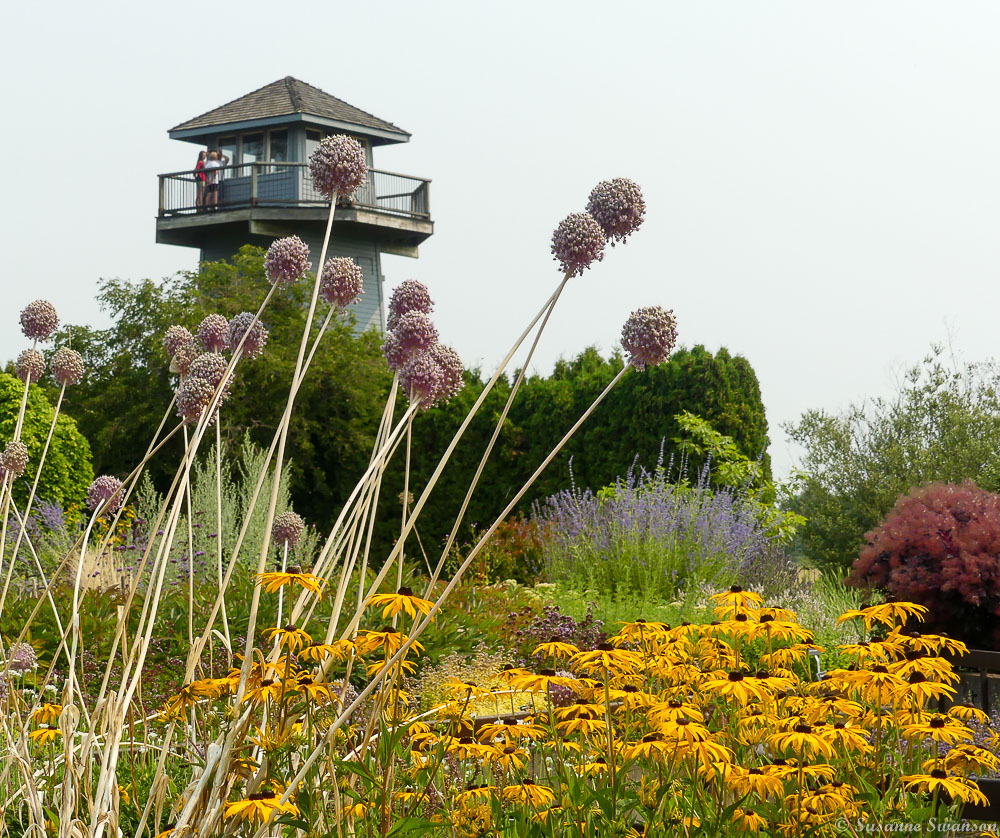


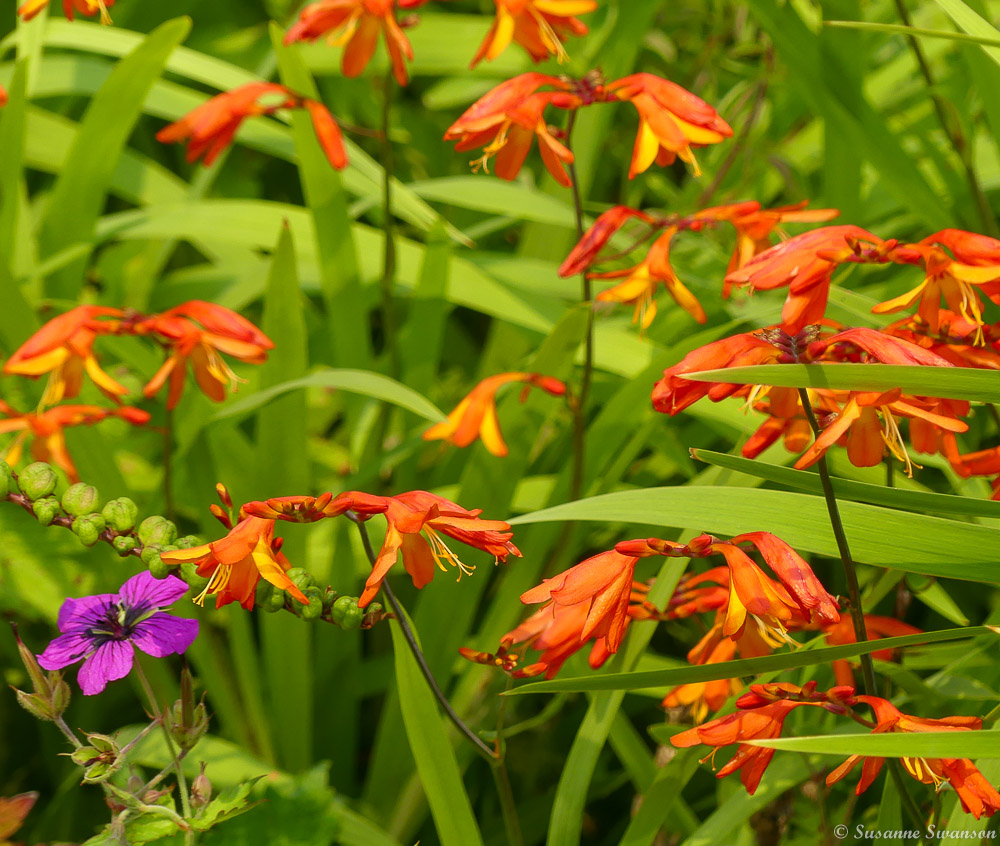
The next day we visited the adjoining Hovander Park which had even more gardens, I’ll save that for another time. More on these two parks here.
Sharing with Jo’s Monday Walks.
~ Susanne
What a Treat! Pileated Woodpeckers in my Backyard
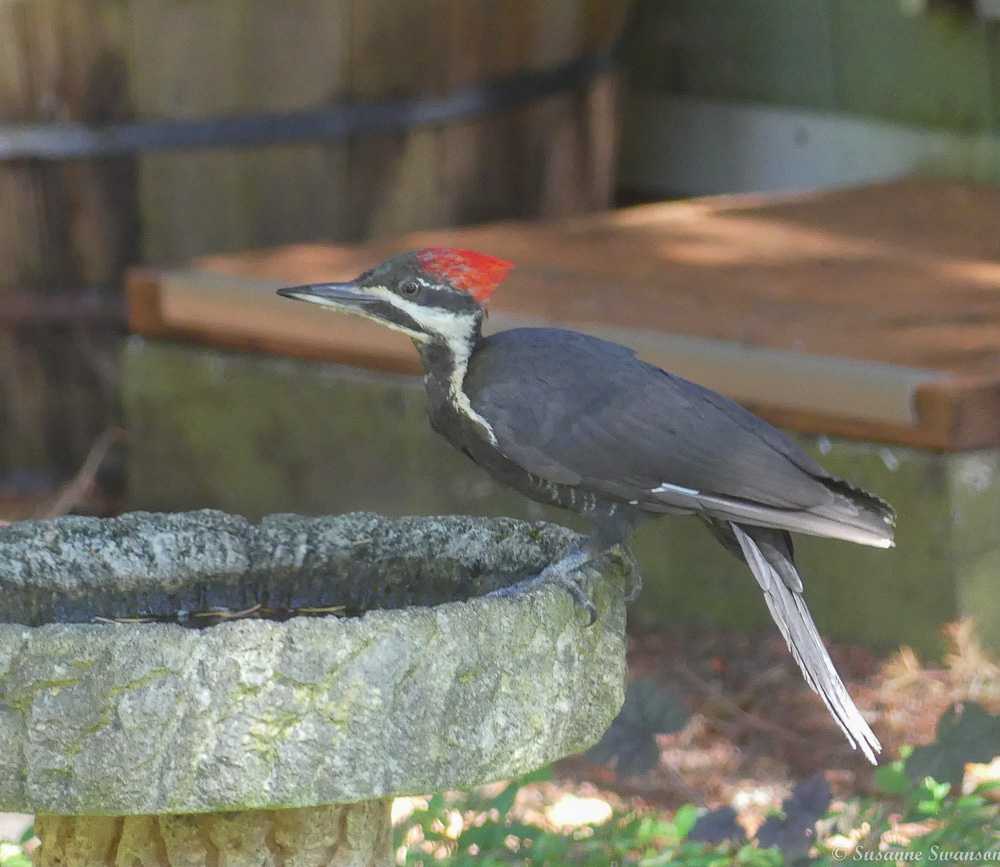
Some of my favorite visitors stopped by over the weekend for a drink and a bite to eat. Yay!
I was standing in the kitchen looking out the window and saw two of them in the backyard and ran for my camera; they obliged me by hanging around long enough for me to get a few photos.

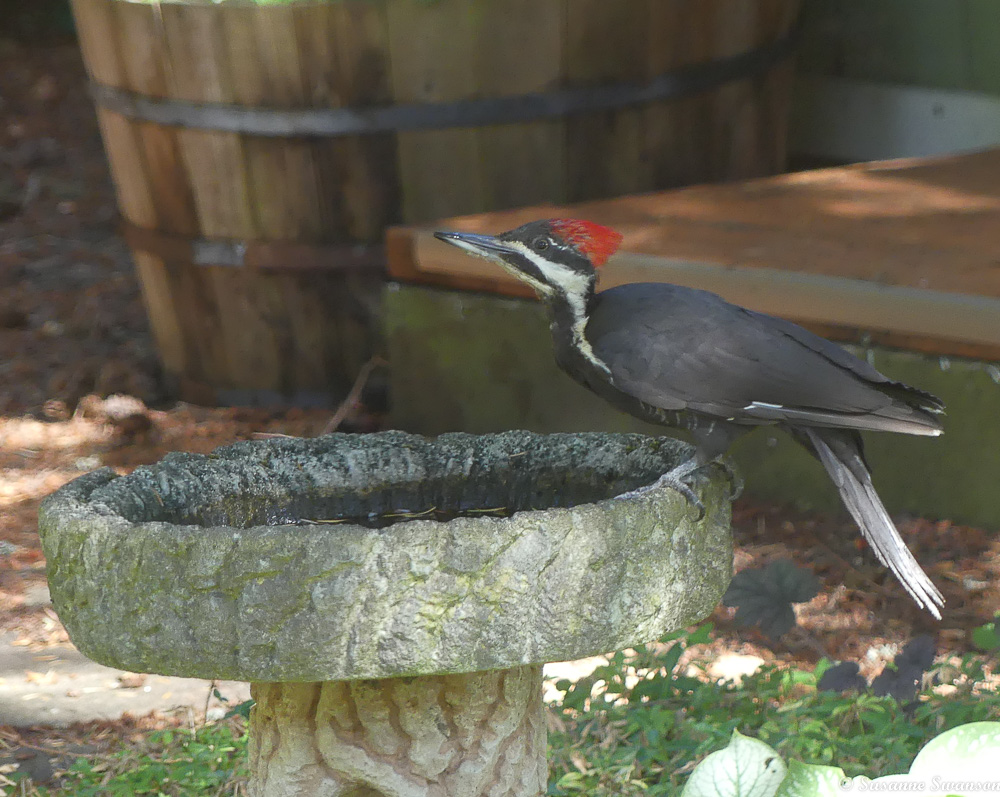

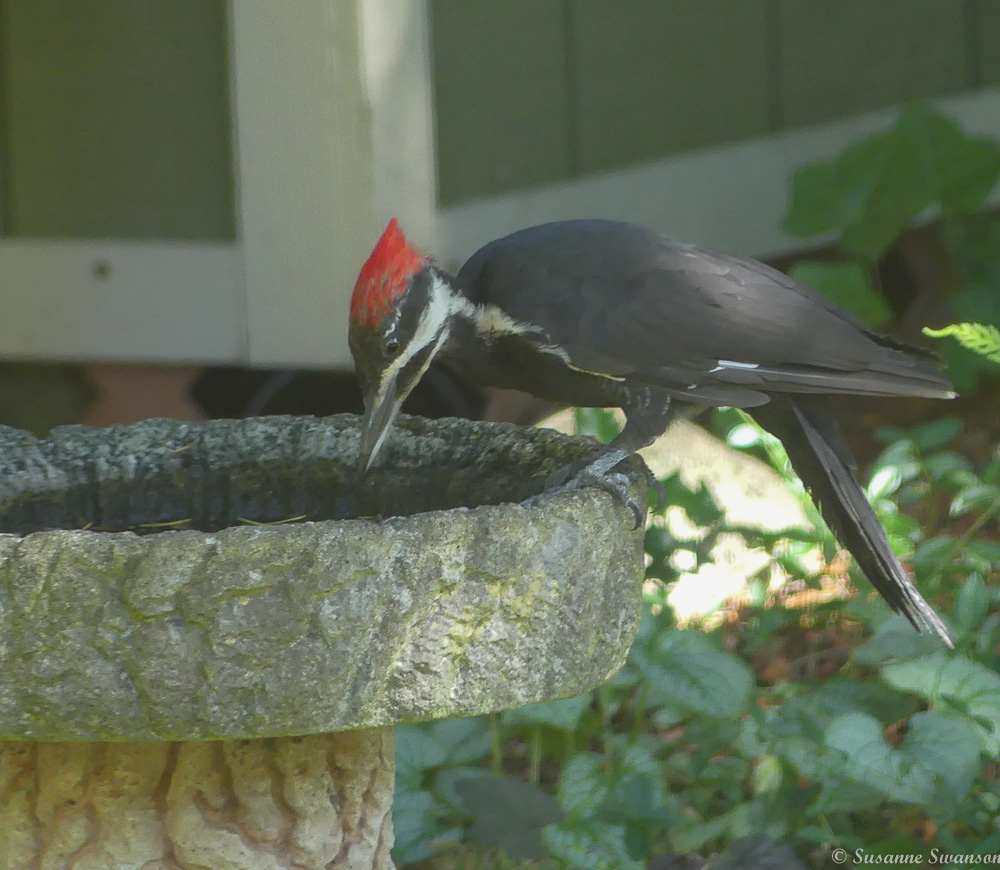
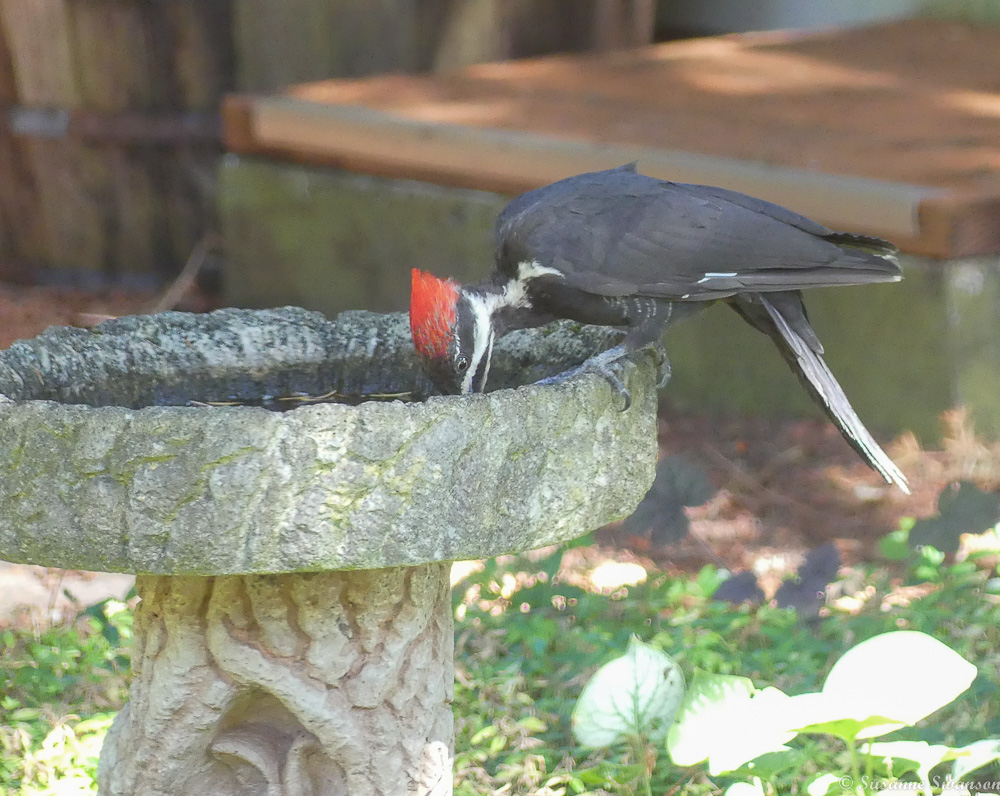
They finally retreated up the Douglas Fir, where they hunted juicy bugs in the bark. Maybe they live there?

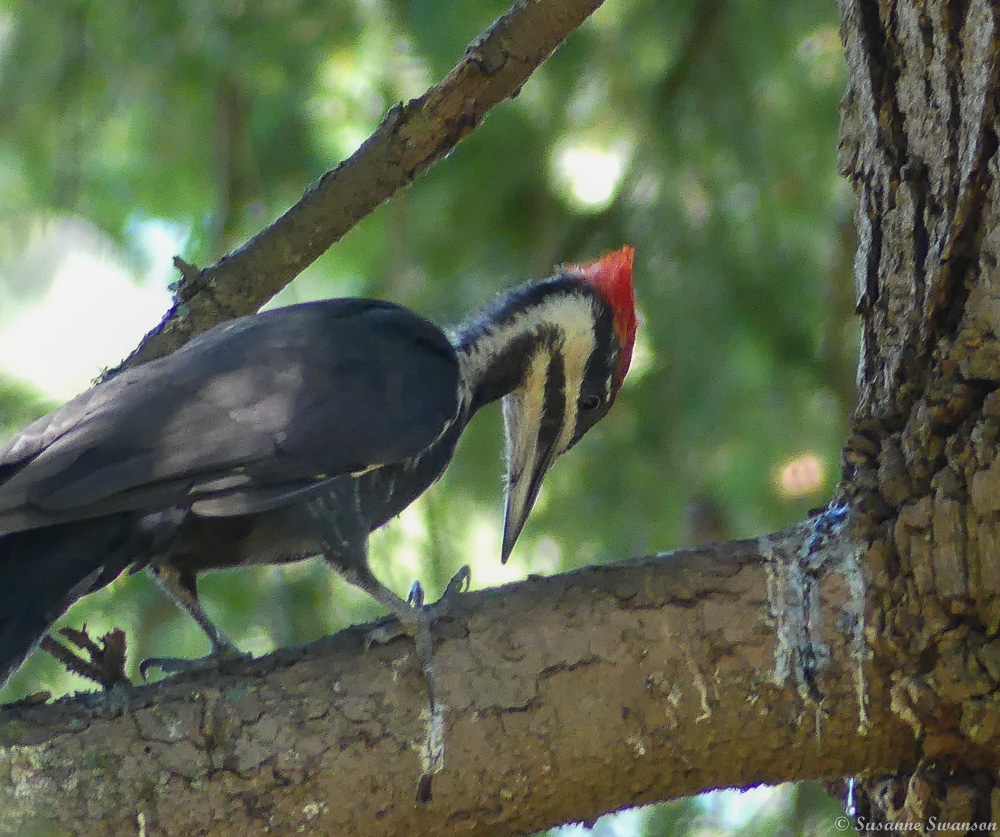
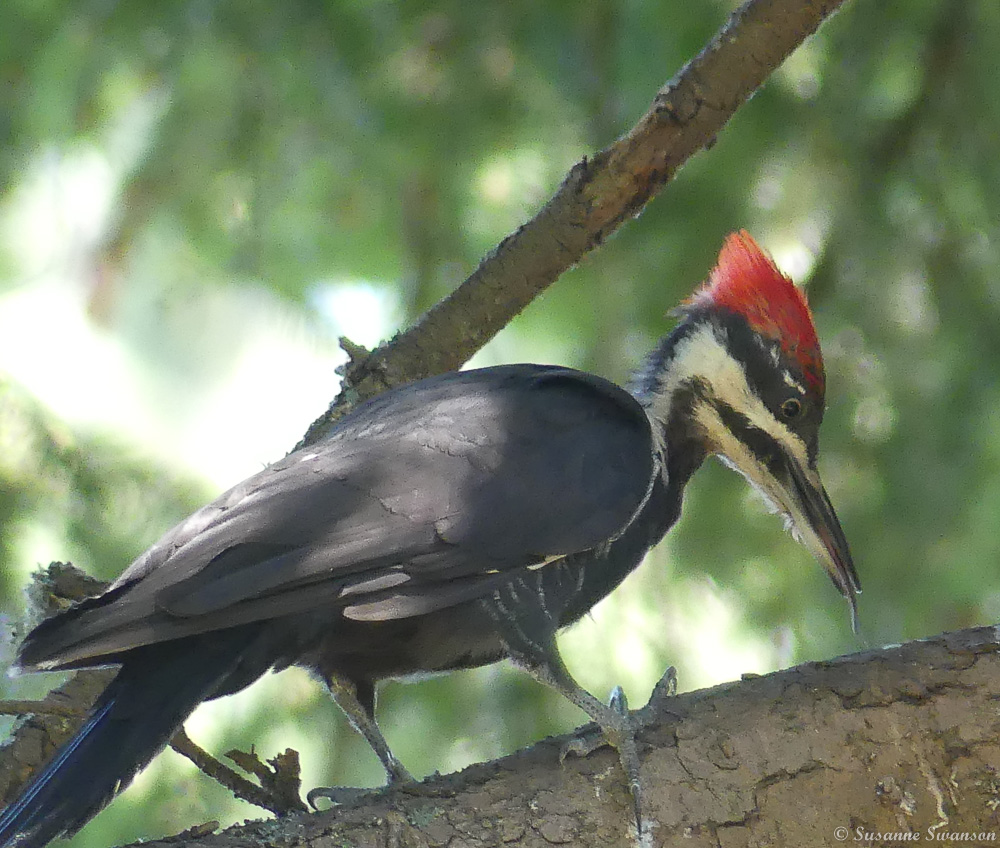
“The pileated woodpecker (Dryocopus pileatus) is a large, crow-sized woodpecker with a prominent red crest, white neck stripe, and a mostly black body. This woodpecker is native to North America, where it is the largest confirmed extant woodpecker species and the third-largest extant species of woodpecker in the world..” Wikipedia
Made famous as Woody Woodpecker in the cartoon character of my childhood, friends of Bugs Bunny and Duffy Duck. Remember him?
~ Susanne
You Know it’s Summer in Seattle – Blue Skies and Blue Angels
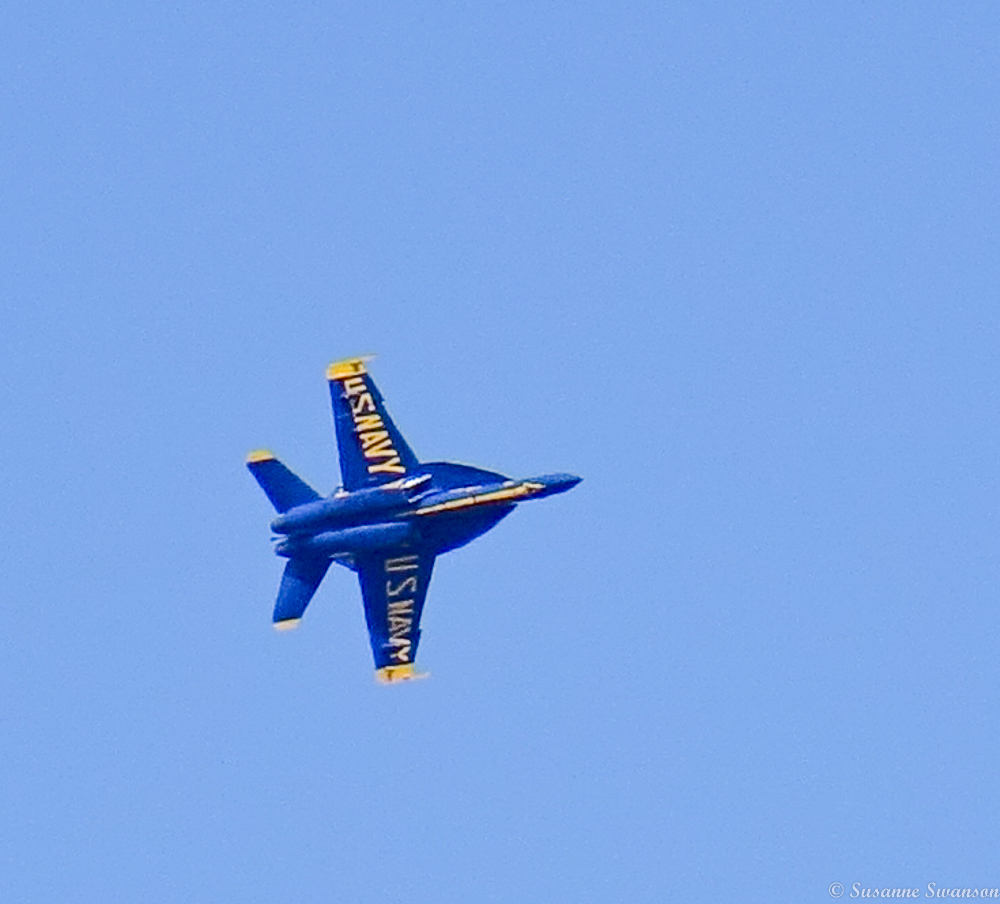
Today is gray and cloudy but there were blue skies on Thursday and Friday, when I took a walk on the Cedar River Trail where it flows north into Lake Washington.
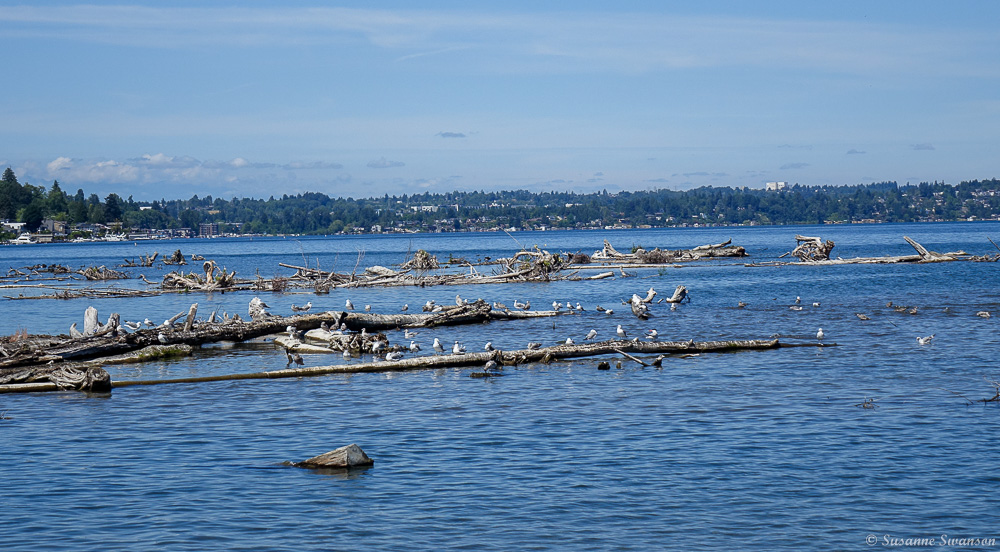
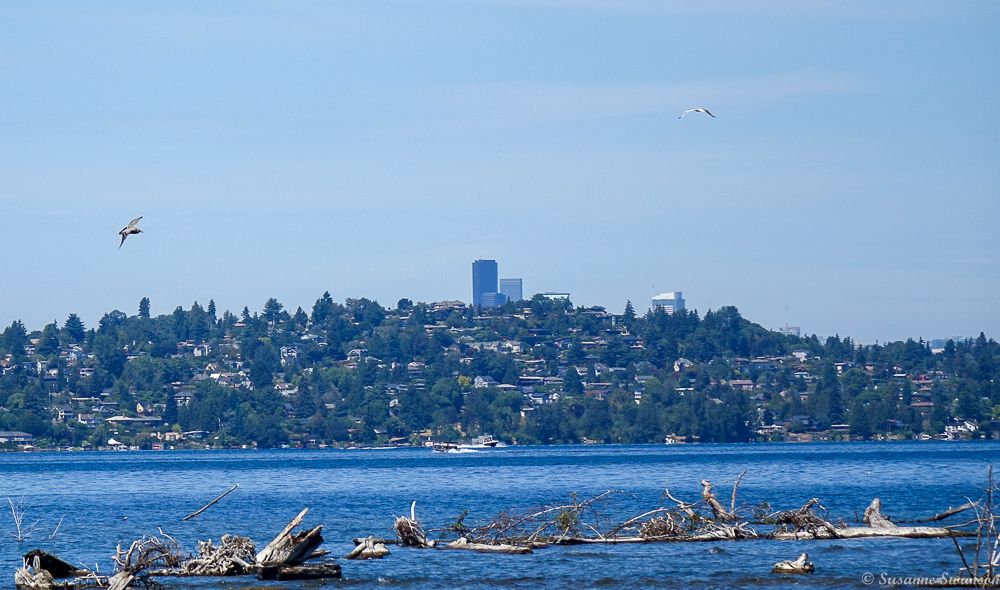
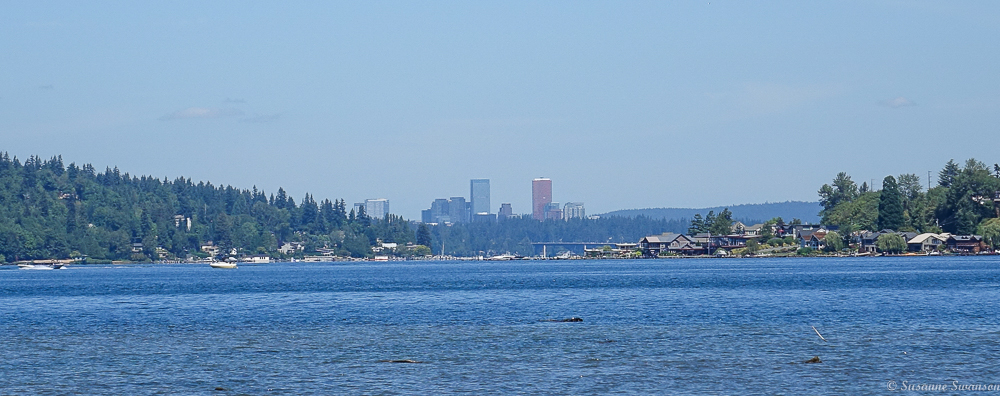
In addition to glimpses of city skylines on either side of Mercer Island –
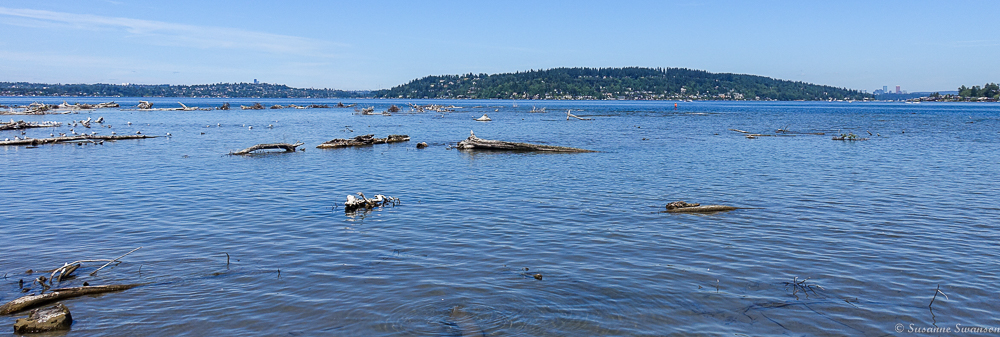
Seattle on the left –
Bellevue to the right,
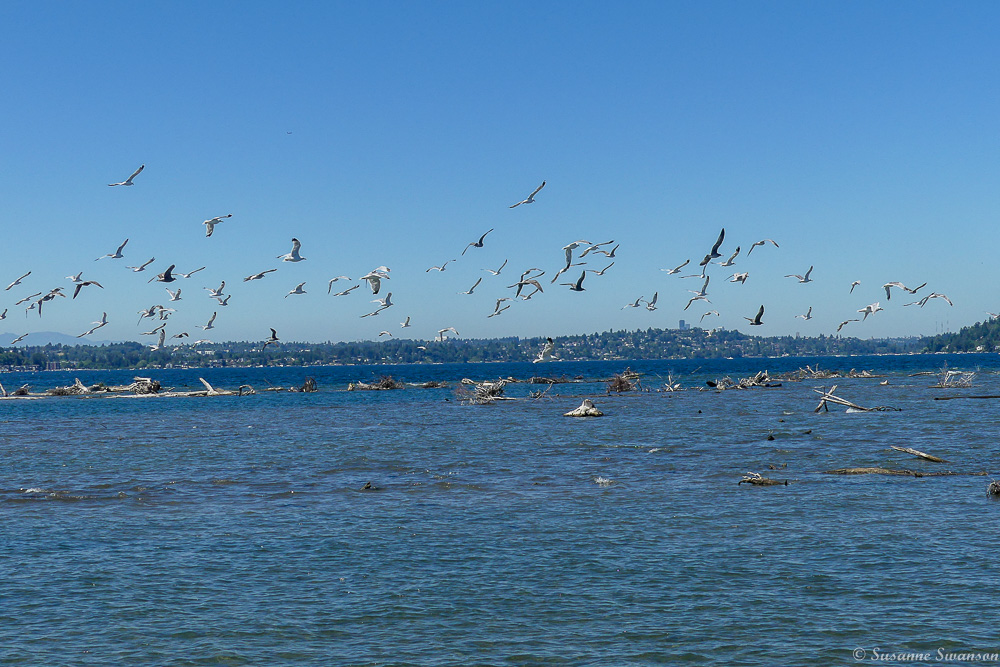
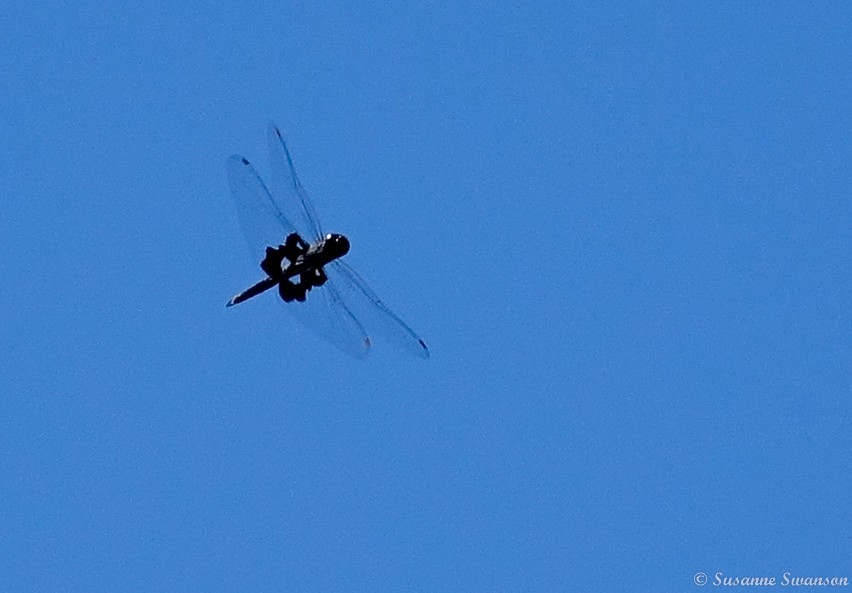
there were lots of birds and other flying creatures,
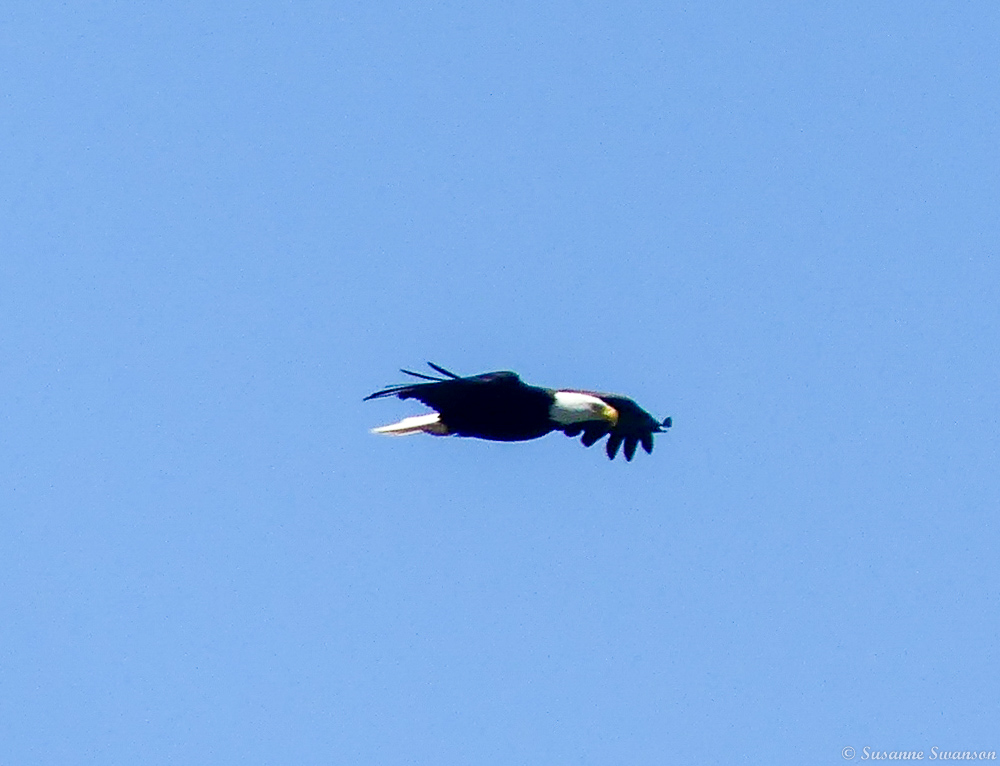
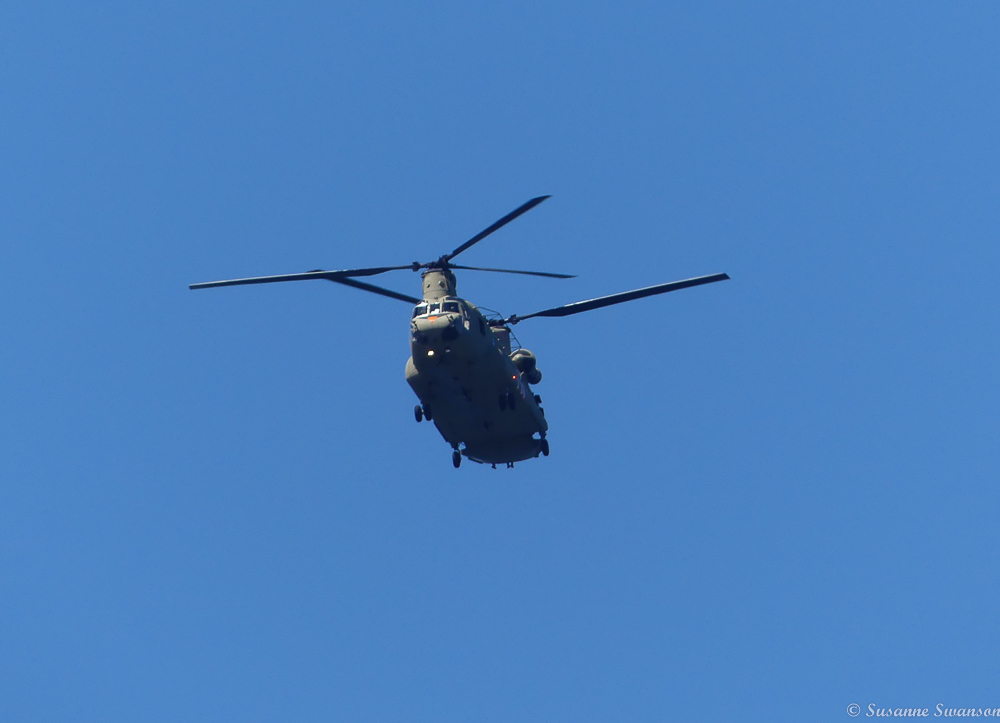
and Blue Angels practicing for this weekend’s Seafair show.

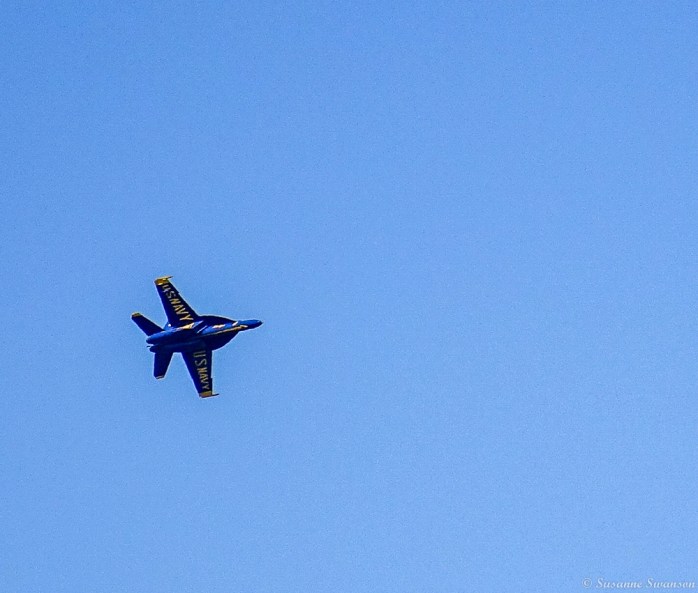
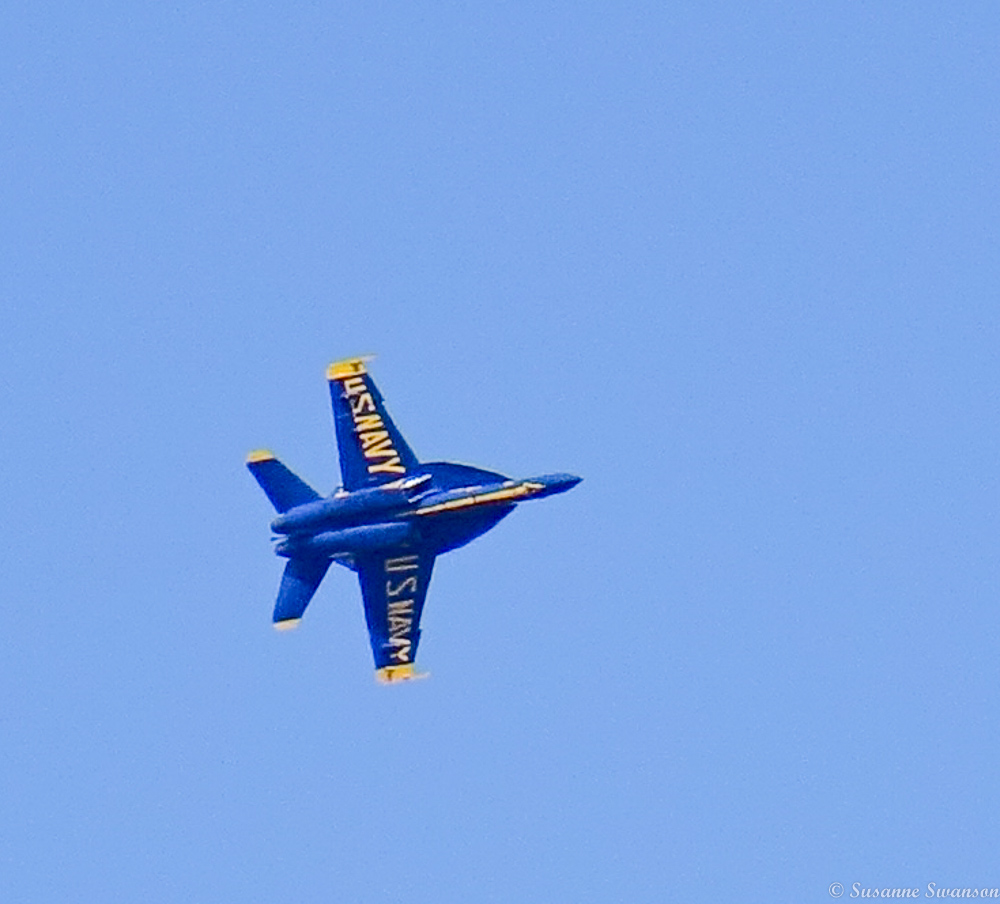
Nothing says summer in Seattle, like Seafair!
Sharing with Sunday Stills, seen at the Fair.
~ Susanne
 Cats and Trails and Garden Tales