Cats and Trails and Garden Tales
Musings on cats, travel, gardens and life
Happy International Cat Day!
In case you missed it – August 8th is International Cat Day! And it’s already August 8th somewhere so let the celebration begin in 2021!
Watching the Hummingbirds with Benji
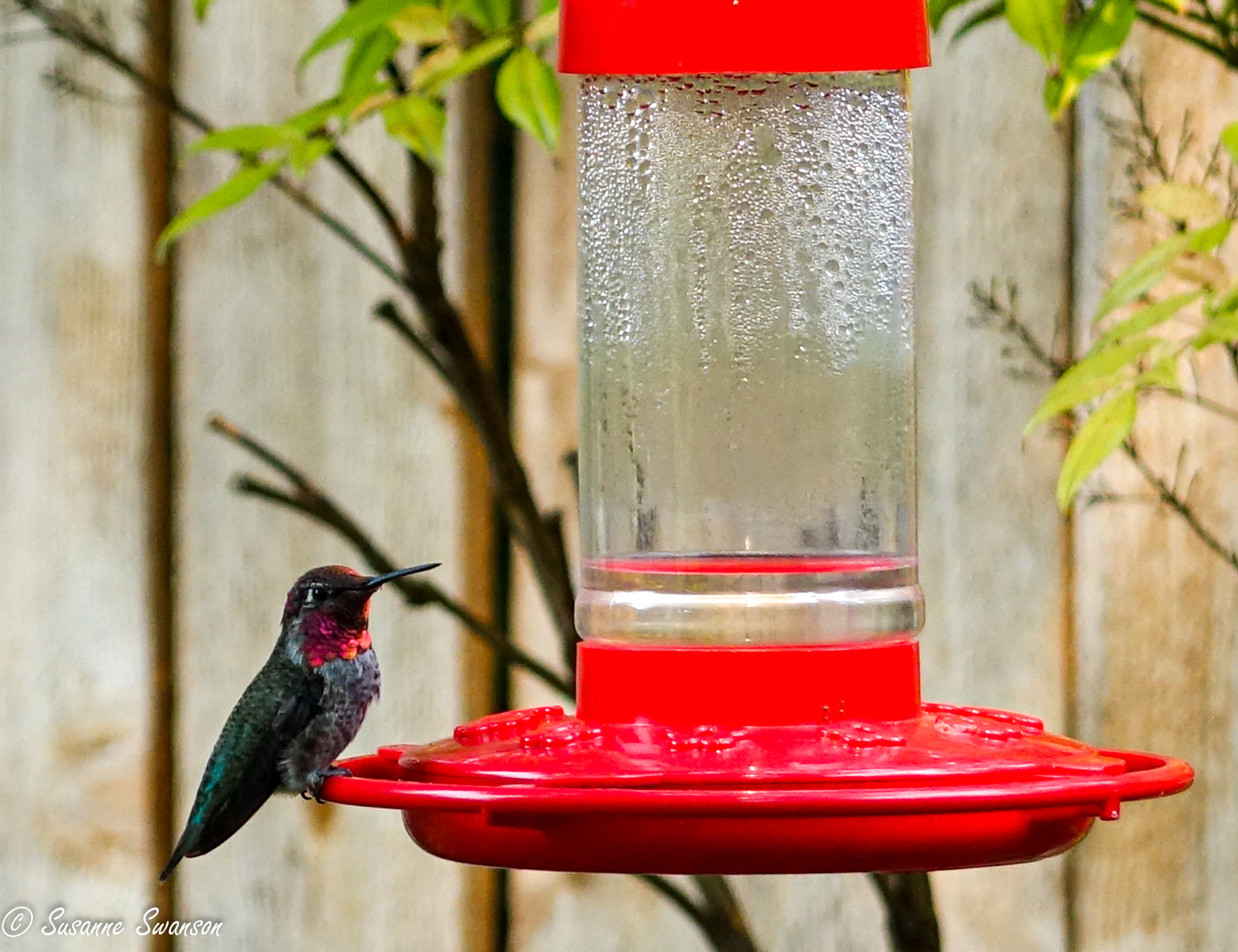
I heard the birds in the trees overhead and pulled up a chair to watch.
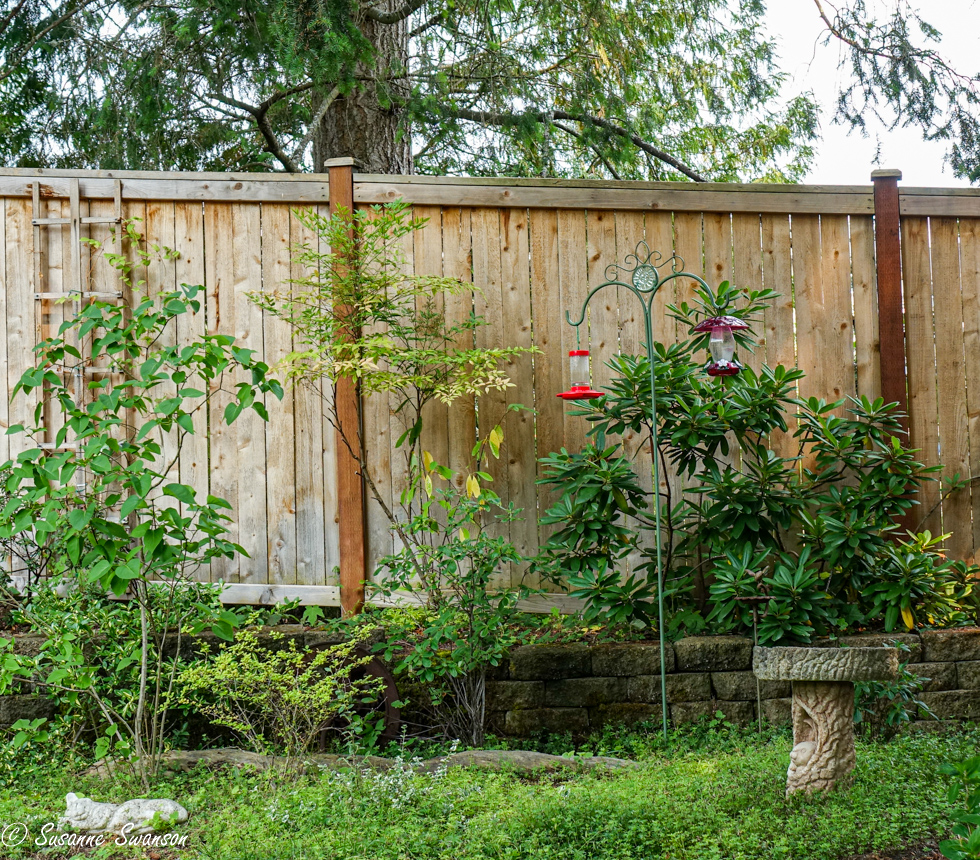
Benji joined me on my lap.

An Anna’s Hummingbird perched high above – perhaps he watched me too.


I moved to the shed to hide from view and Benji followed.


We waited patiently till the hummer dropped down to feed.
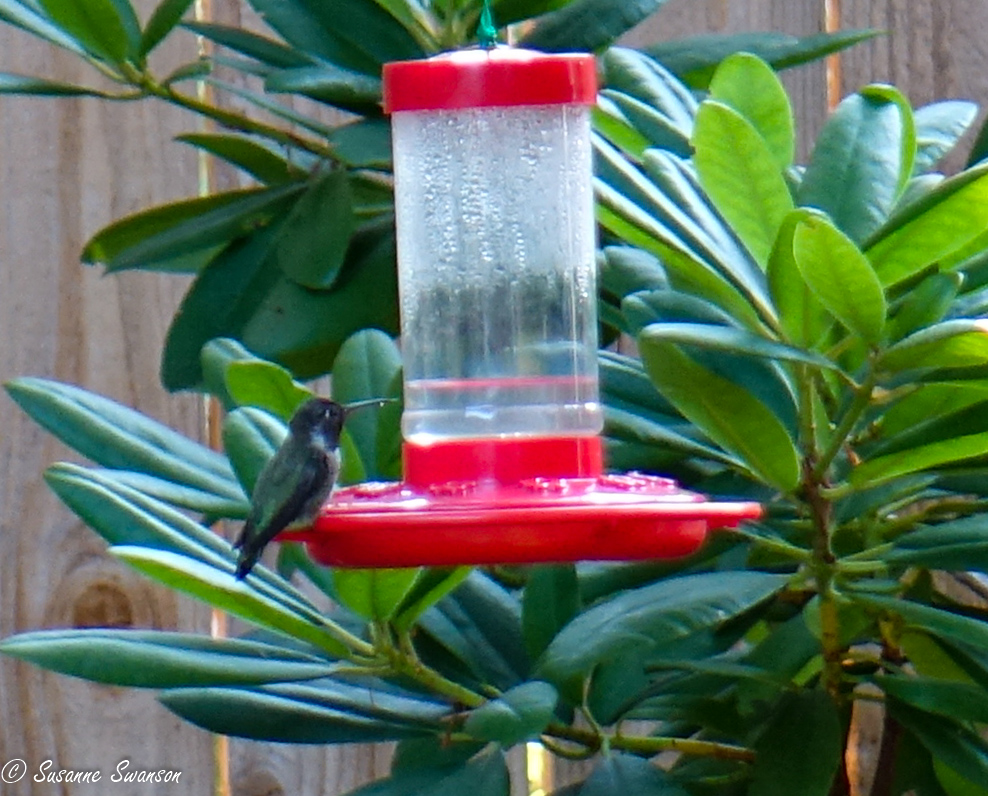
Then waited some more till he turned his head so it glittered ruby red.
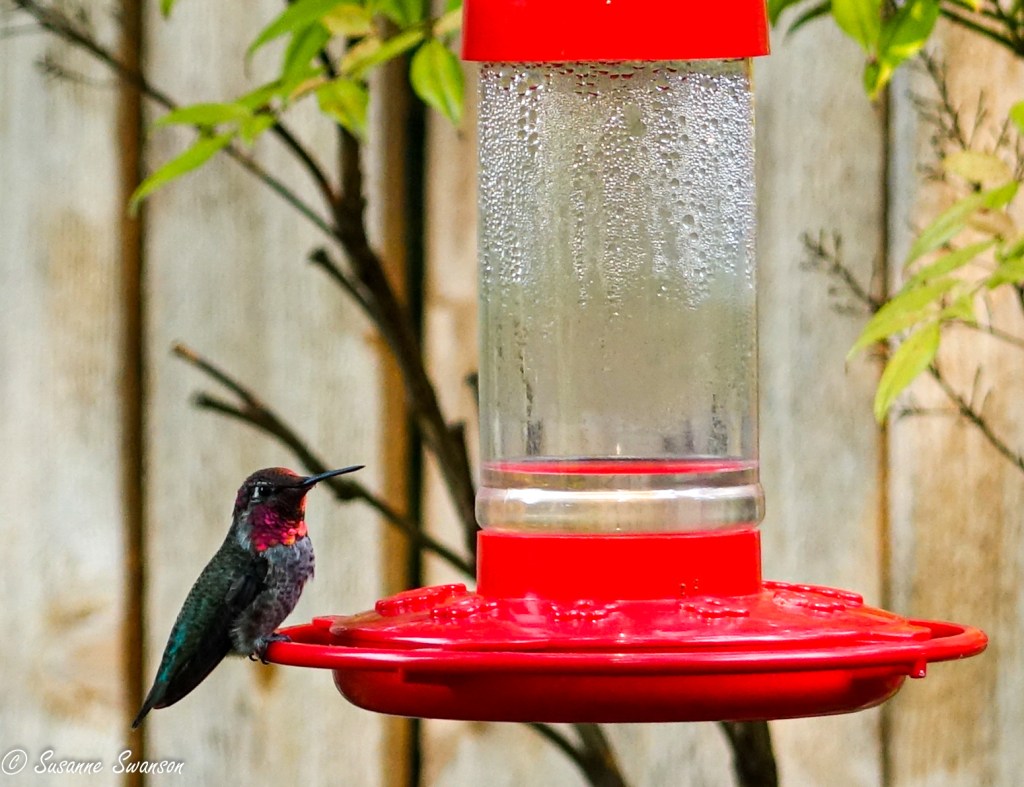
Oh!

When we were through I got up to leave and just then he came and hovered nearby.

‘I knew you were in there all along,’ he seemed to say.
I think I’m in love. 🙂
~ Susanne
Looking for Bugs in My Garden
Last week I showed you a mama wren feeding a bug to her young.
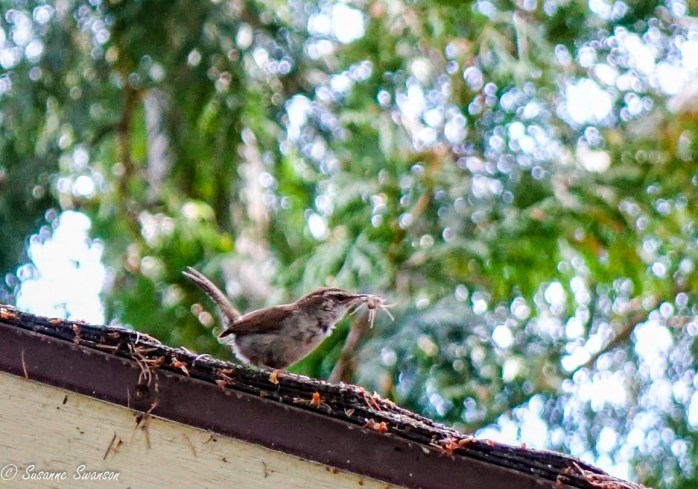
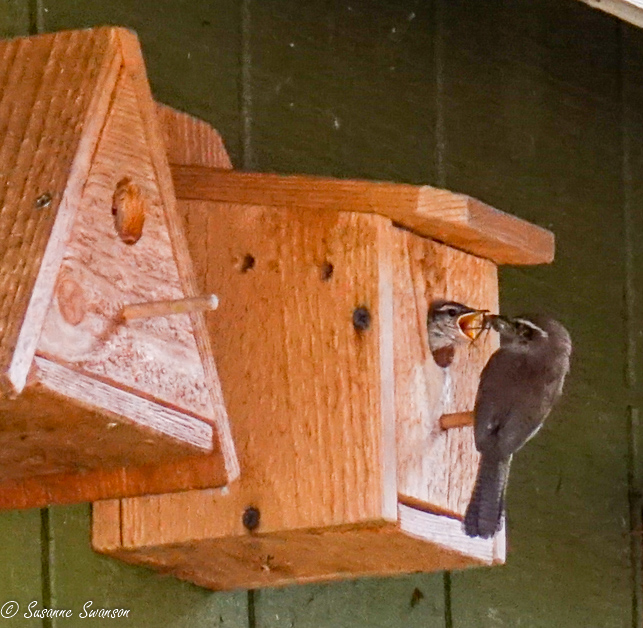
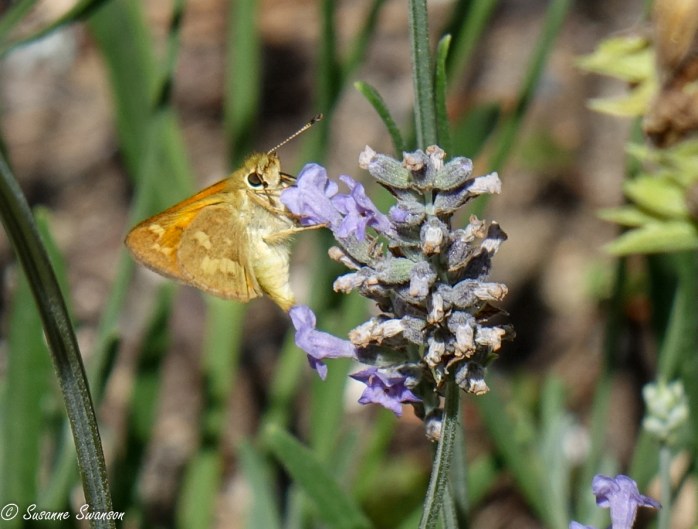
This week I learned the Sunday Stills theme is ‘Bugs’ so I went looking for more and found –
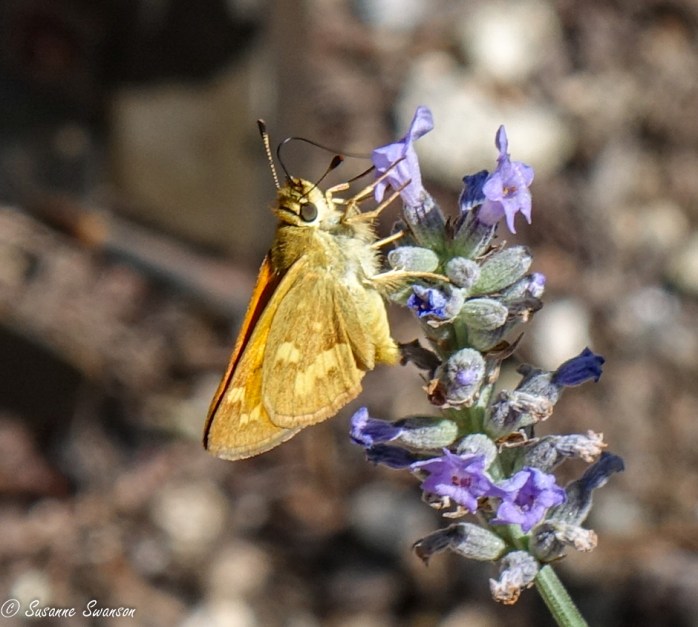
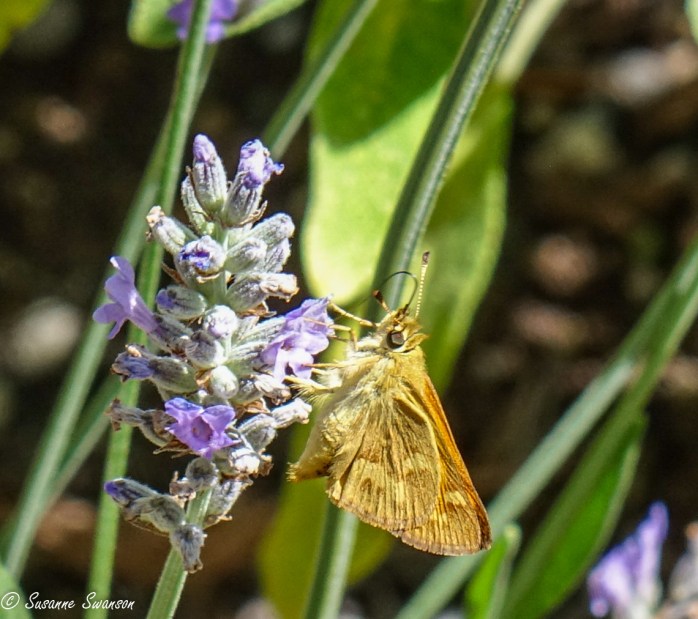
Moths
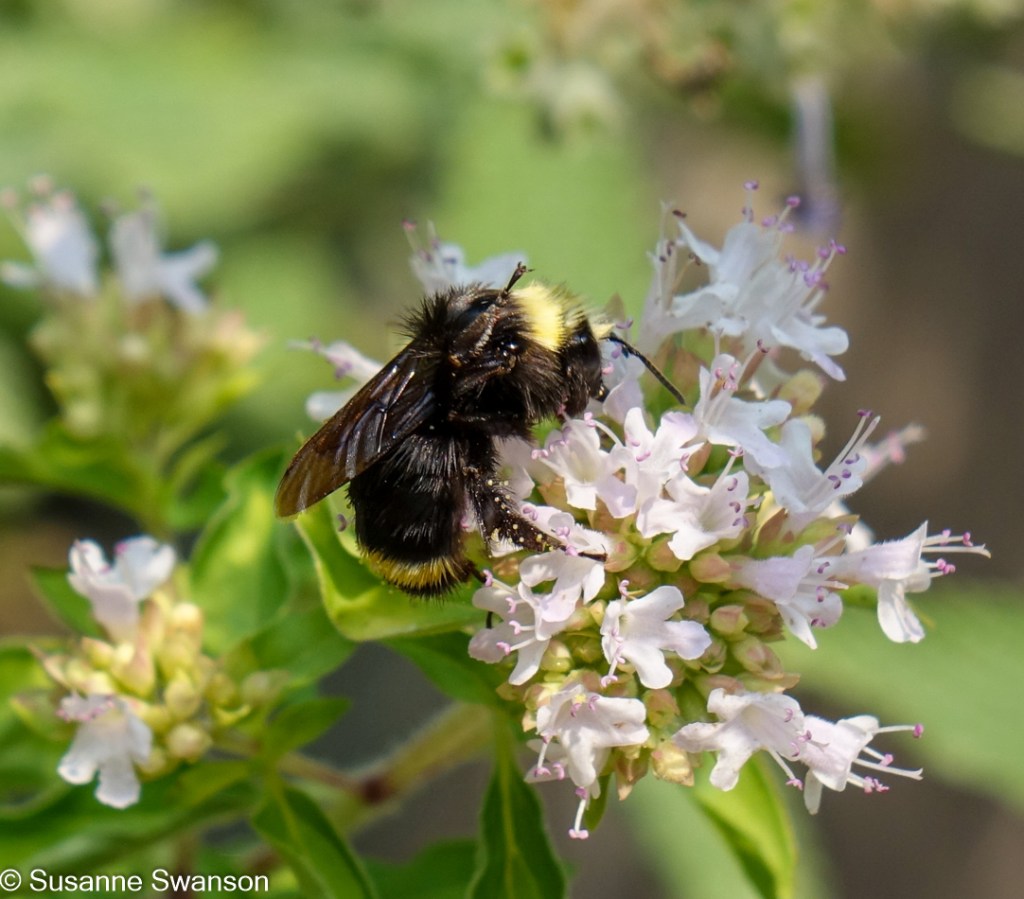
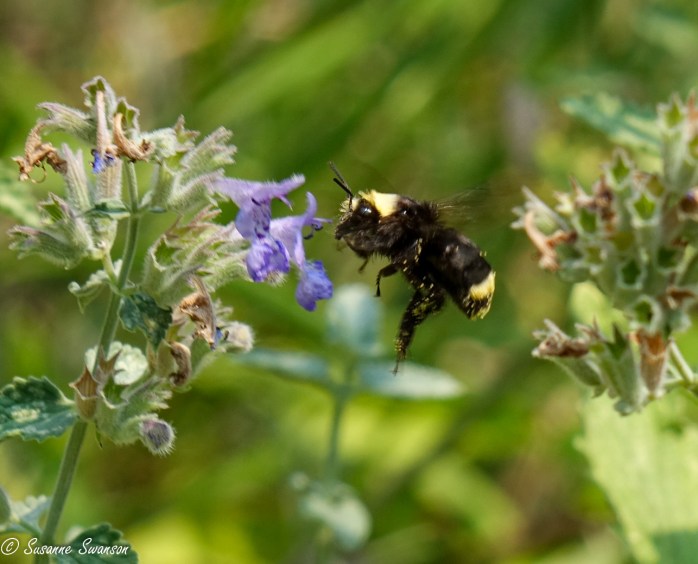
Bumble Bees
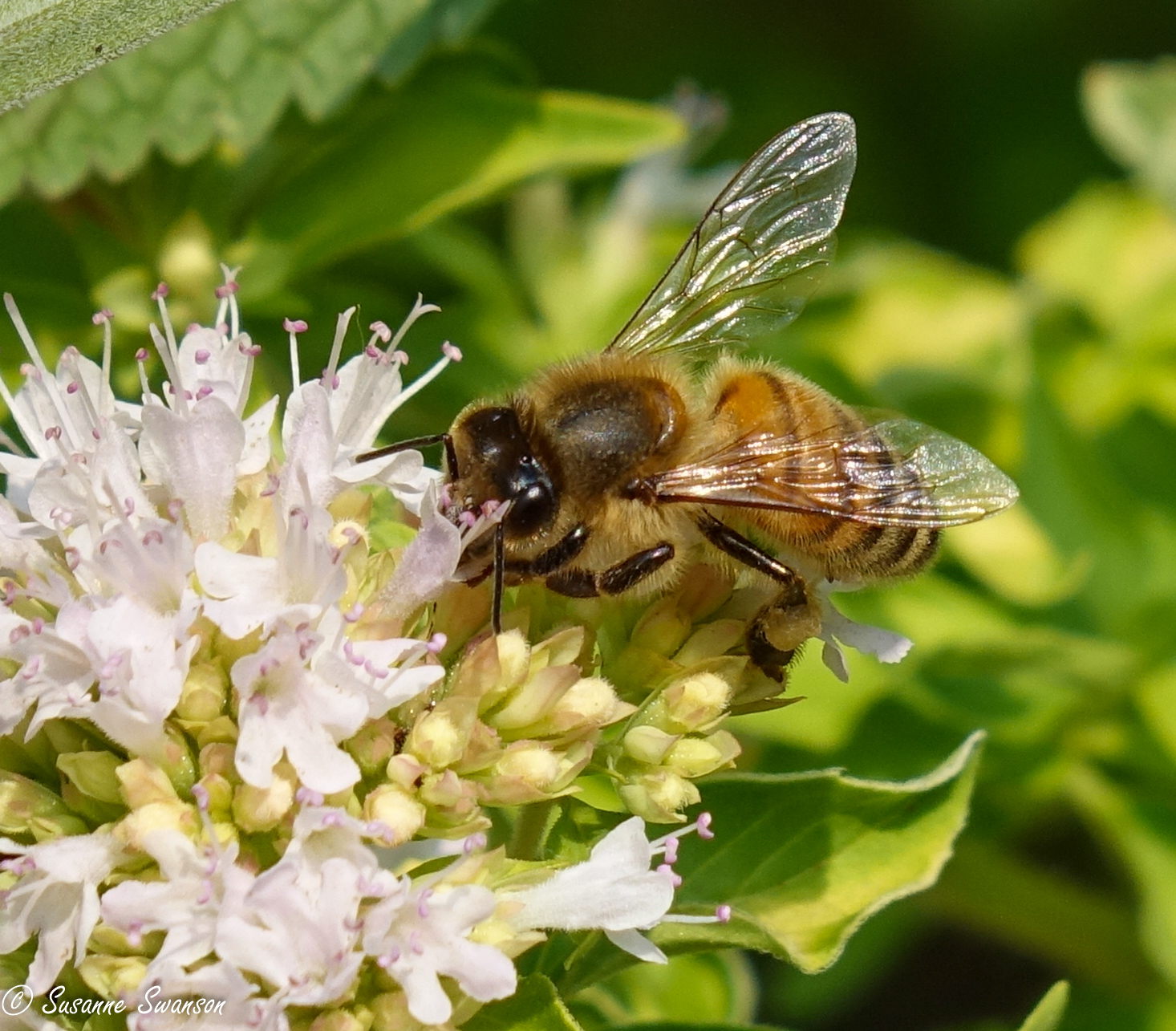
Honey Bees
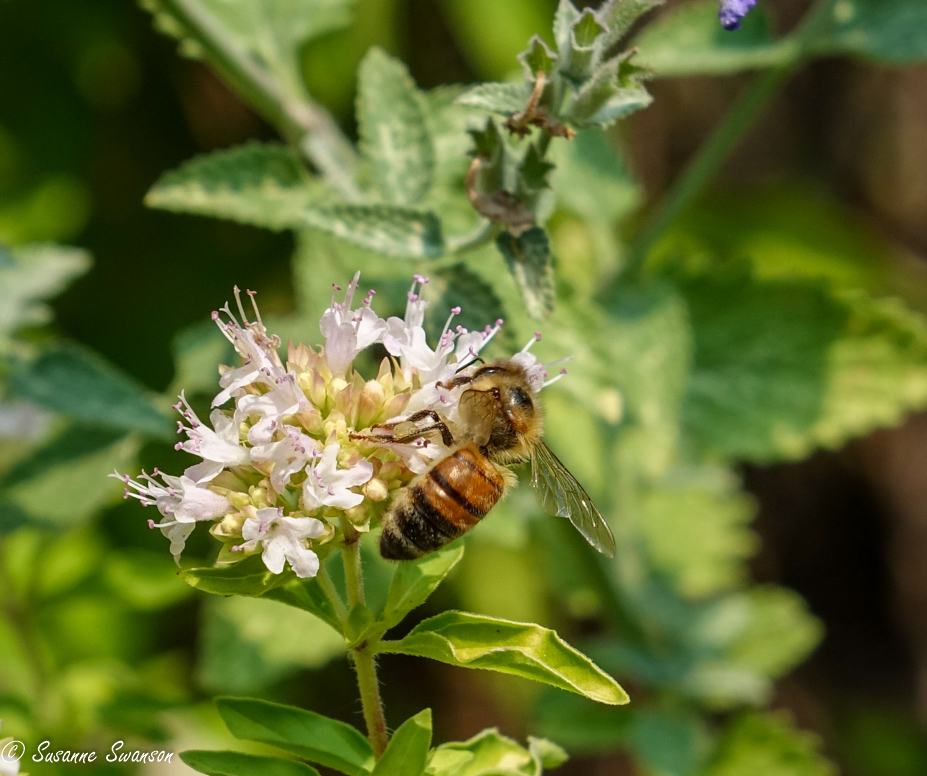
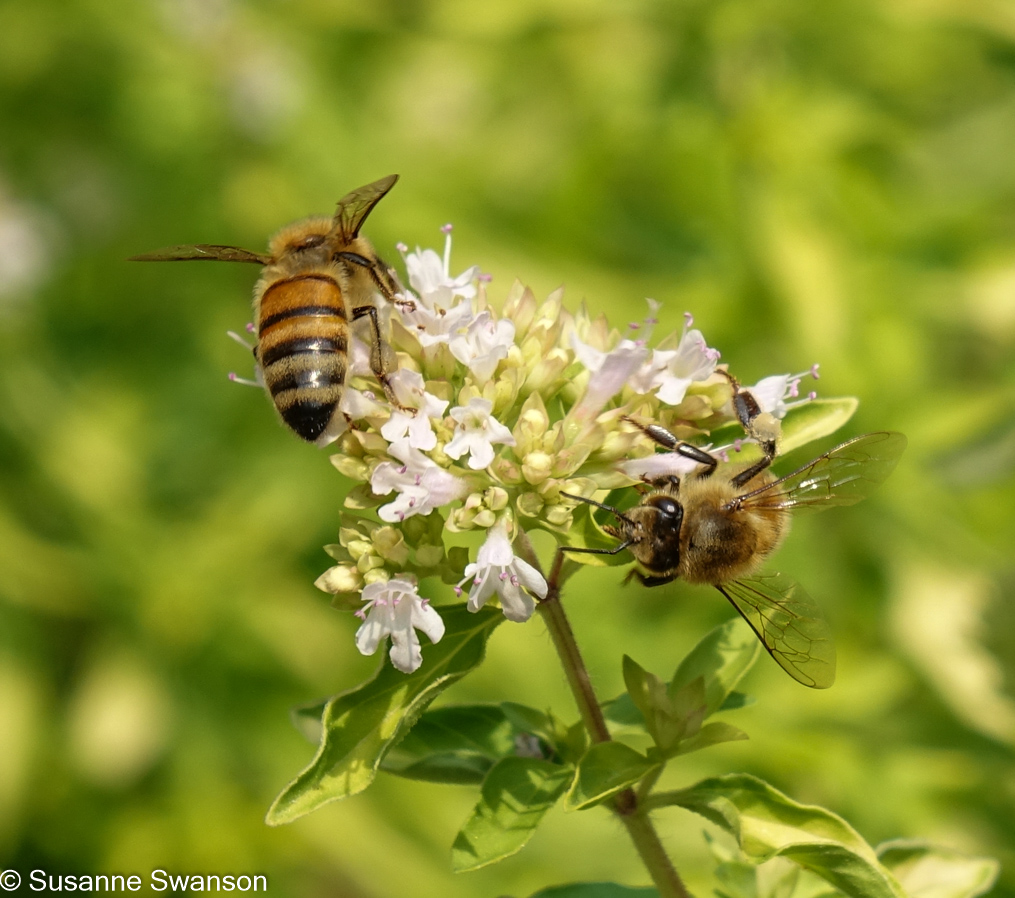
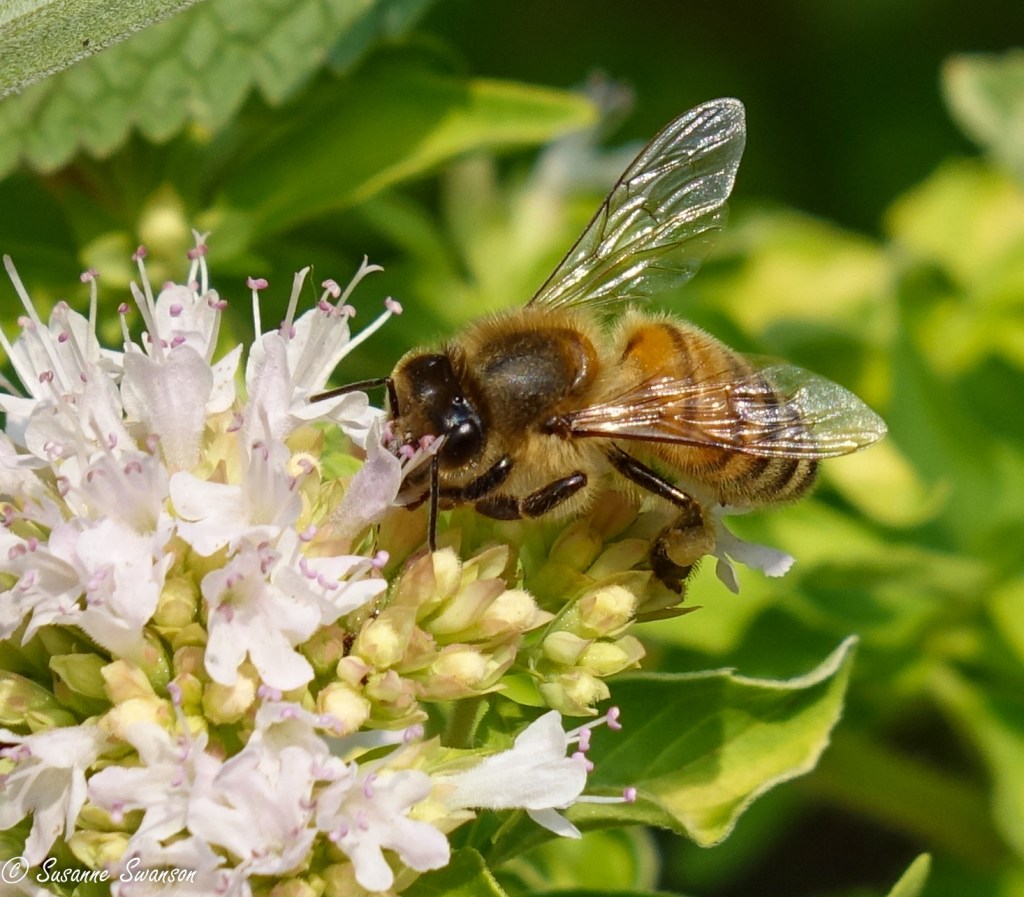
But are they true bugs? I wasn’t sure so I did some research and the short answer is no. Scientifically they are insects but not bugs.
Who Knew?
Under the Phylum of Anthropods in the Animal Kingdom is the Classification of Insects – 3 body parts, 6 legs.
Within the classification of Insects there are different orders. Bees and moths belong to the order of Hymenoptera while ‘true bugs’ are in the order of Hemiptera. The main difference lies in the proboscis or mouthpart.
Bugs puncture plants with a long straw-like unretractable proboscis and suck the sap out of them, which damages the plants – think aphids. They may puncture other animals too! – think bedbugs. No wonder they have a bad reputation.
Bees on the other hand, have a retractable proboscis to drink and collect nectar from flowers. At the same time they perform the critical function of pollination – when they visit plants their bodies incidentally collect pollen.
So – did I find any ‘true bugs’ in my garden? Actually no – at least none today that I could photograph. If you’d asked me earlier in the spring I could have shown you colonies of aphids on my roses but they have been long since squished into oblivion.
And that’s a good thing.
~ Susanne
Benji – A Conversation
“Benji we need to talk.”
“Can’t you see I’m trying to sleep, Sue?”

“Well, your eyes were open Benji. I thought it was as good a time as any.”
“We cats sleep with our eyes open Sue. You know that. Besides I’m really tired. I was out all night.”

“Yes I know Benji. That’s what I want to talk to you about. Something’s got to give. I can’t be up and down all night letting you out. We humans need our sleep too.”
“Benji, are you awake?”

“Oh forget it. We’ll talk later.”
~ Susanne and Benji
Bugs – It’s What’s for Lunch at the Wren’s House!
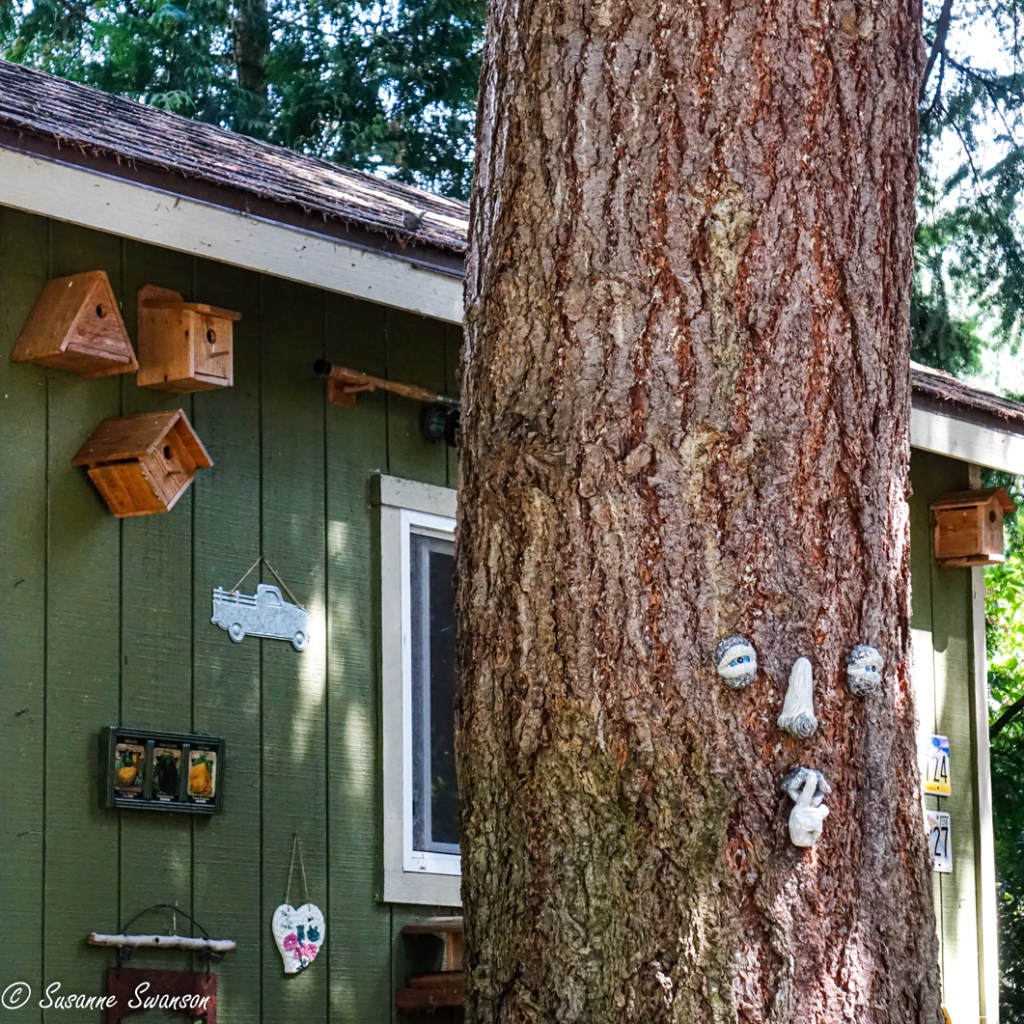
I had other plans today but was tired and decided to do some backyard birding instead. I could hear the wrens chatter so I pulled up a chair and positioned myself for a good look at the birdhouses on the garden shed.
Sharing my tree with #TreeSquare
It wasn’t long before I saw the mama return to the rooftop with a large bug.
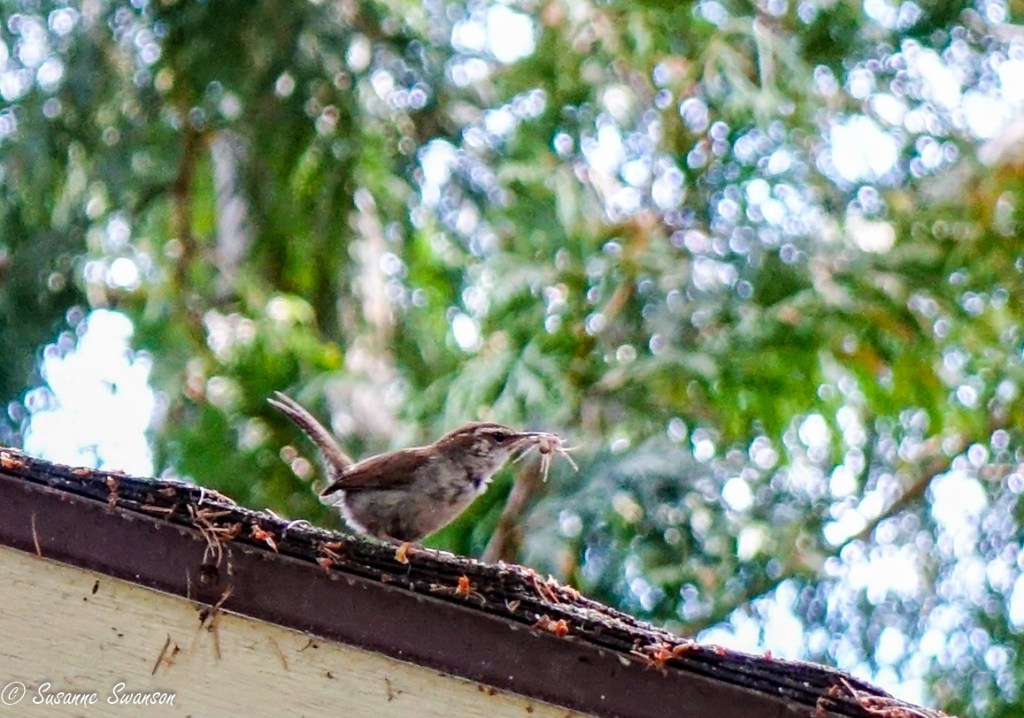
I watched her drop to the birdhouse below,
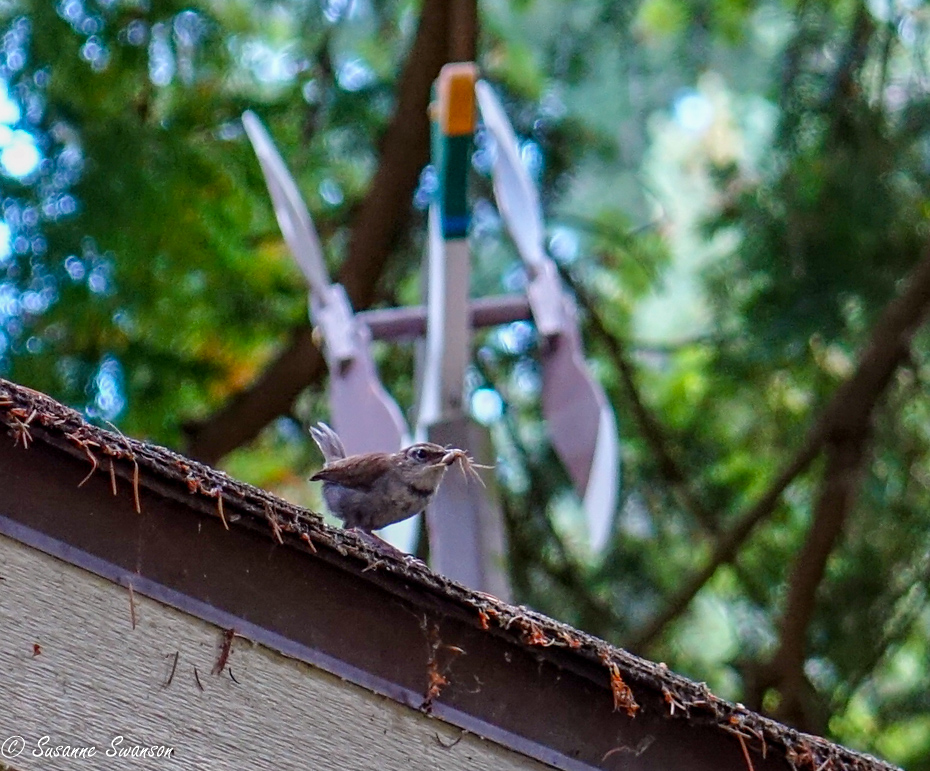
and feed it to her youngsters.
“More, more,” was the cry and she obliged, returning again and again.
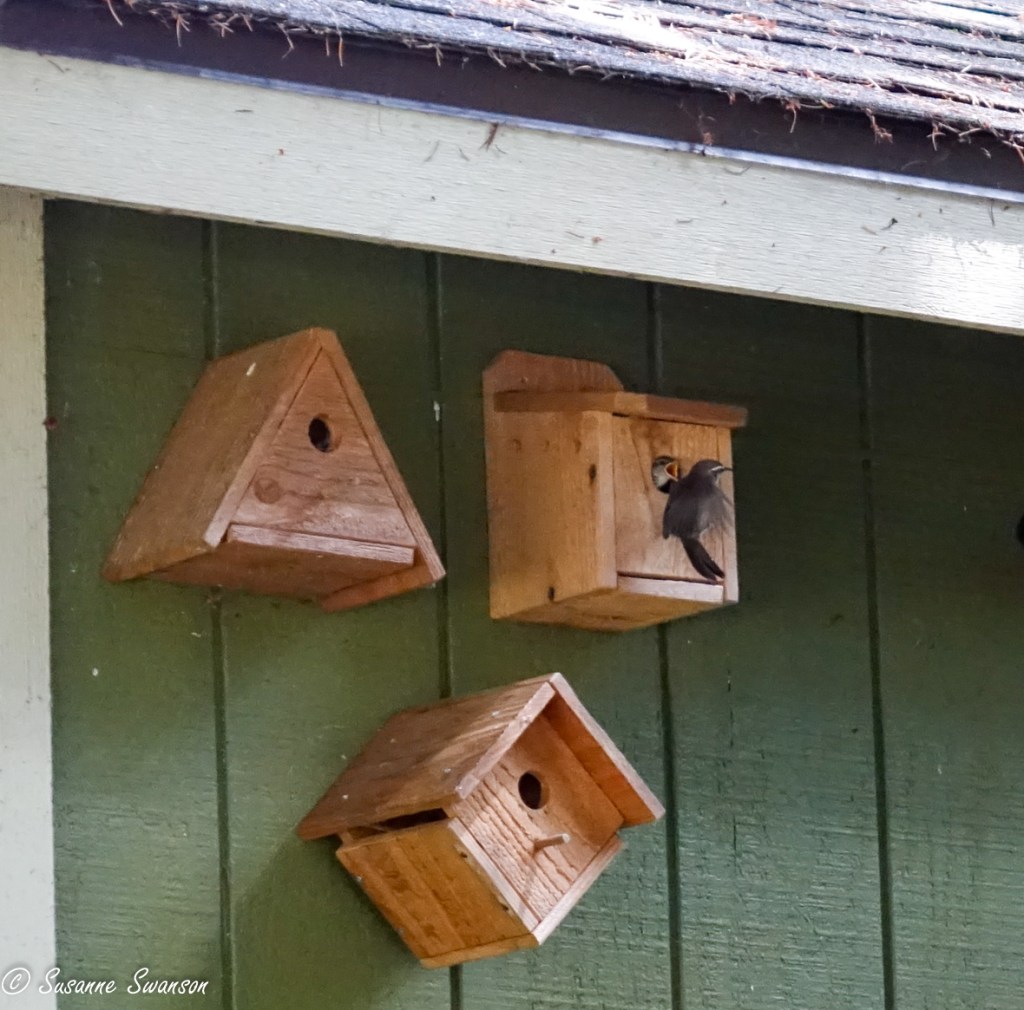
Bugs! It’s what’s for lunch at the Wren’s house! 🙂
~ Susanne
Opening Sunflowers
I love sunflowers but don’t grow any in my garden – maybe I should change that next year. In the meantime I love coming across them as we did last week at one of the lavender farms in Sequim, these in various states of opening.

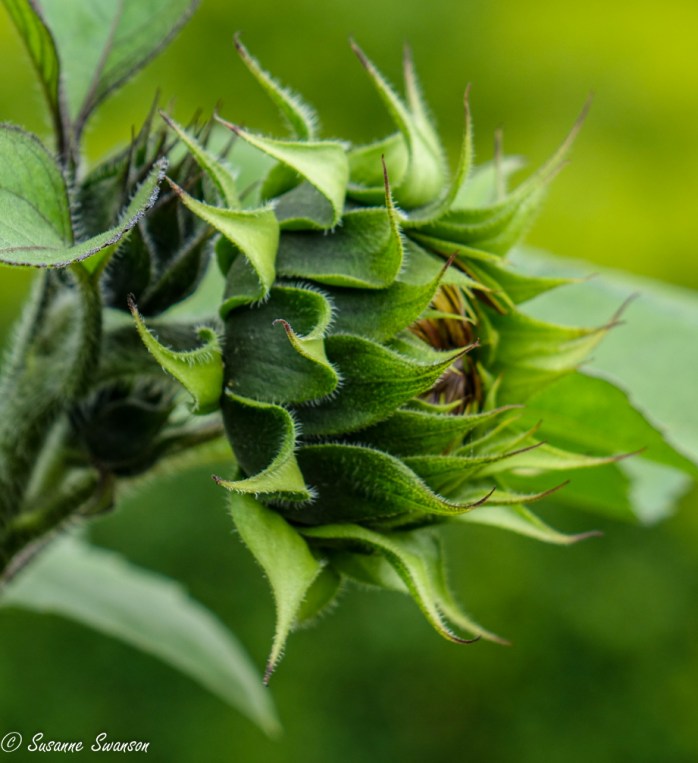

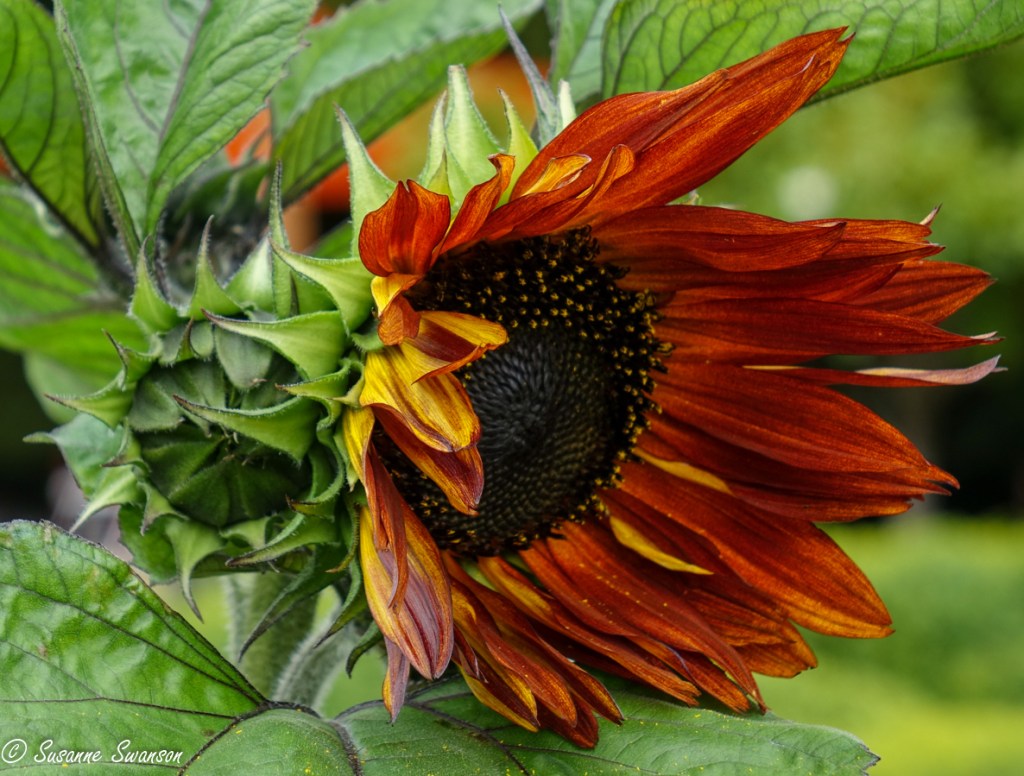
Sharing with Cee’s Flower of the Day.
Also sharing with Sunday Stills Challenge – do you see the Circles and Triangles?
~ Susanne
Visiting the B & B Lavender Farm in Sequim
I LOVE lavender and have been growing it in my garden for the last 20 years, almost as long as the farms in Sequim, the self proclaimed lavender capital of North America. Located in the sunbelt of the Olympic Peninsula, the little town transformed itself into a lavender mecca in the mid 1990’s when it started converting old dairy farms into lavender farms. There are now dozens of farms in the Sequim-Dungeness Valley and by mid-July the annual Lavender Festival is a top attraction.
Yes, it was cancelled in 2020 due to Covid and was limited in 2021. But most of the farms remain open for visitors so we stopped by last week on our trip to the Peninsula.
I have my favorite farm (Purple Haze) but this time we decided to stop at a new one (to us) – B & B Farms.
I’m so glad we did. Because in addition to enjoying the lavender in the fields we got an informative tour from the owners.
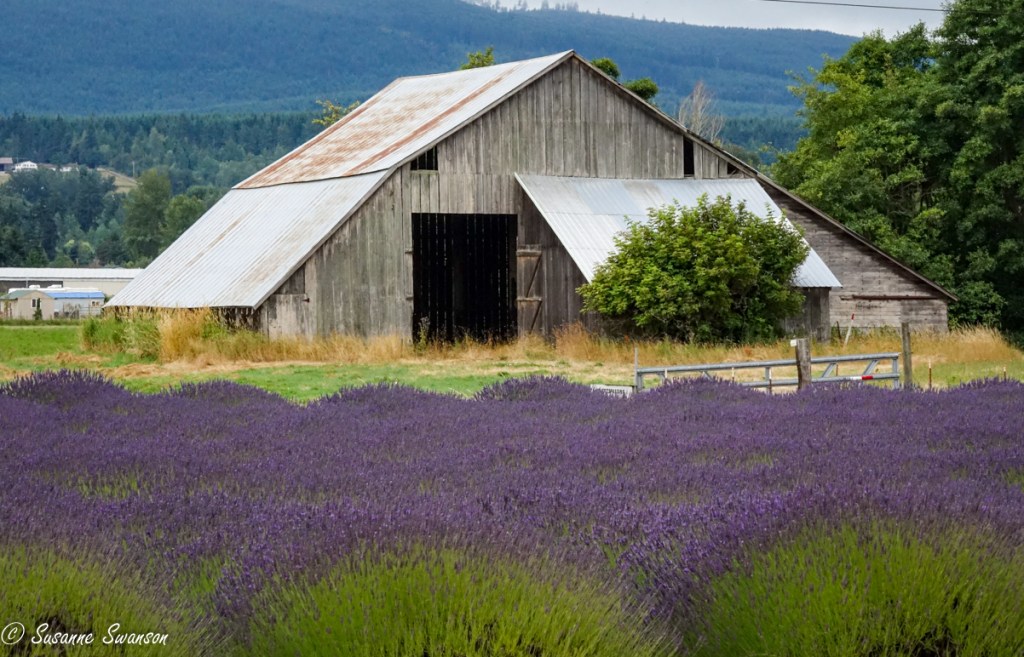
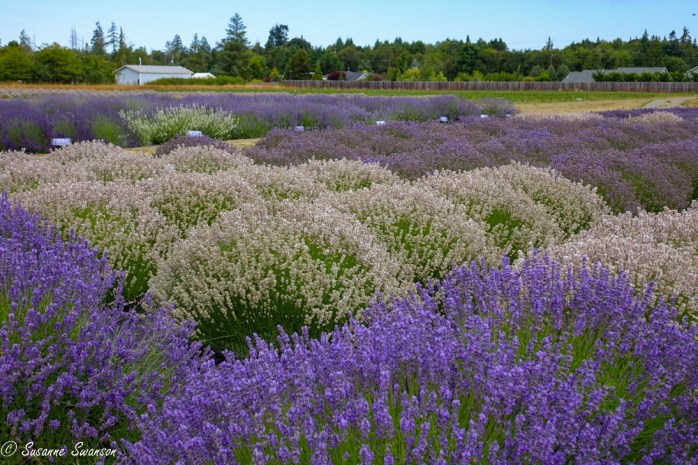
First they gave us an easy way to remember the difference between English Lavender and French Lavender – they grow both.
French Lavender = F = Fragrance. The larger plant, with the stronger scent due to naturally occurring camphor. Better for crafts, sachets, soaps. The first photo above is of French Lavender the earliest planted at B & B, 25 years ago.
English Lavender = E = Eat. The culinary variety. A smaller more compact plant, but brighter in color, with a sweeter fragrance. Best for cooking. The second photo above is of English Lavender.
Inside their large barn we saw bundles of lavender drying from the rafters.
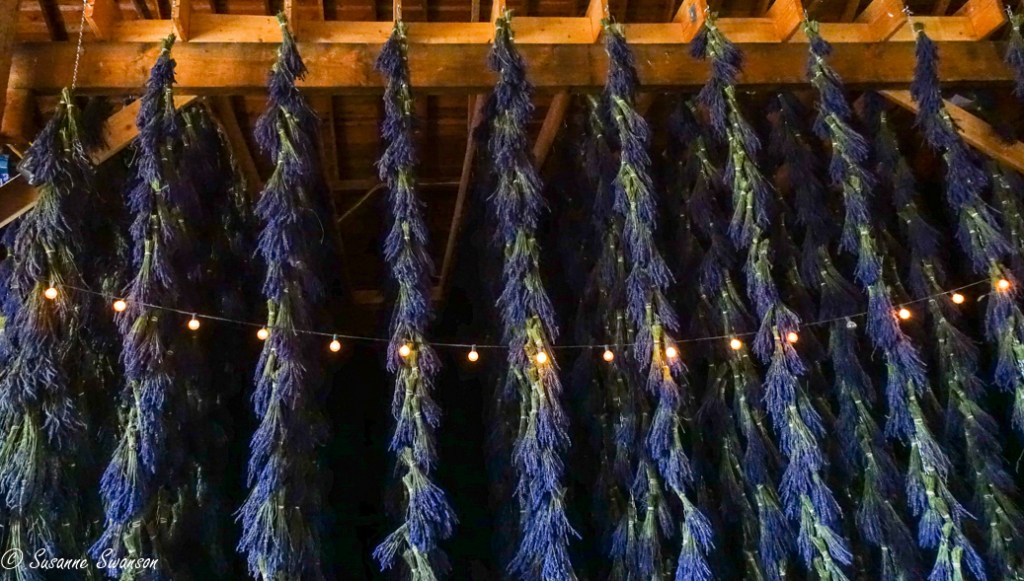
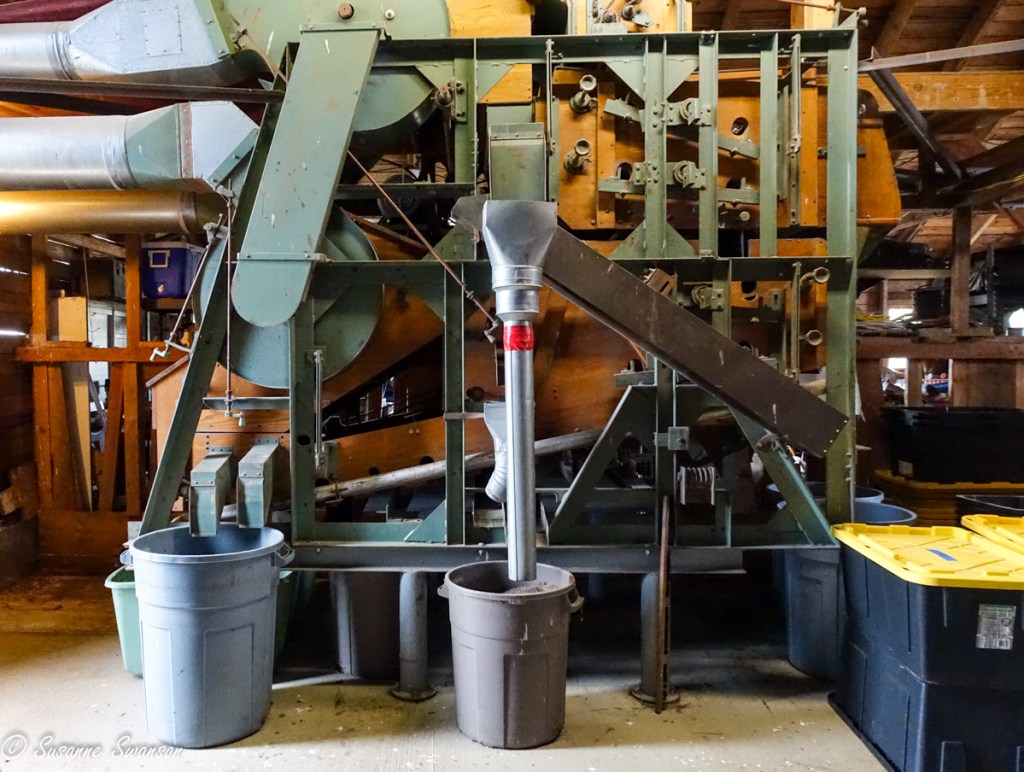
Some are sold as bundles, while others are reduced to buds. After being removed from the stems (yes, there’s a machine for that too) they’re cleaned in the Jitter Bud, below.
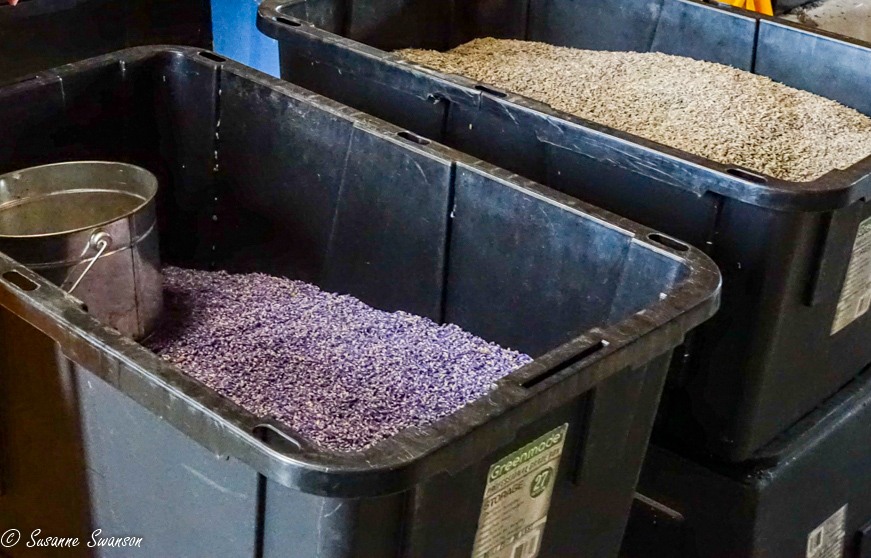
There’s also a still for extracting the essential oils and producing lavender water as a byproduct.
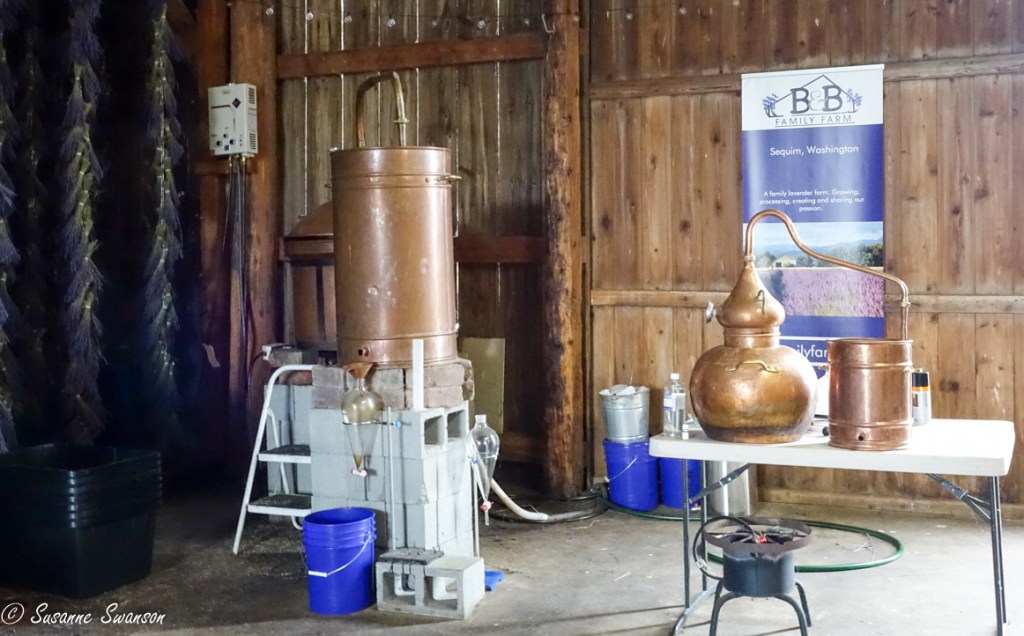
It was quite wonderful and I may have a new favorite farm.
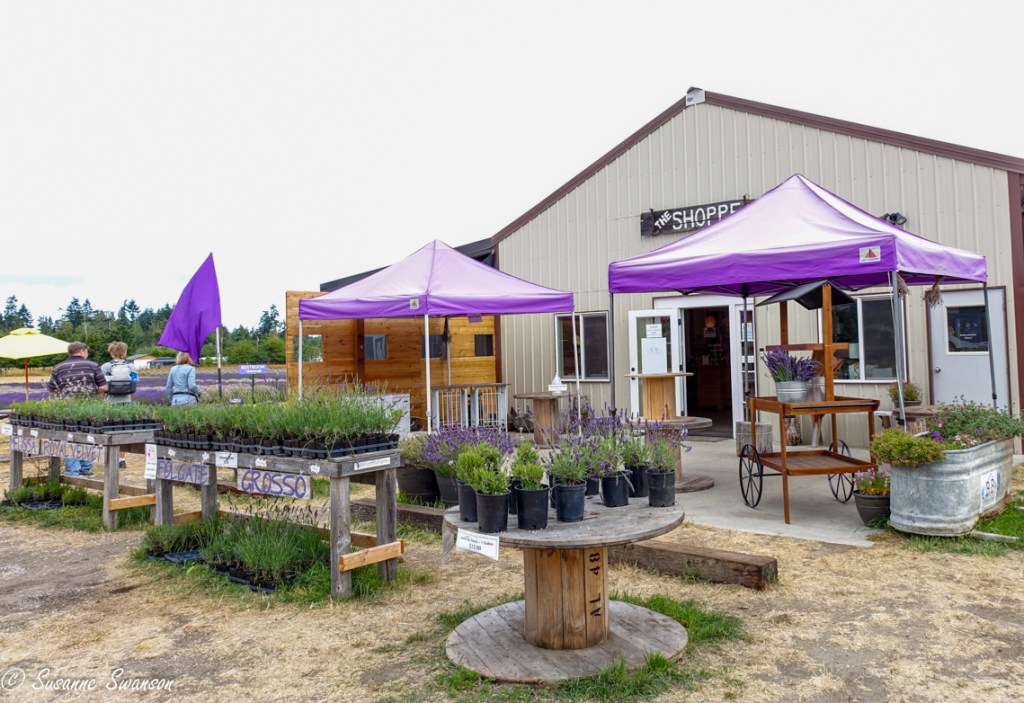
And to show my appreciation for the tour I was compelled to buy some lavender products including this adorable little bear, lovingly filled with lavender grown at B & B.
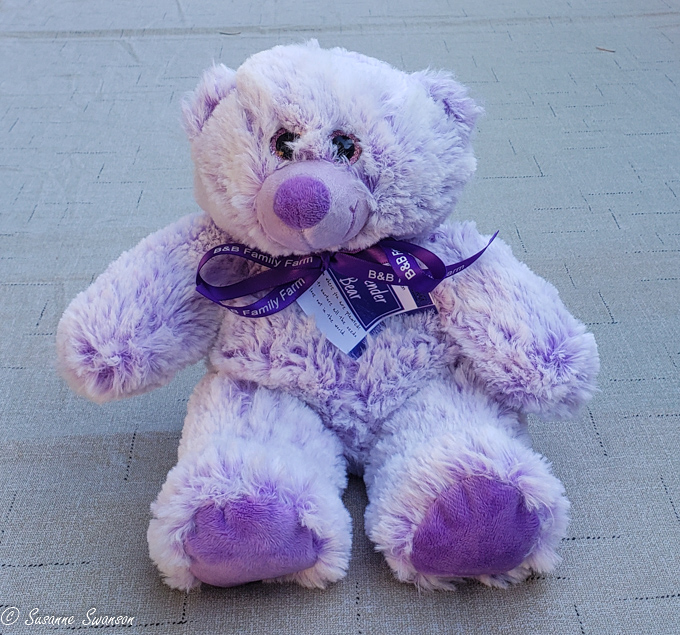
One little squeeze and I’m transported back to the lavender fields. I wish could have bought one for all of you. 🙂
~ Susanne
Hike to Magnificent Second Beach
I don’t use the word ‘magnificent’ lightly. Bob had heard of Second Beach for many years but whenever we were in the area the parking lot was already full so we’d pass on by to the next beach. And let me say you don’t just ‘happen’ to be in the area. This hike is on the rugged northern coast of Washington, twenty miles west of the thriving town of Forks, just south of La Push. The hike itself is short, only .7 of a mile, but the beach is spectacular with 2 miles of smooth sand and sea stacks!
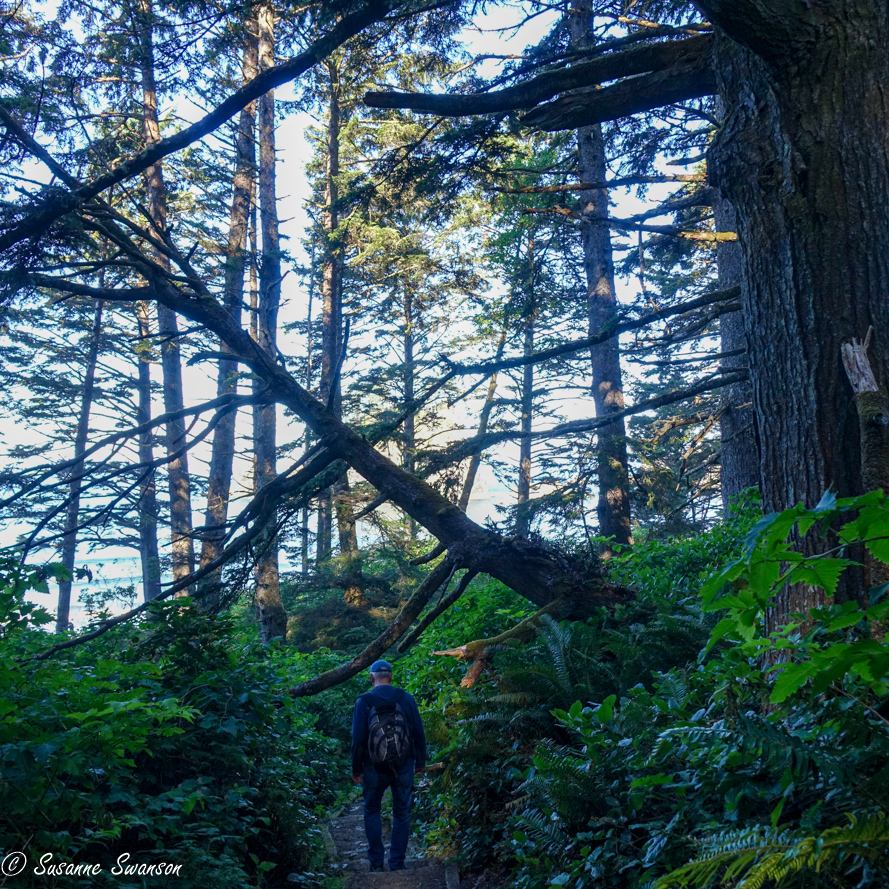
So to make sure we’d be at the trailhead early enough to get a spot, we spent the night in Forks and were ready for our hike the next day, a beautiful walk through coastal forests of Sitka Spruce and Douglas Fir. Do you see why Washington is called the Evergreen State? That’s why I’m sharing this with Sunday Stills and also with Becky’s Squares, as I was able to ‘square’ a number of trees!
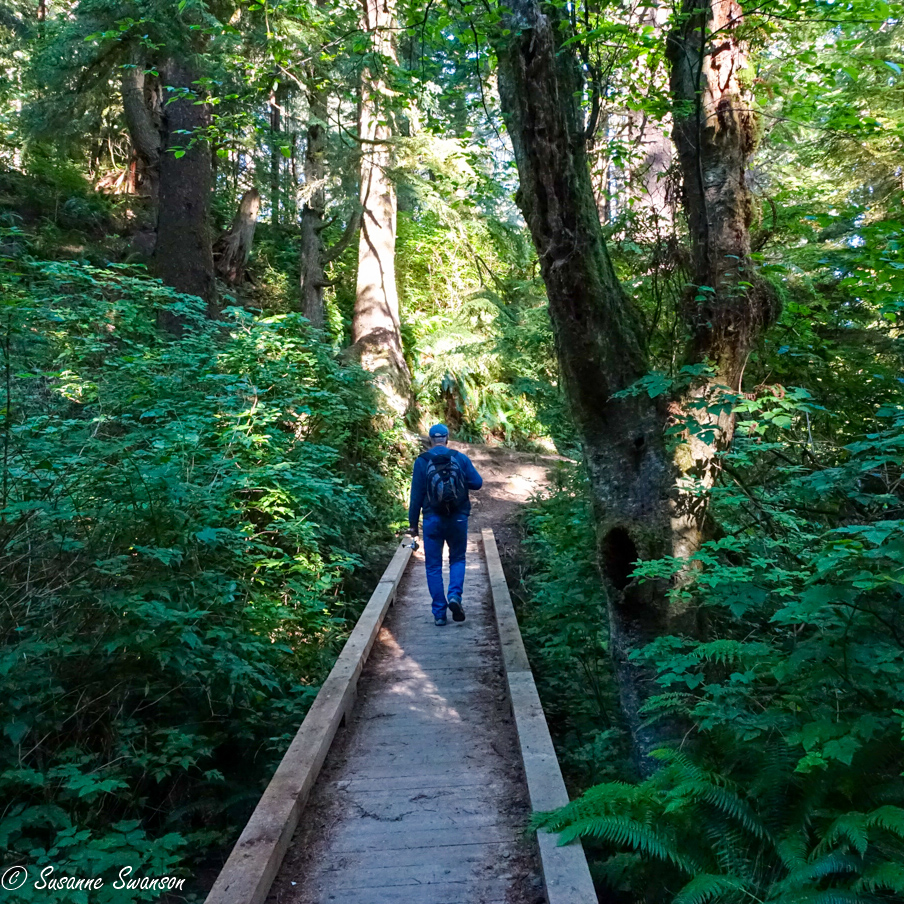
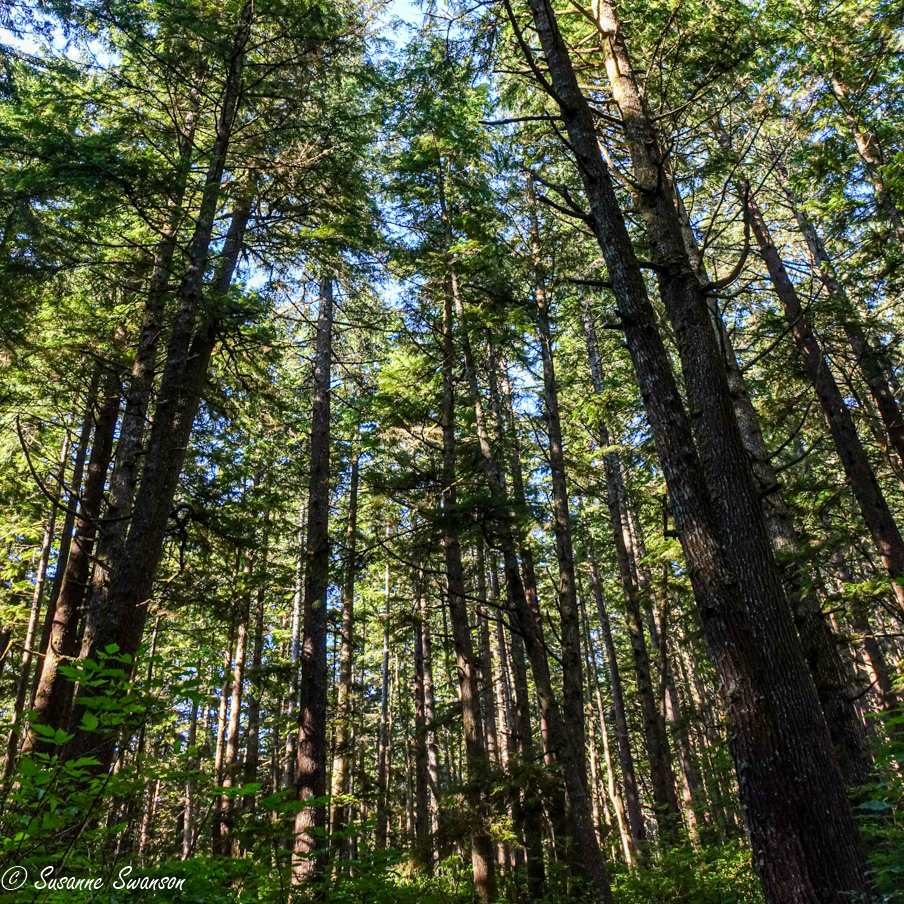
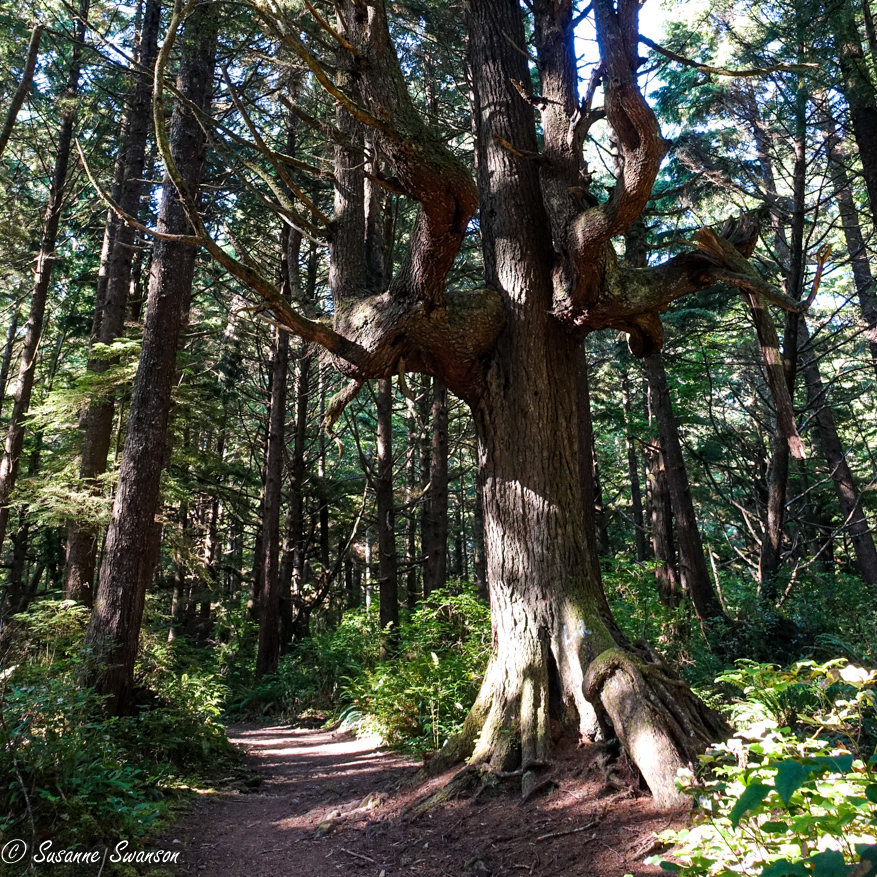
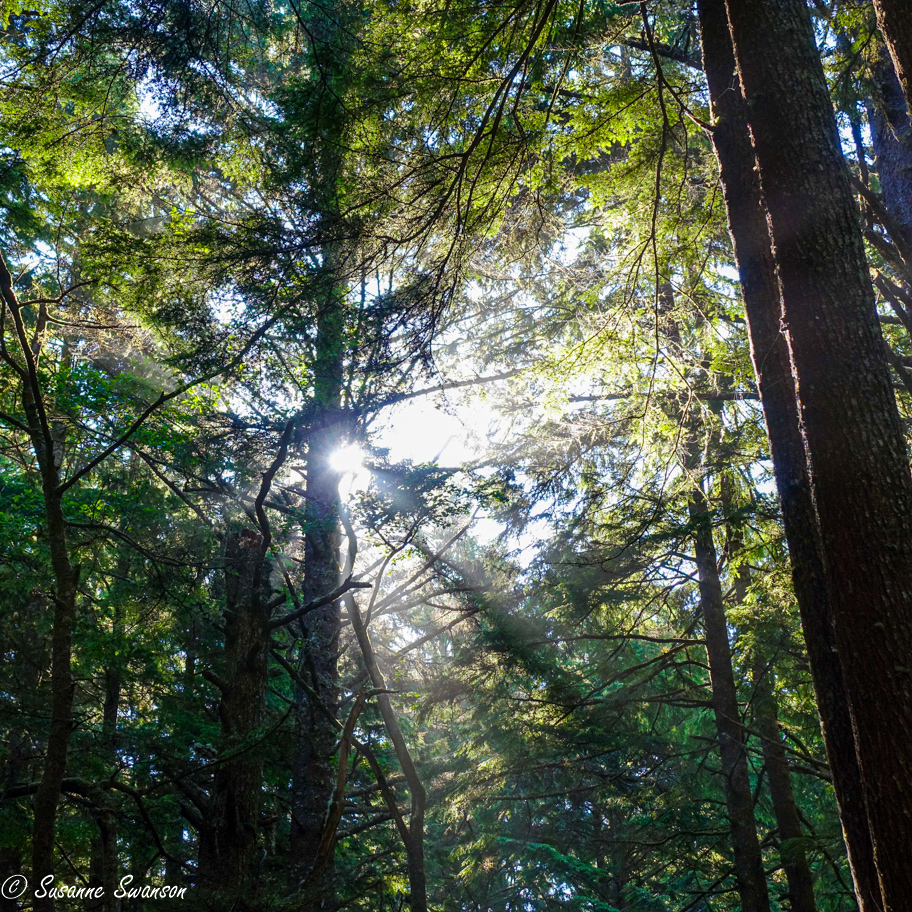
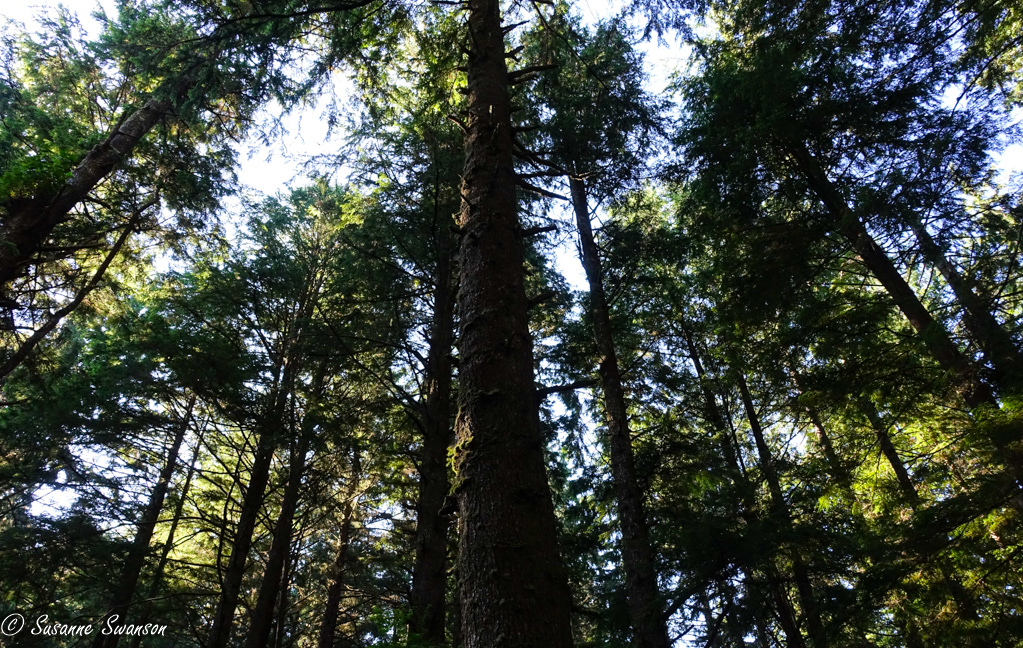
It was an easy walk through the woods and so fragrant!
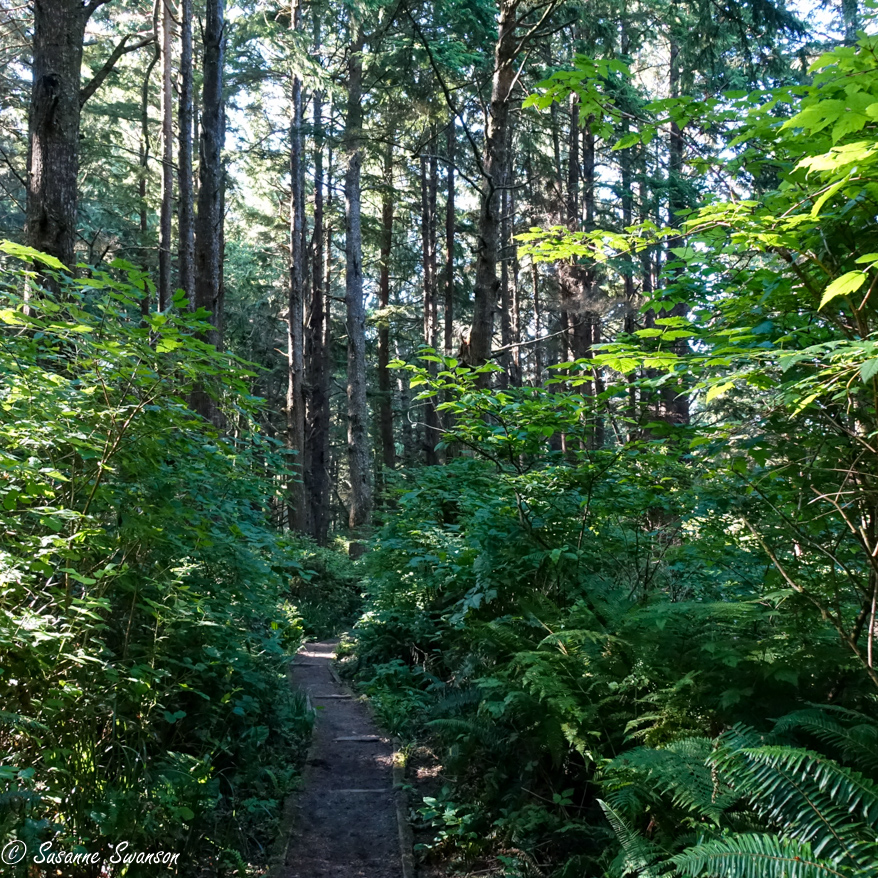
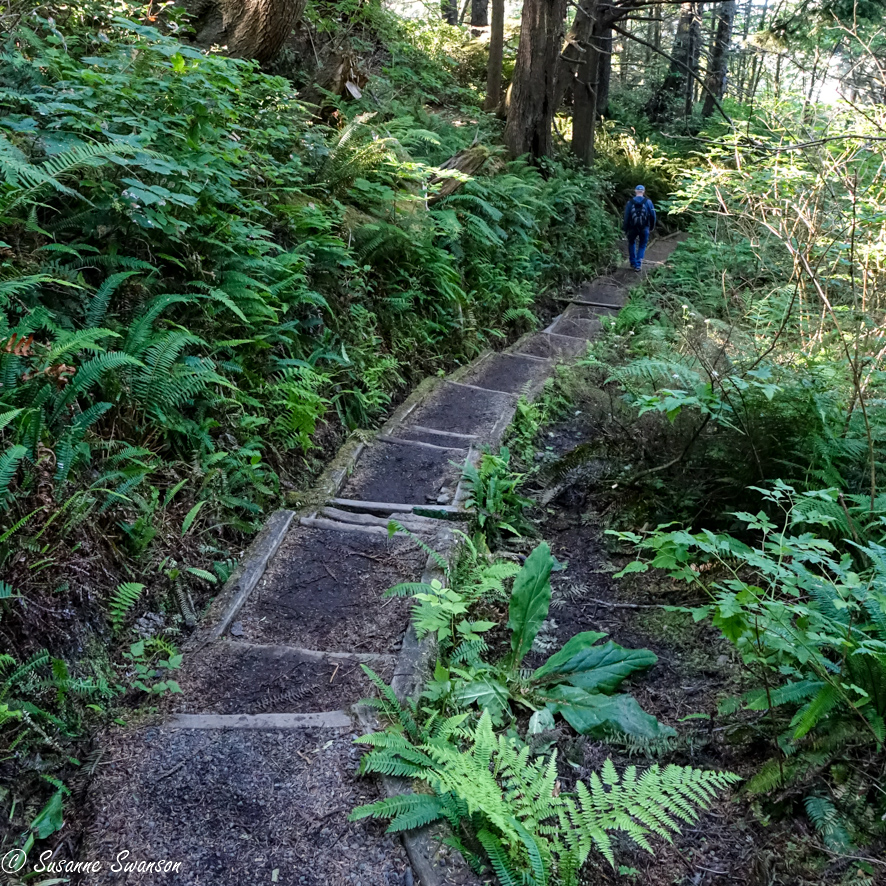
And it wasn’t long before we heard the roar of the ocean!! Almost there!
And can I tell you it was all that we hoped for and more? There were literally ‘Hallelujahs!’ ringing in my heart for the beauty of the seascape!
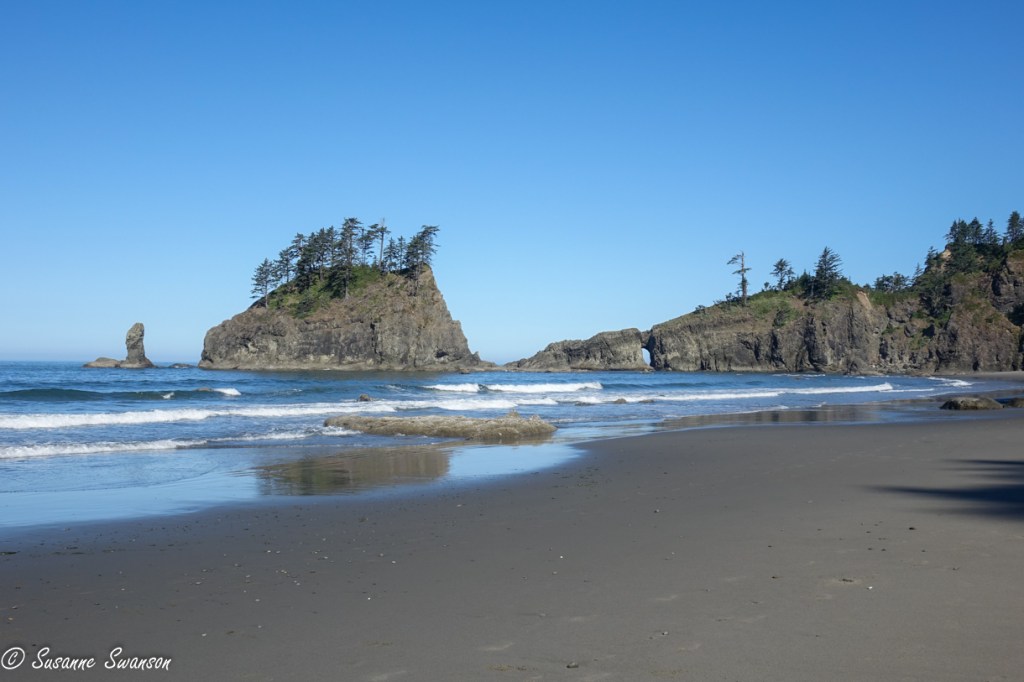
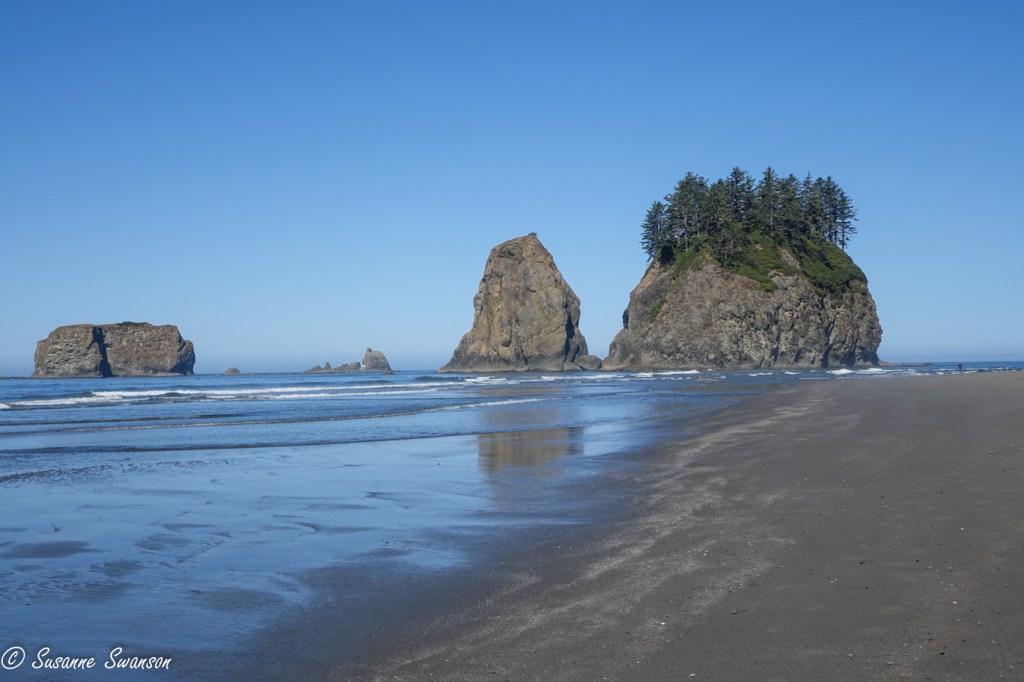
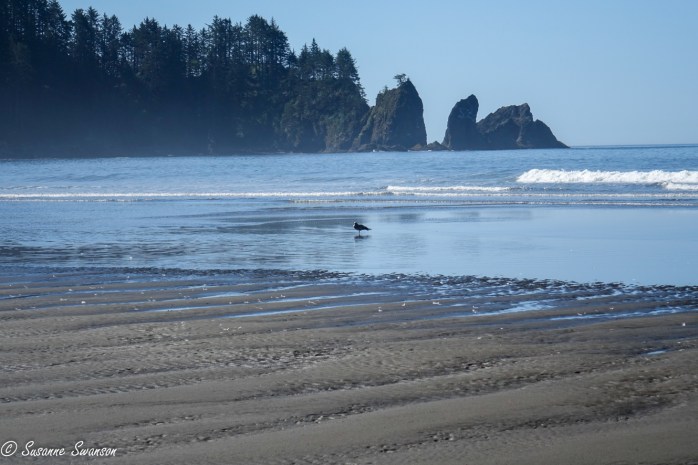
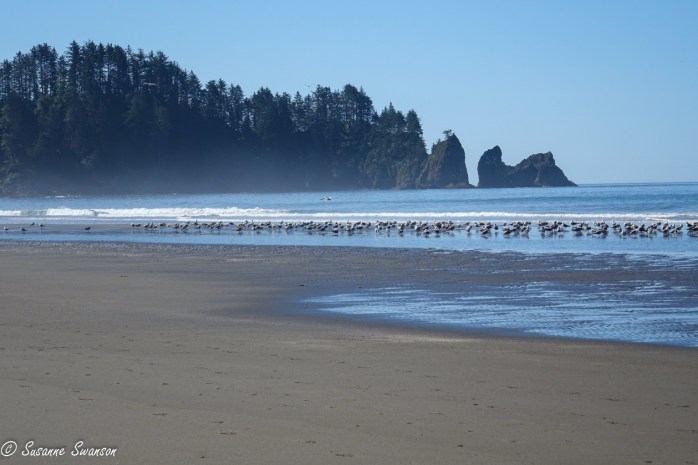
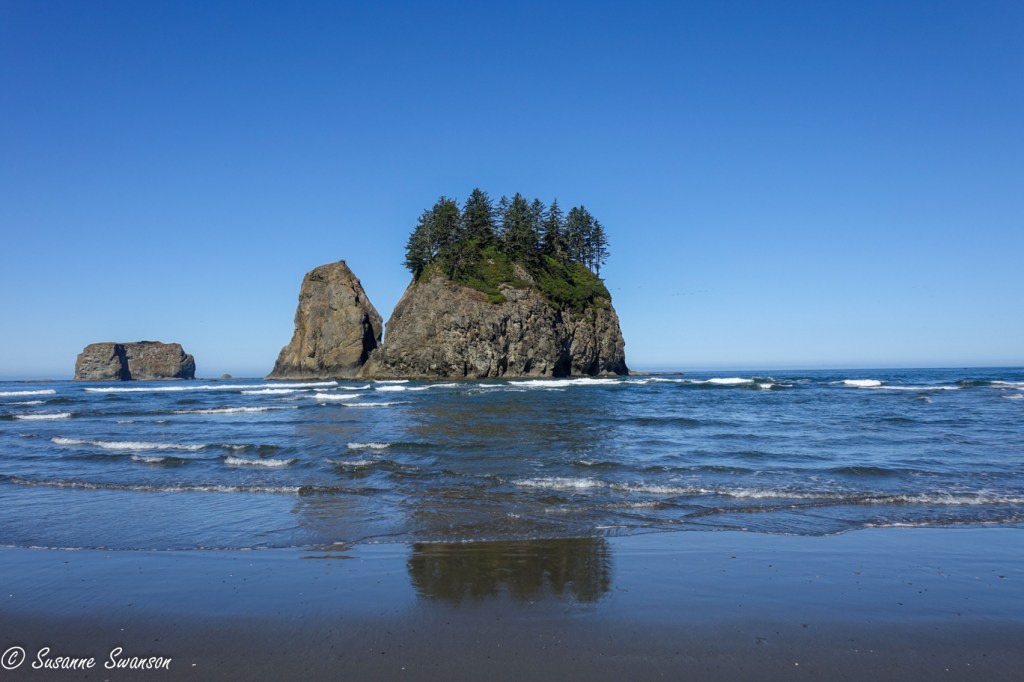
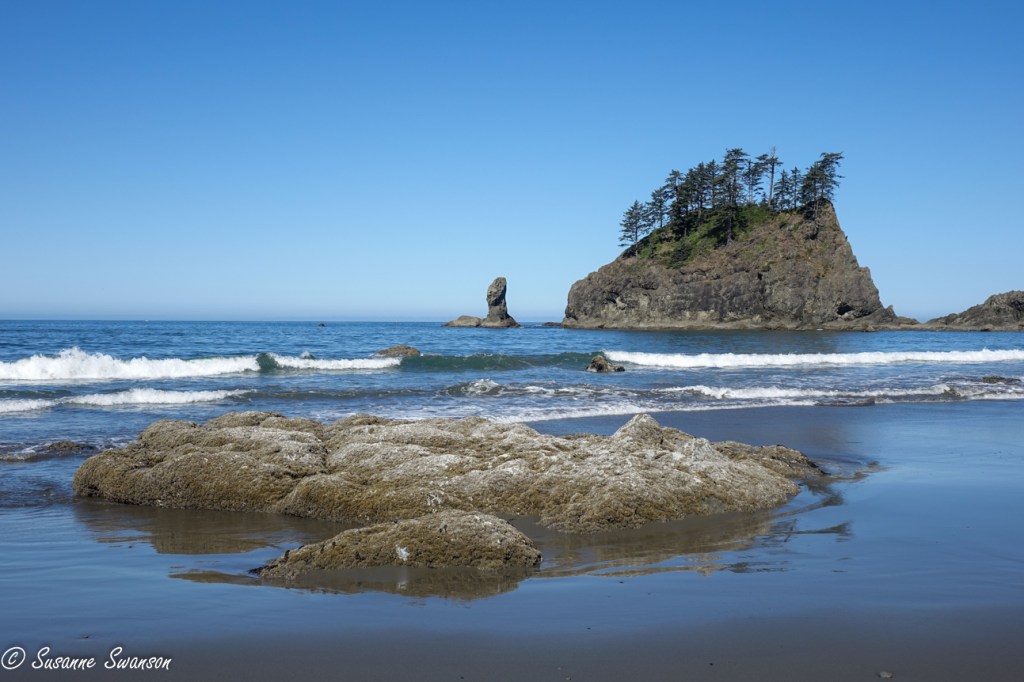
I walked the beach while Bob cast his line into the sea and we both enjoyed the peace and solitude of the place.
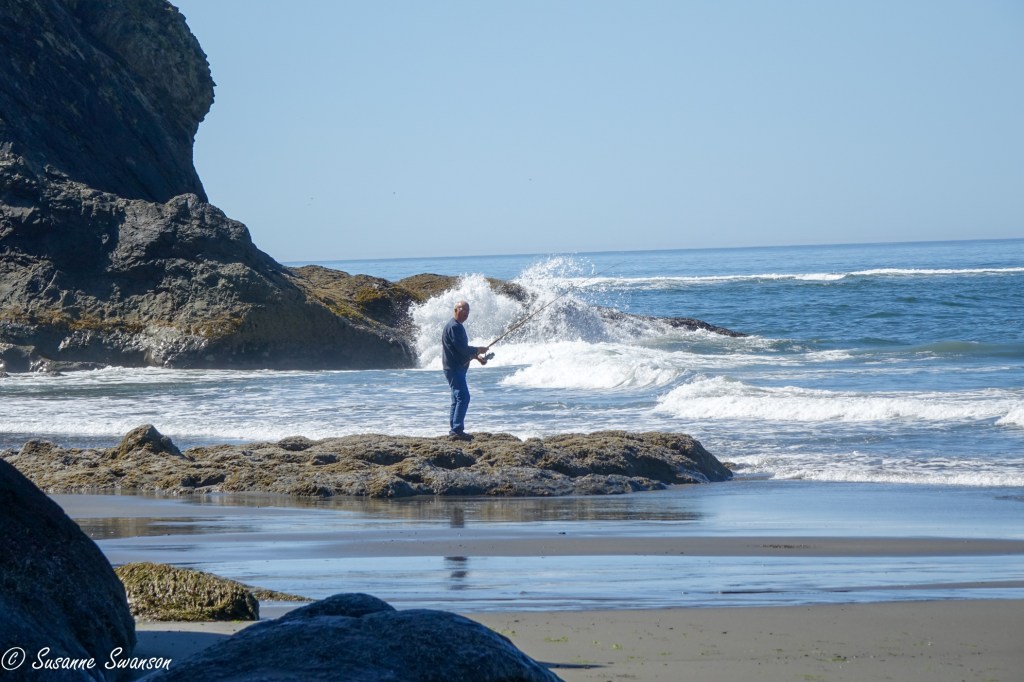
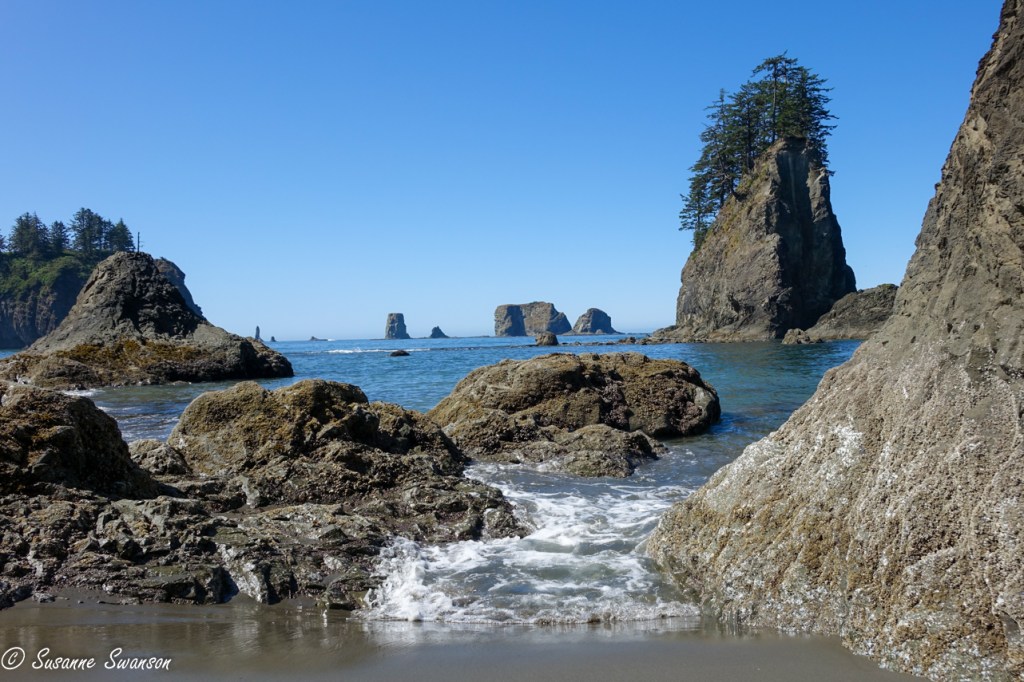
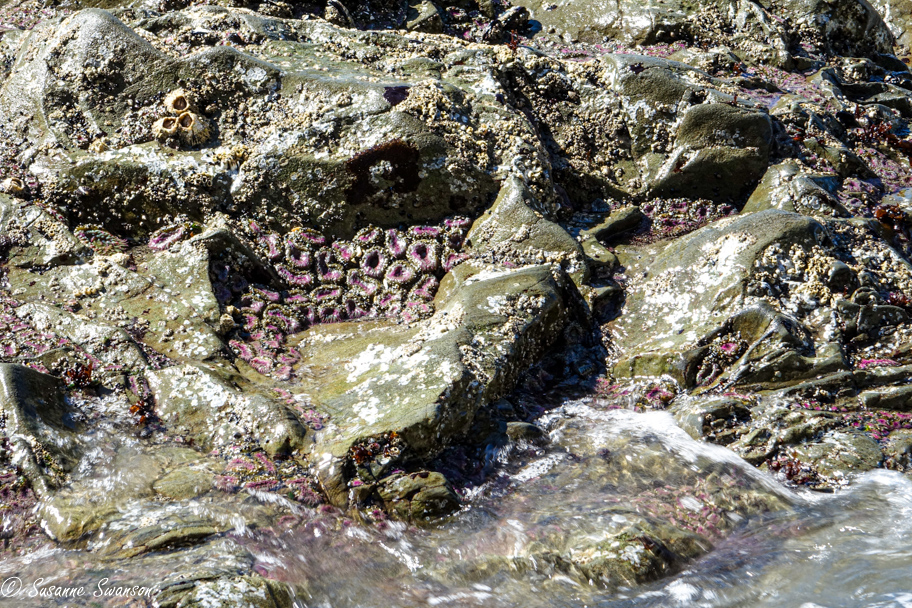
I have many more pictures I could share but I think you get the idea. So I’ll close with this young eagle, who perched high above and guarded the entrance to the beach.
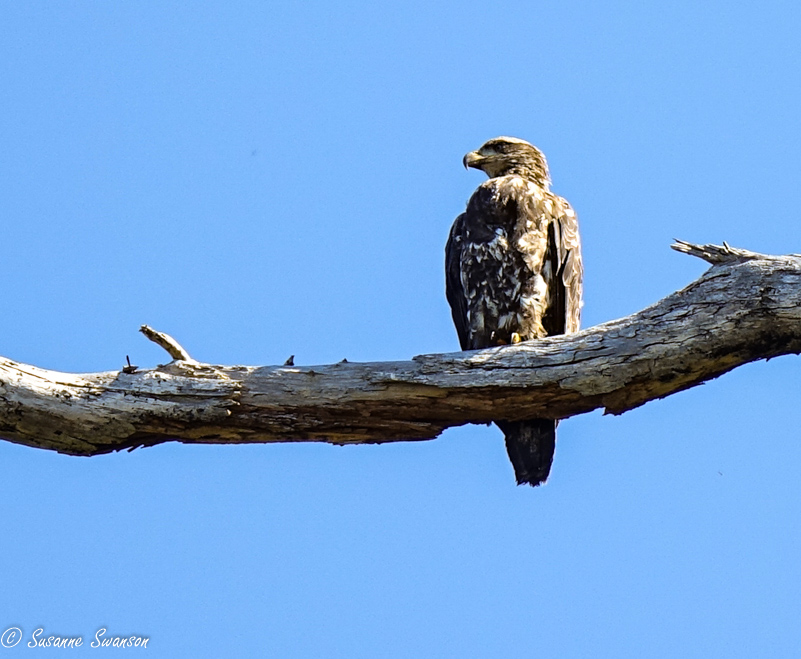
Hope you enjoyed the hike! 🙂
~ Susanne
P.S. Forgot the video! So here’s that! 🙂
A House Finch Courtship and a Hummingbird Flyby
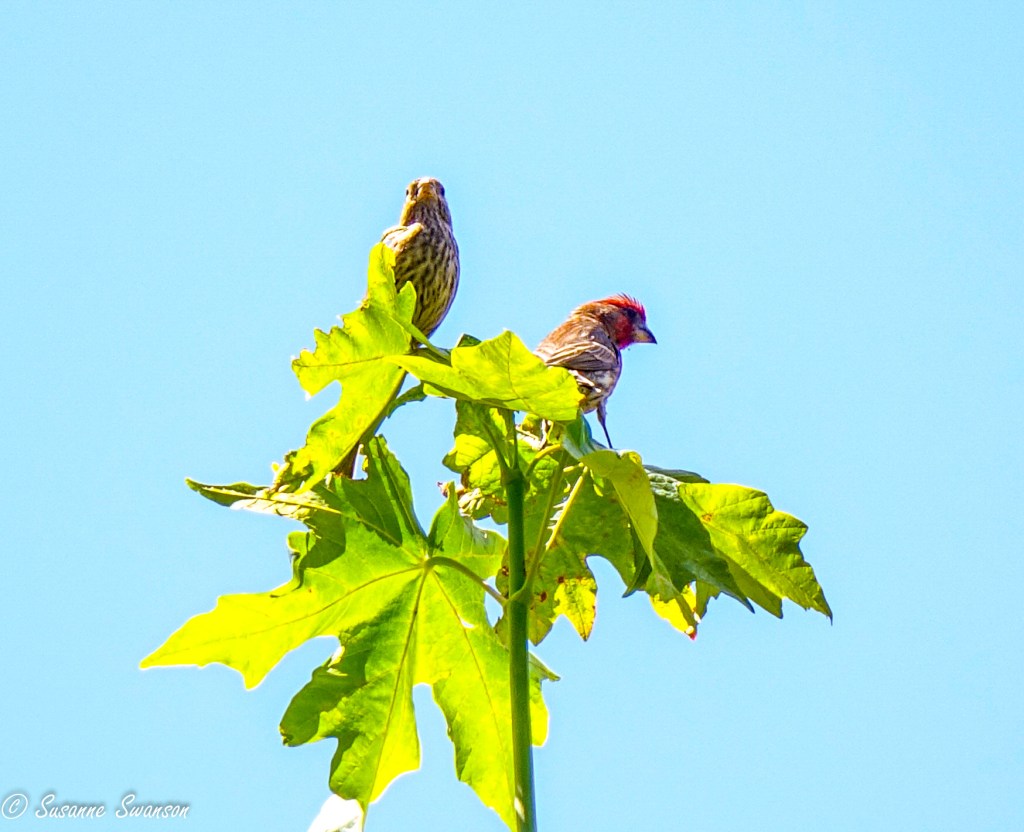
I stepped outside today and heard the song of a house finch overhead. Truth be known it was not that melodious, he sang like a one-note Ned continuously and persistently.
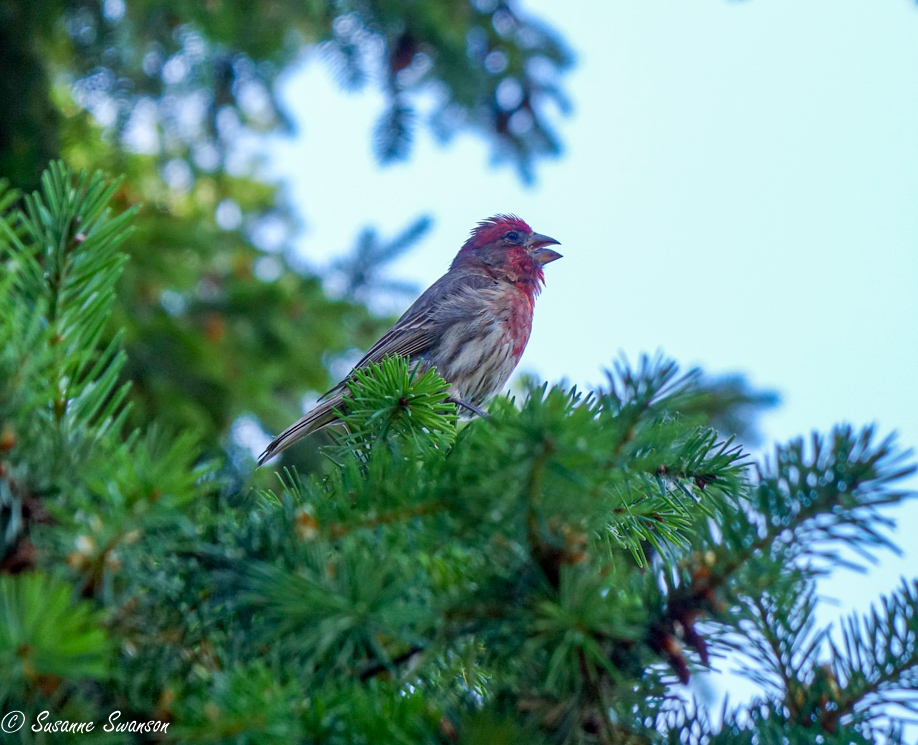
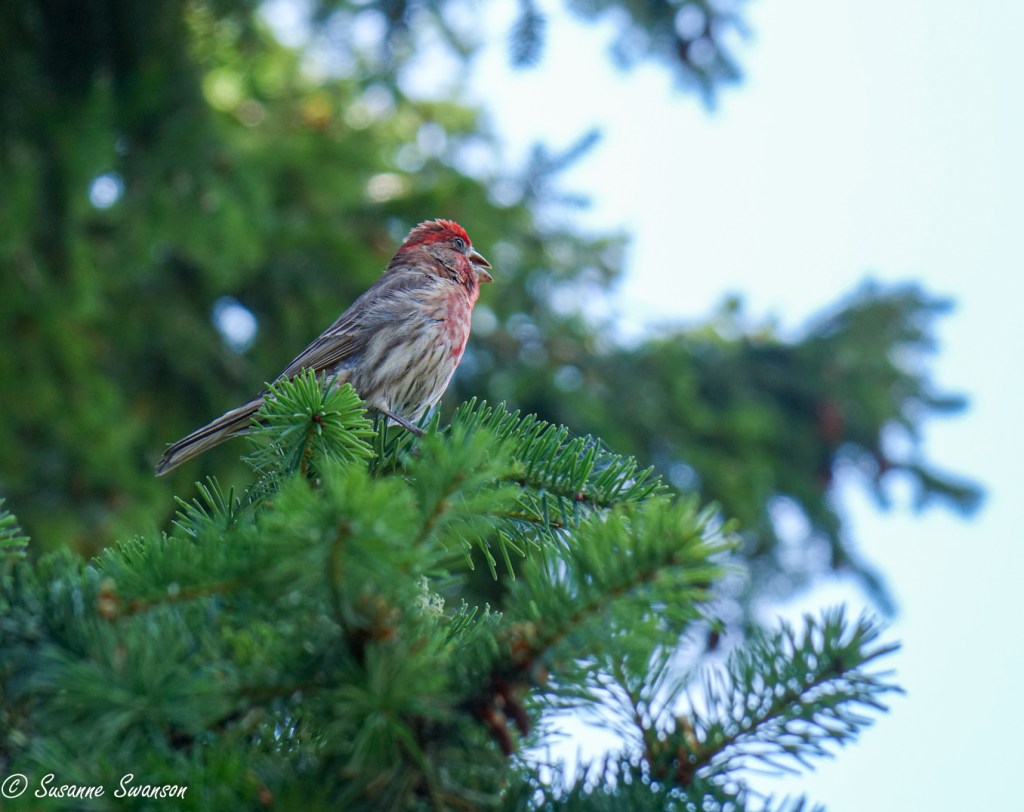
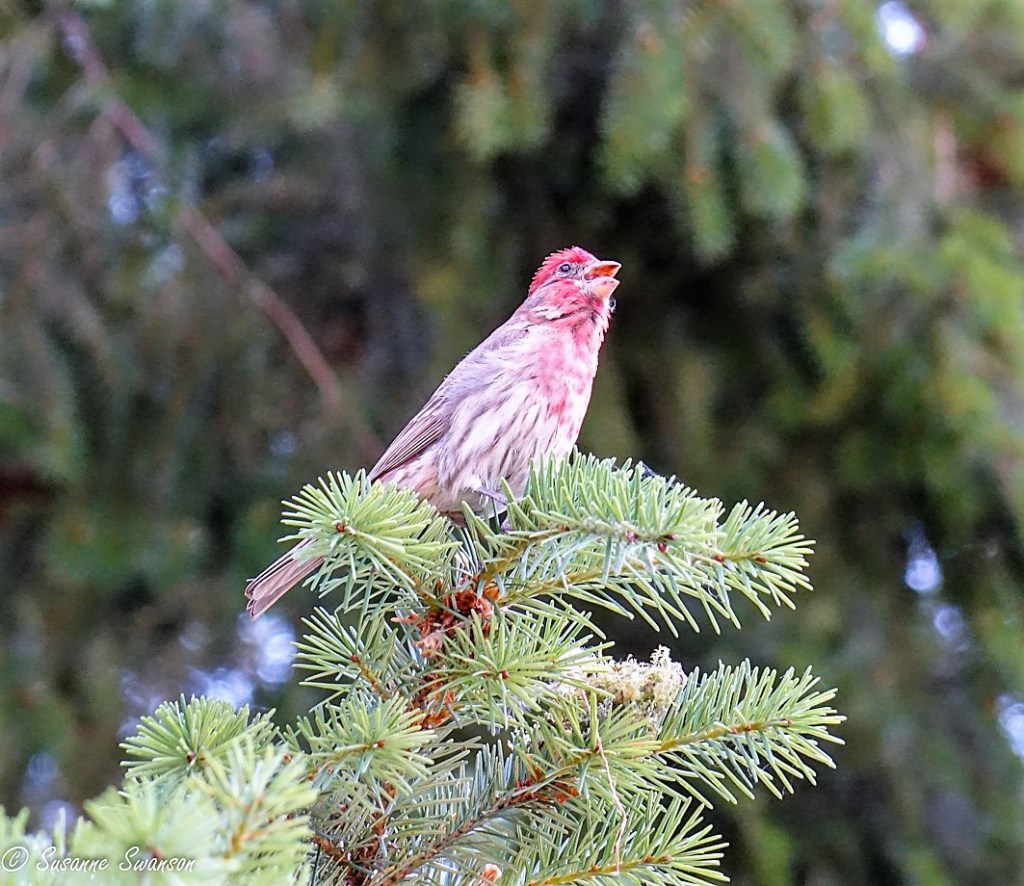
But it was enough to attract a female nearby and she followed him.
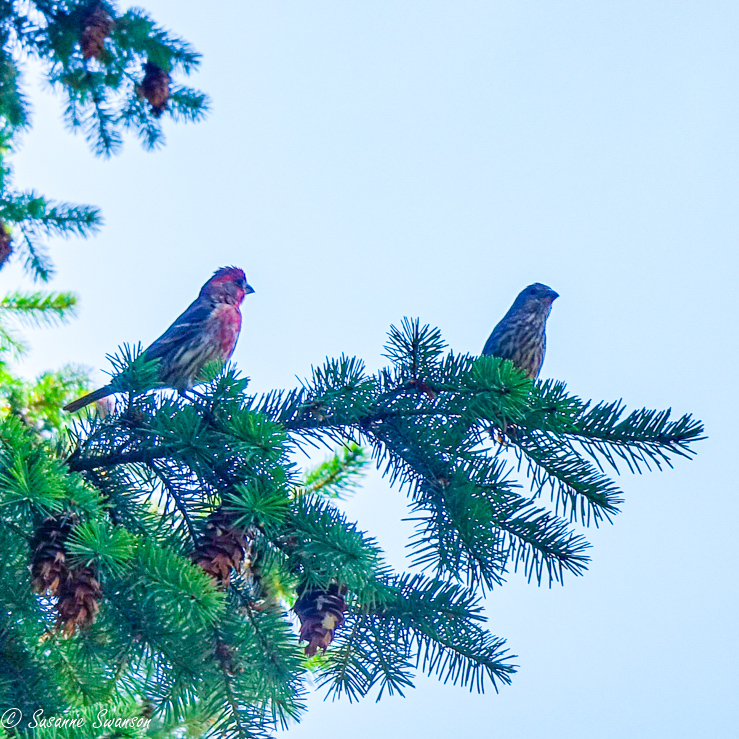
While the courtship continued a visitor swooped in like a troublesome little brother, darting about in a blur, the little hummer trying his best to disturb the finch couple or perhaps just having fun.
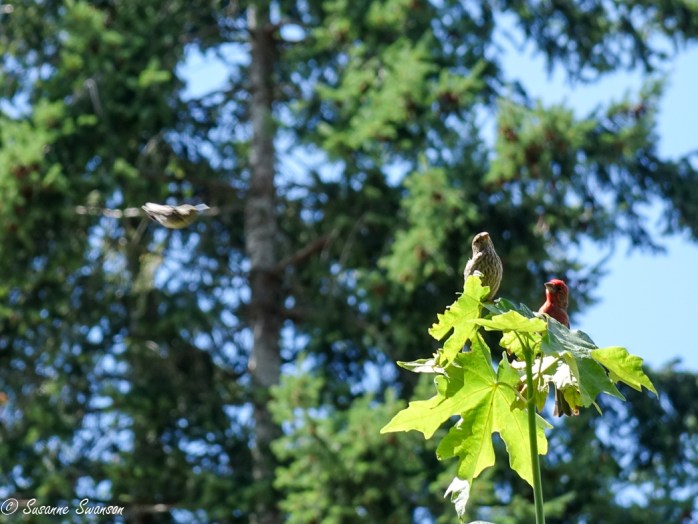
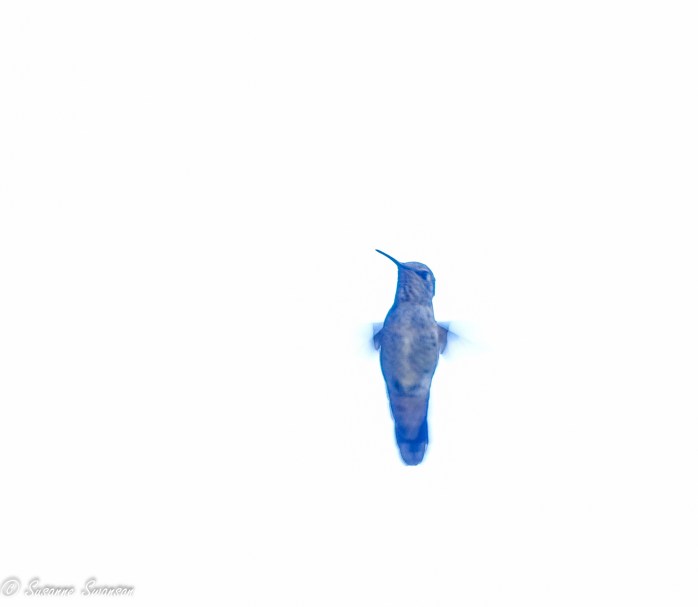
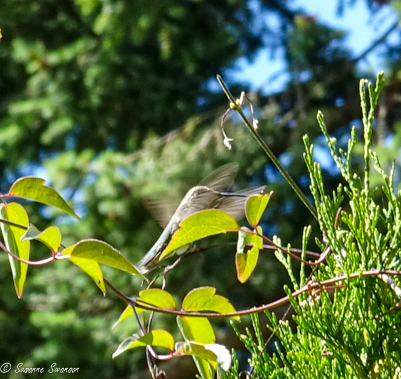
Either way, they were undaunted.
~ Susanne
Under the Trees in my Garden
For this week’s Sunday Stills challenge I thought I’d take you on a tour of my backyard garden much of which lies under the shade of giant Douglas Fir trees.
When we moved to our house a few years ago the backyard was rather plain, consisting mainly of grass surrounded by trees. Since then my husband added great ‘bones’ to the garden with the addition of a shed, stream and patio, while I added shrubs and flowers. Here’s a view facing south, from our upper deck.


I love to sit under the trees next to the stream, which looks like a naturally occurring spring but is actually my husband’s handiwork. It flows with the flip of a switch.


It’s secluded and shady, a perfect place to relax and reflect on a hot summer day.

The birds like it too, and sometimes drop by for a drink.

On the opposite side where the sun always shines are the garden beds also built by my industrious husband.

That’s where I experiment with roses and herbs and vegetables, continually moving plants around and evicting those that don’t perform. This year I took out an entire bed of strawberries that only served to feed the slugs.

The result is somewhat messy but the bees don’t seem to mind.


That’s all for now.
~ Susanne
 Cats and Trails and Garden Tales