Cats and Trails and Garden Tales
Musings on cats, travel, gardens and life
For Icy Blue and Aquamarine – Just Look to Alaska!
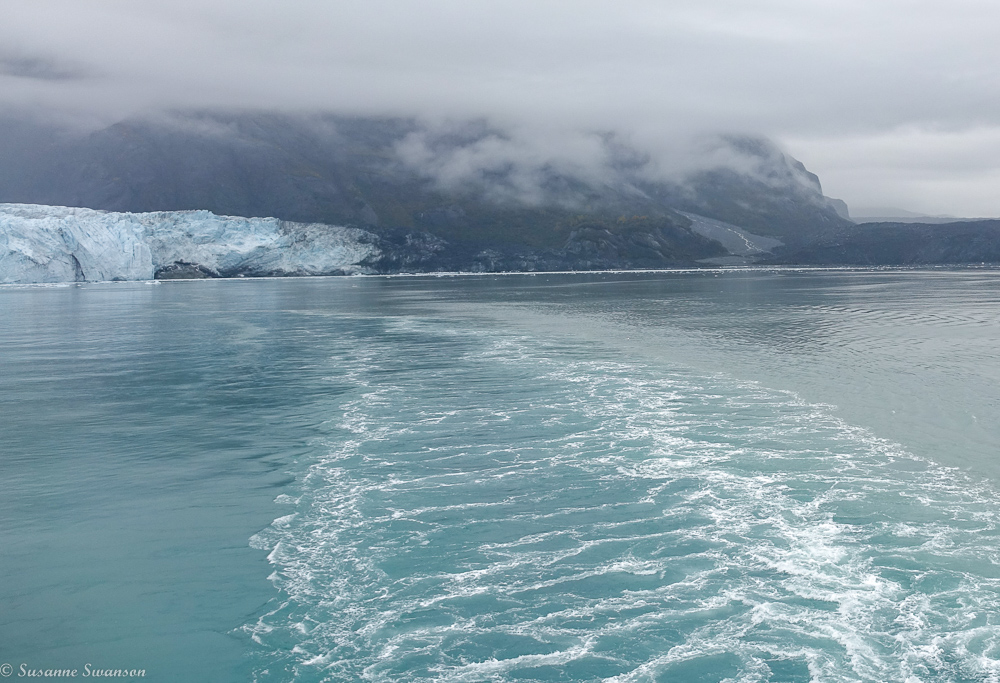
I love a good color challenge, especially with my favorite colors! So for this week’s Sunday Stills I went to my archives where I knew I’d find icy blue and aquamarine on our first cruise to Alaska.
In fact, it was our first cruise to anywhere – what a way to travel! Our ship left from Seattle which meant, we packed our bags, got dropped off at the pier, boarded, and left the rest up to Holland America!
It was all wonderful, but a highlight of the trip for me was the day we spent cruising in Glacier Bay.
According to the National Park website: “Covering 3.3 million acres of rugged mountains, dynamic glaciers, temperate rainforest, wild coastlines and deep sheltered fjords, Glacier Bay National Park is a highlight of Alaska’s Inside Passage and part of a 25-million acre World Heritage Site—one of the world’s largest international protected areas.”
And to think I’d never heard of it before our cruise!
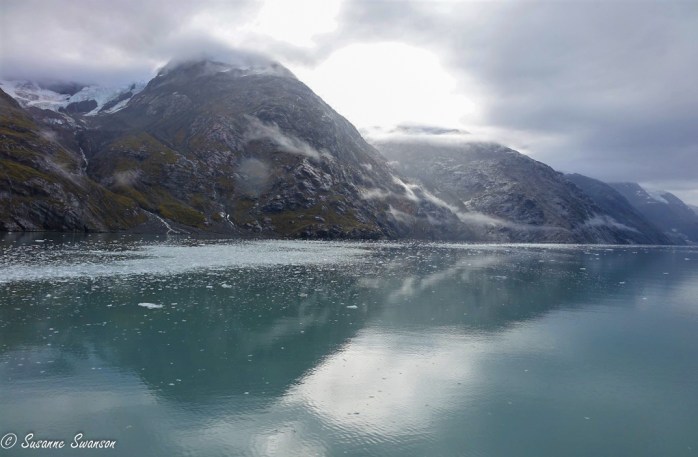
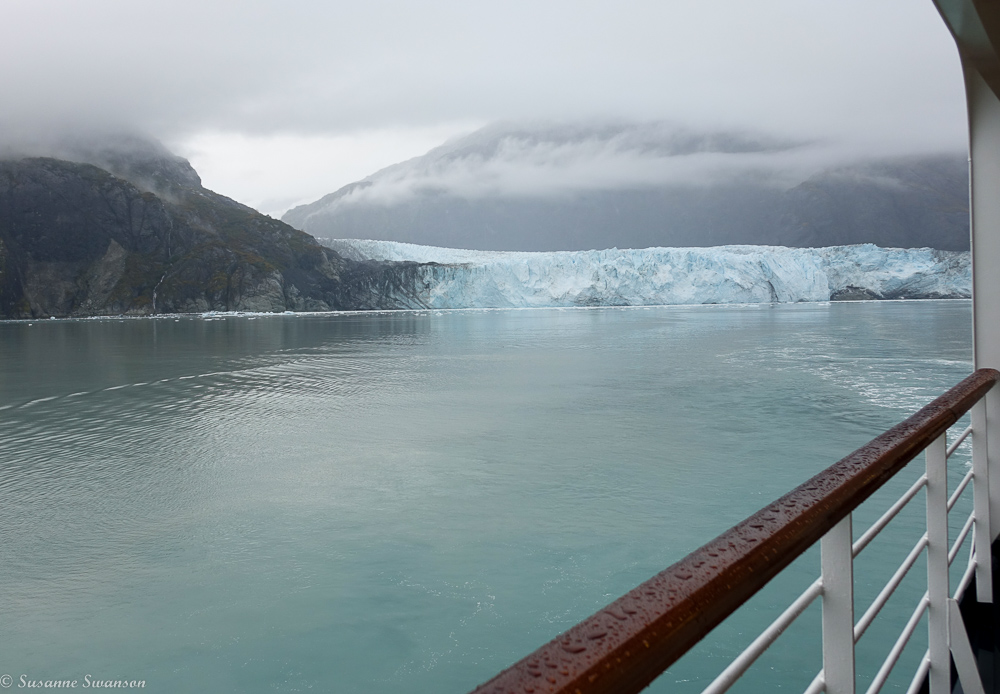
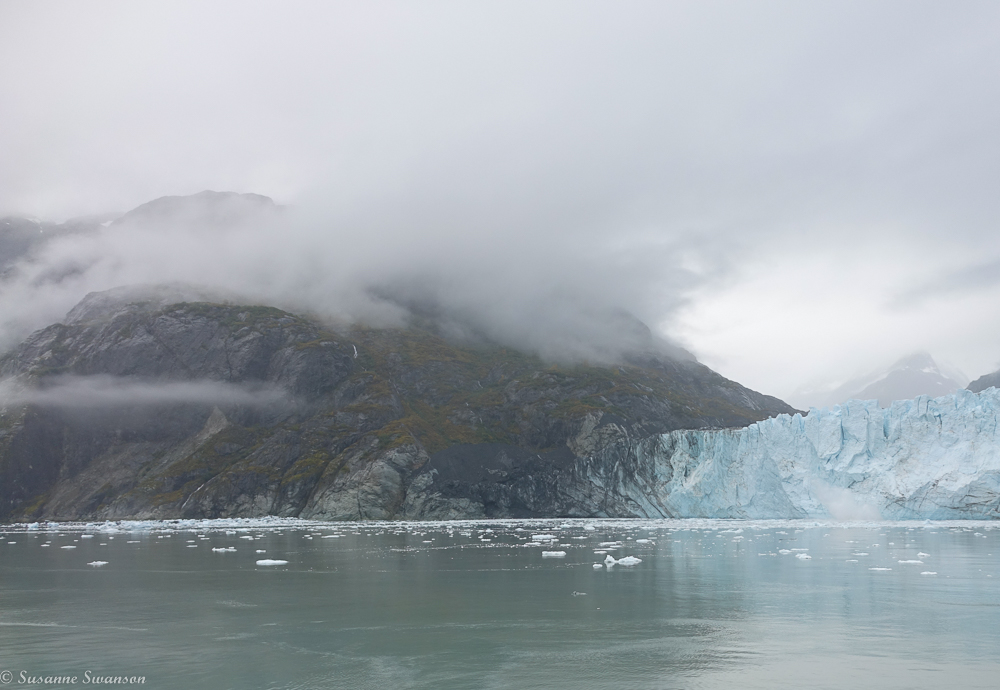
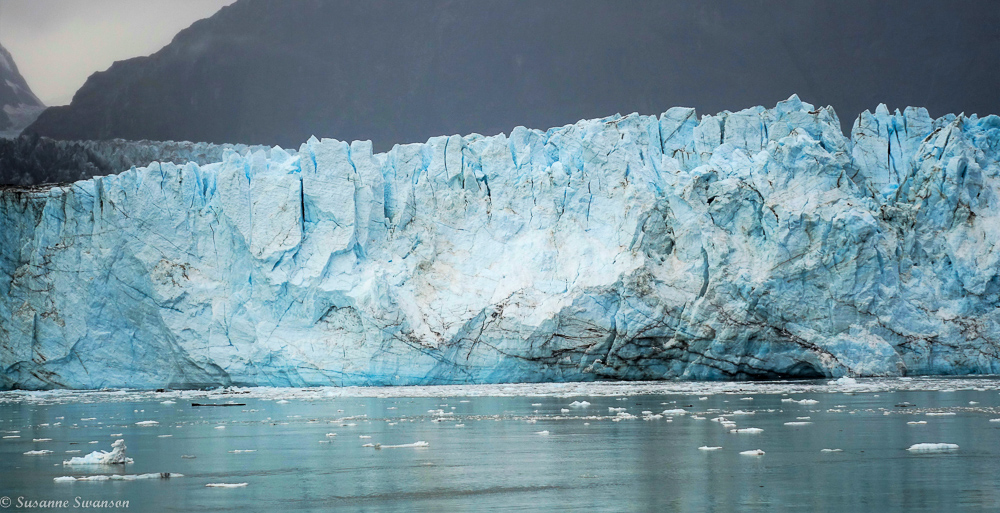
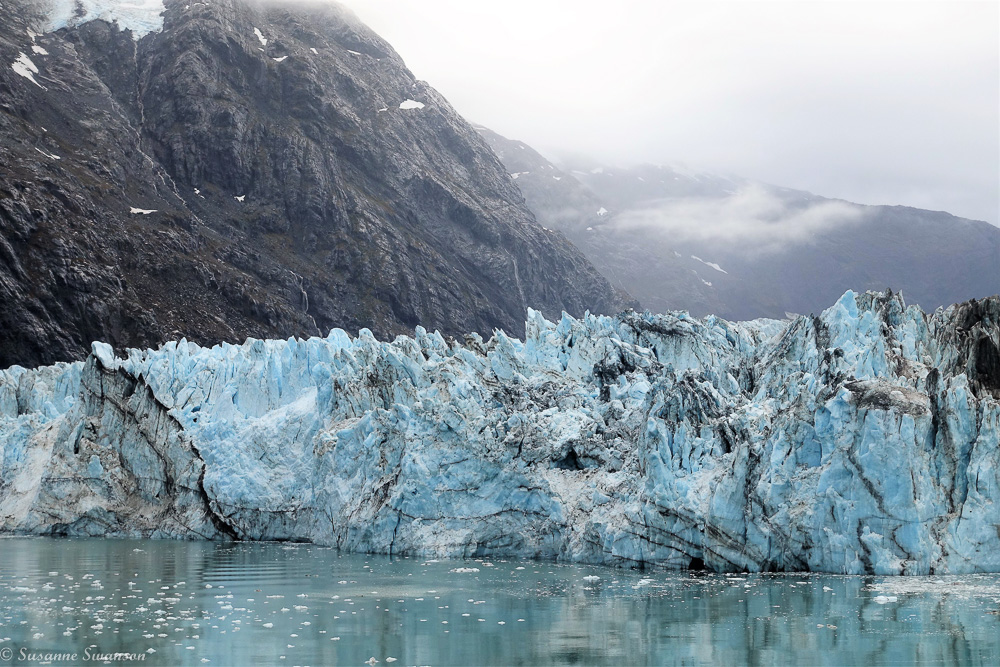
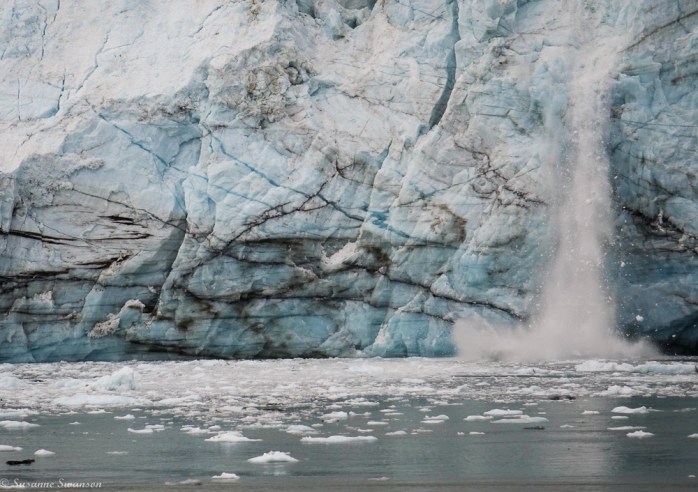
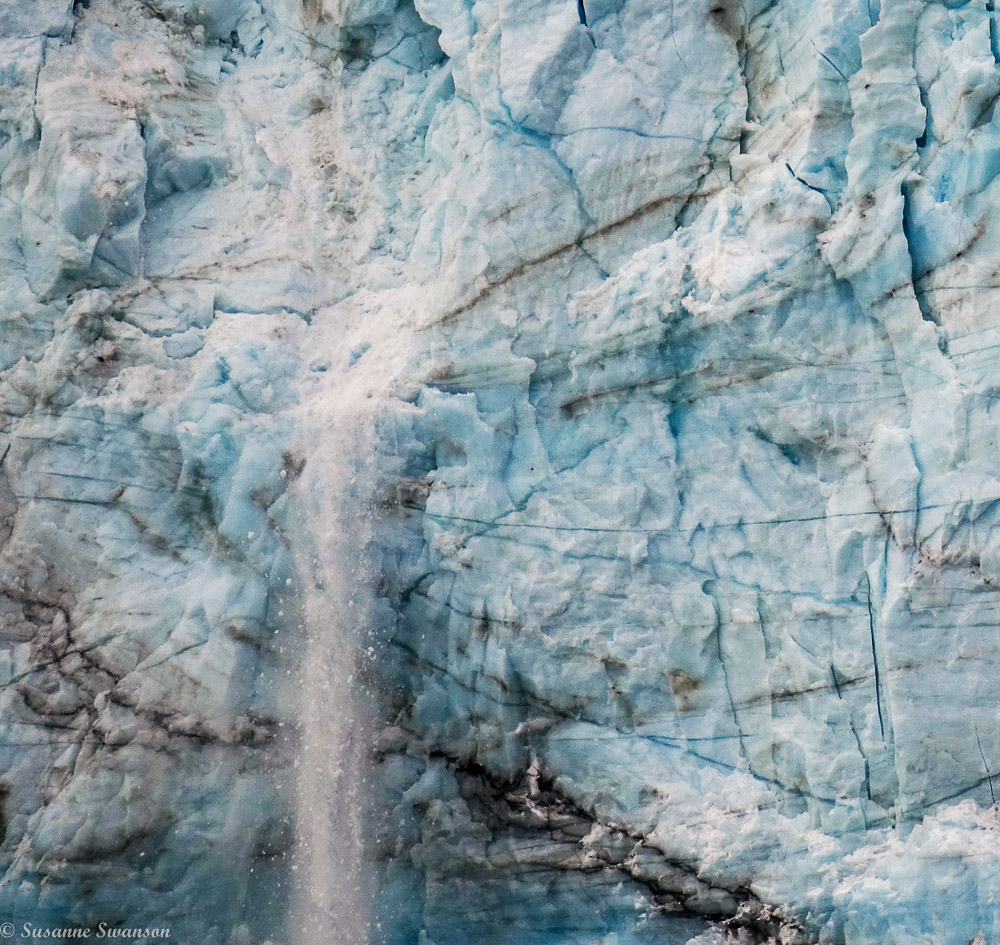
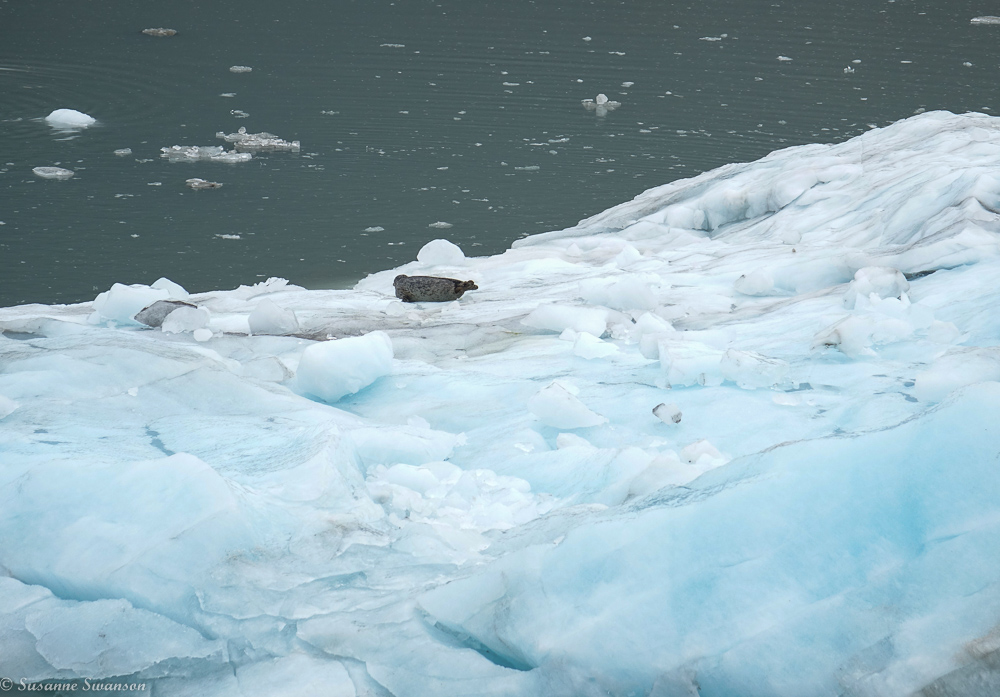
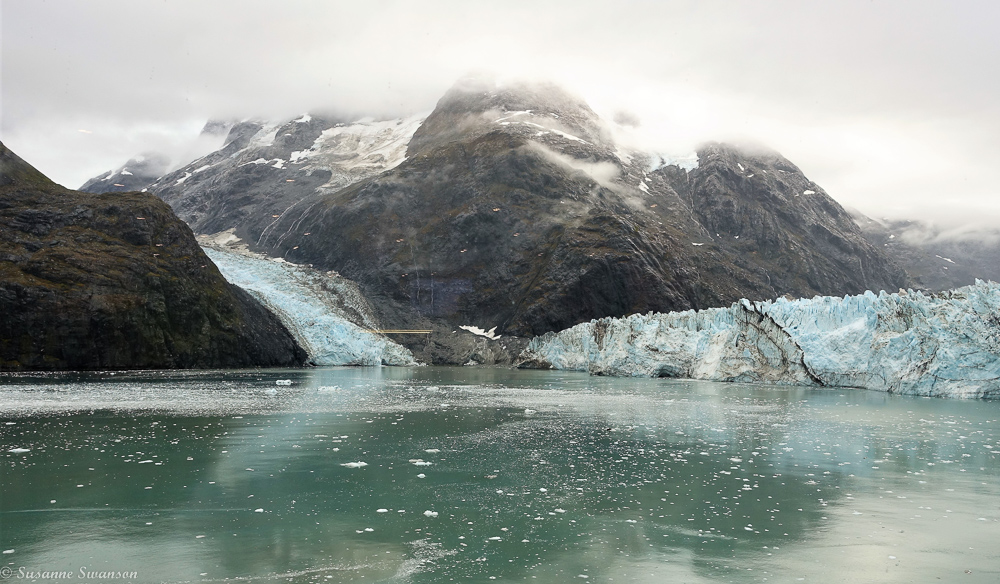
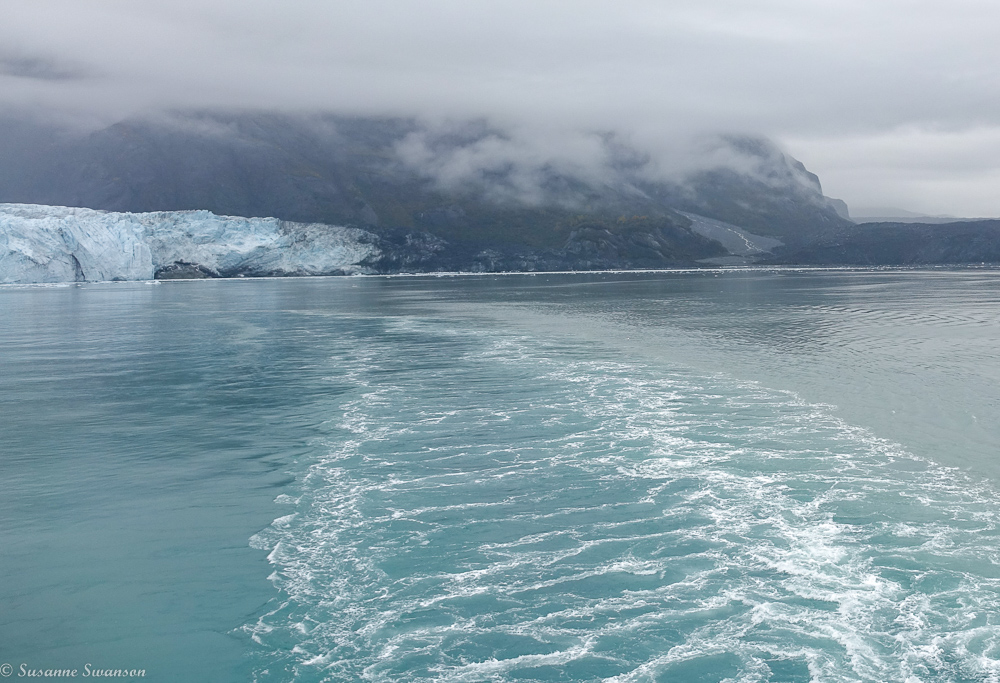
It was cold and rainy, and visibility overhead was not the best, which means I missed the backdrop of frosty mountain peaks. Which also means I need to go back to see this magnificent place in all its glory, earlier in the season, when we might have better weather.
Maybe this summer? We’ll see!
~ Susanne
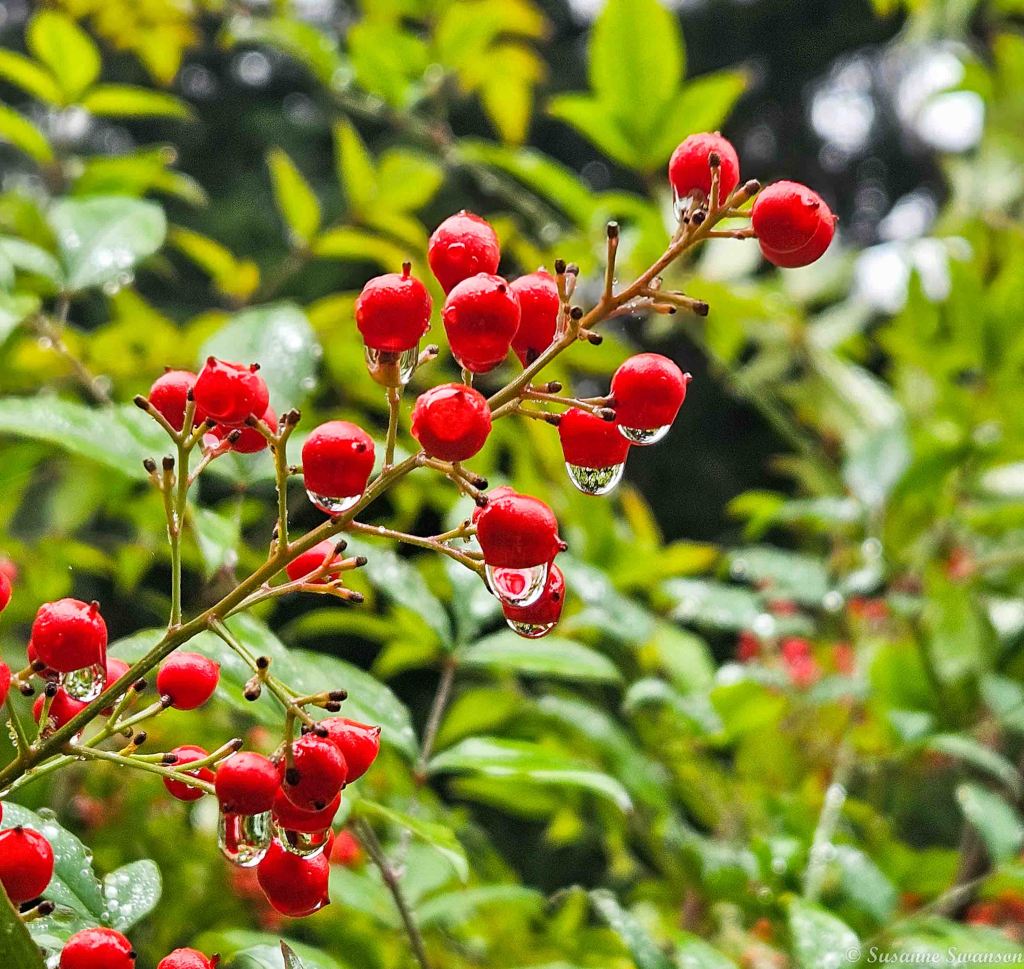
Bright Red Berries
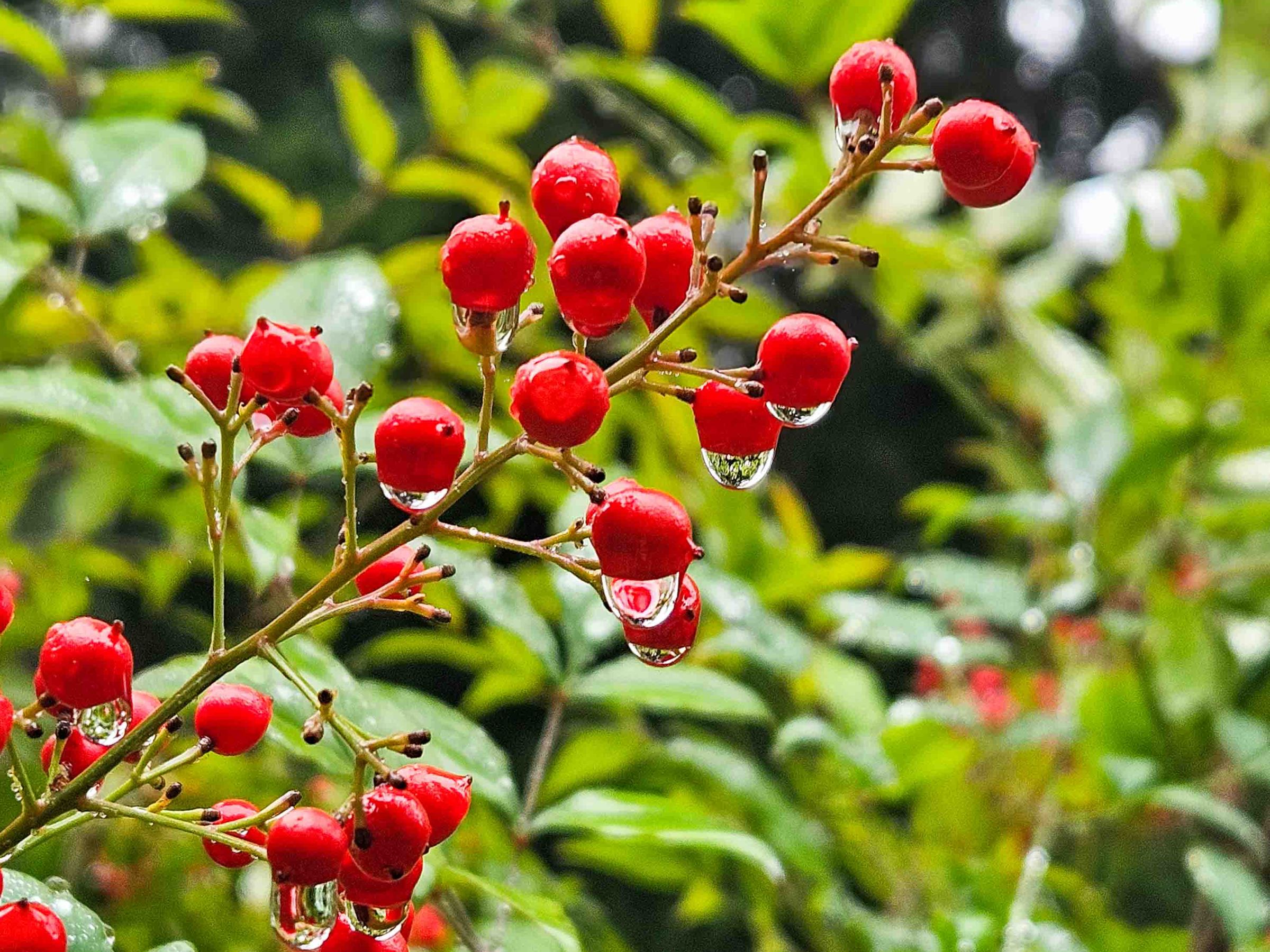
No snow yet in the lowlands here, so I haven’t been able to capture berries covered in snow, the pictures below are from past winters.
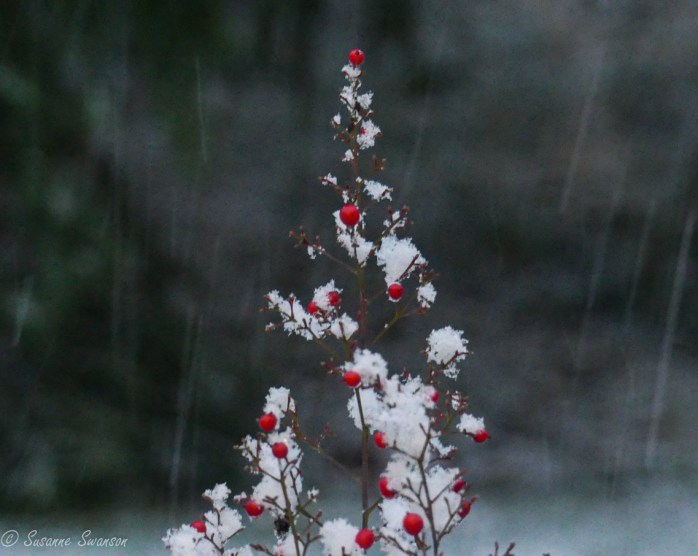

I’m still hoping for snow, but the berries on my doorstep are still beautiful adorned with raindrops, which are plentiful year-round!

Sharing with The Flower Hour.
~ Susanne
Traveling the Best of the West – A Look back at 2025

We only did a few major trips in 2025, and they were all in the West. It was fun looking back on them, and I admit I got carried away with my pictures. Even so, I hope you enjoy them. Click on any picture to enlarge.
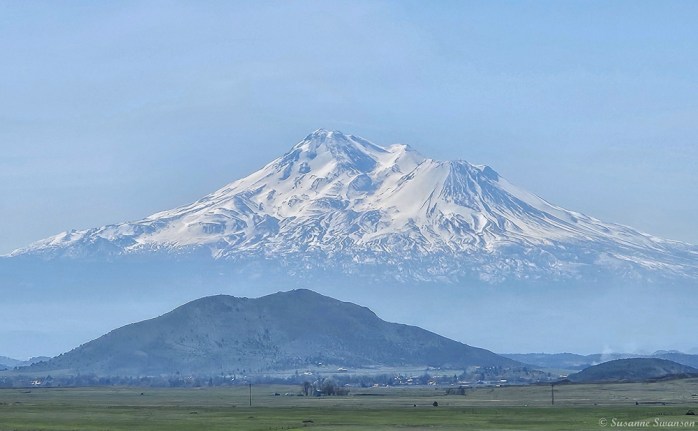
In the spring, we took a road trip and were welcomed to California by Mt. Shasta
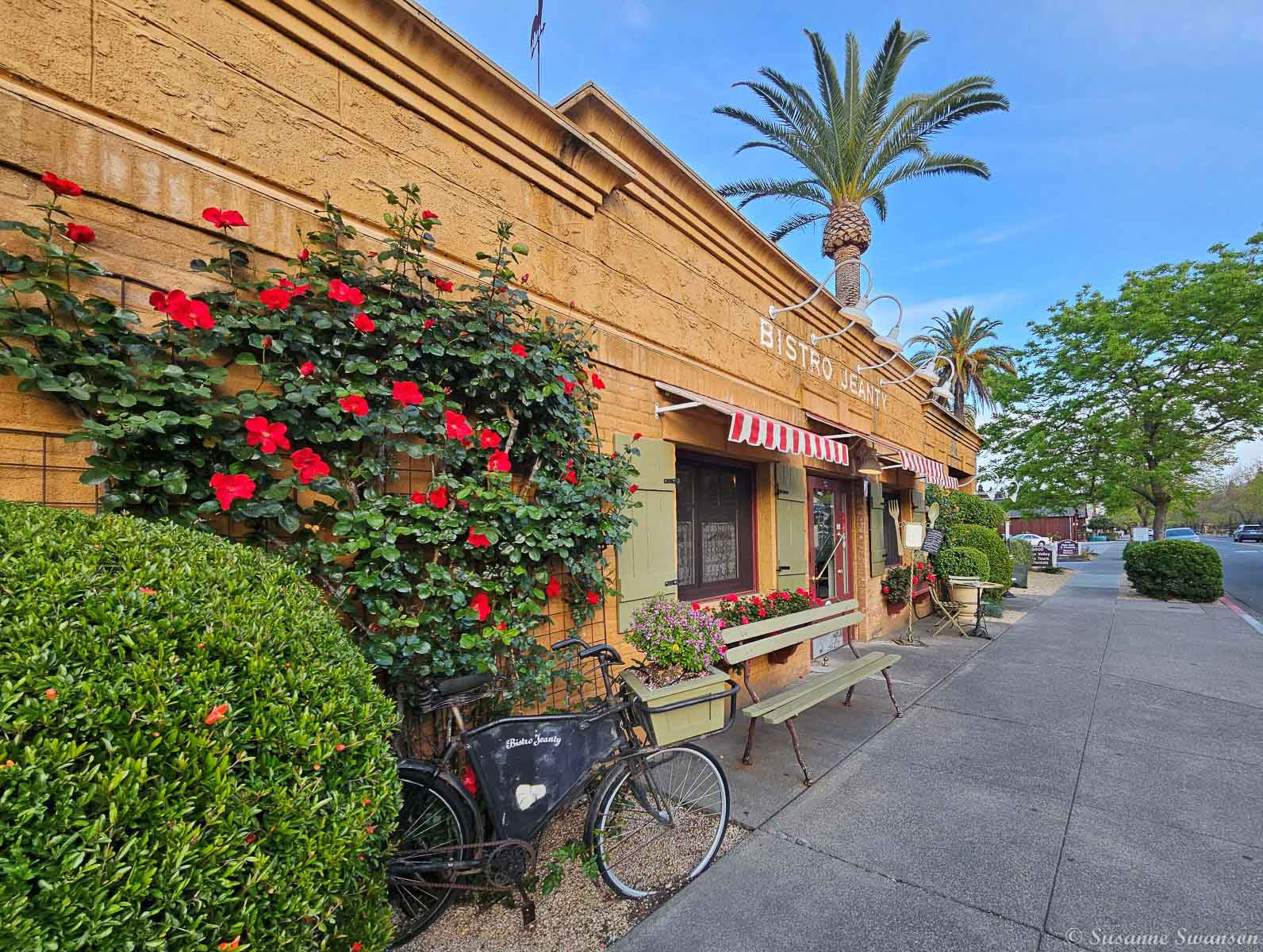
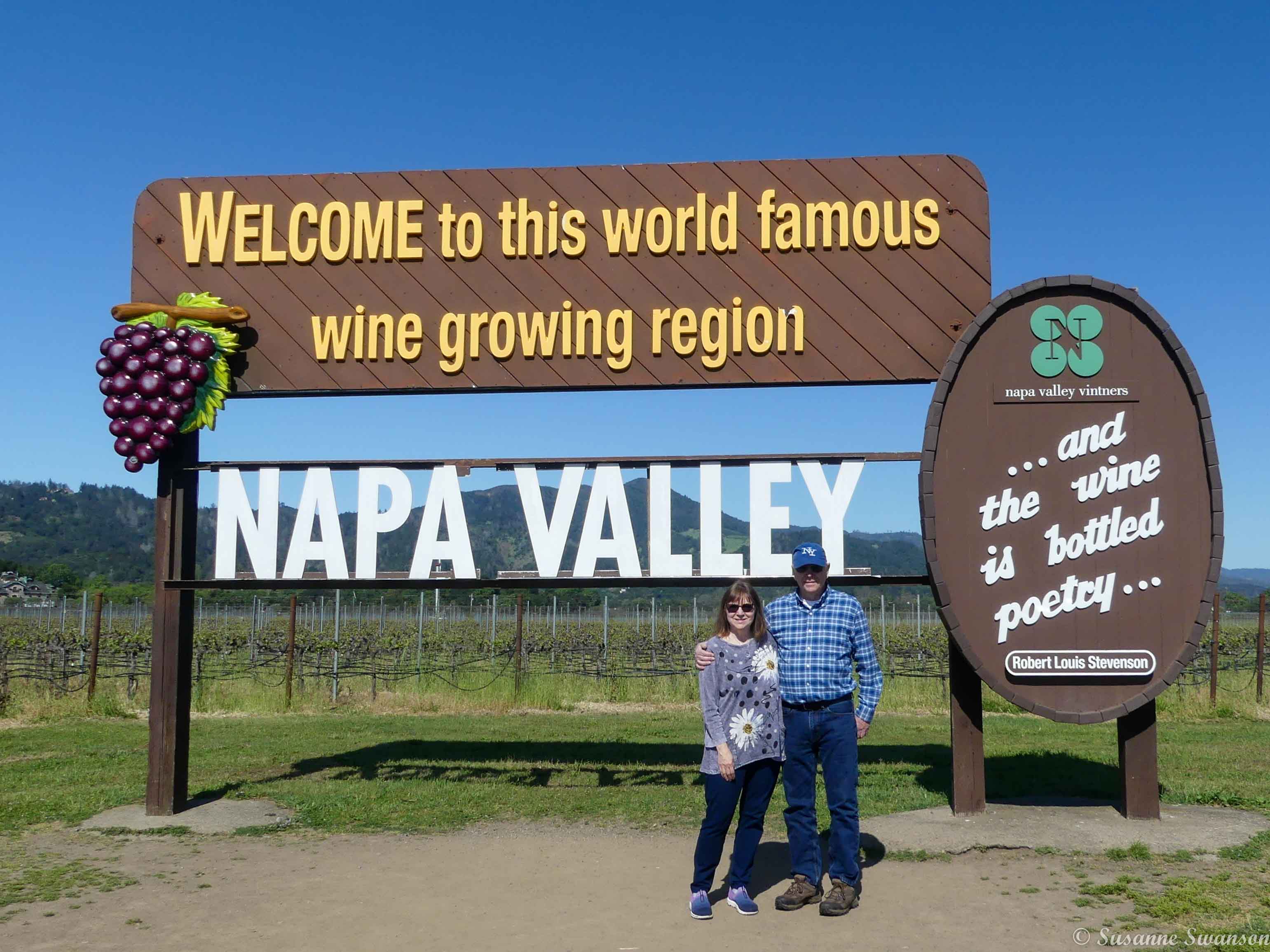
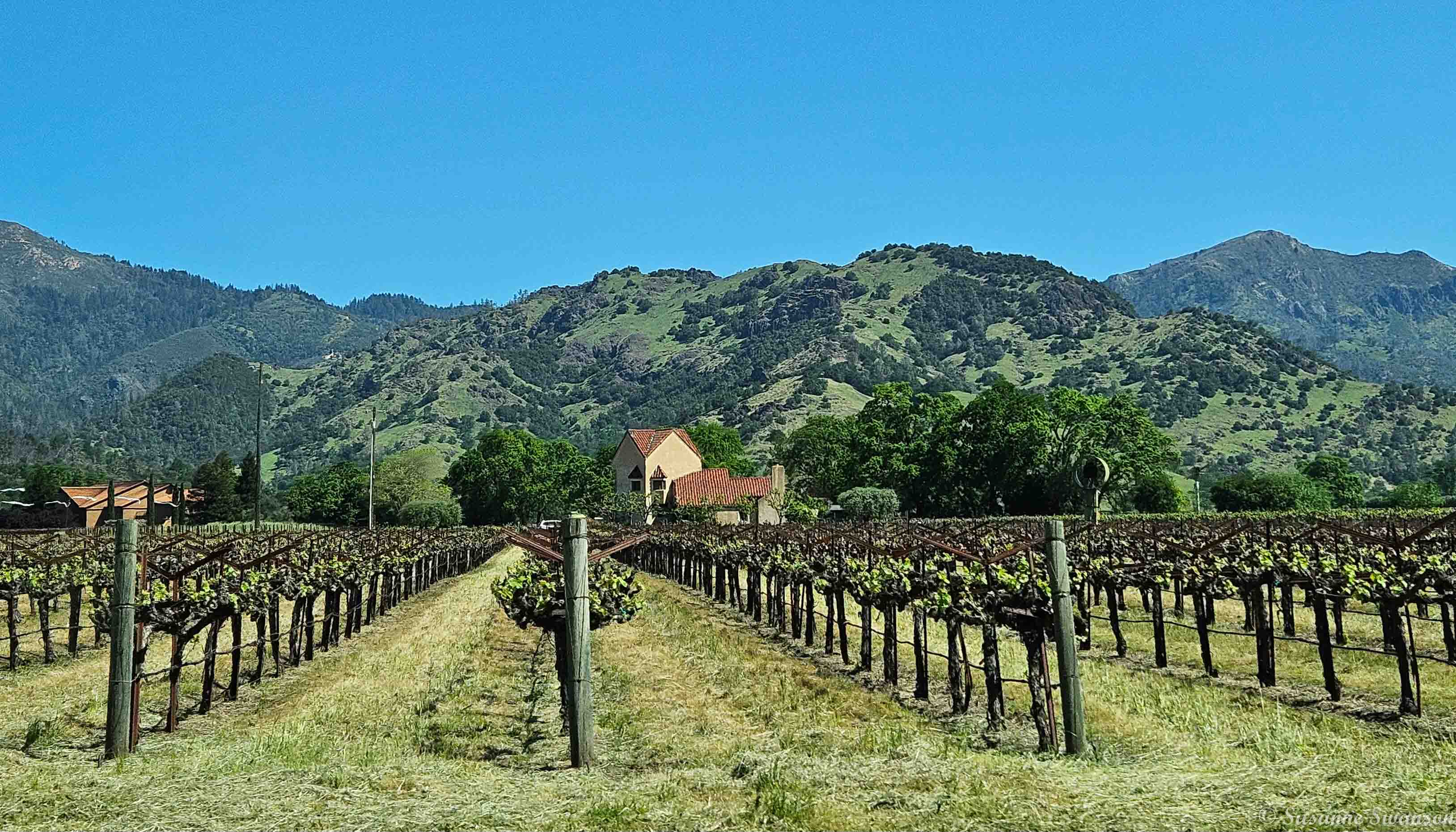
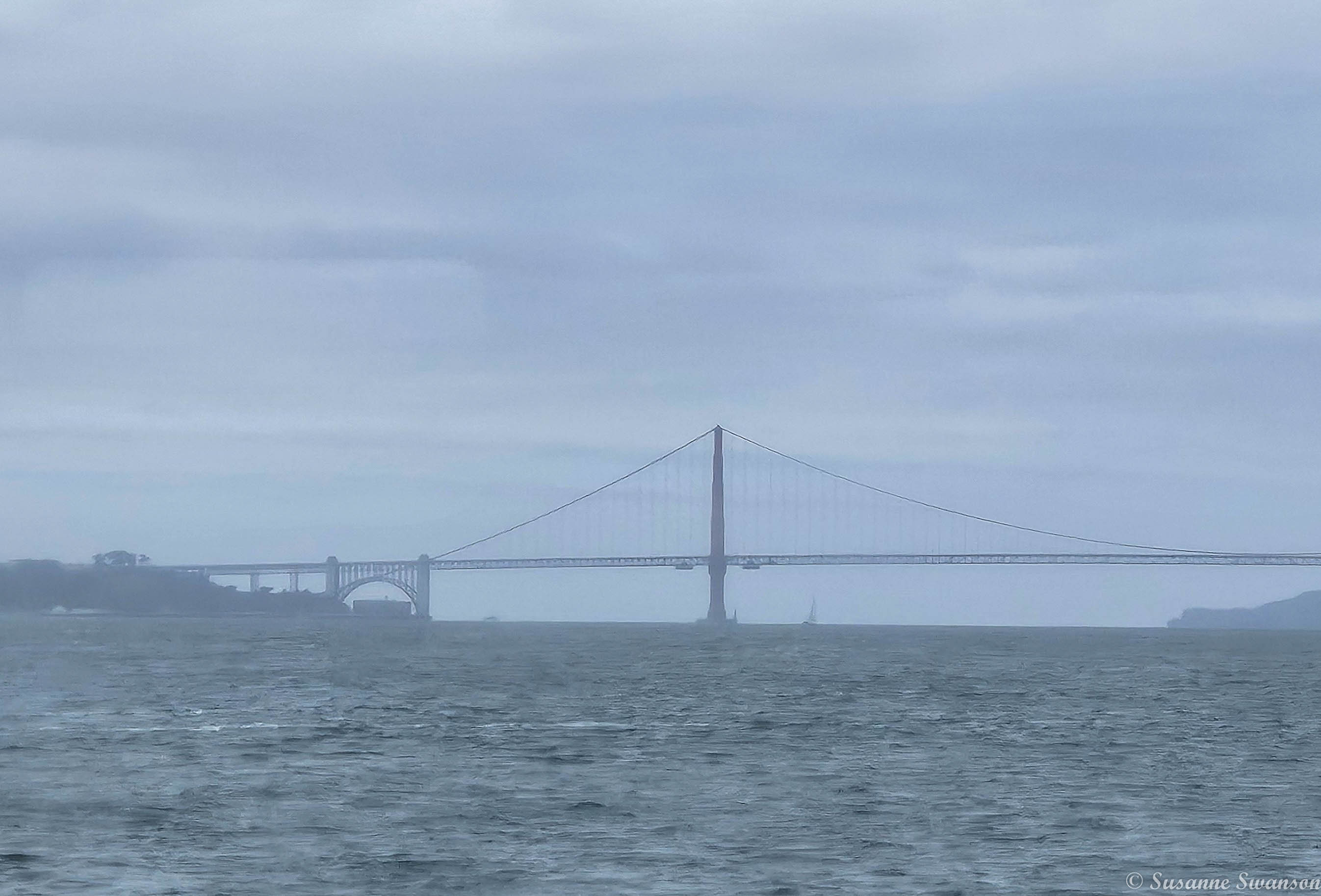
Our destination was Napa Valley where we enjoyed charming towns, fine food and lovely vineyards. We even managed to squeeze in a side trip to San Francisco, by ferry.

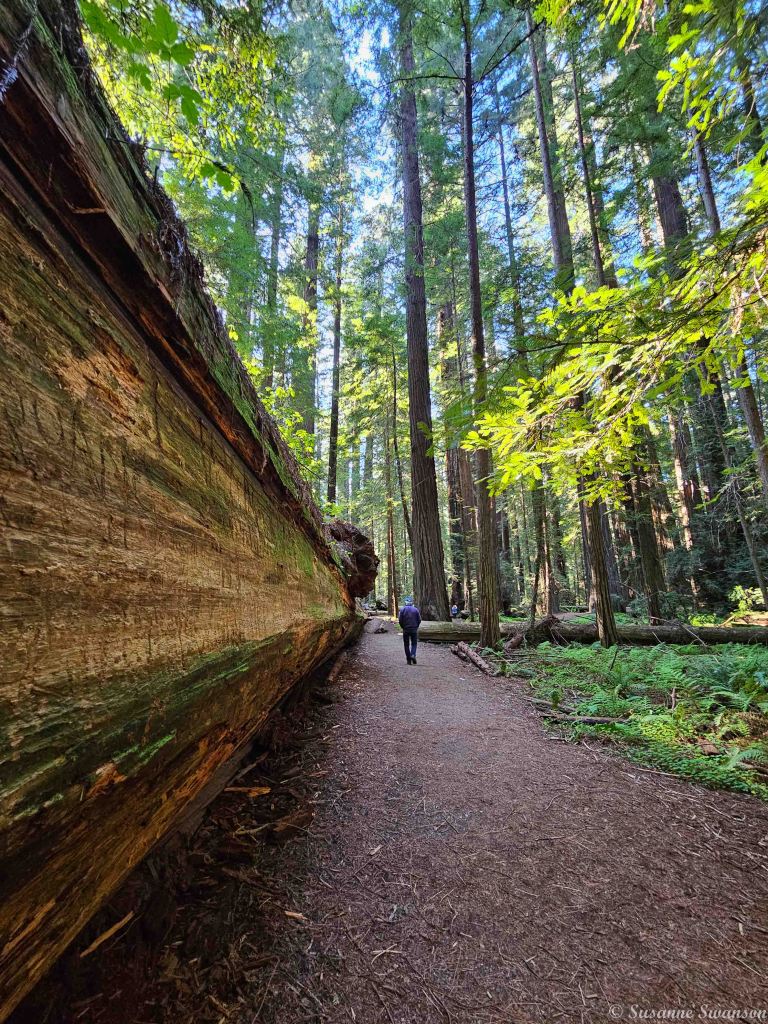
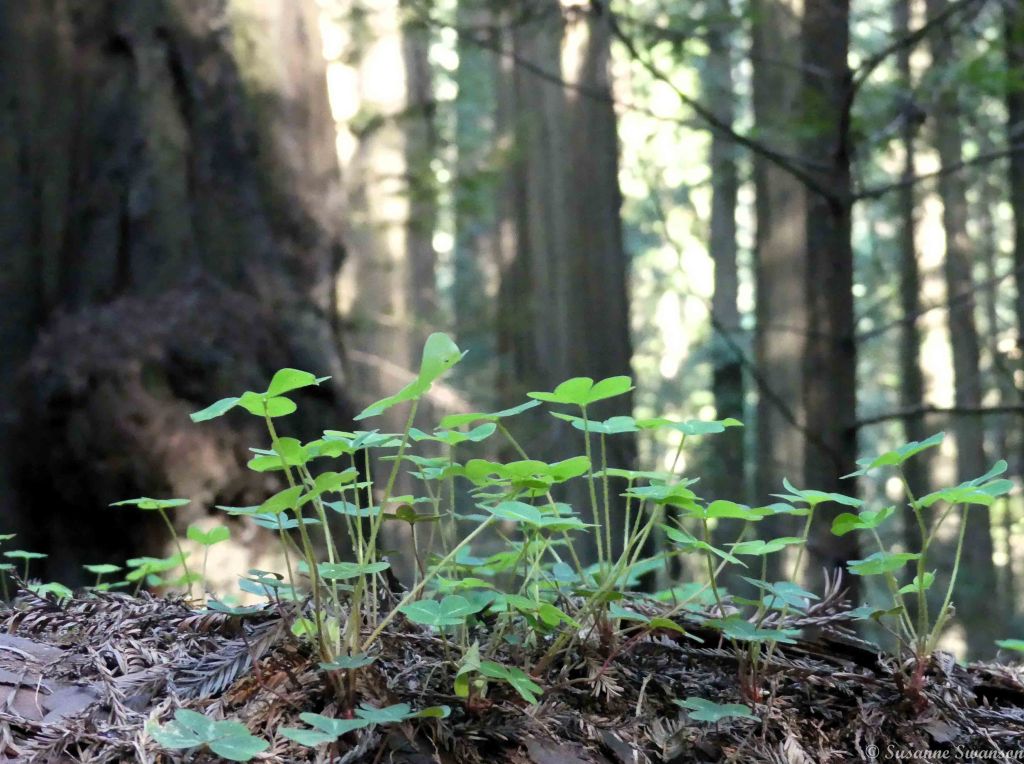
On our way back home, we took the scenic route through the Redwoods, which we never get tired of visiting!


During the summer we hit the Oregon Coast, taking in both Cannon Beach and Cape Kiwanda.


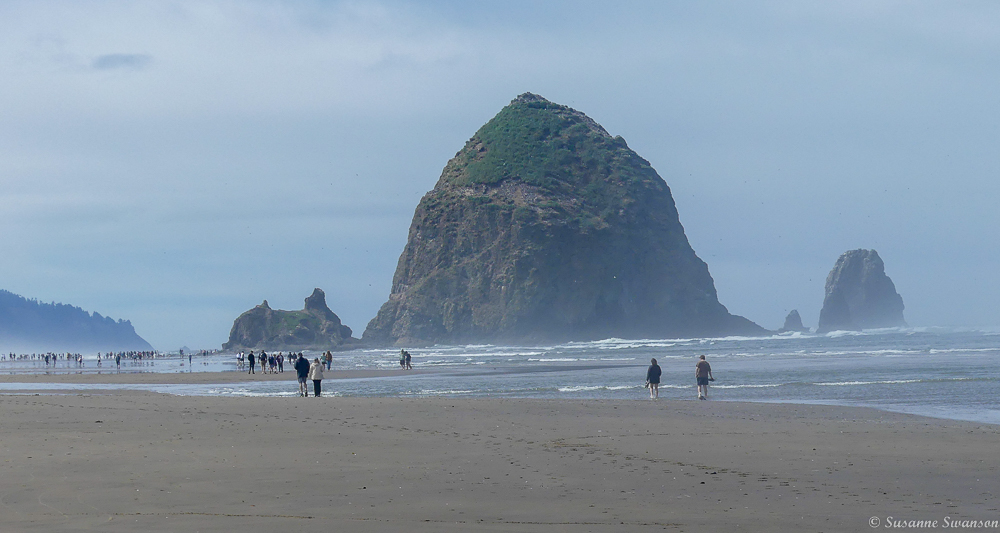

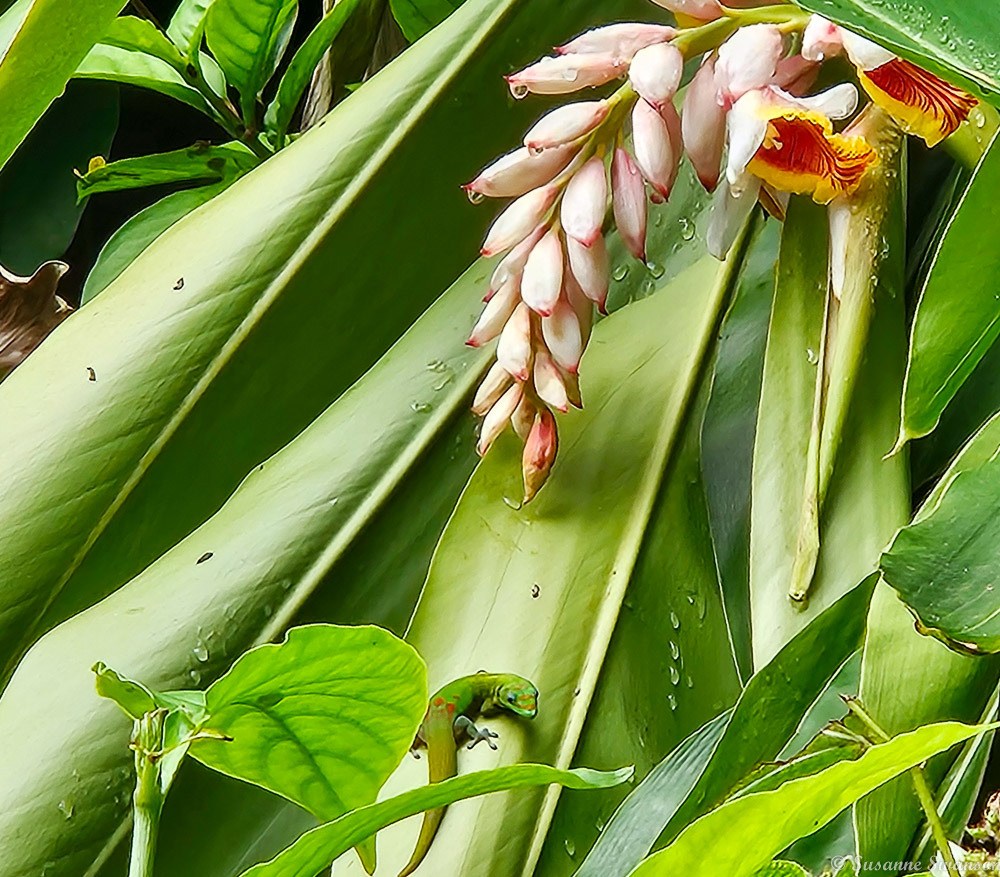
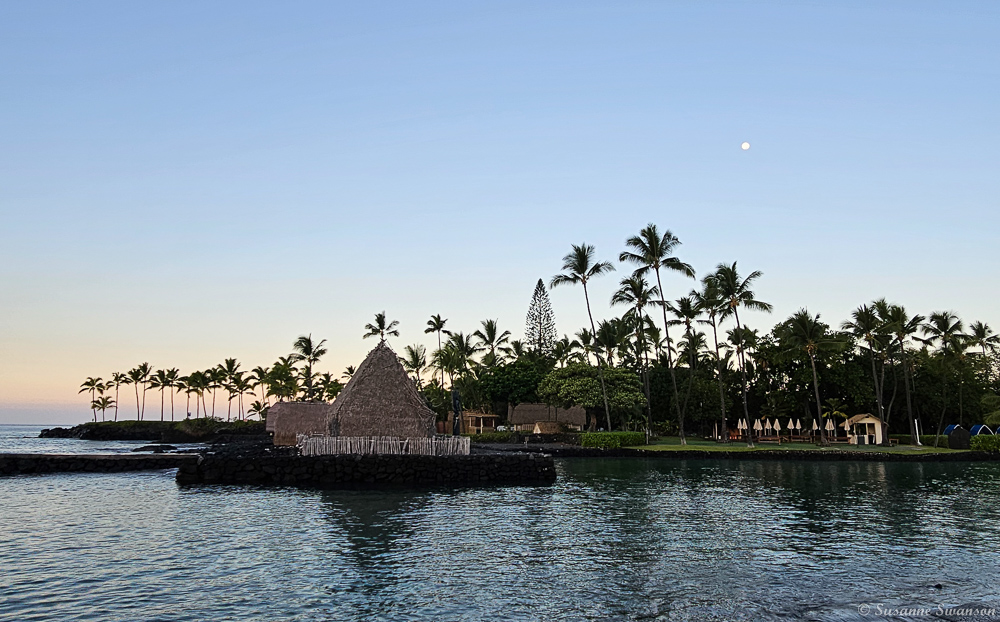
In the fall, we ventured as far west as possible, all the way to Hawaii, splitting our time between our two favorite islands – the Big Island of Hawaii,
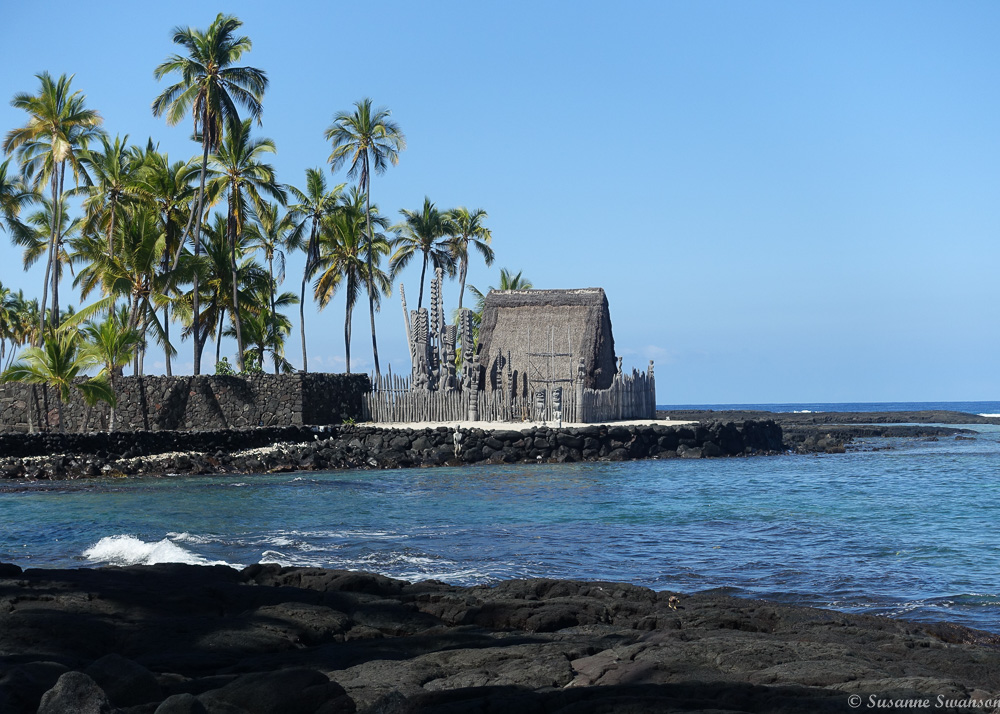
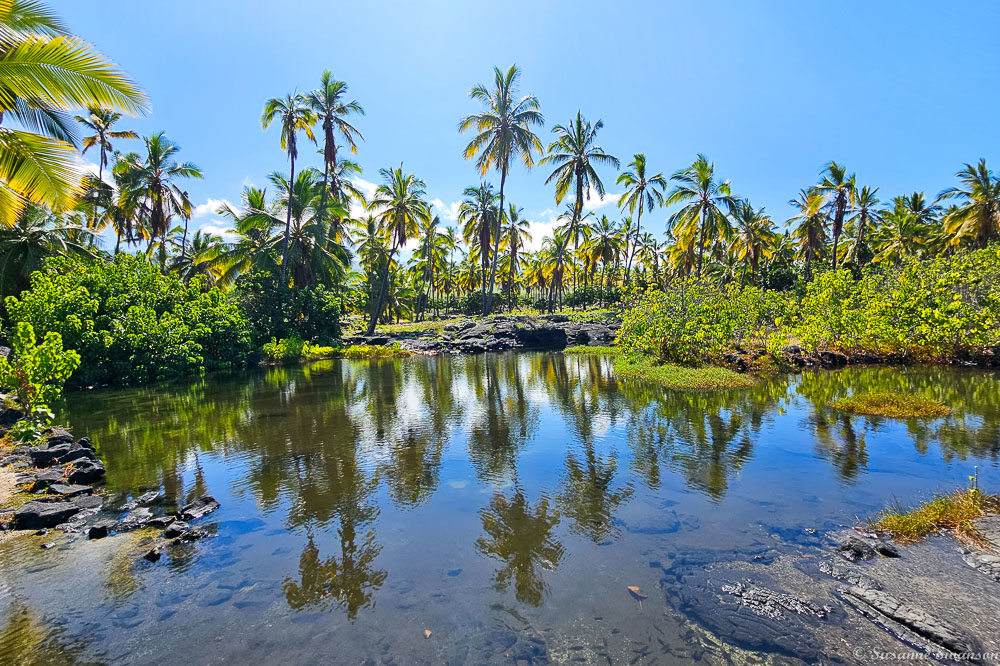
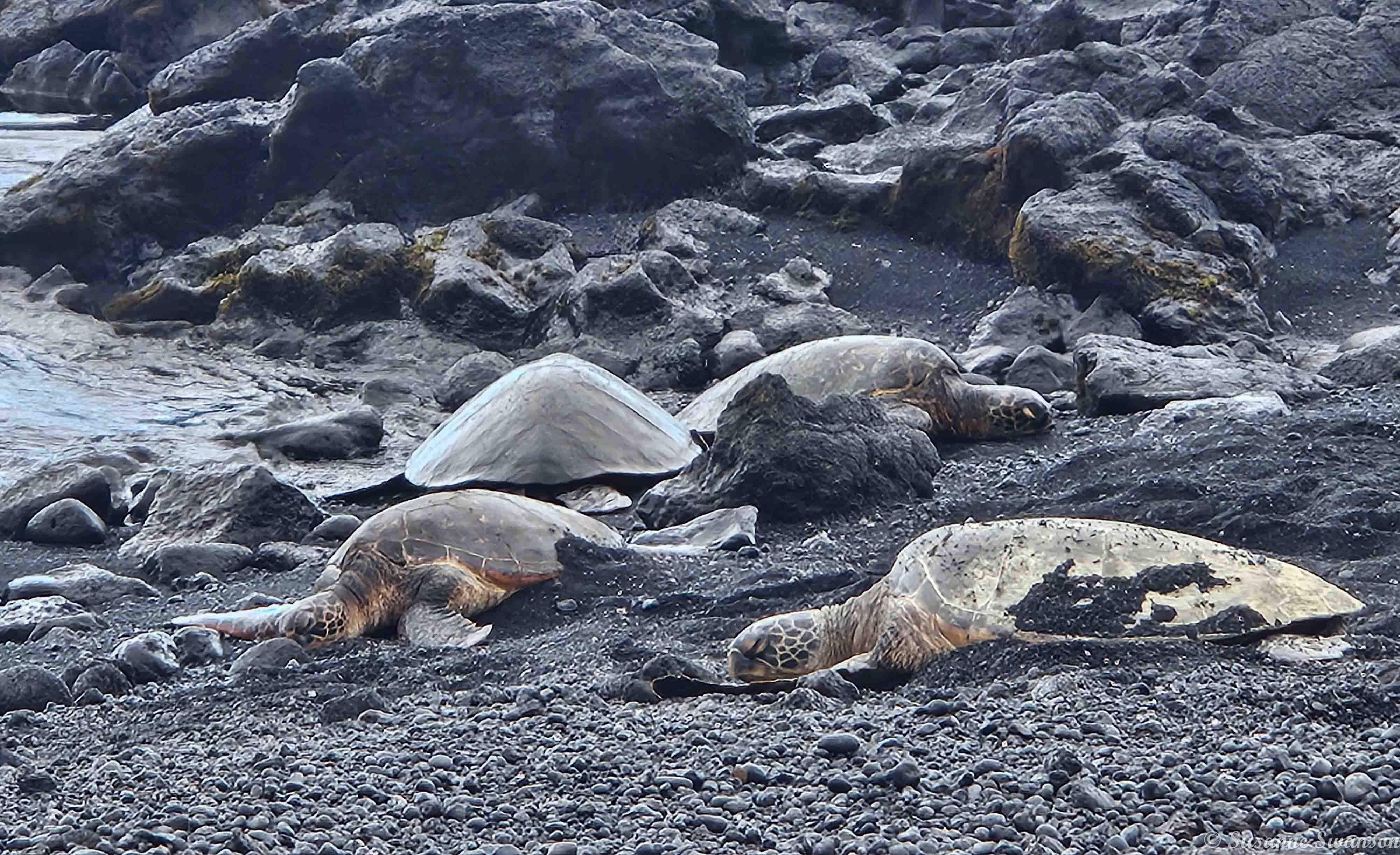
and Oahu.
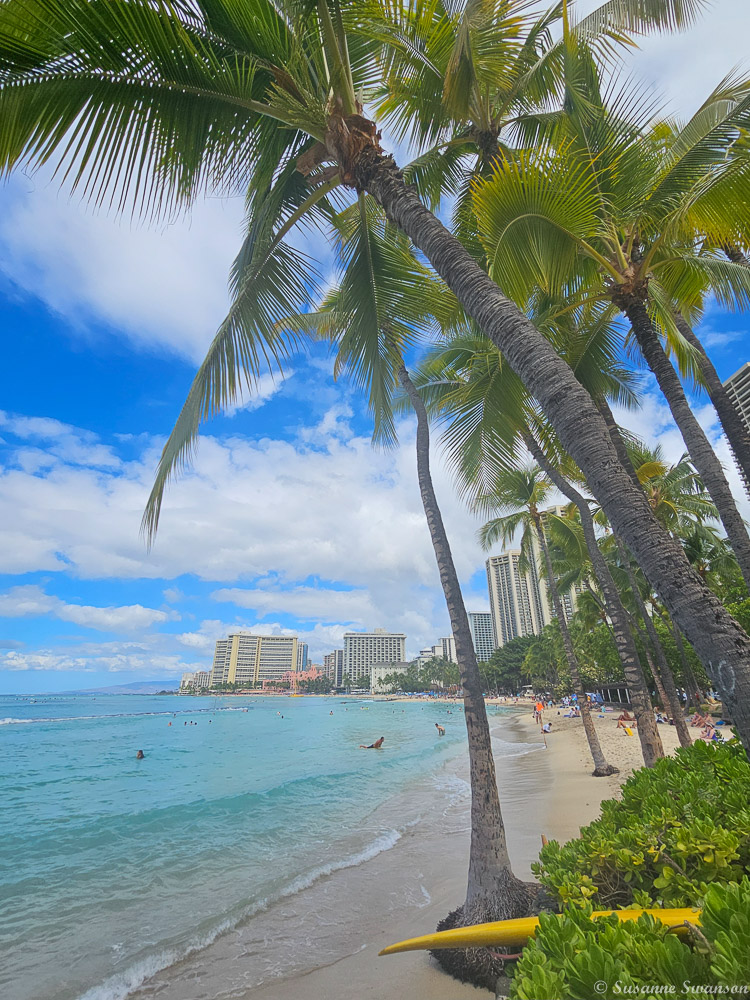
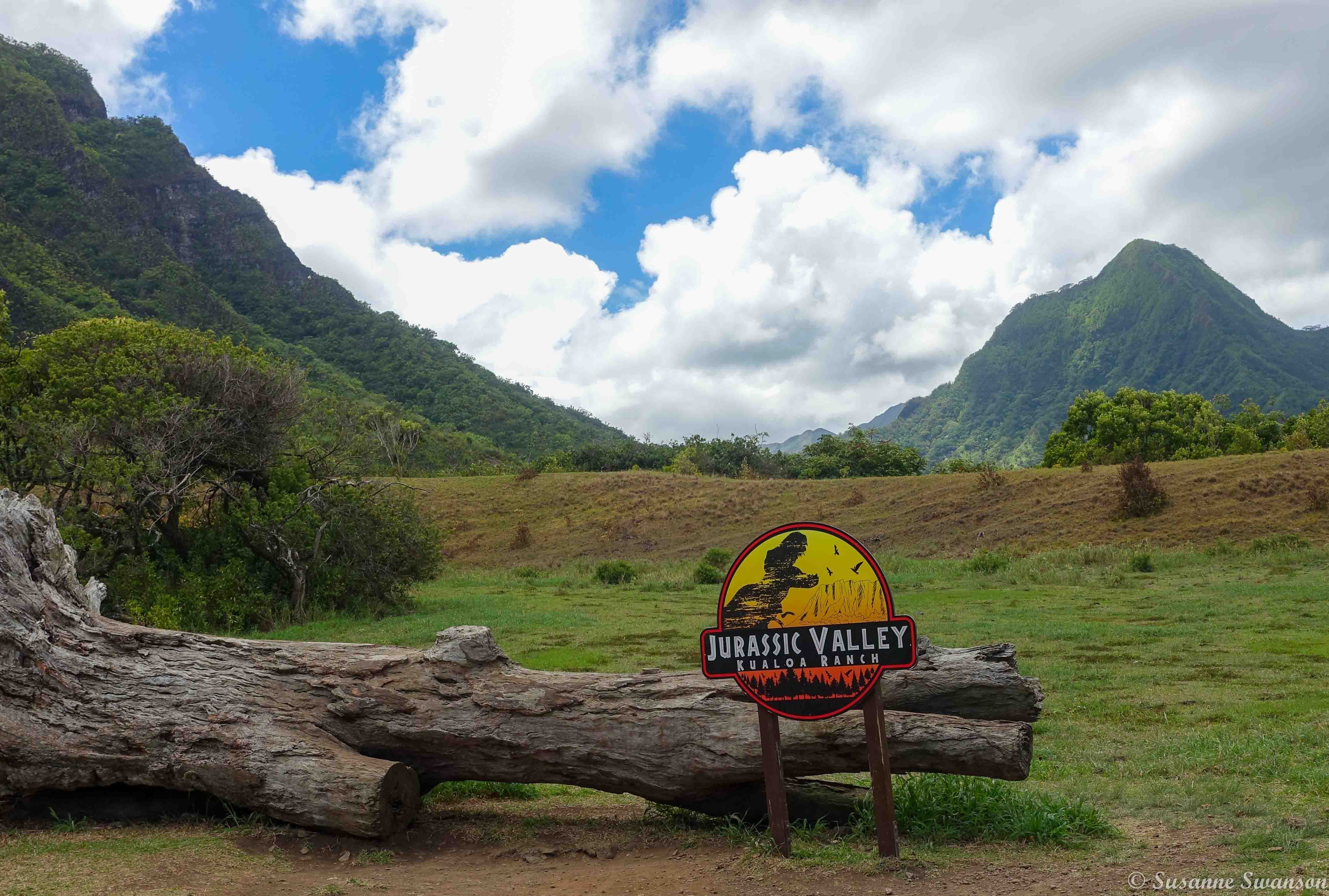
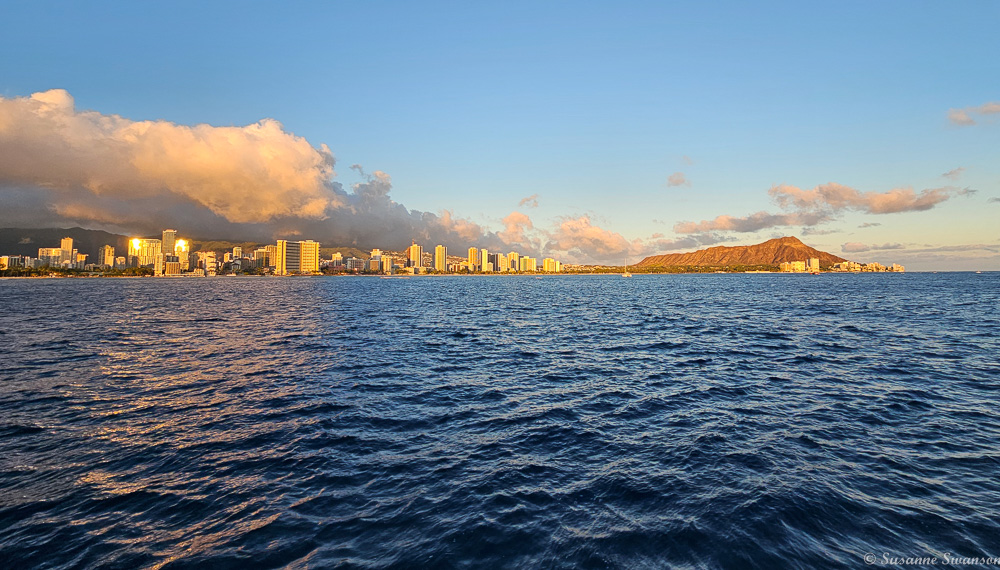
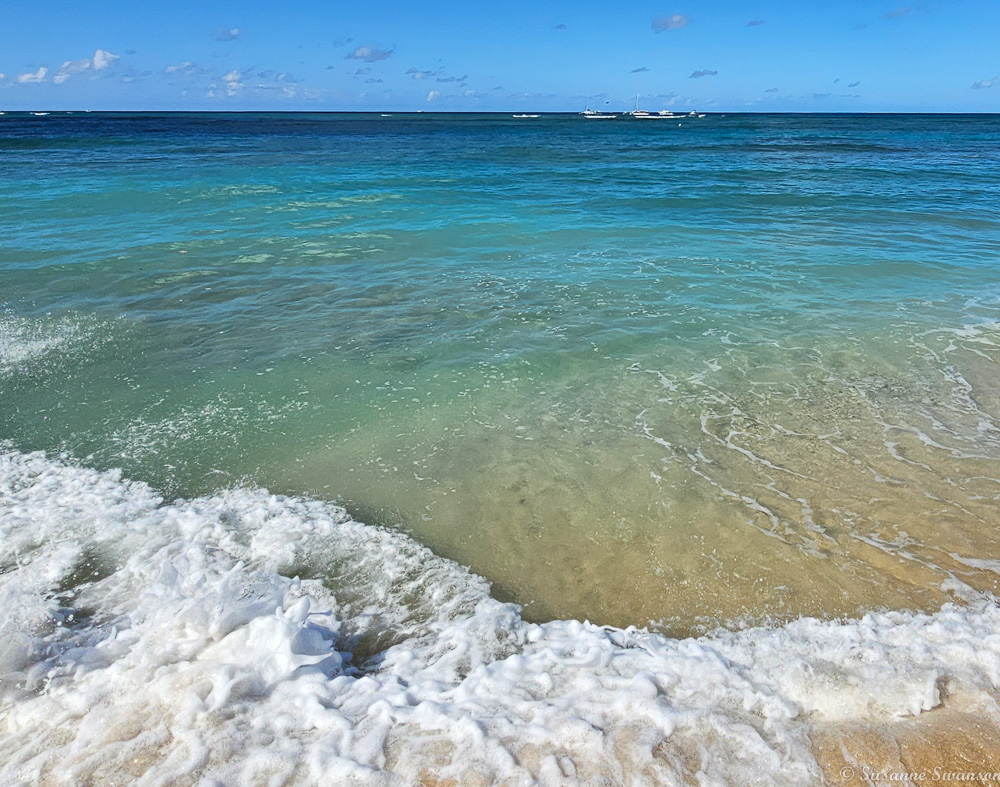
Marvelous!
As wonderful as those trips were, I enjoyed our trips within my home state of Washington just as much.
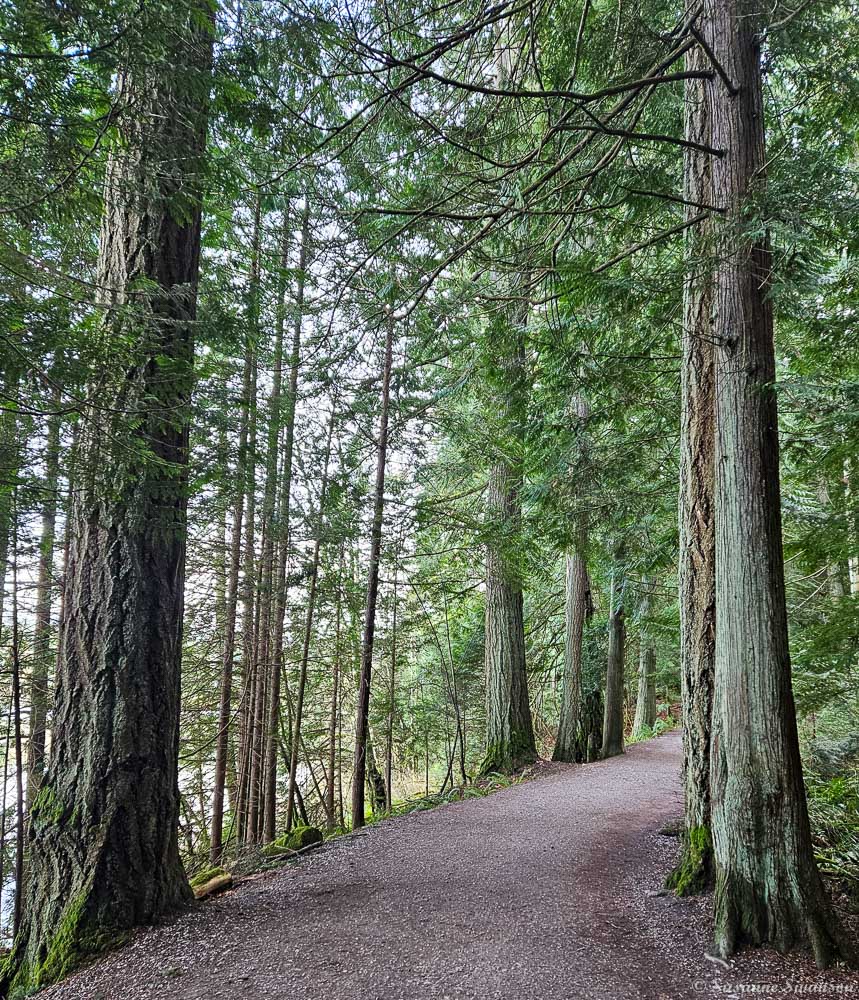
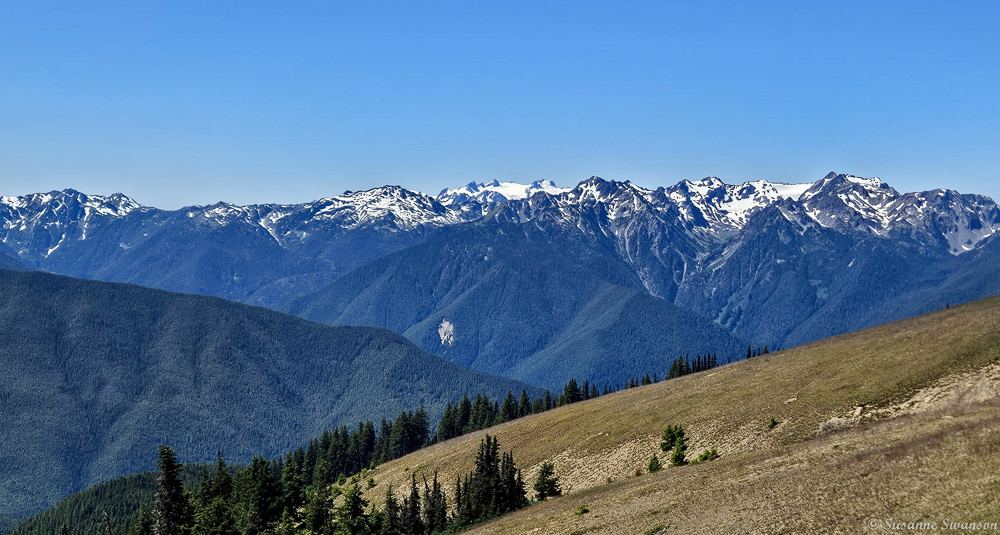
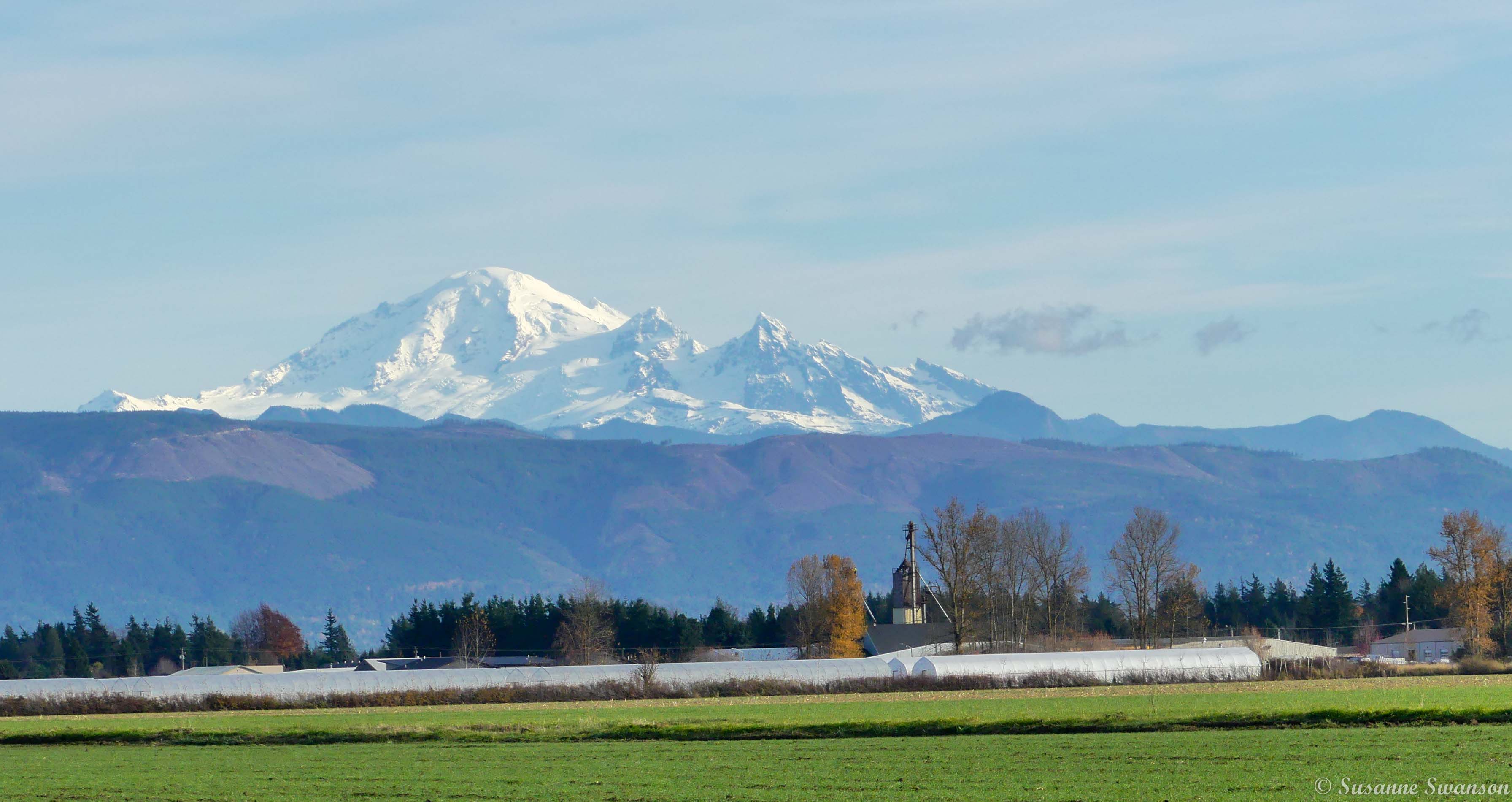
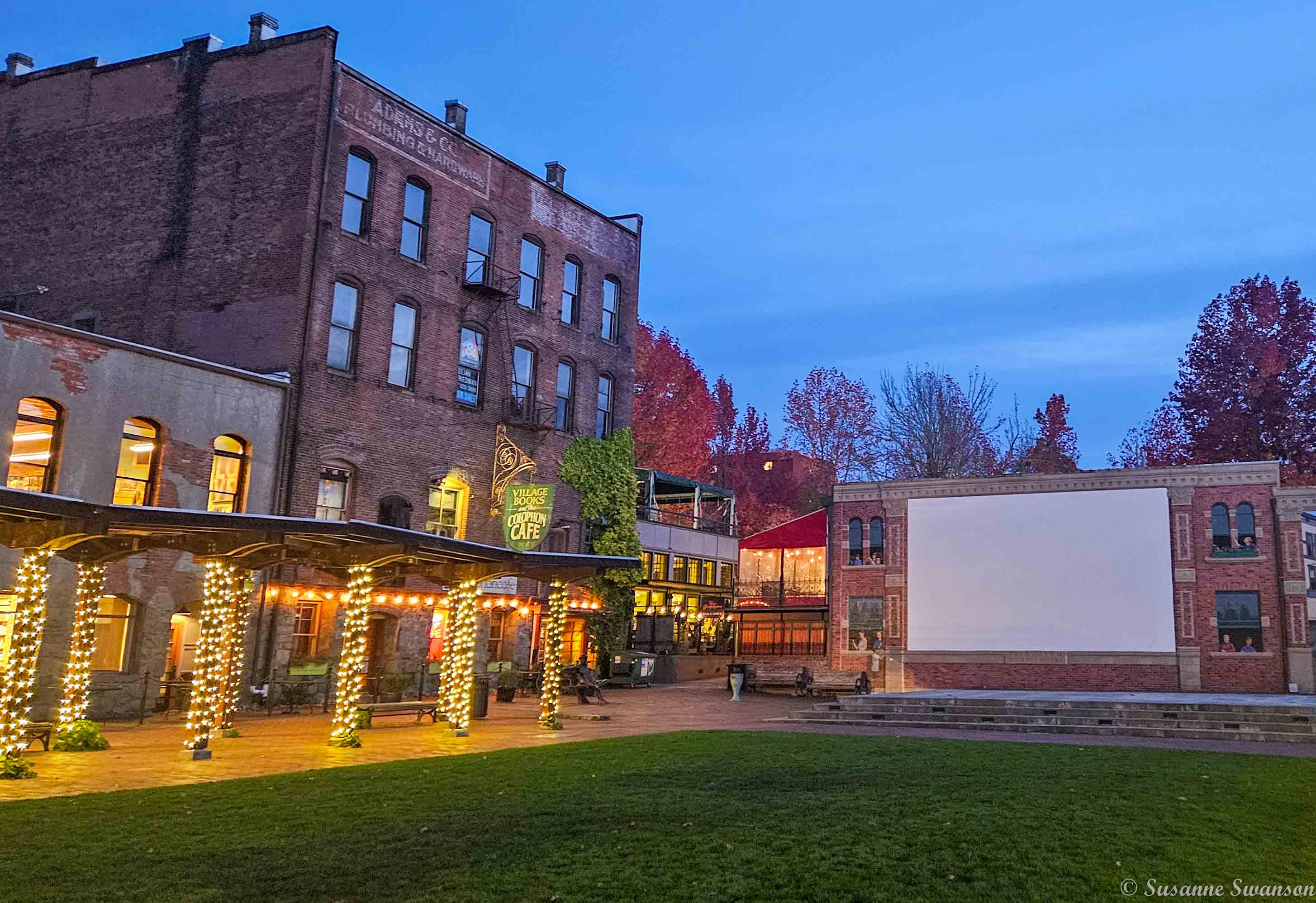
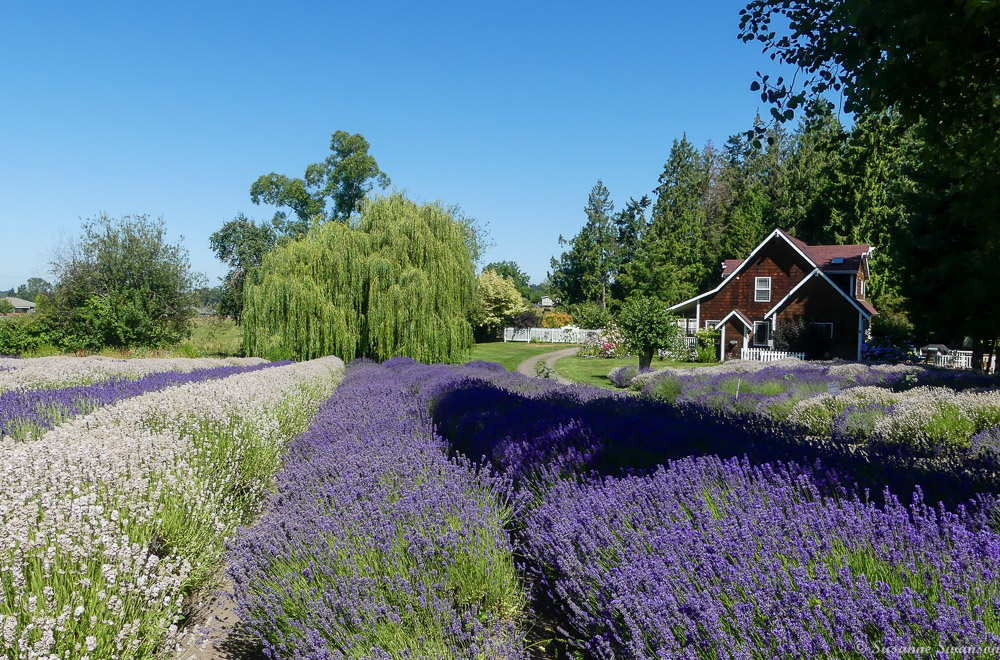
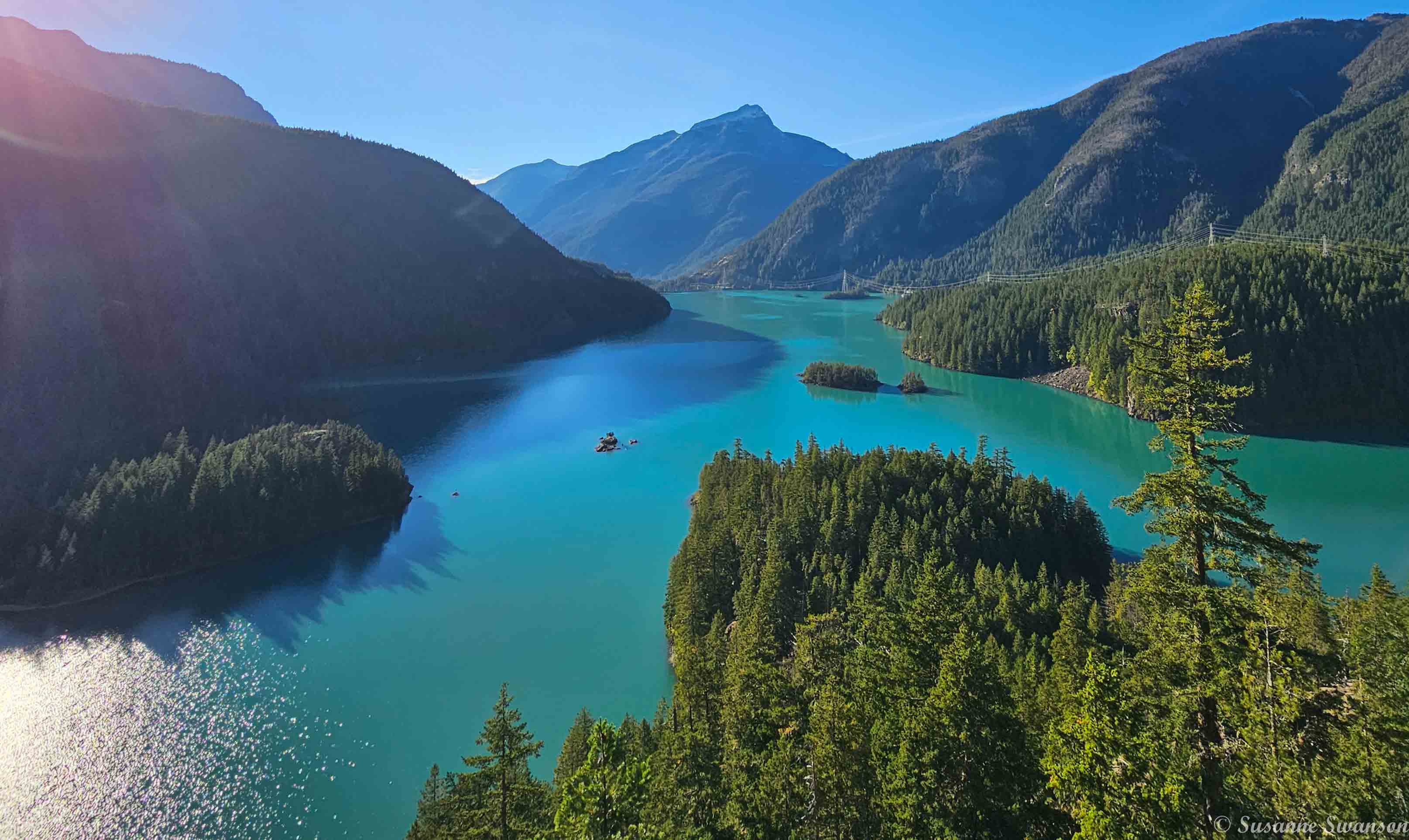
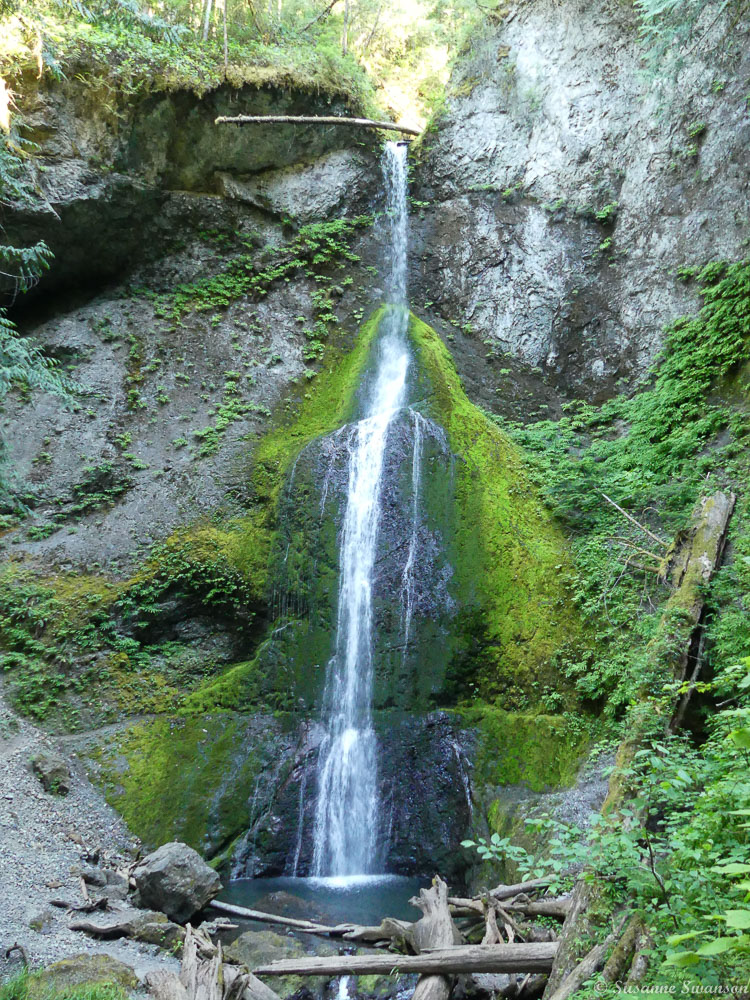
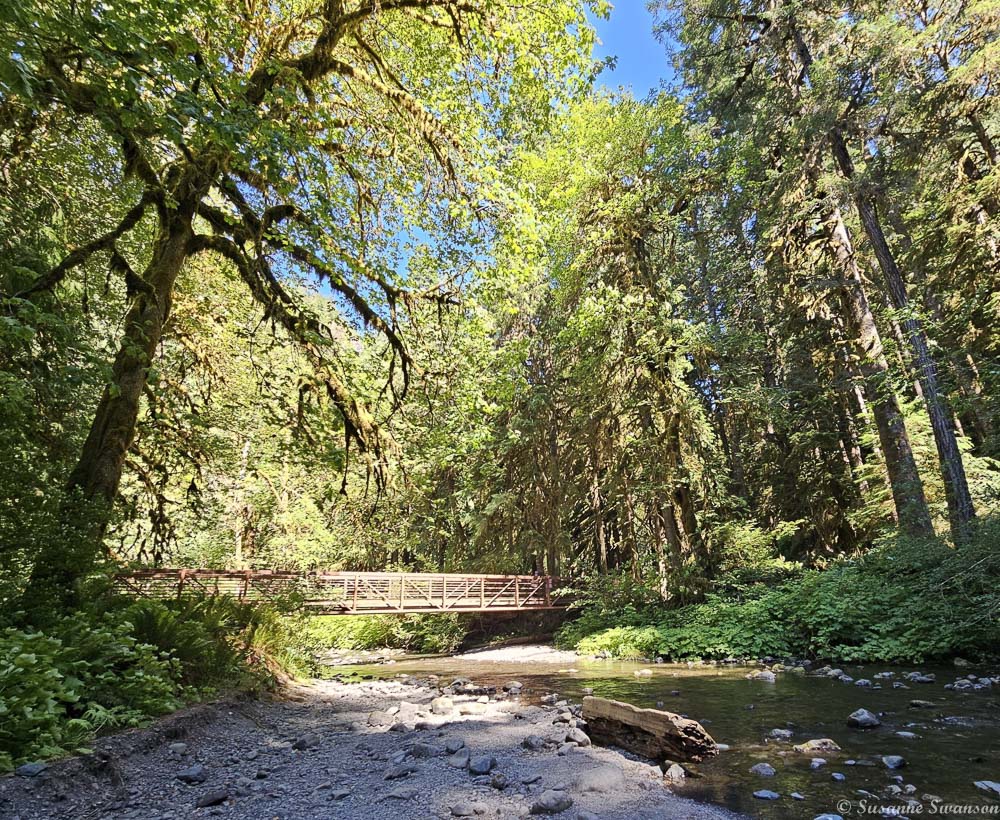
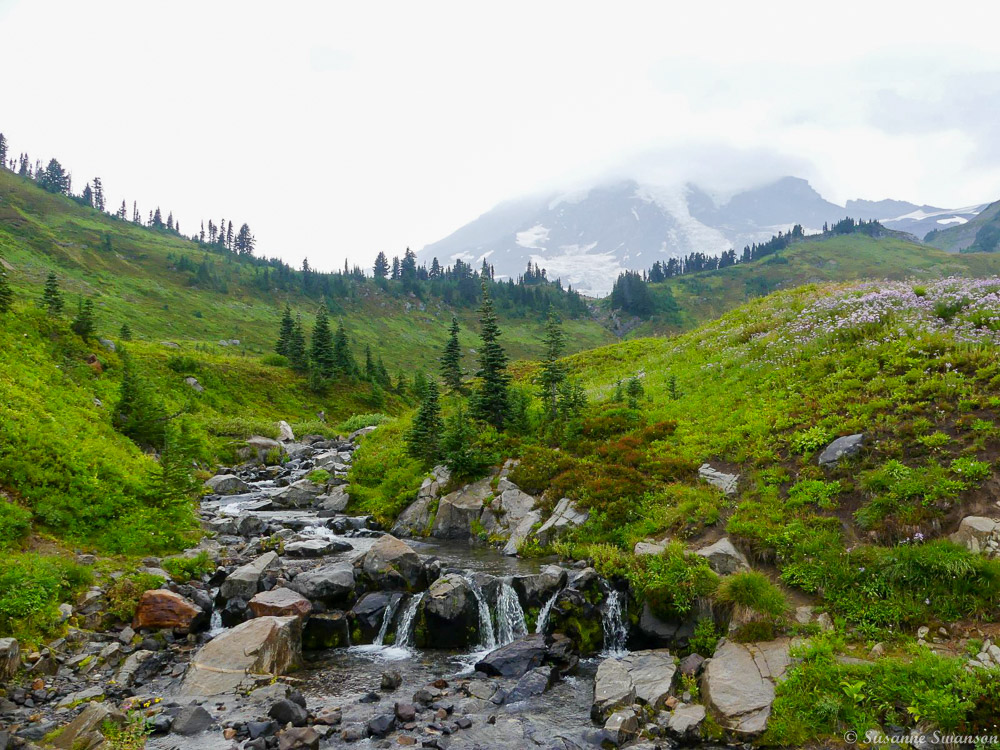
So when my traveling days are done – at least to distant places – I’ll still have much to enjoy close to home.
Sharing with Sunday Stills, #Year-in-Review
~ Susanne


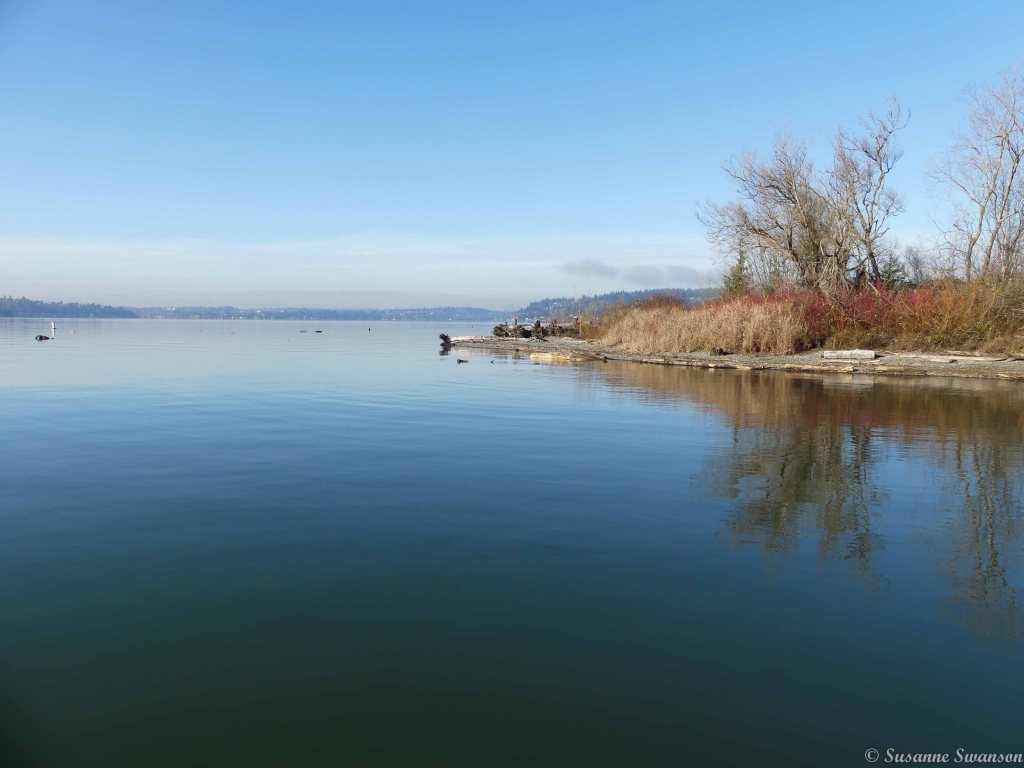
Treated to a Kingfisher at Coulon Park

Yesterday’s walk at Coulon Park was beautiful, clear, cold and sunny, and made even more special when I noticed a bird hovering like a helicopter over the lake, then diving in headfirst!
A common bird perhaps but one I rarely see, especially when I’m carrying my camera. A kingfisher I thought, a stocky bird with a cute top.

I followed him over to Bird Island where I watched him in the trees above.
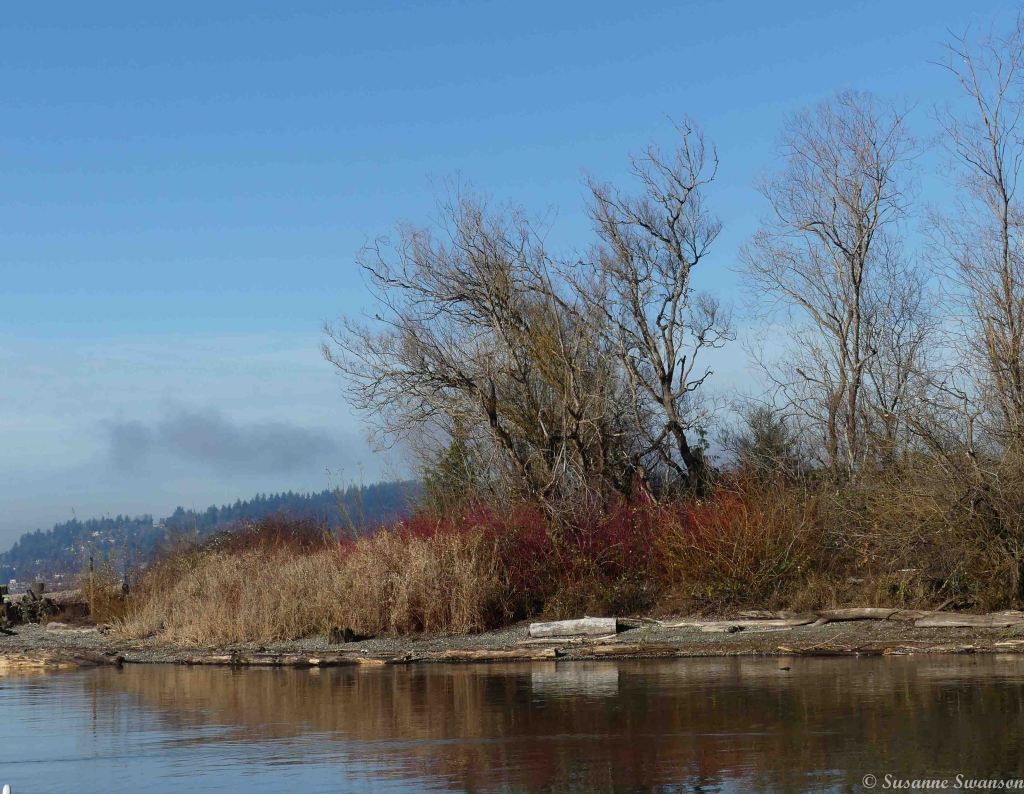
He sat patiently, eyes on the water below, waiting for just the right time to make his move.
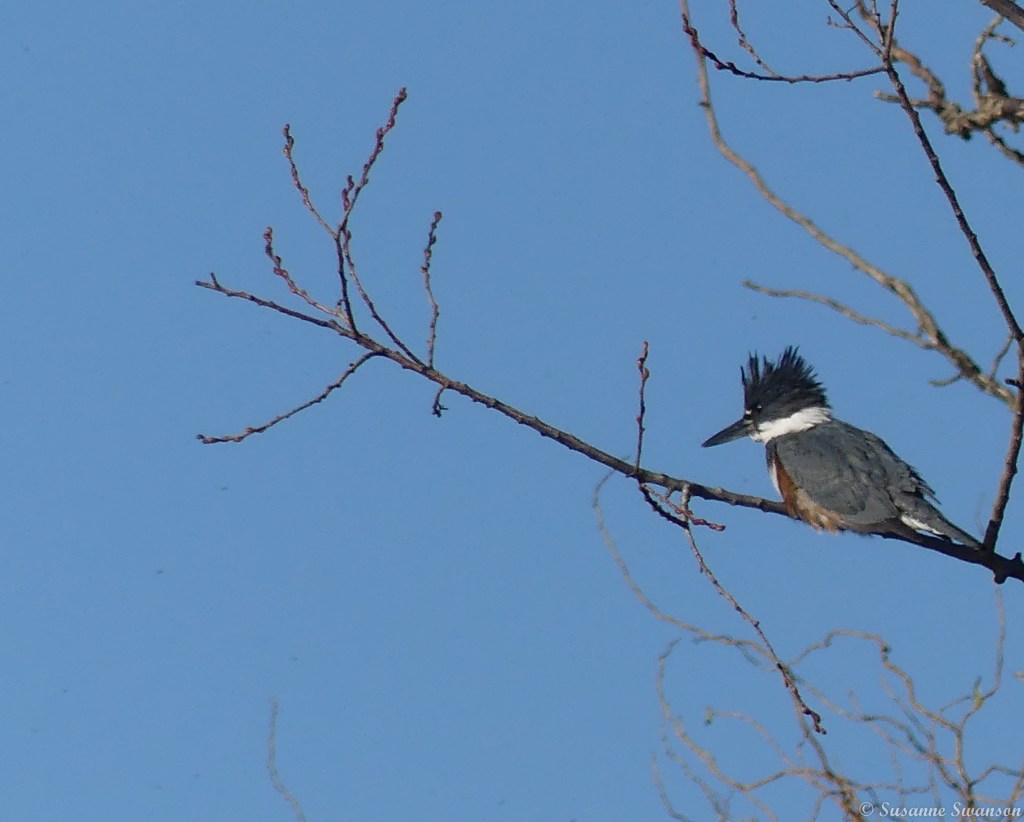
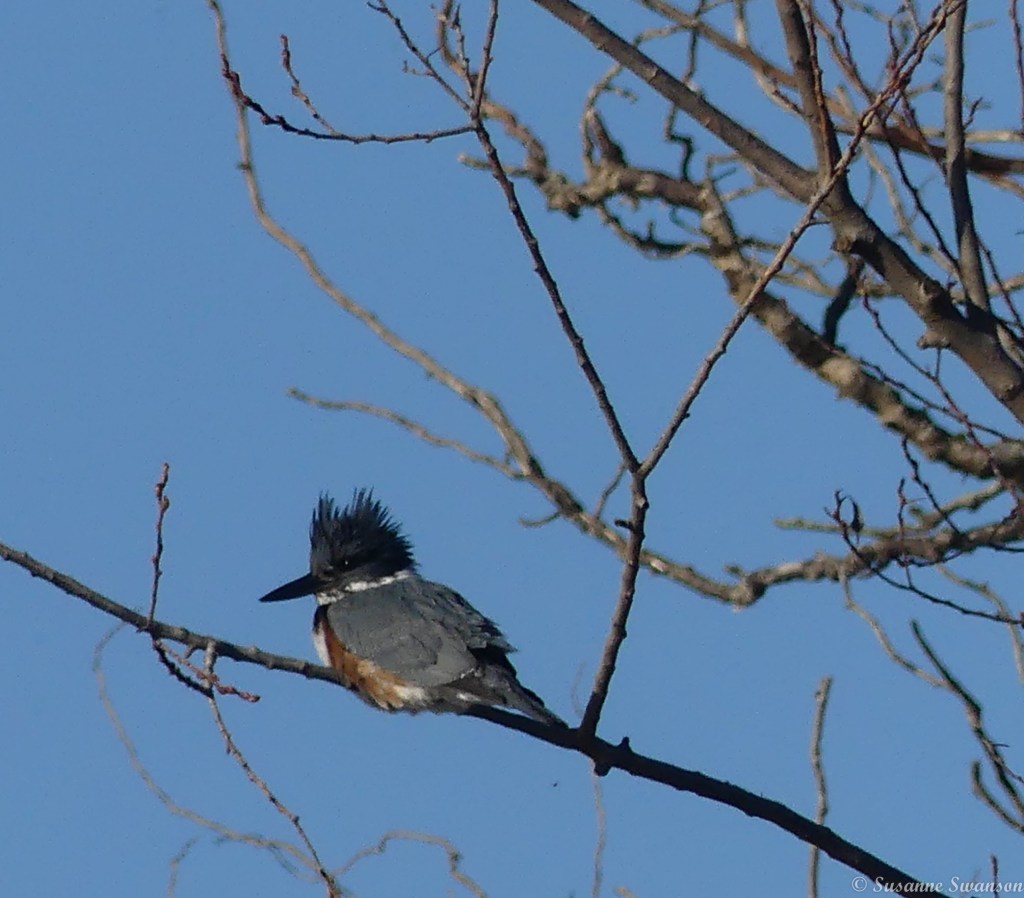
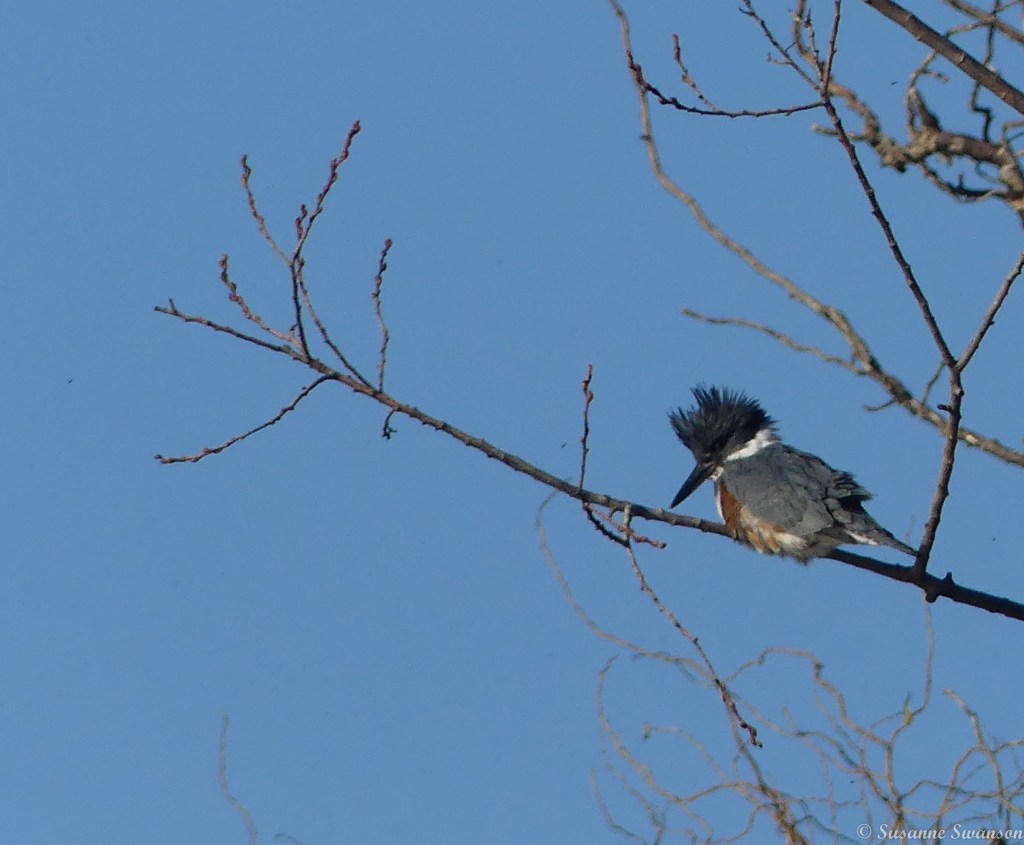
I managed to capture him in the air only once, and noticed the lovely polka dots on his tail feathers.
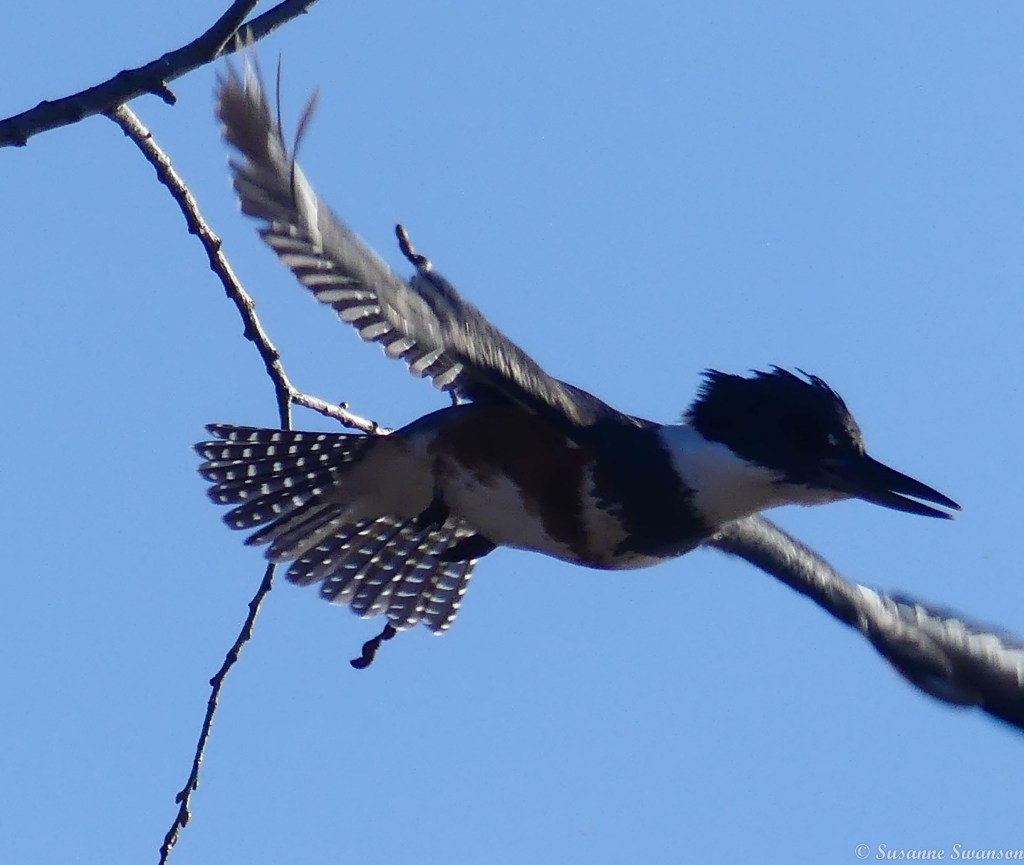
He dove into the lake several times, while I wandered here and there to get a better shot.
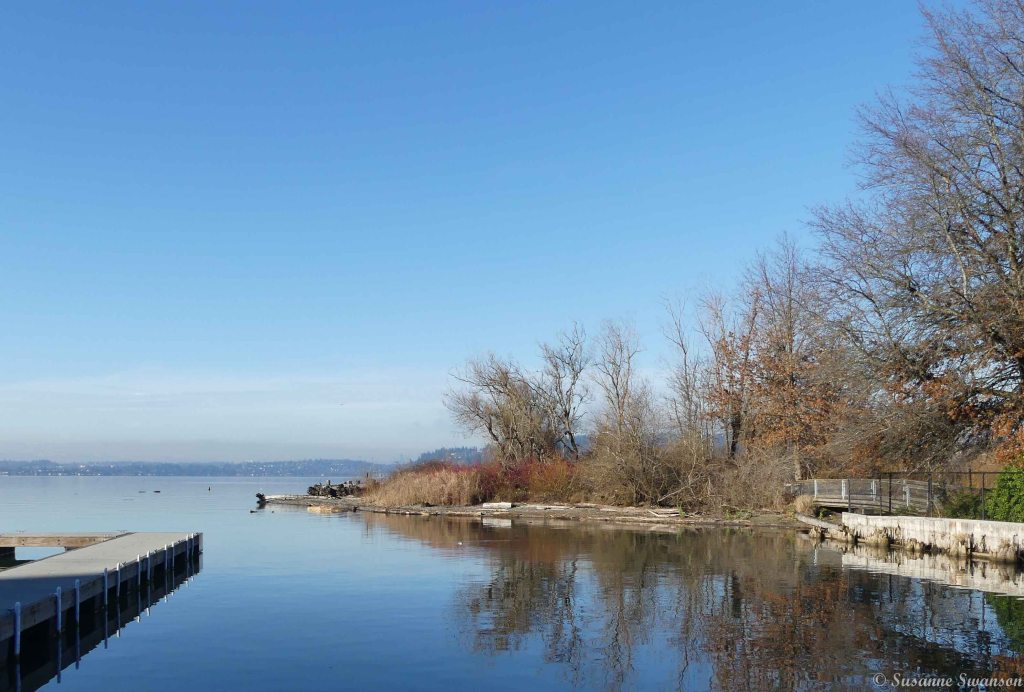
Eventually, he dropped down closer to the action where I watched him a while longer
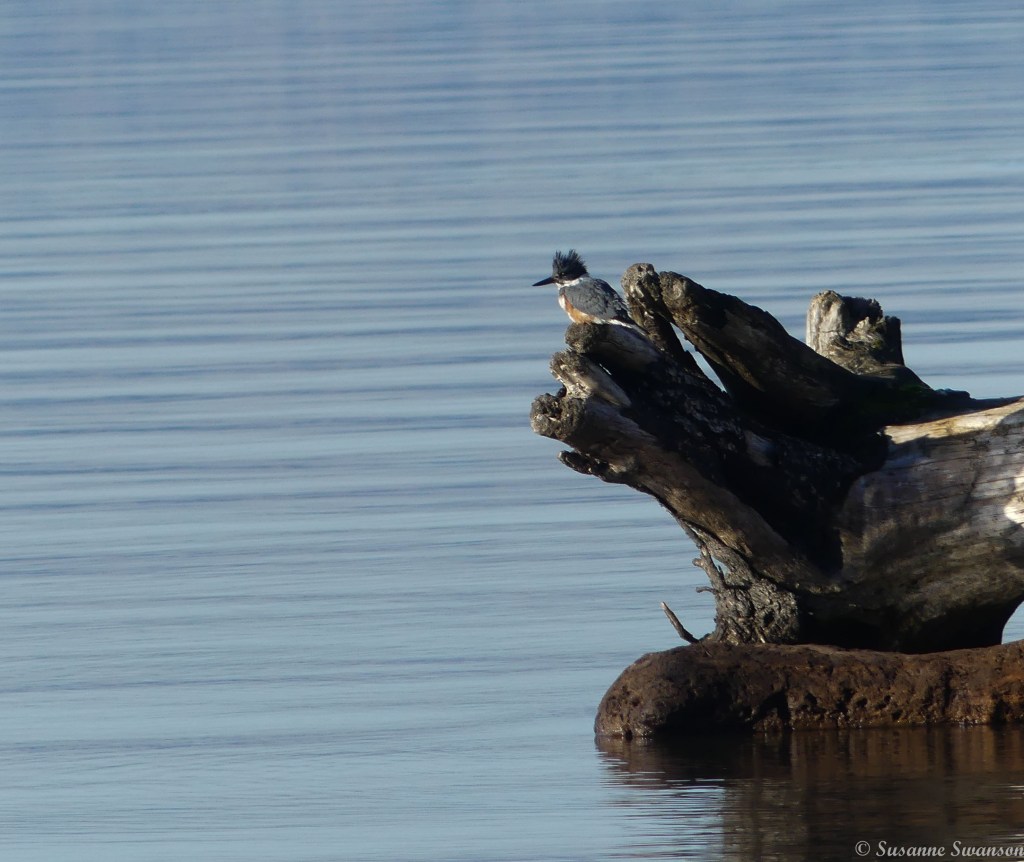
hoping to capture him fishing. Maybe next time.
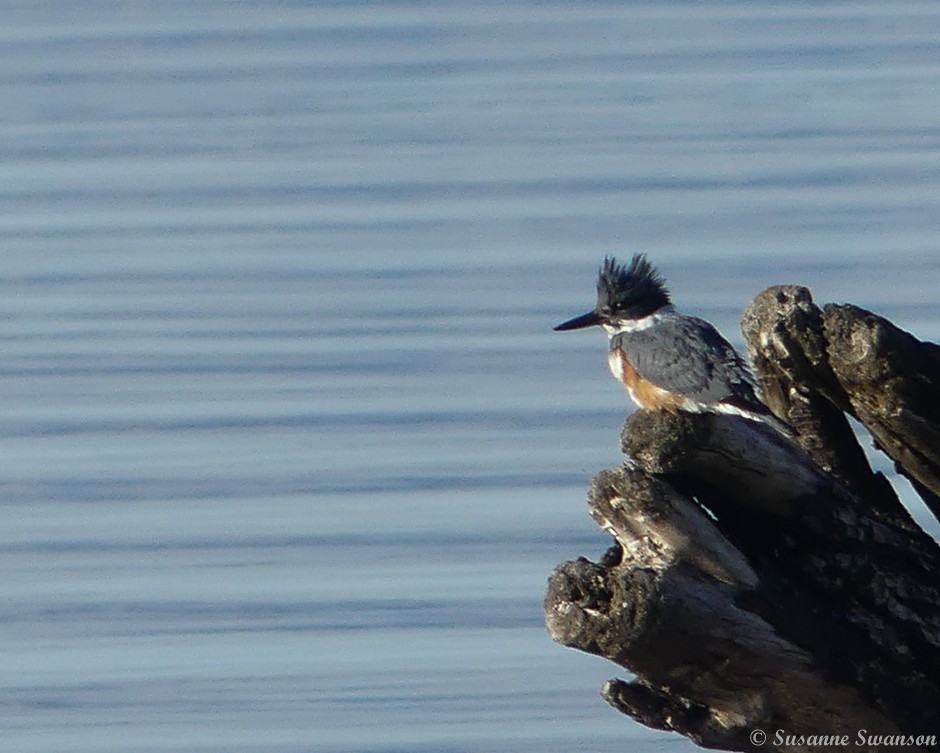
I honestly see more bald eagles at Coulon, than I do kingfishers, today was no exception.
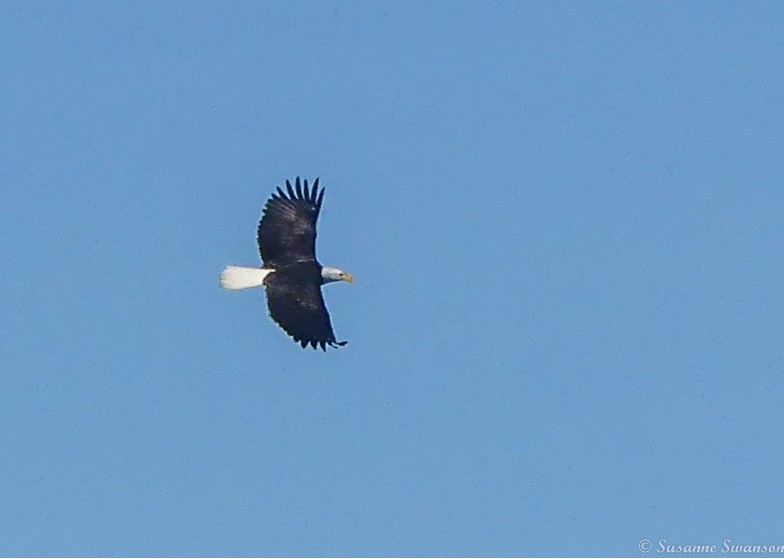
Once back home, I confirmed him to be a belted kingfisher, perhaps a her, judging from the rust color on her breast.
“The belted kingfisher is a stocky, medium-sized bird that measures between 28–35 cm (11–14 in) in length with a wingspan of between 48–58 cm (19–23 in). This kingfisher can weigh from 113 to 178 g (4.0 to 6.3 oz). The adult female averages slightly larger than the adult male.
This species has a large head with a shaggy crest. Its long, heavy bill is black with a grey base. These features are common in many kingfisher species. Both sexes have a slate blue head, large white collar, a large blue band on the breast, and white underparts. The back and wings are slate blue with black feather tips with little white dots. The female features a rufous band across the upper belly that extends down the flanks.” Wikipedia
Every walk at Coulon holds a new surprise.
~ Susanne
Magical Moonrise Over Mt. Rainier
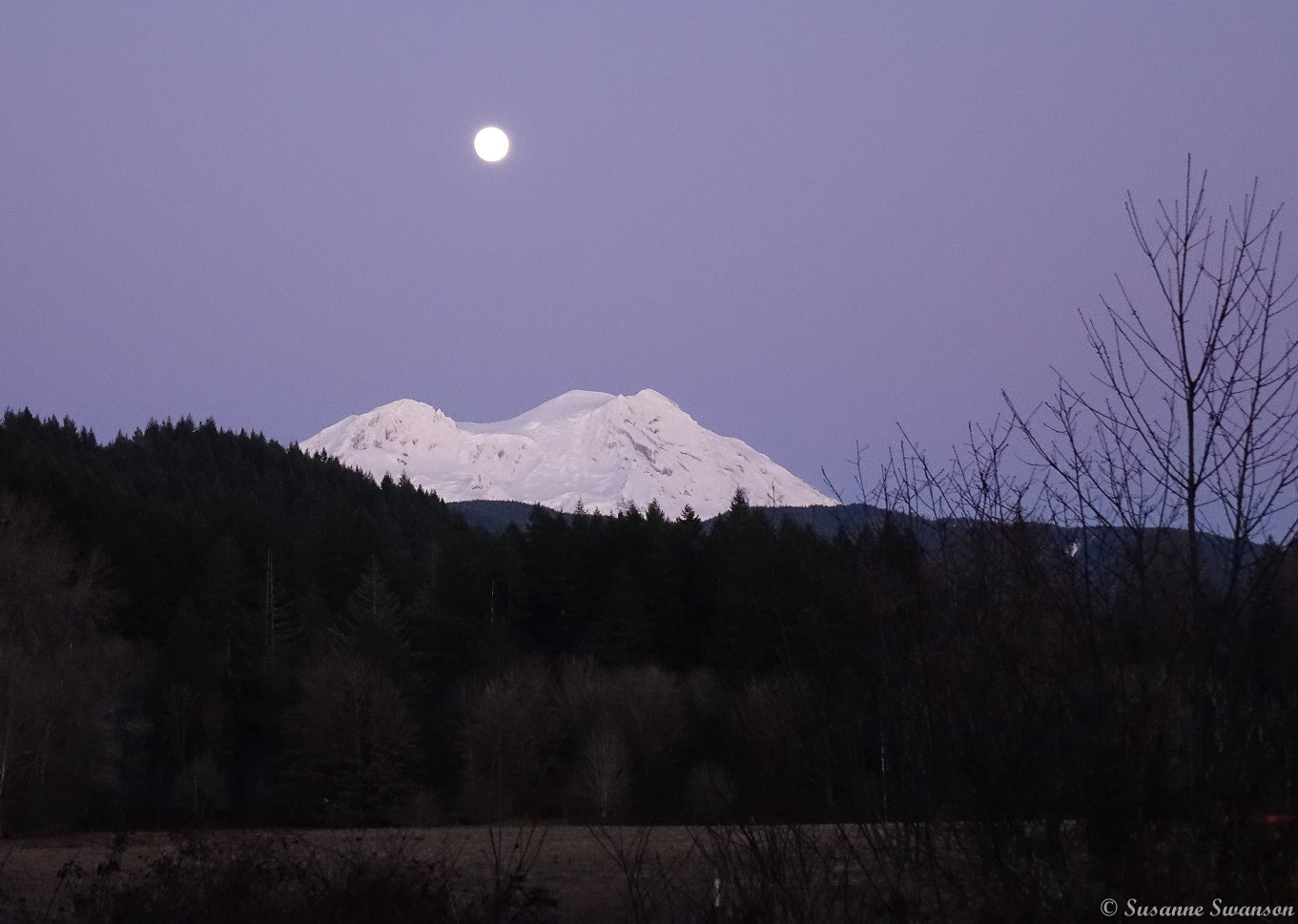
It was the end of 2020, our first full year of Covid. Travels were still limited to outdoor spaces, so we bundled up and headed to the mountain in our backyard.
It was clear and sunny, snowy and beautiful, that day.
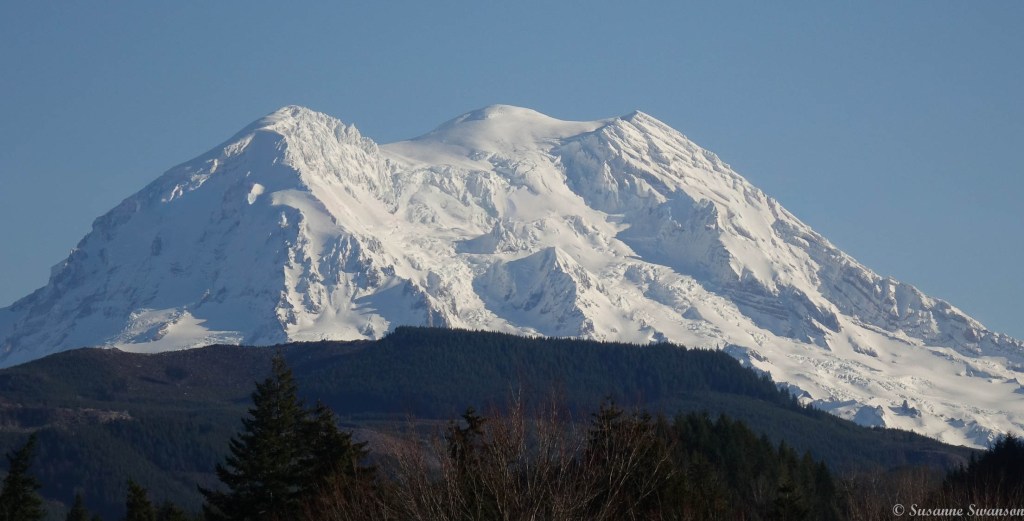
We stopped by Longmire and as far up to Paradise as the road would allow,

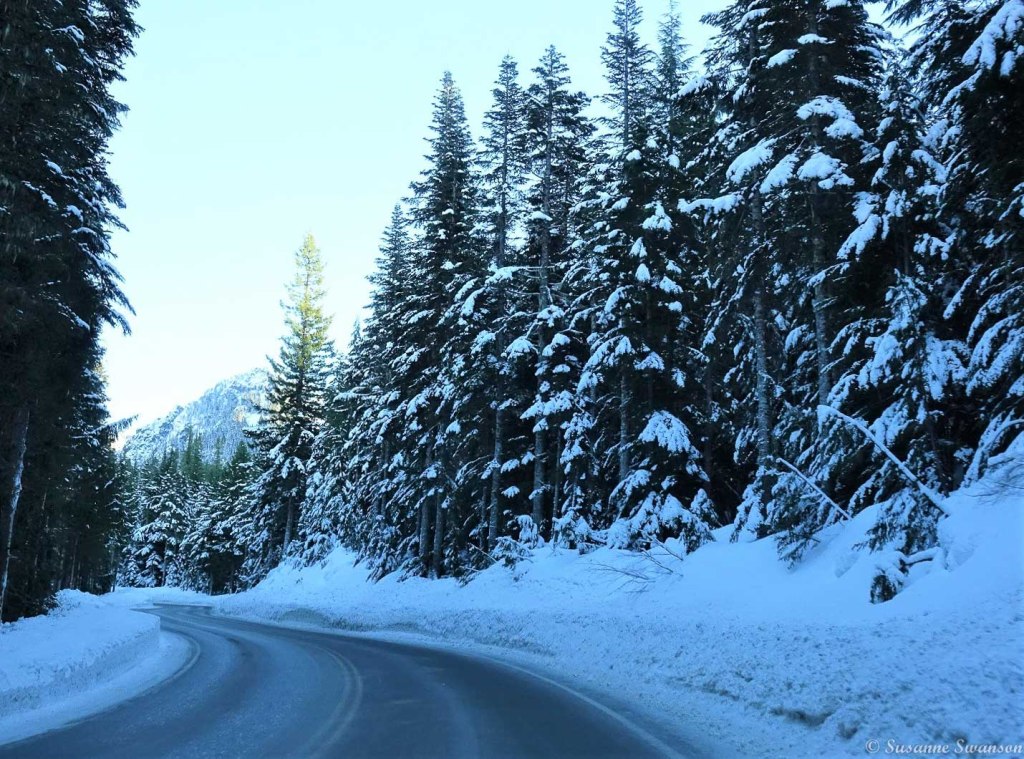
and admired the mountain from many angles.
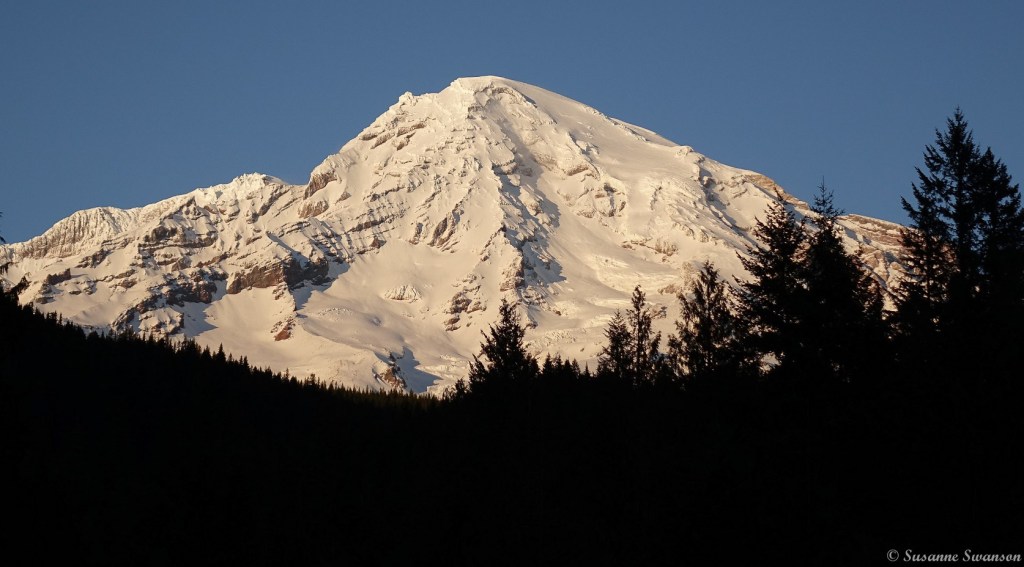
But the best was yet to come.
As we exited the park, we came across dozens of cars stopped on the sides of the road, like a buffalo jam at Yellowstone. Maybe a bear or a moose?
But no, the moonrise over the mountain was the reason why, the best I’ve ever seen.
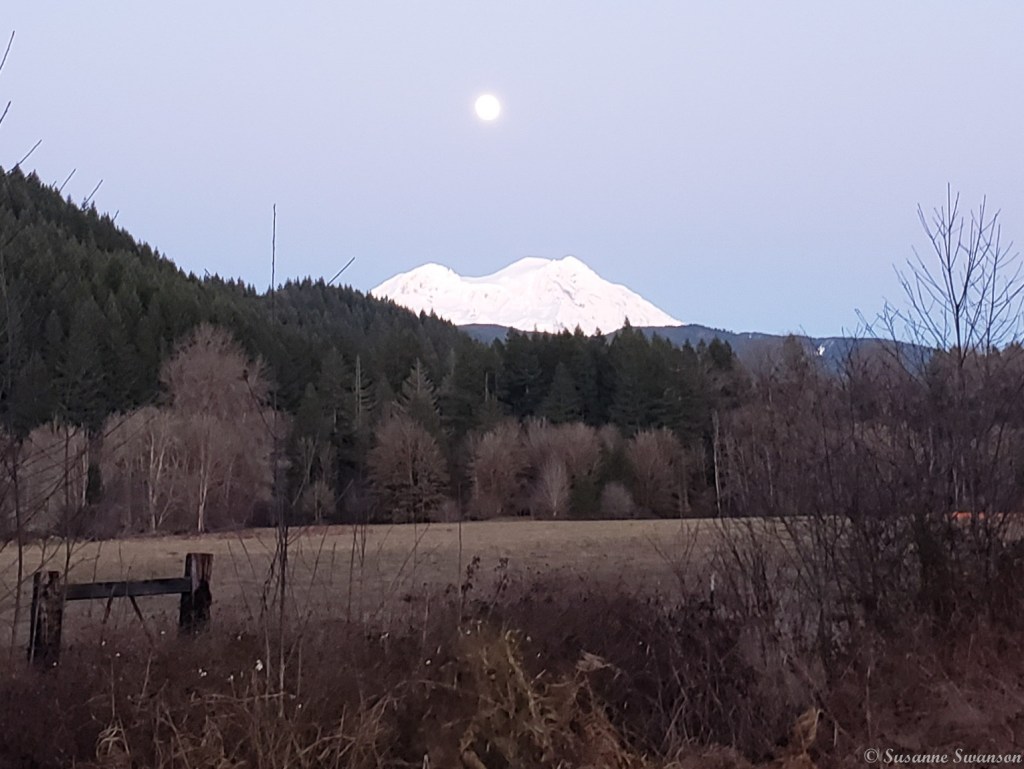
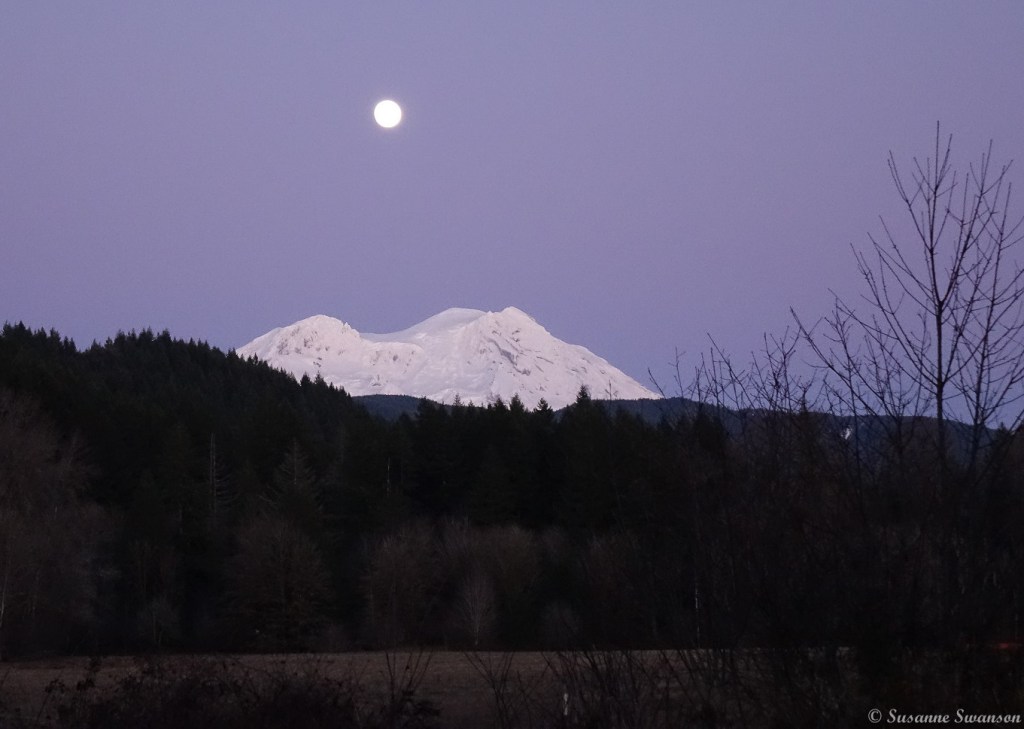
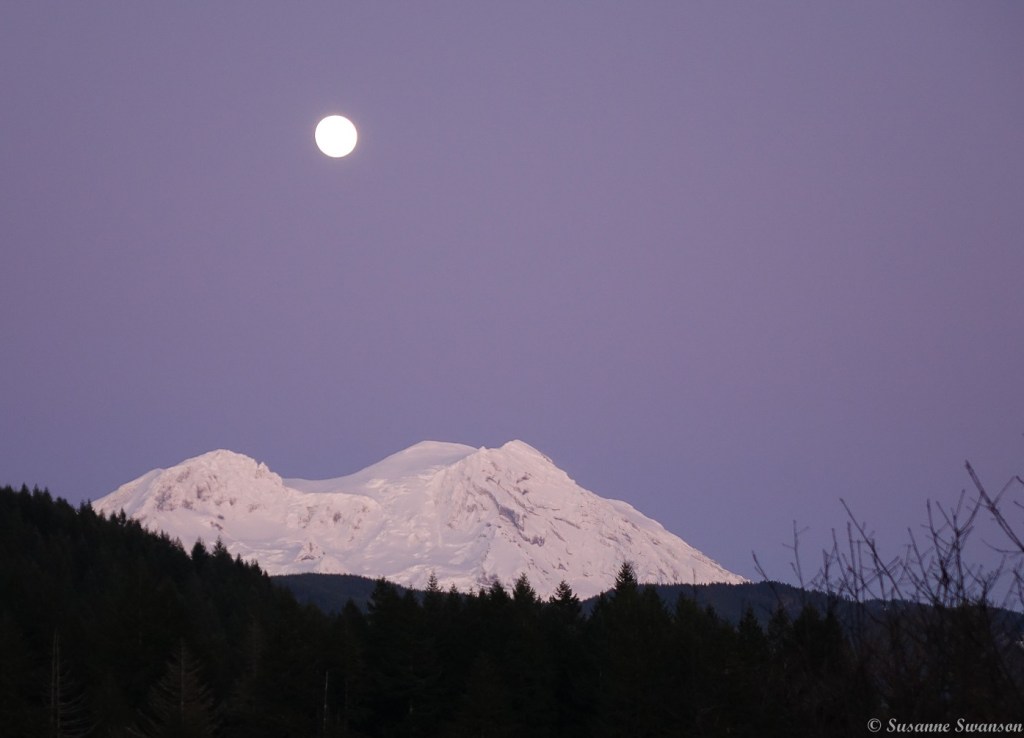
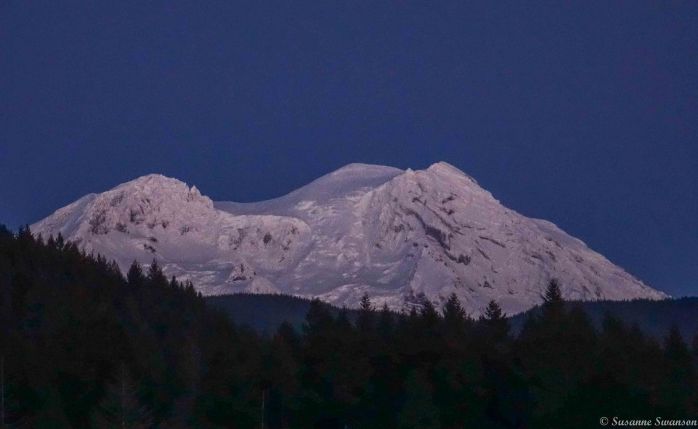
It was magical.
Which reminds me that December is a great time to visit so we’ll head up to Mt. Rainier again soon, weather permitting. And if we’re lucky, we’ll be treated to moonrise again.
~ Susanne
A Photo Shoot for Saturday Caturday

“How about a little photoshoot, Benji?”
“Sure, Sue, how about this?”
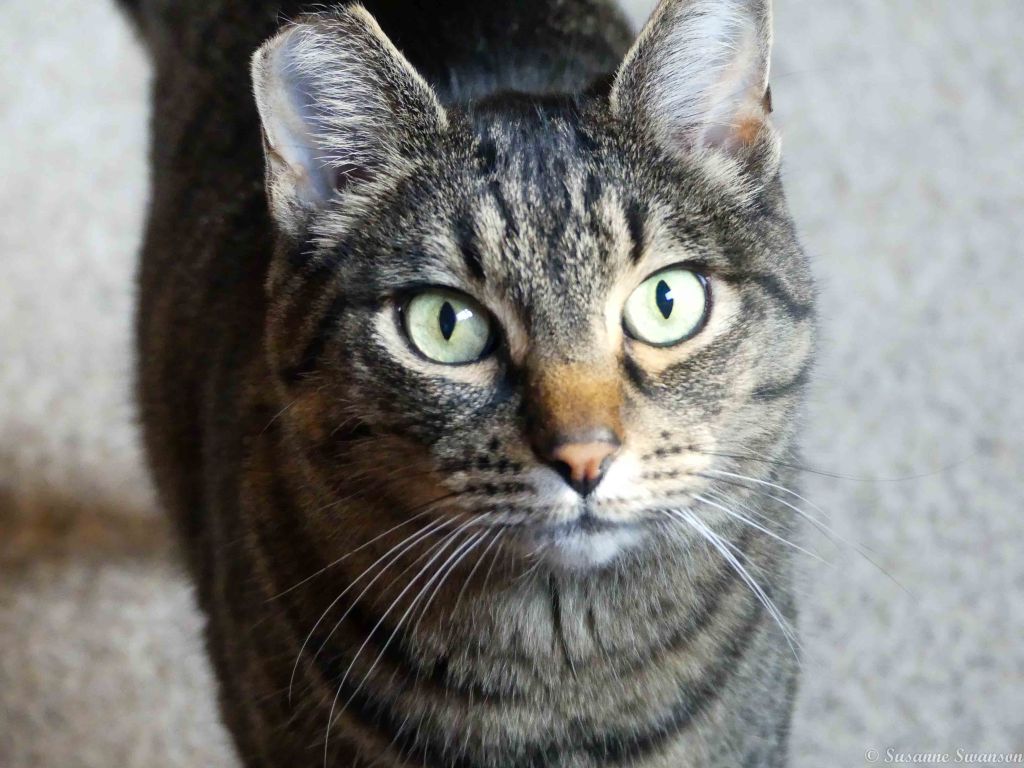
“Nice Benji, but you look a little shellshocked. Can you tone it down a bit?”
“Sorry, Sue. Something more like this?”
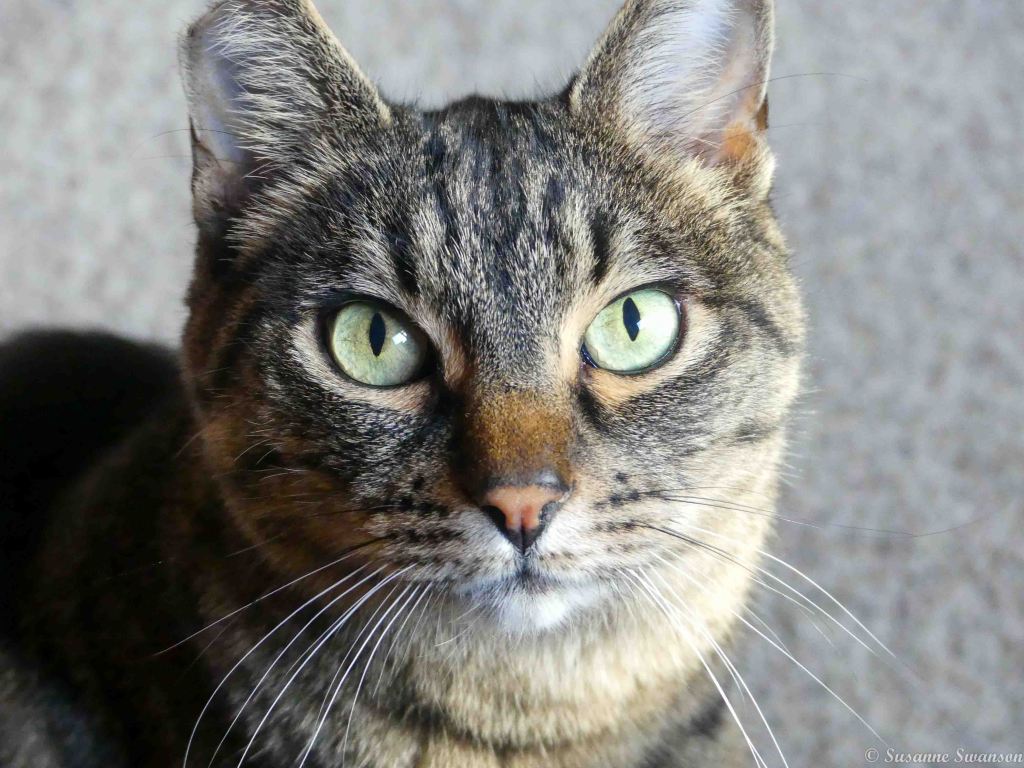
“Much better, Benji. You’re such a handsome boy.”
“Thanks, Sue.”
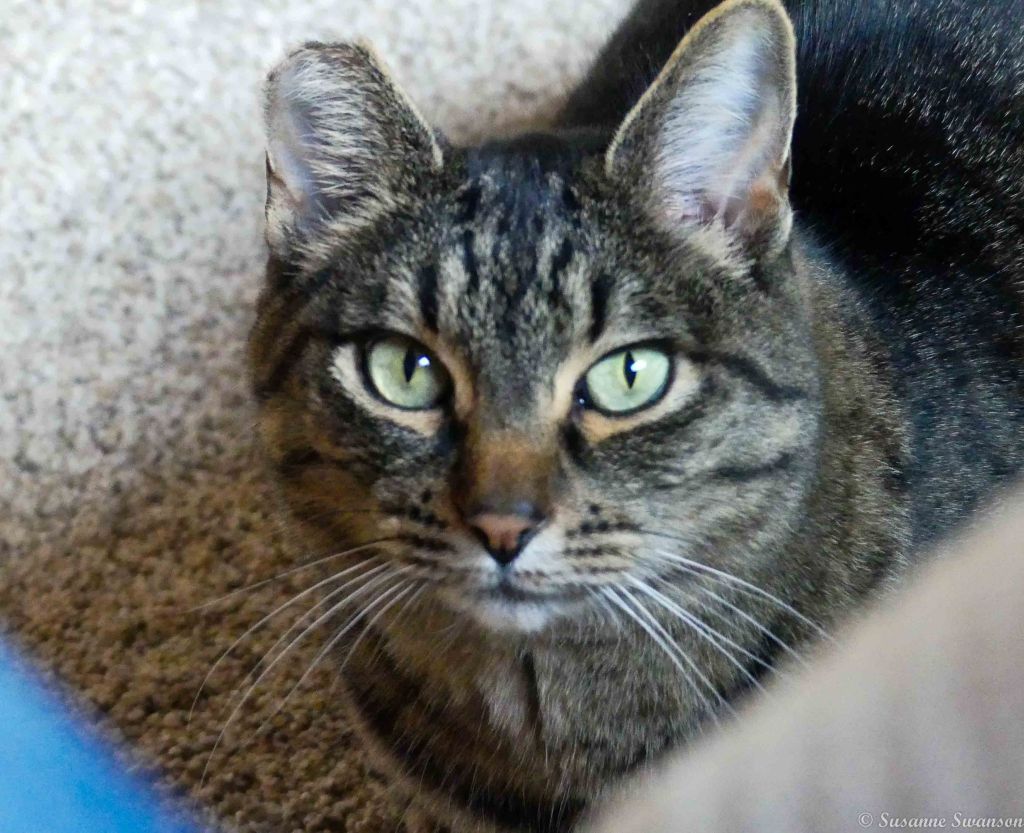
Happy Caturday from Susanne and Benji
A Winter’s Walk with the Birds and the Grinch

The rain finally stopped on this first day of winter, so I took a walk at Coulon Park.
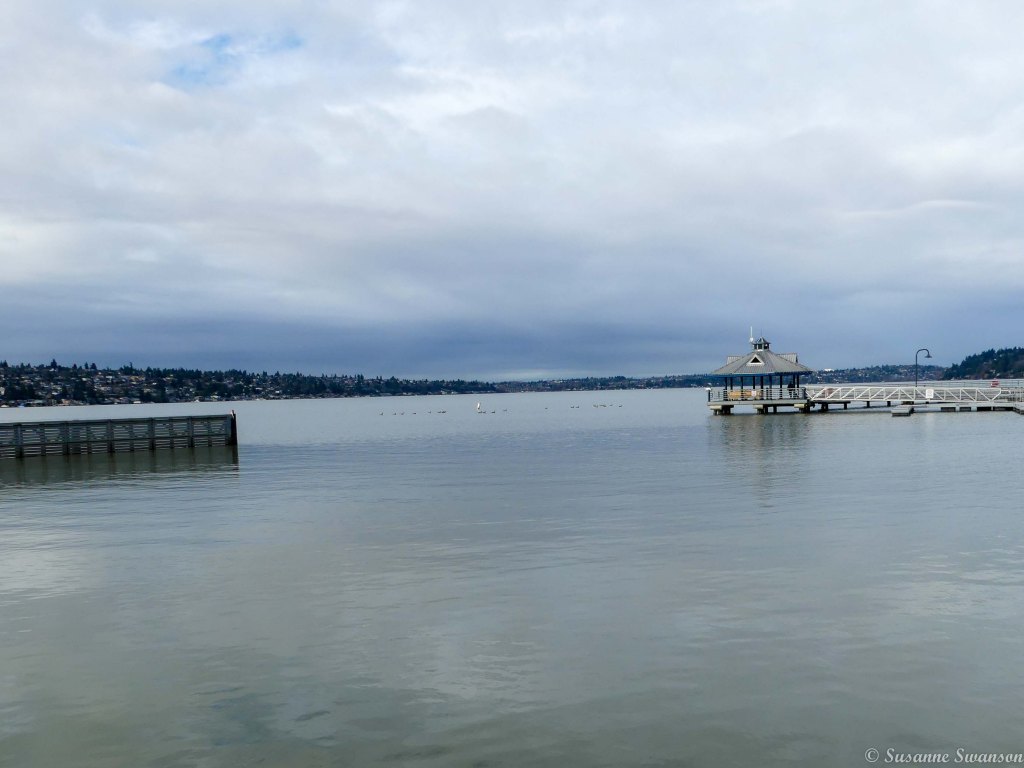
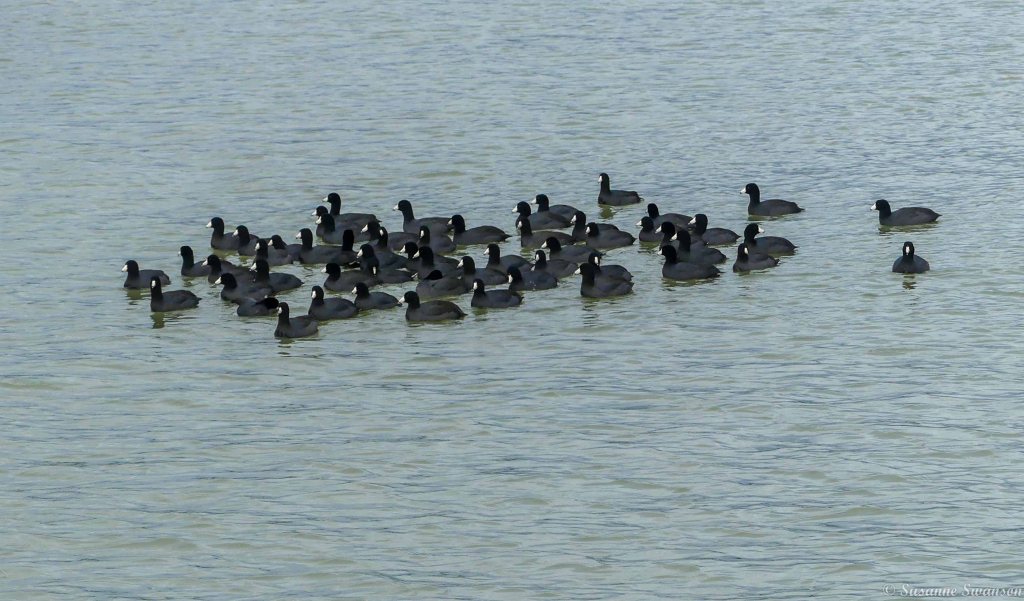
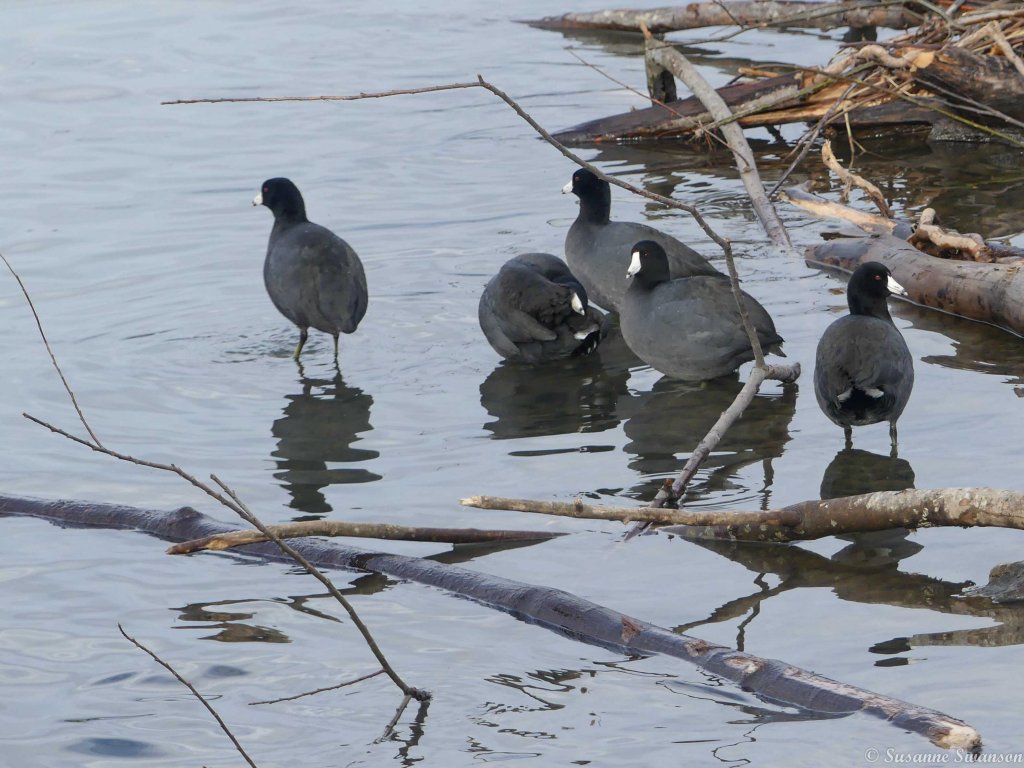
I saw flocks of American Coots swimming
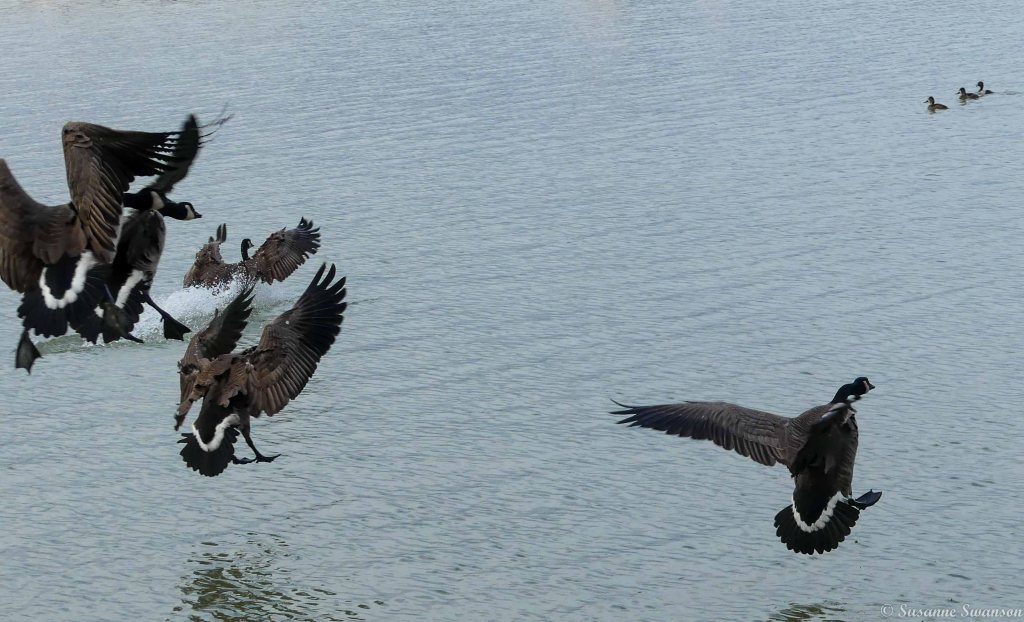
Canadian Geese flying
and a Bald Eagle watching, 100 feet up.

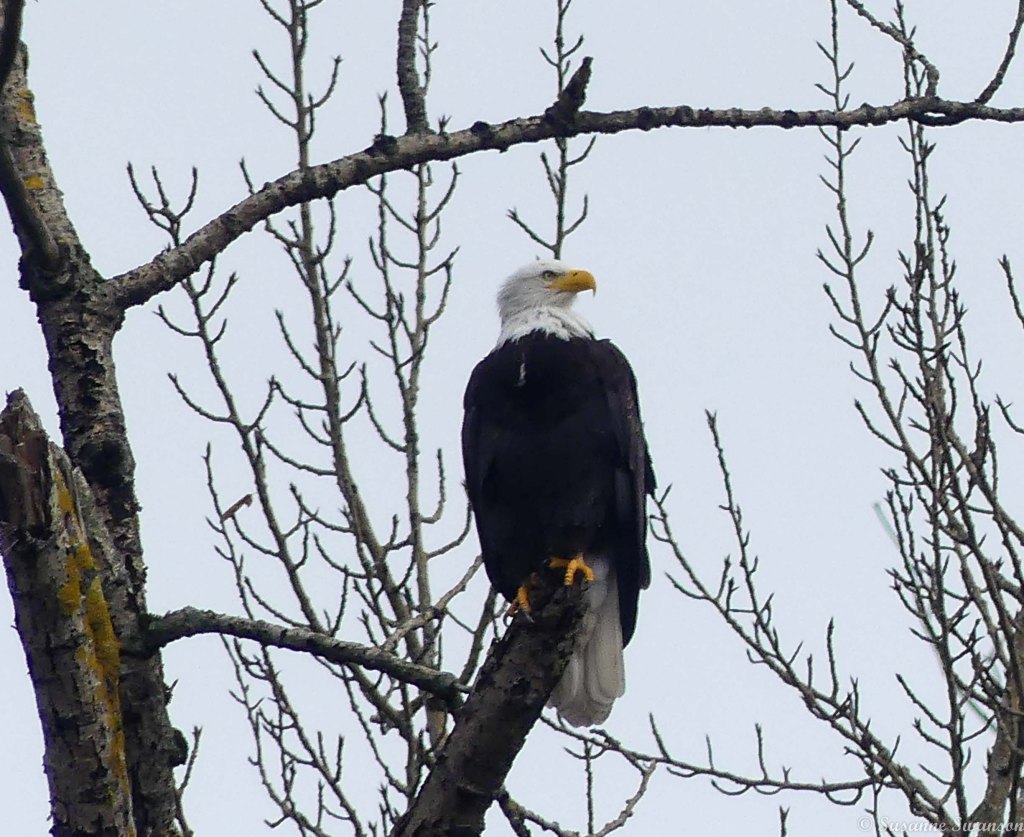
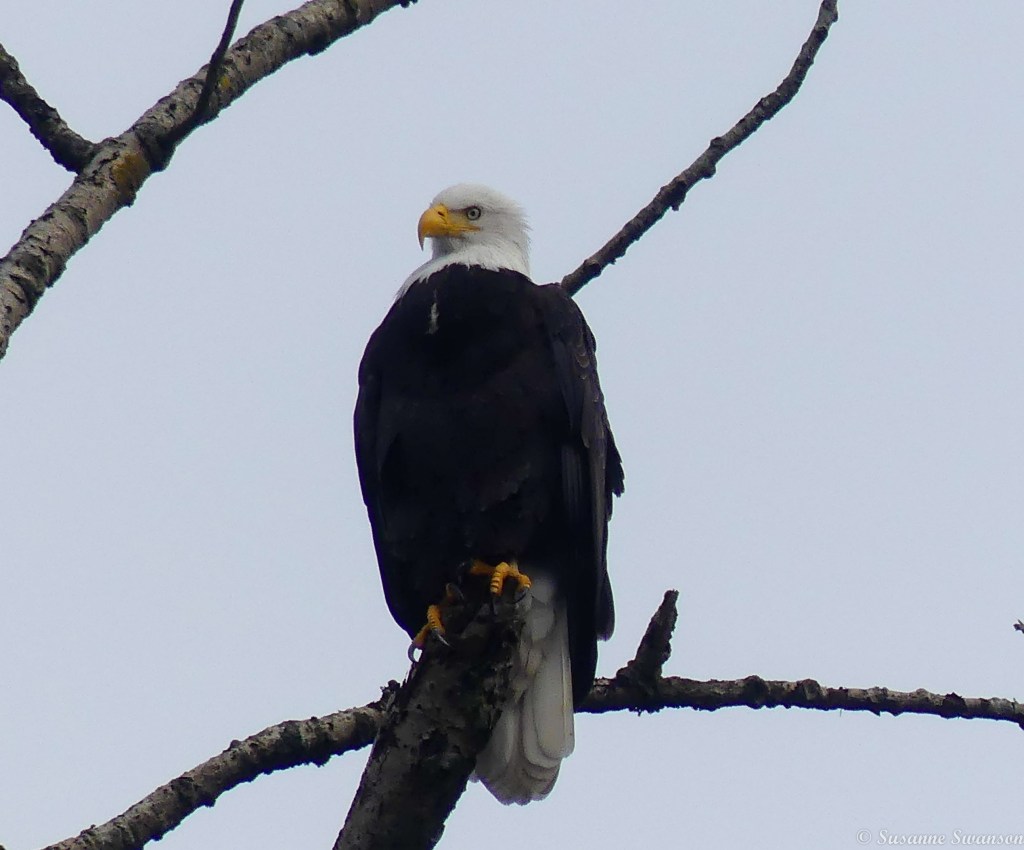
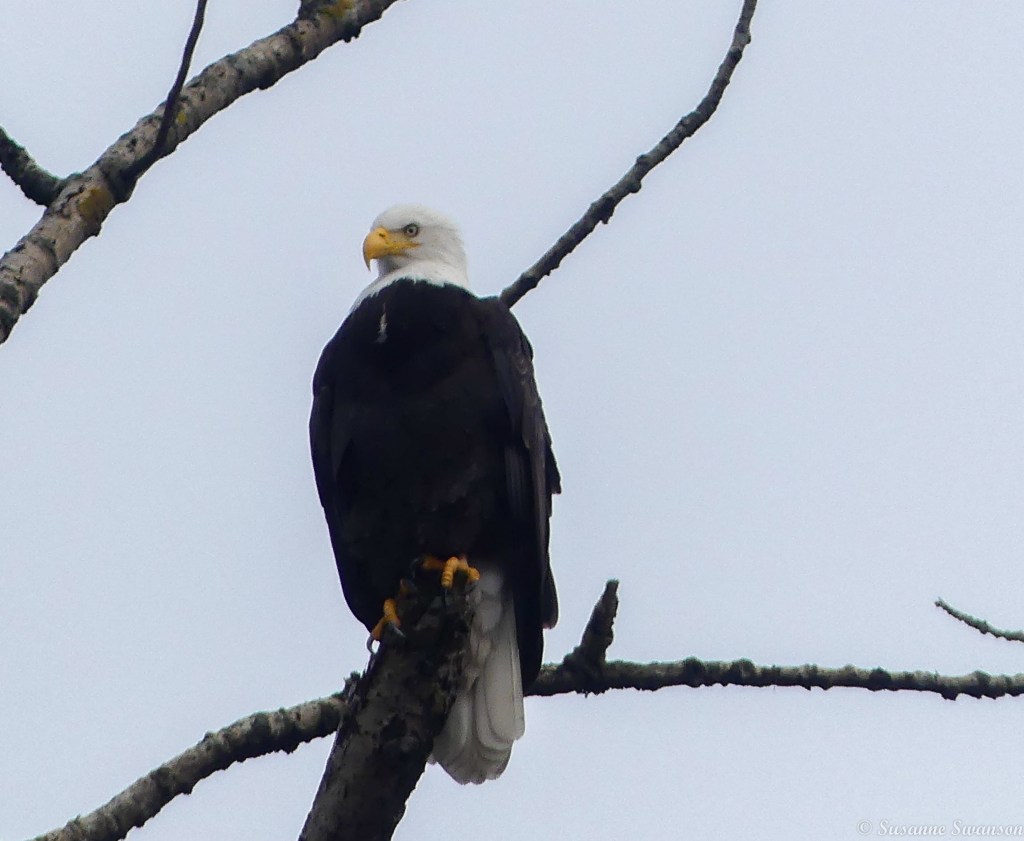
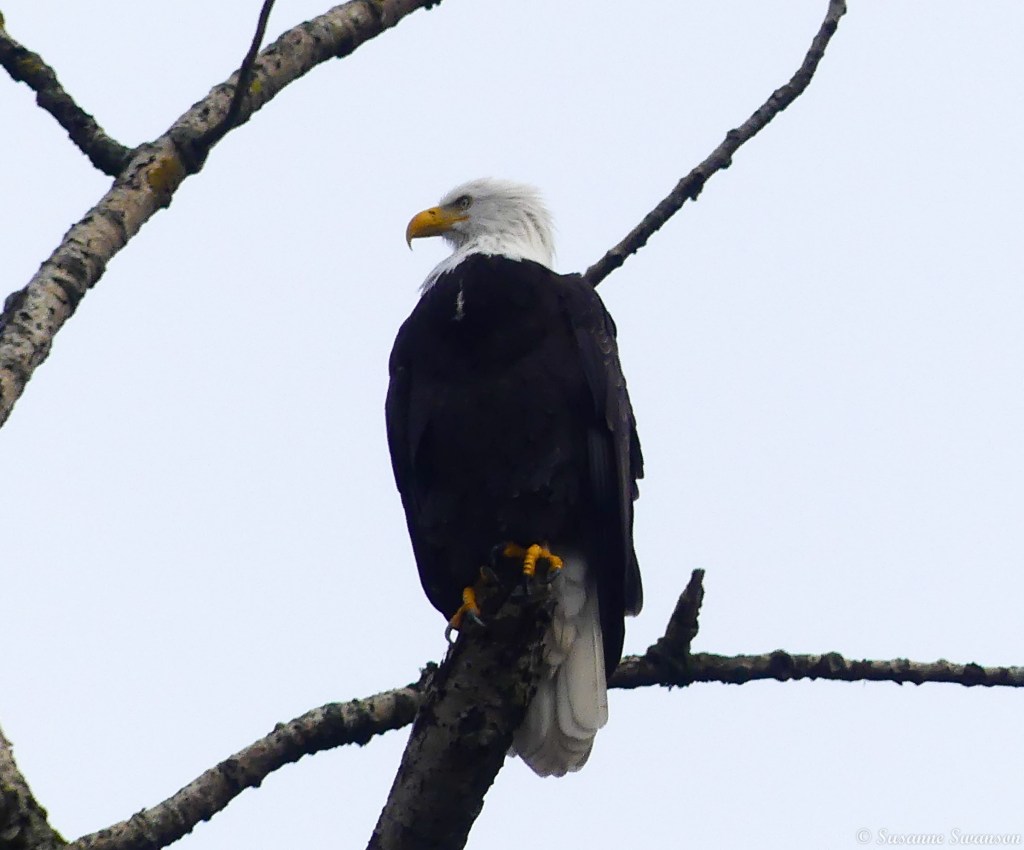
On the ground things were festive, even though the Clam Lights weren’t on, too early.
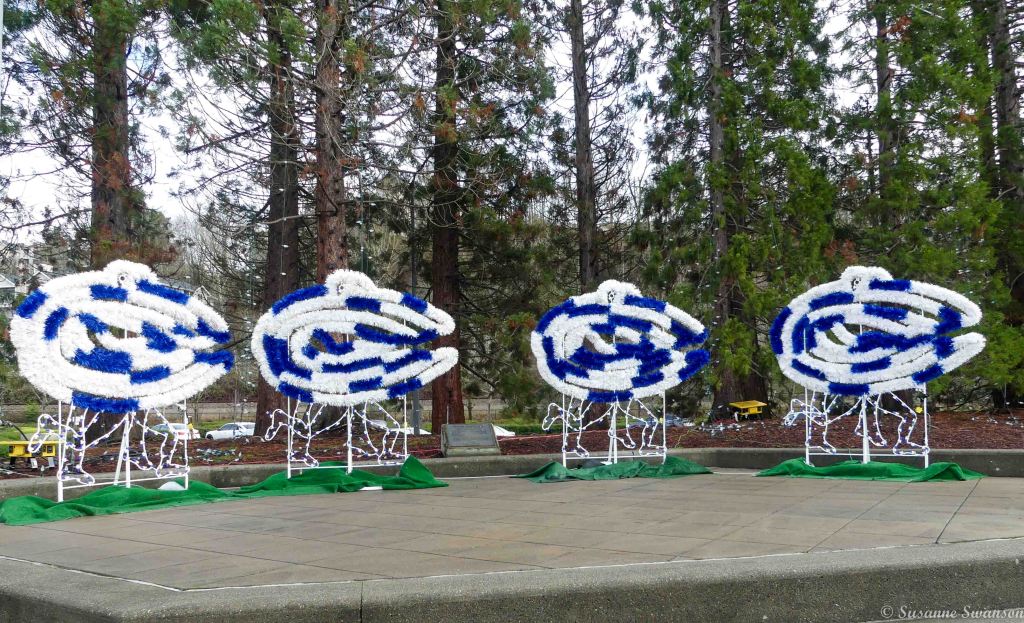
But the Grinch and his friends were bright and colorful against the cloudy sky, if a bit grouchy.
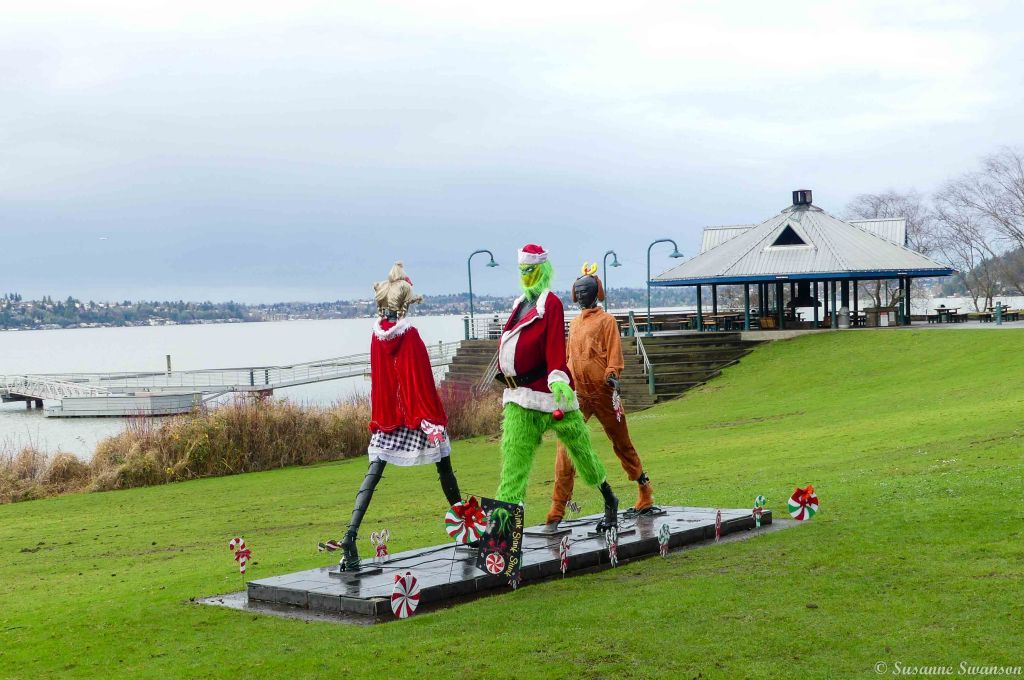

No snow in the forecast, only more rain, so this will have to do for Sunday Stills, #Winter Wonderland.
~ Susanne
Winter Birds of the Skagit Valley
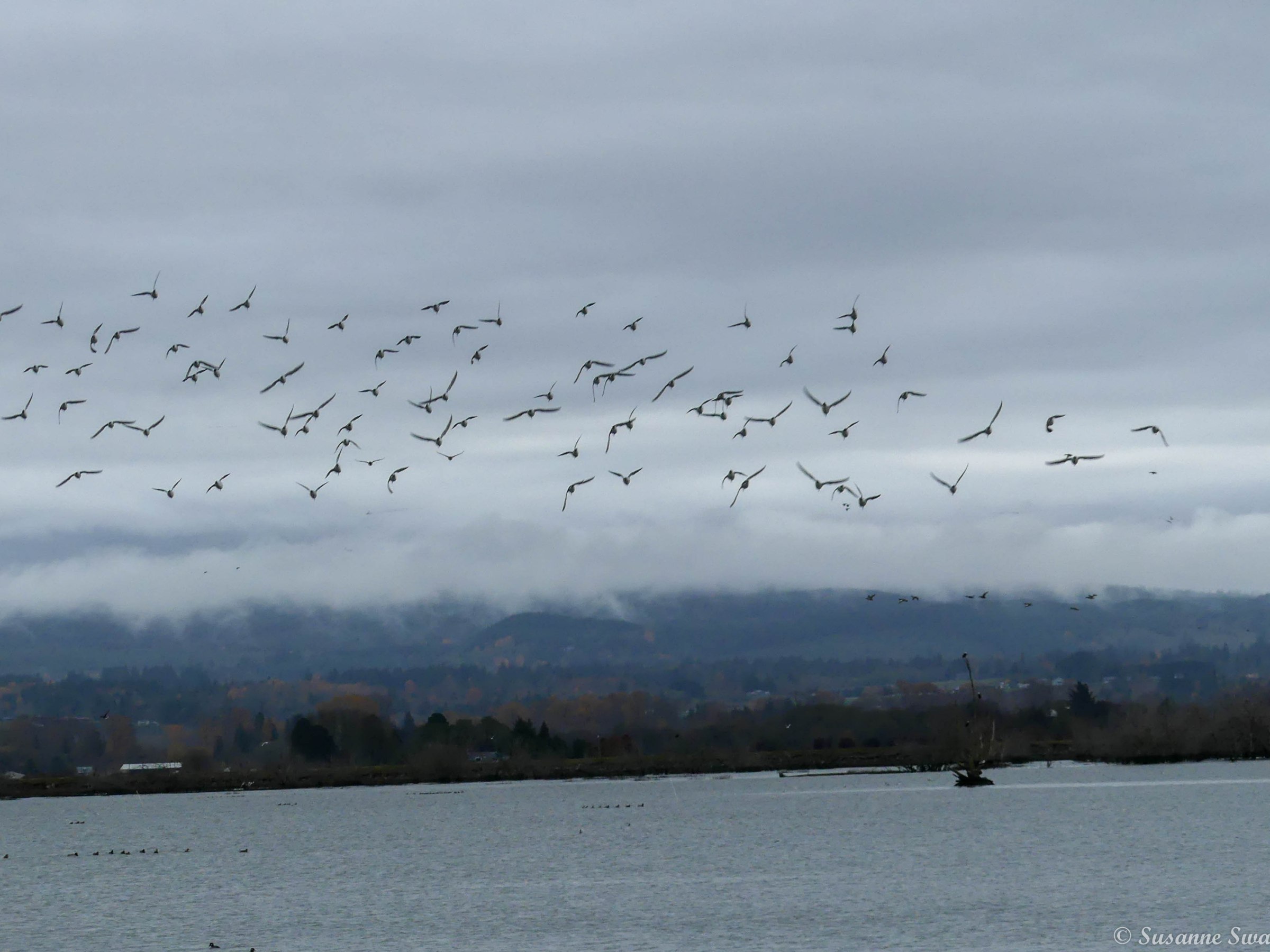
On our drive to Bellingham last month, we took the scenic route (it’s all scenic) and stopped by the Skagit Valley, where migrating birds had arrived for the winter.
You may remember the Skagit Valley for its fields of daffodils and tulips in the spring.
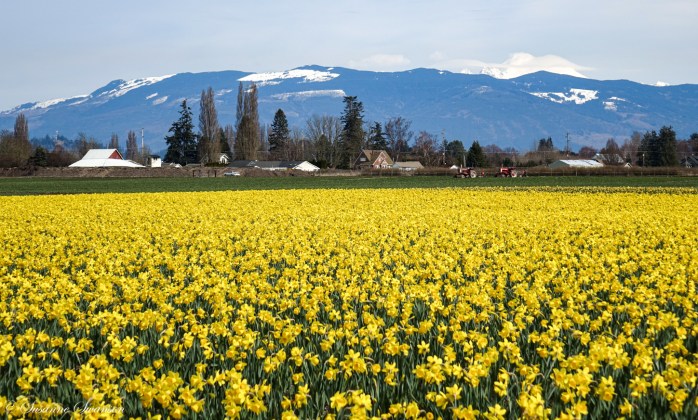

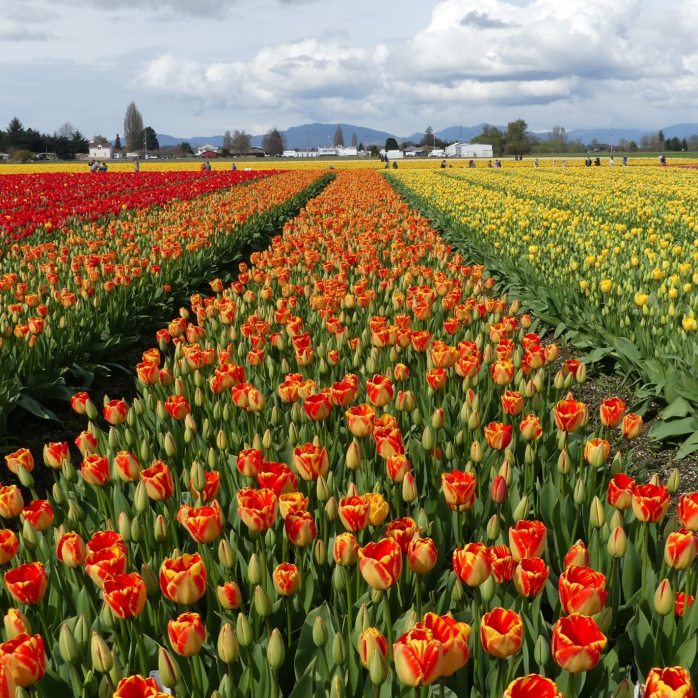
It’s also famous for the birds who travel the Pacific Flyway, visiting from the far north.
We’ve gone to see them before, but this time I was looking for a specific location: Fir Island. Not sure exactly where it was, we stopped to ask a local.
‘You’re on it,’ he said, ‘when you crossed the bridge over the Skagit River.’
It didn’t seem like an island to me, but I guess technically it is, bordered by the Skagit River and Skagit Bay.
It was worth asking, because he sent us to a spot we’d never been before, the Fir Island Farm Estuary Restoration Project. “The Fir Island Farm Reserve is a Game Reserve with over 200 acres of restored intertidal estuary and managed agricultural land in southwest Skagit County. The reserve attracts thousands of snow geese, swans, ducks and shorebirds in the fall through early spring. The unit is managed to provide an undisturbed feeding and resting area for wintering waterfowl adjacent to Skagit Bay.”
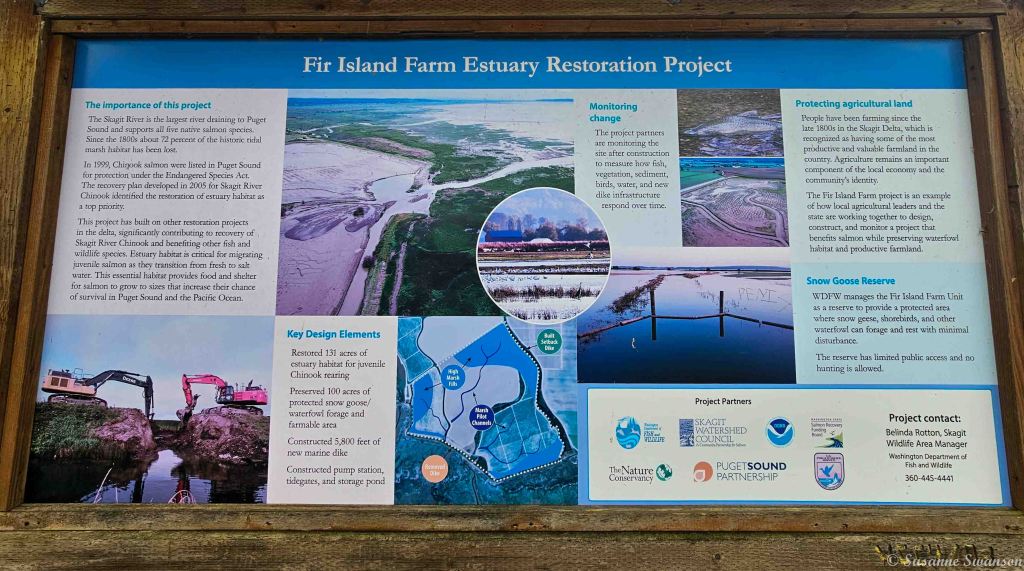
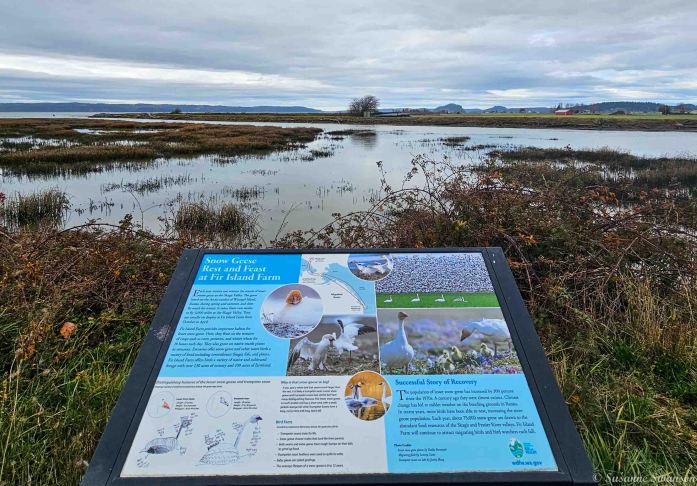
It was a gray and rainy day, but the birds didn’t mind; they were everywhere.

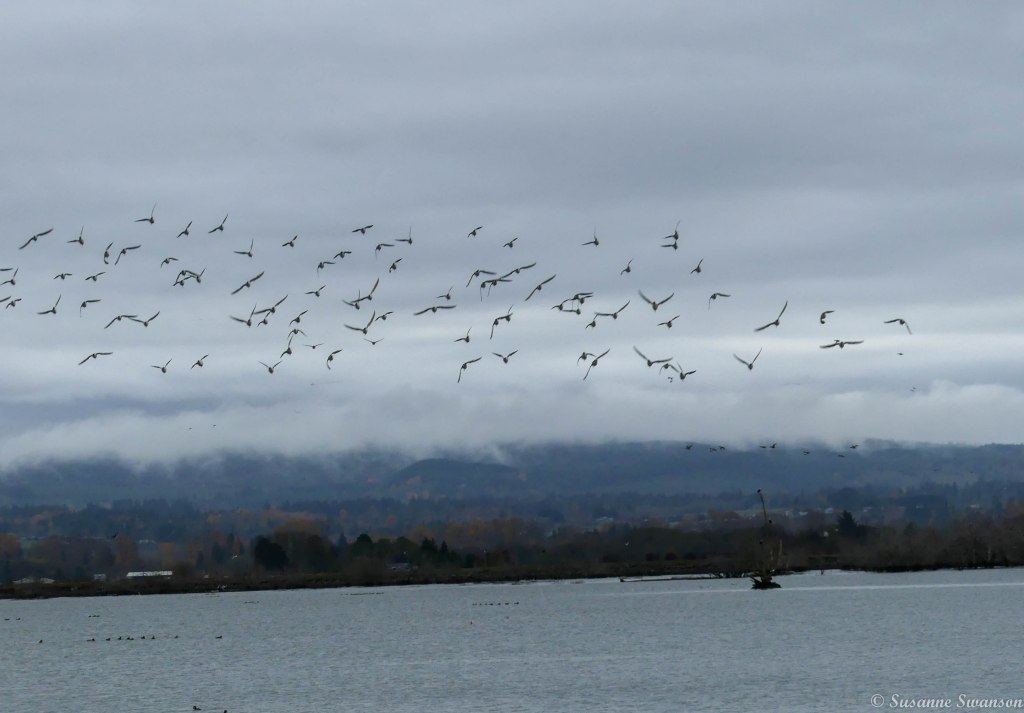
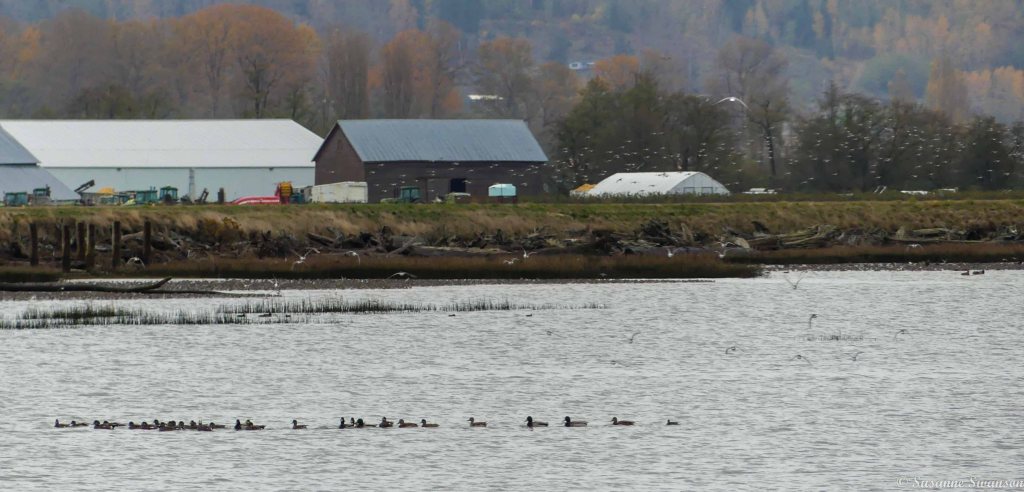

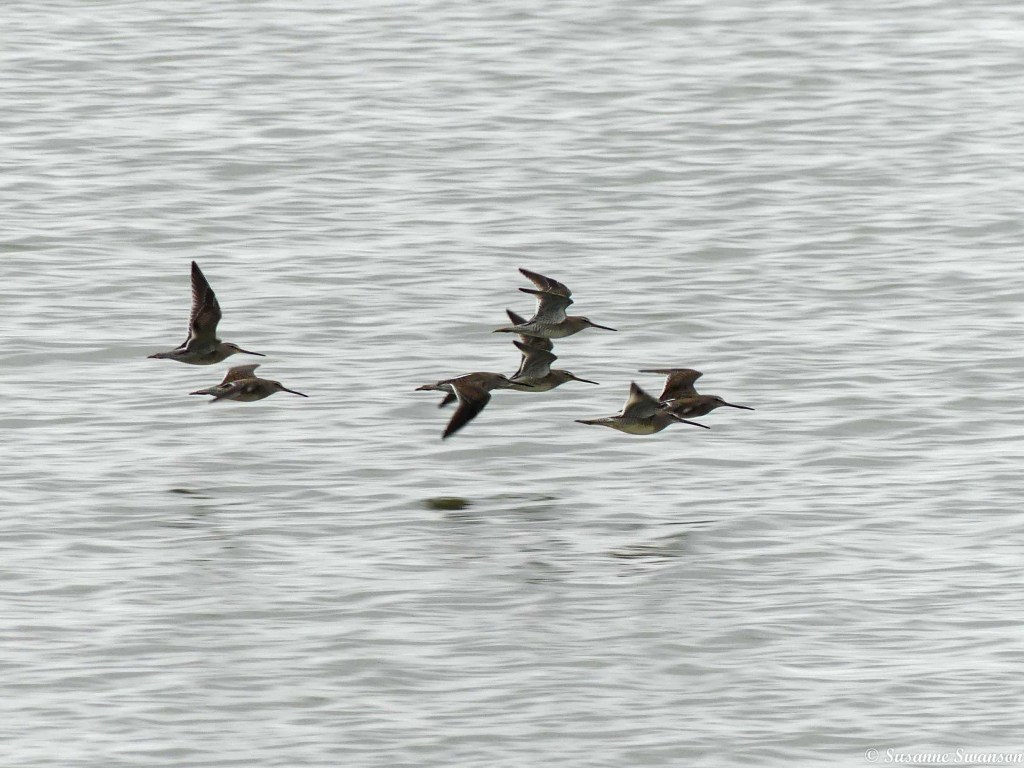
I posted pictures of the bird below on Facebook and experts helped me identify the long-billed dowitcher, whose breeding grounds are in northern Alaska and Siberia.
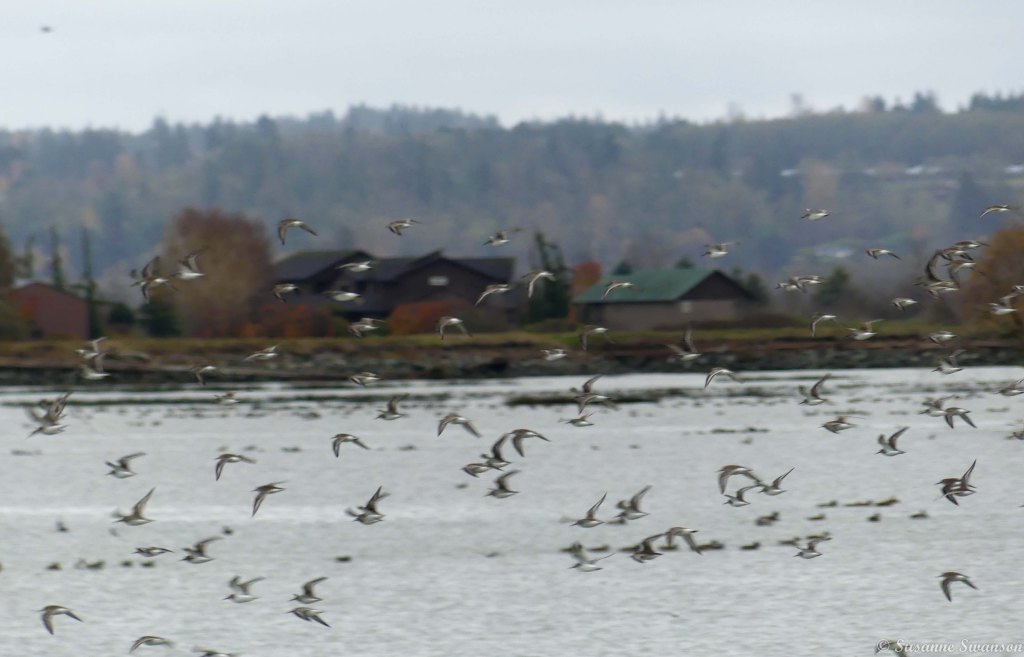
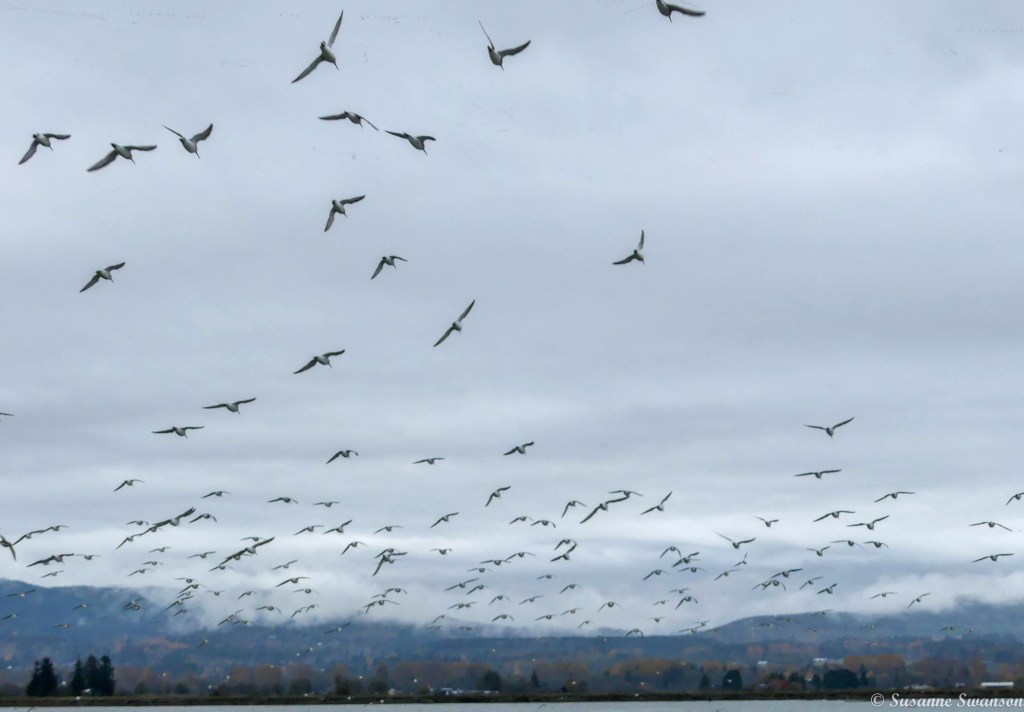
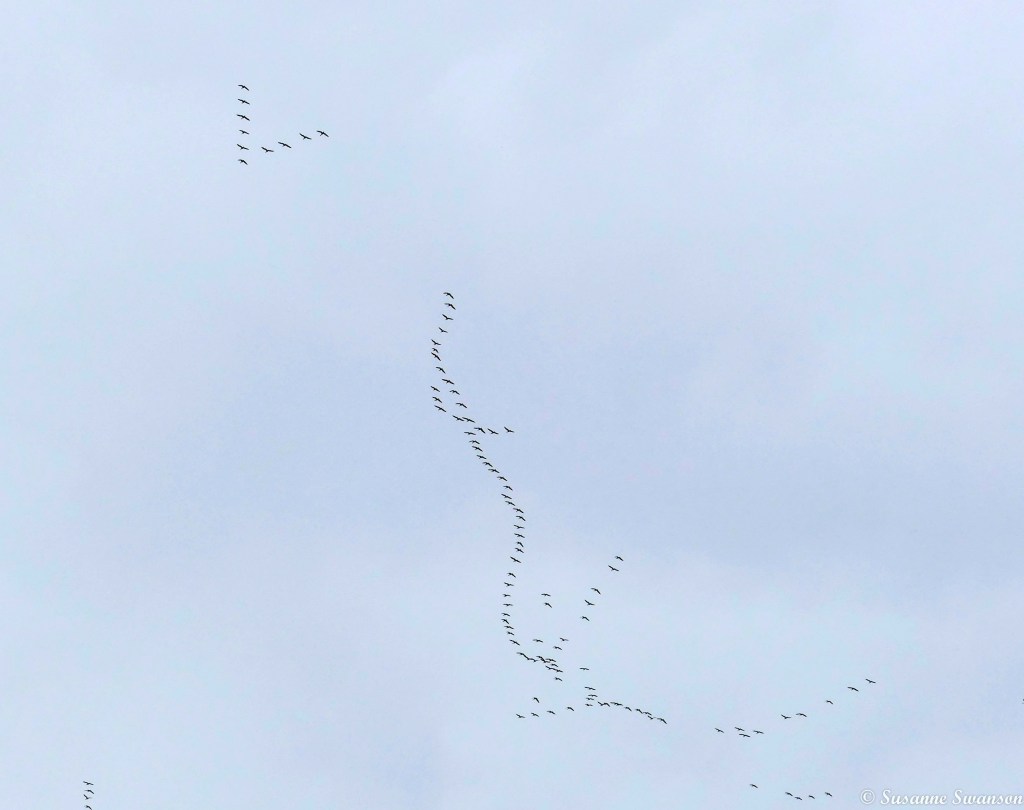
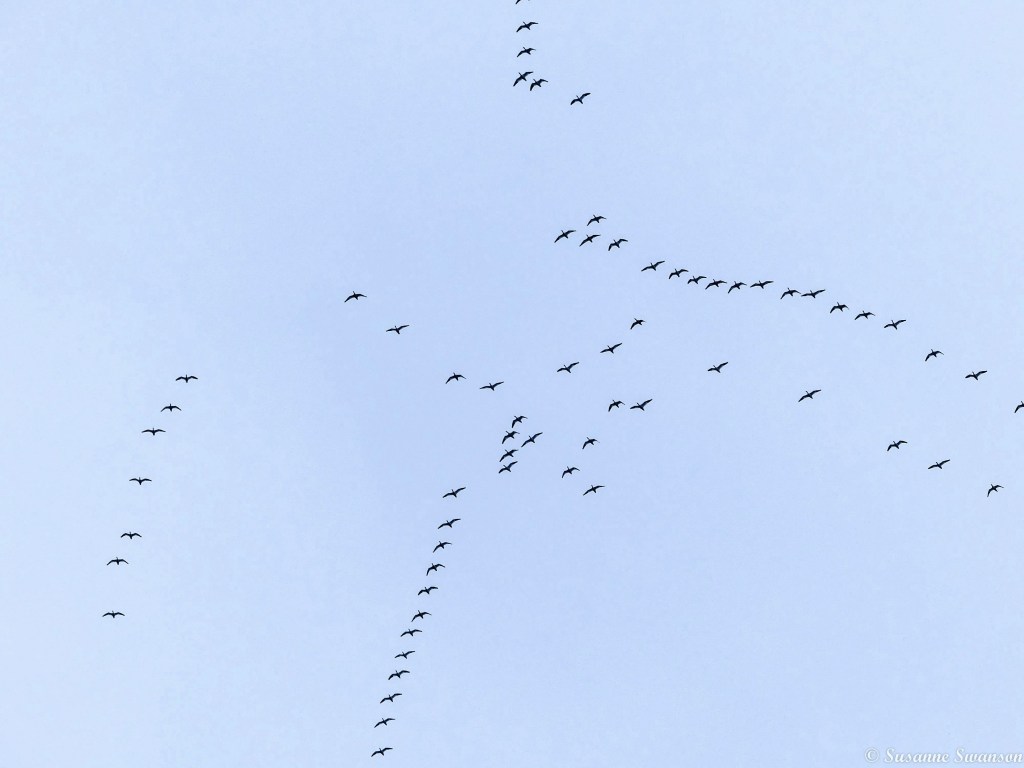
While I was watching the birds and ducks around me, the sky high above was suddenly filled with raucous clamoring noise and delightful patterns.
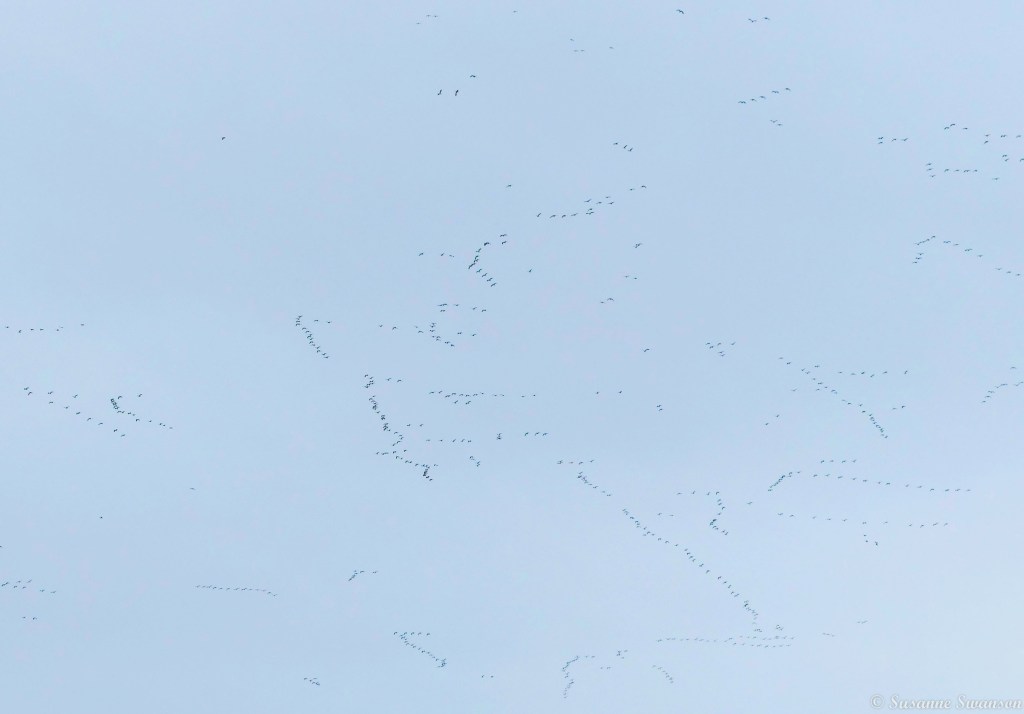

These were likely snow geese, known to be noisy in flight.
On our drive home a few days later, we stopped by Arlington, another farming community to the east of Fir Island, where I saw a large congregation of snowbirds that dwarfed the Canadian geese that were with them. The pictures aren’t great as I had to shoot from a moving vehicle. Still, I was happy to see them.

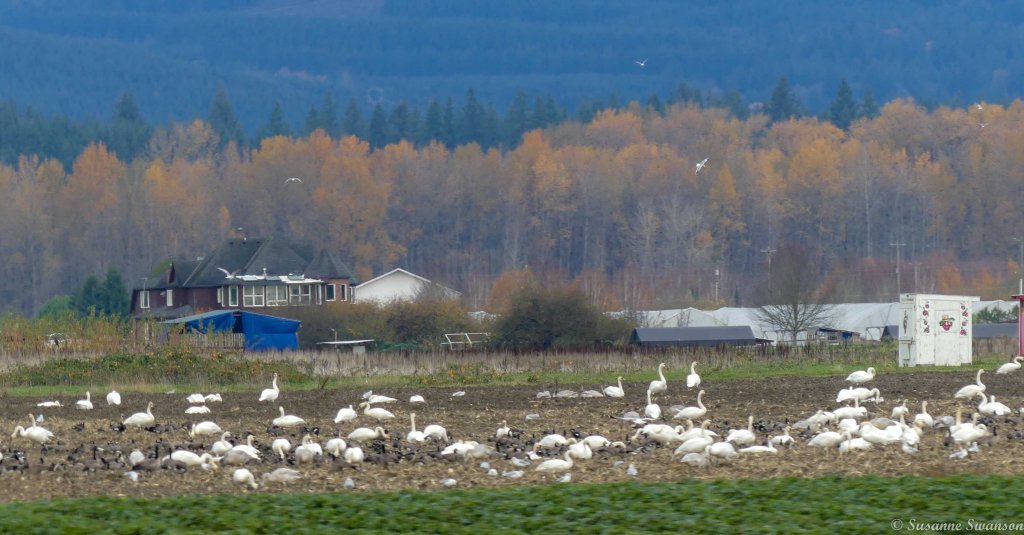
The Skagit Valley was hit hard with flooding last week, forcing evacuations. I don’t know if the birds were impacted or not, maybe it’s all the same to them. Restrictions have now been lifted as the Skagit River returns to more normal levels, but a flood watch remains. I hope to make it back up to see the snowbirds sometime this winter. We managed to find great congregations and good weather on our last visit, here:

~ Susanne
 Cats and Trails and Garden Tales