Cats and Trails and Garden Tales
Musings on cats, travel, gardens and life
Tiger on a Rainy Afternoon
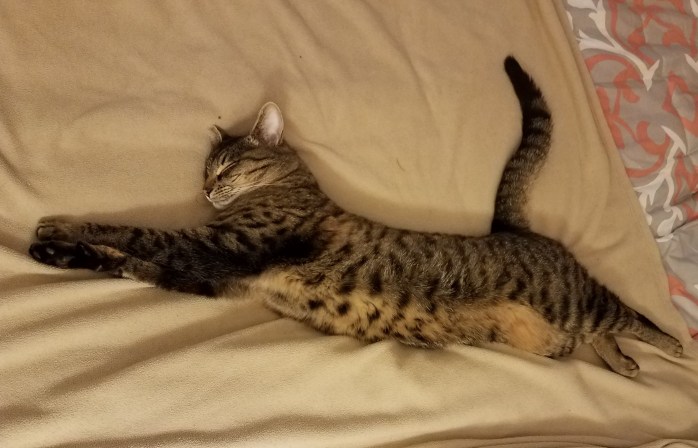
A little TV, followed by some light reading makes a cat plum tired out.

That’s Tiger on a rainy afternoon.
~ Susanne
Cape Disappointment
I’ve already posted about our trip to Long Beach on the southern coast of Washington. But I would be remiss if I left out our visit to Cape Disappointment on the southern tip of the Peninsula for it was here that the great explorers Lewis and Clark reached the Pacific Ocean in 1805.
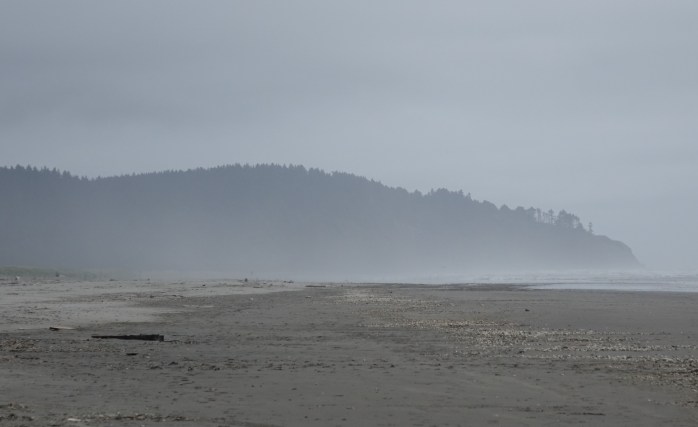
Commissioned by President Thomas Jefferson to explore the unknown western part of the continent and to find a water route to the Pacific, they left Camp River Dubois near St. Louis, in May of 1804. They would venture into uncharted wilderness never before seen by white men, documenting their route, encounters and trade with Indians, and their scientific discoveries of new plants and animals.
We visited Camp River Dubois once and saw a replica of the keelboat they took on their Expedition.

I don’t intend to document their entire journey here. (Thank goodness.) Suffice it to say they traveled over 4,000 miles across the North American continent with no communication or support from the outside world. It took them 18 months by keelboat, canoe, horse and on foot, to arrive at the westernmost point of their journey, Cape Disappointment in November of 1805.
“Ocian in view! O! the joy!” William Clark wrote in his journal as they neared the Pacific.

They hunkered down for weeks in stormy weather on the north side of the Columbia at Dismal Nitch (the name alone should tell you something) and Station Camp. After exploring Cape Disappointment they voted to cross the river and set up their winter camp at Fort Clatsop where game was thought to be more plentiful. After a long, rainy, winter they left Fort Clatsop to make the trek back to civilization, arriving in St. Louis in September of 1806. Now that was some road trip!
We drove the few miles south from Long Beach to visit Cape Disappointment where things looked much as they had in Lewis and Clark’s day
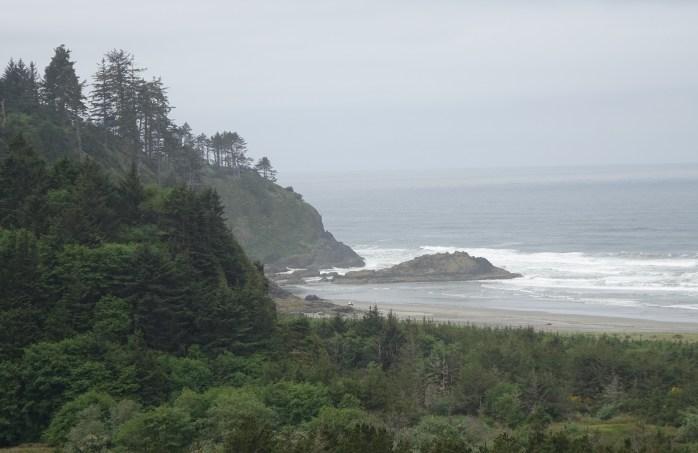
The forest at Cape Disappointment is one of the fastest growing in North America. Often shrouded in mist and fog, Sitka Spruce, hemlock, and pine thrive in the mild temperatures and plentiful rain.

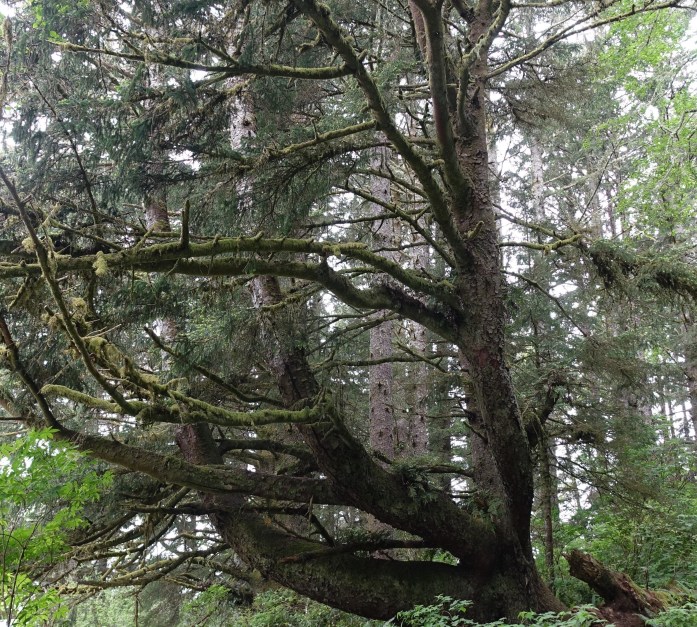
Two lighthouses guide mariners through the treacherous river bar near the entrance to the Columbia, known as the ‘graveyard of the Pacific.’ We stopped to walk the trail to the North Head Lighthouse, the newer of the two, built in 1898.
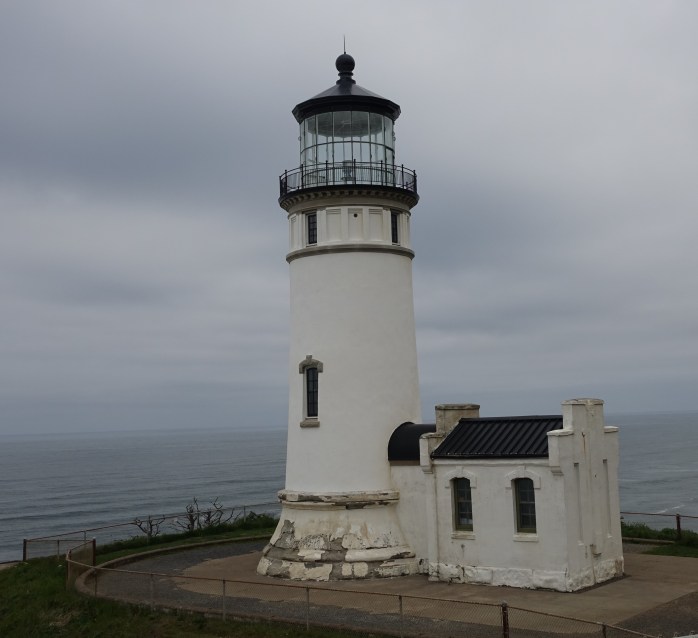
The Cape Disappointment Lighthouse was built in 1856 and is the oldest one operating in the Pacific Northwest. You can take a short trail to the lighthouse from the nearby Lewis and Clark Interpretive Center.

We visited the Interpretive Center which provides an overview of the Corps of Discovery led by these two men, Meriwether Lewis and William Clark.

I would love to follow in their footsteps someday, and trace their journey from St. Louis to the Pacific, if only by car. Until then I will close with a quote from Thomas Jefferson.
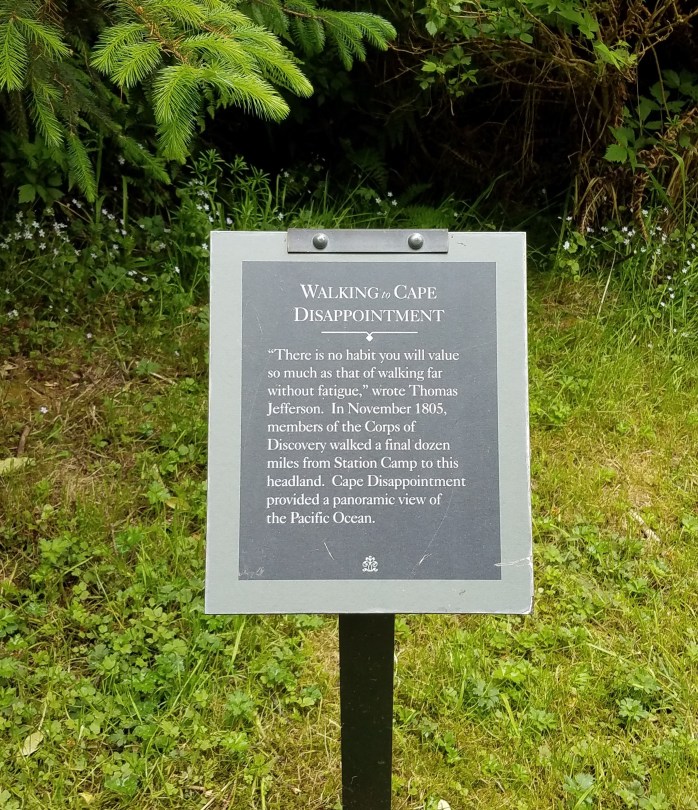
I hope you enjoyed this overview of Lewis and Clark at Cape Disappointment or at least were inspired to create some special journeys of your own!
Happy Travels!
~ Susanne
Still Soaring
This is Benji and even though I am a full-grown cat I will never be as big as Tiger.
But it doesn’t matter.
In my dreams I still soar.
Just like before: https://catsandtrailsandgardentales.com/2017/03/19/in-my-dreams-i-soar/
Only better.
~ Benji
Oysterville on Willapa Bay
Travel back in time for absolute peace and quiet to the historic town of Oysterville. Located on the north end of the Long Beach Peninsula, Oysterville faces east on Willapa Bay, where generations of Chinook Indians once camped and gathered oysters. The first white settlers arrived in 1841 and the town was established in 1854, making Oysterville one of Washington’s oldest. The bay was rich in tiny native oysters which were harvested and shipped to gold-rich San Francisco, where they ultimately sold for a dollar a piece. When the oysters ran out so did the town, leaving only quiet streets and quaint houses, along with a store, school and church.
On our recent trip to Long Beach, we drove the 20 minutes north to see the tiny village just before sunset.

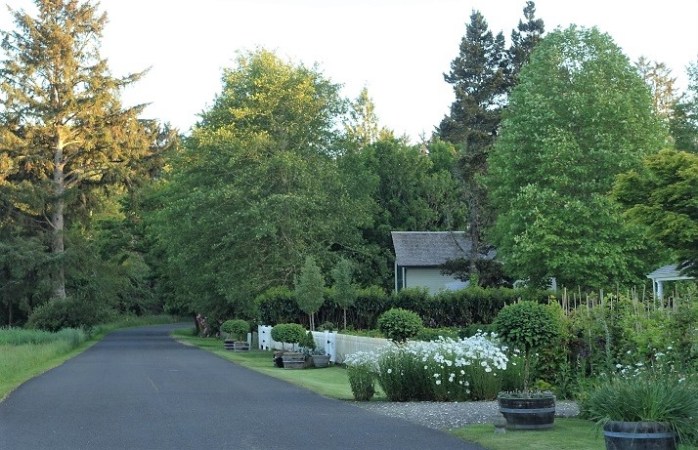
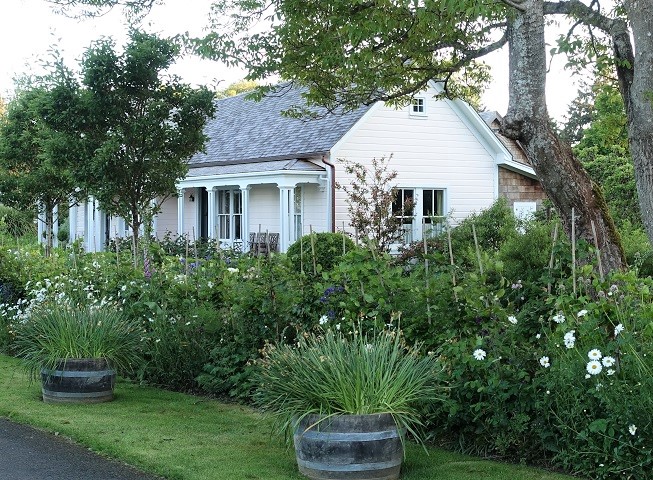
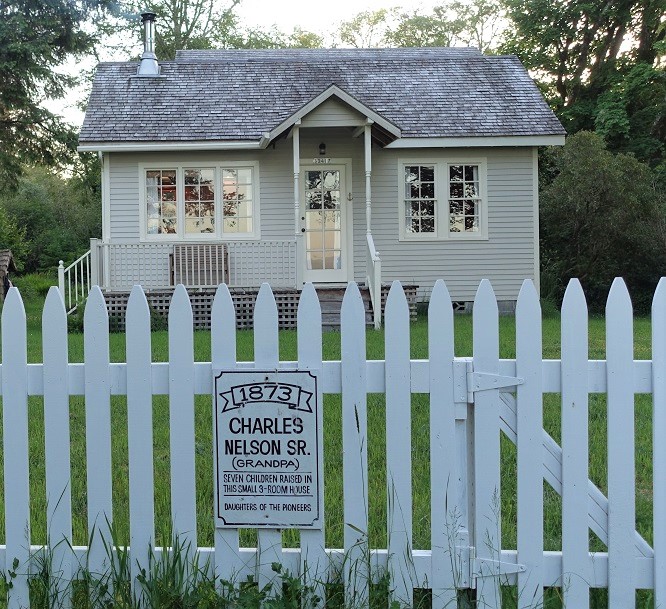


Oysterville was placed on the National Historic Register in 1976 but is still a community of privately owned homes. We walked the couple of blocks through town to Willapa Bay where the oysters had once grown so richly.

Willapa Bay is one of the most pristine estuaries in the United States and the second largest on the Pacific coast. It’s also home to the Willapa National Wildlife Refuge, established in 1937 to protect migrating birds and their habitat. We visited the Leadbetter Point Unit of the Refuge on the tip of the Peninsula the next day.

We found what seemed to be a vast emptiness of tide flats and grasses on the bay side. Actually, the mudflats teem with worms, clams and crustaceans creating prime foraging for shorebirds.
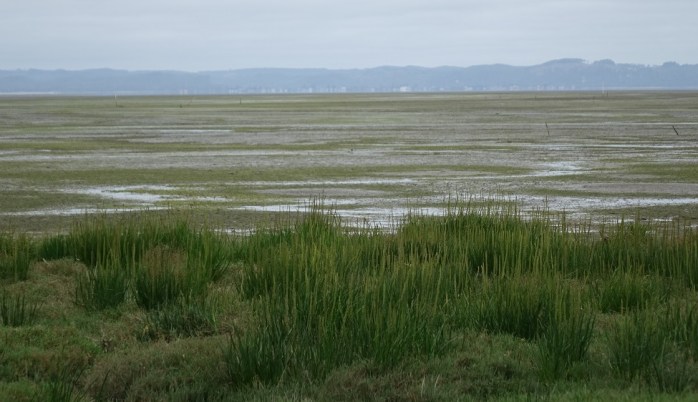

We missed the best birdwatching opportunities which occur during the fall and spring migrations. And sections of the Refuge on the Pacific Ocean side were closed to the public to protect nesting snowy plovers.
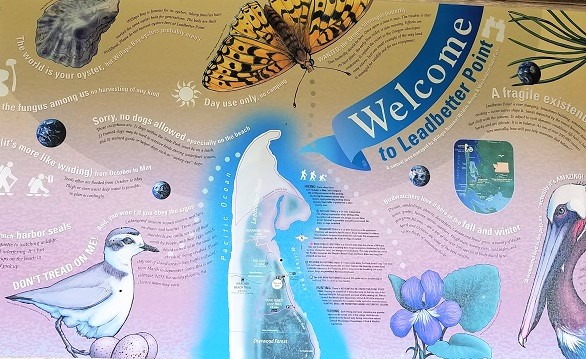
So much more to see at the Willapa Wildlife Refuge! Now that we’ve discovered it we’ll return again on our next trip to the Long Beach Peninsula.
~ Susanne
Inspiration in the Clouds
I went to the park today and found everything and everyone happy and festive in the warm sunshine. There was the heavy scent of ripe grass evoking childhood memories and a little truck with its driver dispensing ice cream bars. Children ran and jumped and climbed and twisted in the playground while uniformed boys played a tidier game of baseball in the diamond nearby. I was there to walk and made my way around the path encircling much of the park and soon I noticed the clouds above.
Thick and curdled. Together and alone. Pulled apart and strewn about. Each lap revealed new shapes and sizes, new angles and accents as the clouds stayed put or drifted in the sky, brilliant in white and full of inspiration to imagination.
A child’s project? Cotton balls glued to a poster of blue, the green tree stamped in after.
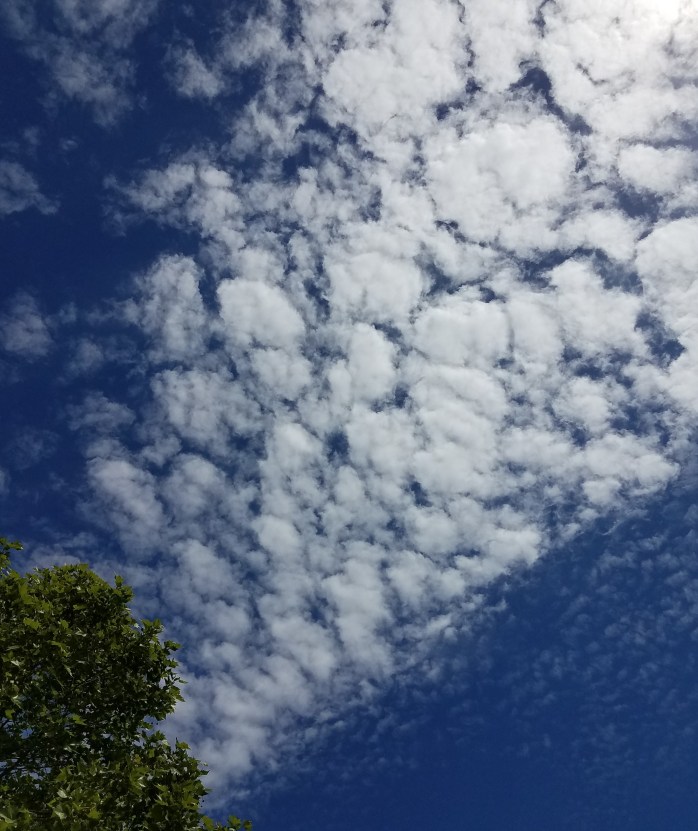
No, let’s move the trees above the clouds where they belong.
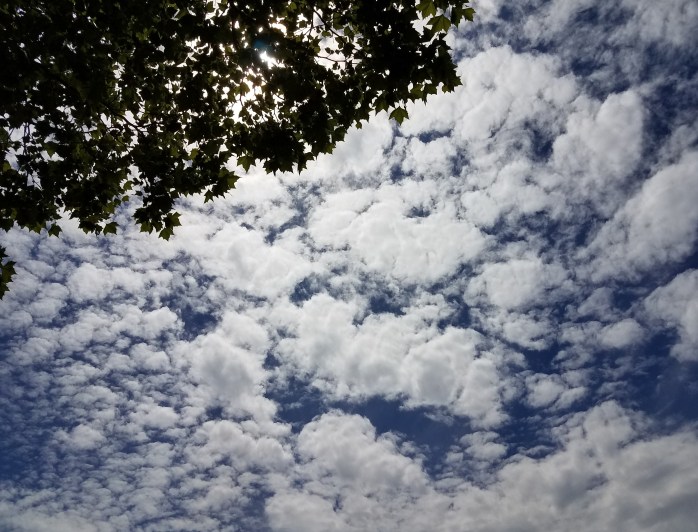
Or better yet, remove all the trees; the clouds and blue are enough.
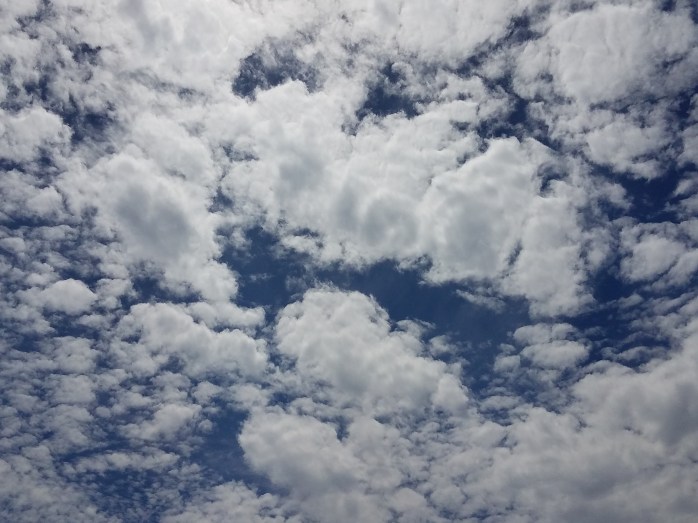
But something more. A moon perhaps – I think it was – a tiny green orb hiding in the gap. Look for it.
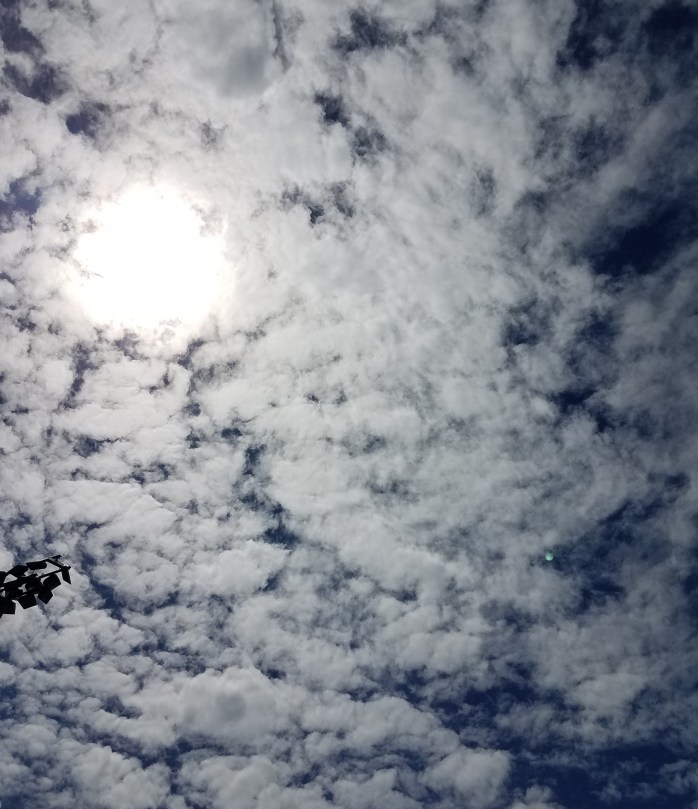
Inspired to imagination by the clouds.
~ Susanne
The Continuing Saga of Benji and the Chair
‘Benji, we need to talk.’
‘Sure Sue. I’m always available. Just give me a minute or two to sharpen up my claws.’
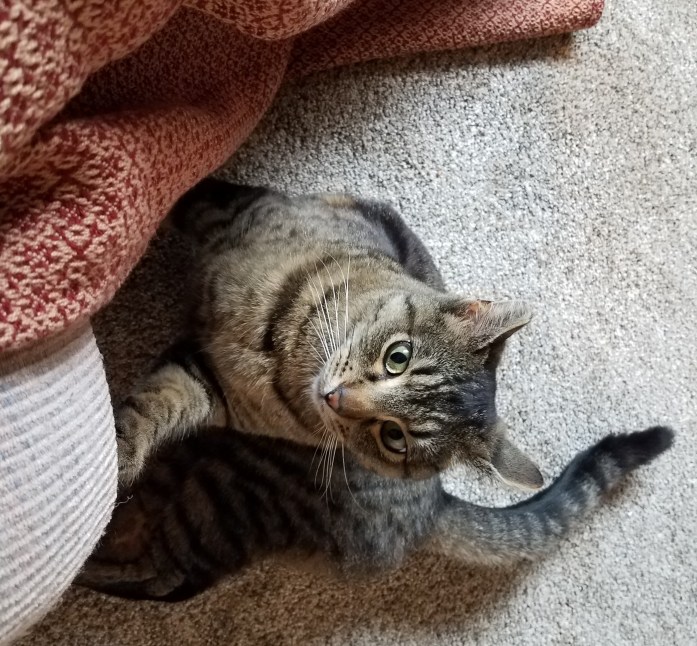
‘Actually Benji, that’s what I want to talk to you about. My chair is not a scratching post.’
‘Really Sue? How come all the other cats got to use it? I smell them you know – Shadow – Joey – Henry – Annie. Even Tiger uses it!’
‘Yes Benji I know about all the cats that came before you. They got in trouble too. And I’m working on Tiger. You both have outside privileges and can use the trees to keep your nails trimmed. Not to mention the scratching posts in the corner!’
‘Okay, Sue. I appreciate that. I’ll try not to use it for a scratching post anymore. But what about my teeth? I’ve got to keep them sharp and free of tartar. Trees would give me splinters.’

‘No Benji, of course not! How about using your teeth to catch a few of those varmints outside who are digging up my garden? That’ll keep them sharp.’
‘Gee Sue. You don’t have to get so touchy about it. Are we done talking now?’
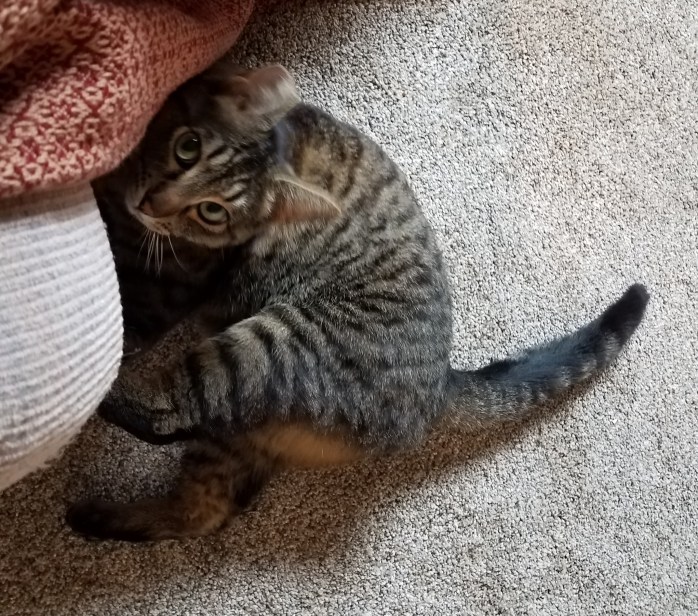
‘Yes Benji, we’re done.’
‘Thanks Sue. I’m ready for my nap. I’ll just use this scratching post.’
‘Do you see any irony in that Benji?’
‘Benji?’

‘O never mind.’
~ Susanne and Benji
Final Weekly Photo Challenge: All Time Favorites
Time to say goodbye to The Daily Post’s Weekly Photo Challenge with the final prompt, ‘All Time Favorites.’ So here you go.
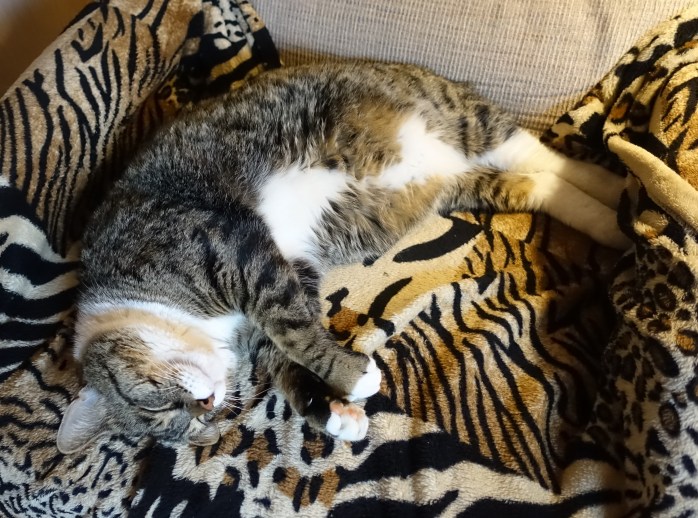
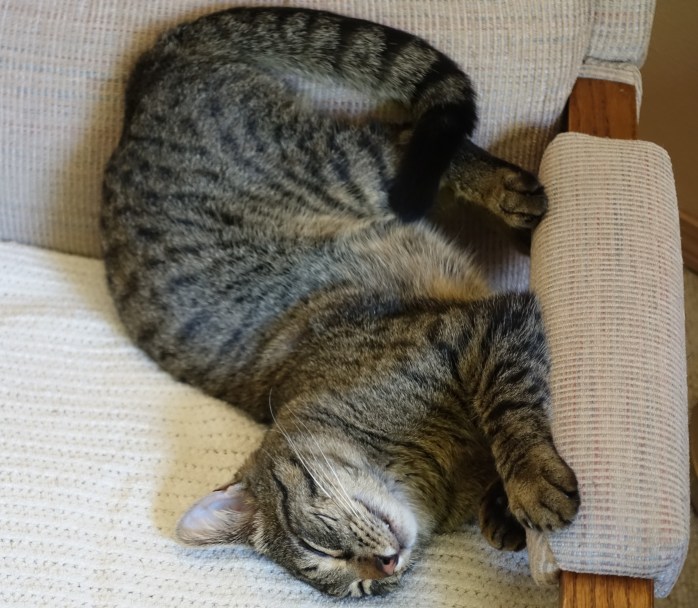
Happy Sleeping Cats
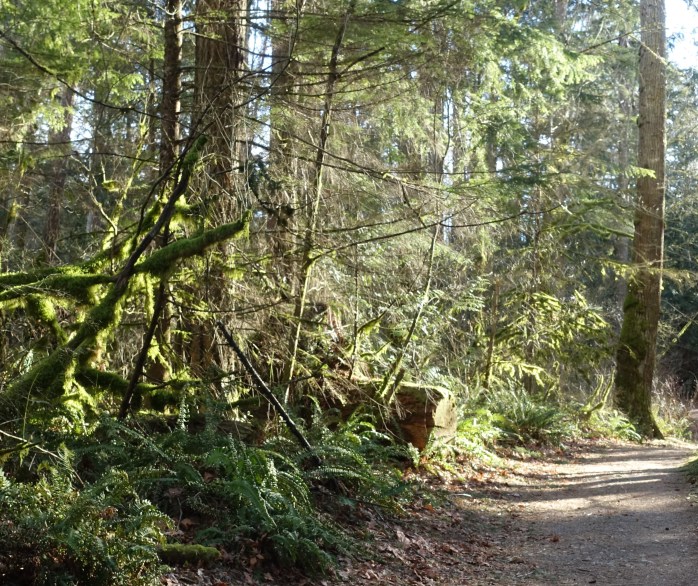
Trails of the Pacific Northwest
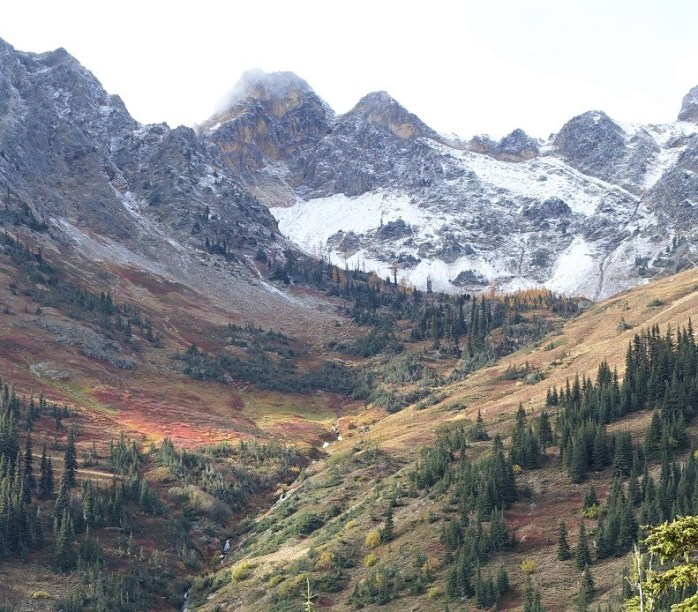
Soos Creek Botanical Garden


Thanks Daily Post for the inspiration!
~ Susanne
The Colors and Solitude of Long Beach
Long Beach bills itself as the longest beach in the world. Maybe that’s a stretch – no pun intended. Still at 28 miles, it ranks #3 on the list of longest US beaches and #8 in the world. And if you add in some other qualifiers it rises further to the top. Longest driving beach in the world? Yes, you can take your car out there but be careful or you’ll get stuck in the sand. Longest beach on a peninsula? Sure. The beach in Washington State runs the entire length of the Long Beach Peninsula, which is bounded on the west by the Pacific Ocean, on the east by Willapa Bay and on the south by the Columbia River.

There’s much to do in the area. A few small towns line the narrow Peninsula as you drive north to Willapa National Wildlife Refuge. At the bottom lies Cape Disappointment where Lewis and Clark first saw the Pacific Ocean in 1805, after a long walk across the country. There are historic lighthouses and an interpretive center but more about those in another post. In this one I will focus on the star attraction of our visit, the beach itself, in all its different color palettes.
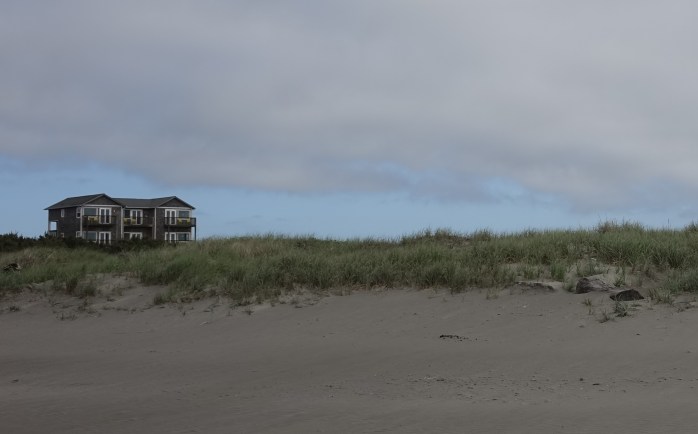
We woke up in the morning to see the ocean and sky blended into lovely blue pastels.

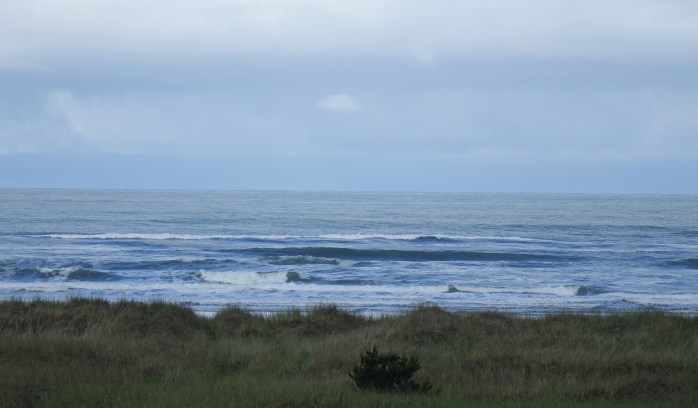
Patchy afternoon clouds added interest as we walked the boardwalk through the dunes.

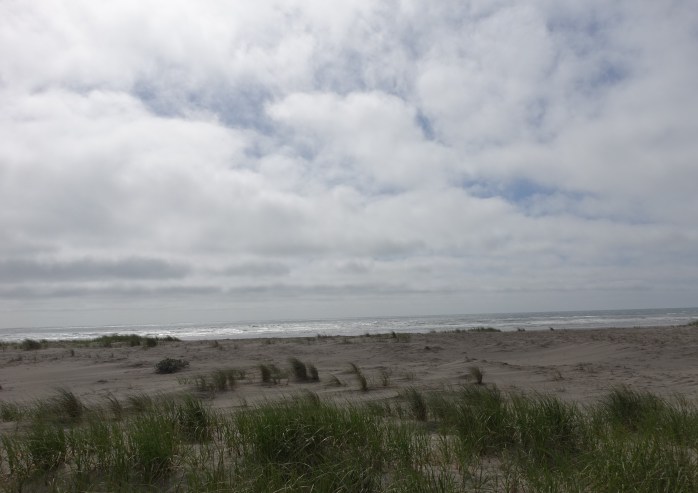
All appeared silver and gray when the clouds took over, and horses and riders stood out in contrast.

And later when the clouds burned away we were treated to the golden glow of sunset over the Pacific.

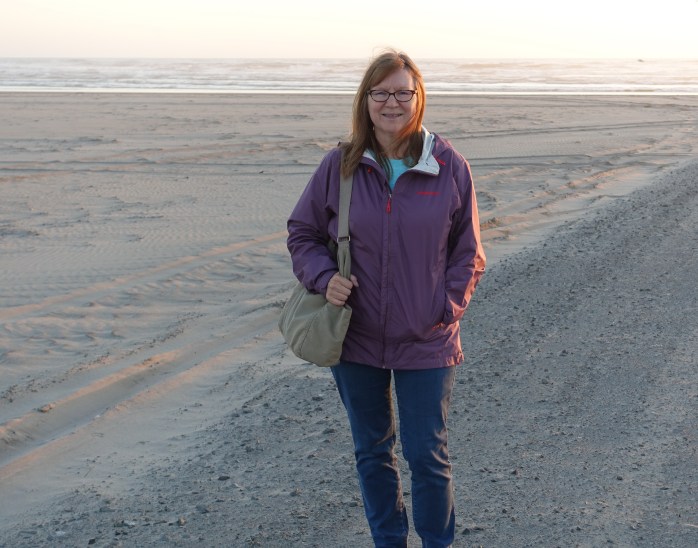

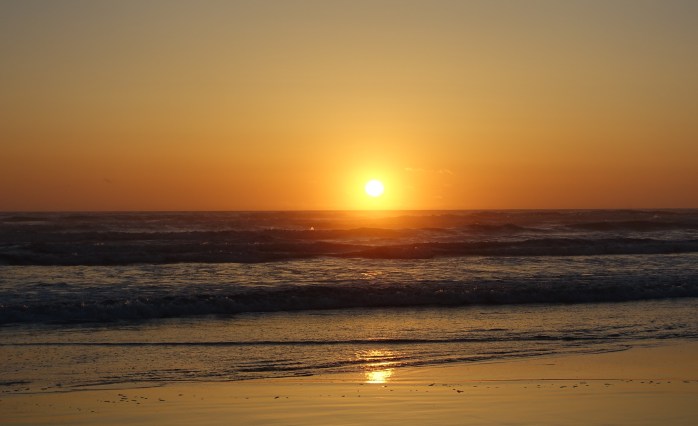
Yes, the weather here can sometimes be fickle and strong currents and riptides make the beach unsuitable for swimming. But this is a place of quiet and solitude, a beach to enjoy for its sheer magnificence. Where you can walk for miles in the sand or stroll the wooden boardwalk; ride a horse on the beach or a bike on the Discovery Trail. A wonderful place to retreat; I can’t wait to return.
~ Susanne
Weekly Photo Challenge: Twisted Tendrils
I just returned from a few days in Long Beach on the Washington Coast (look for posts to come on that) and while I was there visited nearby Cape Disappointment. As I walked through dense coastal forest I noticed flourishing native shrubs tightly packed together alongside the paths. In particular I noticed a wild vine wrapping itself with its tendrils around anything growing nearby.


I found the tendrils to be quite charming and appropriate for this week’s photo challenge: Twisted.
By the way, in case you hadn’t heard, there will be no more Weekly Photo Challenges on the Daily Post site after the end of May. Too bad. I found the Photo Prompts to be fun and helpful and I will miss them.
~ Susanne
Happy Garden Cats
The boys are happy in green.
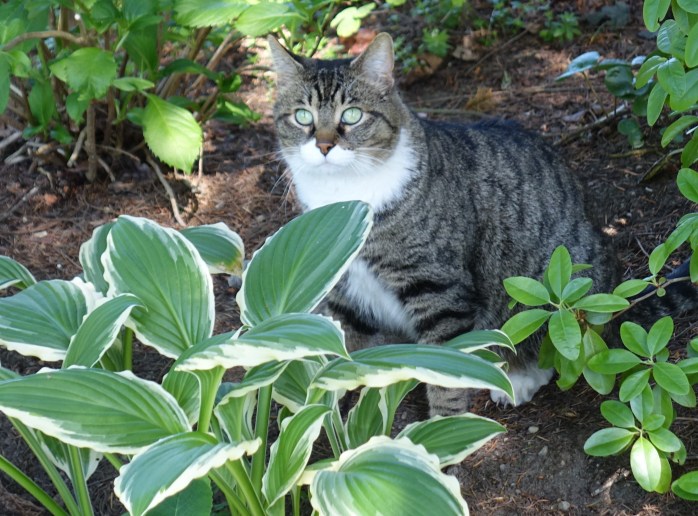

And with each other.

They’re happy garden cats.
~ Susanne, Tiger and Benji
 Cats and Trails and Garden Tales