Cats and Trails and Garden Tales
Musings on cats, travel, gardens and life
Now that it’s Summer ….
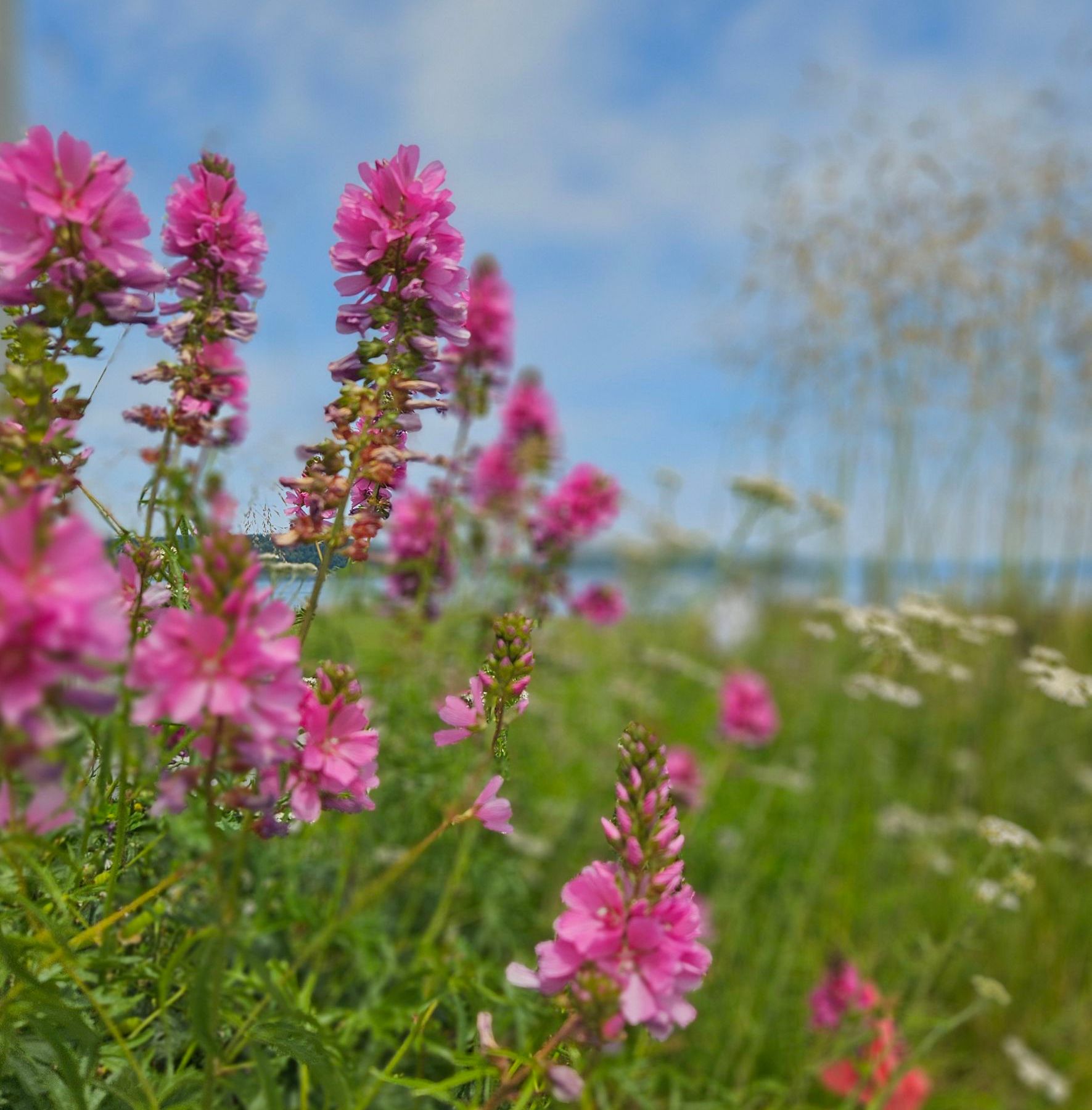
The rain has returned to the Great Northwest, in keeping with the tradition that summer only starts in Seattle after the 4th of July.
Earlier this week it was sunny and blue for our walk on Ruston Way in Tacoma.
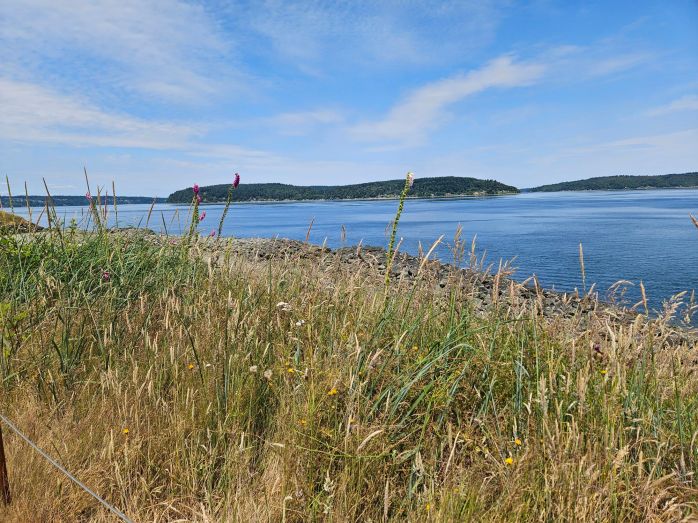
But by yesterday afternoon, dark clouds gathered, then dropped their load. Today is more of the same – cold and rainy.
Benji is dismayed, and doesn’t understand why I changed the weather.

I try to explain that it was inevitable since the calendar says it’s summer and this is after all, Seattle.
I went outside to see for myself – yep, it’s raining – time to capture some raindrops.
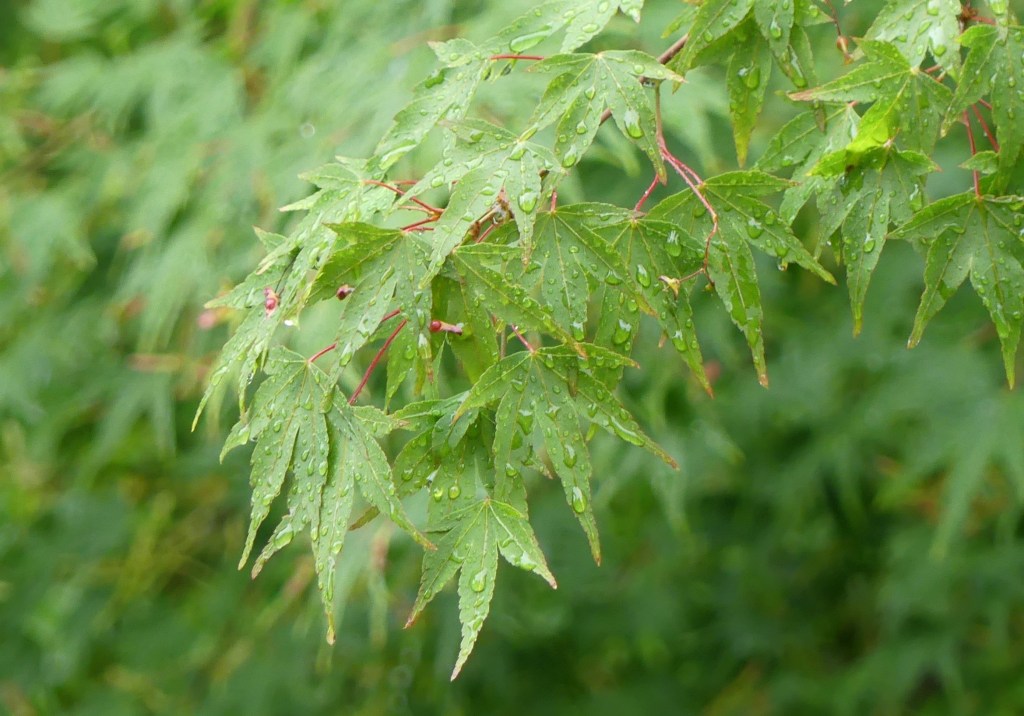


Tiger followed me to capture some raindrops for himself, much preferable to the water bowl inside.

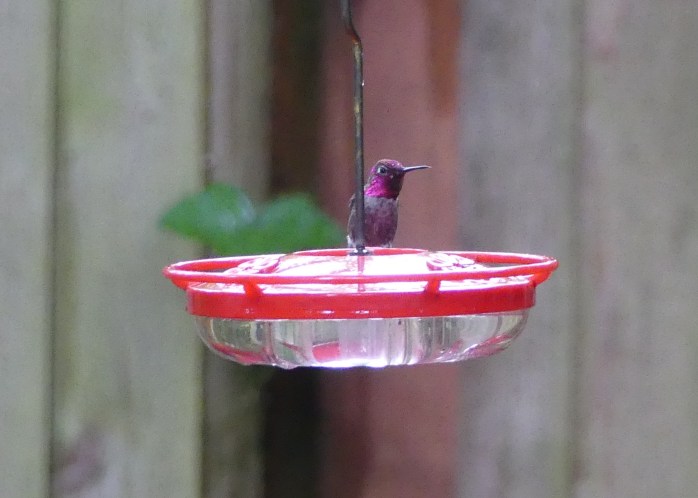
I replenished the feeders and this sweet boy stopped by the drink, undaunted, by the rain. He understands, he’s a local, too!
Happy Saturday – Happy Caturday!
~ Susanne
Just a Walk in the Park with an old Canon
I love getting rid of ‘stuff,’ perhaps obsessively, so for the past few months, I’ve been on a decluttering mission. Unwanted items are disposed of, saved for garage sale, or taken to the Goodwill.
Today, while going through some drawers, I came across my old Canon PowerShot A520, one of my first digital cameras. At least 20 years old, it somehow escaped previous purges.
I fiddled around with it and found the batteries still worked (amazing) and there were useable 2GB SD cards in the case.
Before I made a decision on its future, I took it for a walk at Coulon Park; I needed the exercise anyway.
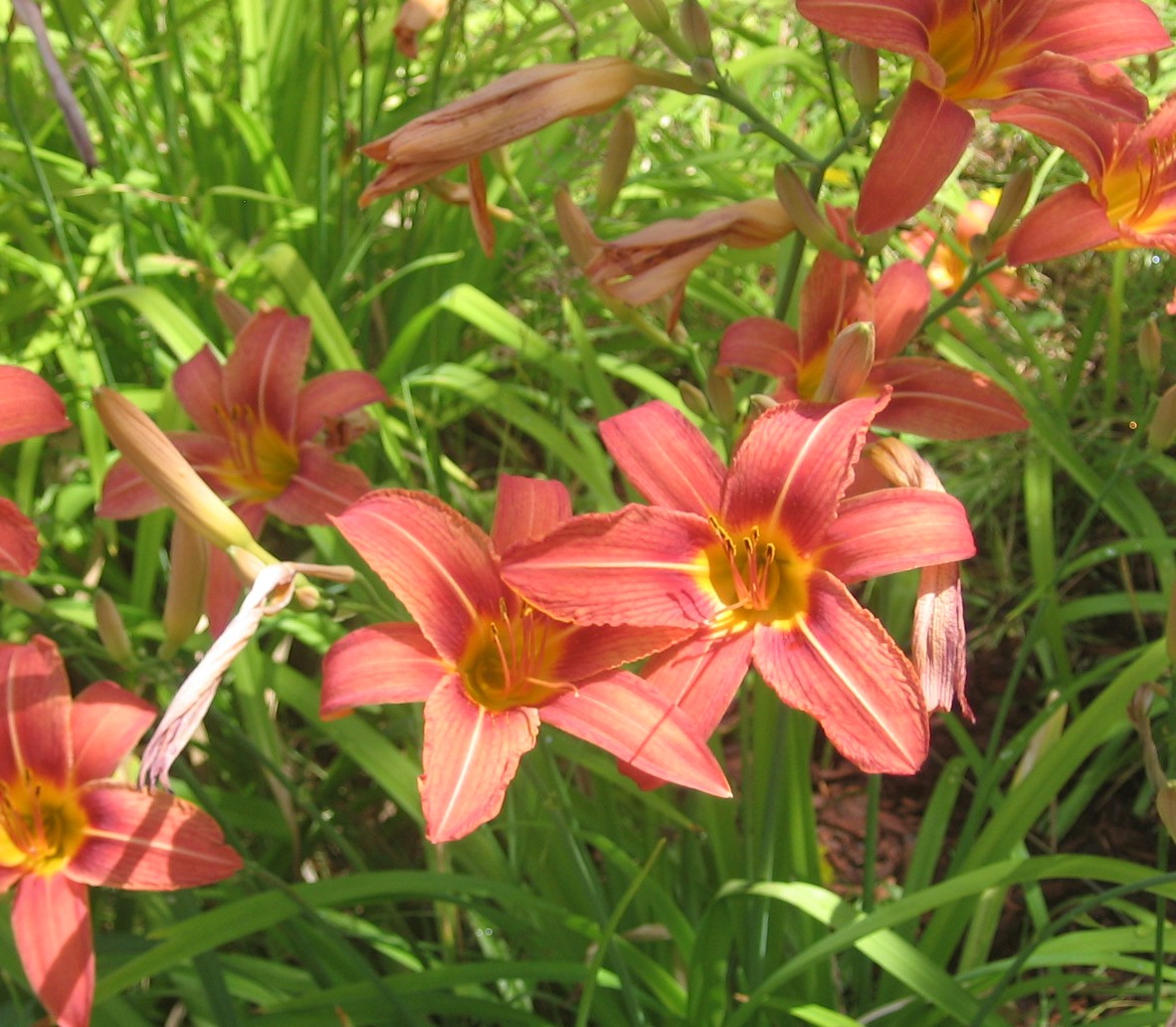
It did a decent job on the daylilies;
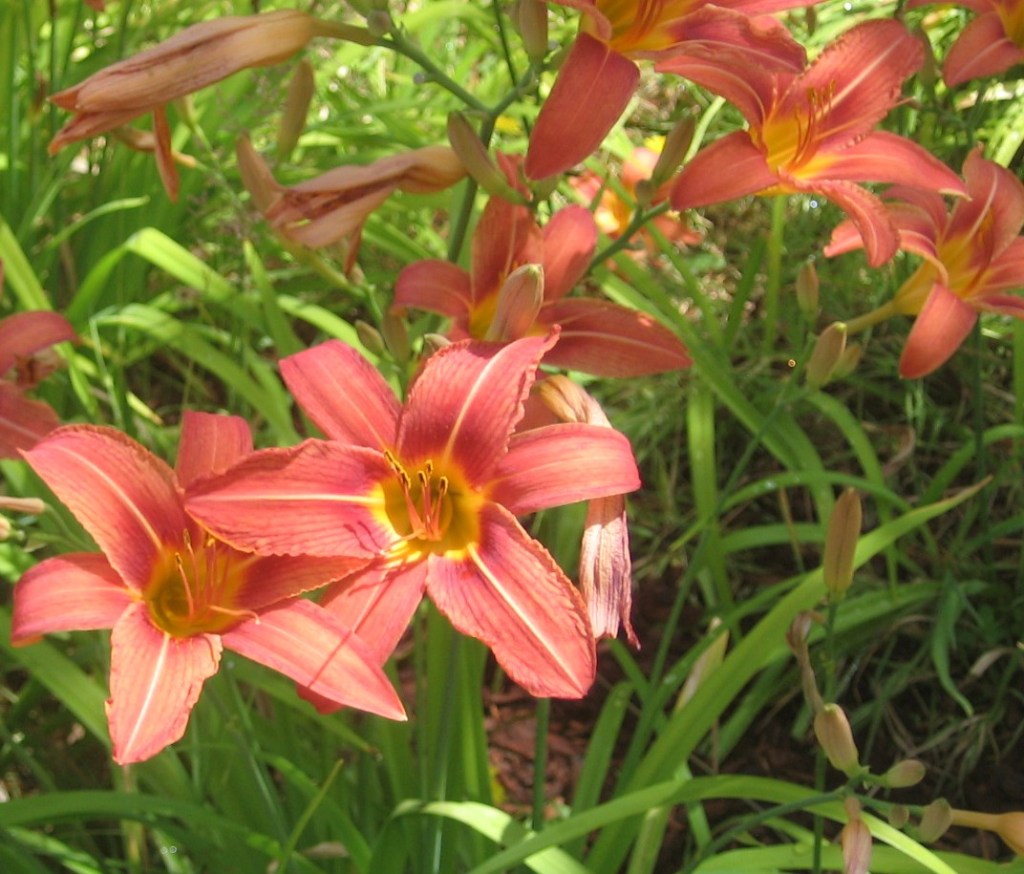

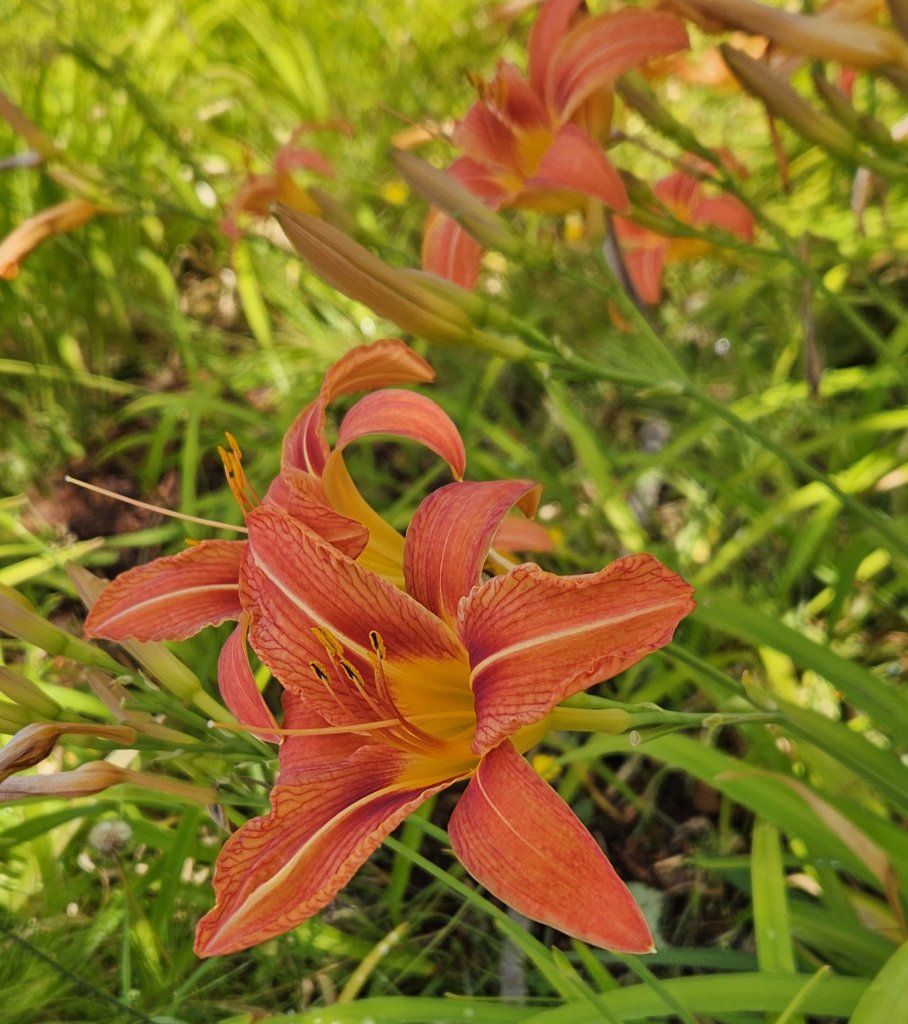
and the colors seemed more authentic than my phone’s vivid capture, below.
It did okay with the hydrangeas,
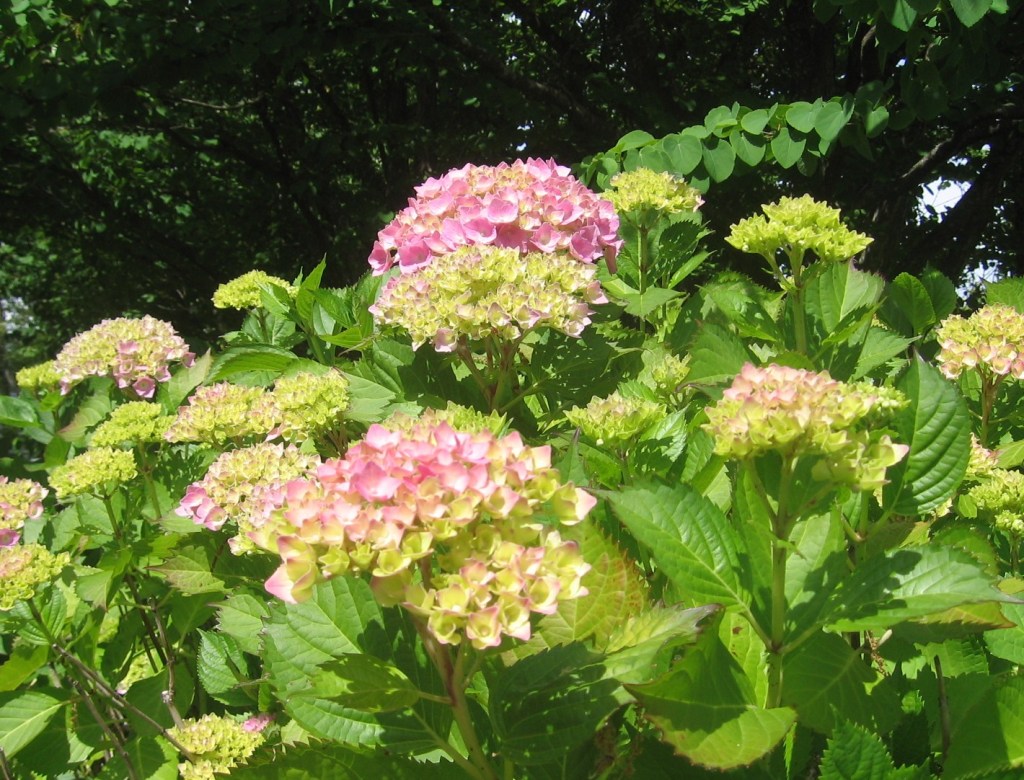
especially closeup.
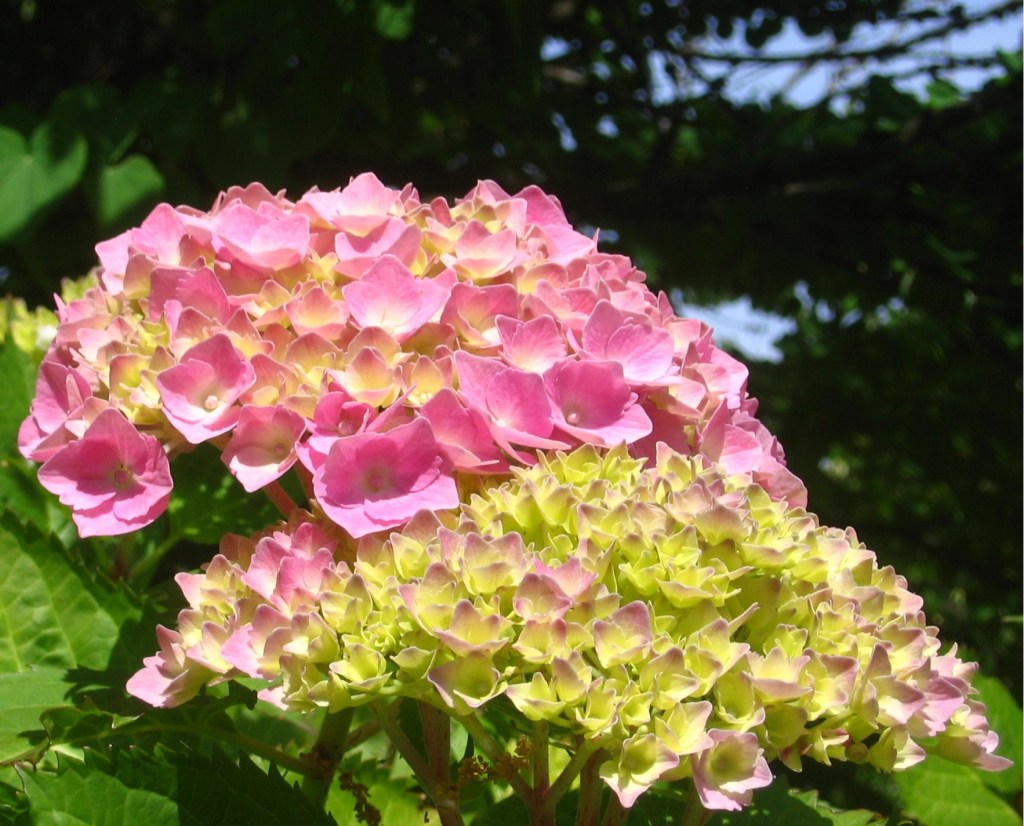
Better than the capture with my phone (below), which seems washed out. Granted my pictures were taken under bright, midday sunshine, so it could be the fault of the photographer.
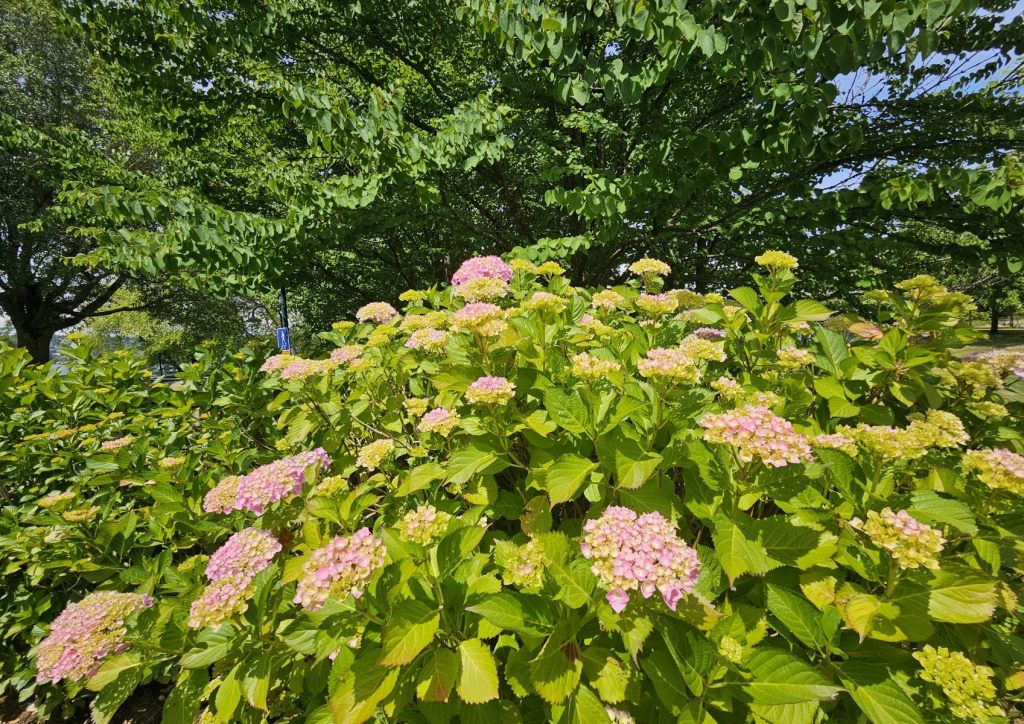
Mostly I was surprised the camera still worked.
Built to last!
Despite its longevity, it wouldn’t meet my needs today and will likely end up in the garage sale – the one we keep postponing but hope to do this summer – or given to the Goodwill.
But it reminds me that I like having a small pocket size camera for everyday use, so I’ll be on the lookout for an up-to-date replacement for this little Canon PowerShot.
~ Susanne
Is this Washington’s Best Hike?
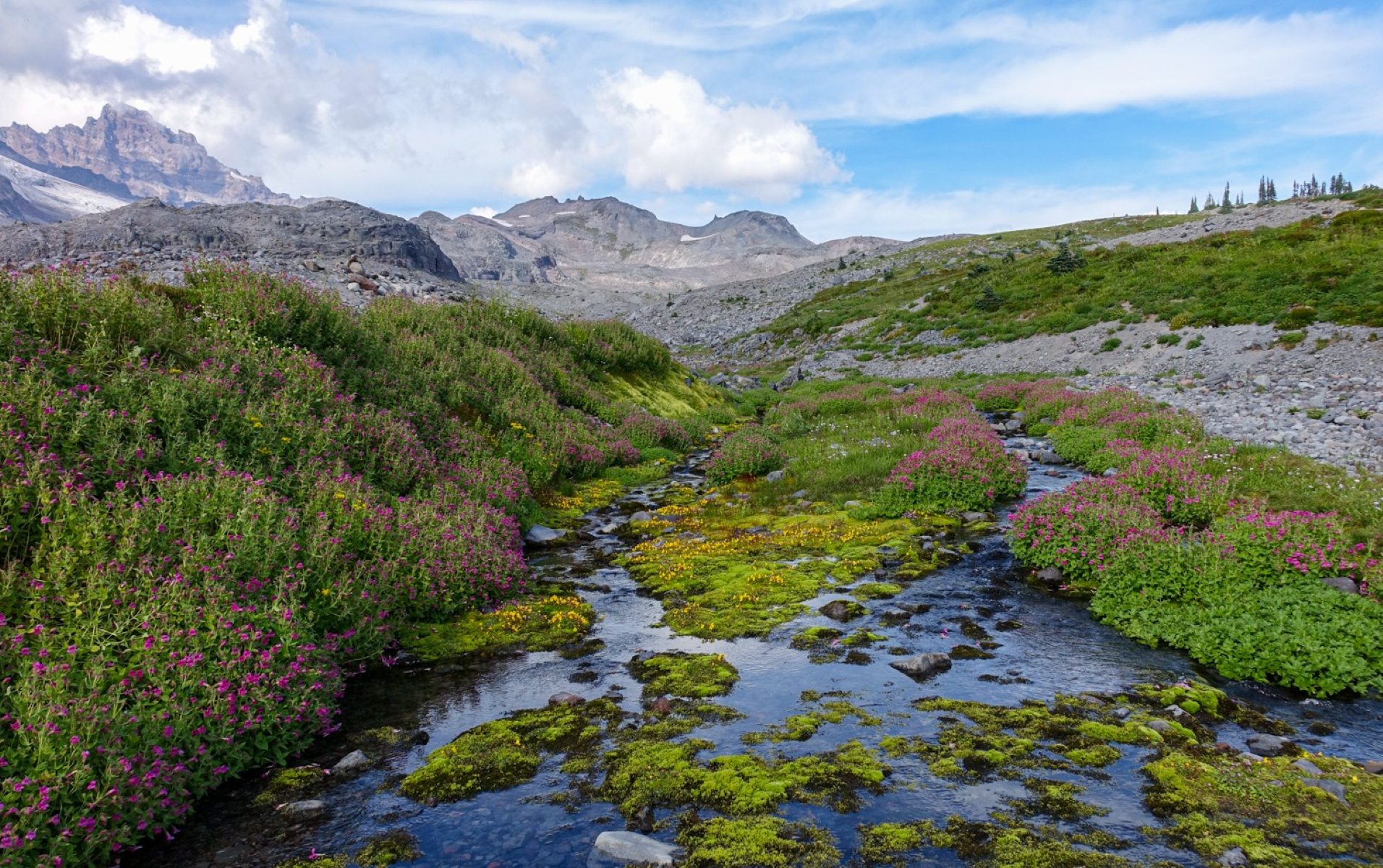
You decide.
Start at the Paradise Visitor Center and take the trail to Myrtle Falls.
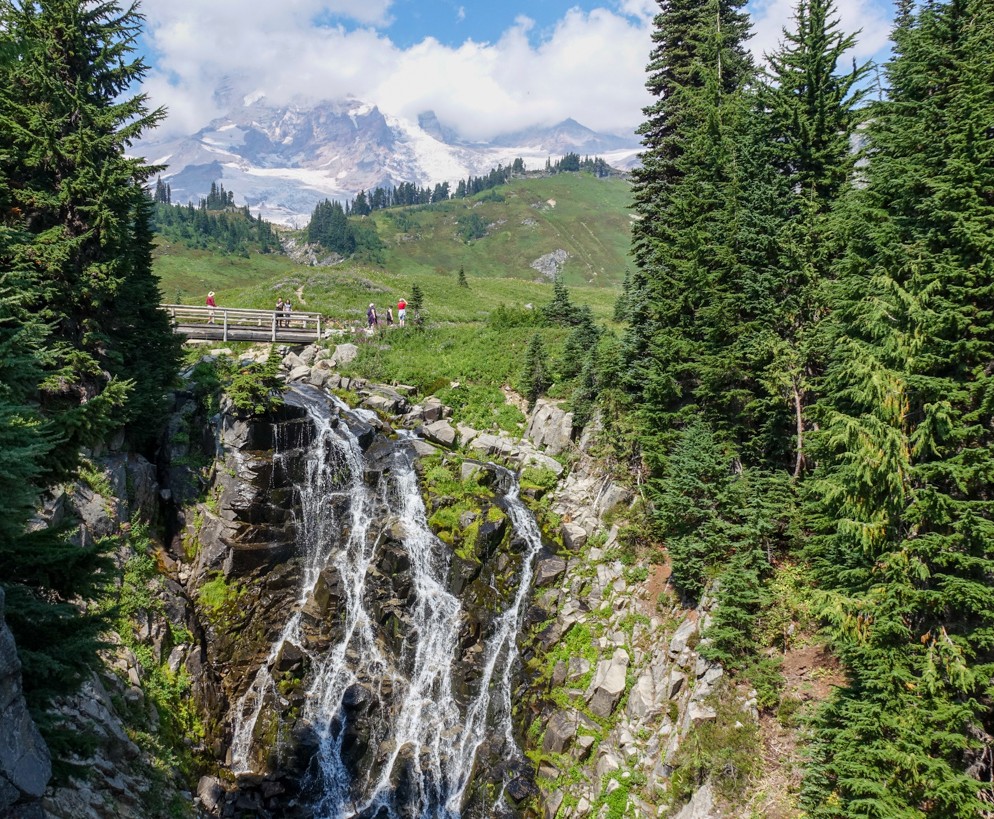

Then leave the crowds behind and keep on going, up, up, up!
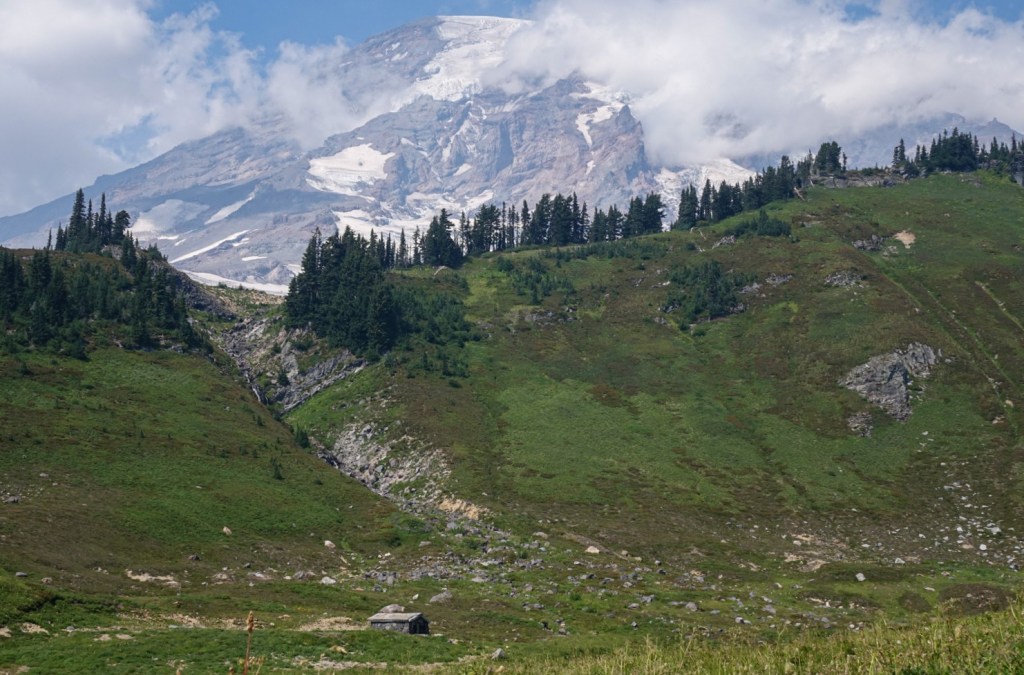

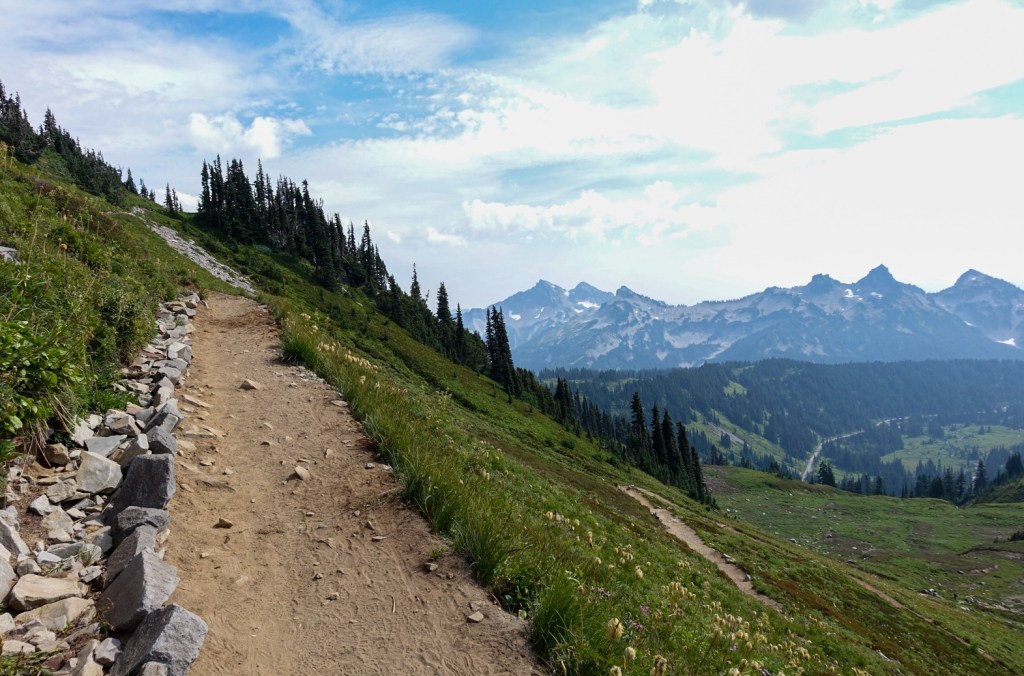
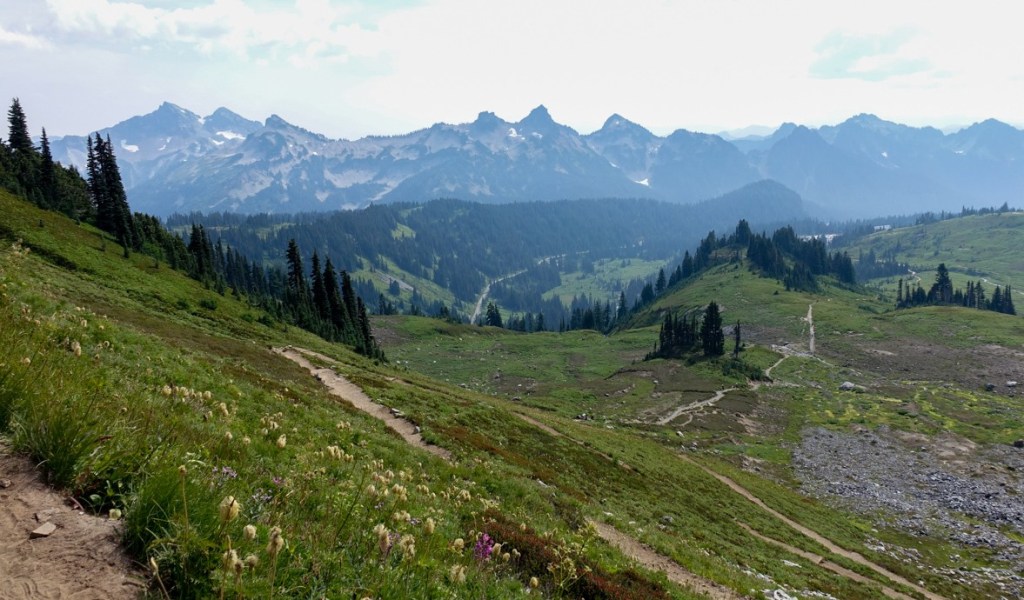
Past the 6,400 elevation mark you’ll enter the land of polished rock and wide-open skies; if you’re lucky, you’ll have the place all to yourself like we did!
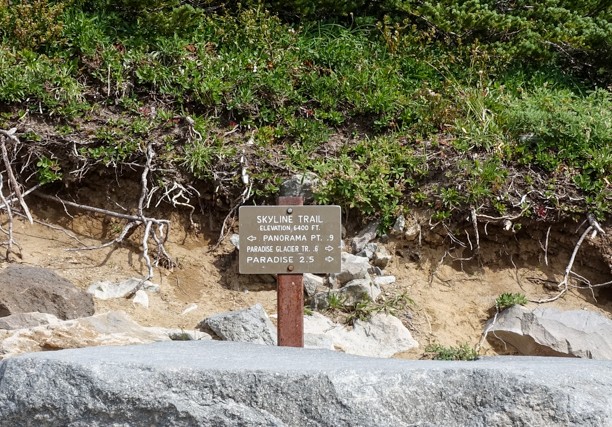
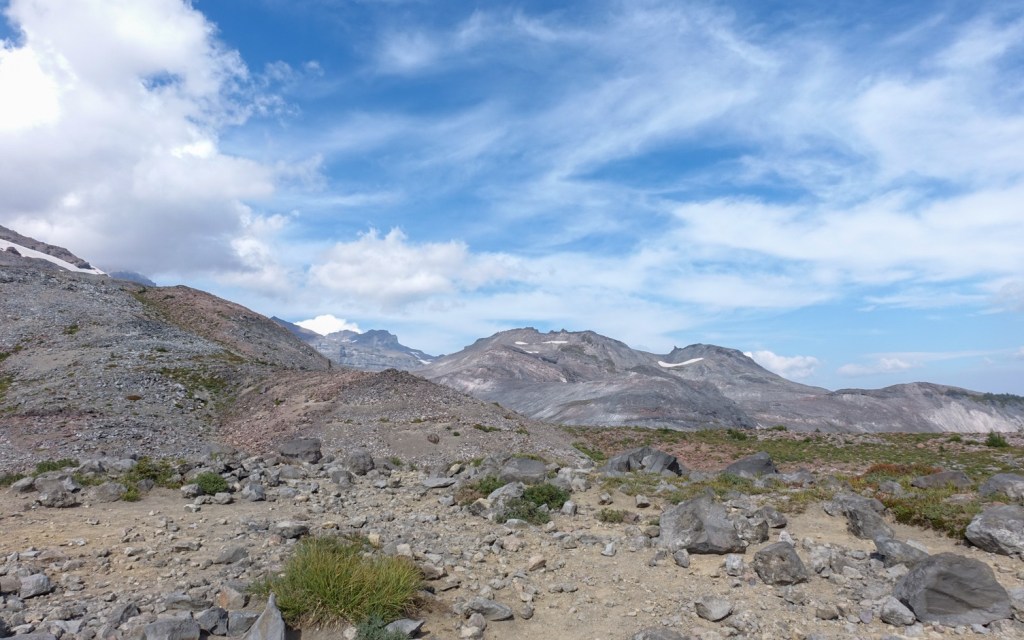

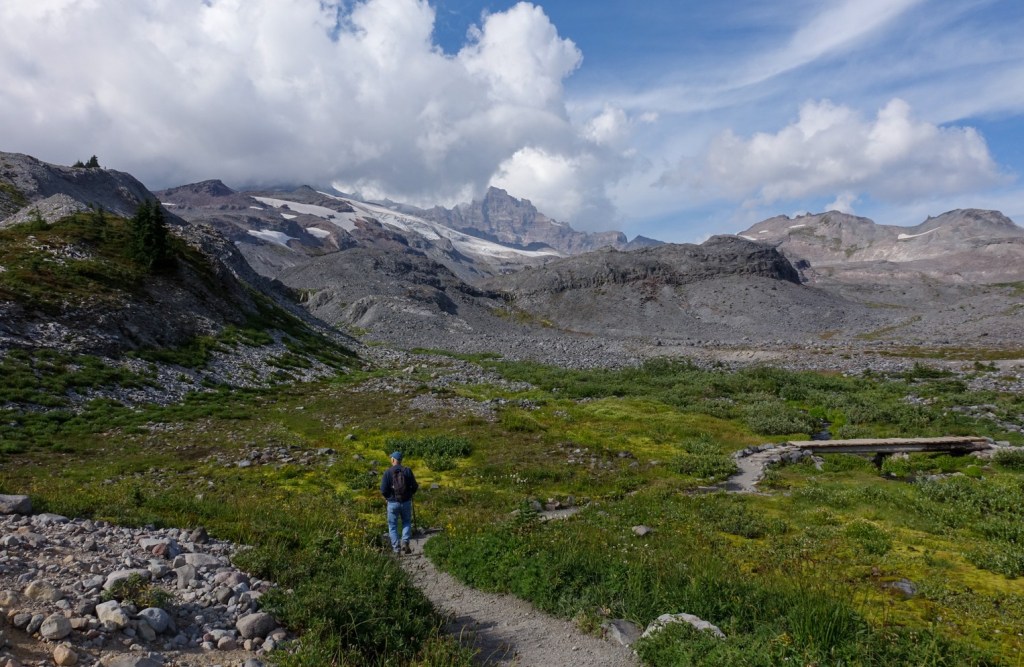
With plenty of streams, brooks, and wildflowers.


What more could you want in a hike?
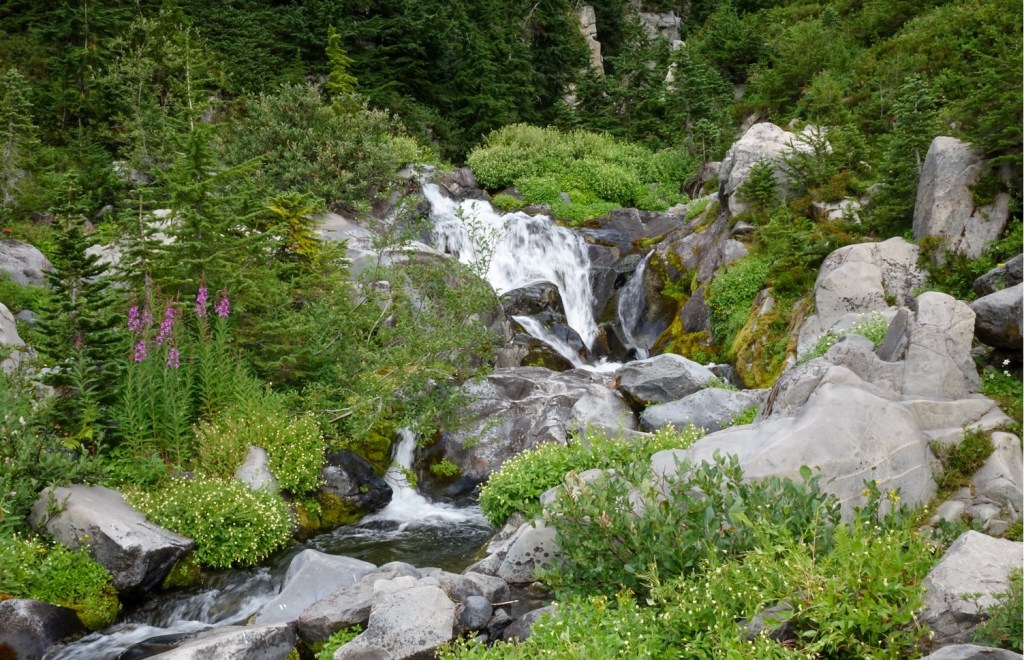
Okay then, how about a friendly marmot?

I rest my case.
The Golden Gate to Skyline Trail on the flanks of Mt. Rainier – it’s got everything!
Sharing with Sunday Stills, Trails and Paths.
~ Susanne
They Call it Pleasant Harbor
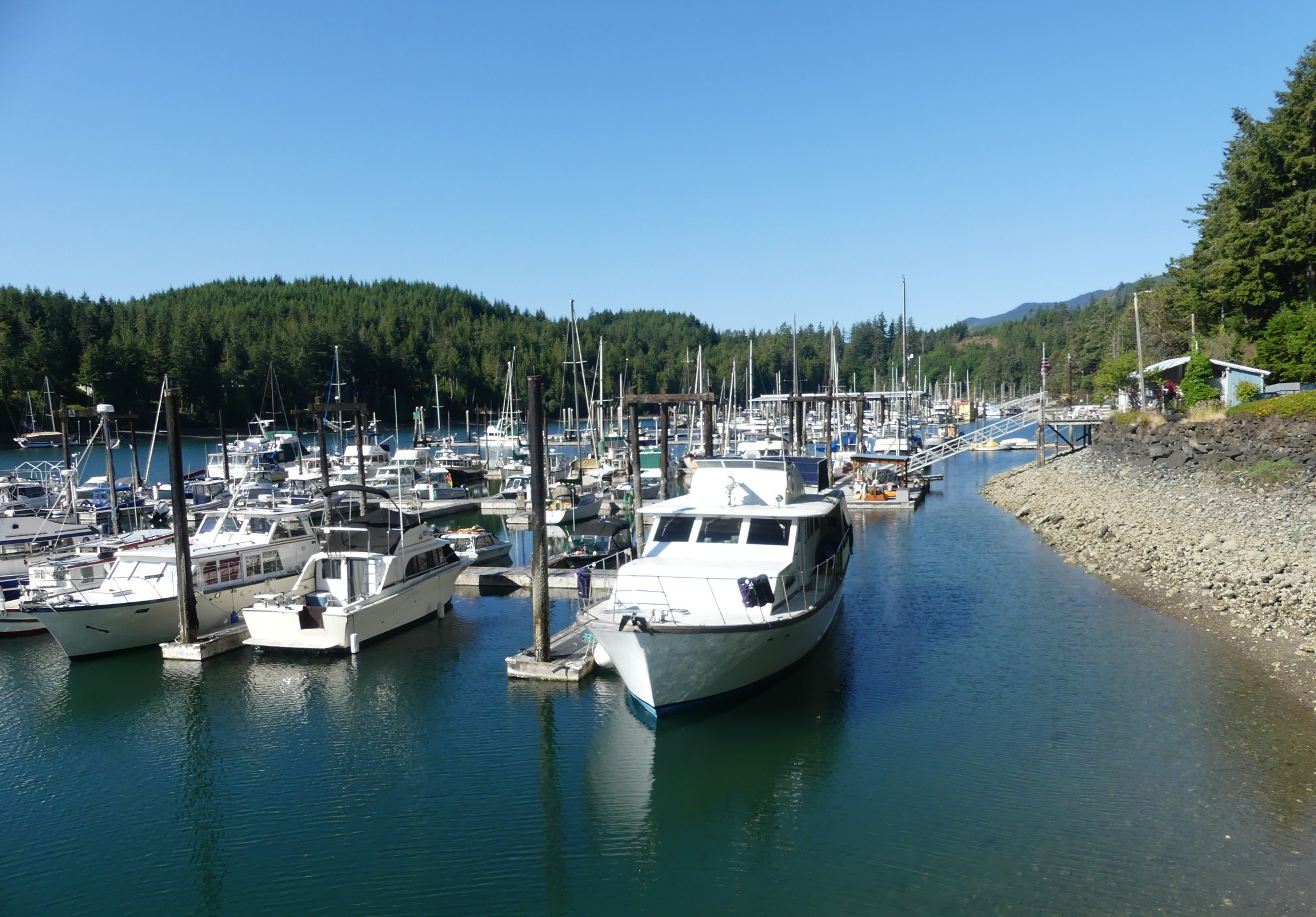
Pleasant Harbor, on Hood Canal – I feel like I grew up there, though in fact, we only visited my grandparents, who owned a restaurant and shop above the harbor.

During the summers, we’d take the road or trail through the woods down to the dock to fish or swim or just hang out happily like kids do.
Because I’m nostalgic, I’ve gone back to Pleasant Harbor a few times, including last summer, on a camping trip. Surprisingly little has changed.
You can still drive the short road down to the State Dock.
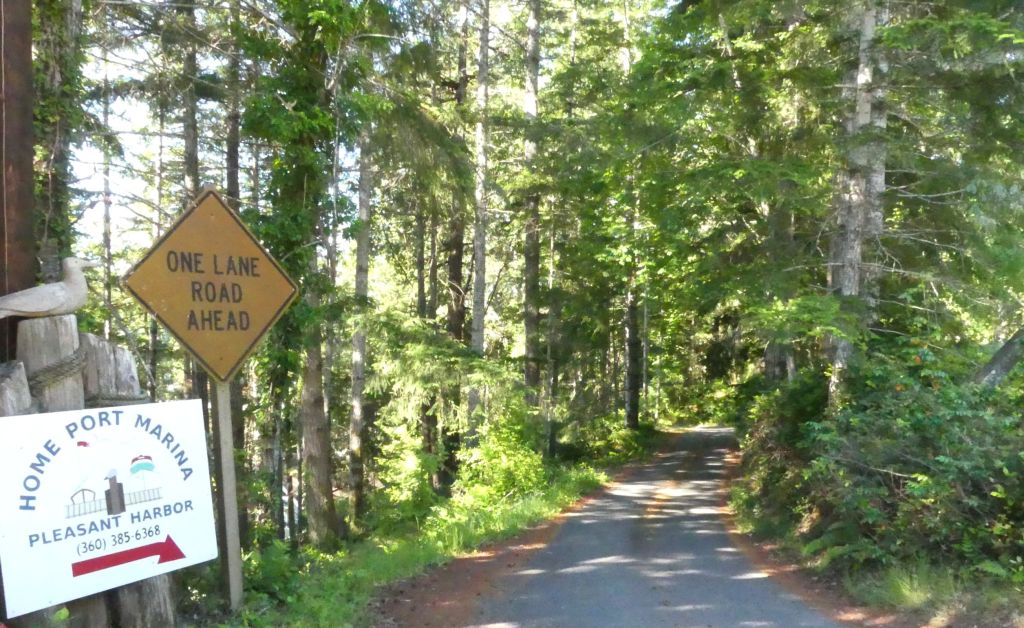
I don’t remember it being a State Park back in the day, but maybe it was. We always called it the State Dock, while we called the private neighboring dock, the marina.


The marina has expanded, and there is access to that area further down the road.
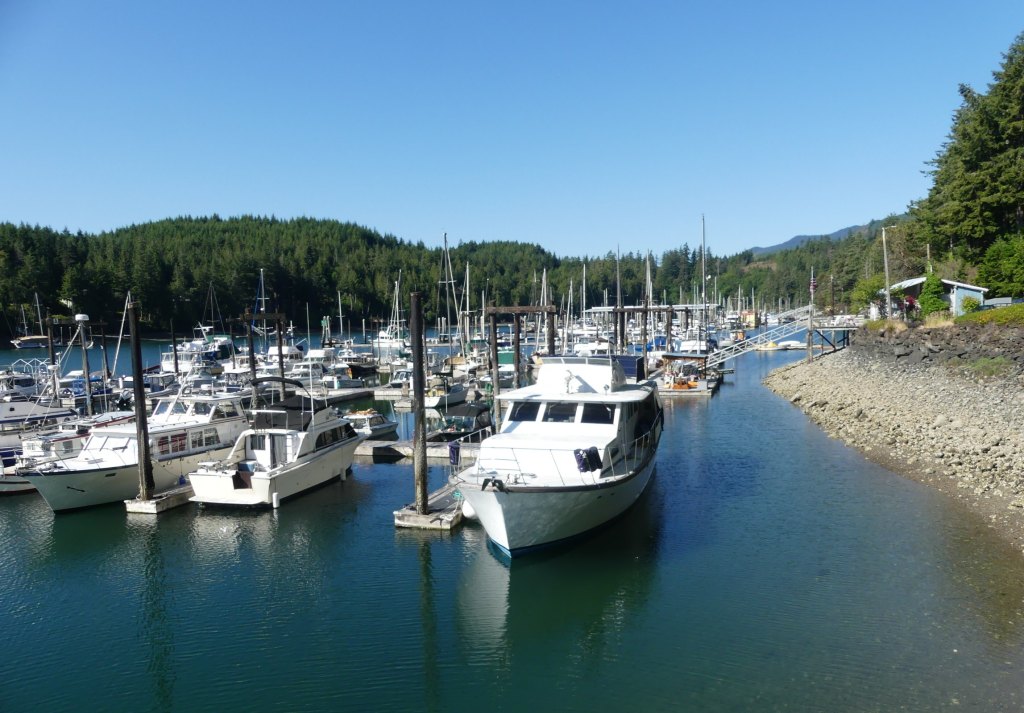
But on the state park side, all is quiet, and the views are still wonderful,
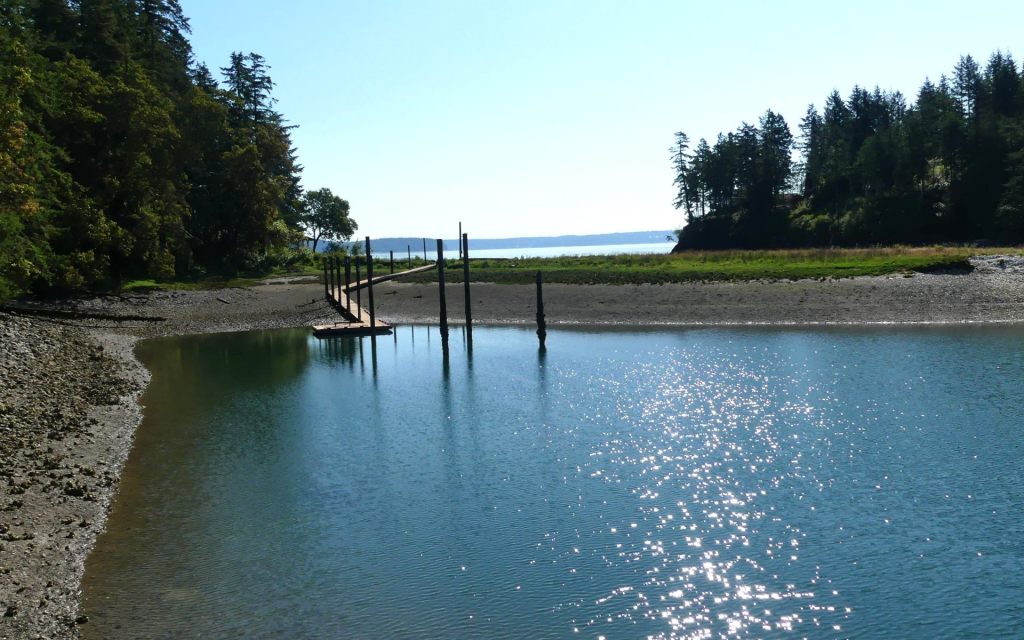
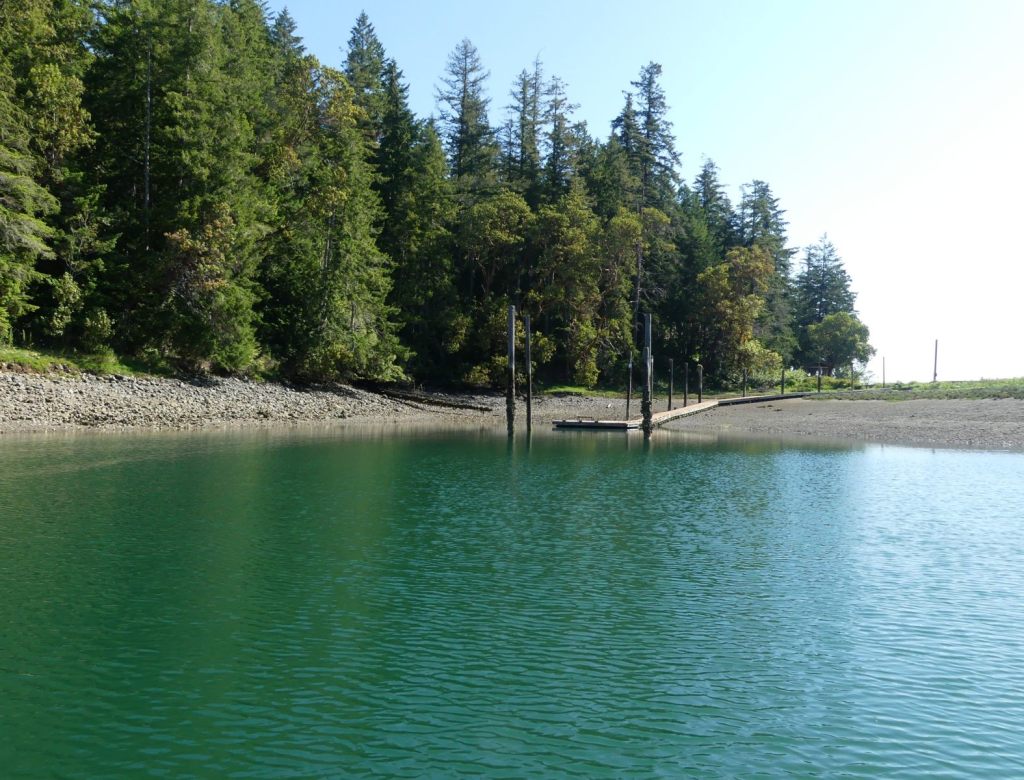
As with all childhood memories, the dock and the beach seem much smaller than I remember.

As you can see it’s not a sandy beach for playing on (though we did); tennis shoes are definitely required! And be careful that you don’t fall and cut yourself on those razor-sharp oysters (we did that too!)

And look at all the creatures attached to the pilings! They were fish magnets!
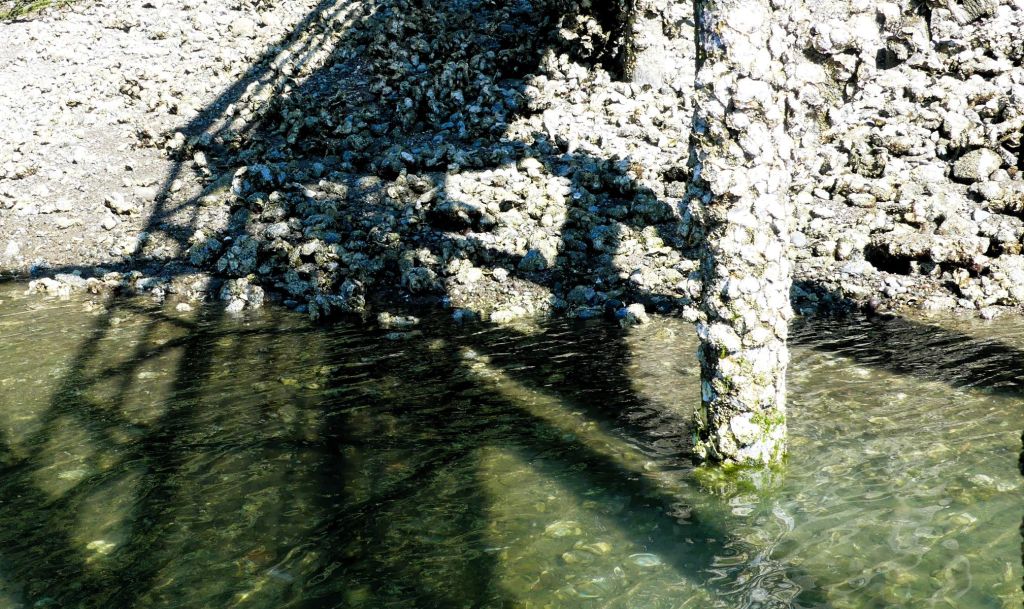
We’d drop our line from the dock and watch the fish take the hook before we pulled them up. Our bait was often the tiny fish we’d already caught called ‘shiners.’ We also used mussels, and I can still remember the pungent smell when we cracked them open and attached the slimy insides to the hook, which is why I could never eat them today!

I suspect all of us kids have particular memories from those times long ago, of staying with grandma and grandpa during the summer, helping on the shrimp boat, or being sent down to sell papers to the paying customers on the marina. My favorite memory was when I was featured along with grandpa, in the local paper eating a fresh caught shrimp: A Shrimp Story
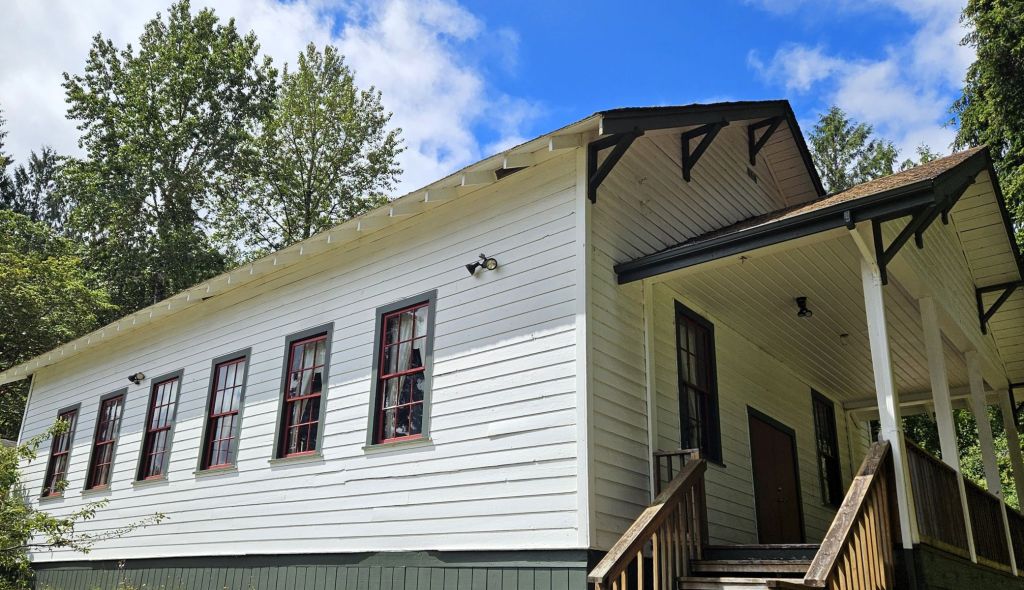
Speaking of nostalgia, I also found the school in Lilliwaup on Hood Canal that my grandma attended more than a hundred years ago. It’s still standing today and is used as a community center and chapel.

That’s enough nostalgia for one post so I’ll close with a sunset over Pleasant Harbor from an earlier visit, taken from the marina side.

~ Susanne
P.S. For more information about Pleasant Harbor, here’s a link to the Washington State Parks website.
Back in the Pink
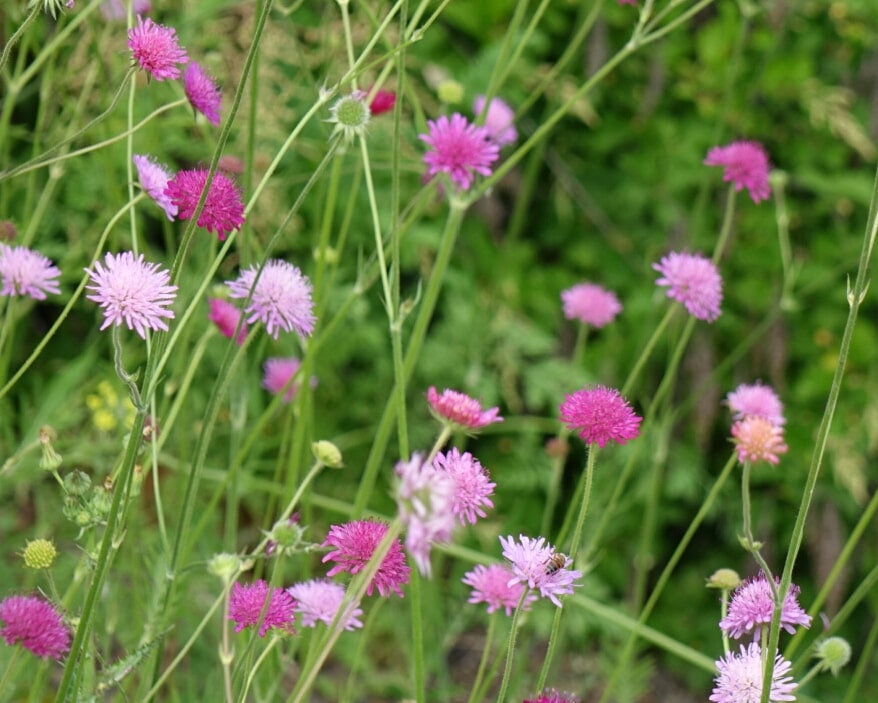
Last week at this time I was pretty miserable with whatever’s going around (I haven’t been that sick since covid.) But I’m finally back ‘in the pink’ so I’m here with a gallery to celebrate.
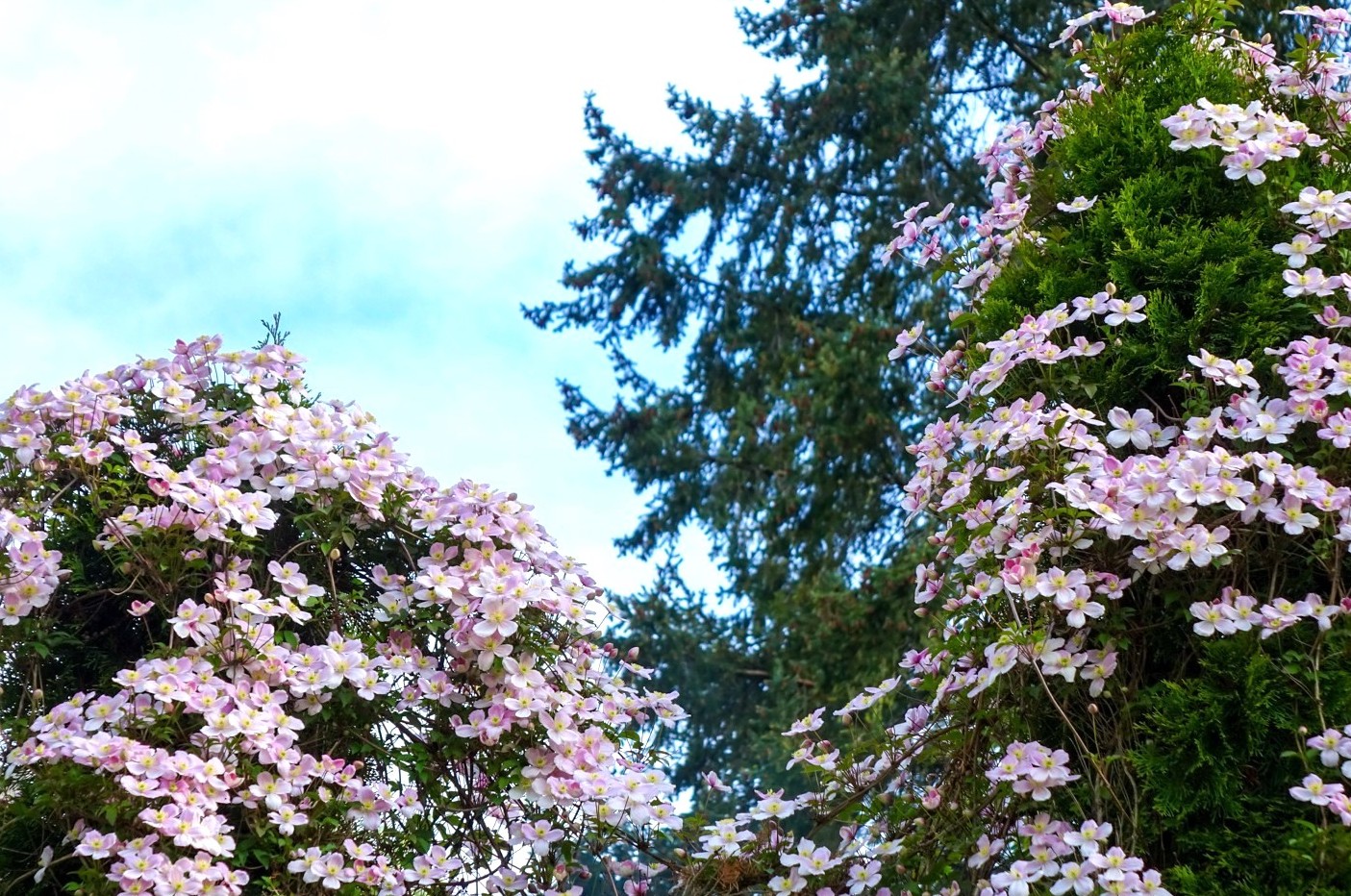
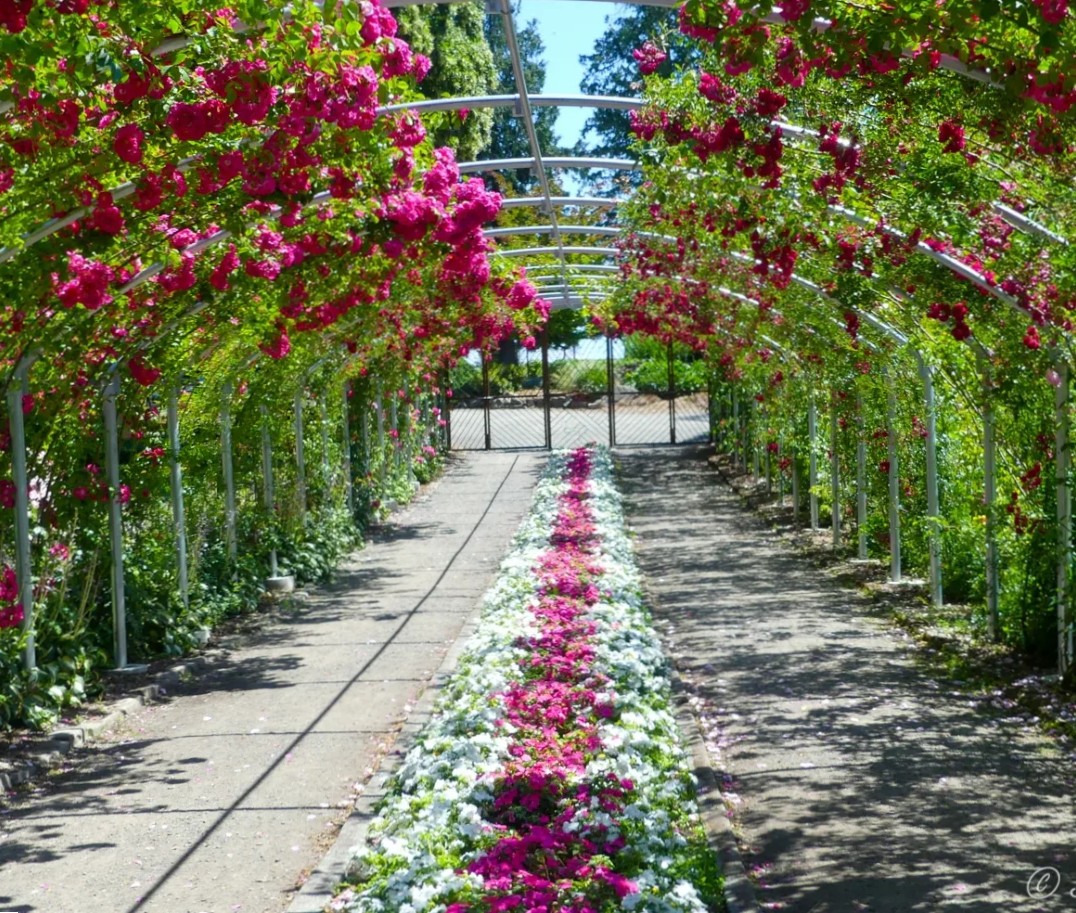
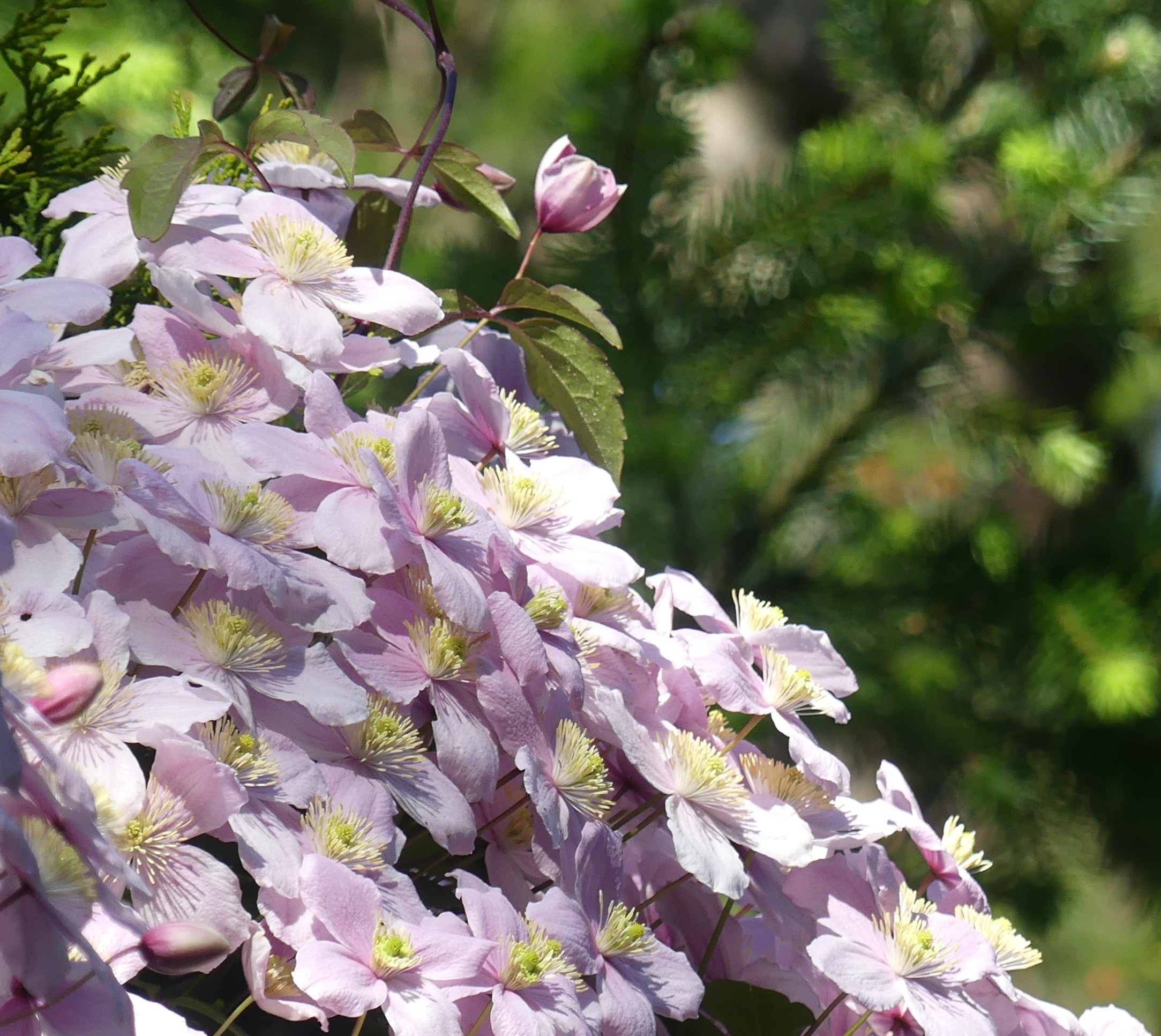
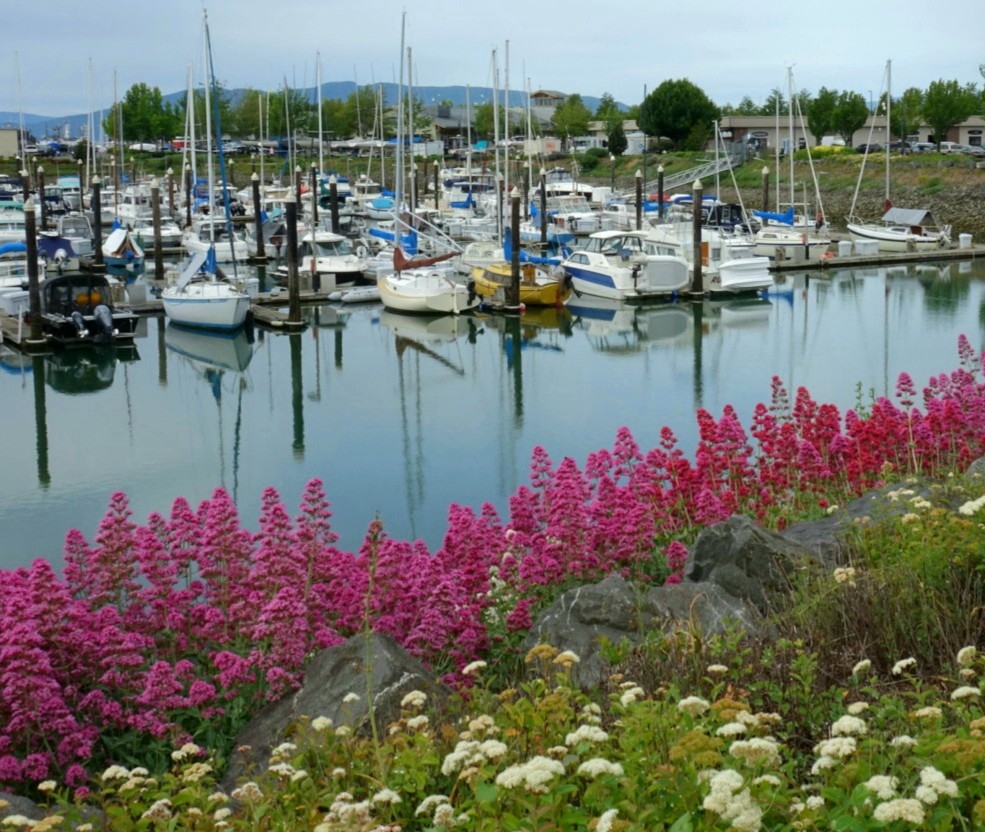
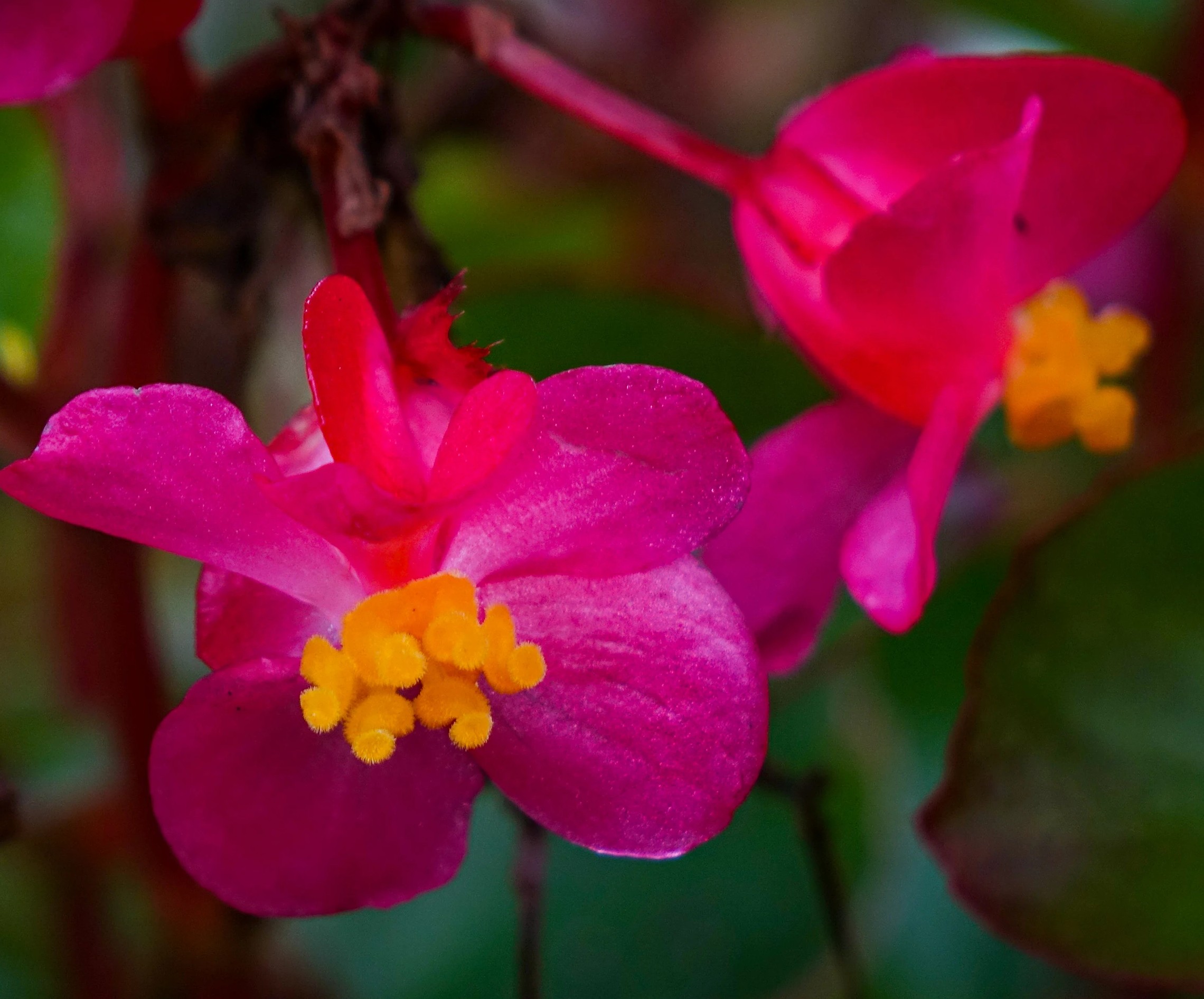
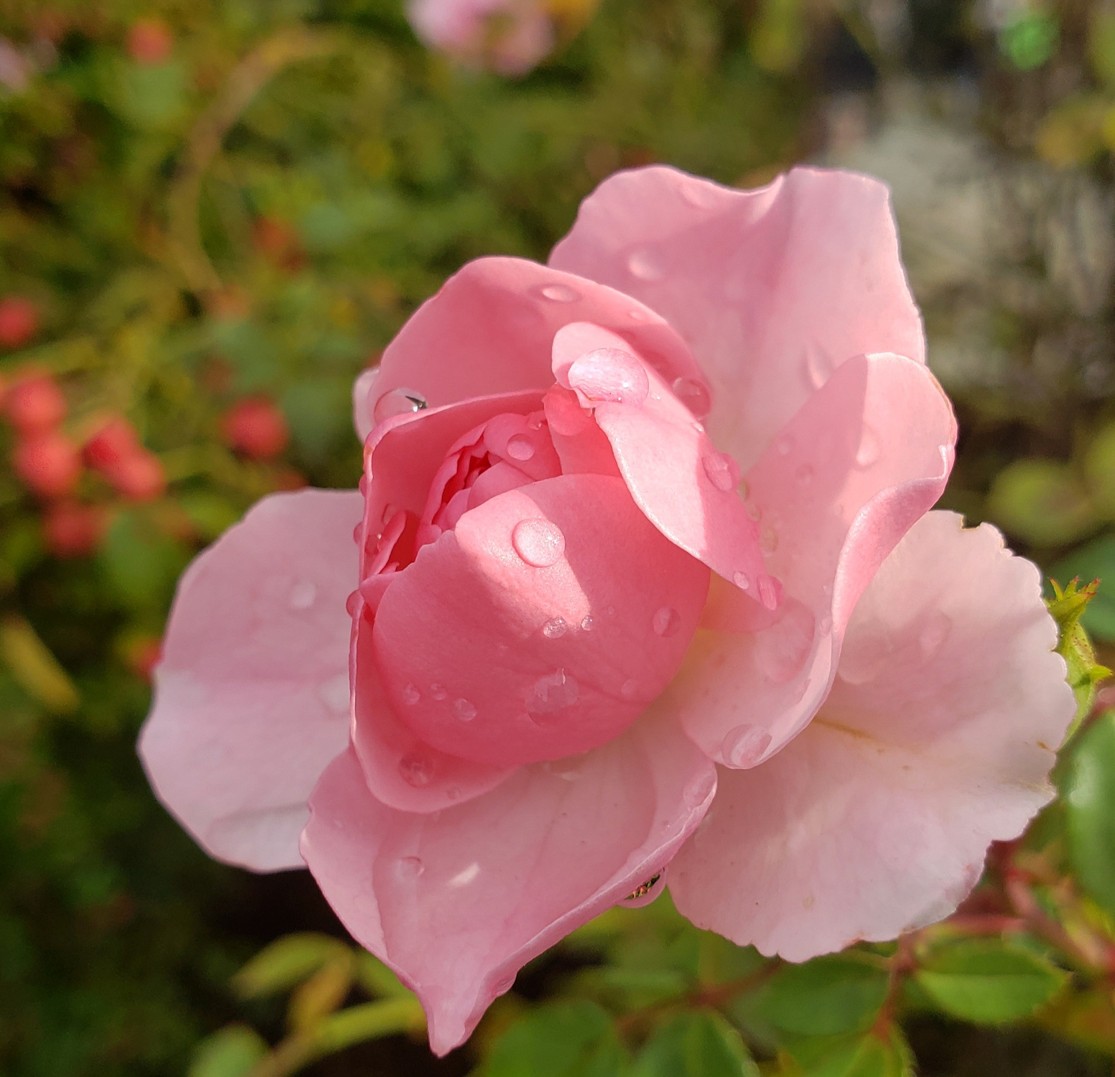
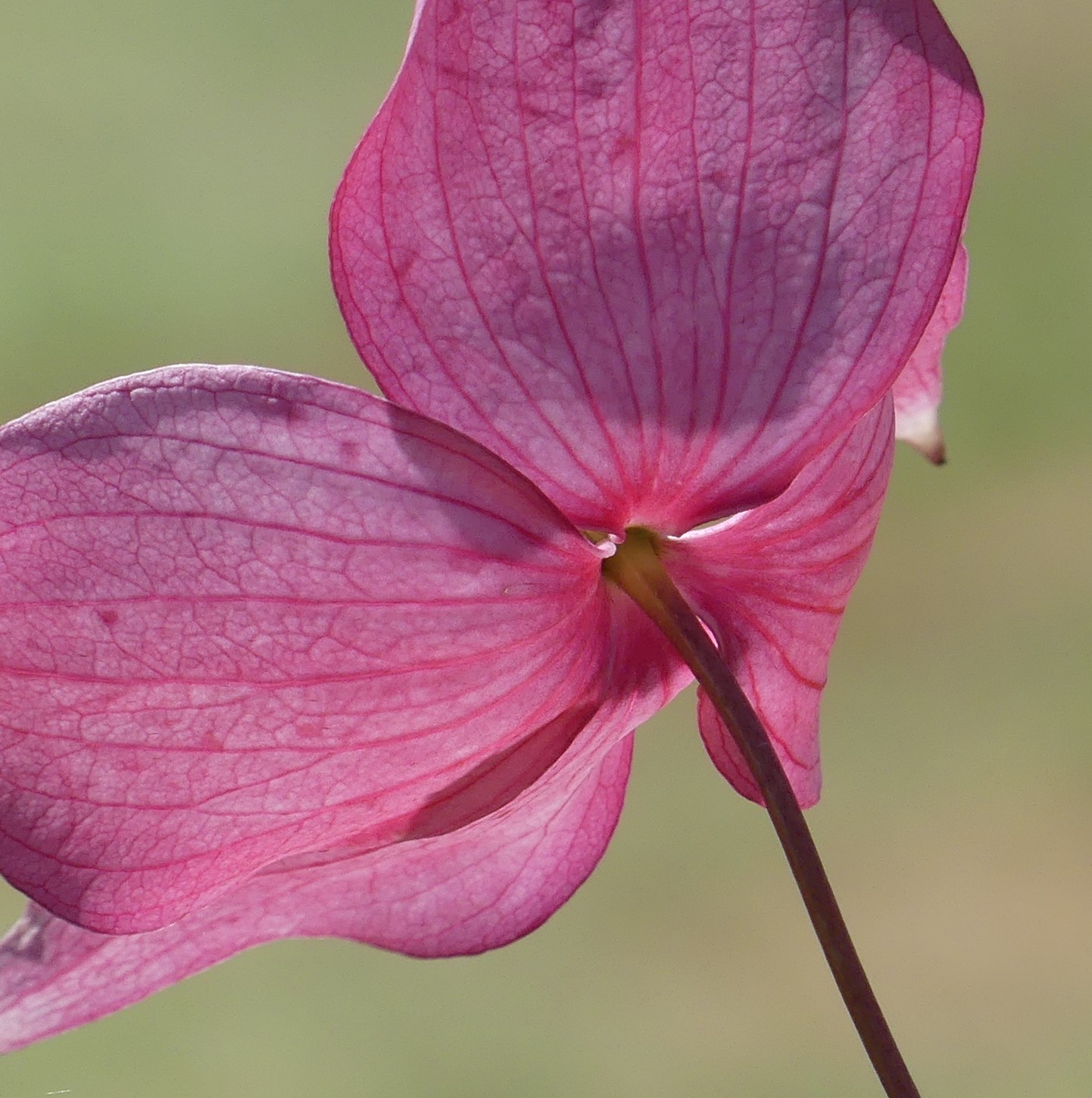
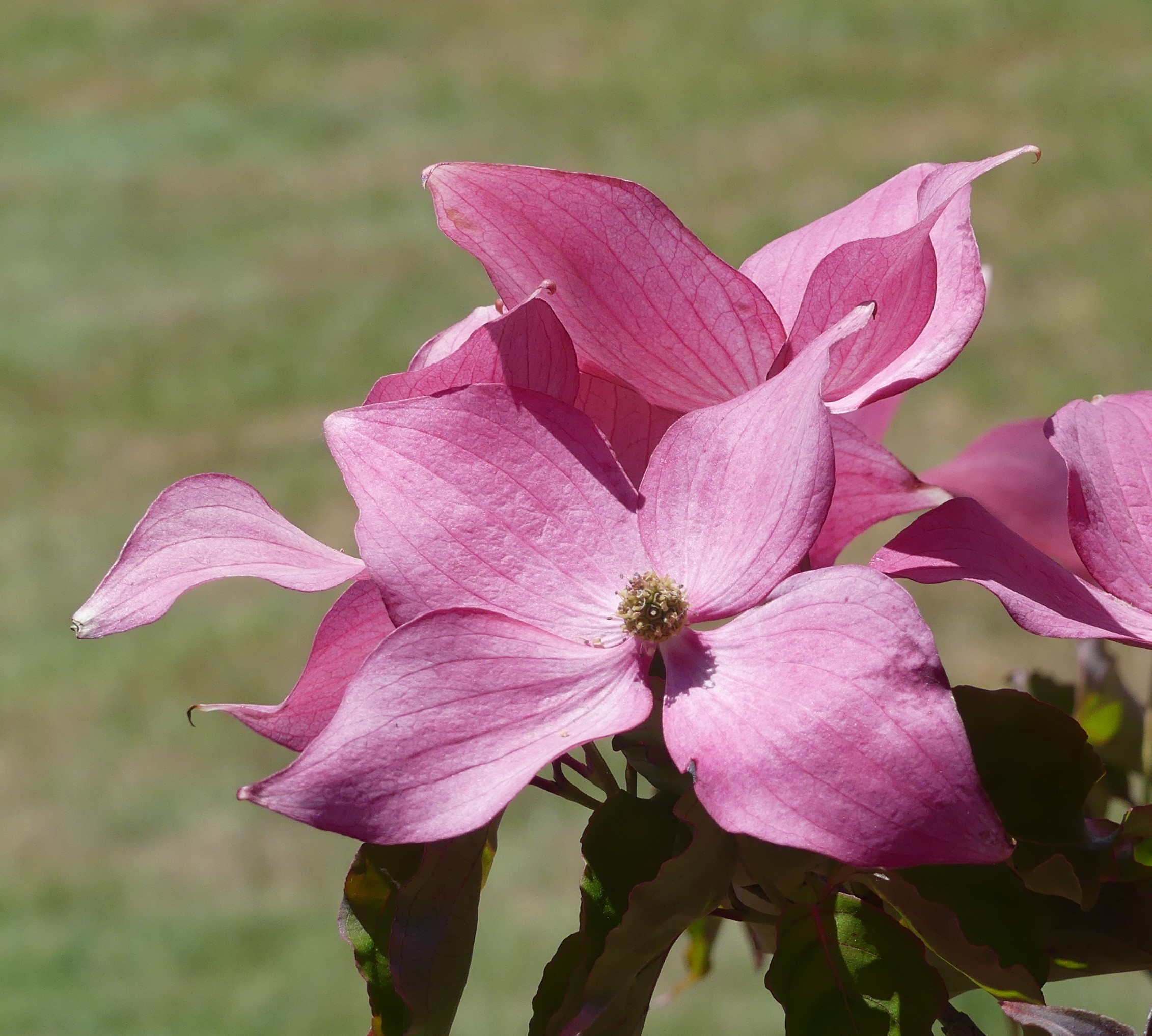
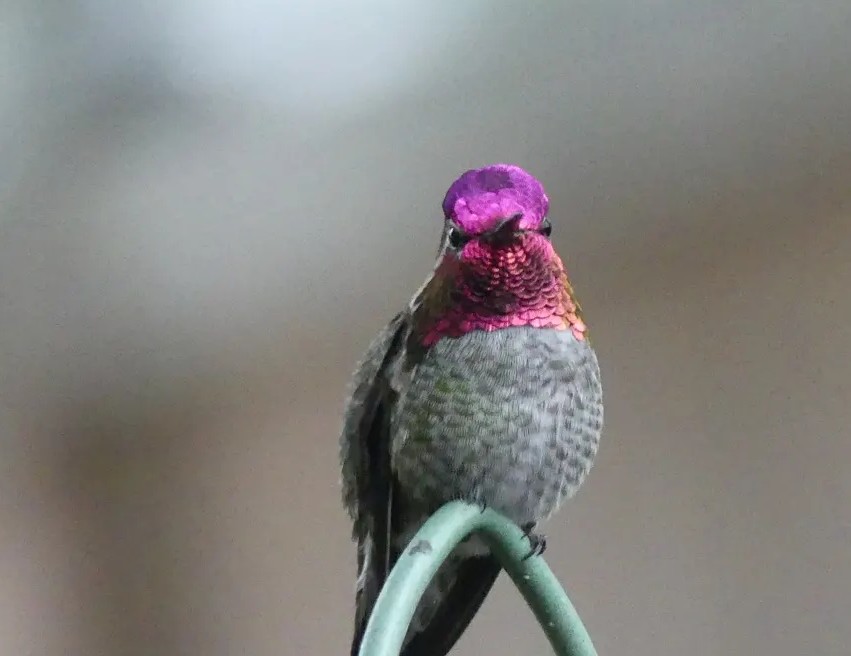
Sharing with #SundayStills, Pink.
That is all.
~ Susanne
Cool Cat in the Garden
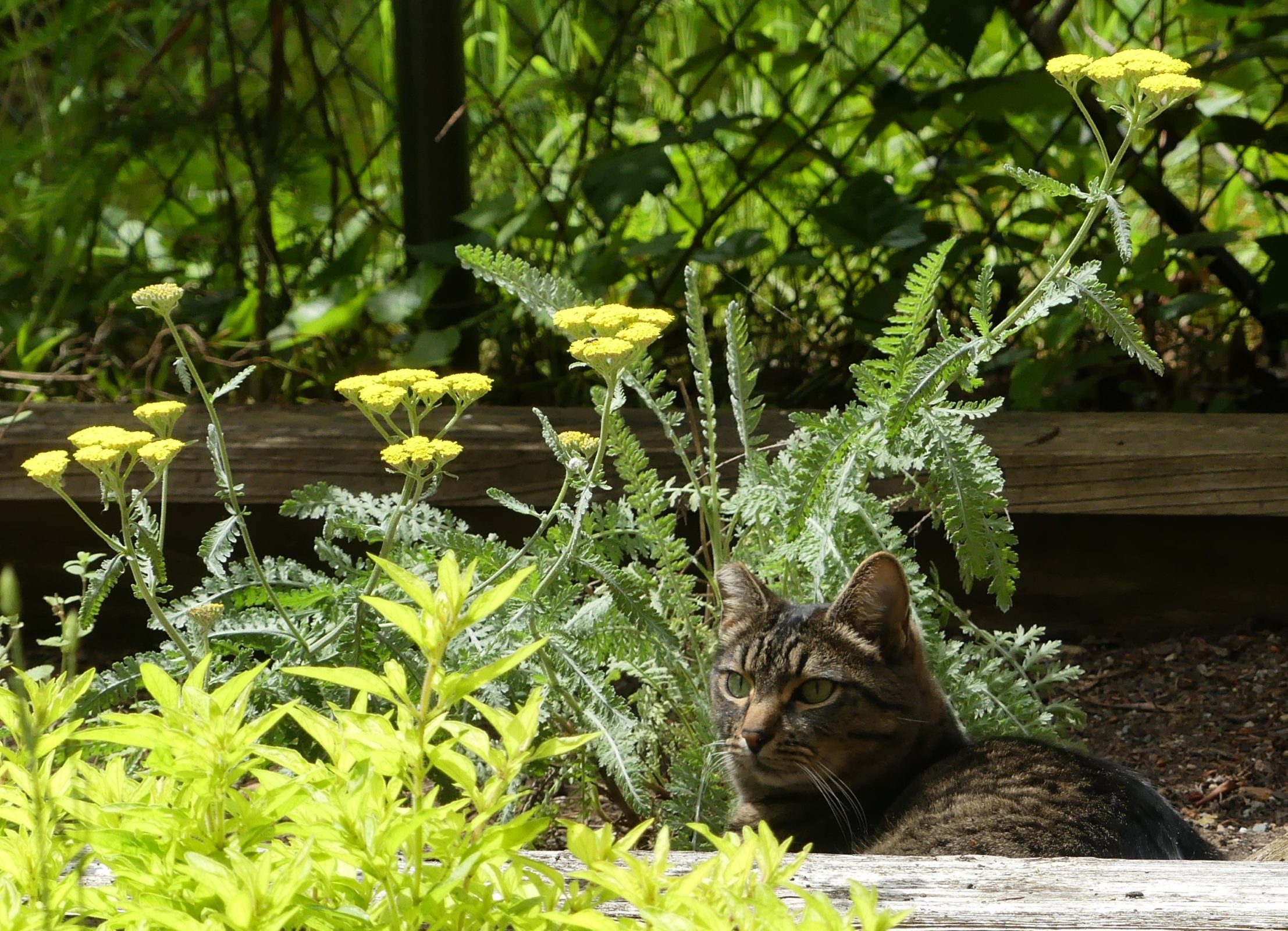

“Who, me?”
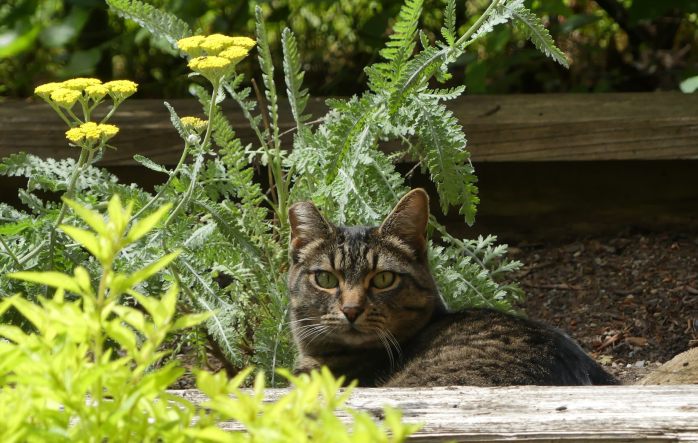
“Yes you, Benji. You wear the Yarrow well.”
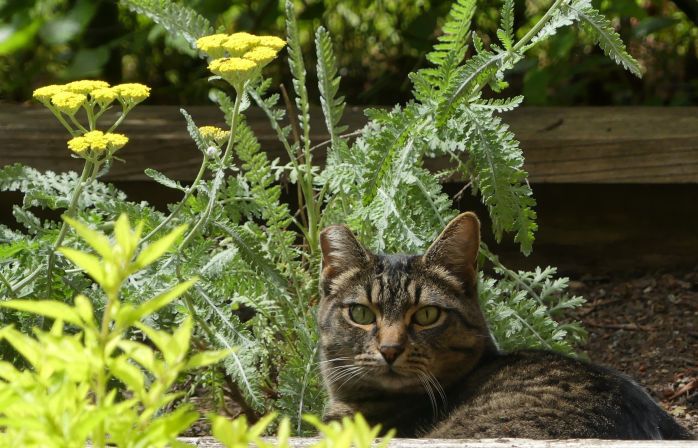
“Very melodious. Thanks, Sue.”
Happy Caturday!
~ from Susanne and Benji
Celebrating Two Seattle Parks for the #Great Outdoors Month of June
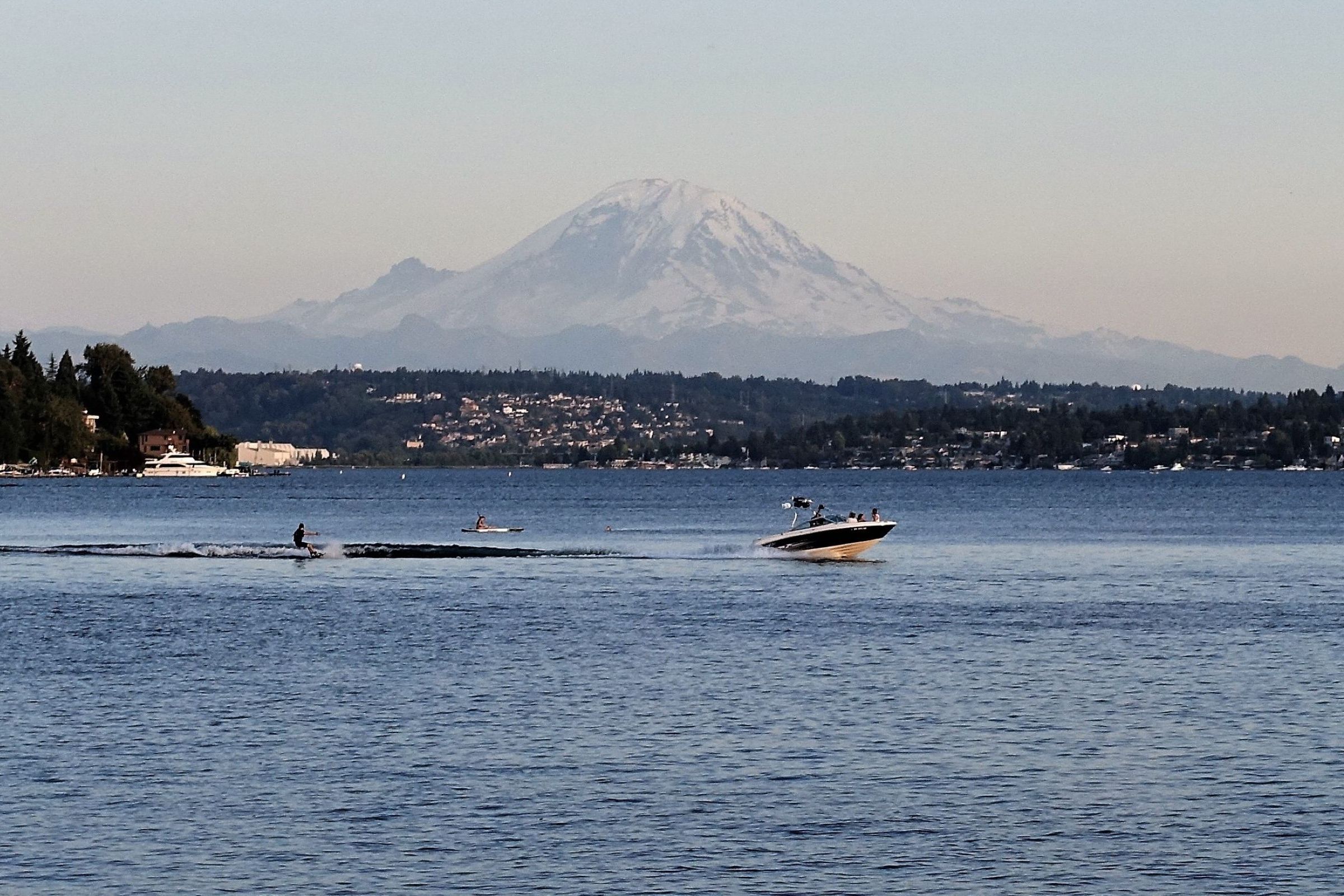
You don’t have to go far to enjoy the Great Outdoors in the City of Seattle. In fact there are dozens of wonderful parks you could visit, but I’m sharing my two favorites!
SEWARD PARK
“Within the Seattle city limits, Seward Park boasts 300 acres of beautiful forest land, home to eagles’ nests, old growth forest, a 2.4 mile bike and walking path, an amphitheater, a native plant garden, an art studio, miles of hiking trails, shoreline, beaches and more.” Seattle Parks Website
We love walking the paved path around the perimeter of the park on Lake Washington, where we enjoy a variety of sights including the mountain, when it’s out.


There are also great views of the Seattle skyline

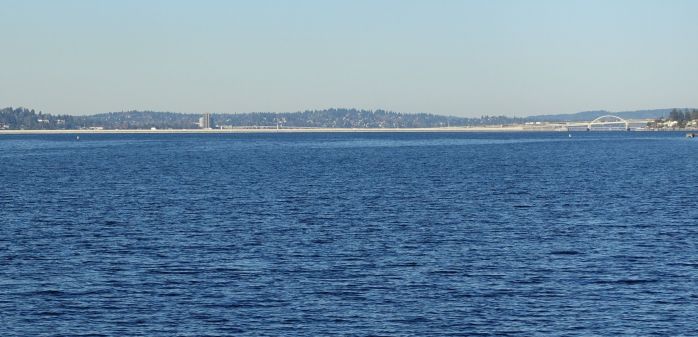
and Lake Washington Floating Bridge, the second longest floating bridge in the world at 6,620 ft. (The Evergreen Point bridge, a few miles north, is the longest at 7,710 feet.)
Sometimes we take the trails through old growth forest in the middle of the park,


for some forest bathing!

Afterwards we find a restaurant nearby, this one in Columbia City, for the best breakfast ever!

It’s pretty hard to top Seward Park, but it just might be possible at Lincoln Park.
LINCOLN PARK
“Lincoln Park is West Seattle’s major multi-purpose park – a nose-shaped bluff on Puget Sound just north of the Fauntleroy Ferry Terminal. Switchbacks on the north and gentle trails to the south connect a mile of seawalls, rocky beaches to a bluff of grassy forests and meadows with play and picnic areas galore.”
It has many of the same features as Seward Park with lots of trails through the woods, a different body of water, and different set of mountains on display.
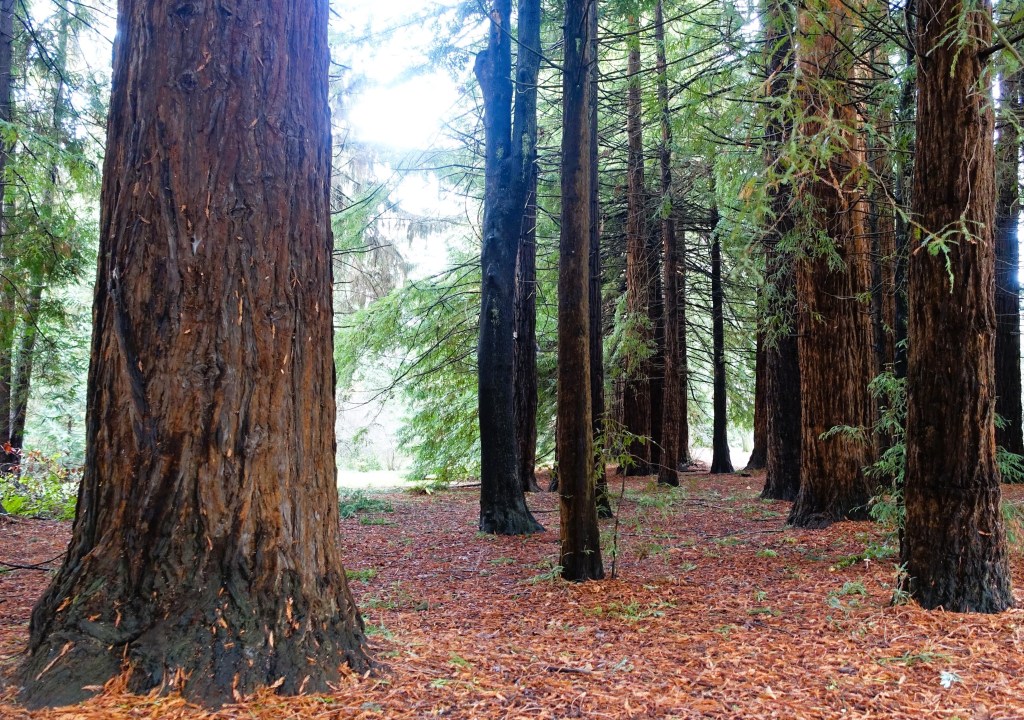
There are wonderful trees, including a grove of Redwoods,
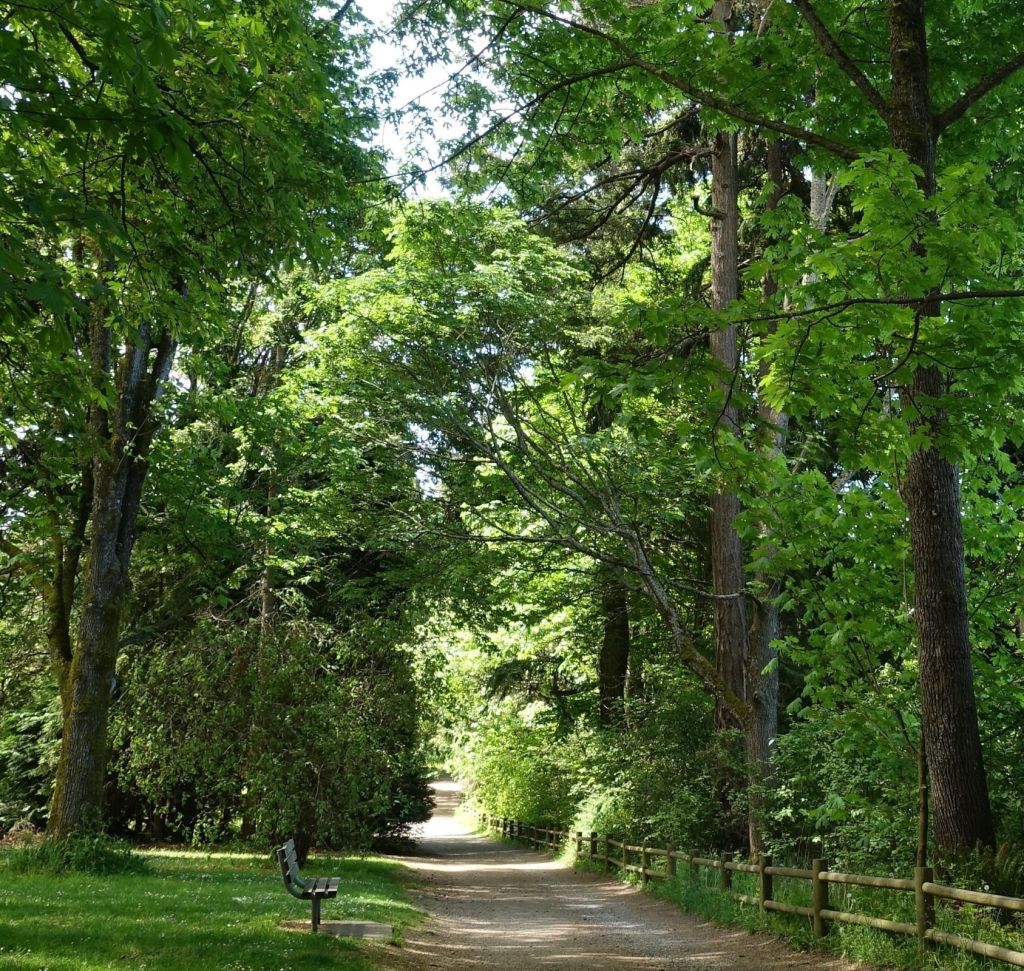
trails through the woods, on the bluff overlooking Puget Sound,
and trails to the Sound below

where you’ll find a saltwater beach,
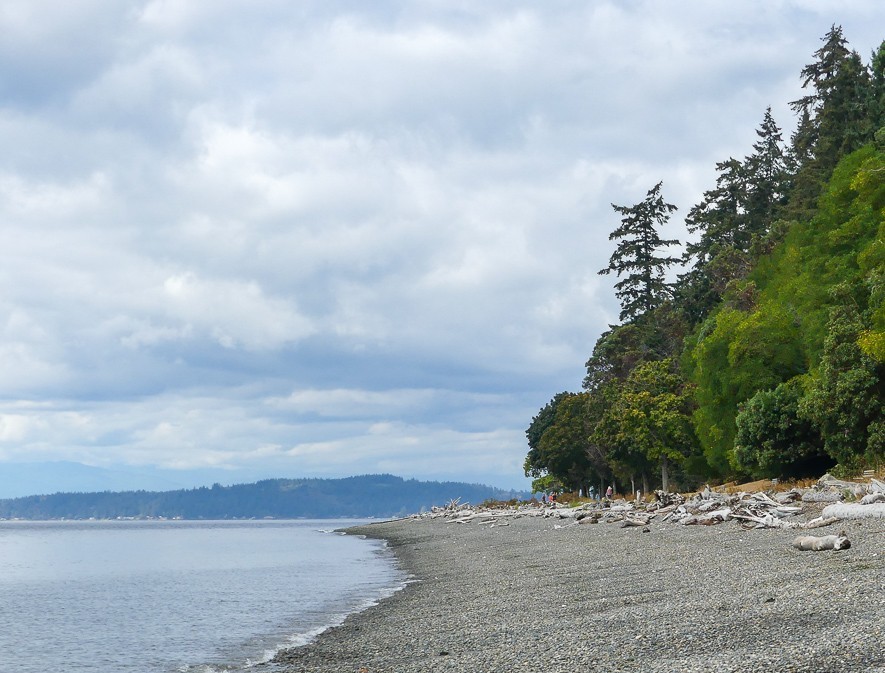
with lots of pretty rocks.

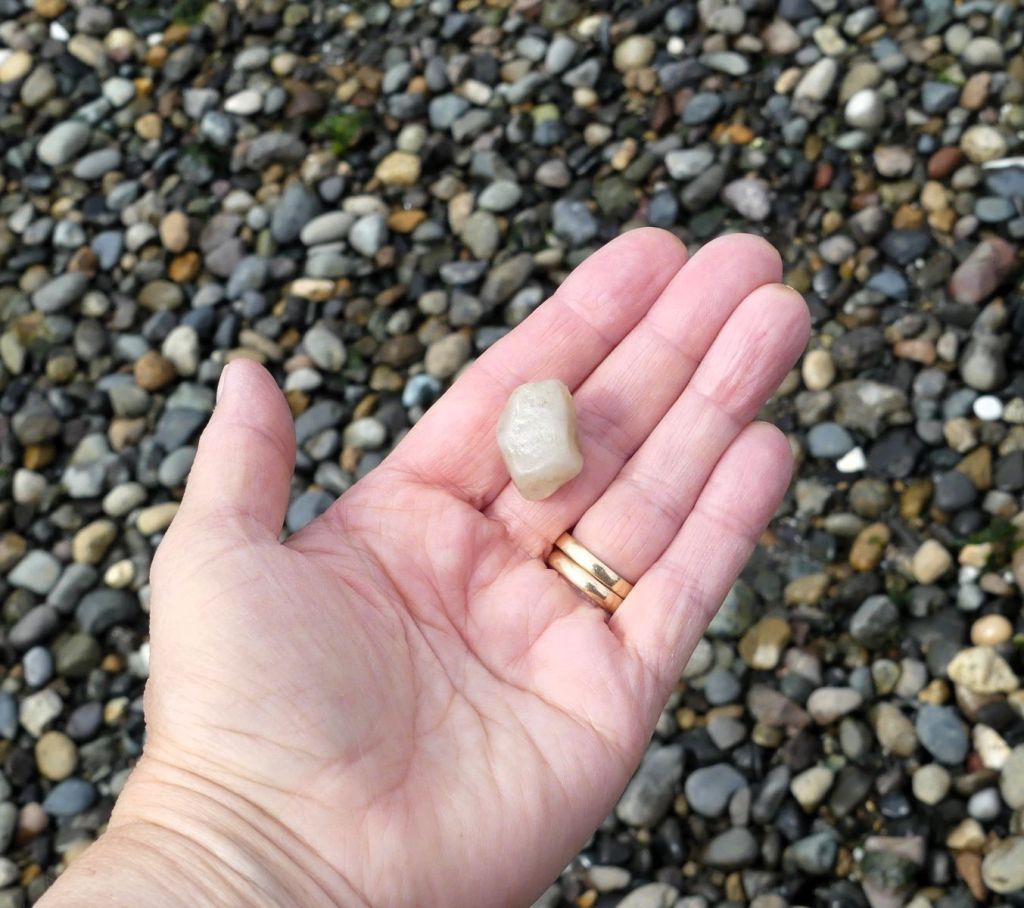
You’ll have great views of the Olympic Mountains,

and if you’re lucky you may see a whale as I did once, though I don’t have the picture to prove it.

(In case you wondered, it looked like this one, from our cruise to Alaska,

not like this one, an Orca in Hood Canal last year.)

After we’re done traipsing through the woods and along the beach we head to nearby Alki, for the best fish and chips in town.

As a bonus, I like to admire the pictures on the wall of Luna Park, which stood here more than a hundred years ago. They were taken by my great-grandfather O.T. Frasch, an early Seattle photographer.


So there you have it! You can’t go wrong with either park, both are great to visit, any time of day, any kind of weather, all times of the year.
Inspired by this week’s Sunday Stills, Great Outdoors
~ Susanne
Busy as the Birds and the Bees in the Spring Garden
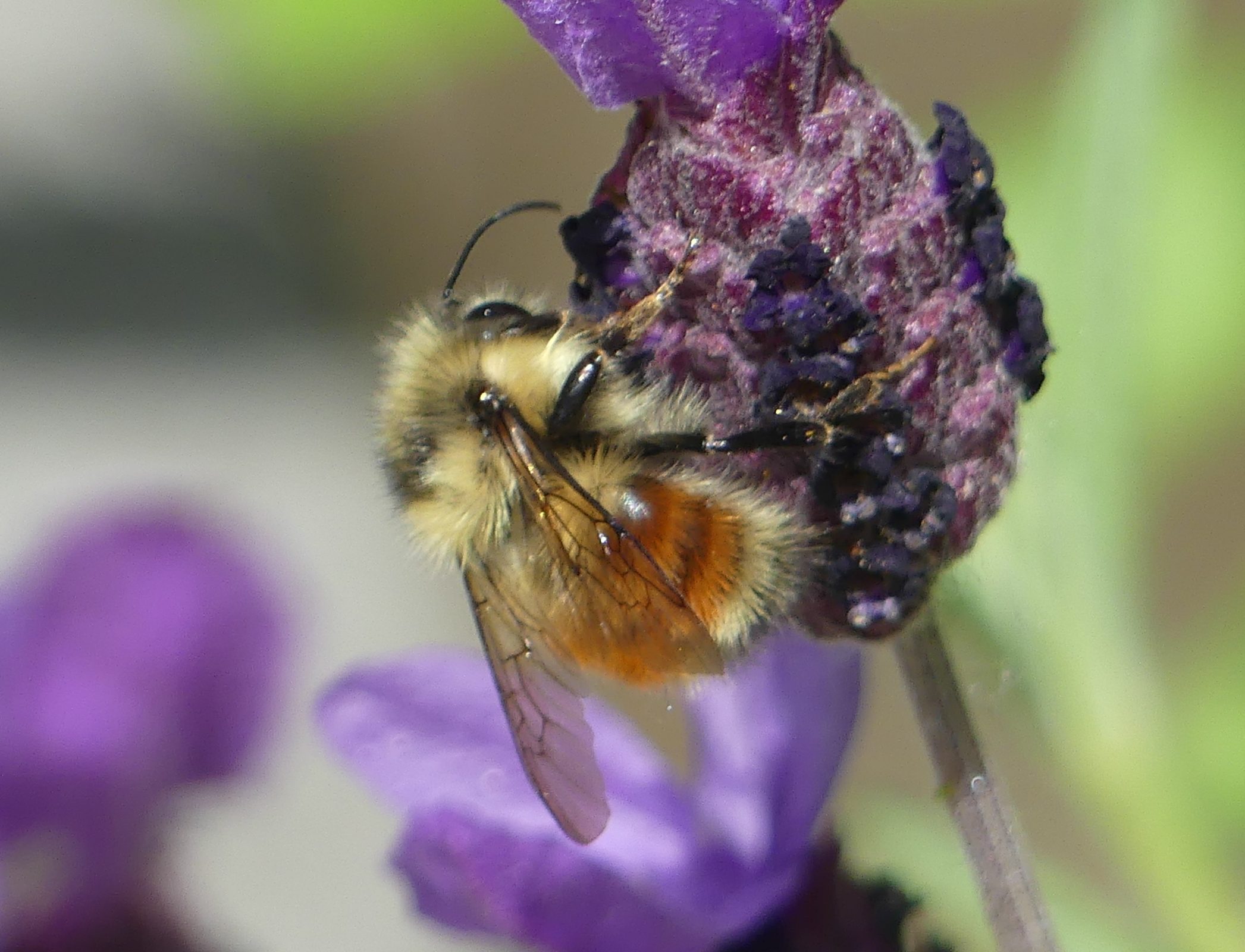
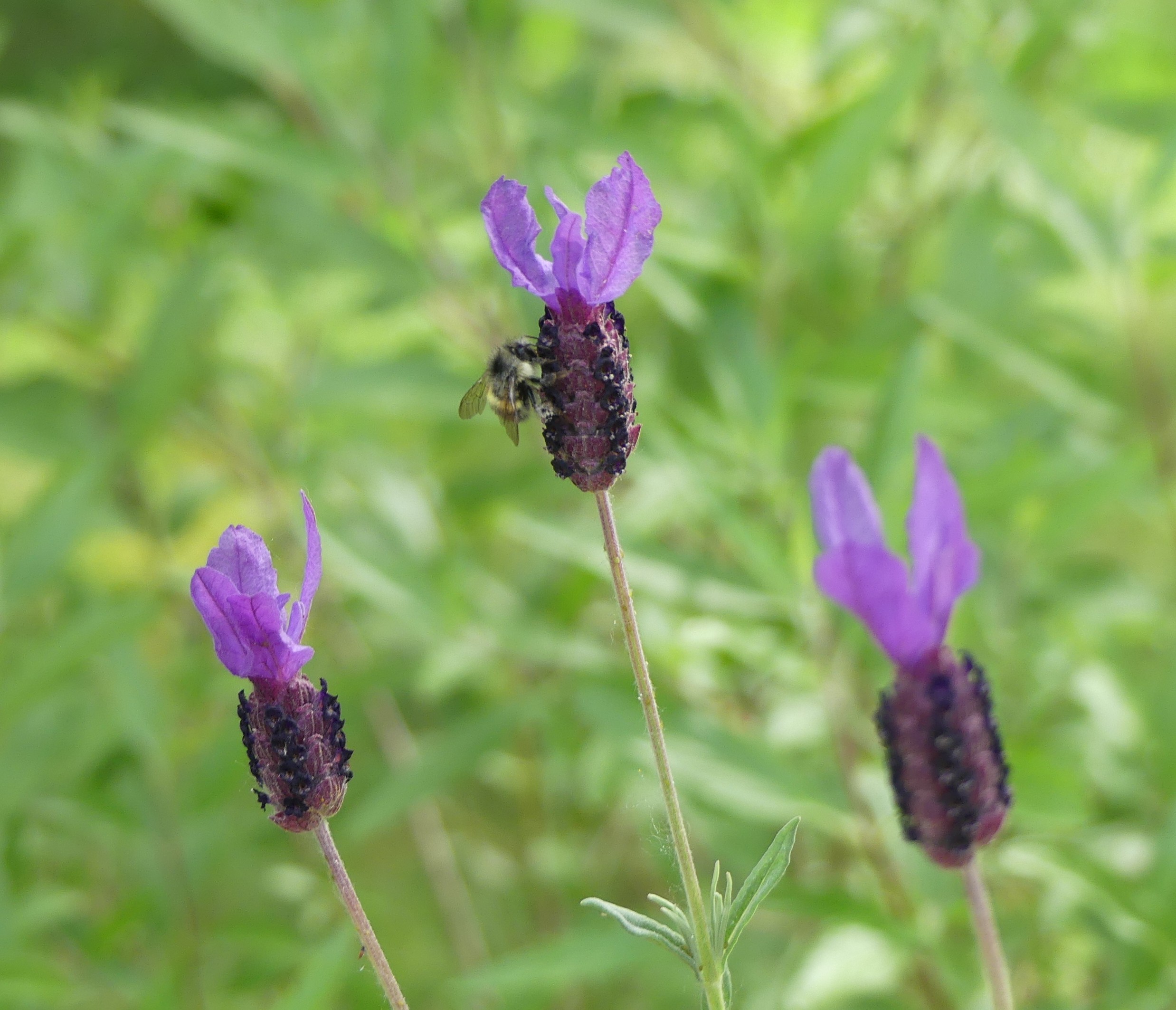
Yes I’m busy, but not as busy as the bumblebees on my lavender.
These tiny creatures know their job and do it well, playing a crucial role as effective pollinators.


The birds are busy too. Chestnut-backed Chickadees are currently nesting in one of our birdhouses, that I honestly didn’t think ever got used.
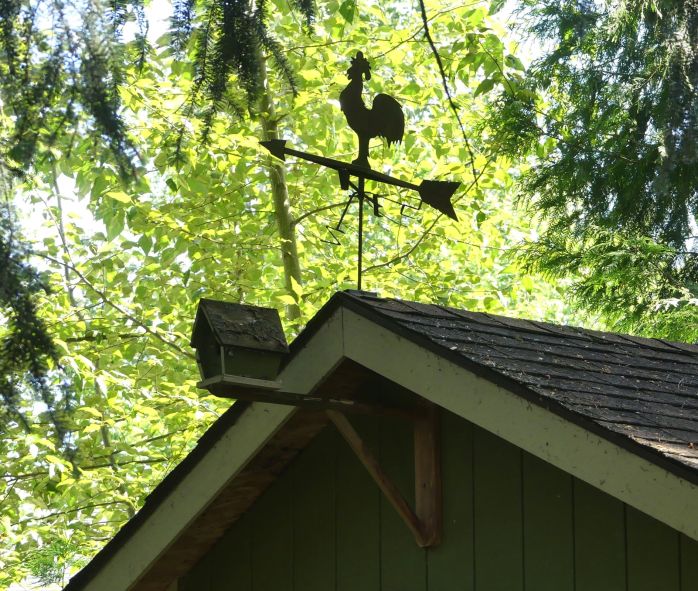
It’s a bit worn but they don’t seem to mind, and the rent is cheap.
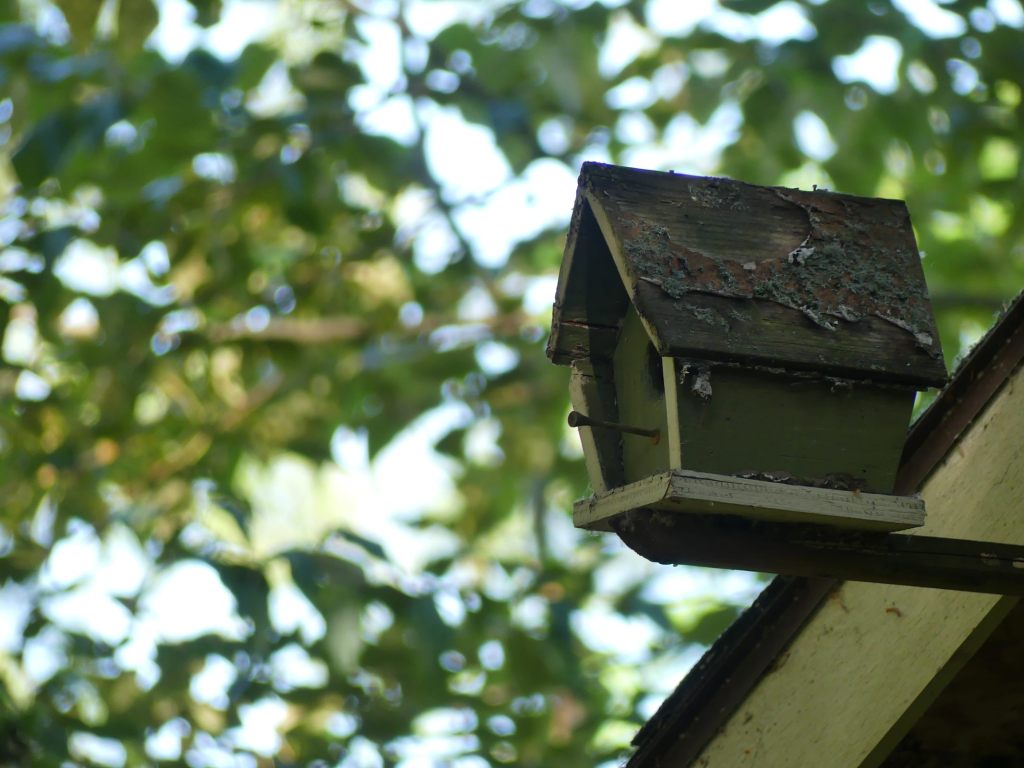
They’re in and out all day long hunting and collecting food for their young.


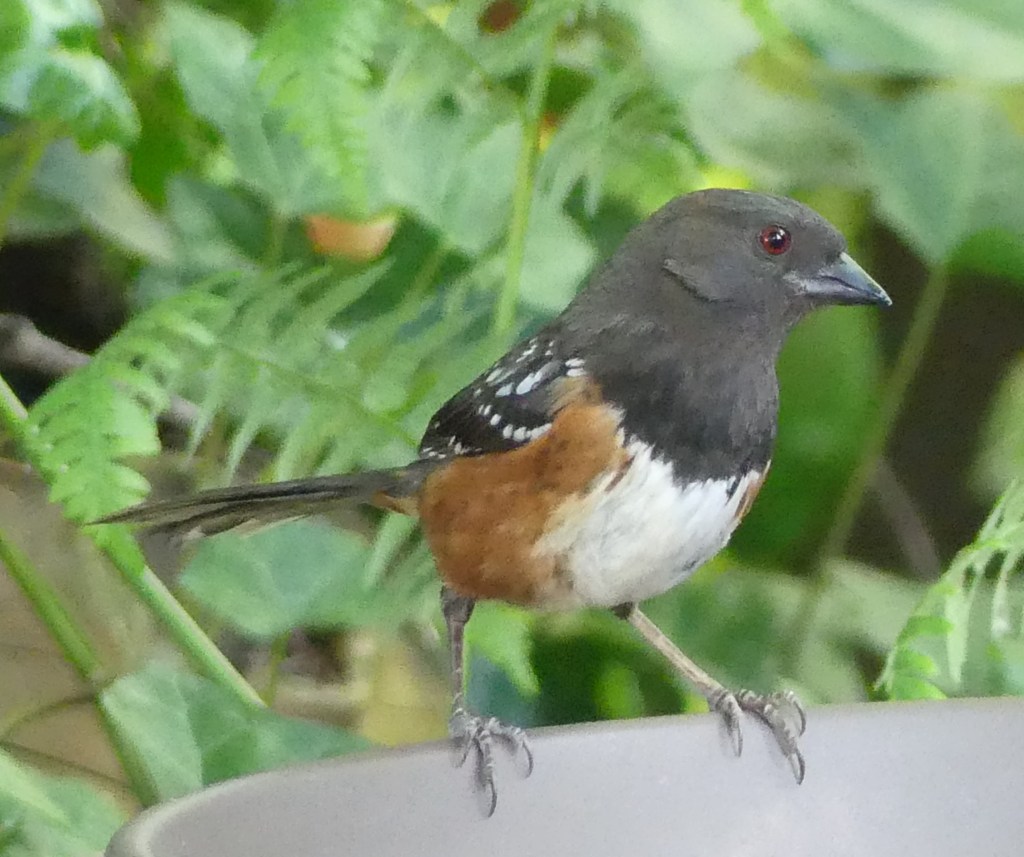
The Rufous-sided Towhee is larger than other songbirds, but smaller than the Robin it resembles. They’re distinctive ground feeders and appreciate the birdbaths I’ve scattered about the yard.

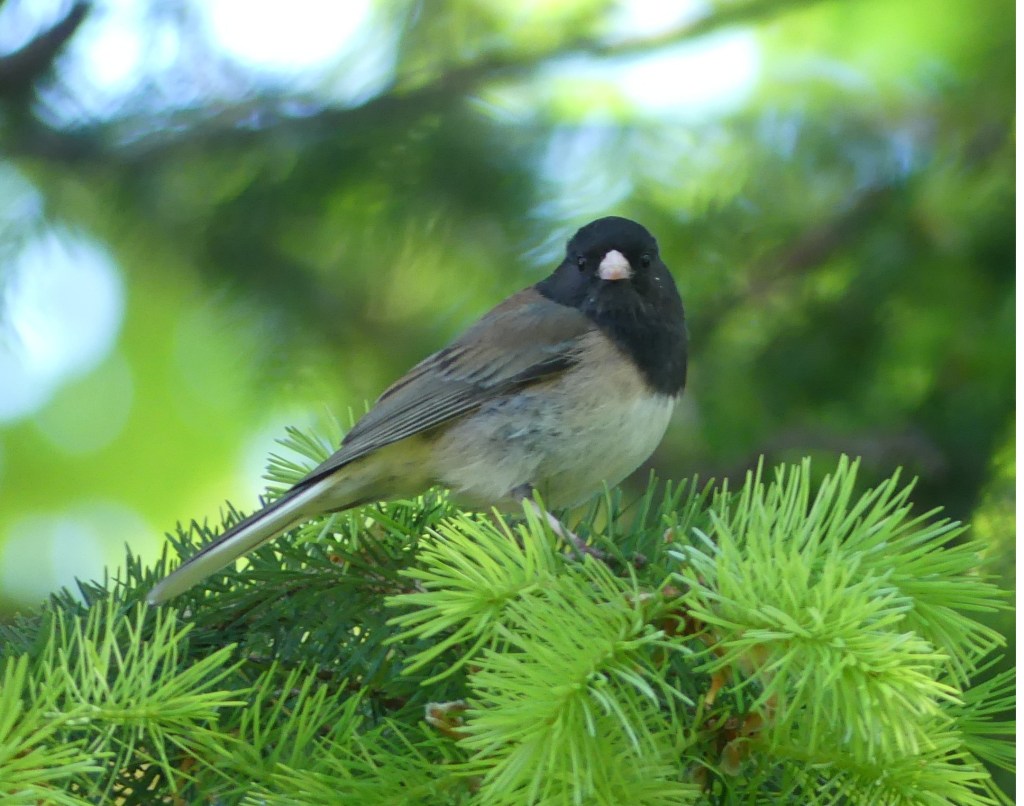
The Juncos are plentiful, feeding on the ground and in the trees above, including in the Douglas Fir, where you can see tender new growth. I’ve had to discourage these friendly birds from nesting in garden pots and under the back deck, for their safety from you-know-who.
While Benji seems content to watch the action, I do my best to keep an eye on him.

~ Susanne
The Birds were out, and the Mountain was too, at Coulon Park
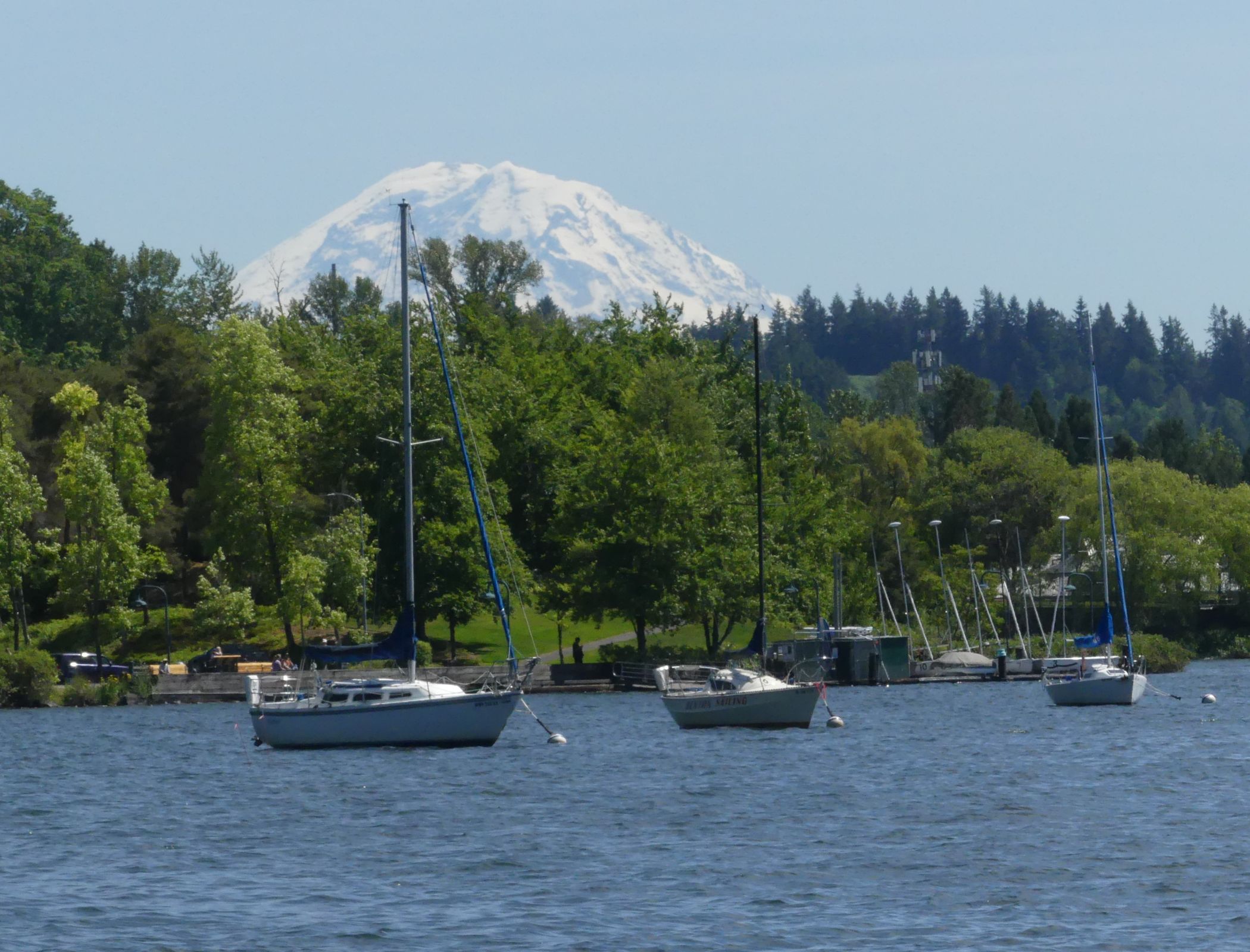
It was a gorgeous summer-like day when I went for my walk yesterday at Coulon Park.

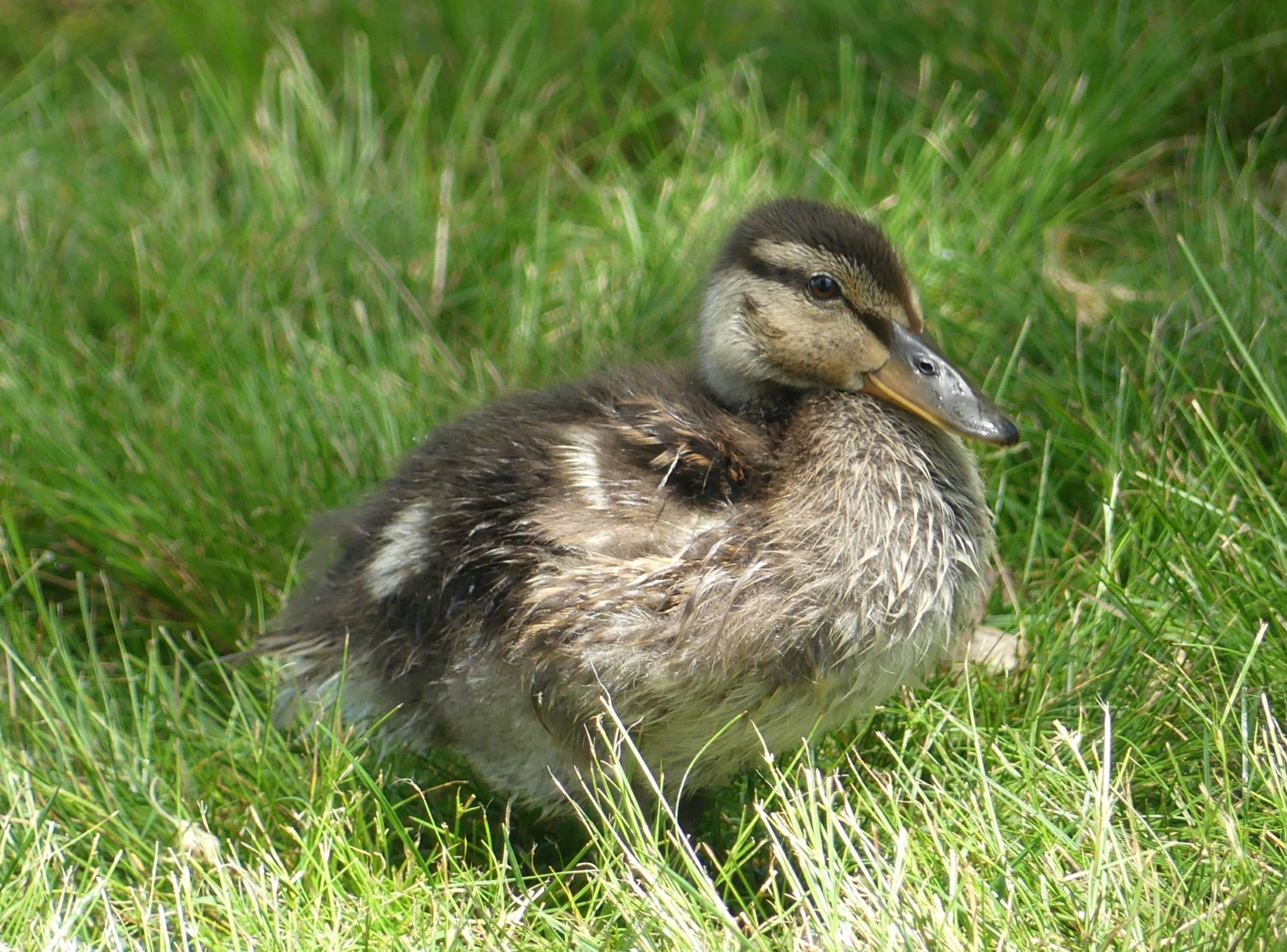
All the usual birds, along with their young, were out and about, too.



I walked the paved trail along the lake

past the sailboats,

and the turtles,

and didn’t see the mountain till I rounded the corner.

There she was – Mt. Rainier in all her glory –

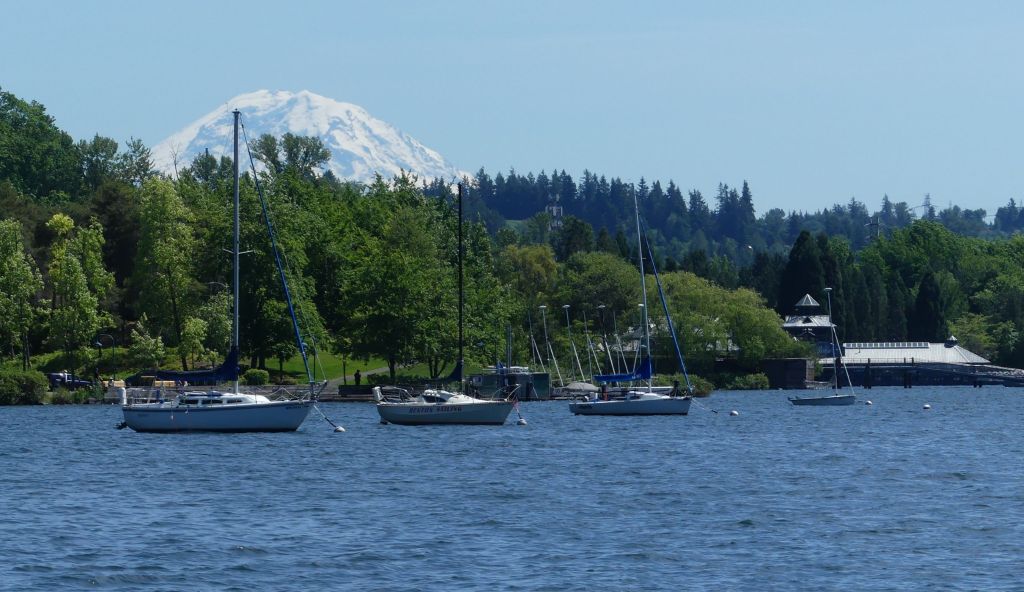
– is there a prettier mountain?
~ Susanne
Treated to a Rufous, On her way North
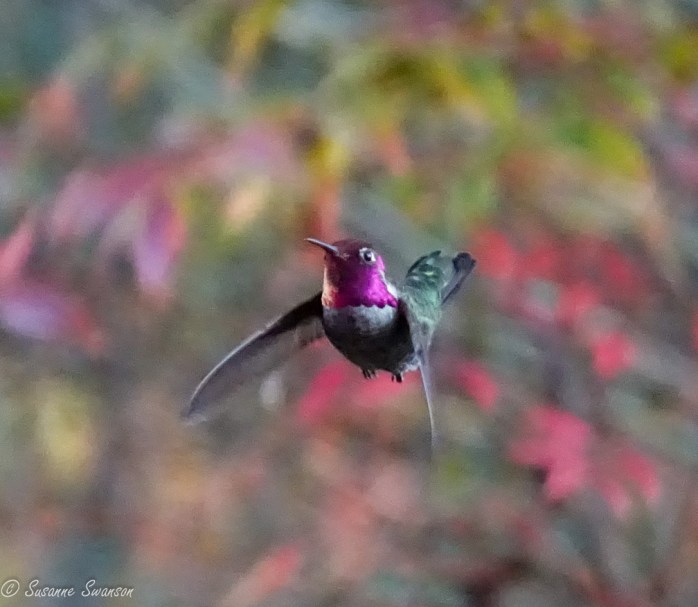
Anna’s Hummingbirds visit my feeders year-round, male and female both dark green, the male especially handsome with his ruby red crown.

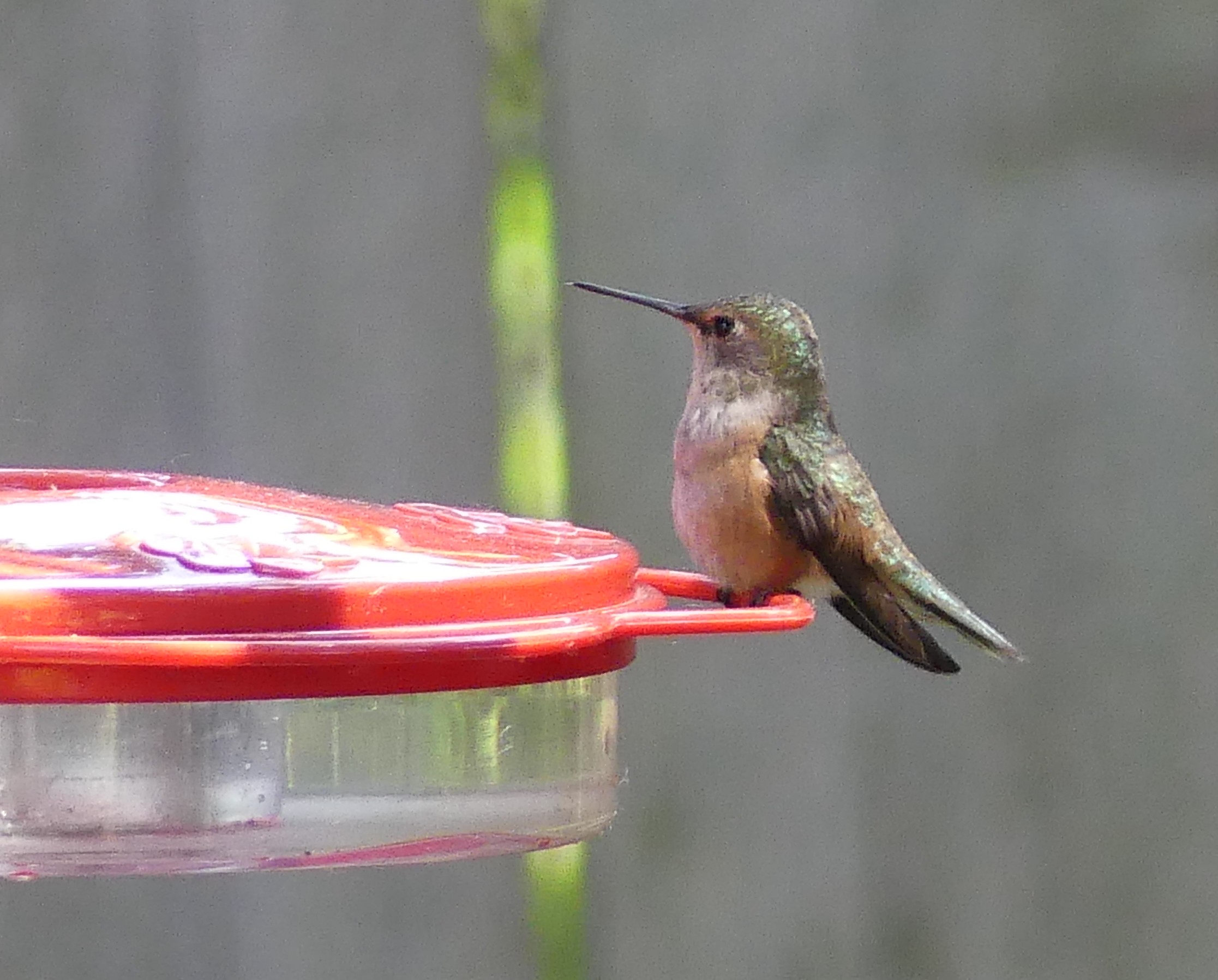
But this weekend, I saw flashes of brown and rust on a first-time, smaller visitor, the Rufous Hummingbird.
She was a beauty, though like the Anna’s, the male is more striking, with more intense coloring, including a copper-colored crown.

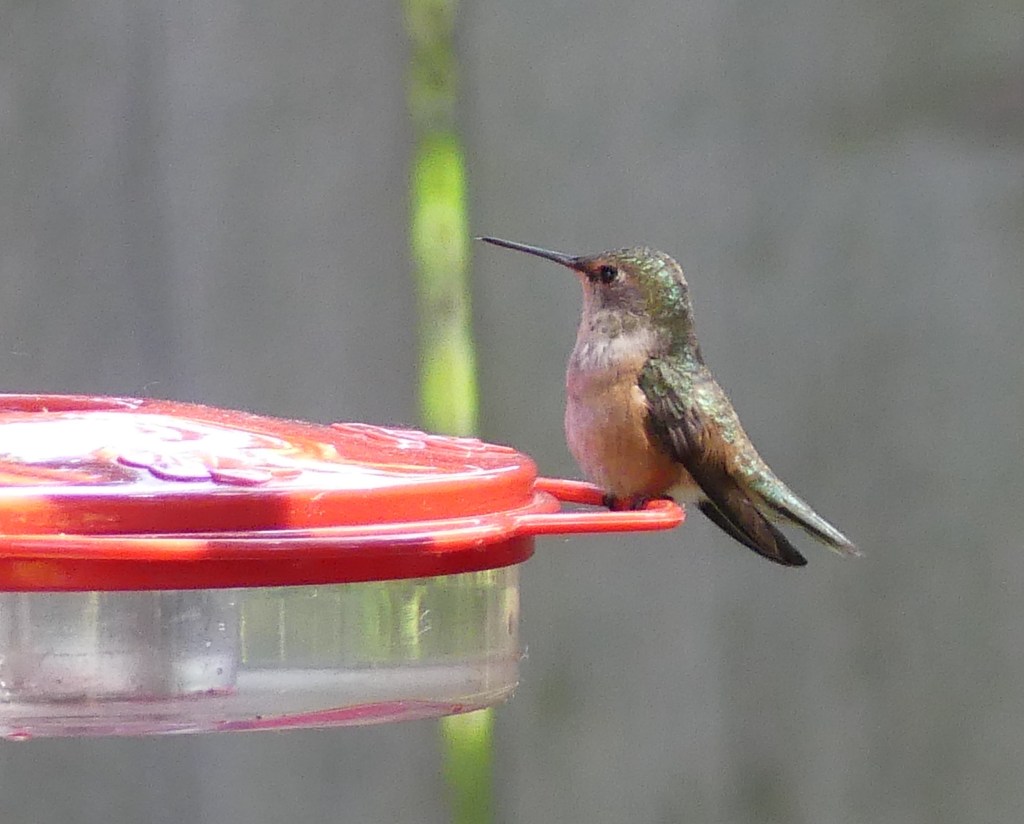
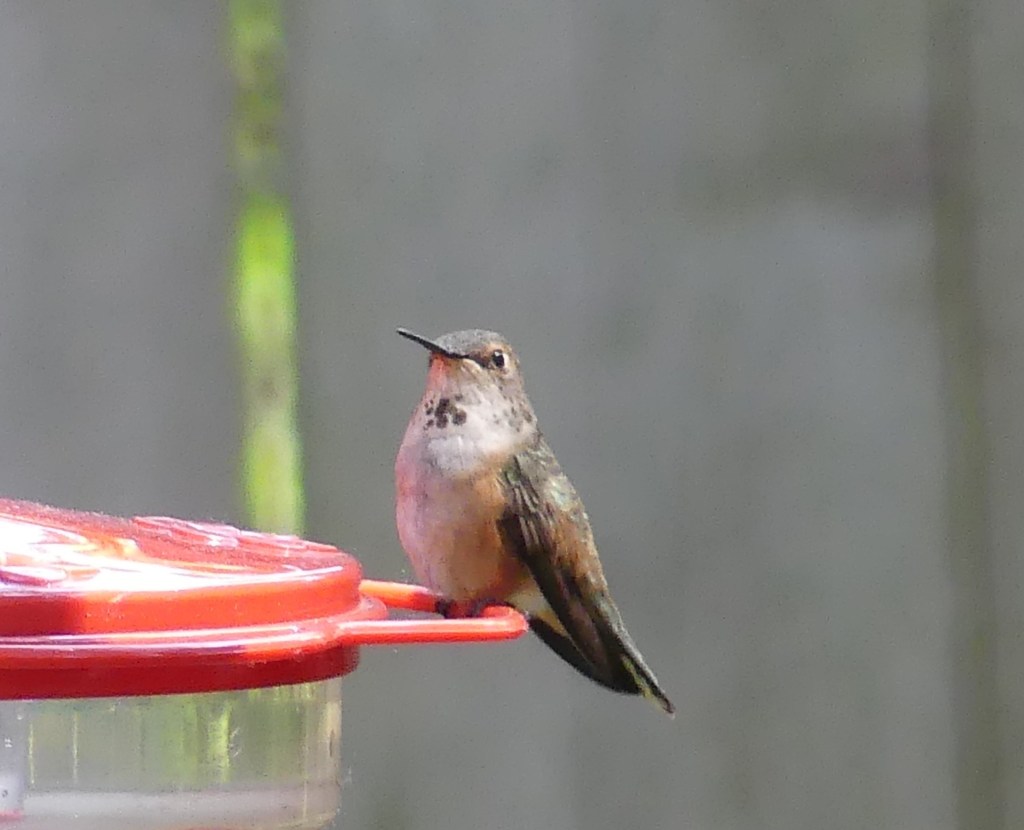

I watched her land and keep an eye on her surroundings, alert for intruders.


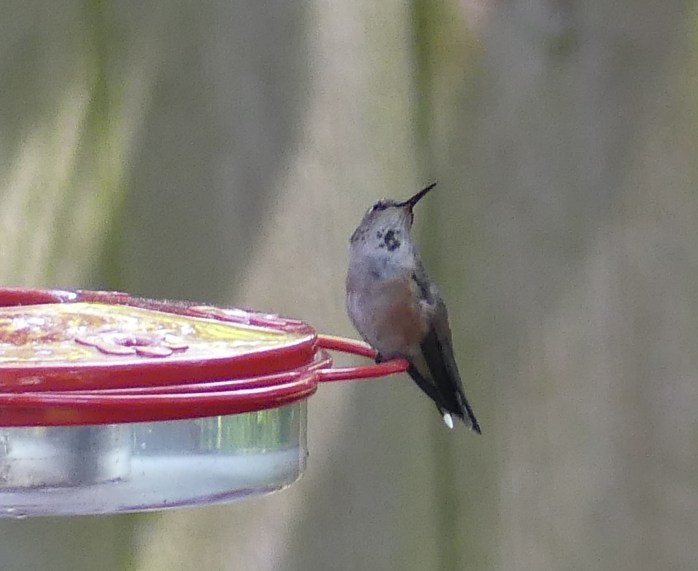
Soon an Anna’s showed up

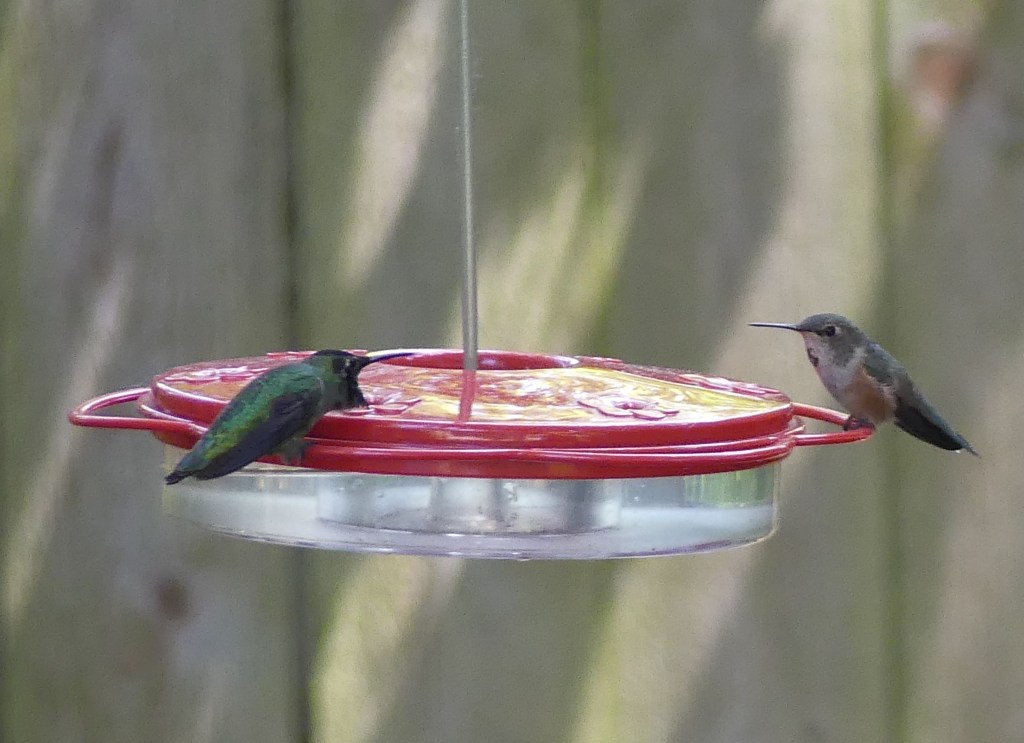
and I watched them spar until the Rufous was driven off,

the Anna’s the winner, at least for this round.

Hummingbirds are the smallest birds, with the ability to fly straight up and down, sideways and backwards, and hover while they use their needle like bills to sip nectar. The Anna’s is medium sized 3.5 – 4 inches long, the Rufous a bit smaller at 3.5 inches. The Anna’s doesn’t migrate but stays on the Pacific Coast of the US year-round. The hardy Rufous migrates almost 4,000 miles solo, nesting as far north as southern Alaska, wintering as far south as southern Mexico. They can be seen in the Seattle area in the spring and fall.
I was happy to provide a source of food and water for them on their journey.

~ Susanne
 Cats and Trails and Garden Tales