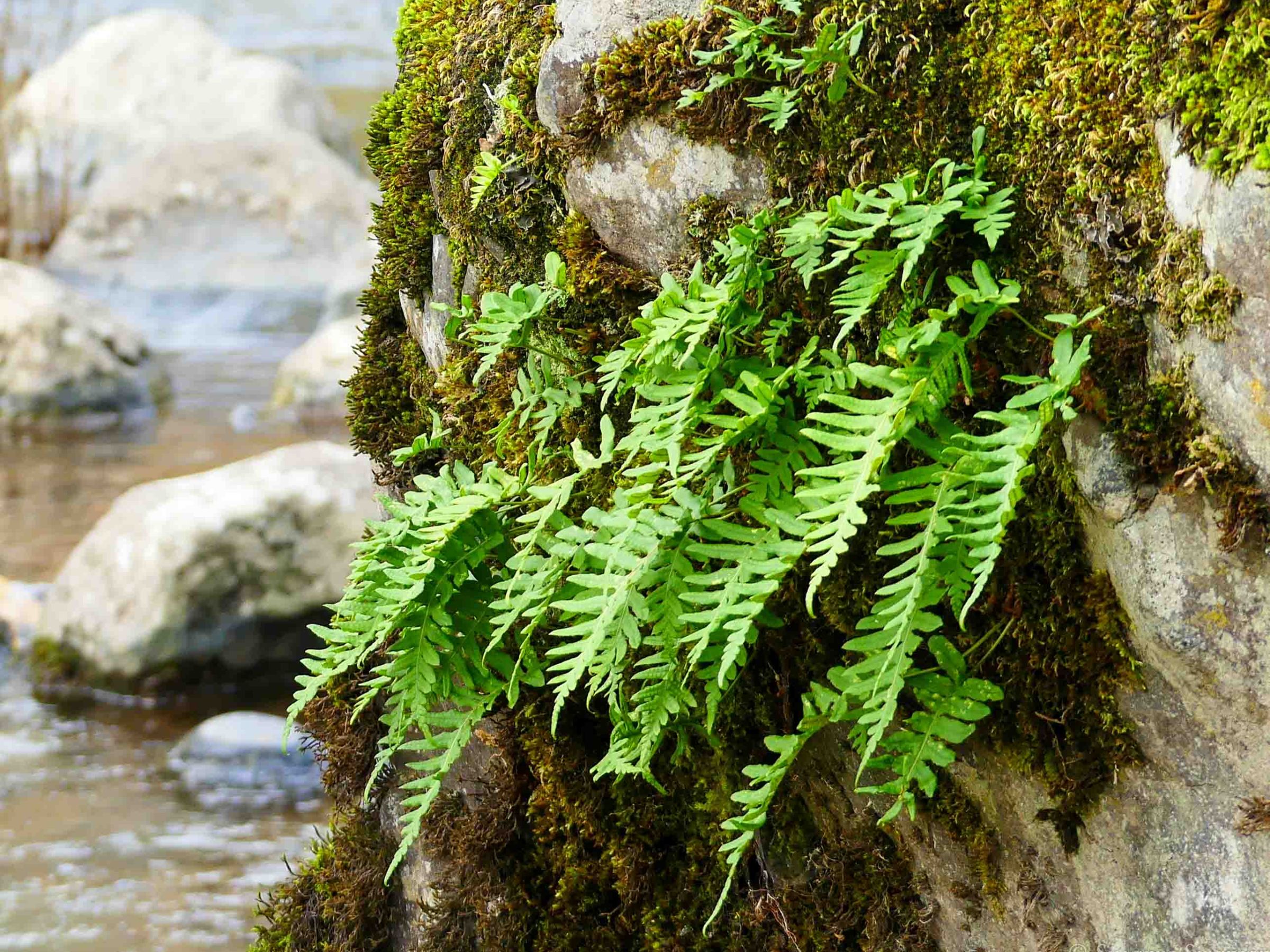
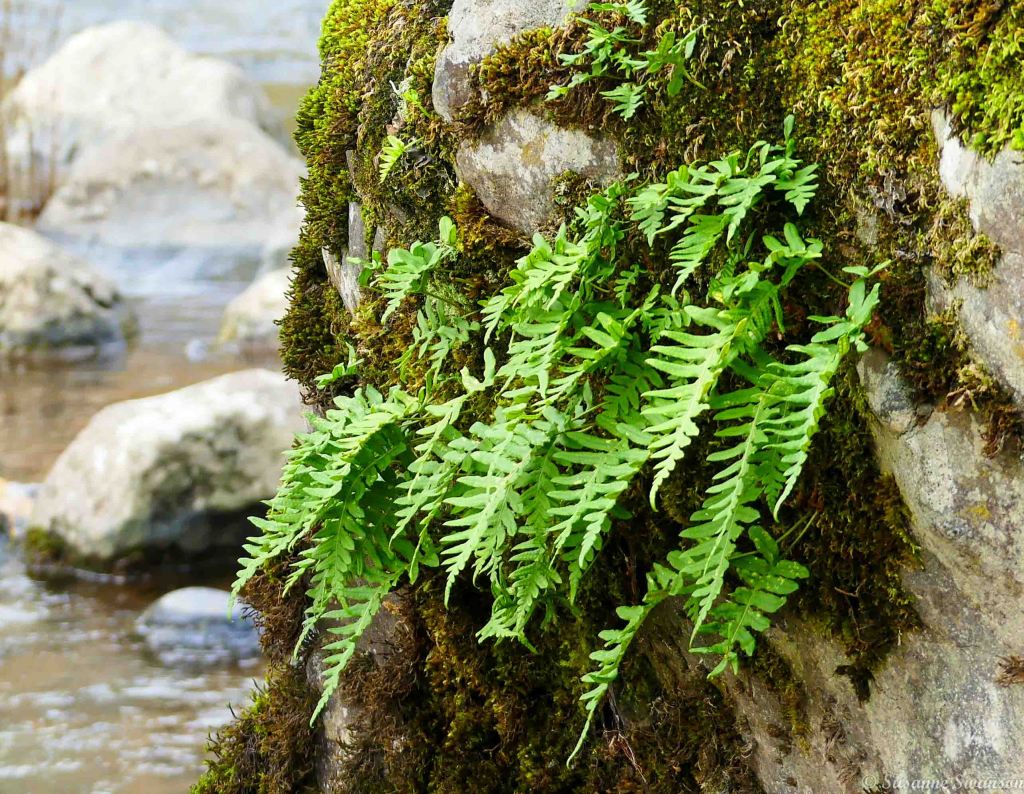
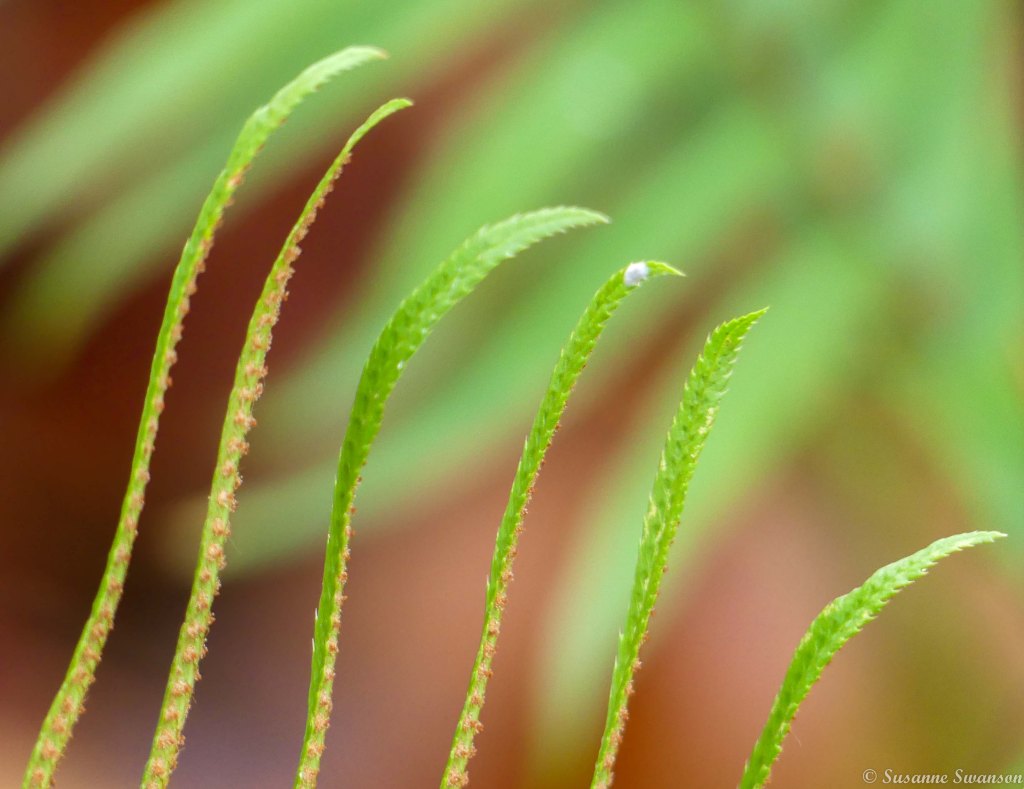
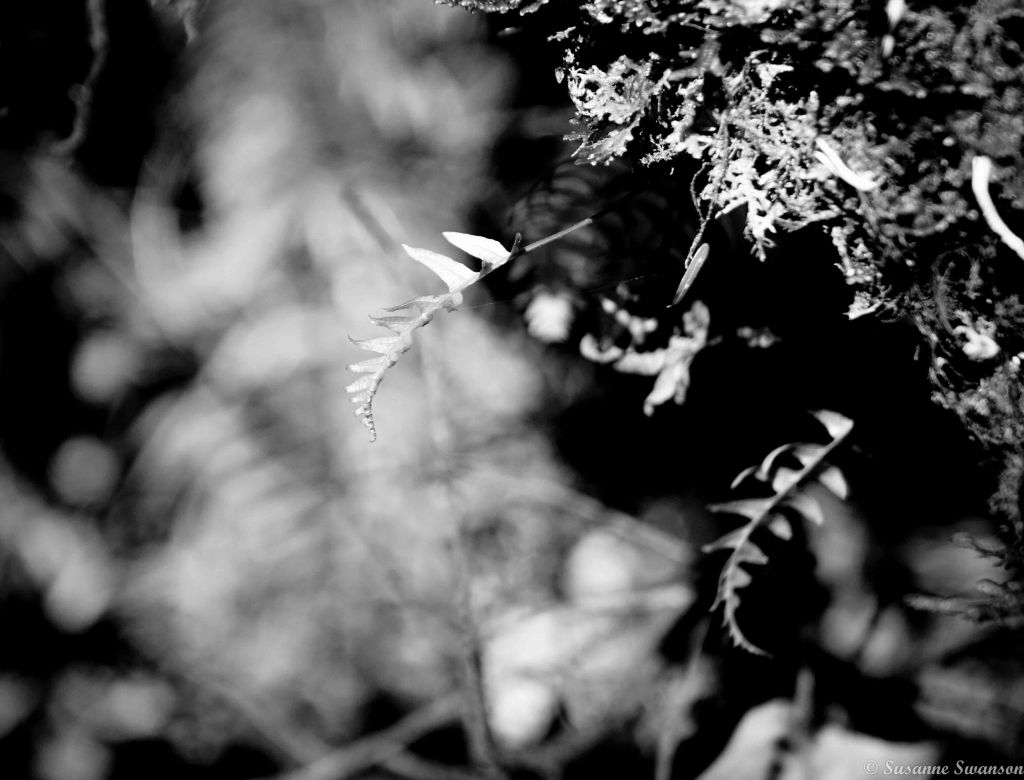
Ferns are nonflowering plants that reproduce by spores; flowers are plants that reproduce through seeds.
But to me they are just as beautiful.
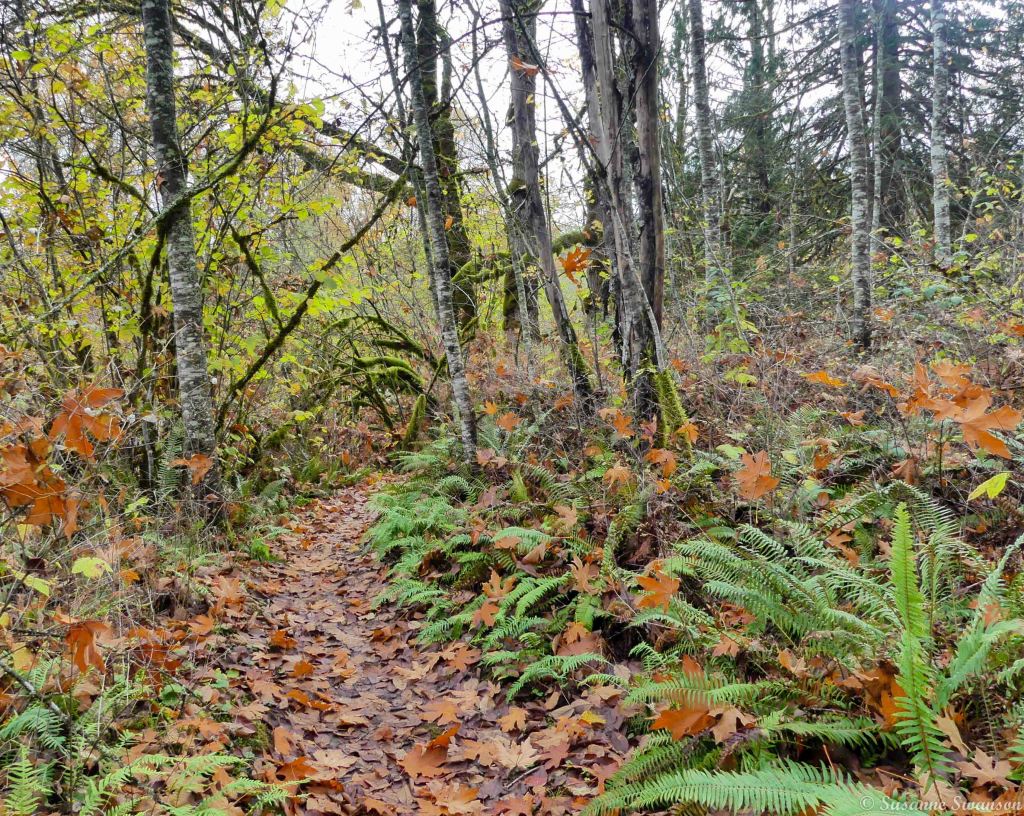
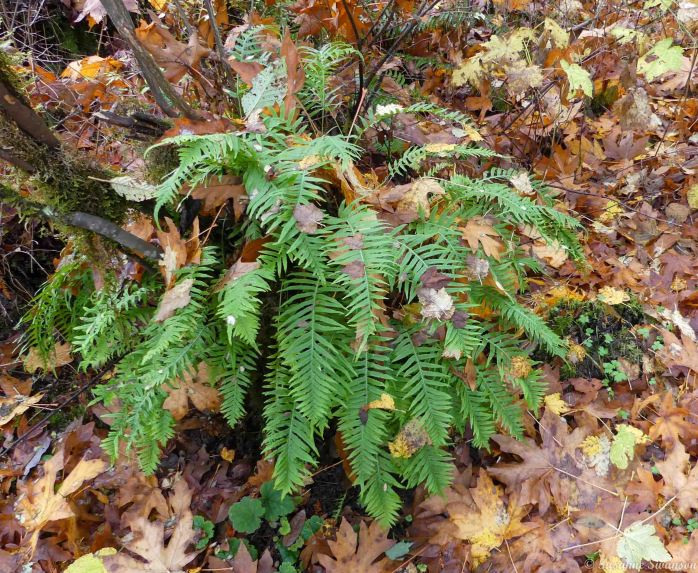
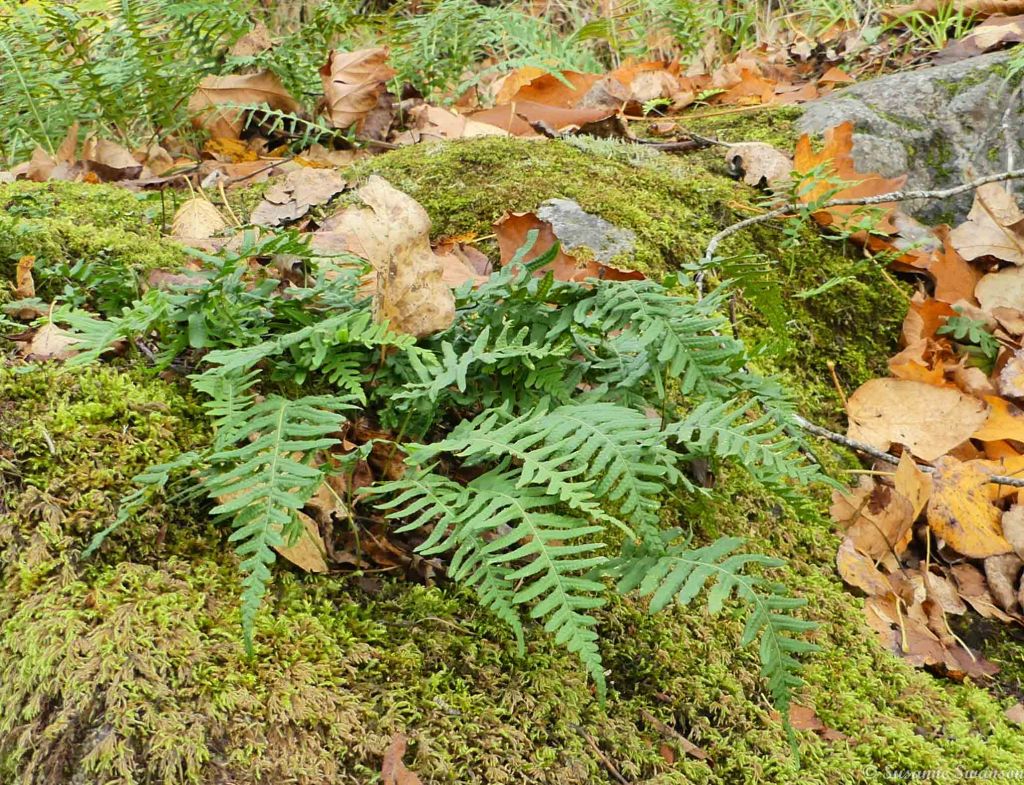
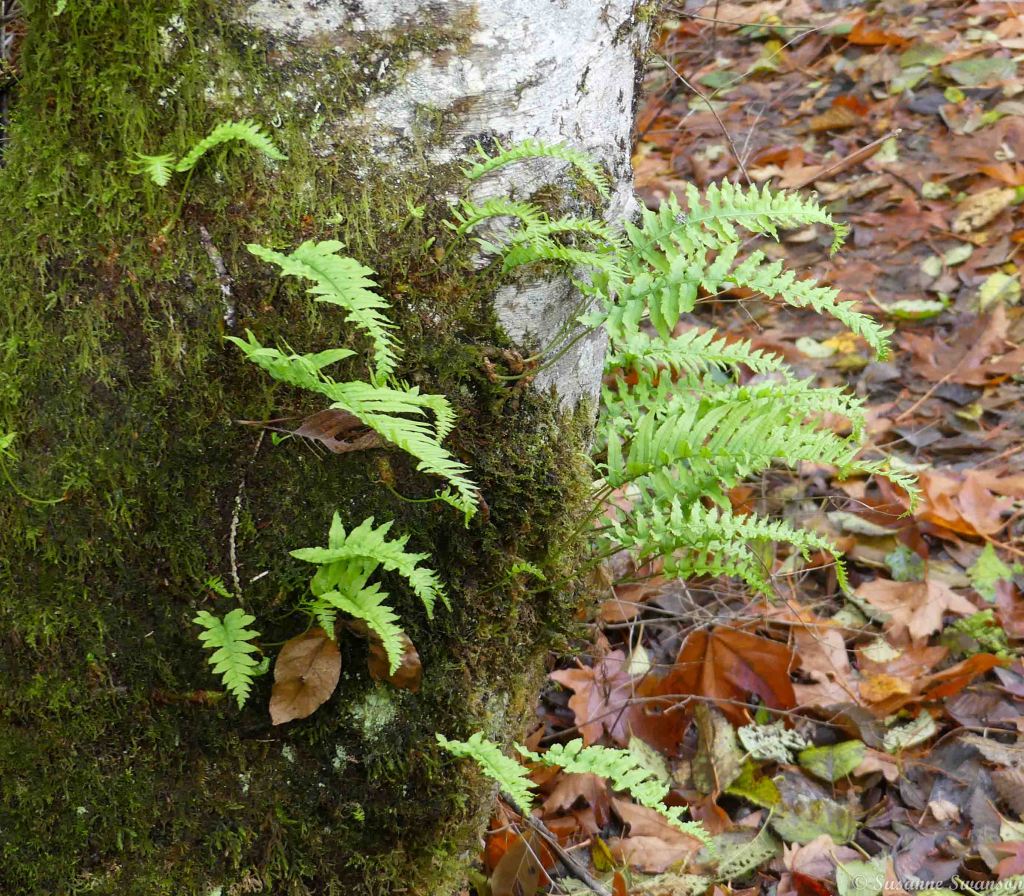
I see them regularly in the damp woods of the Pacific Northwest, these from our hiking near the Green River earlier this week.
Plentiful along the trails, growing everywhere, on the trees, rocks and ground.
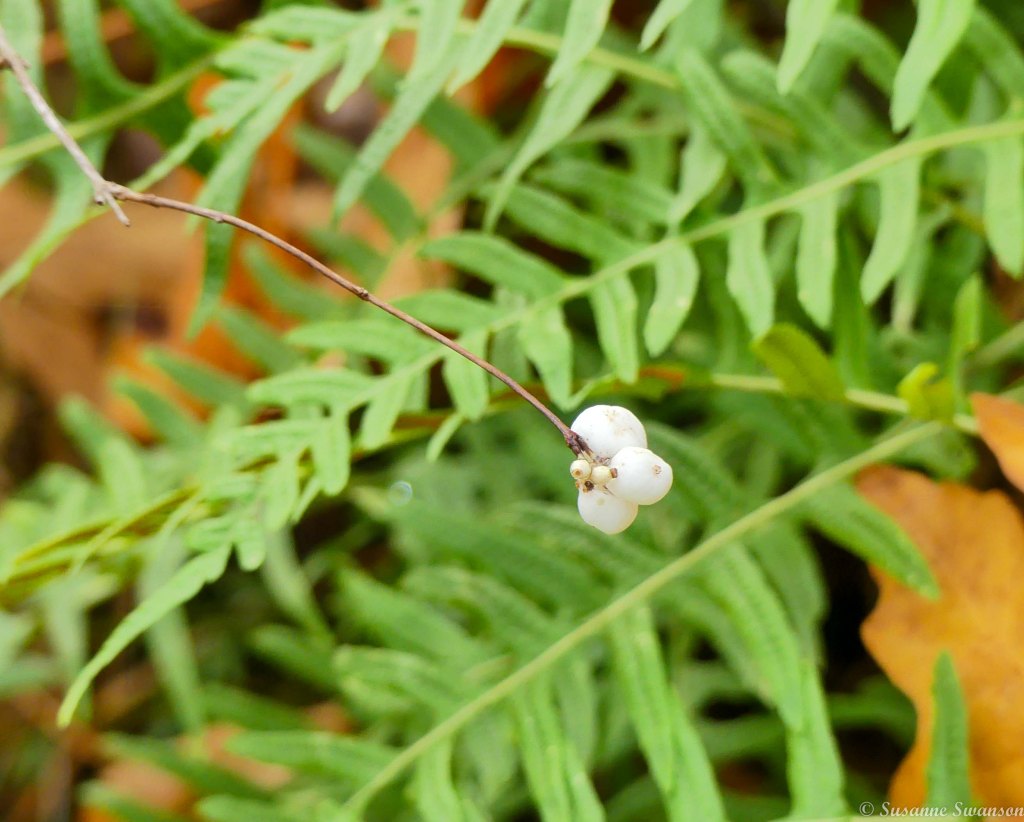
They make a nice background for other shrubs and flowers, like the Snowberry another native in the Northwest woods. A beautiful shrub with tiny pink flowers in the spring, the white berries are striking in the fall. Though not edible to humans (they are mildly poisonous) some birds eat the berries and also use the shrub for nesting.
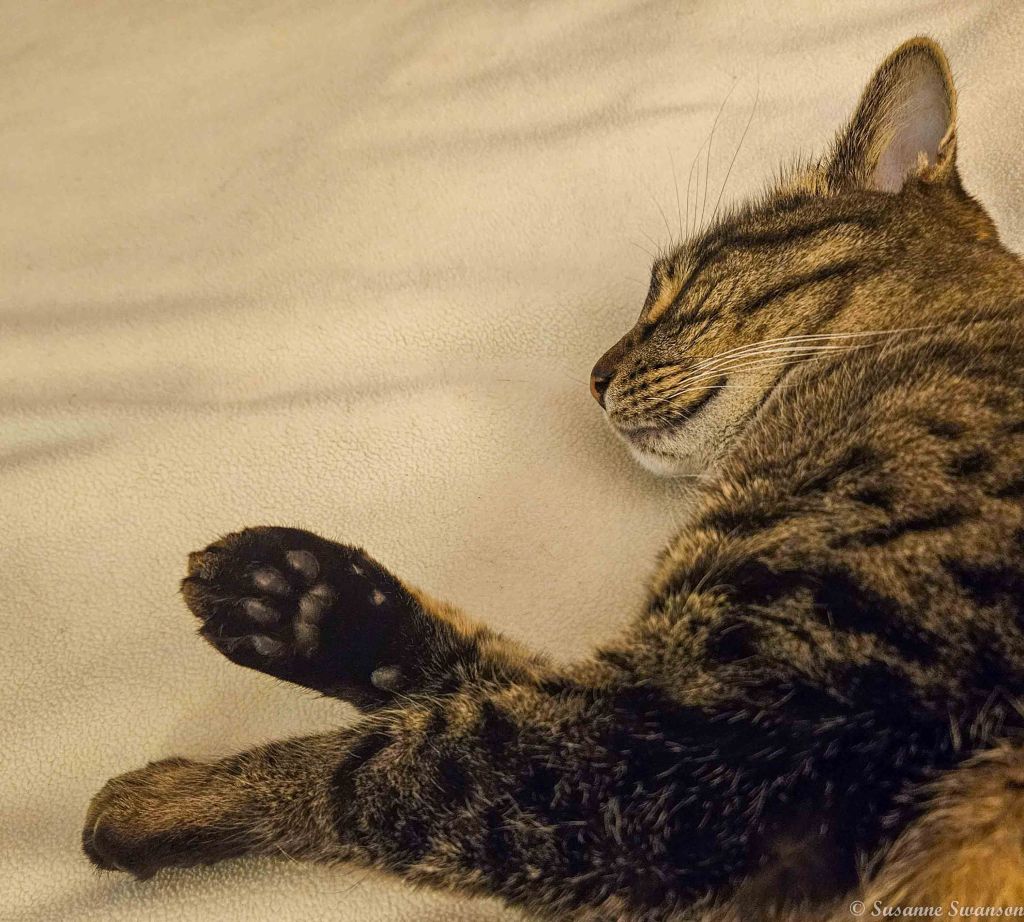
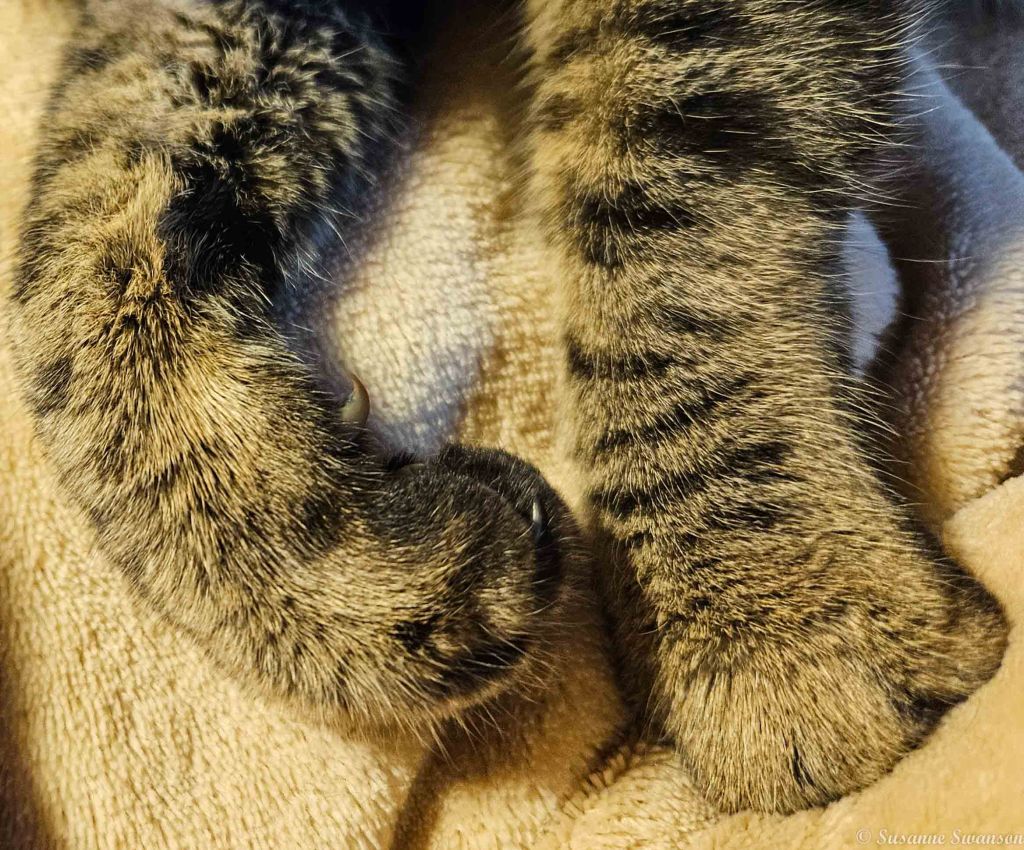
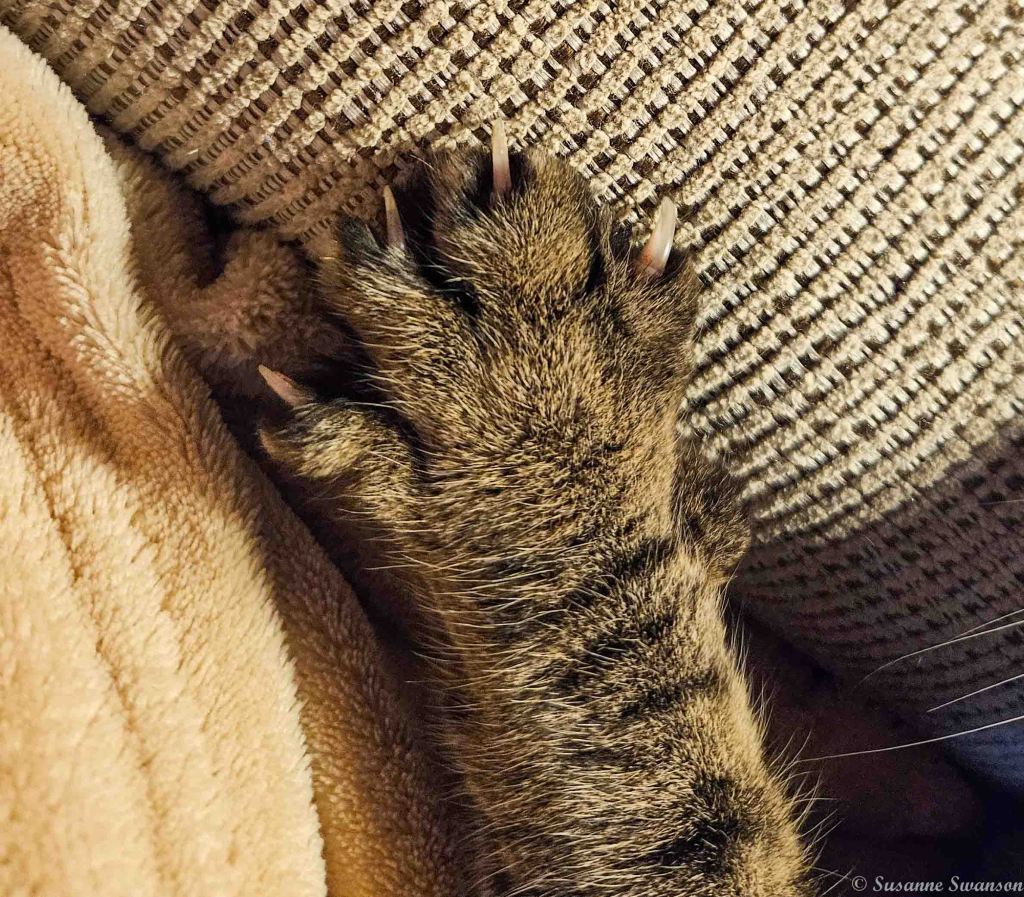
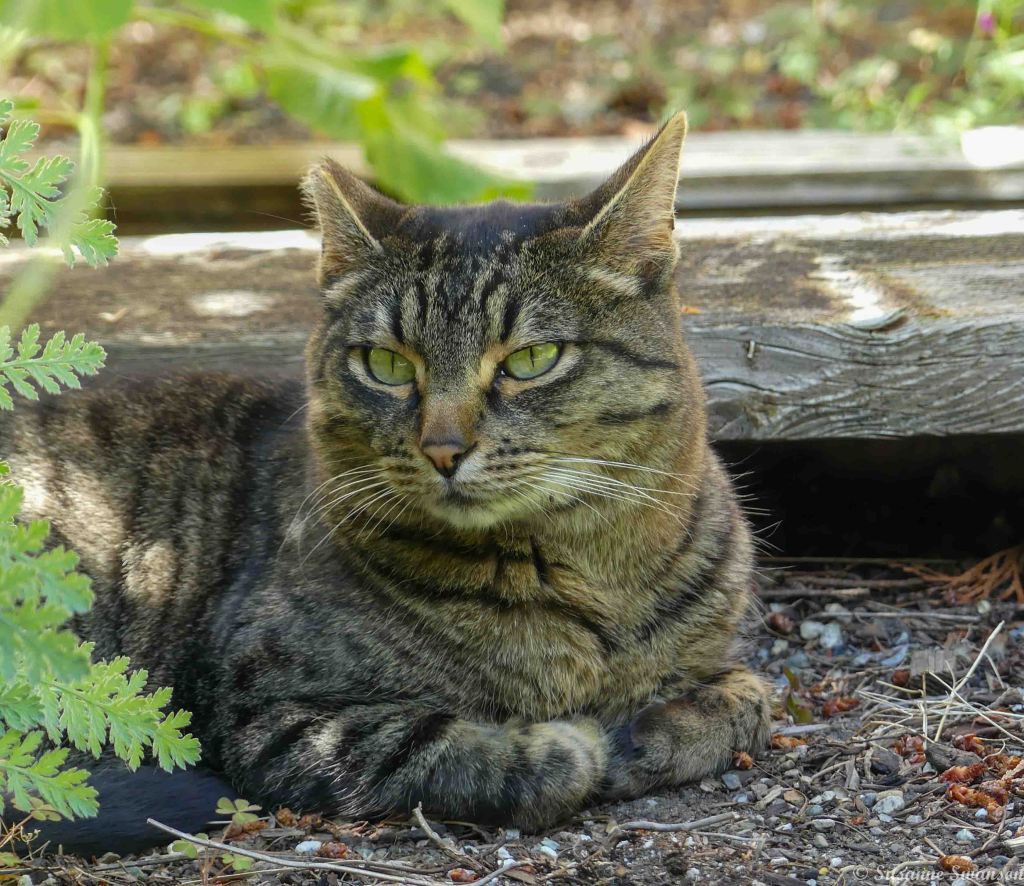
They look so innocent, those soft little paws on a sleeping cat.
But buried within are razor sharp claws, fast as any switchblade.
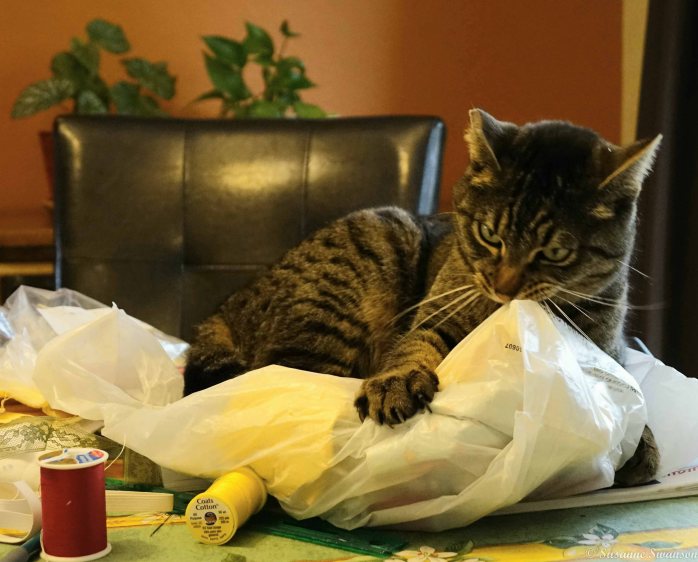
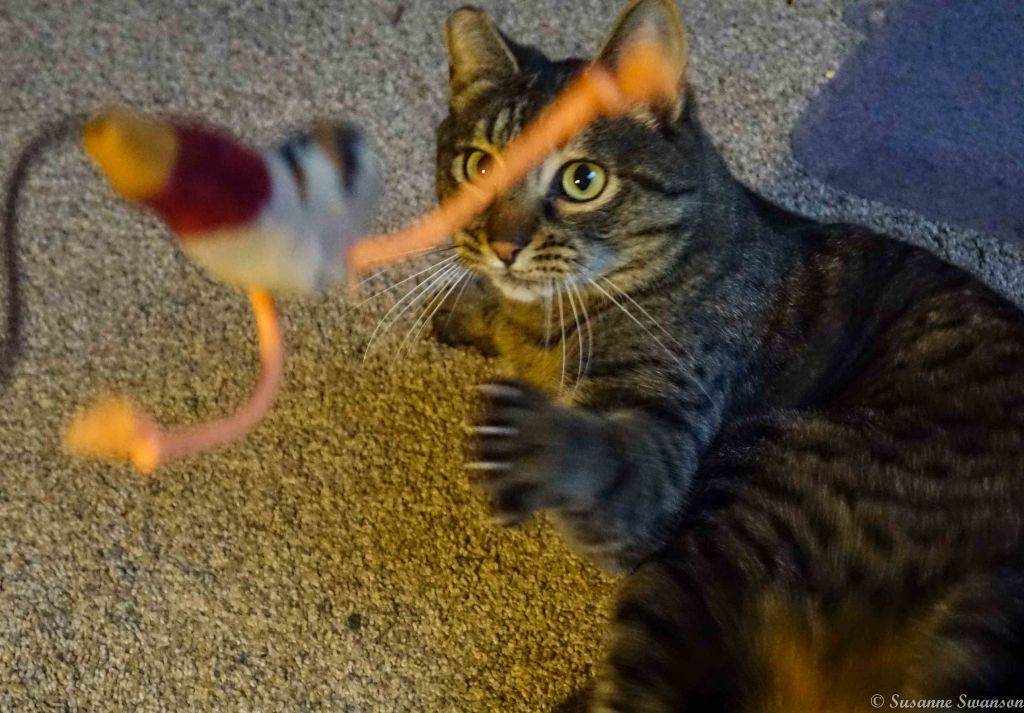
Tucked away when not needed for climbing, hunting or getting into mischief.
Capable of drawing blood, even in play, if only accidentally.
“Sorry, Sue.”
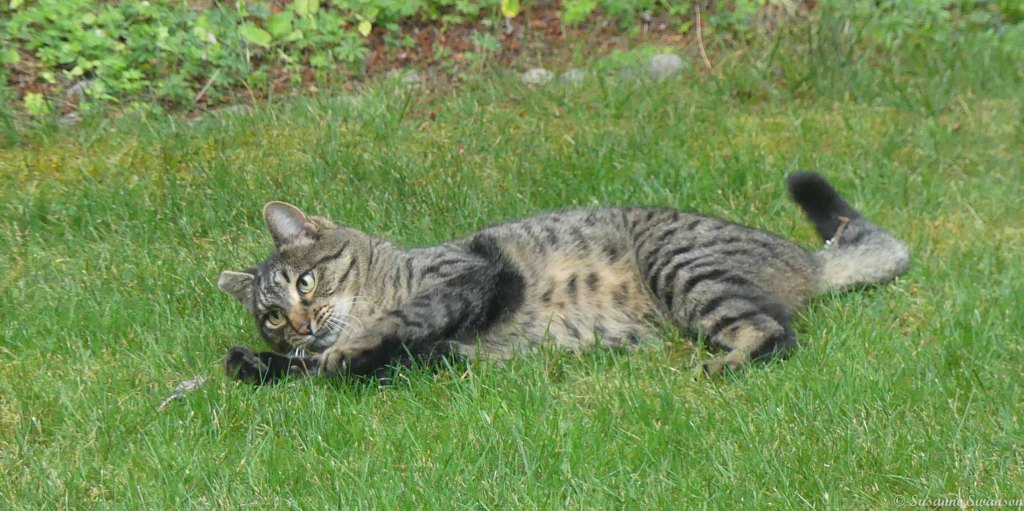
Each front paw has 5 claws, 4 from the toes and one opposable like a thumb. Hind legs have 4 claws each, giving cats 18 retractable claws. Benji gets by on 14, having a lost a back leg last year. It hasn’t slowed him down much, rodents beware.
‘Right, Benji?’
“When relaxed, strong elastic ligaments pull the claws back into protective sheaths, keeping them sharp and ready for action. This retraction happens automatically, requiring no conscious effort from the cat. When needed, cats engage specific muscles in their paws to extend their claws. This action occurs through a sophisticated system of tendons that flex the last joint of each toe, pushing the claw forward and downward. By keeping their claws protected when not in use, cats maintain their sharpness for critical moments. This feature also allows them to walk silently, making them more effective hunters.”
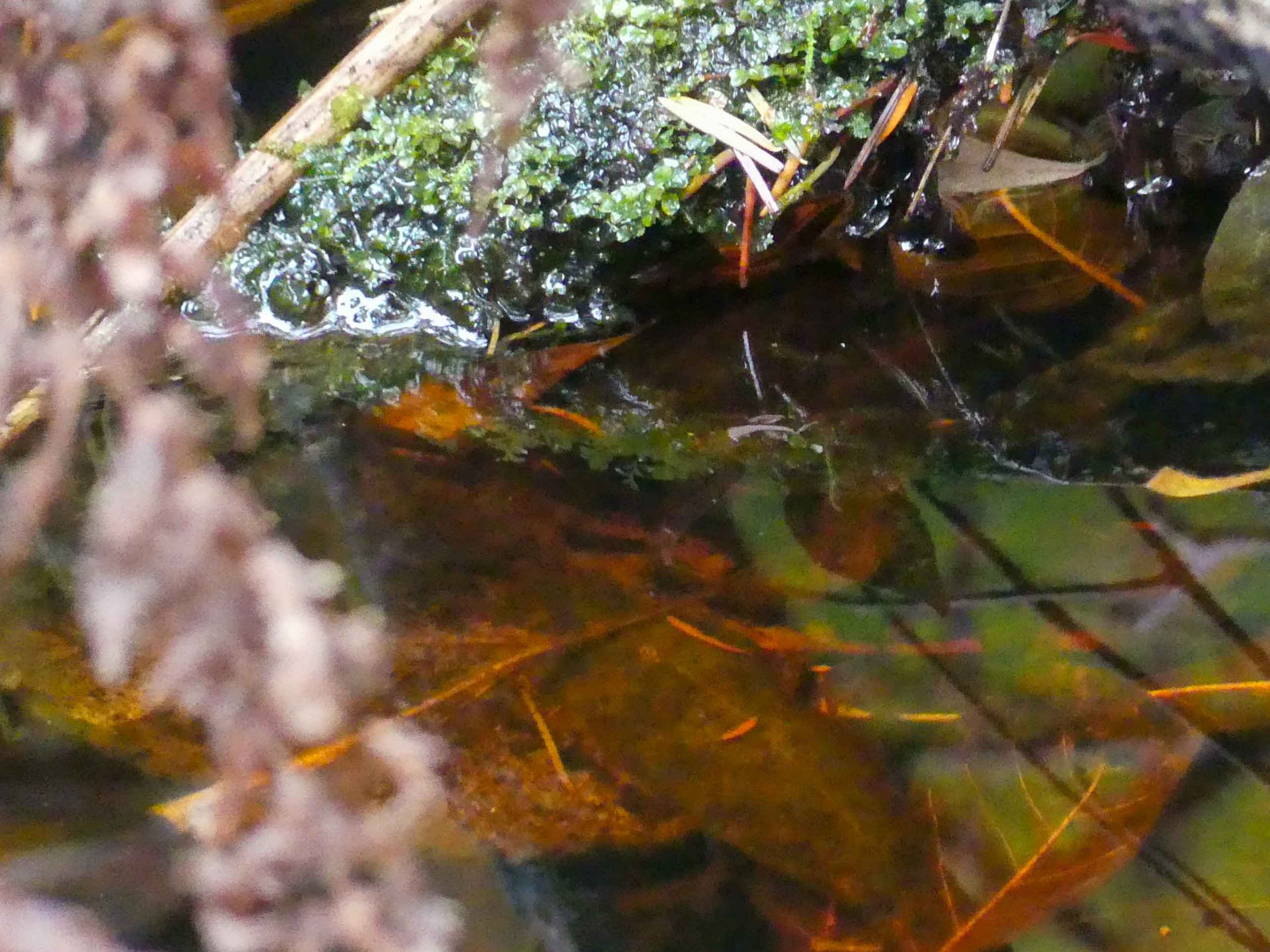
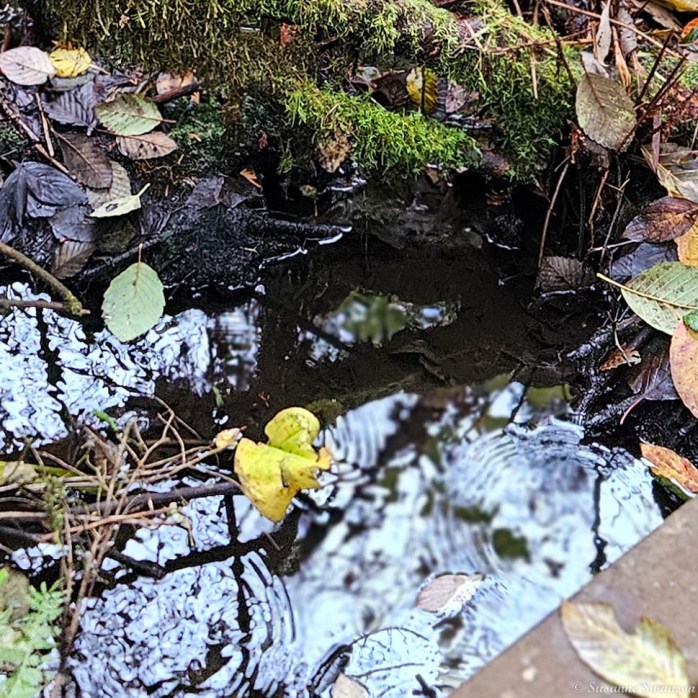
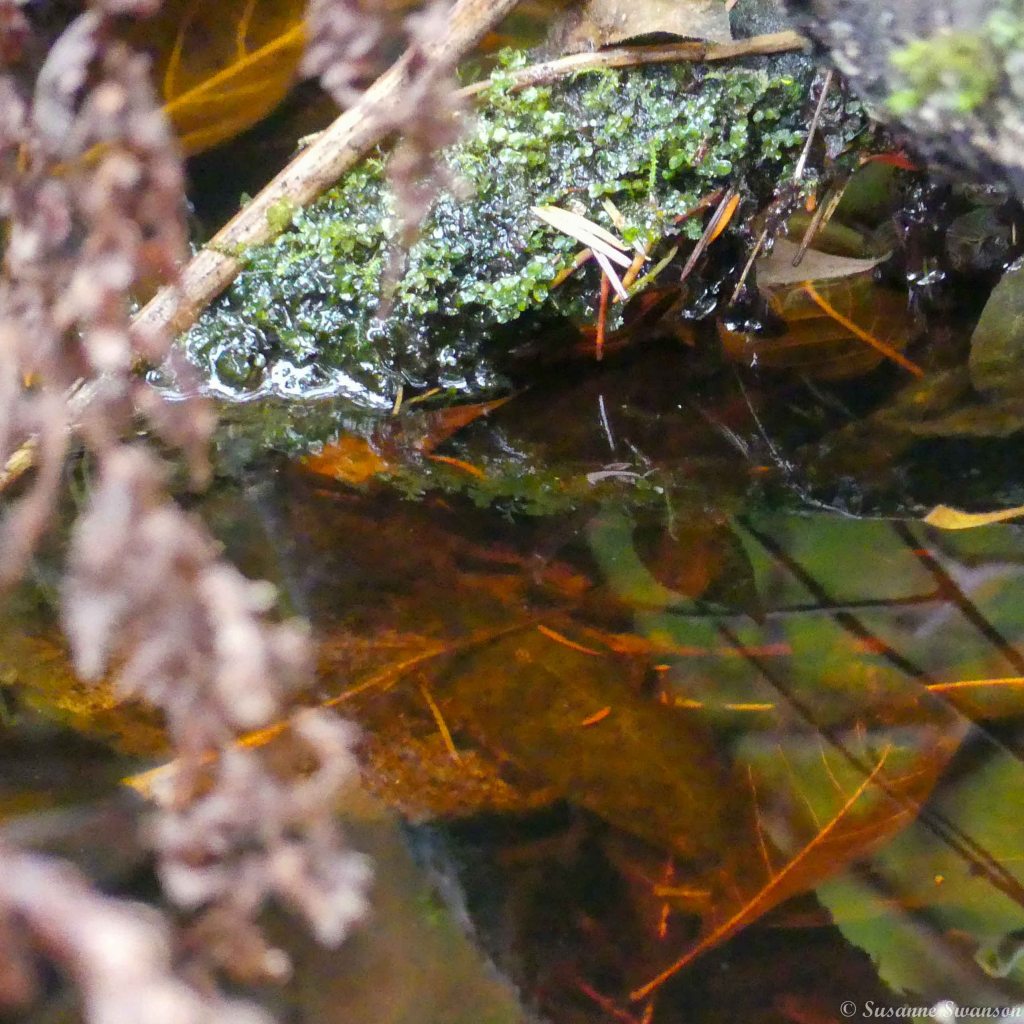
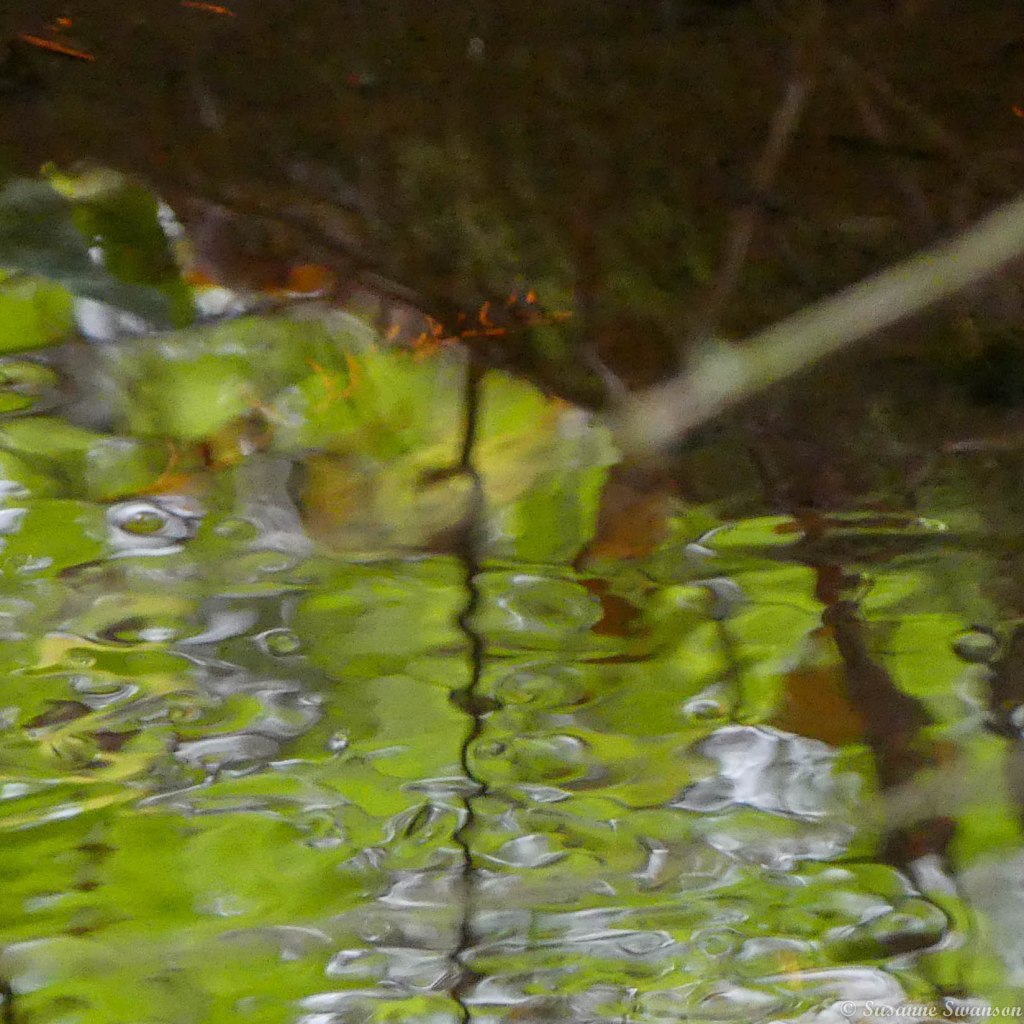
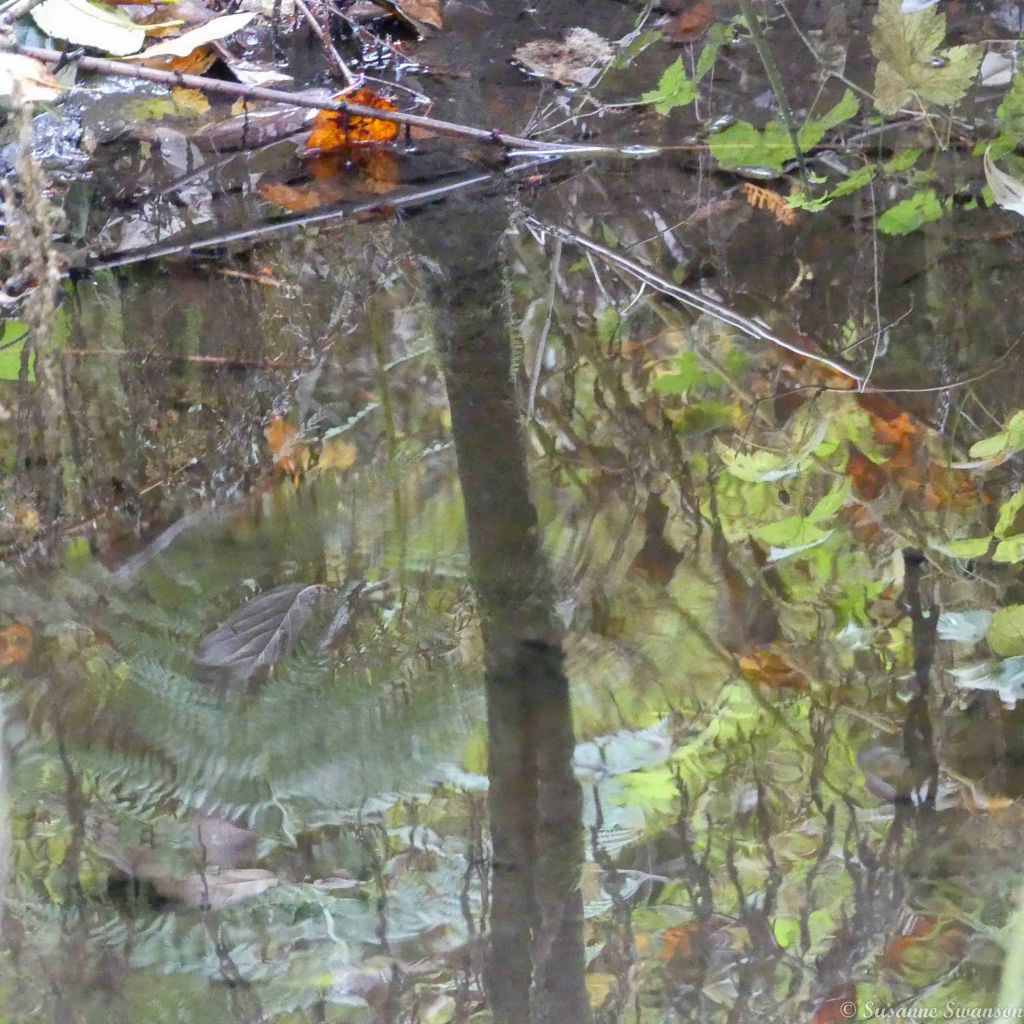
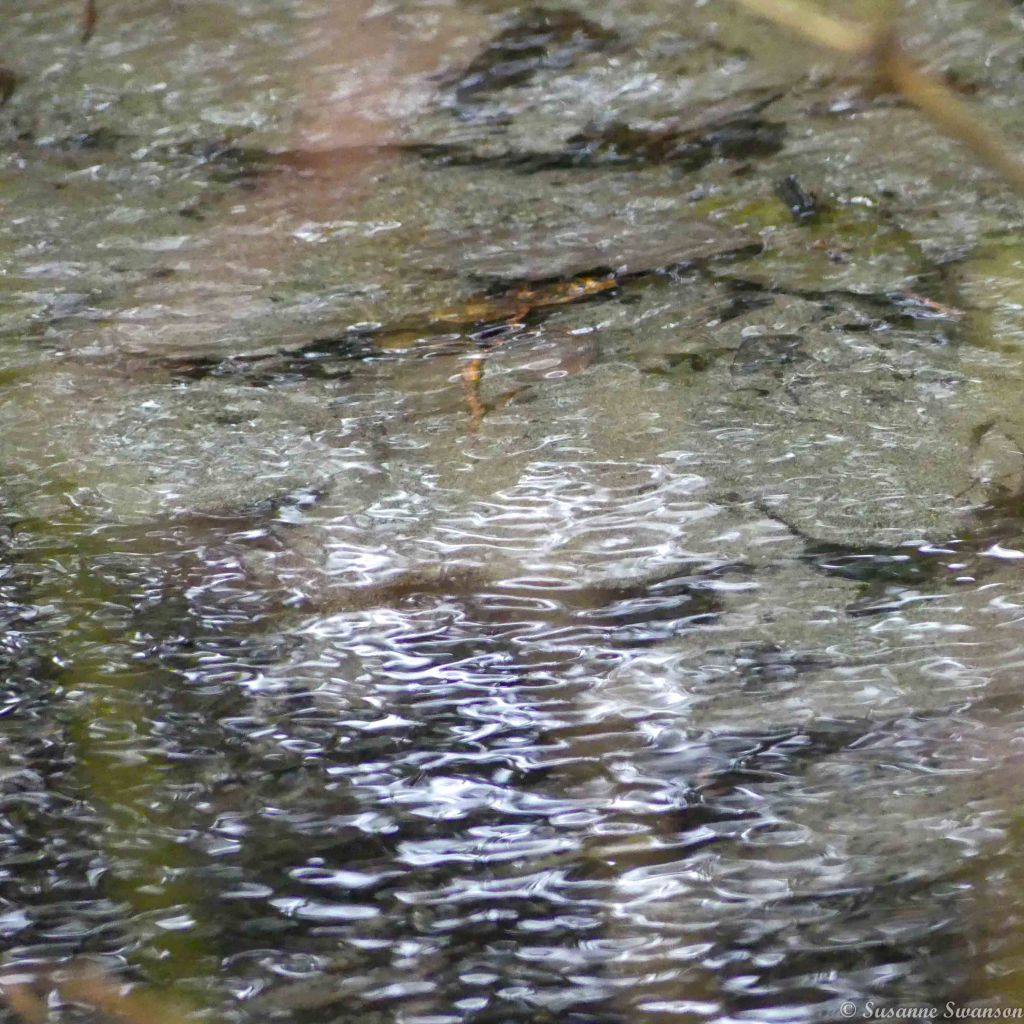
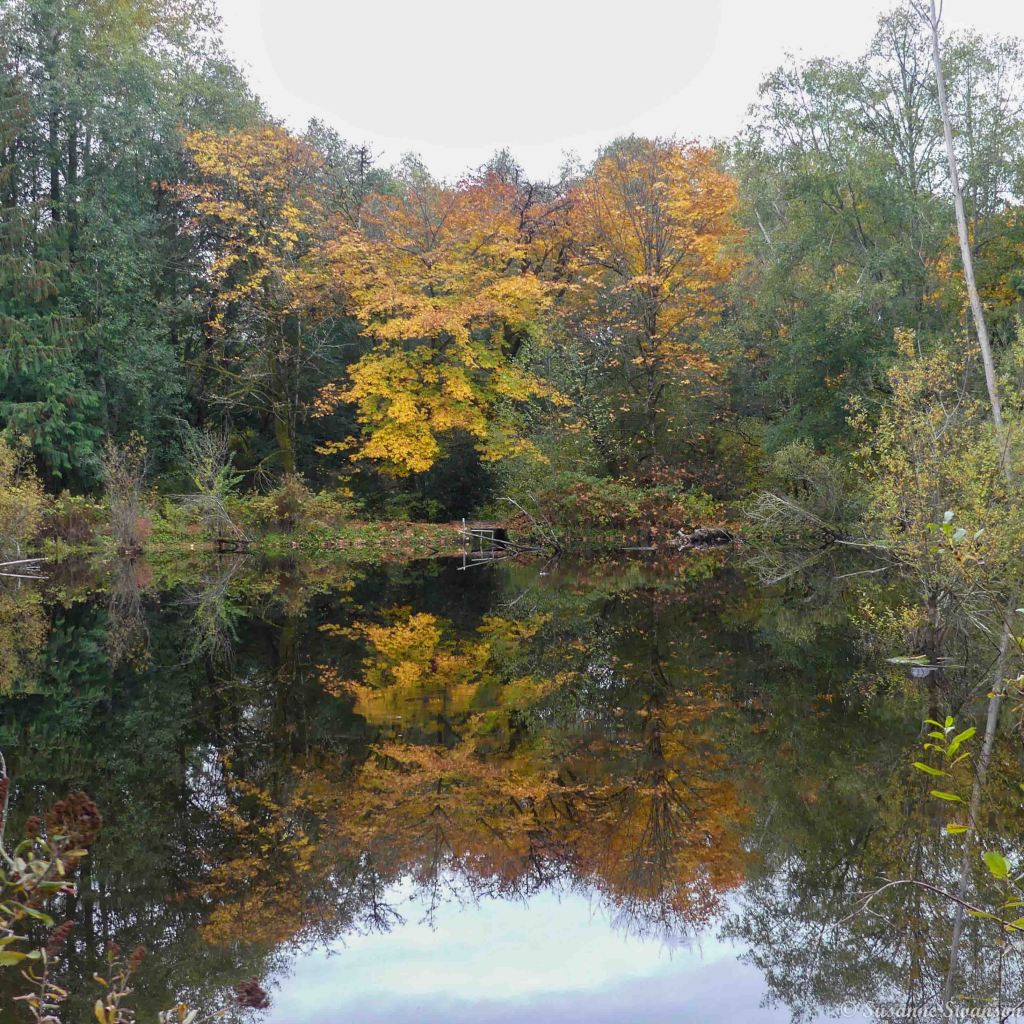
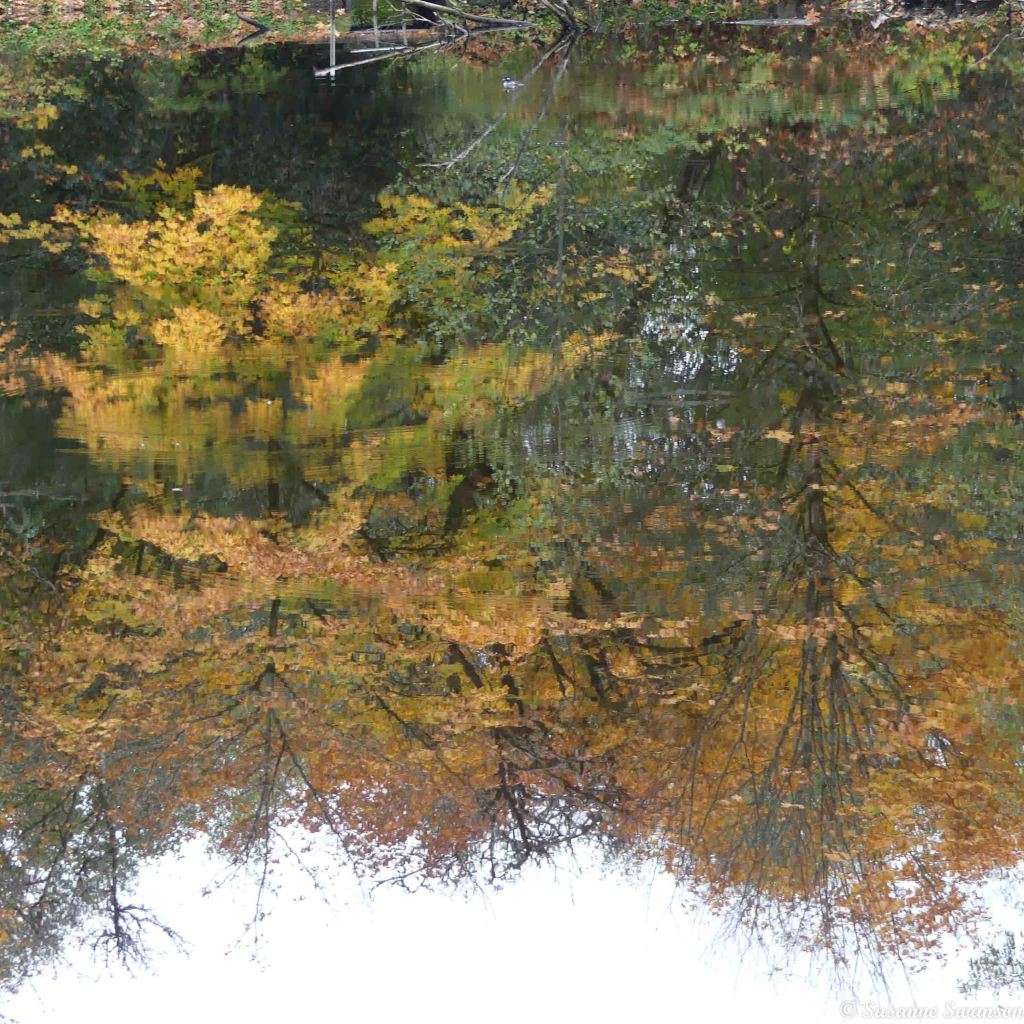
It’s hard for me to tell which is which, but I think I found both – shadows and reflections – on yesterday’s walk in the woods. It was a new trail to us, a boardwalk, through a bog – West Hylebos Wetlands Park in Federal Way.
I loved seeing the shadows and textures in the water.
and lovely fall colors reflected in the lake.
The Hylebos Wetlands contain peat soils up to 30 feet thick; they began to form some 10 – 15,000 years ago in a depression left after the last glaciation. Some of the deep sink holes are up to 20 feet deep.
Yesterday I shared pictures with you of my walk on the Cedar River Trail, where the river flows into Lake Washington.
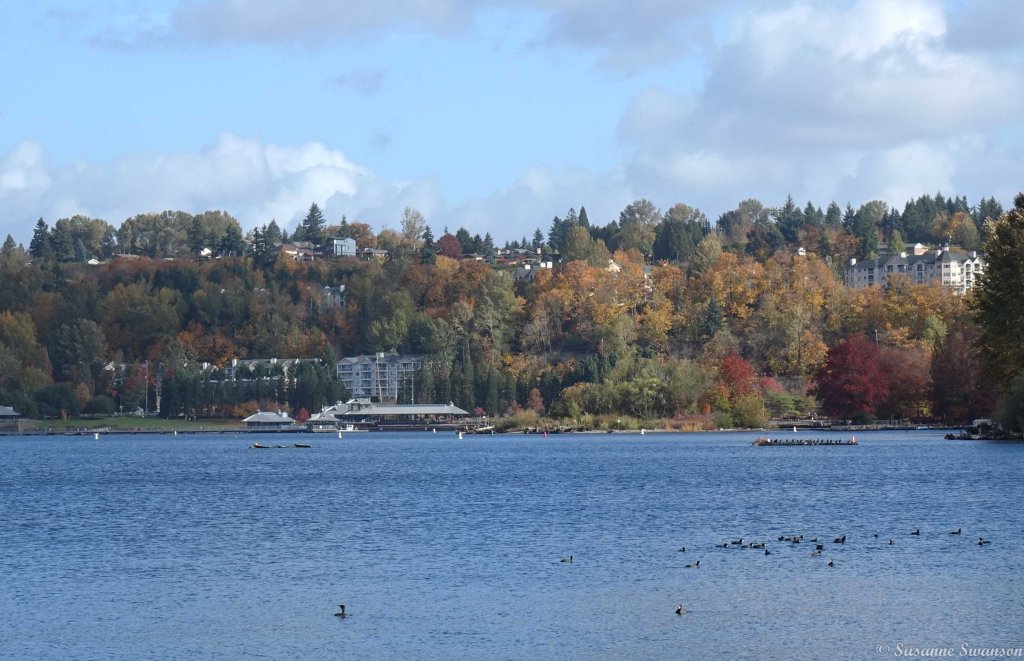
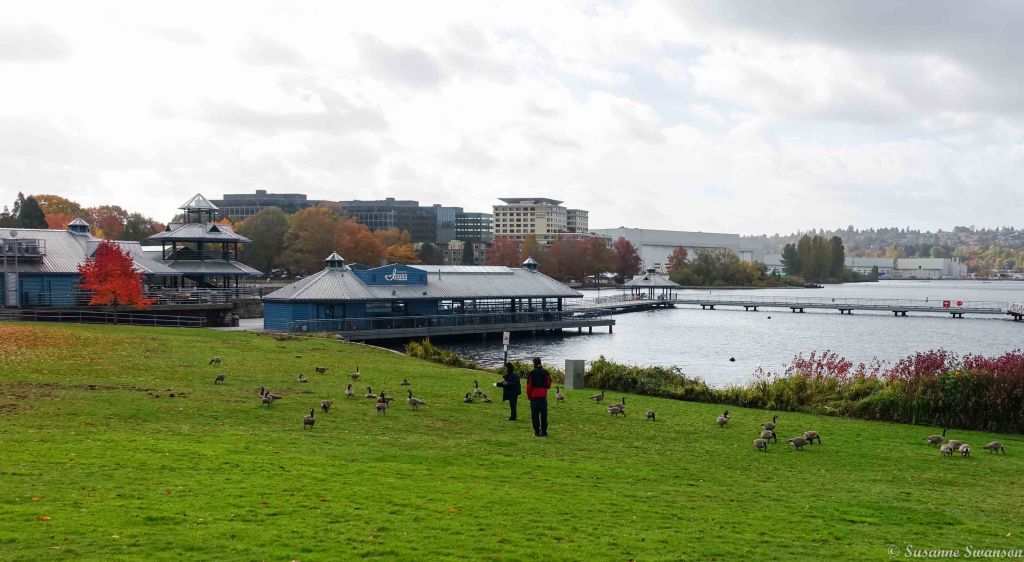
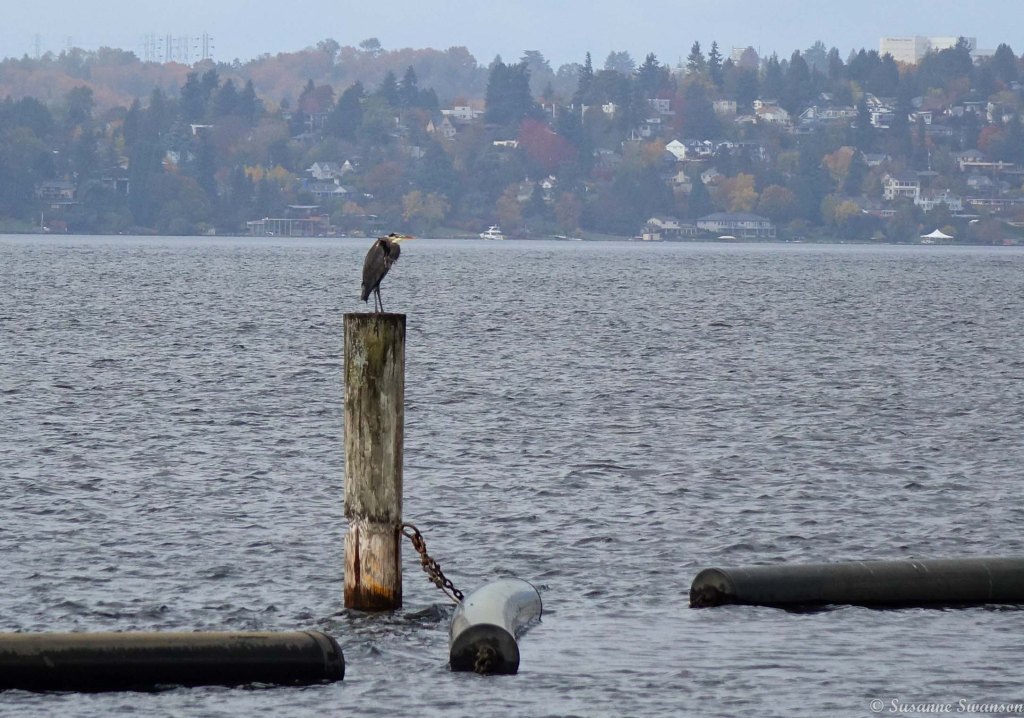
From here you can see Gene Coulon Memorial Park on the east side of the lake, one of the best in my humble opinion. (Perhaps only Seward Park in Seattle is better.)
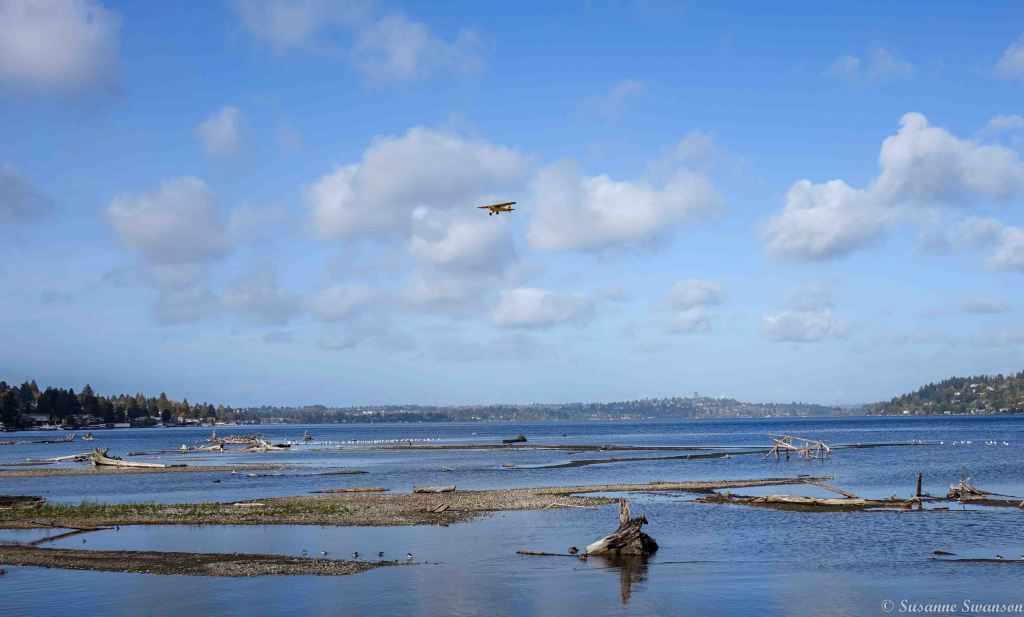
Alas, you cannot access Coulon Park directly from the Cedar River Trail unless you’re a bird; they do so regularly. The Boeing Plant is in the way.
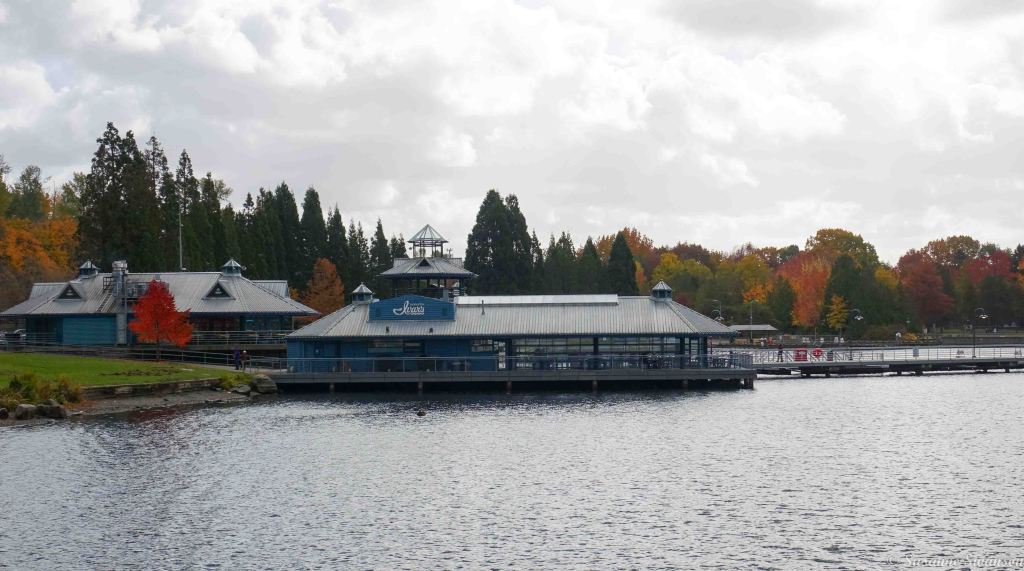
Still, it’s only a short drive around to Coulon, where there’s even more to enjoy, including Ivar’s where we regularly stop for Fish and Chips.
There’s a paved walkway around the lake,
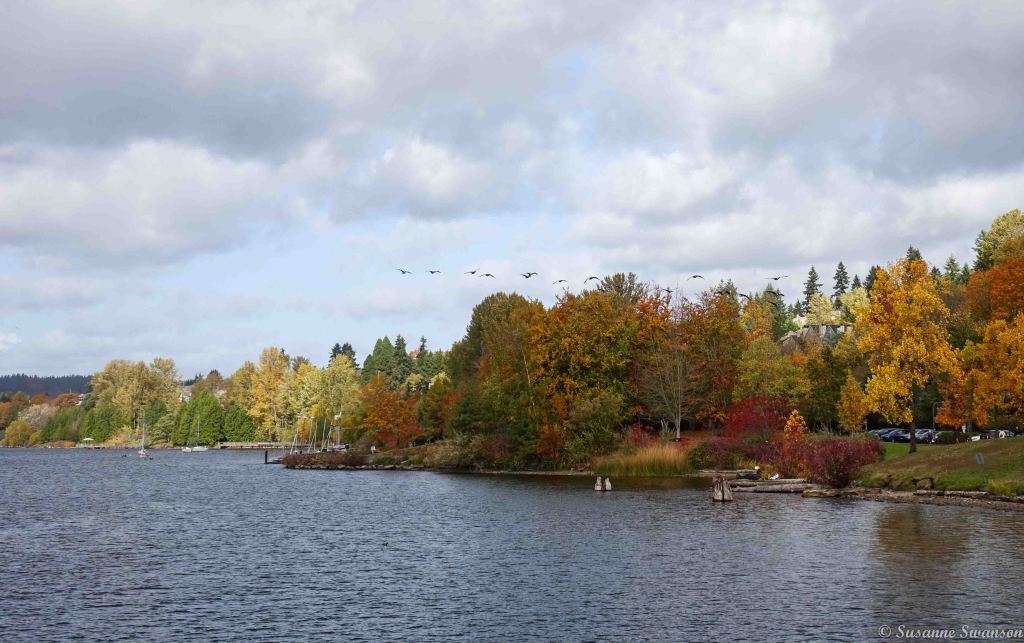
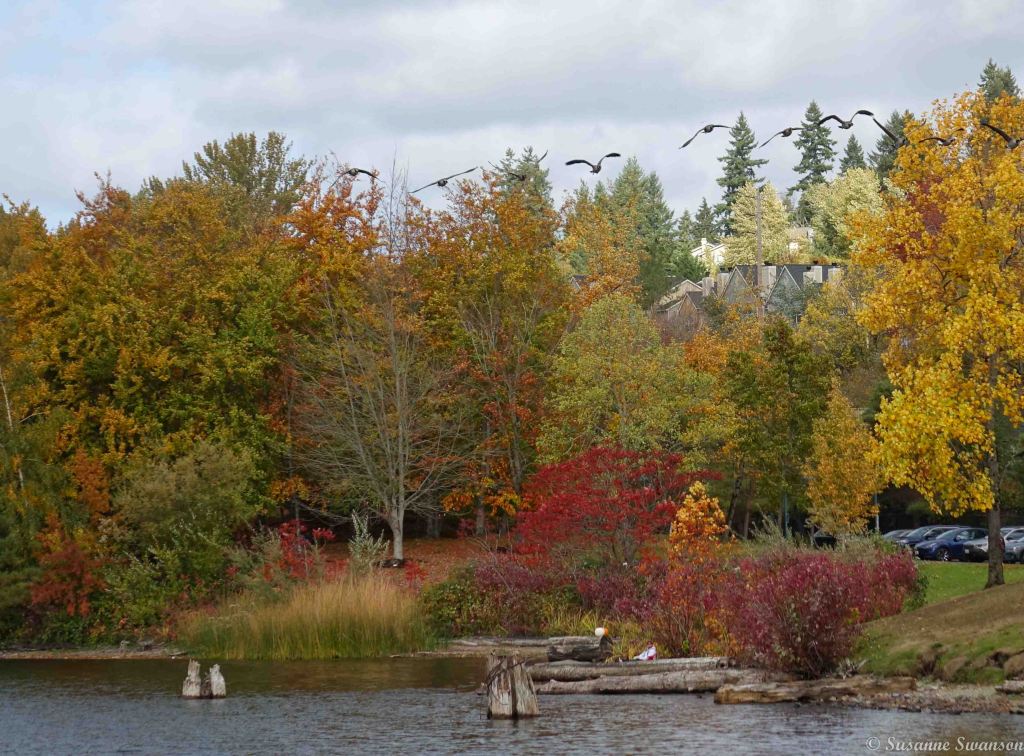
and many more birds.
And you’ll see the Coulon Walkers, the sculpture, ‘Interface,’ dressed up for the occasion.
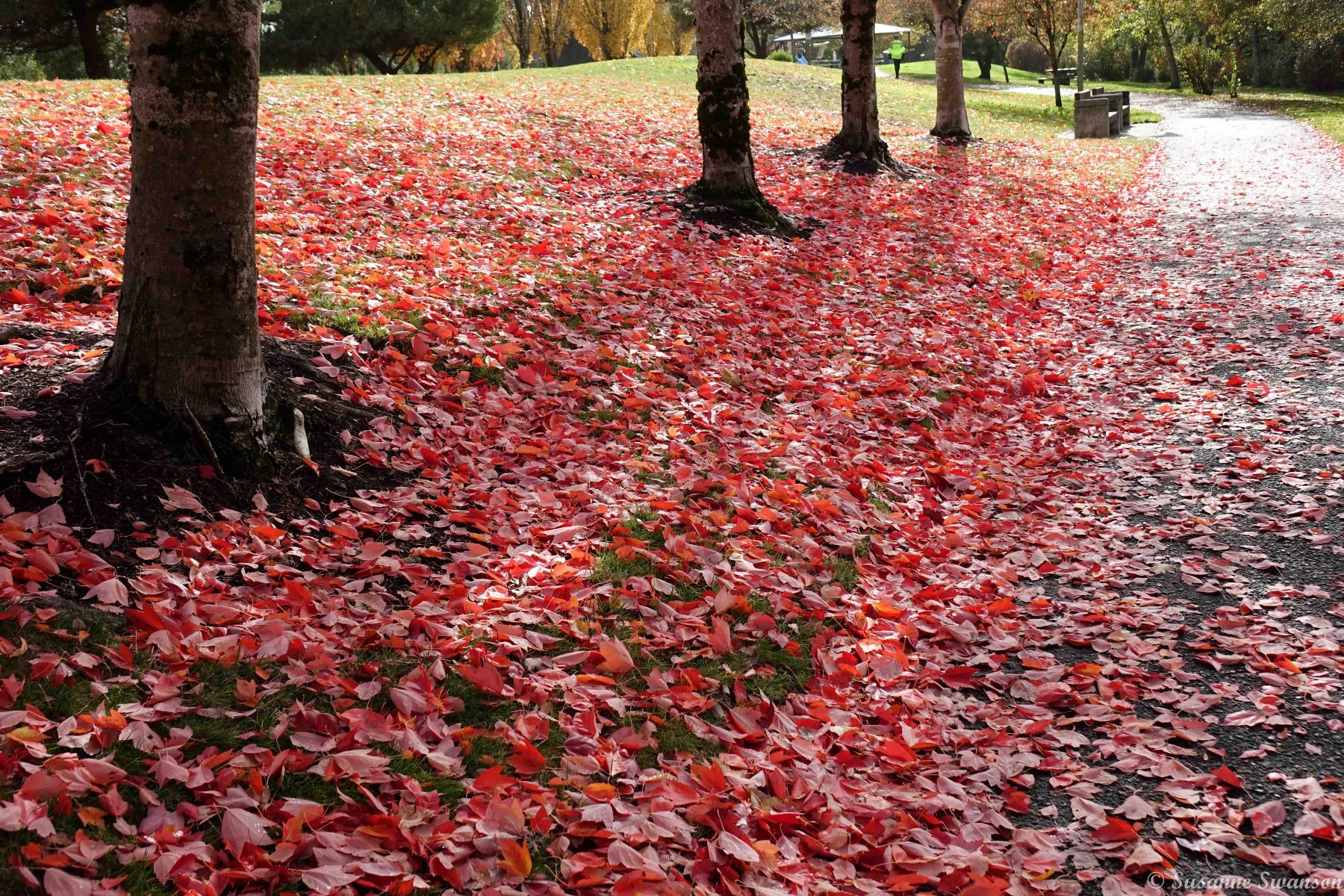
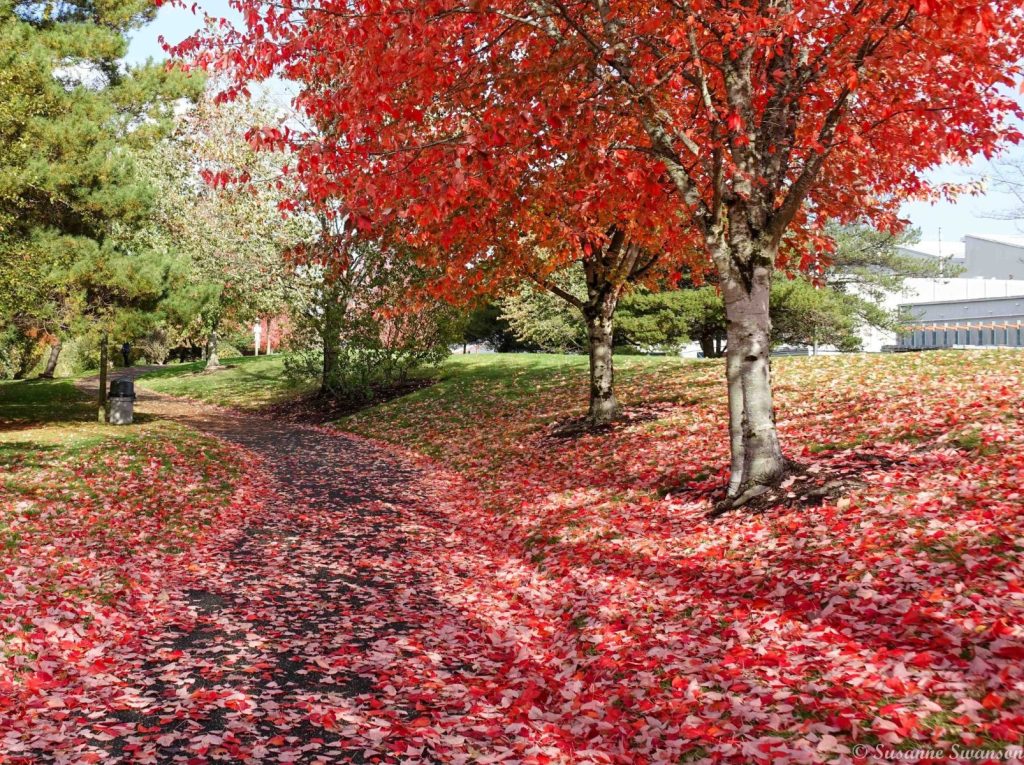
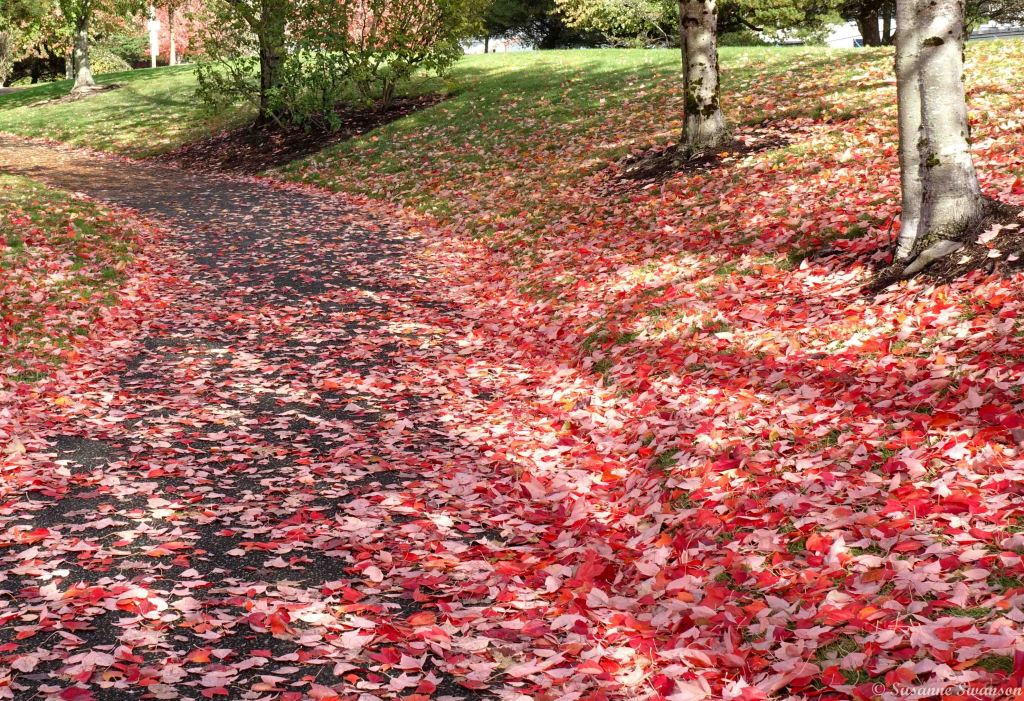
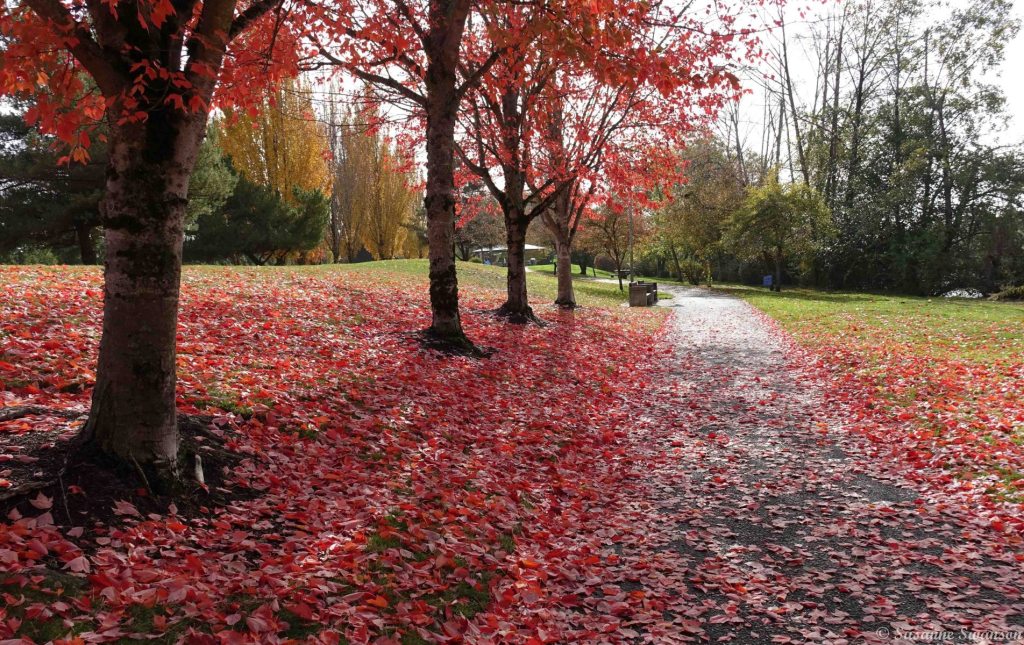
I felt like I was walking on a bed of roses yesterday on the Cedar River Trail, but they were fallen leaves and just as beautiful.
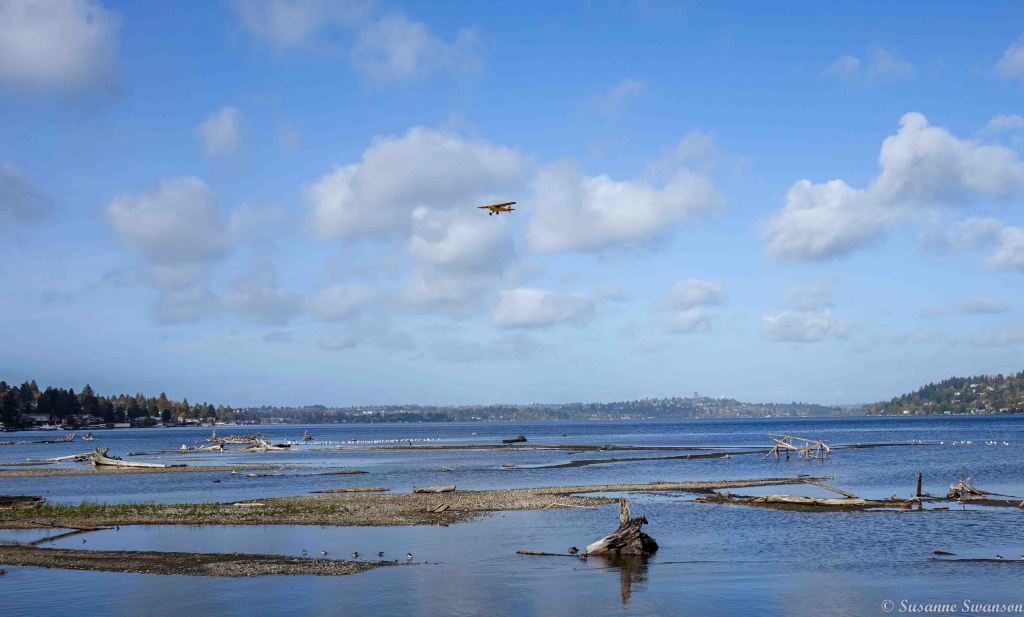
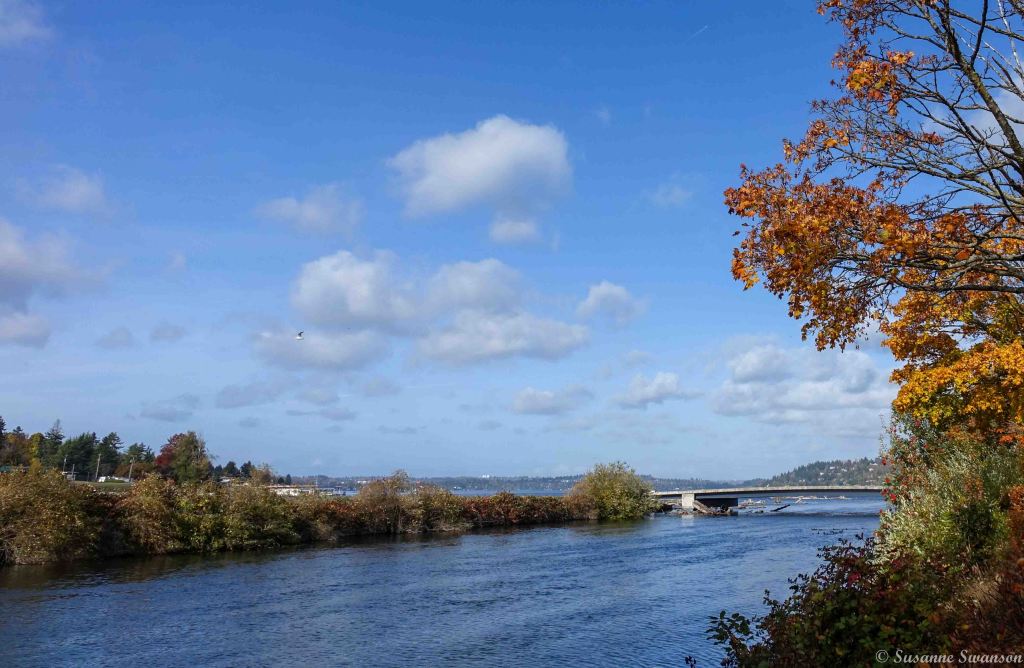
On one side of the trail is the Cedar River heading north into Lake Washington.
From that vantage point, you can see the Seattle skyline on the west, and the Bellevue skyline on the east, with Mercer Island in between.
All manner of ducks and birds call Lake Washington home.
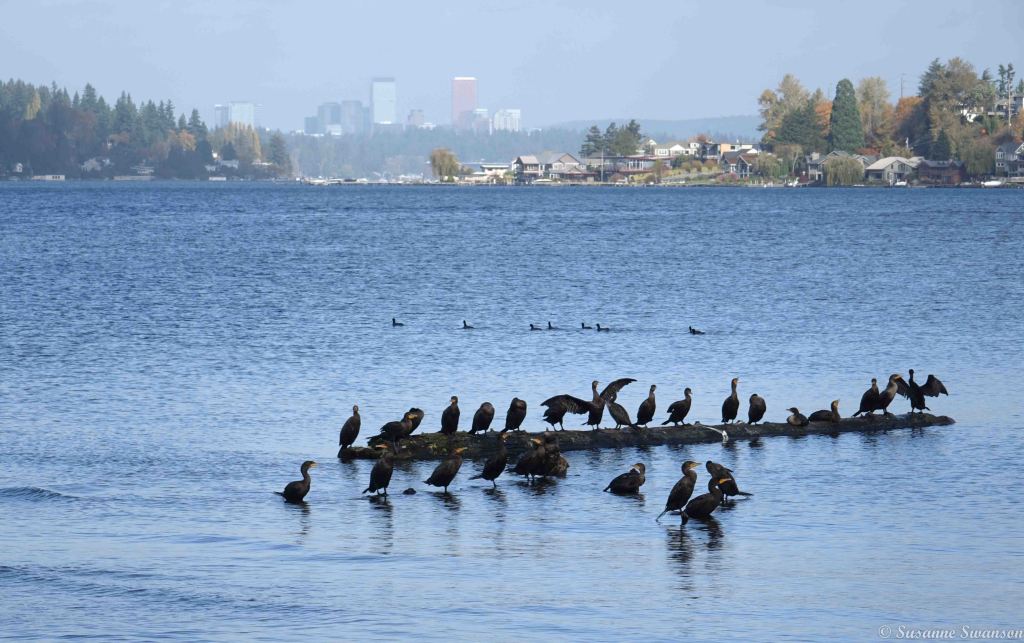
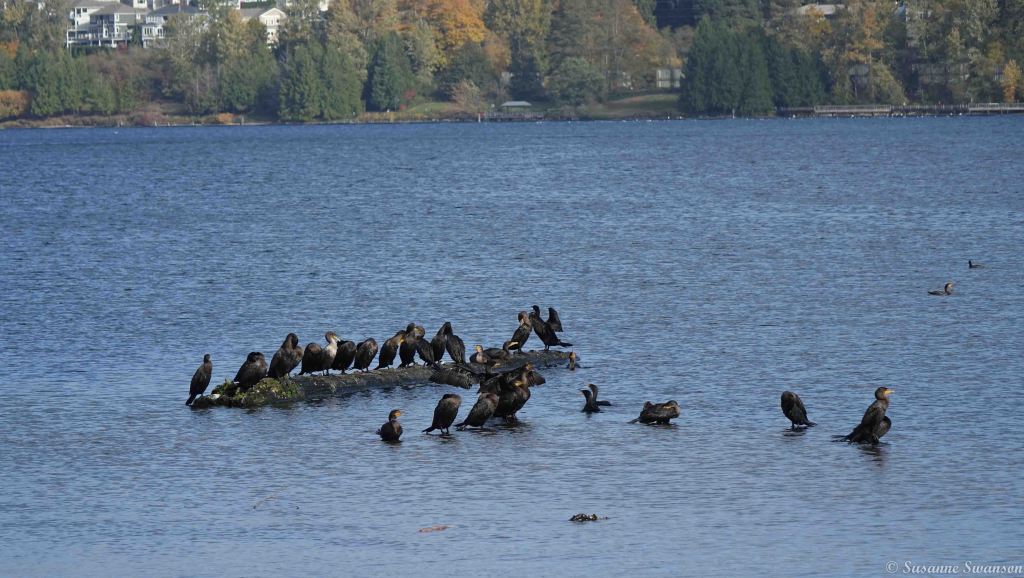
There was a convention of Cormorants yesterday, with Bellevue’s skyline behind here,
and Coulon Park behind, here.
There were flocks of American Coots in front of the Boeing plant.
The Boeing Plant was established in Renton in 1942, to manufacture the B-29 Superfortress during World War II. Since that time, it’s been the home of many other significant planes, especially the 737.
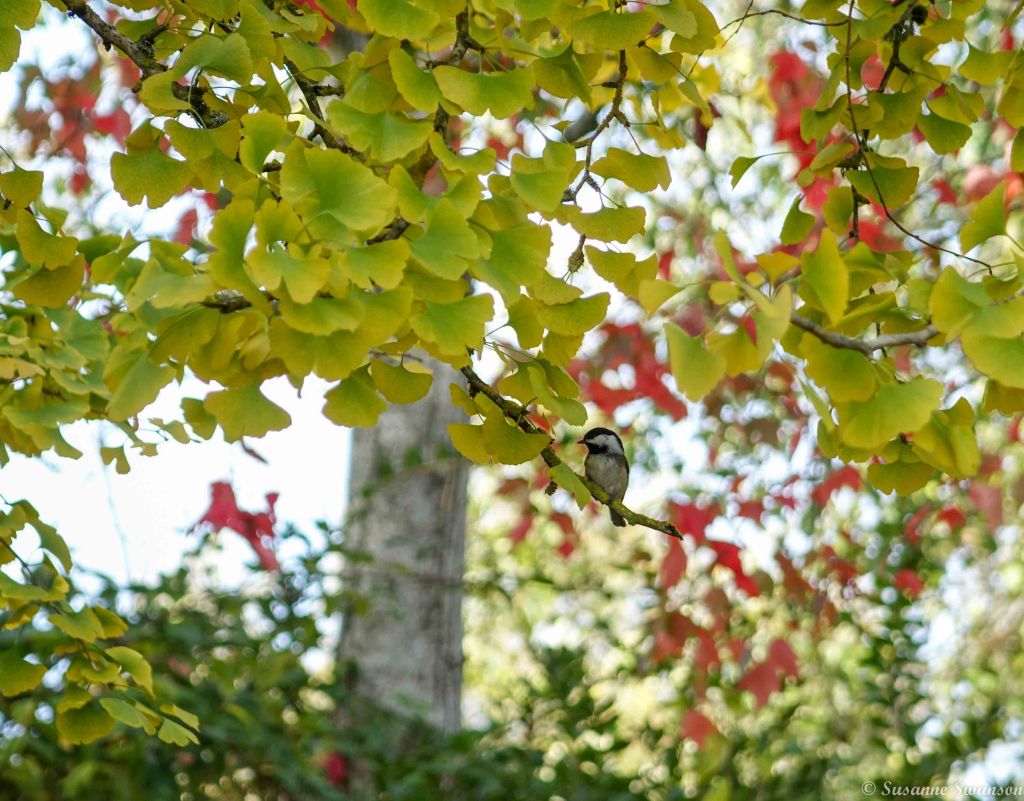
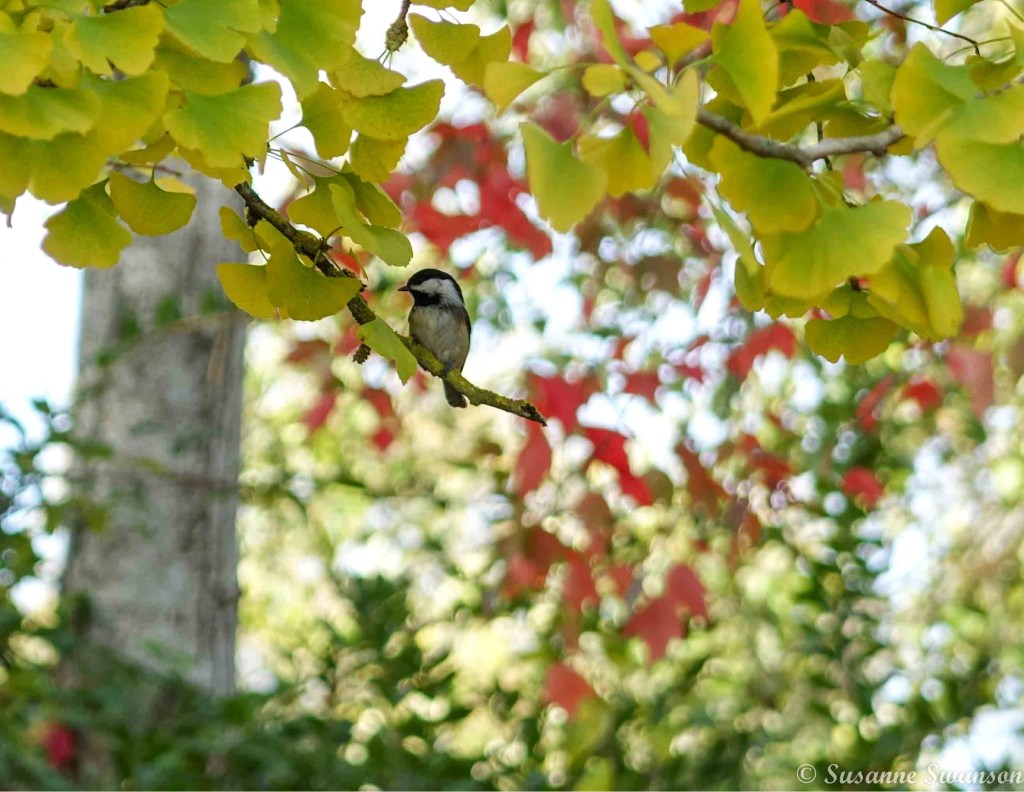
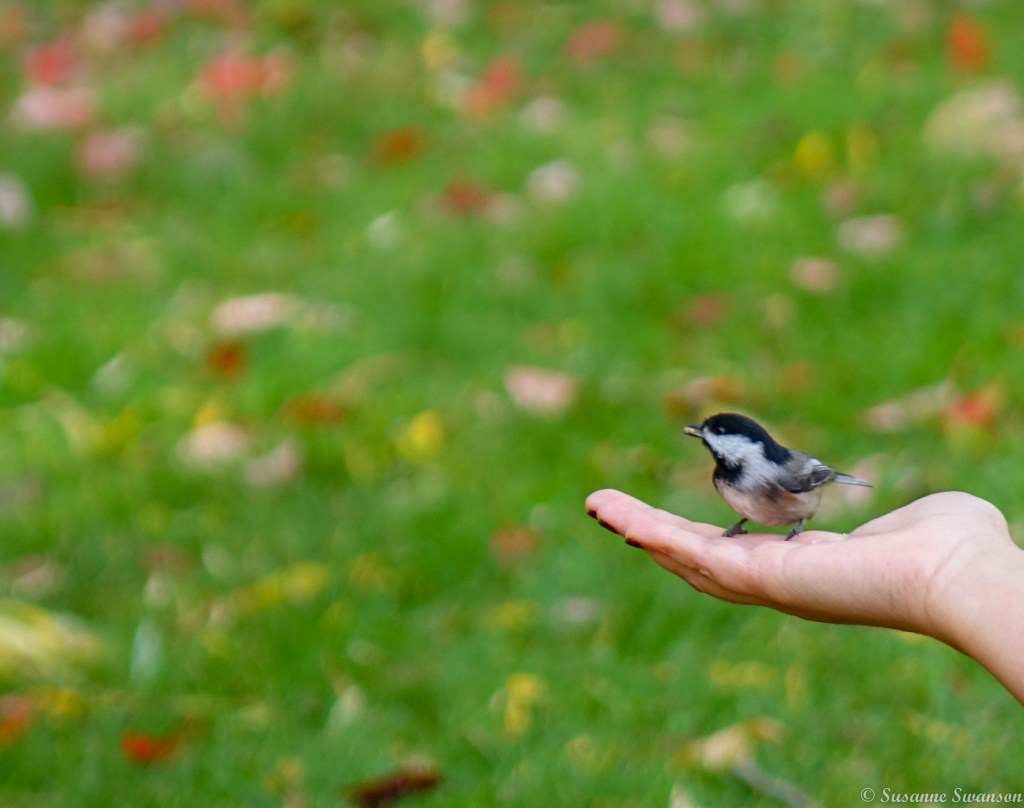
Back on the trail many birds abound in the trees above, including this Black-capped Chickadee, one of my favorites.
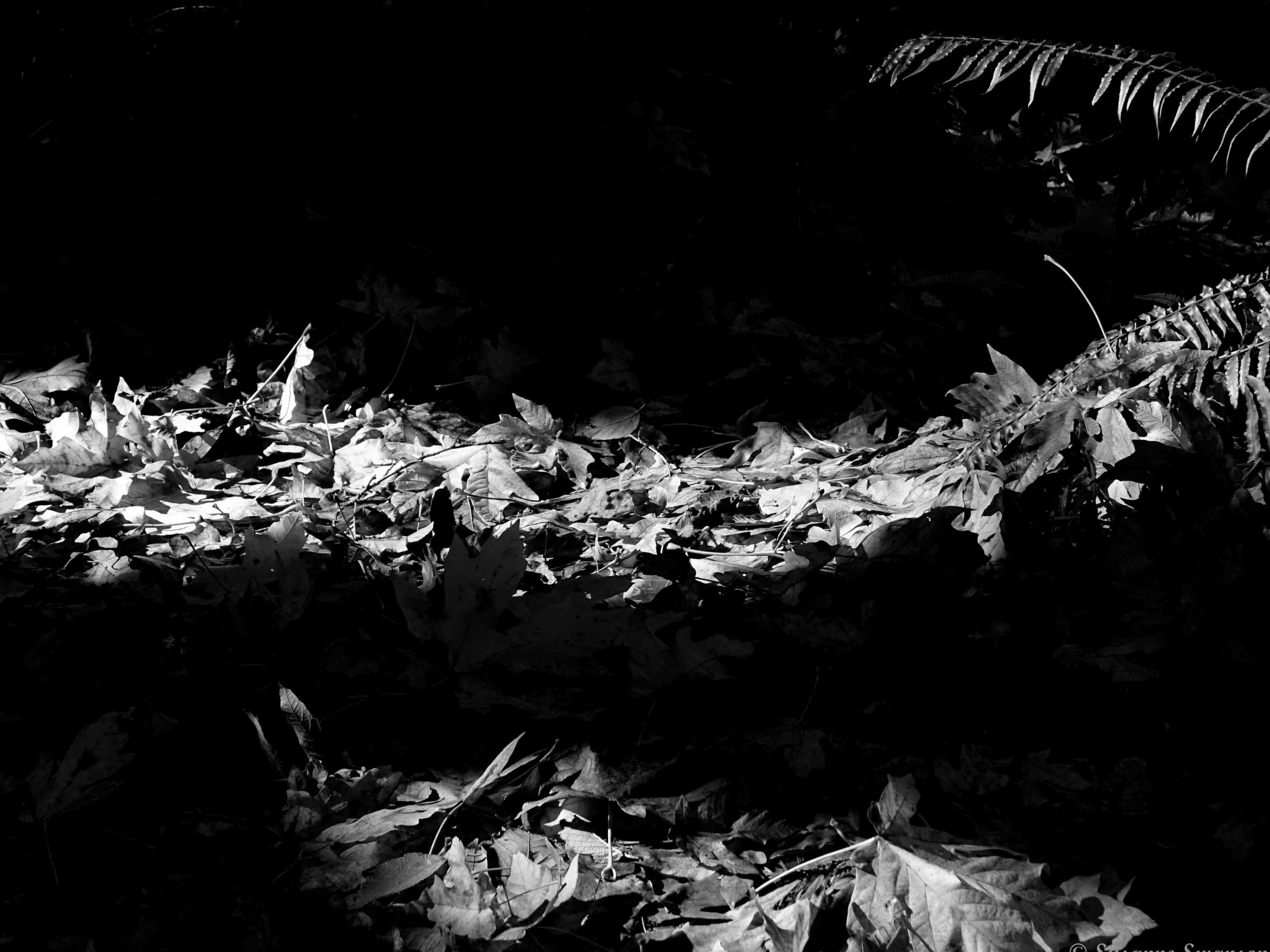
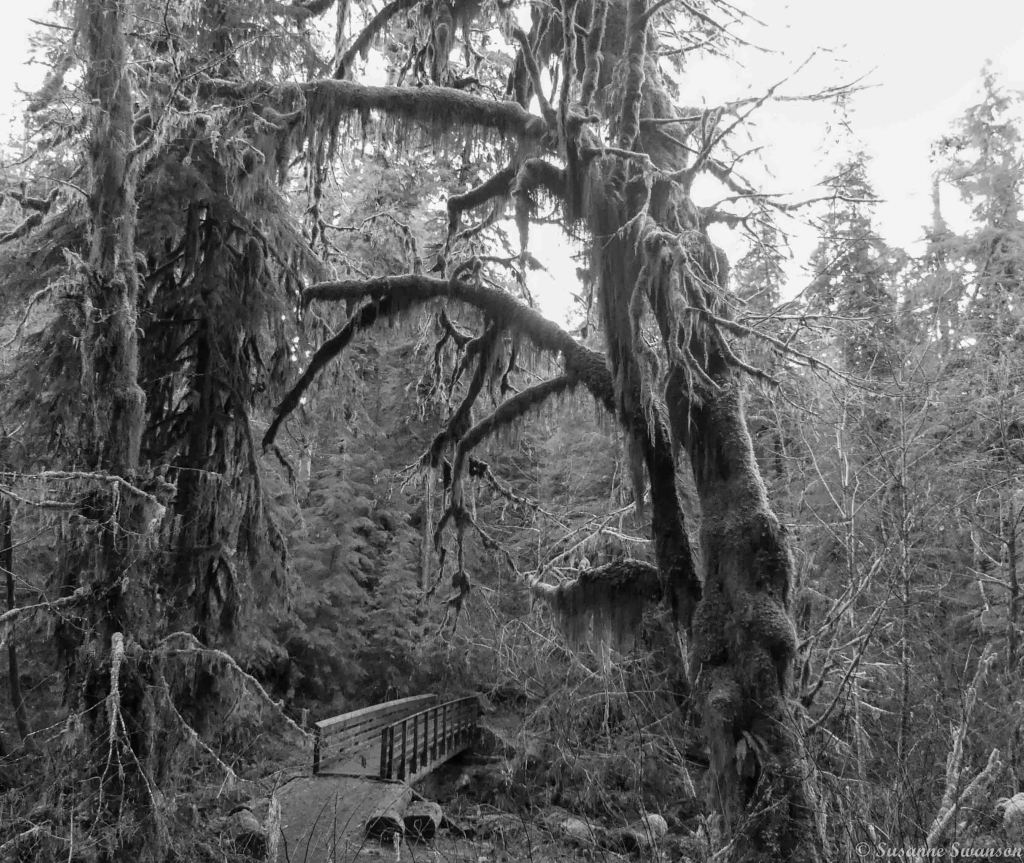
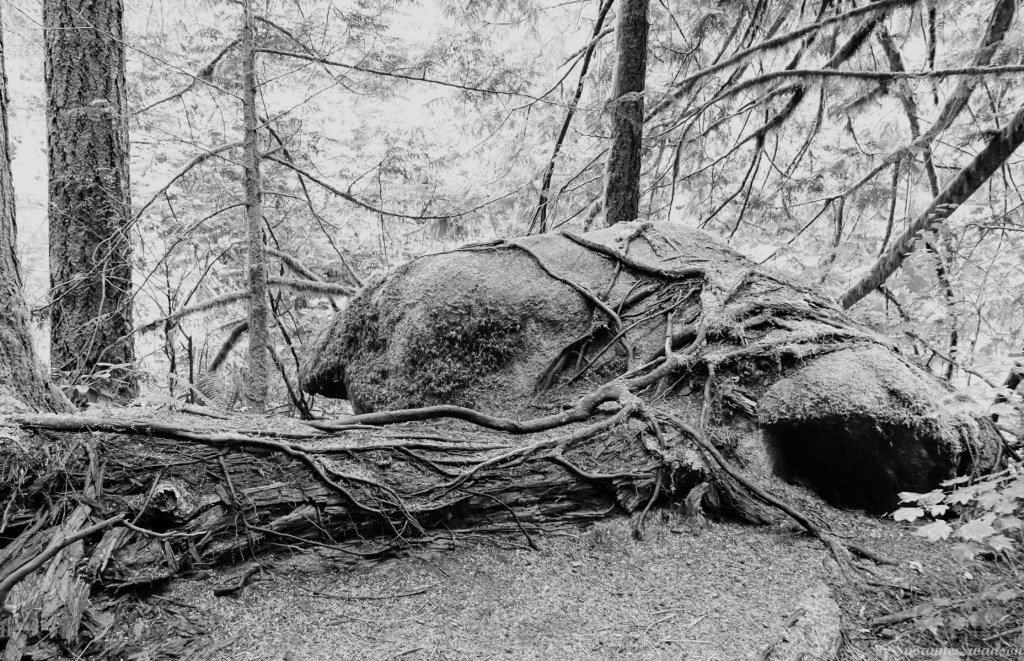
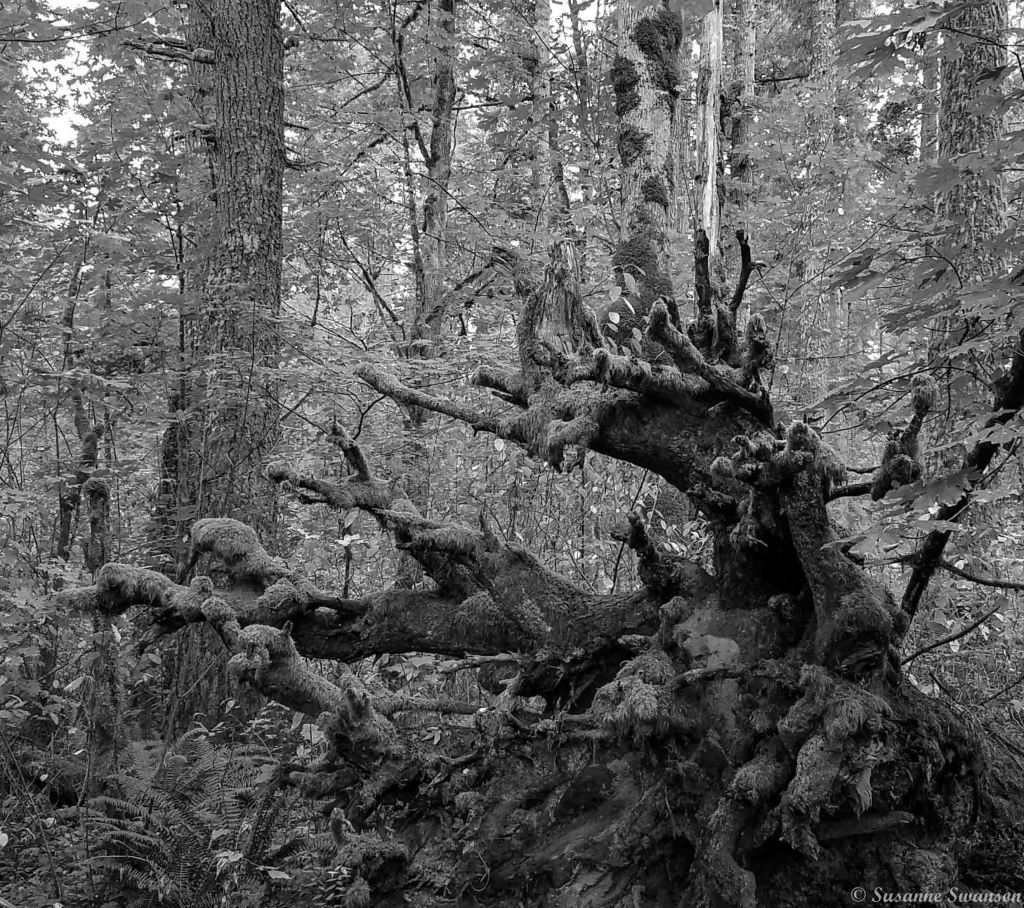
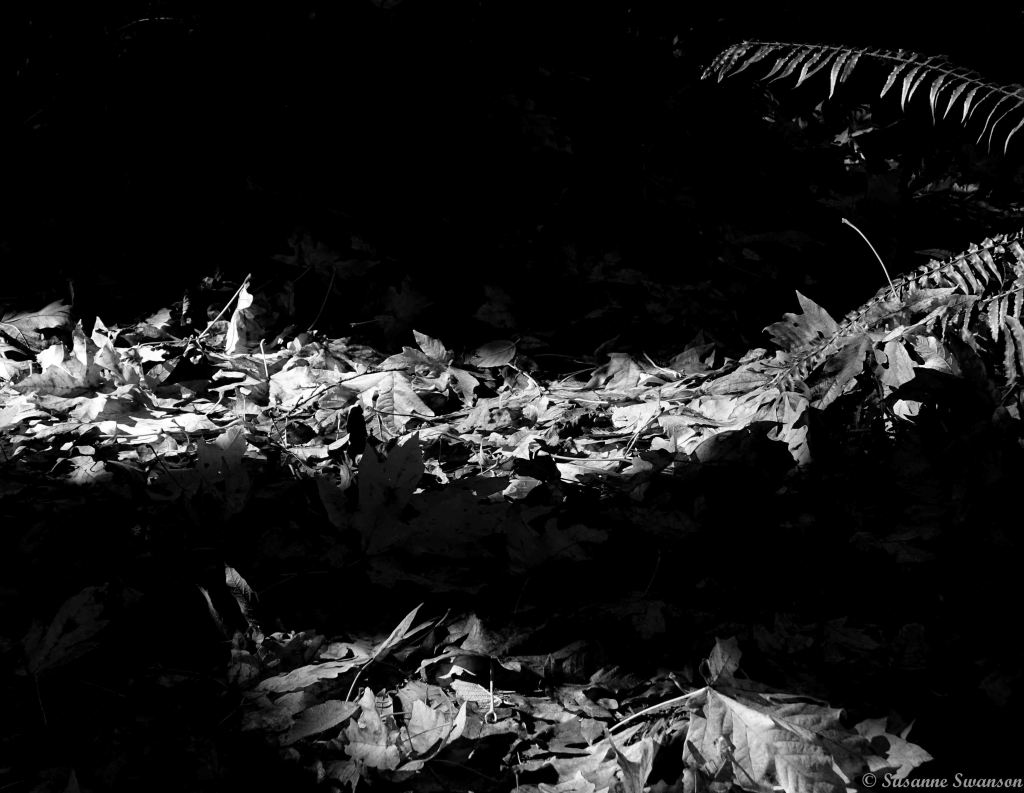
The woods are lovely, dark and deep, are they not?
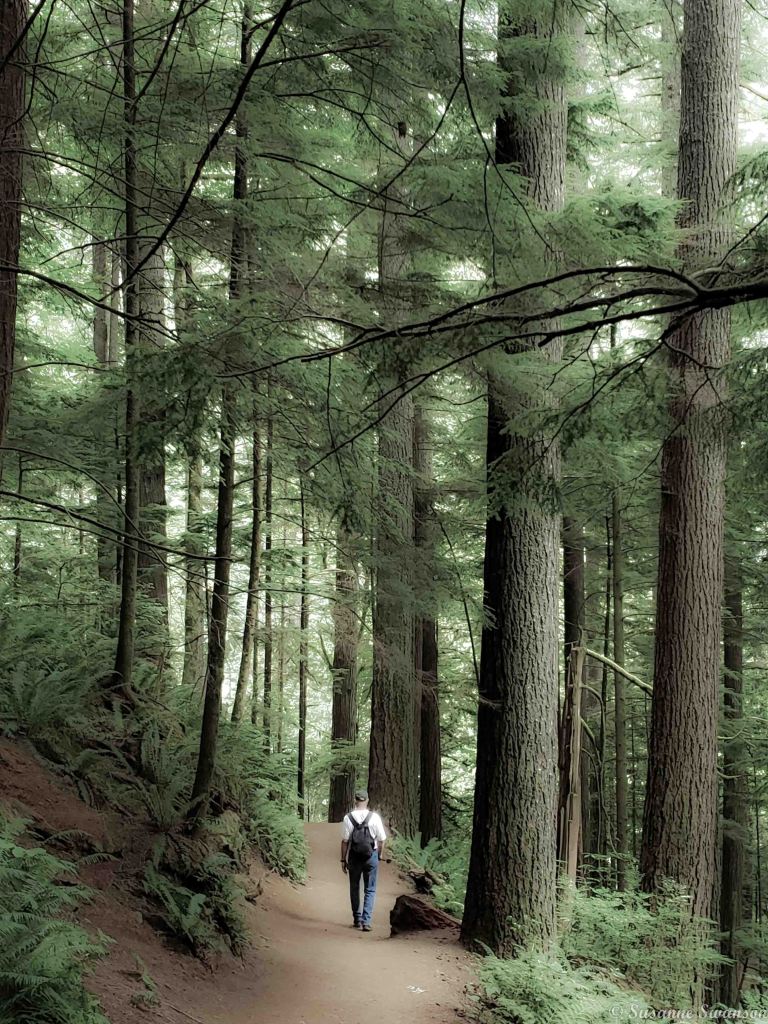
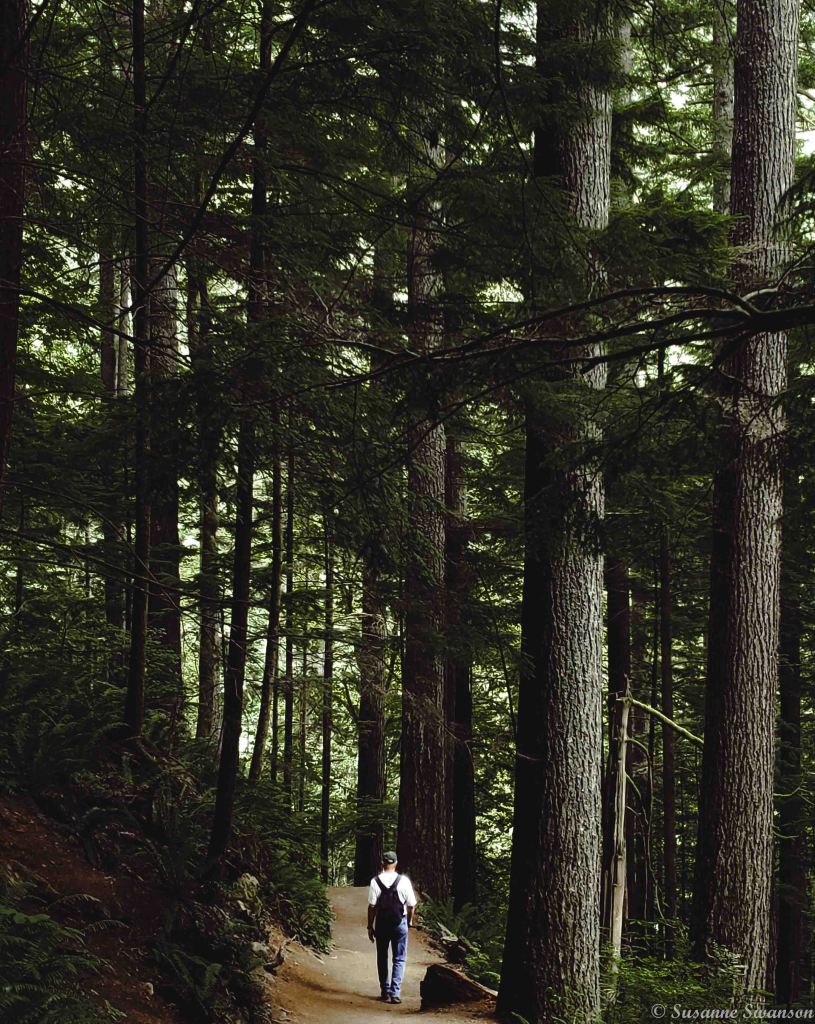
But they can be scary too. Bob and I love to hike and over the years, have been on too many hikes in the woods to count.
Many times, while we’re on the trail, he’ll remark, “wouldn’t it be scary to be lost in the woods?”
“Well, yes, it would.”
The shapes more sinister as the sun goes down.
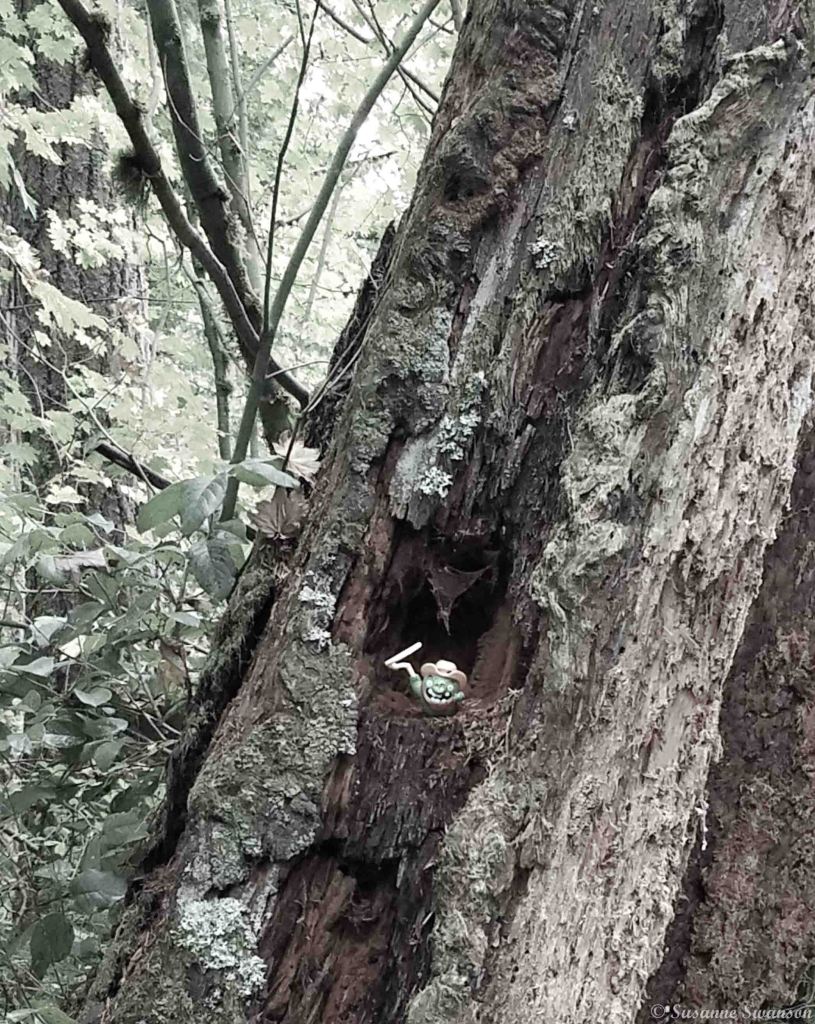
Cold. Critters in the night. Every rustle, unsettling.
“Why do you say that?” I ask, and he tells me of a childhood friend who went hunting with his dad. They got lost and had to spend the night in the woods. Not uncommon in the fall when the sun goes down early and everything is suddenly dark. Fortunately, they made it out the next day.
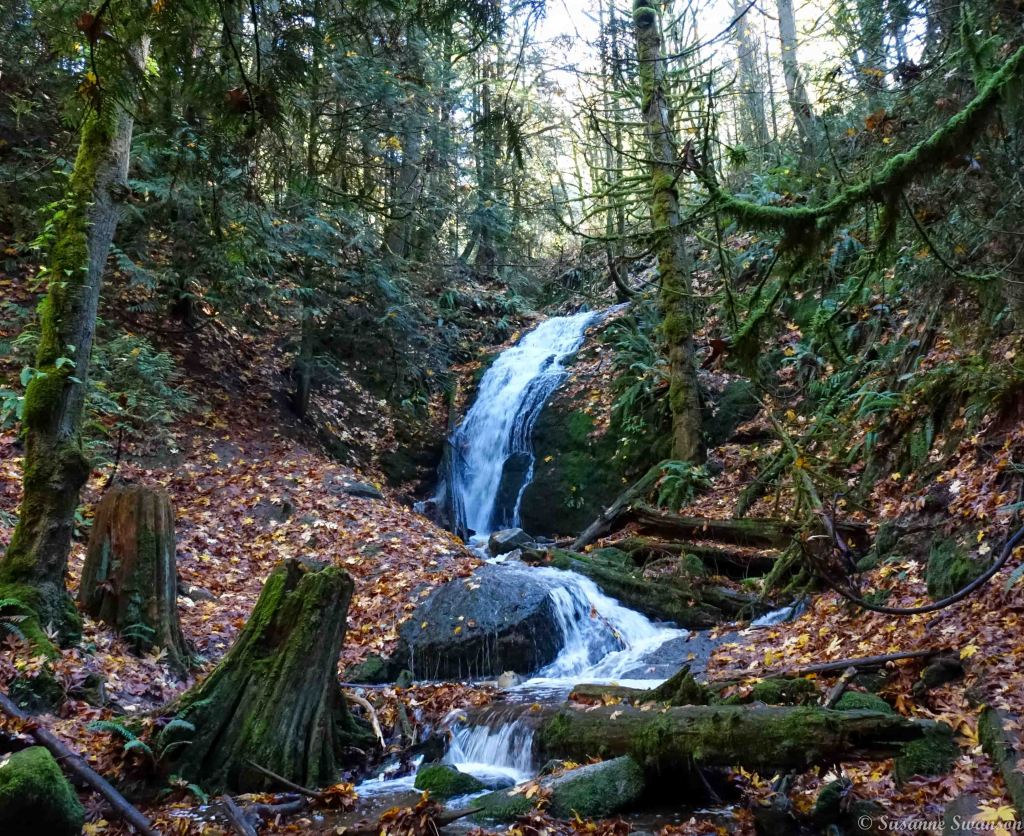
It almost happened to us, on a hike to Coal Creek Falls on Cougar Mountain.
Not that far away but unfamiliar. And the trails were not well marked.
We made it to the falls. They were fine.
But we couldn’t find the trail back to the car.
It was going on 4 o’clock. It was late October and the sun would be setting soon.
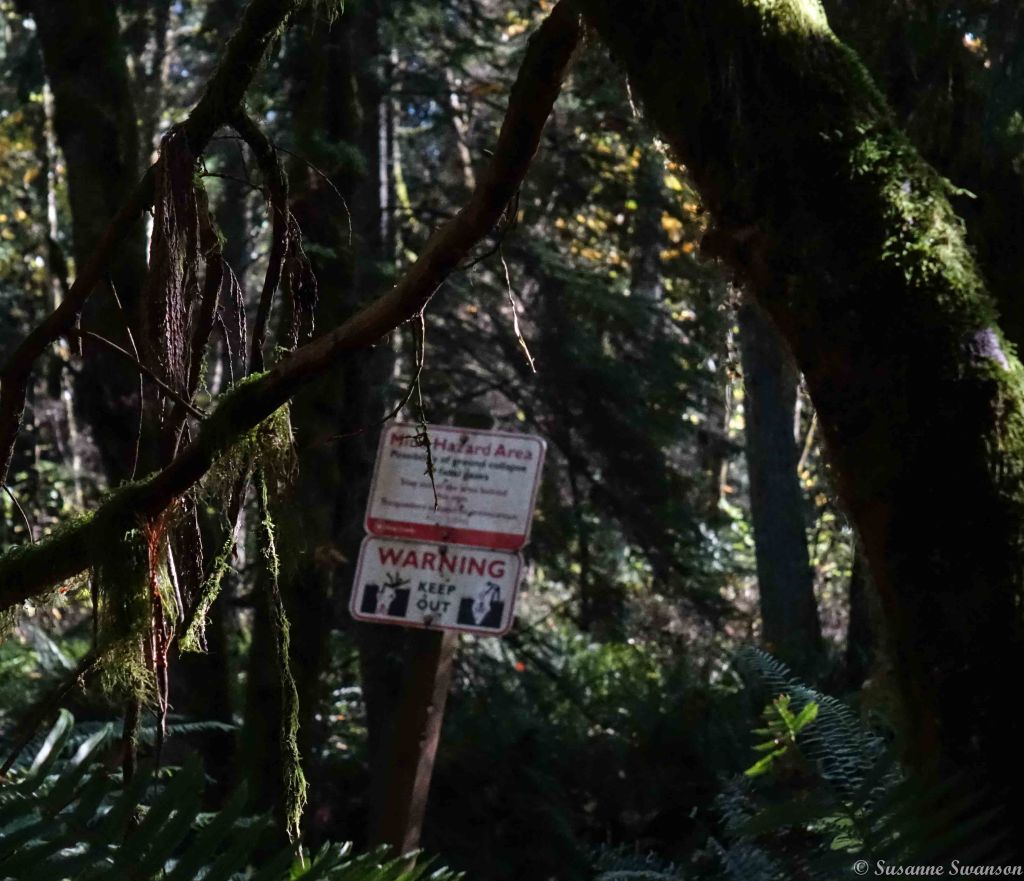
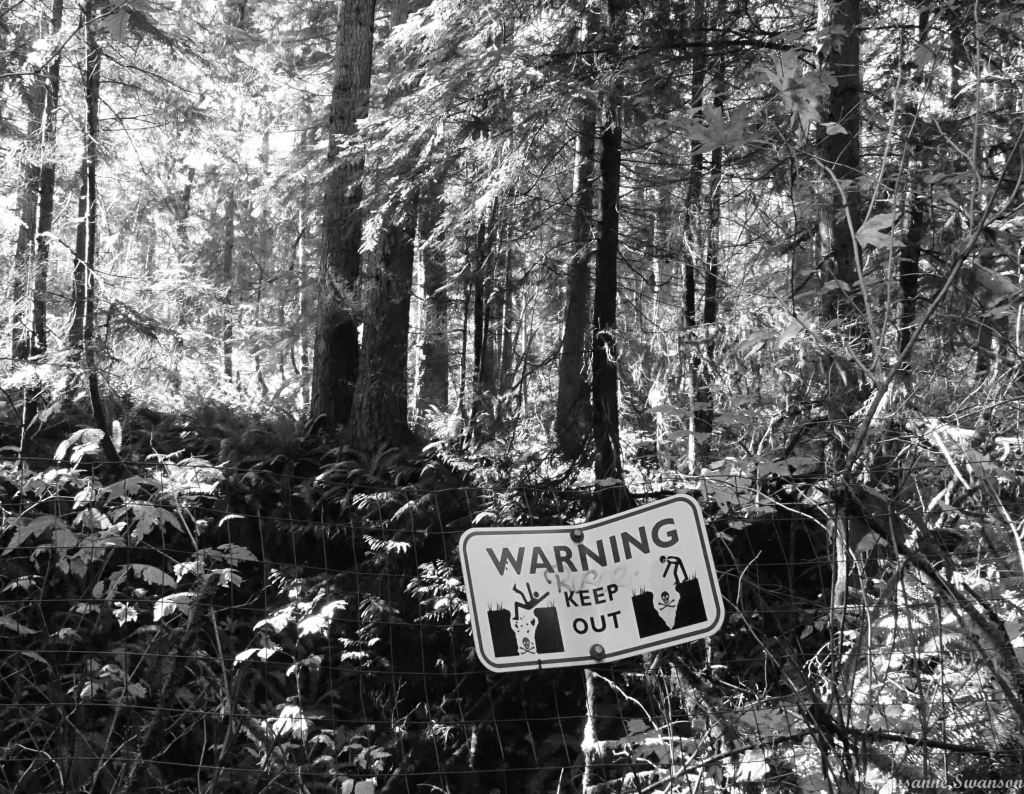
There were signs here and there that we weren’t happy to see.
Giant holes in the ground to beware of, from mining a hundred years ago.
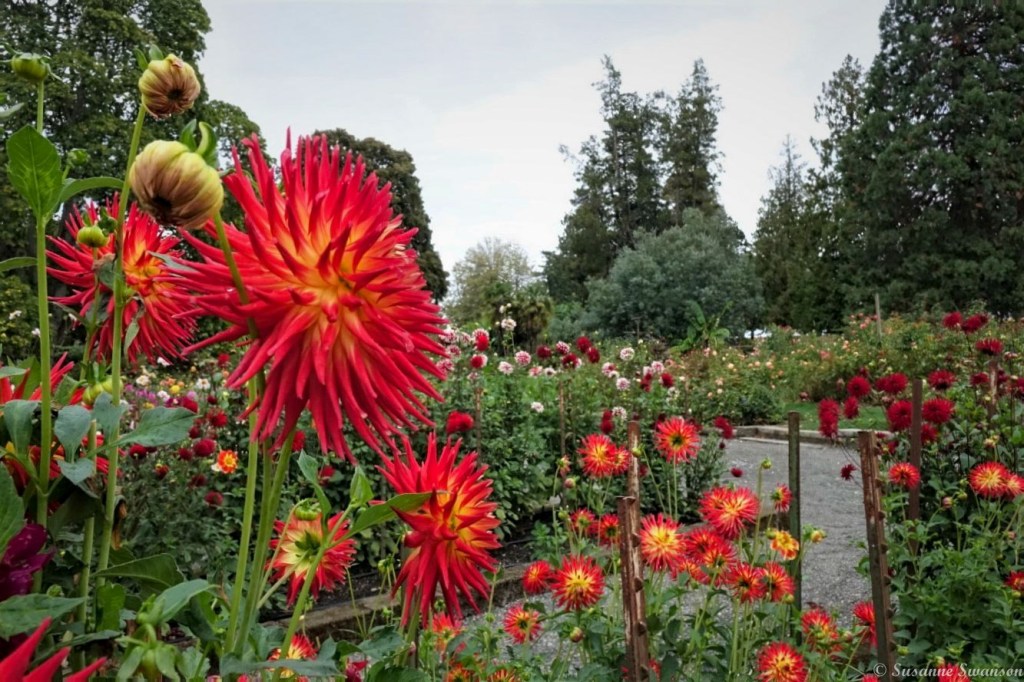
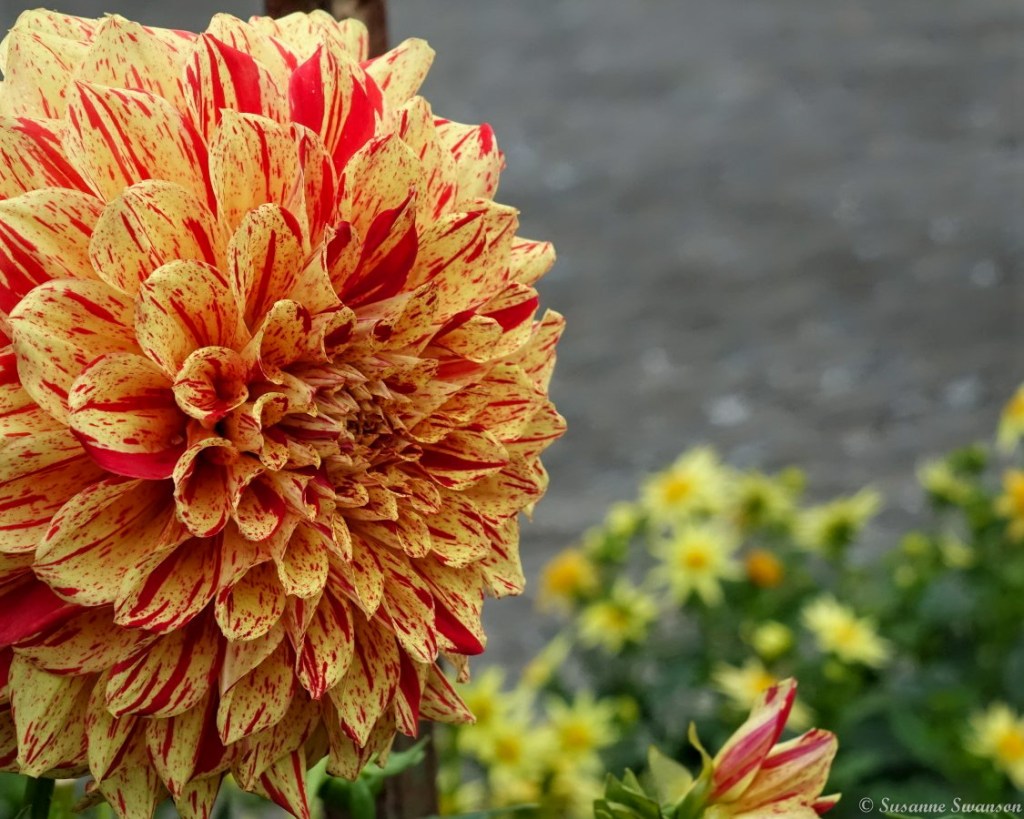
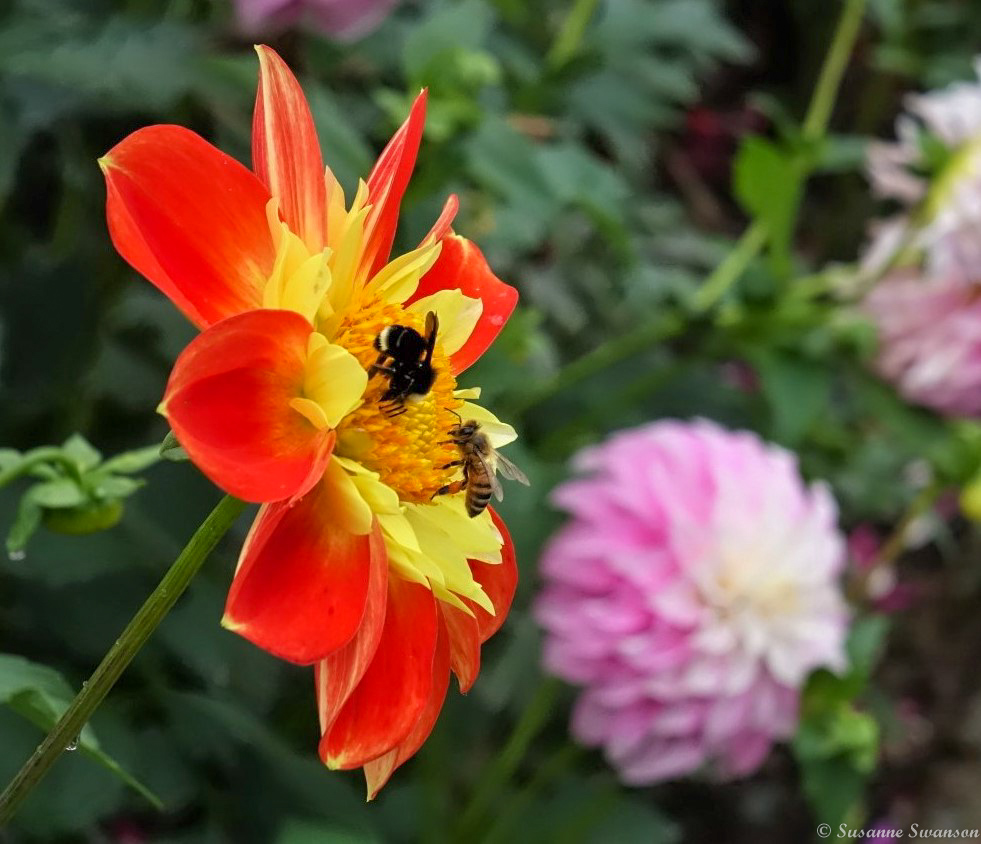
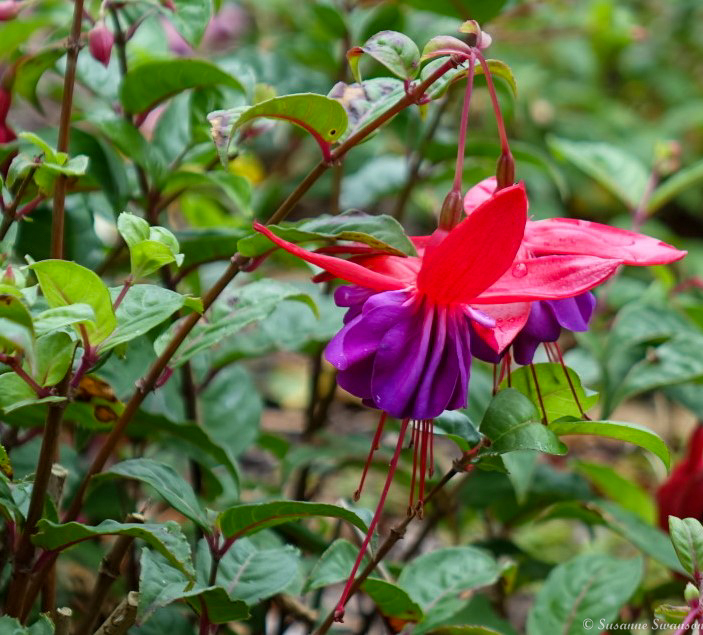
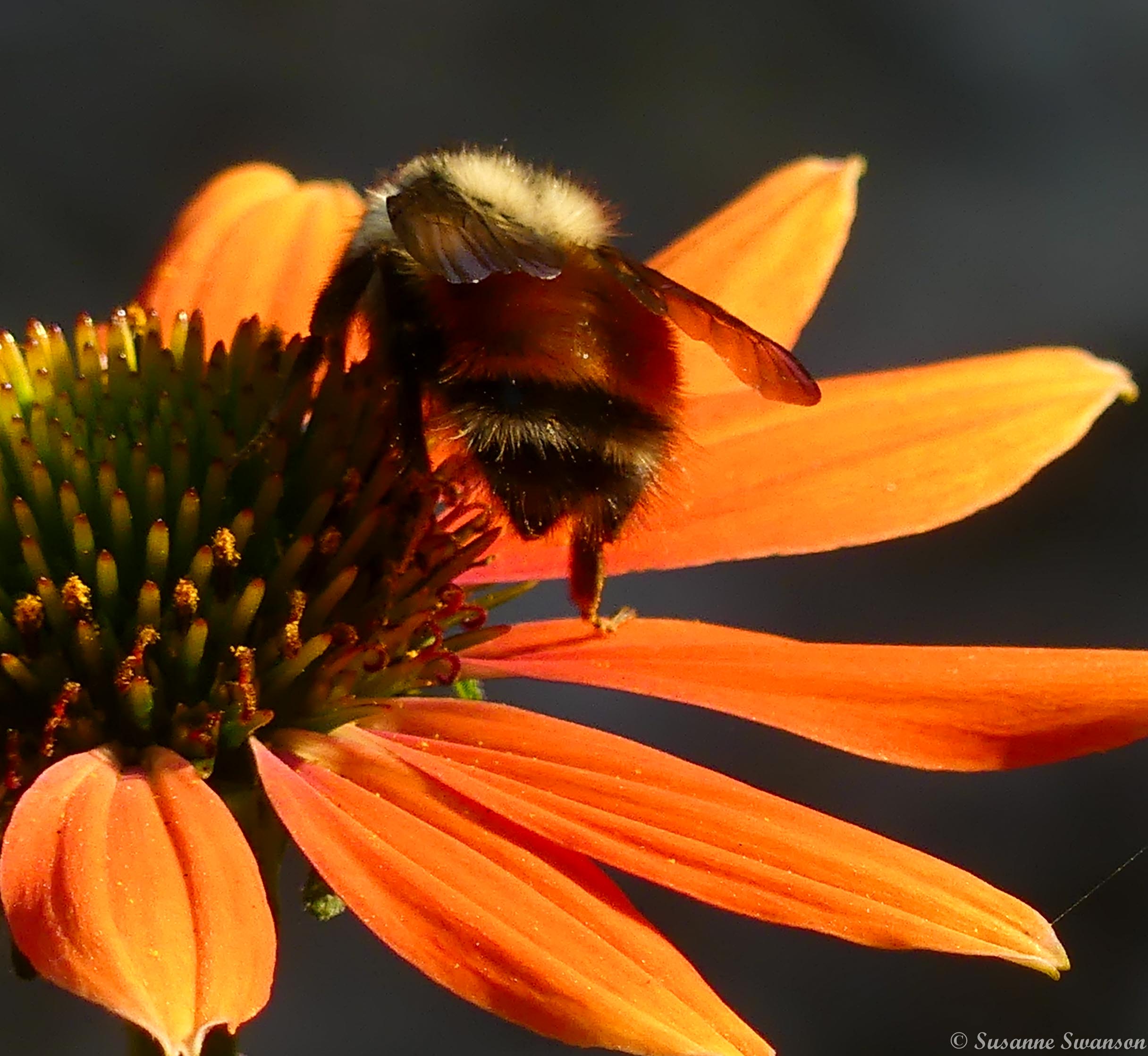
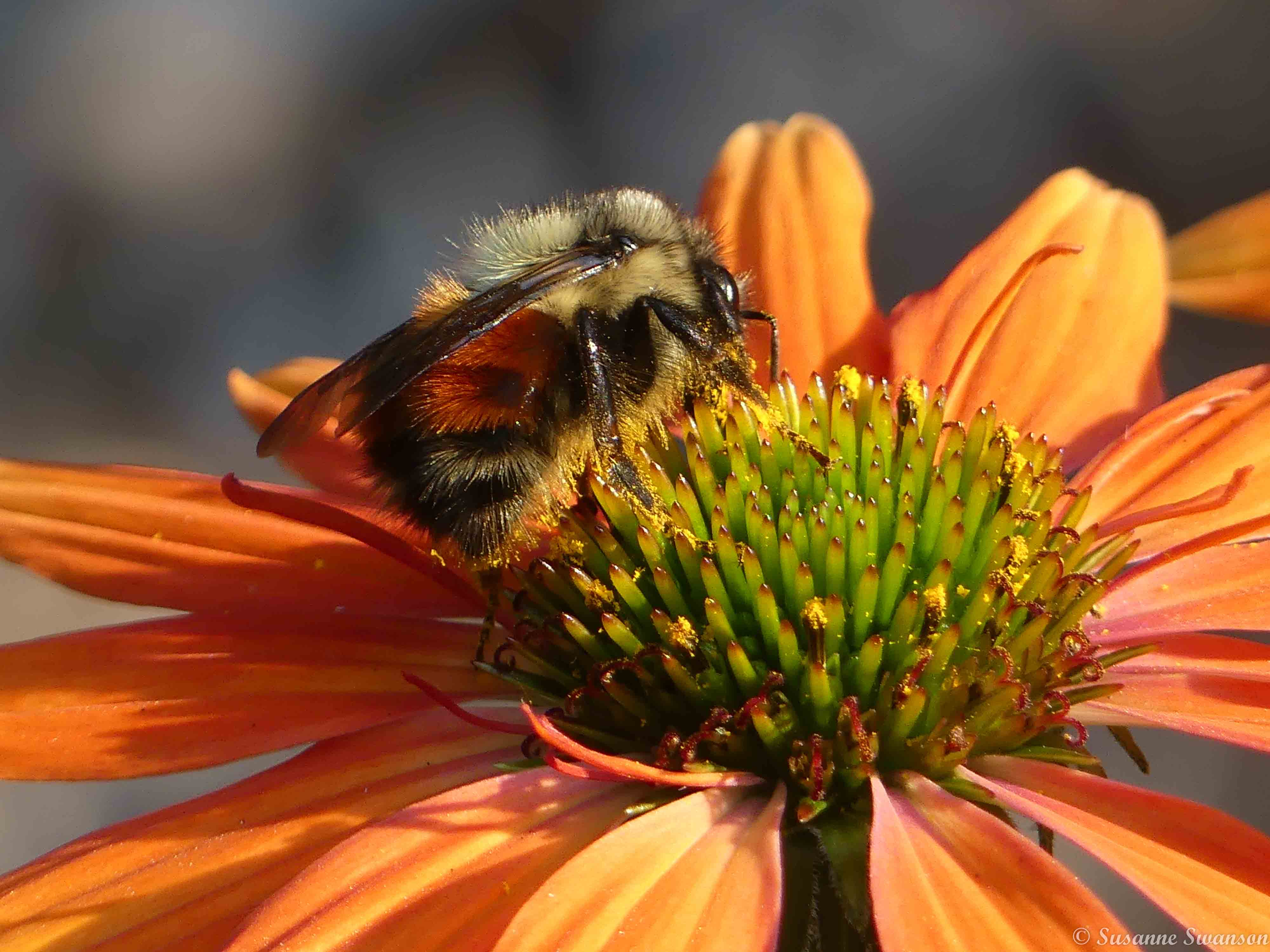
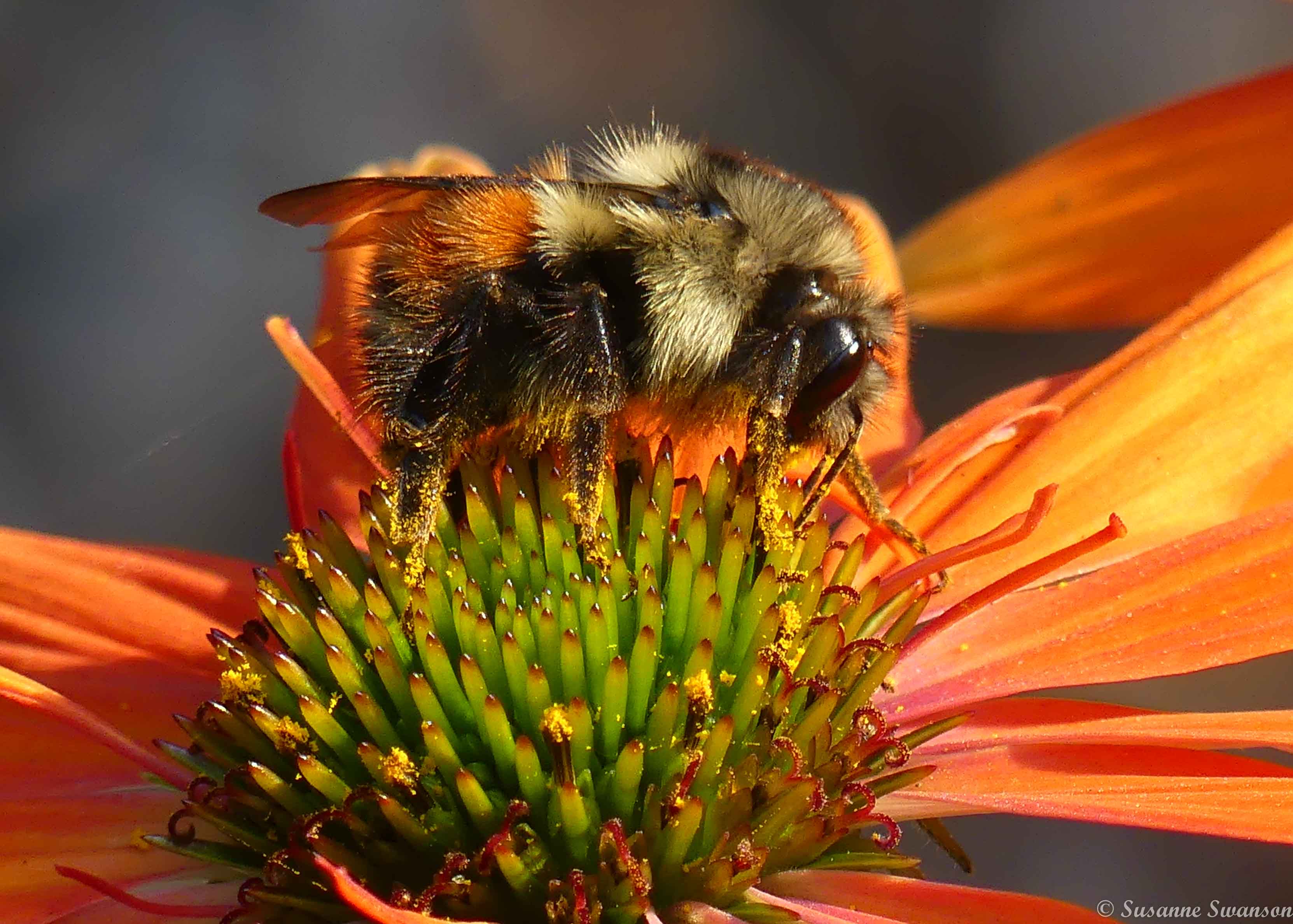
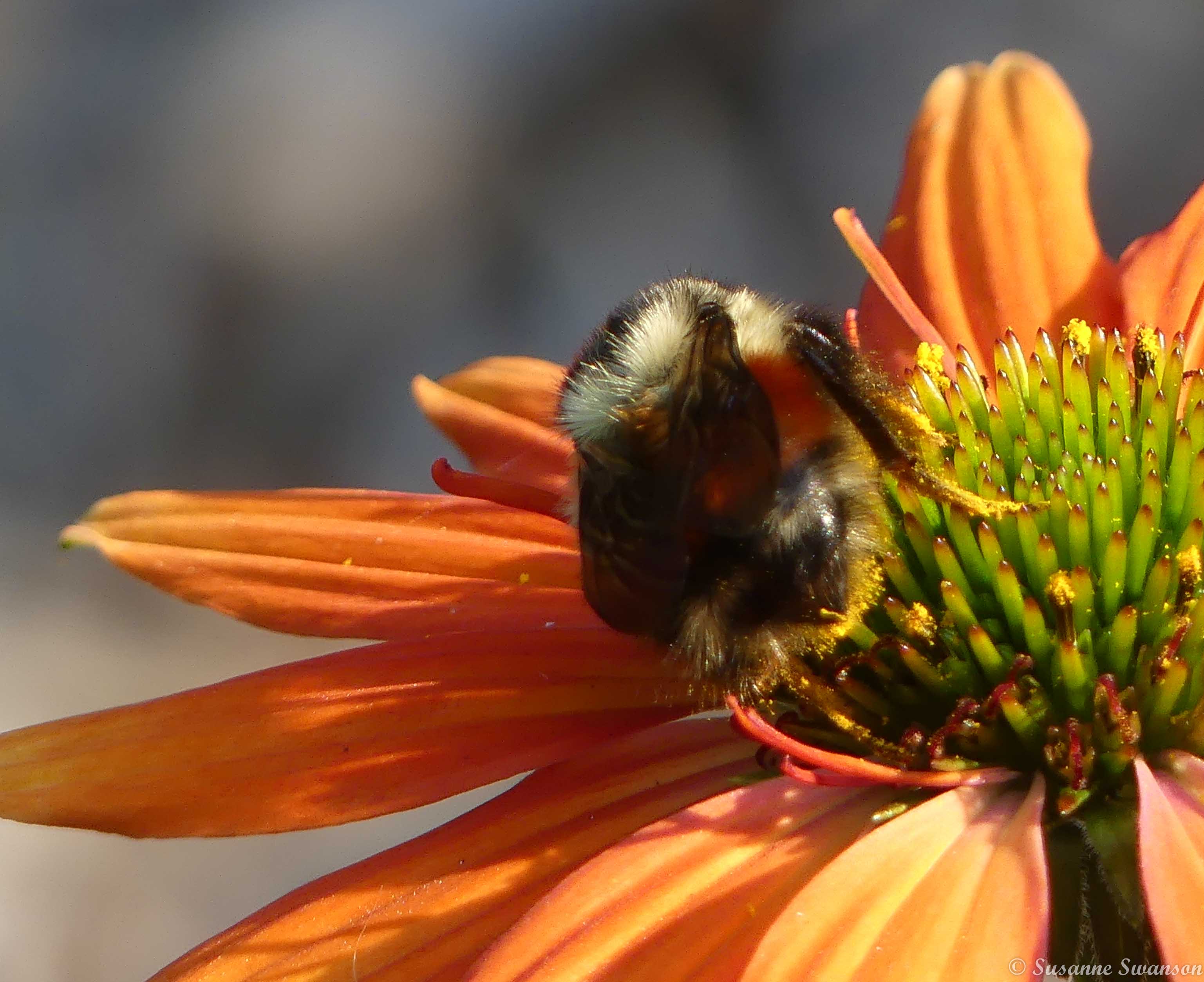
Not this year’s garden. I didn’t plant any new fall flowers, and previous promised perennials don’t always come back; their high prices mean I sometimes hold a grudge.
Still, they live on in my archives, especially this favorite: Kismet Orange Coneflower.


















 Cats and Trails and Garden Tales