Cats and Trails and Garden Tales
Musings on cats, travel, gardens and life
Close up on Ospreys!
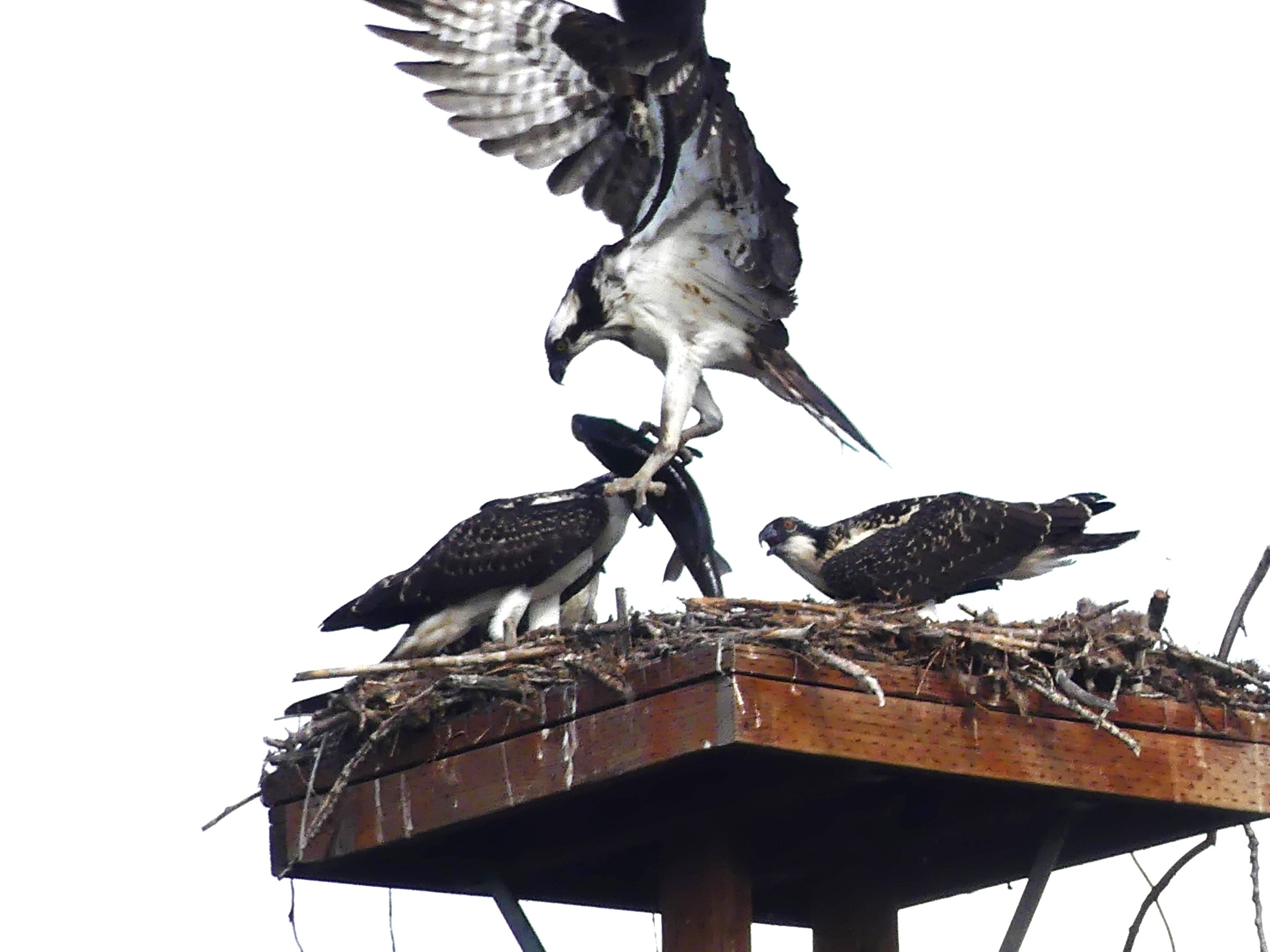
I witnessed something marvelous in Wenatchee the past few days, on a high platform above the Columbia River, (them not me,) a pair of Osprey with their young.

The platform was in front of our hotel, fronting the river, and the two adults came and went all day long,

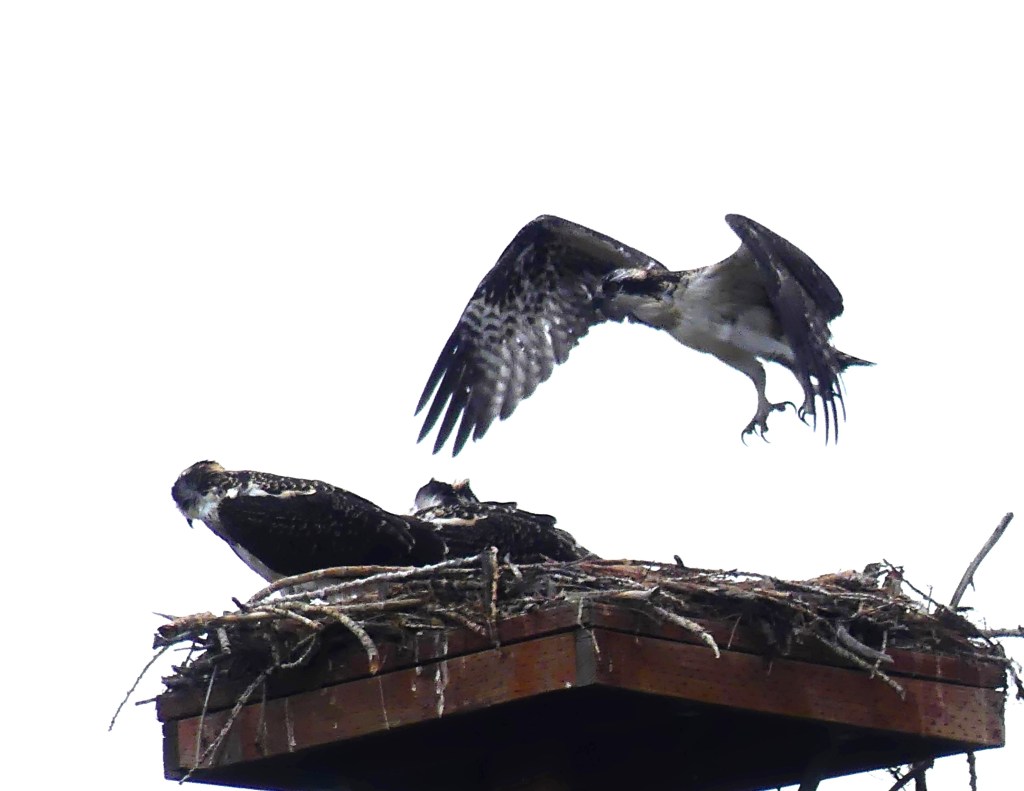
hunting and feeding the chicks, with fish from the river.


It was hard to tell exactly who was who. Both male and female parents do the hunting and feeding, and the chicks were already quite large, perhaps ready to leave the nest soon.
Can you imagine their first jump off that platform? Yikes.

“Osprey are a migratory raptor that prefer to nest on the tallest snags or structures, as close as possible to the shoreline where they fish. Power poles tend to be attractive for osprey nesting, which is not always a safe option for the birds and increases the risk of fire and power outages.”
Platforms were constructed by Chelan PUD, to protect both the birds, and the power lines. We saw several along the river, all occupied. More on that here.
In case you wondered, I took these photos using my Lumix FZ300 and its incredible zoom, as good as carrying high powered binoculars to watch the show.
~ Susanne
Benji from the Box
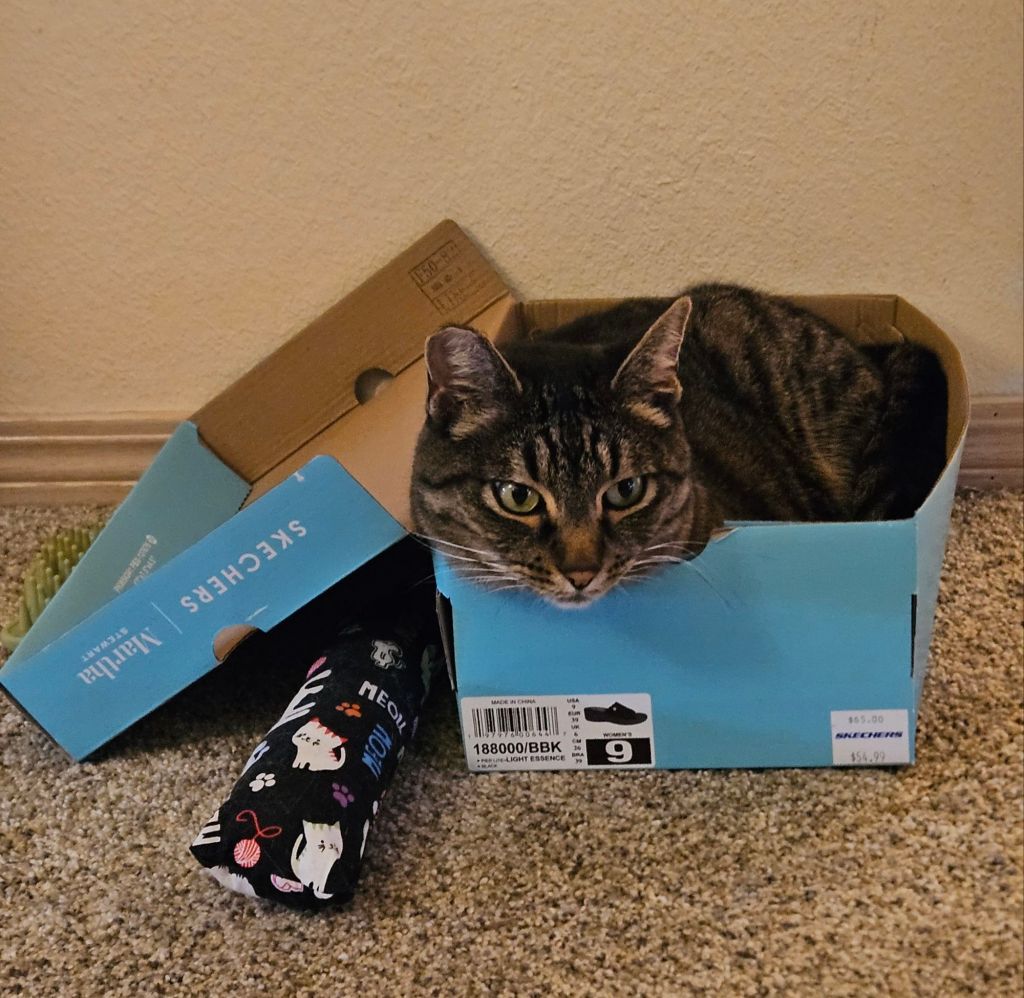
Nothing to see here.
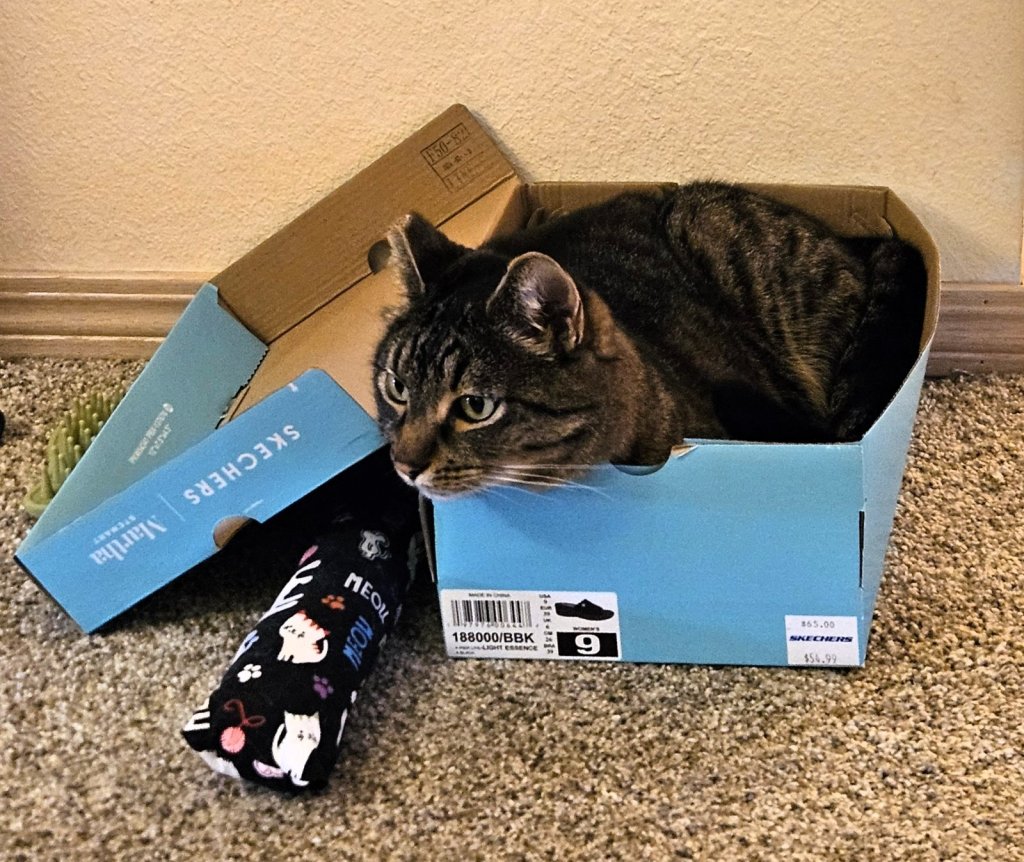
Just a cat in a box.
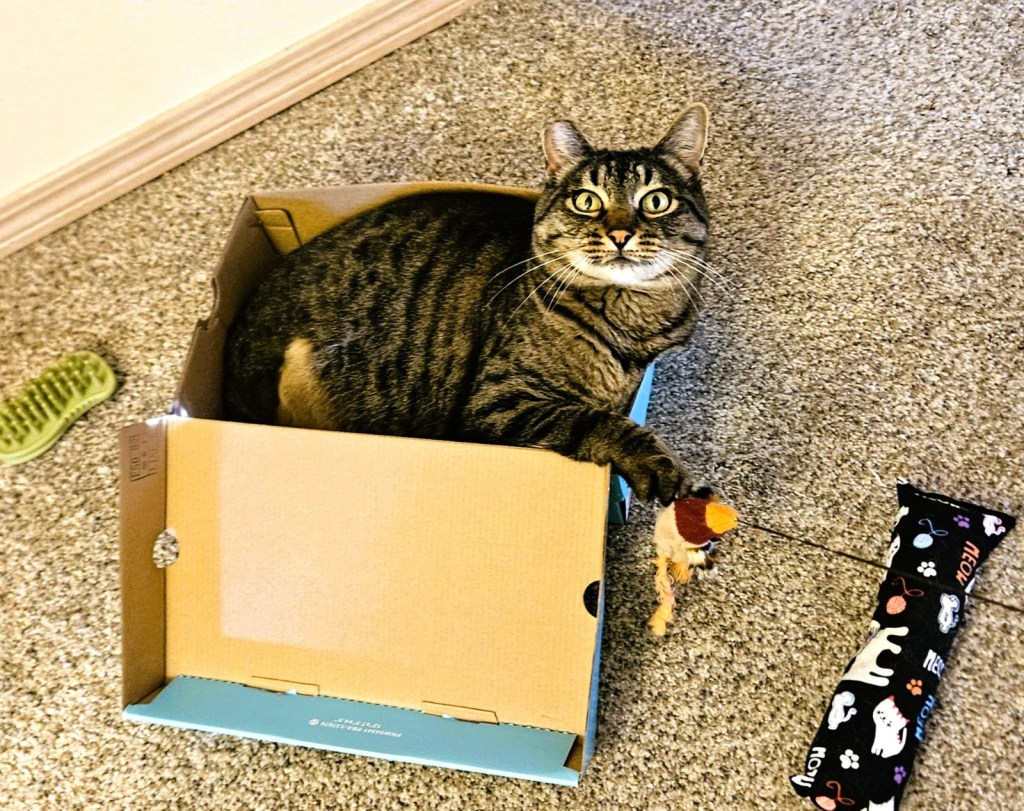
~ Susanne & Benji
Skagway – Another Soggy City in Alaska!
It was almost a year ago that we took our second cruise to Alaska, an easy trip to make when you live in Seattle. Perhaps it was the heavy rain this weekend that reminded me of our soggy stop in Skagway!
It was late in the season and rain was to be expected – Southeast Alaska’s rainiest months are September and October. Though Juneau’s average precipitation is 66 inches and Ketchikan’s a whopping 153, Skagway only receives an average 27″ per year. Unfortunately, some of those inches fell on our watch, go figure.
We arrived in the morning under heavy rain, but ready for our excursion.
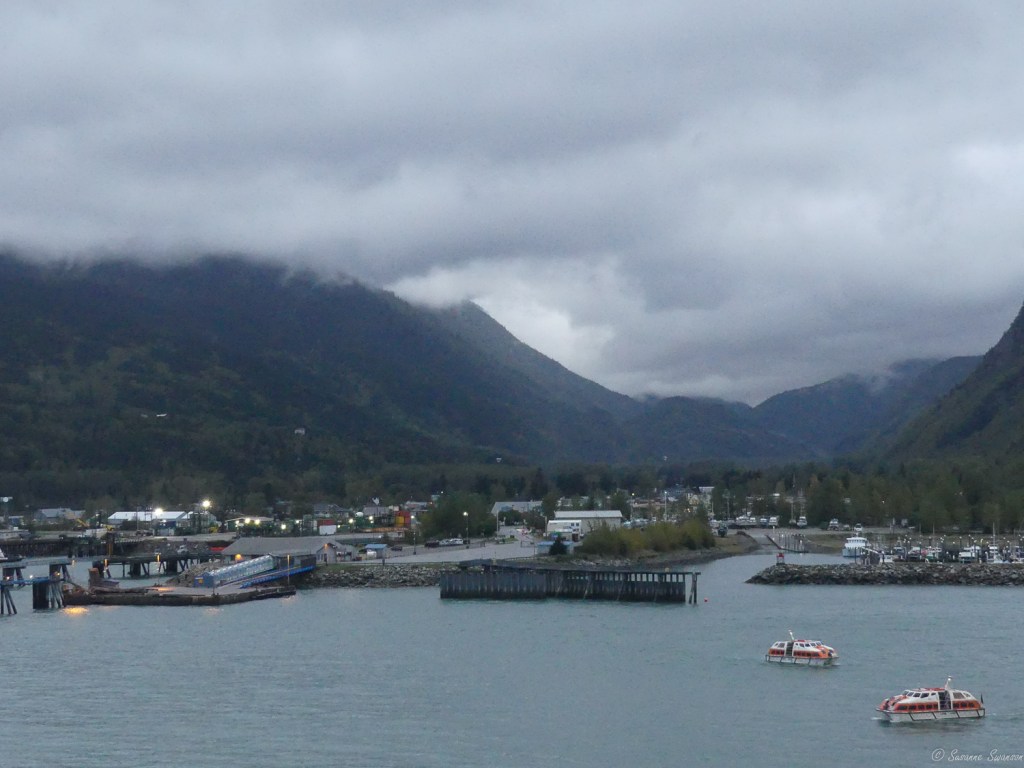
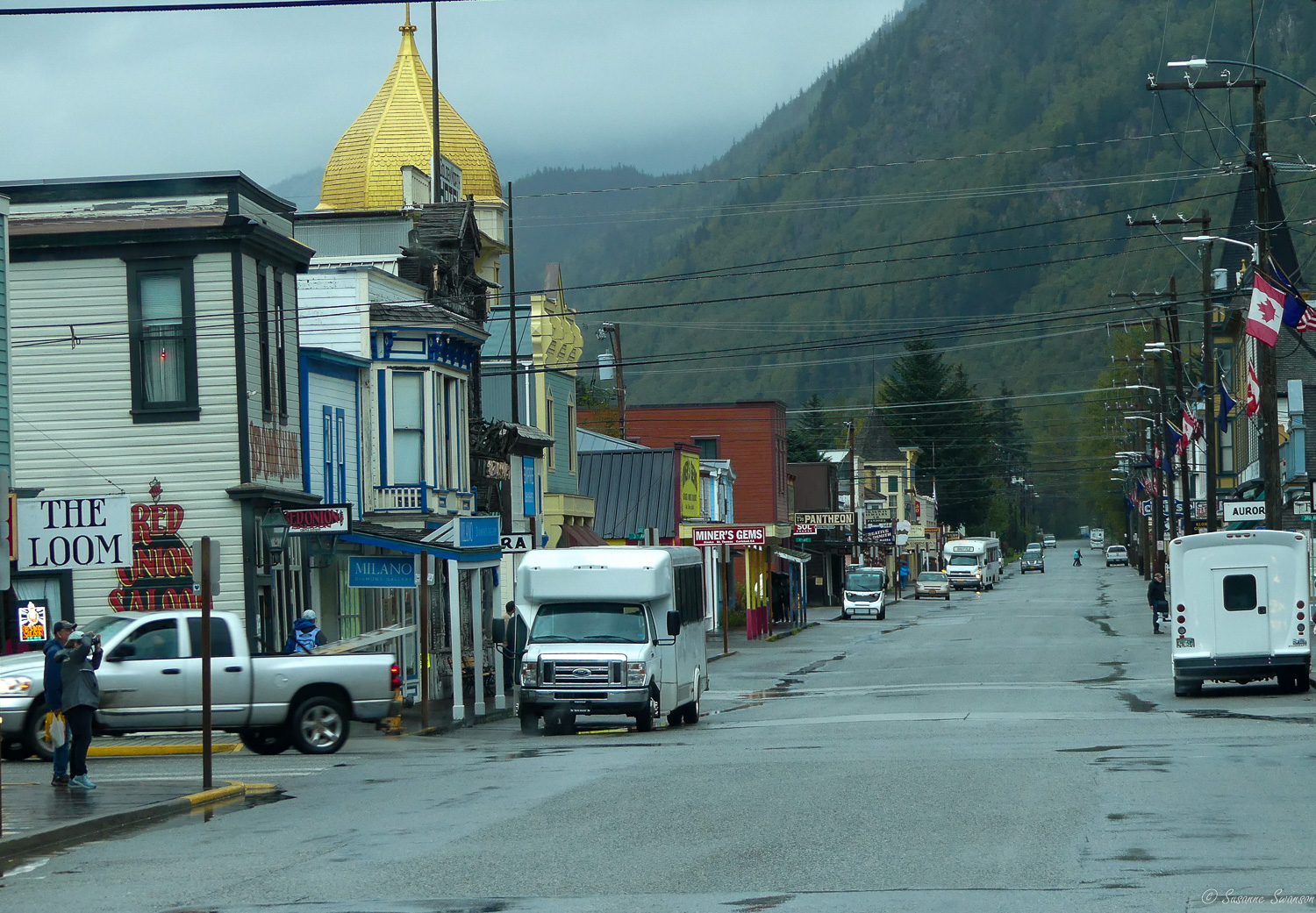
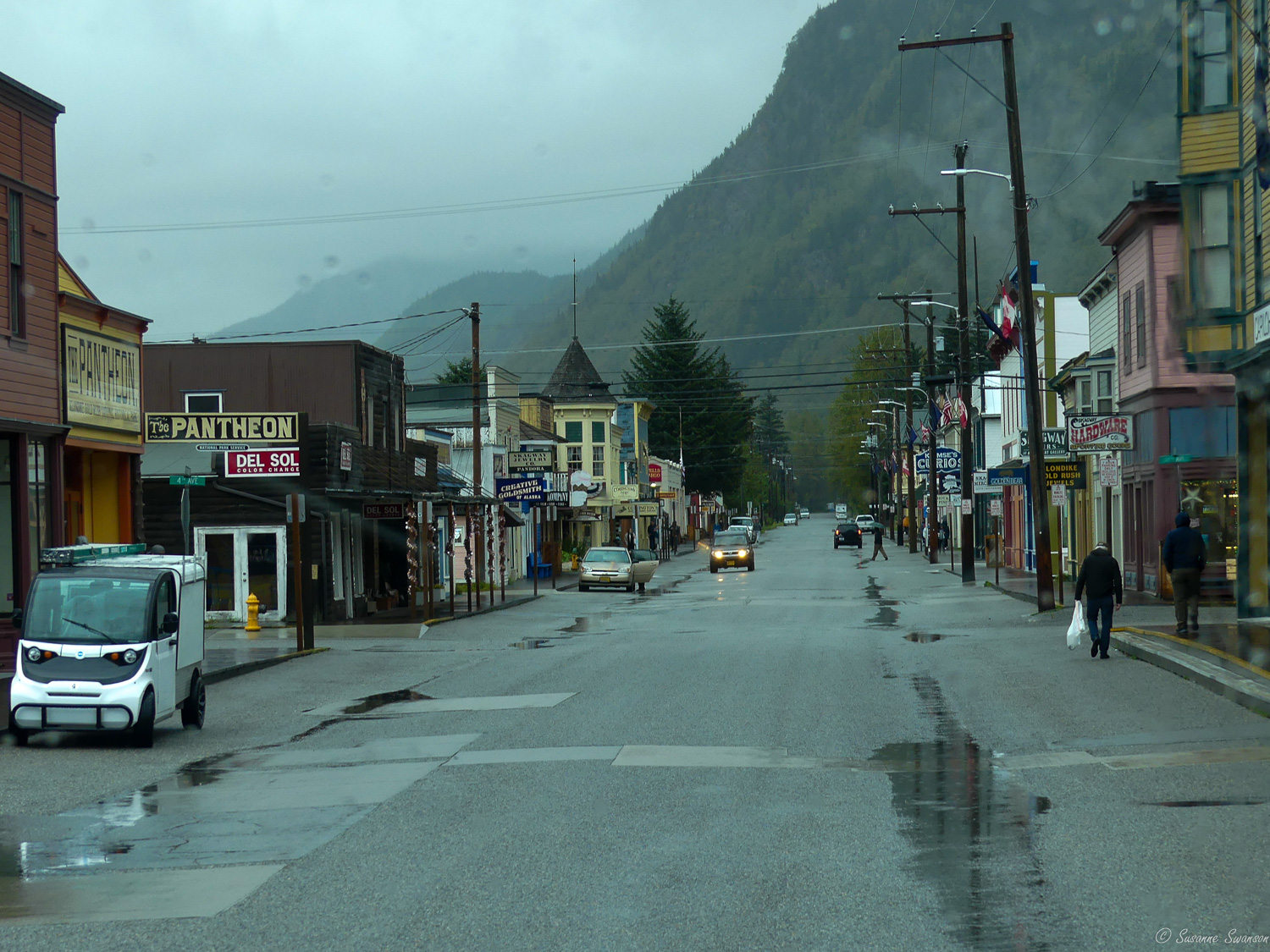
We boarded a comfortable motor coach and our knowledgeable guide drove us through the historic town.
In case you don’t know, Skagway was born in the 1890’s during the Klondike Gold Rush. Prospectors hoping to strike it rich could board a ship in Seattle and land here in southeast Alaska, before making the dangerous climb to the Klondike area of Canada’s Yukon Territory via the Chilkoot or White Pass. More of that history can be found here
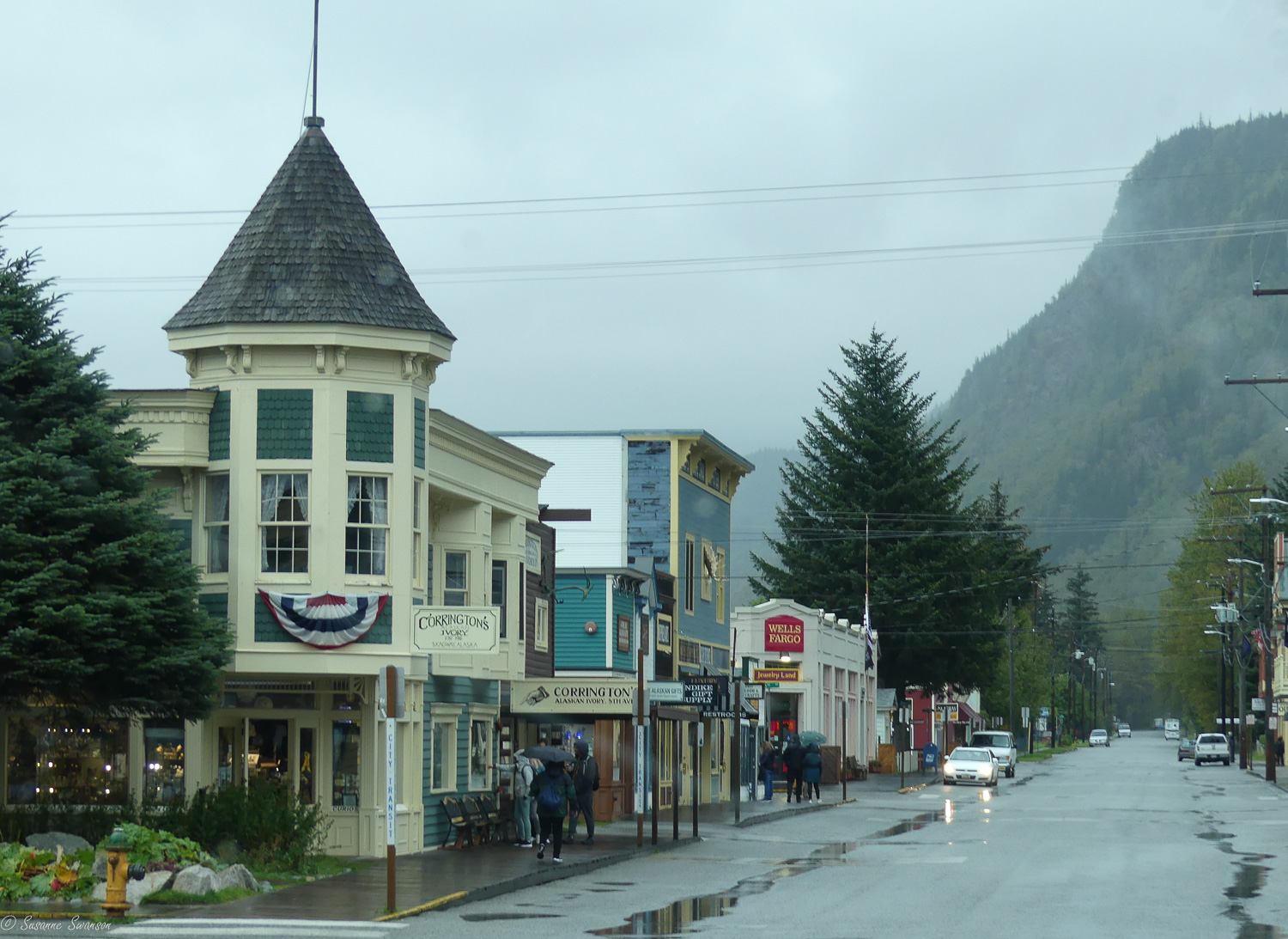
Then we headed up to White Pass, where the scenery was phenomenal if not for the rain! 😦

Our destination was the Yukon Suspension Bridge, this side of the Yukon Territory.

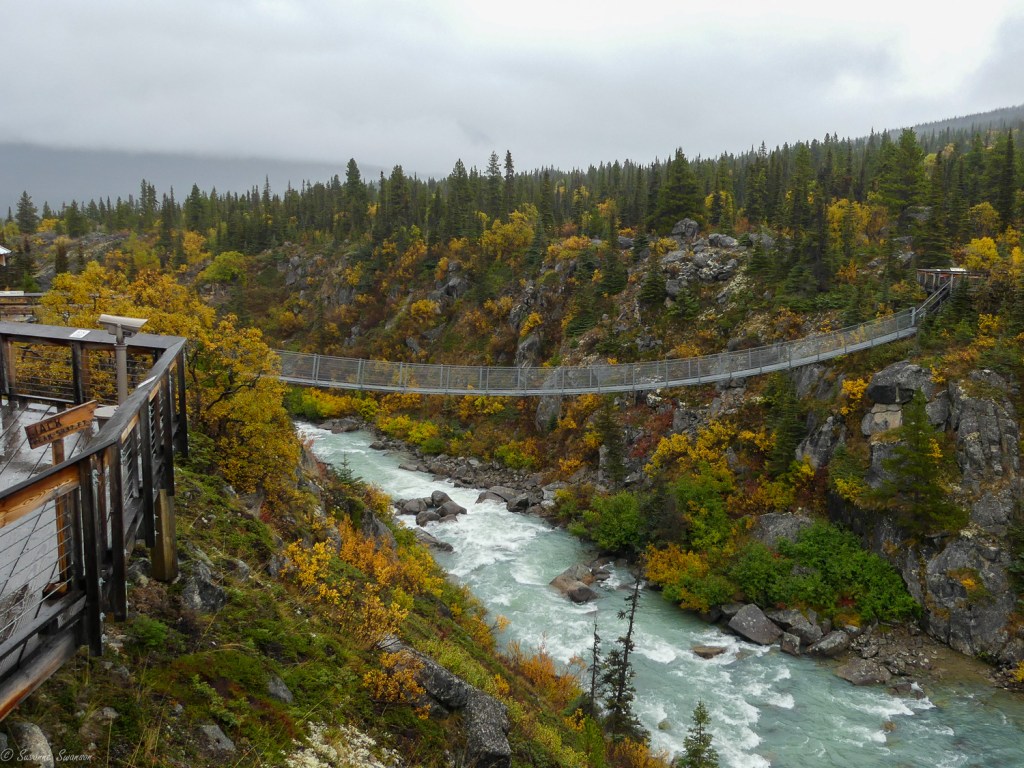
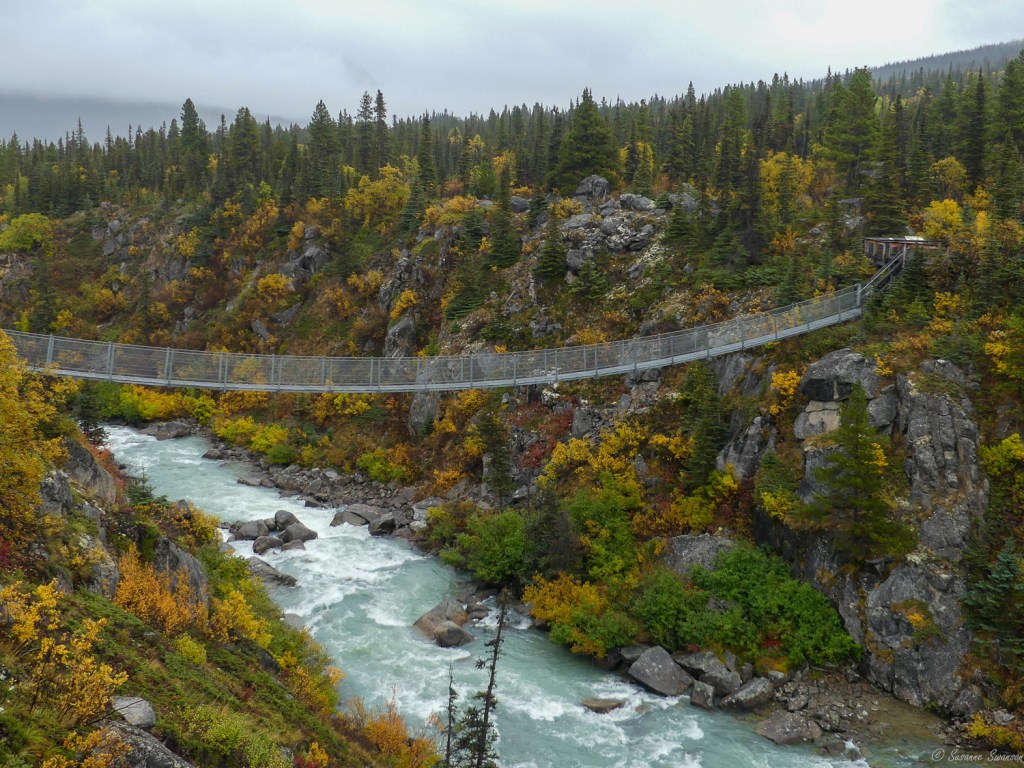
We enjoyed our stop, and the gorgeous fall colors, and were happy we’d remembered to bring our umbrellas.
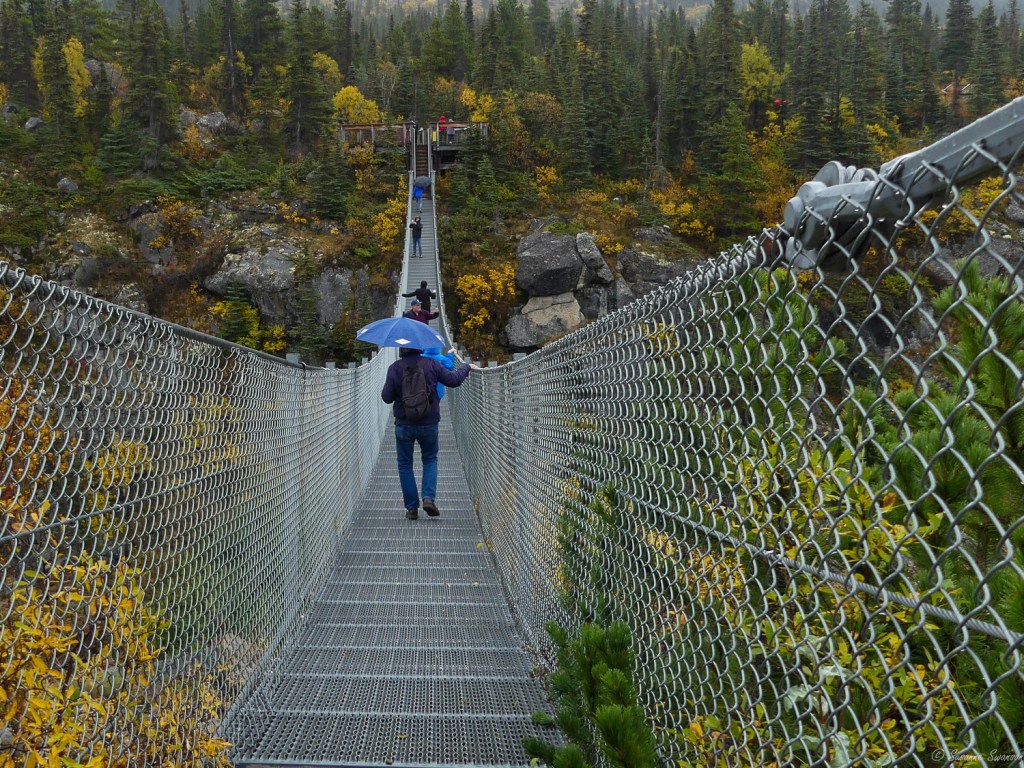
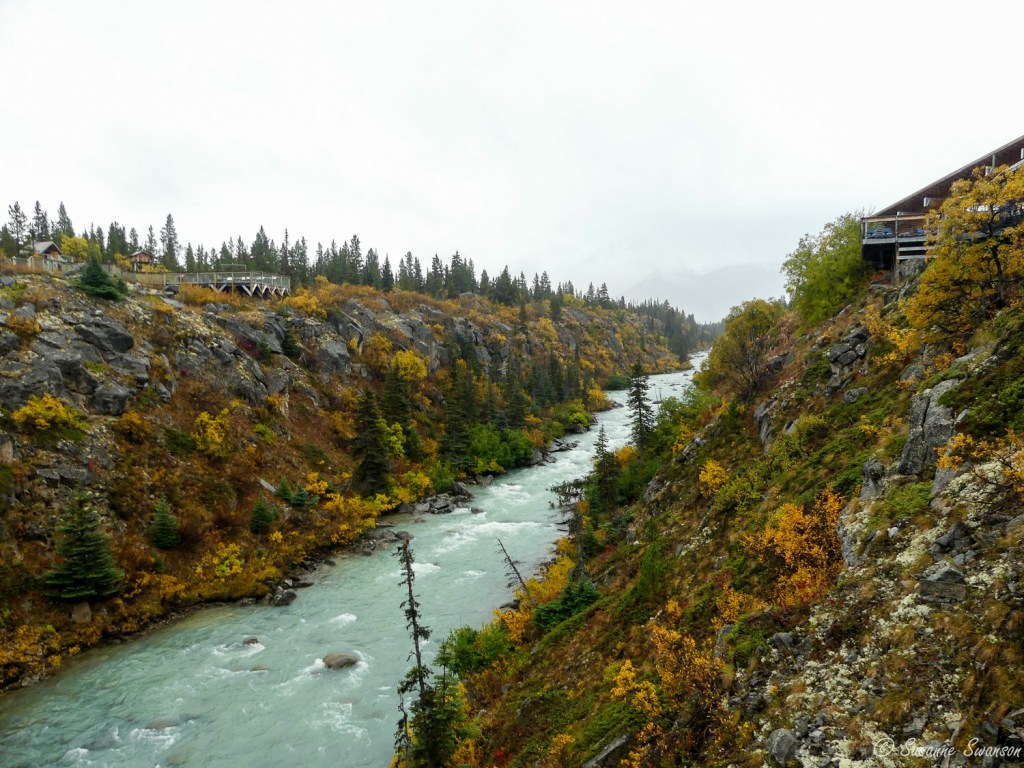
Afterwards, we made our way back down the highway, entering once again into the U.S. of A.,

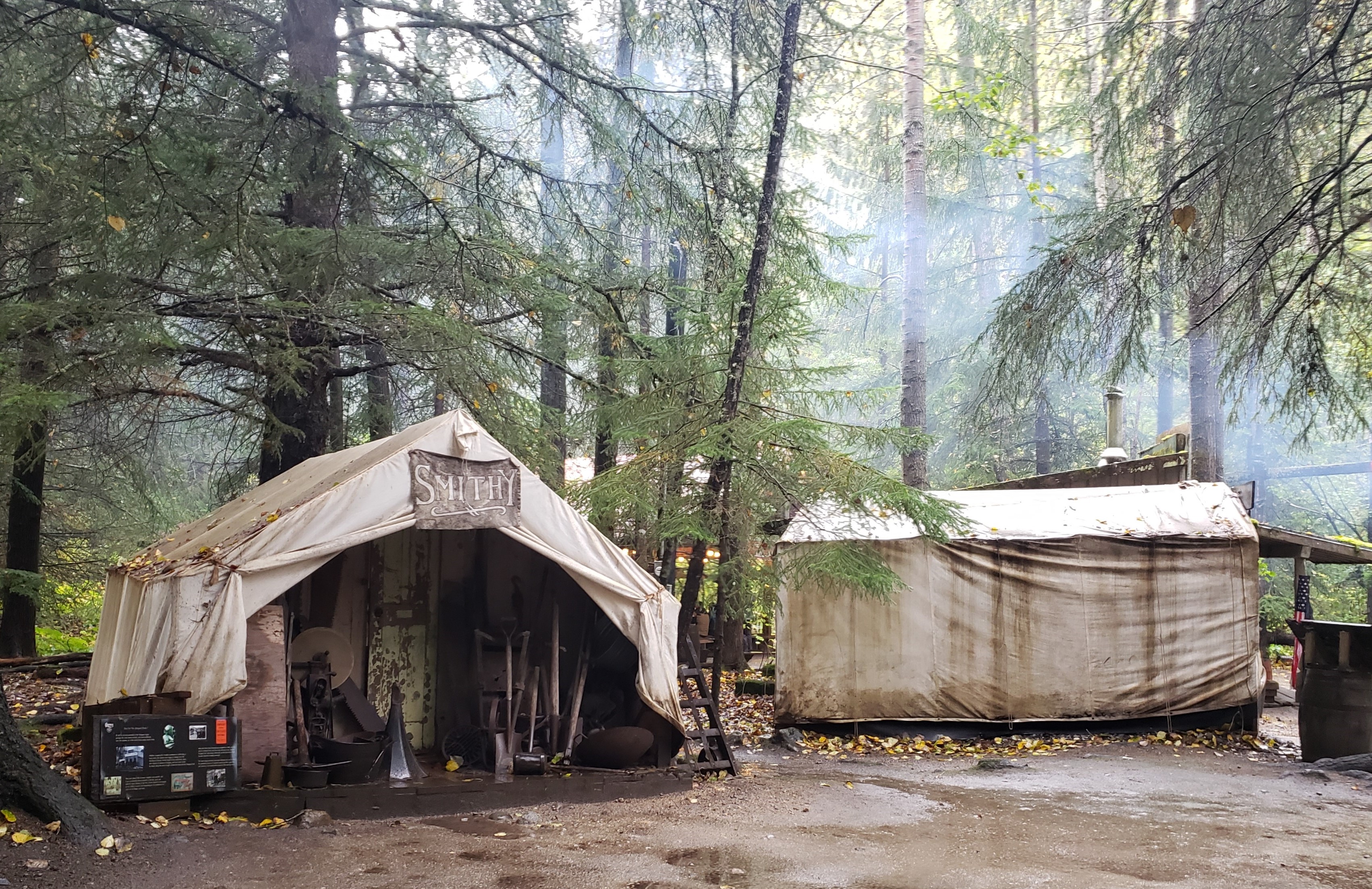
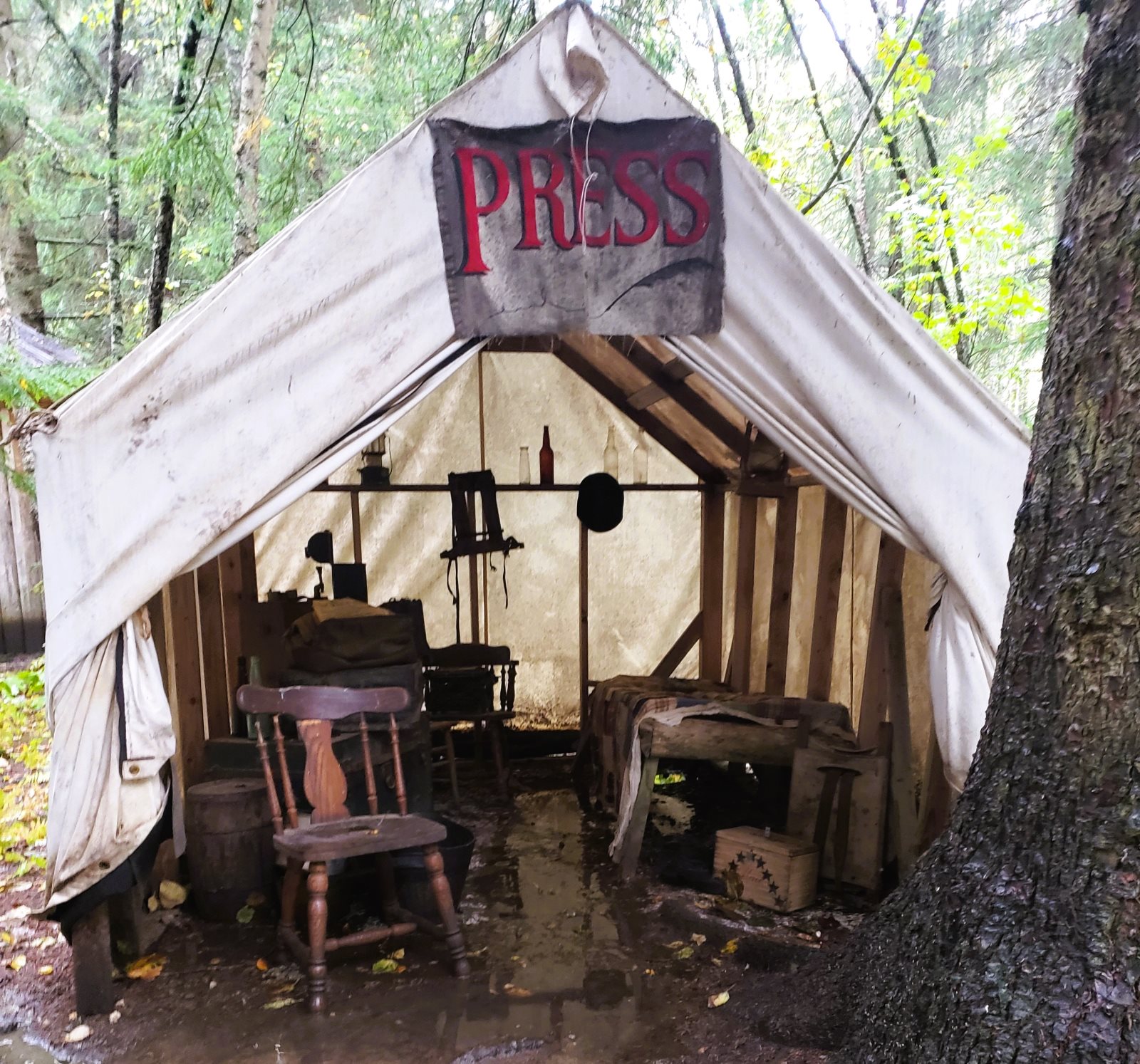
for our final stop in Liarsville (yes, autocorrect, I said, ‘LIARSVILLE.’)
“Walk the fine line between folklore and gold fever. The Liarsville Camp, near Skagway, was originally named after journalists who came here during the Klondike Gold Rush and cooked up all manner of tall tales. Today, you can enjoy a fun history lesson, a feast and the chance to find some gold—which, for the record, was here all along.”
There we enjoyed a delicious meal of grilled salmon, with all the sides and history you’d expect, while the rain never stopped.

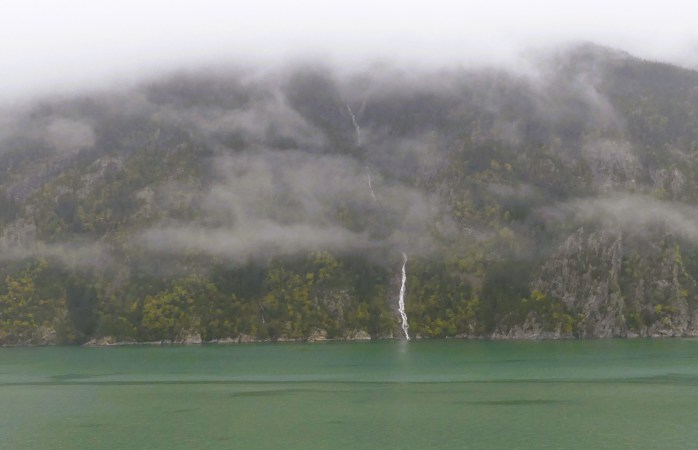
Then it was back to the ship and out through Lynn Canal, not a canal, but a fjord more than 2,000 feet deep, one of the longest (90 miles) and deepest in the world.

By then the rain let up enough so we could enjoy the waterfalls lining the canal, listen to the guide dispensing native history, and watch hundreds of ducks and birds migrating south for the winter.


Our second cruise to Alaska may not be our last, as we’d love to visit Skagway on a sunny, clear day just like in the picture, here!
Maybe next year.
~ Susanne
Lessons from Benji and Musings on Fall
“Benji, you’re amazing.”
“Why do you say that, Sue?”
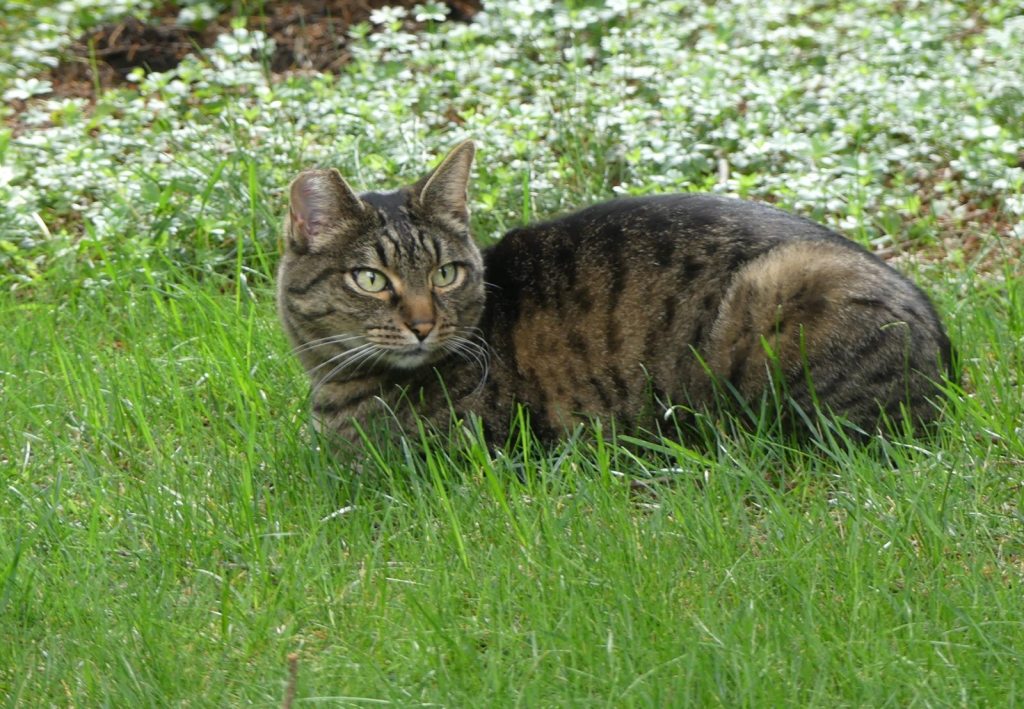
“Because, you haven’t let your accident define you.”
“What accident?” he asked.
“You know. The one that … um.. damaged your leg. Did you forget something’s missing?”
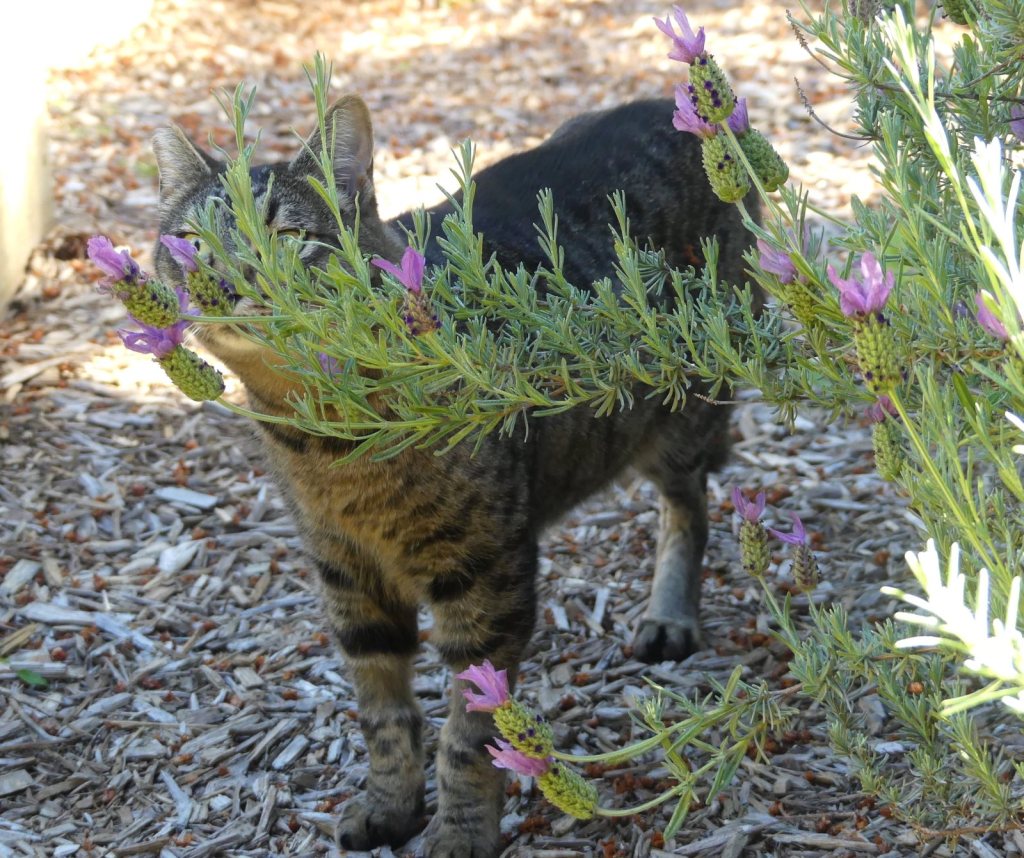
“I guess I did! Look at me run and jump!”
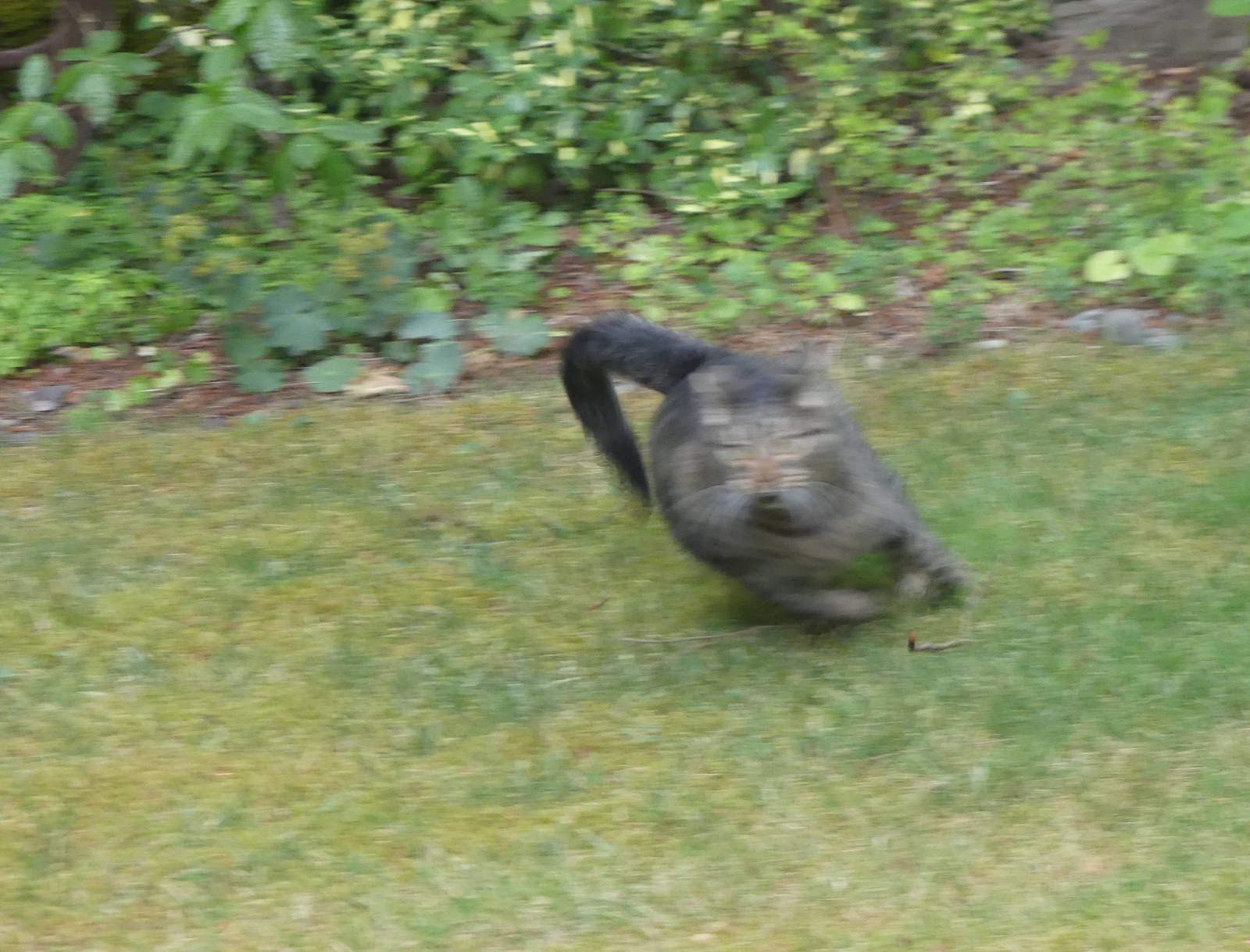
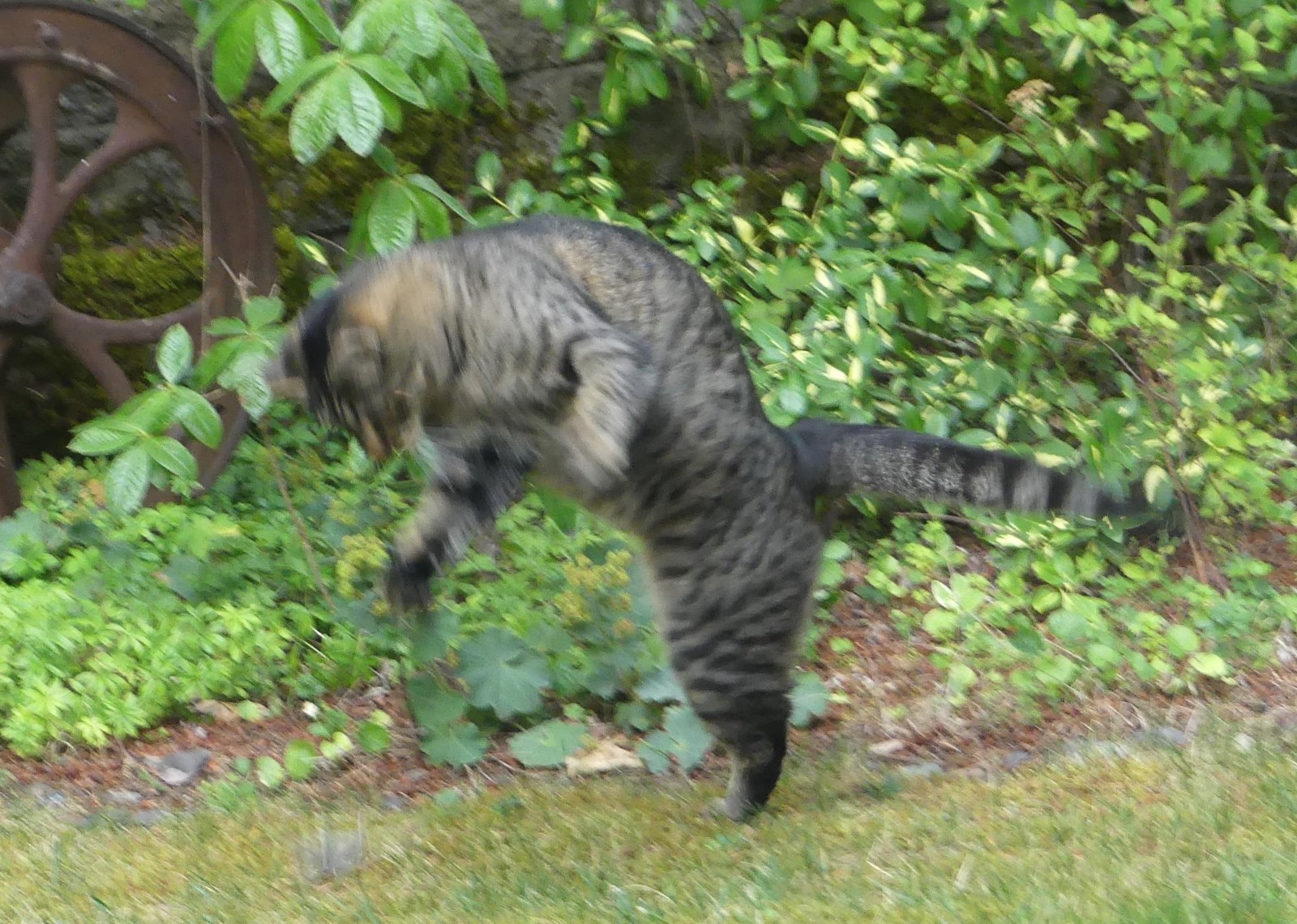
“Wow, still so fast, Benji! Like I said, you’re amazing!”
“Nah, nothing special. I just moved on, that’s all, like the season. Did you notice fall is in the air? The dry grass smells like hay.”
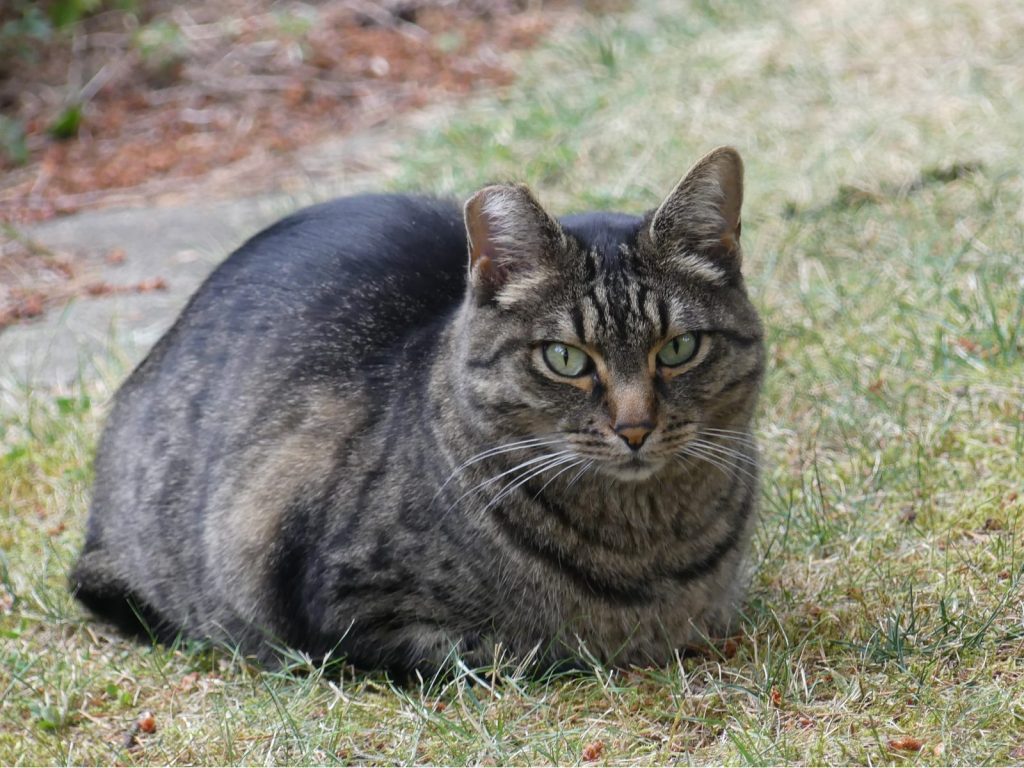
“And the apples are turning pink. Have you tried one yet?”
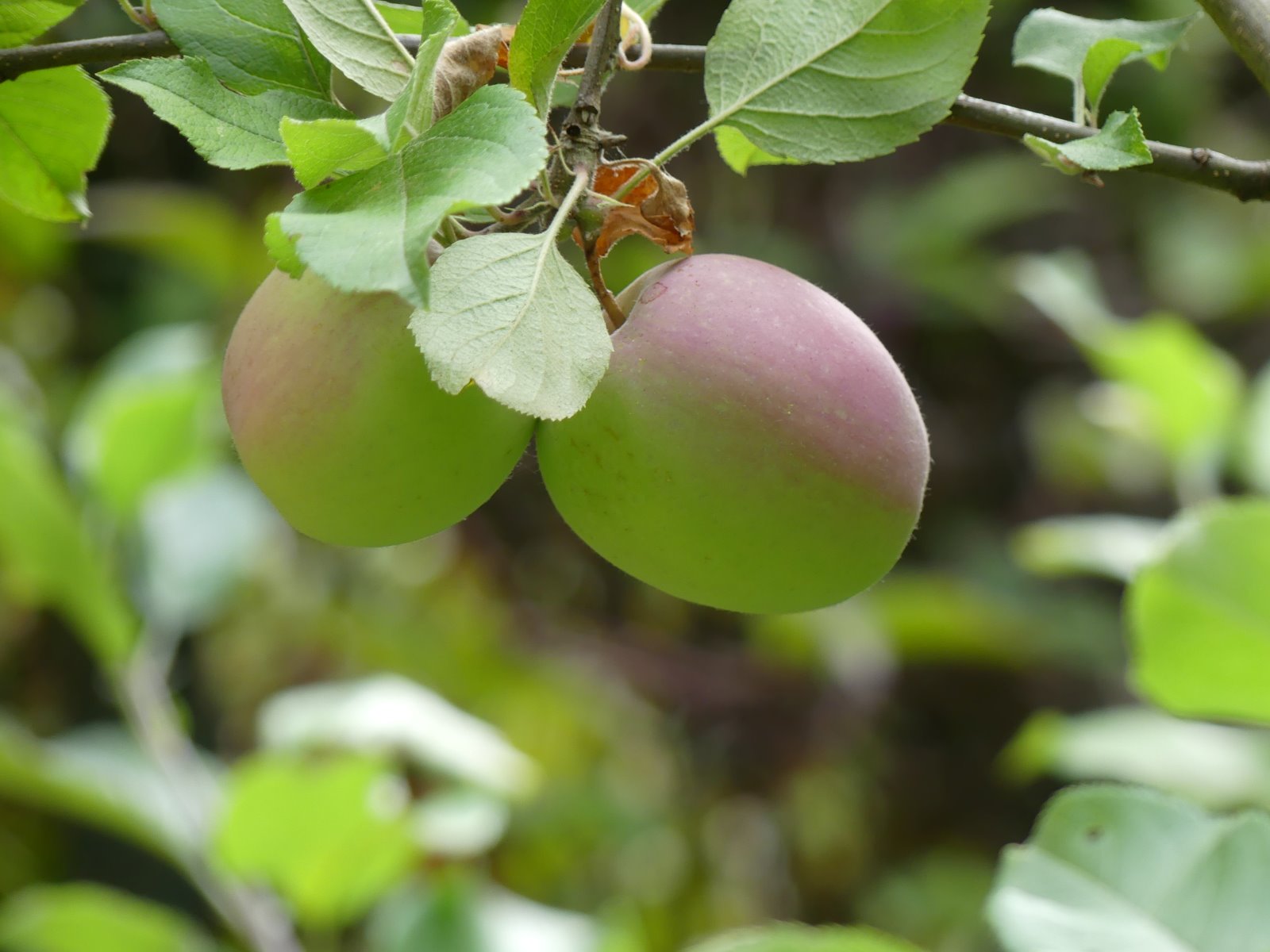
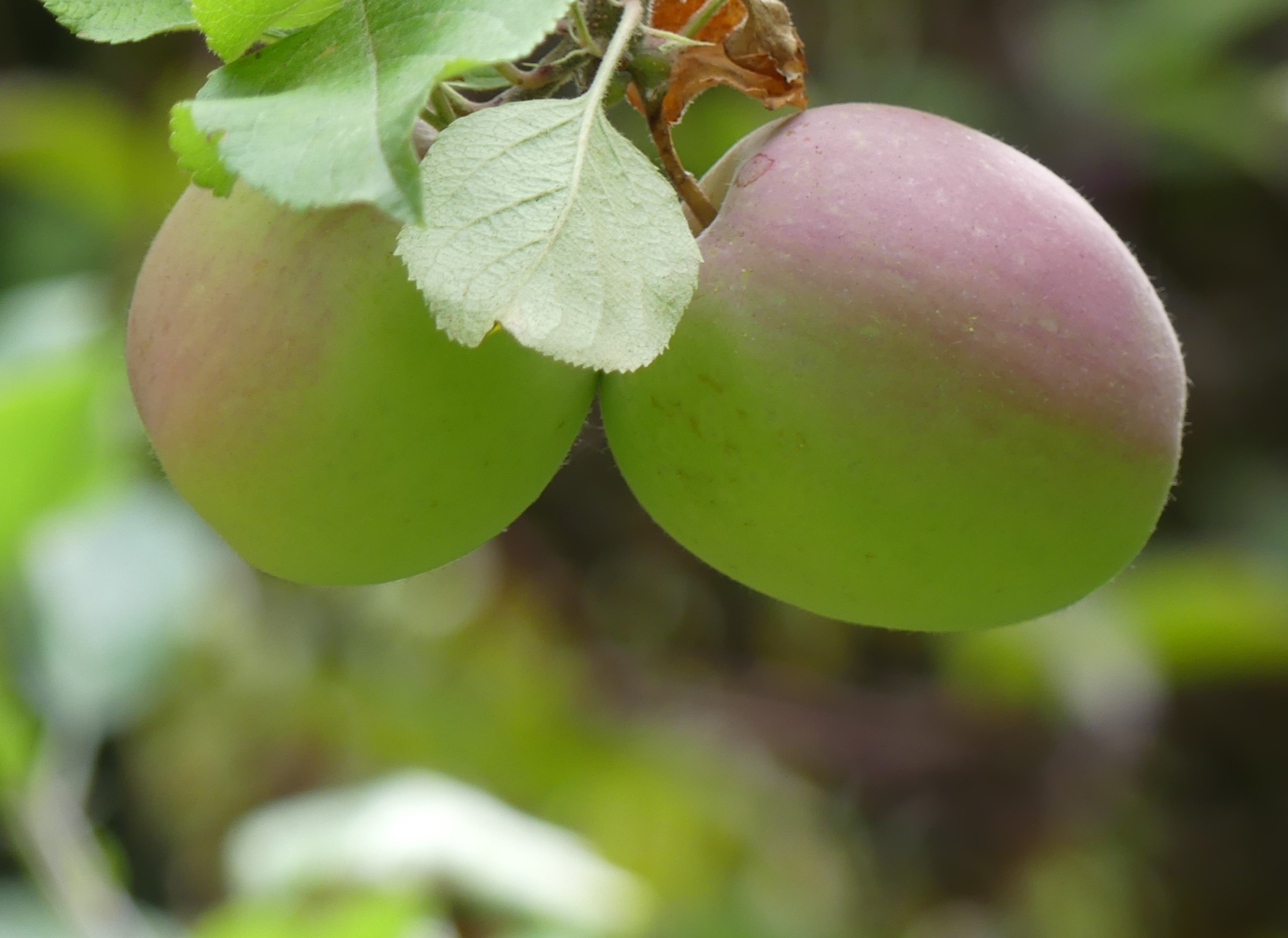
“I did, Benji. It was delicious. Tomatoes will follow soon.”
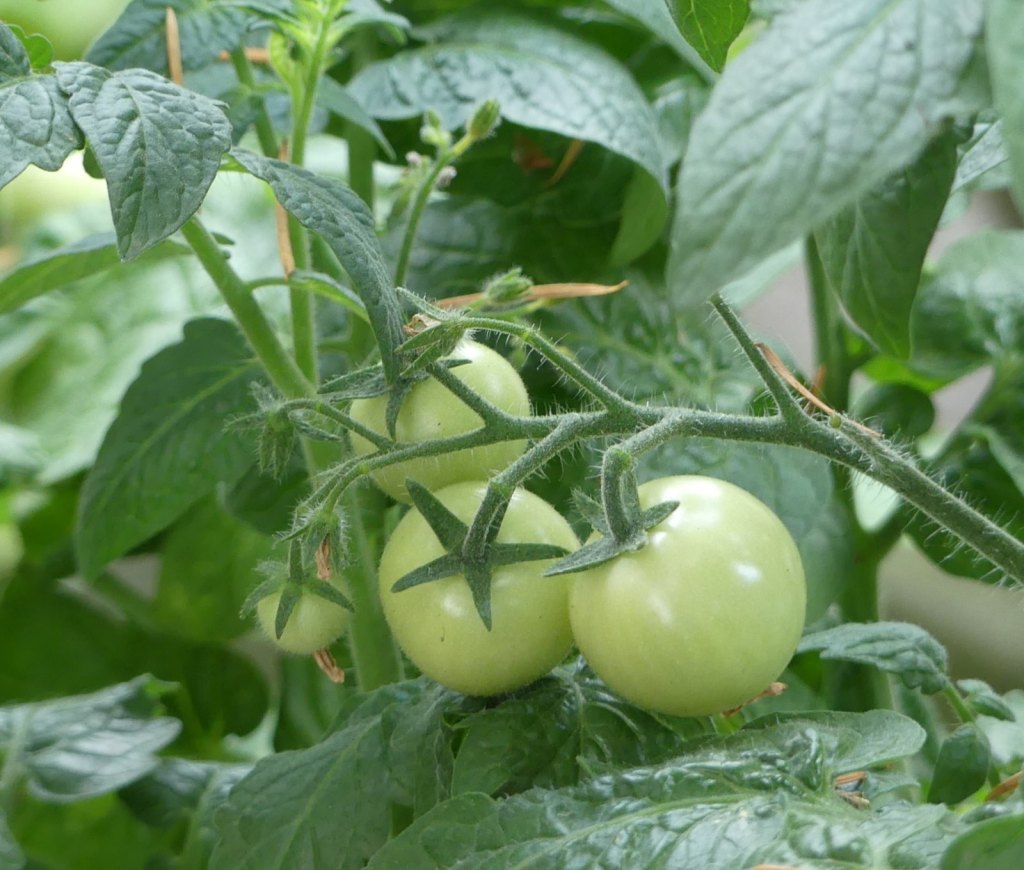
“The cantaloupe has a way to go. We’ll be lucky if they ripen in time.”
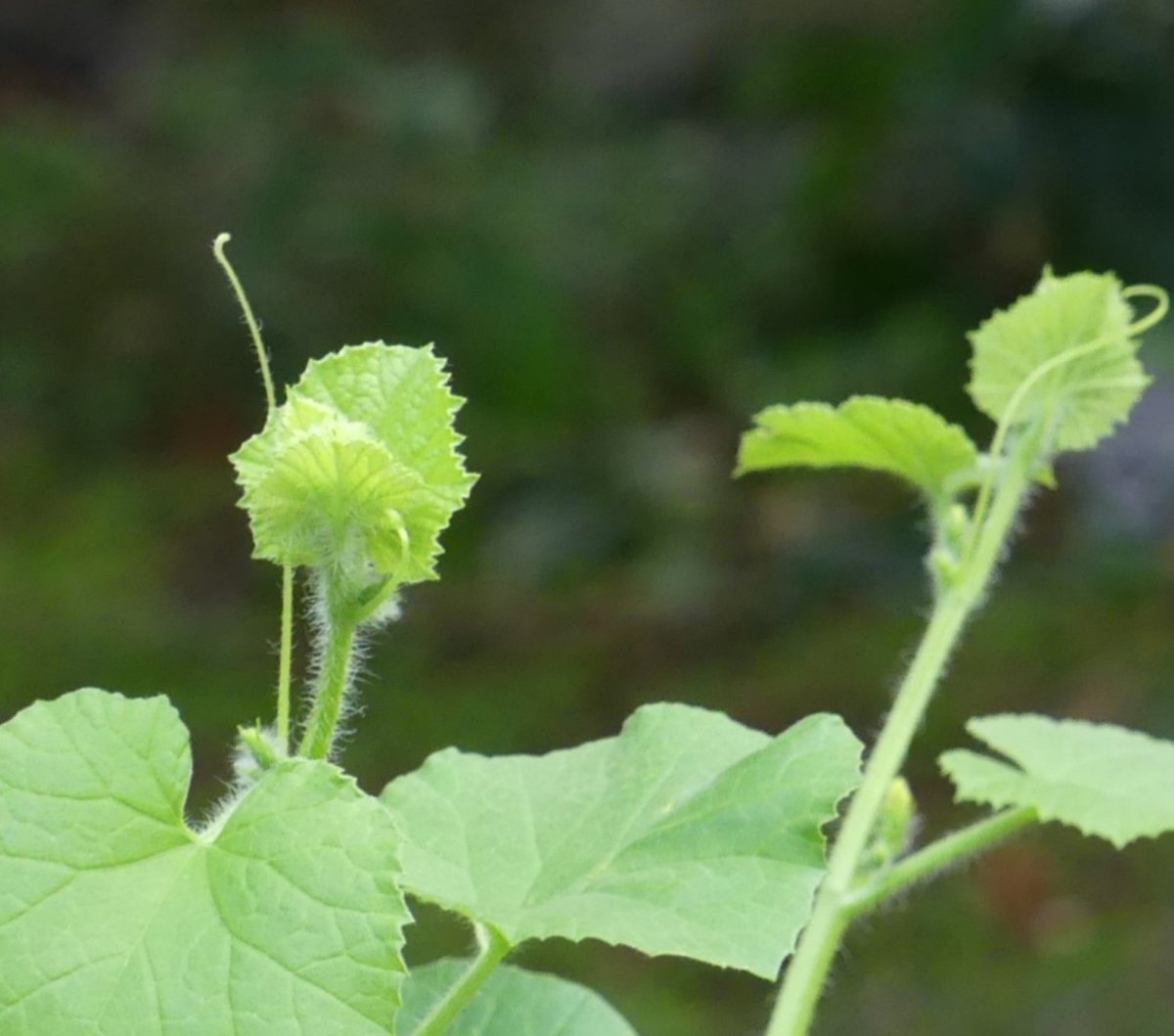

“Each on its own schedule, Sue. There’s already color in the maple out front and whirligigs have formed. I love to watch them twirl to the ground, don’t you?”
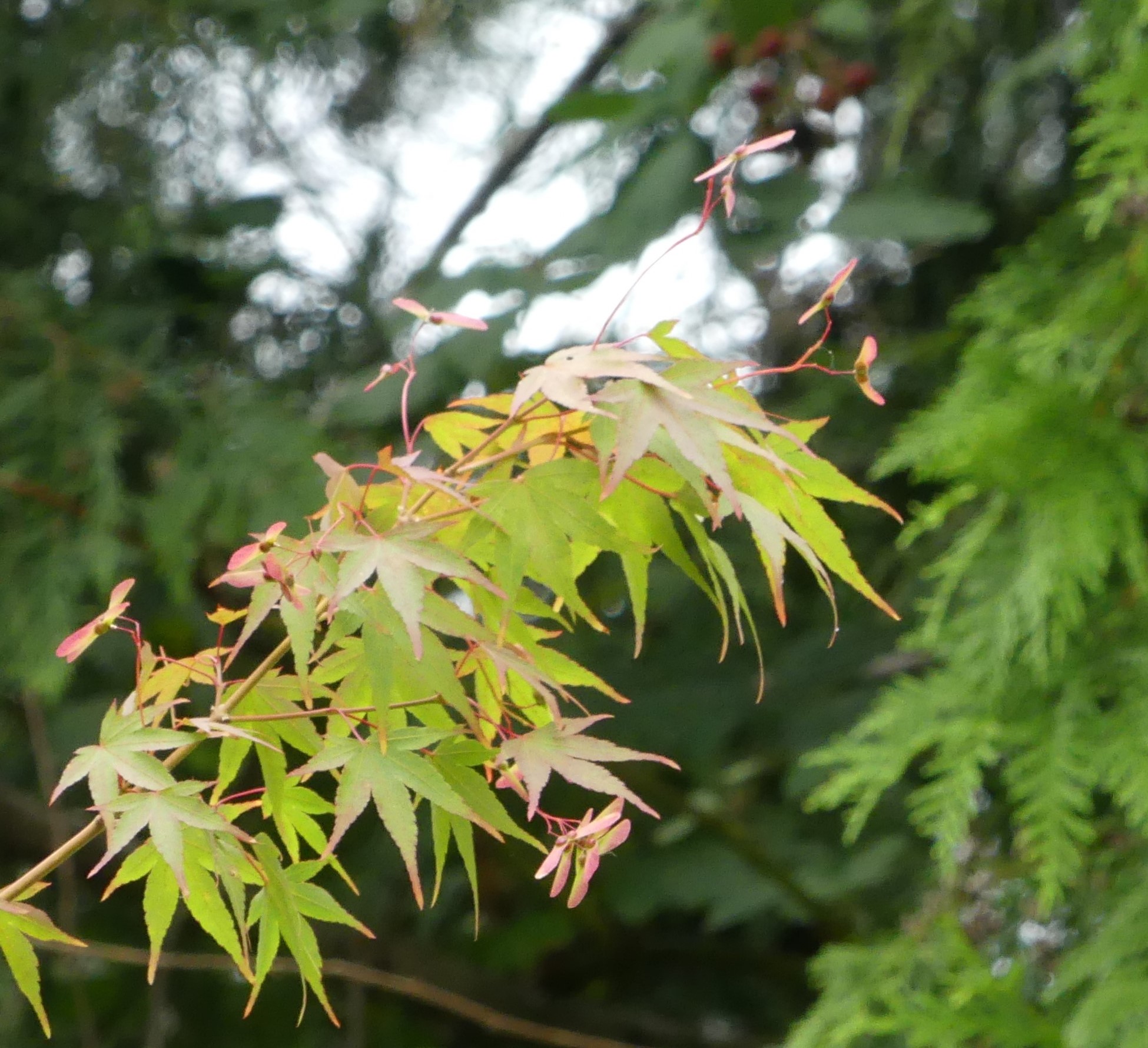
“Indeed, I do, Benji. Thanks for being such an inspiration.”
“It’s nothing, Sue. Better to enjoy what you have than focus on what you lost.”
~ Susanne and Benji
Happy Day in the Garden with the Hummingbirds

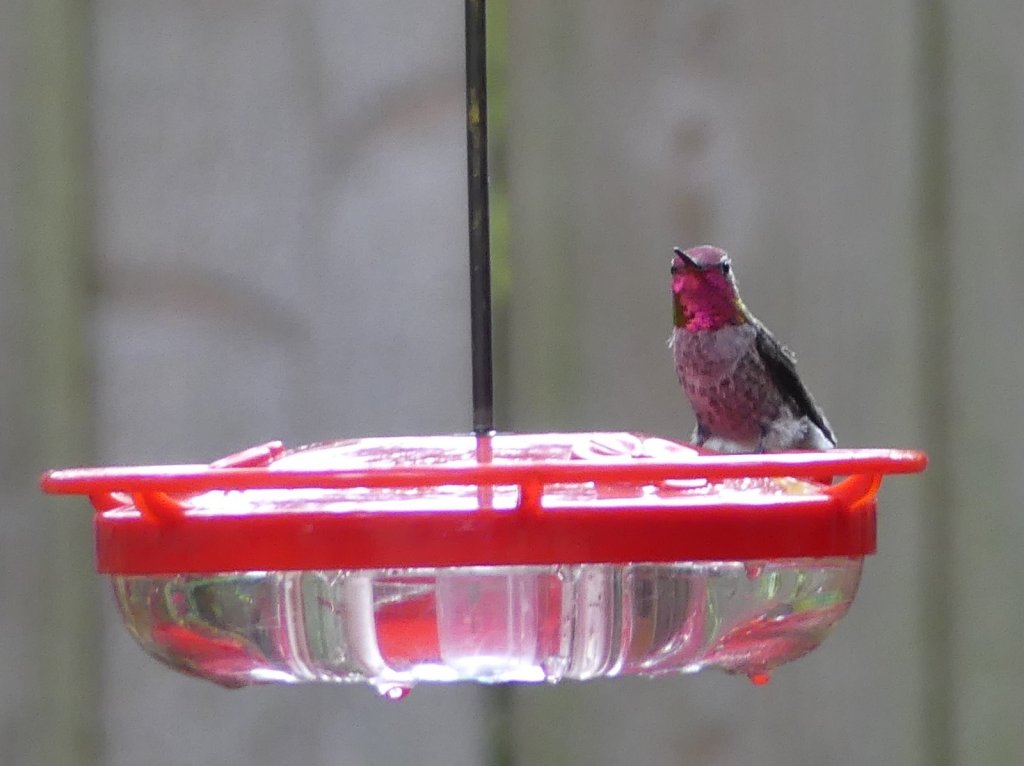

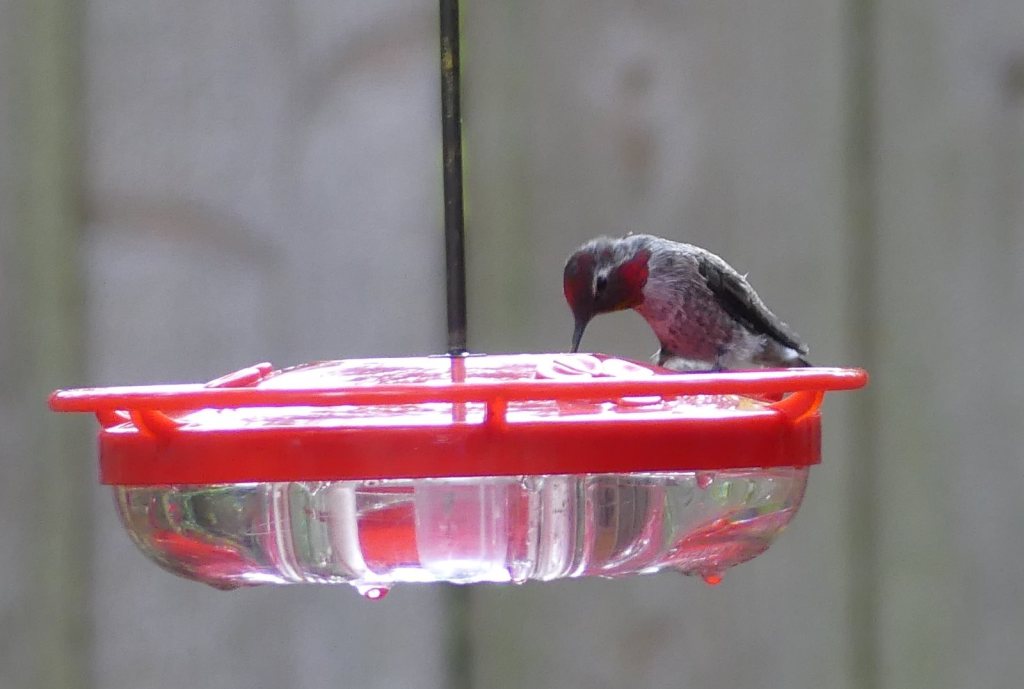
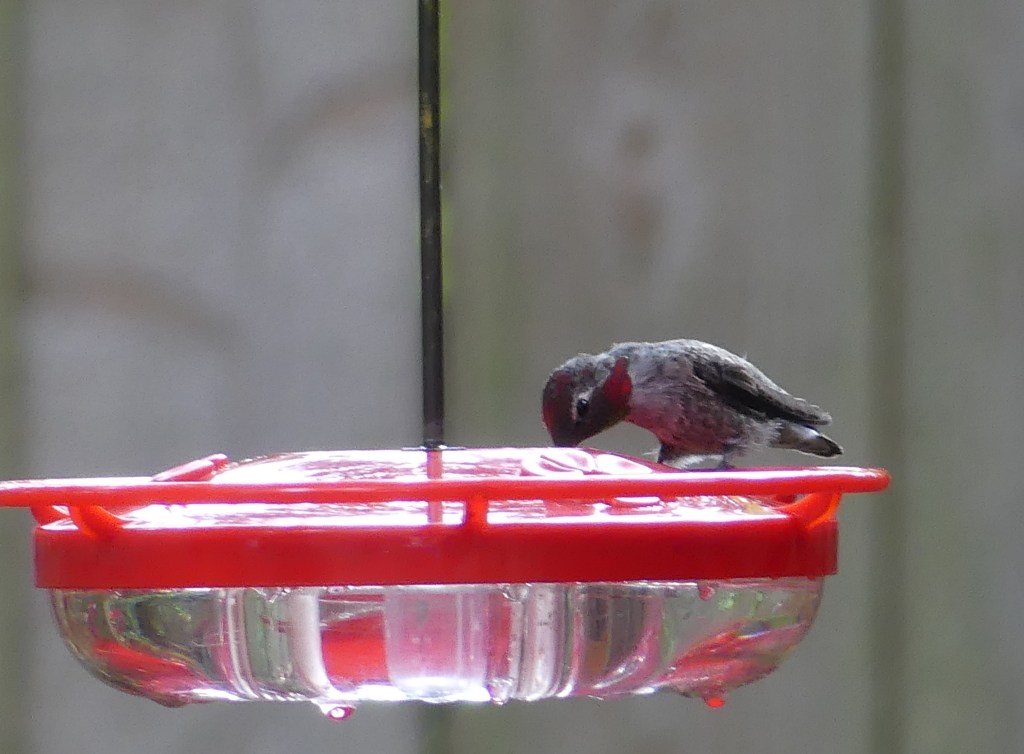

No words necessary.
#WordlessWednesday.
~ Susanne
Nature Loves Yellow and Gold
It even starts and ends each day with it.
I once woke to sunrise on Kauai, reassured and thankful that the tropical storm that was expected overnight, didn’t make land.
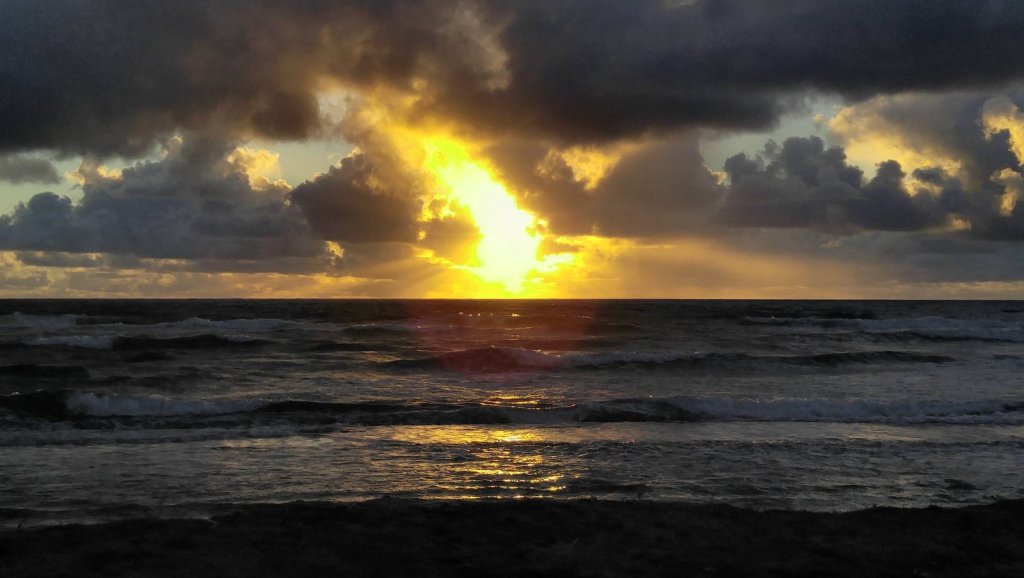
I captured the sunrise below from my balcony at Turtle Bay, on the north shore of Oahu;
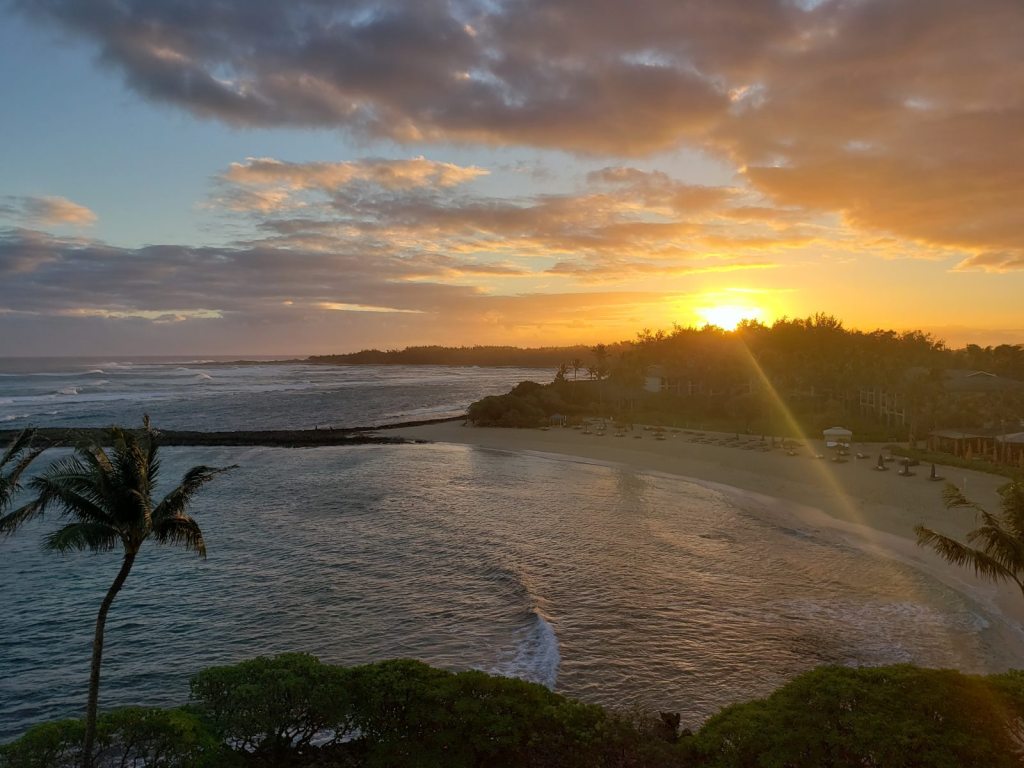
and enjoyed sunset later that night from the other side of the hotel. (The only place I’ve ever stayed where I saw the sun both rise and set over the ocean.)
Did you ever wonder how Yellowstone got its name? Wonder no more as you gaze at the Grand Canyon of the Yellowstone.
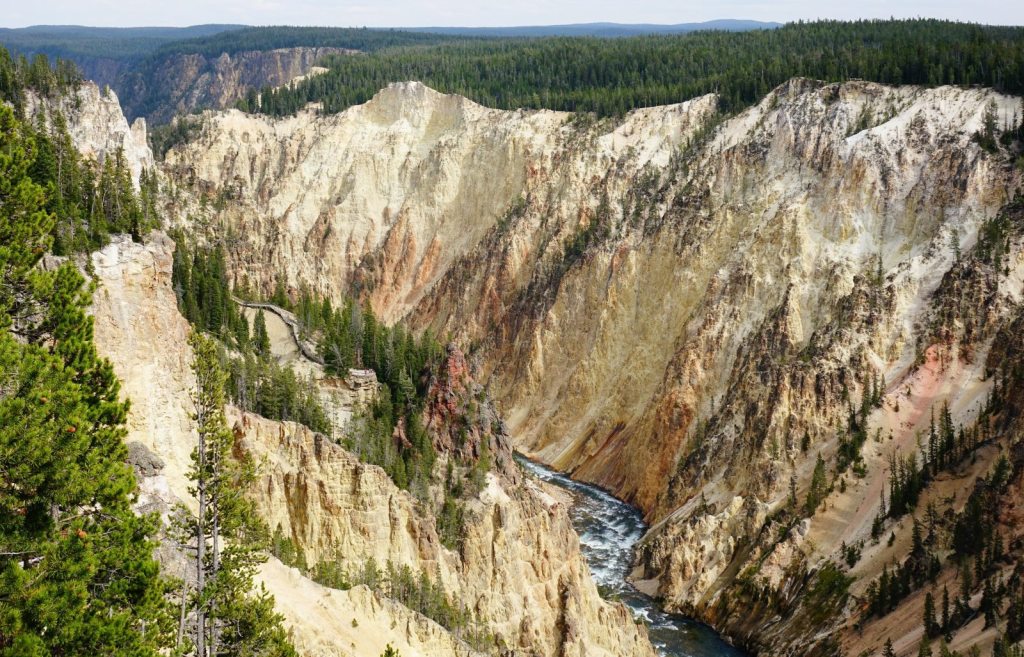
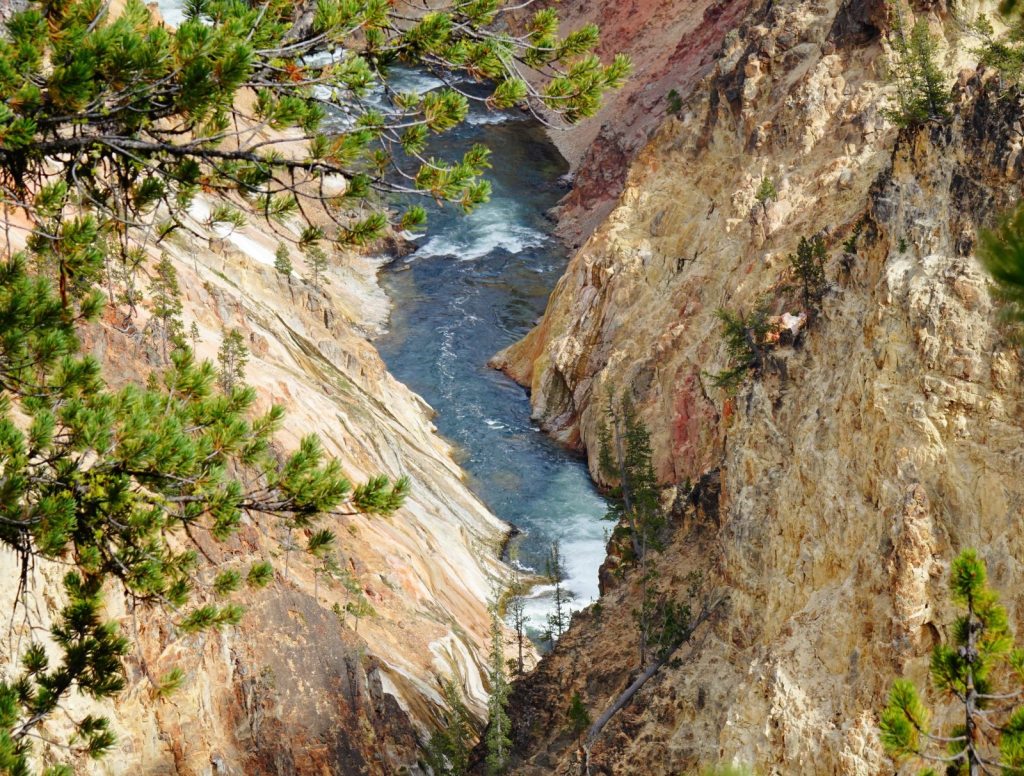
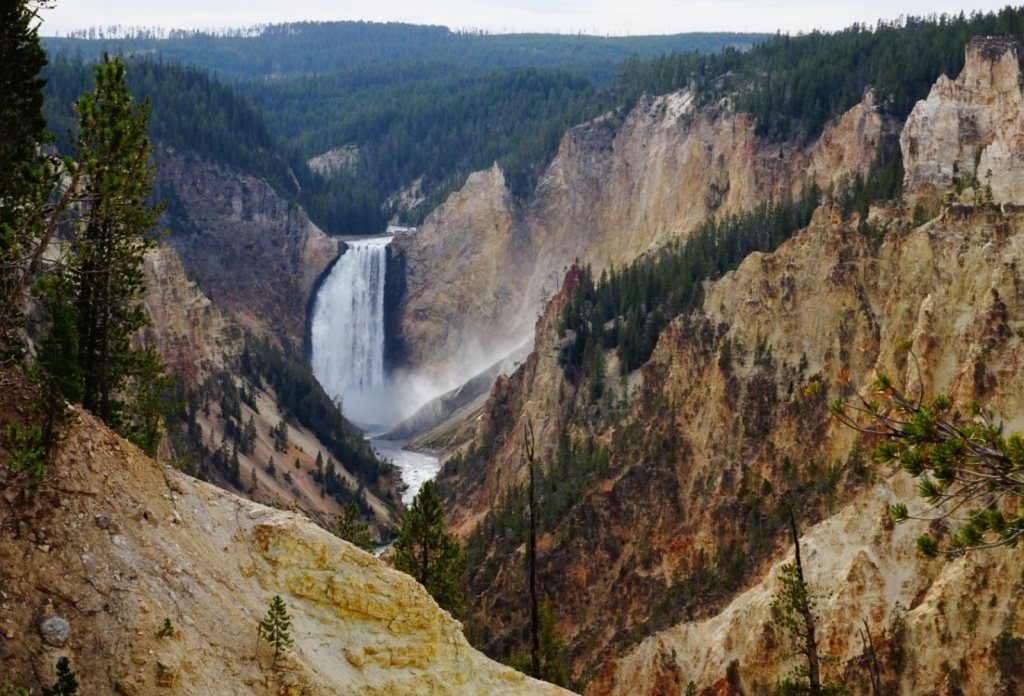
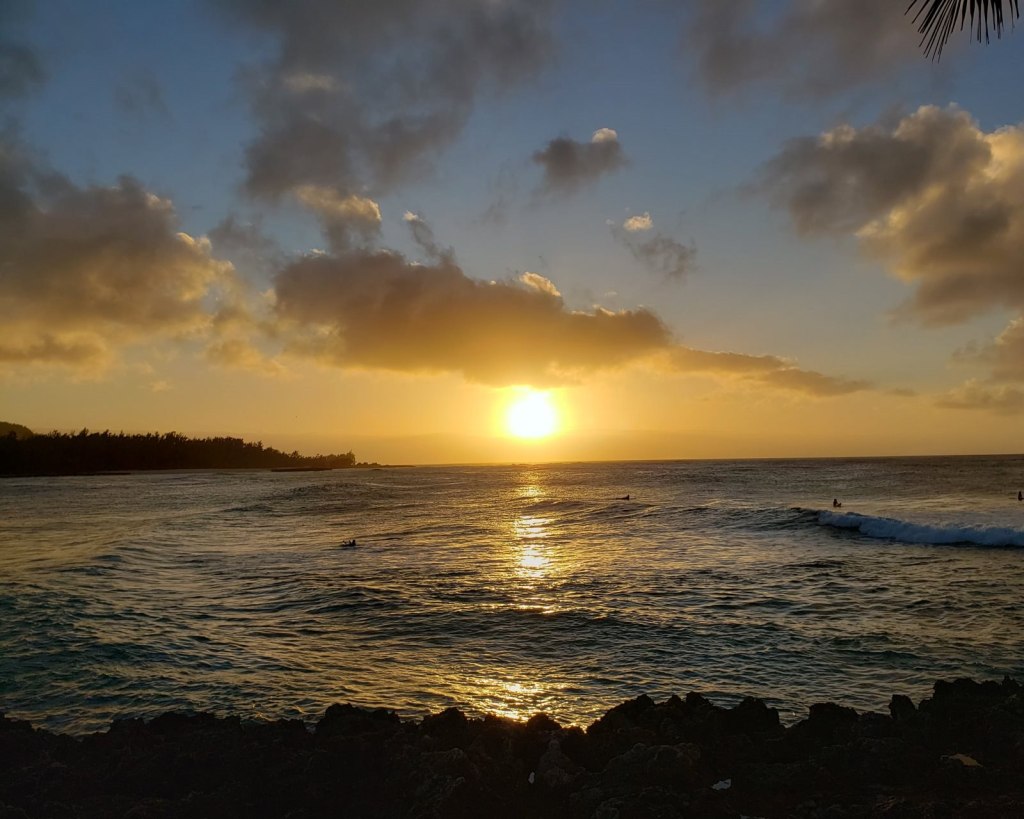
Closer to home, I enjoyed the golden hour at Lake Quinault, as the sun began to set on the Olympic Peninsula.
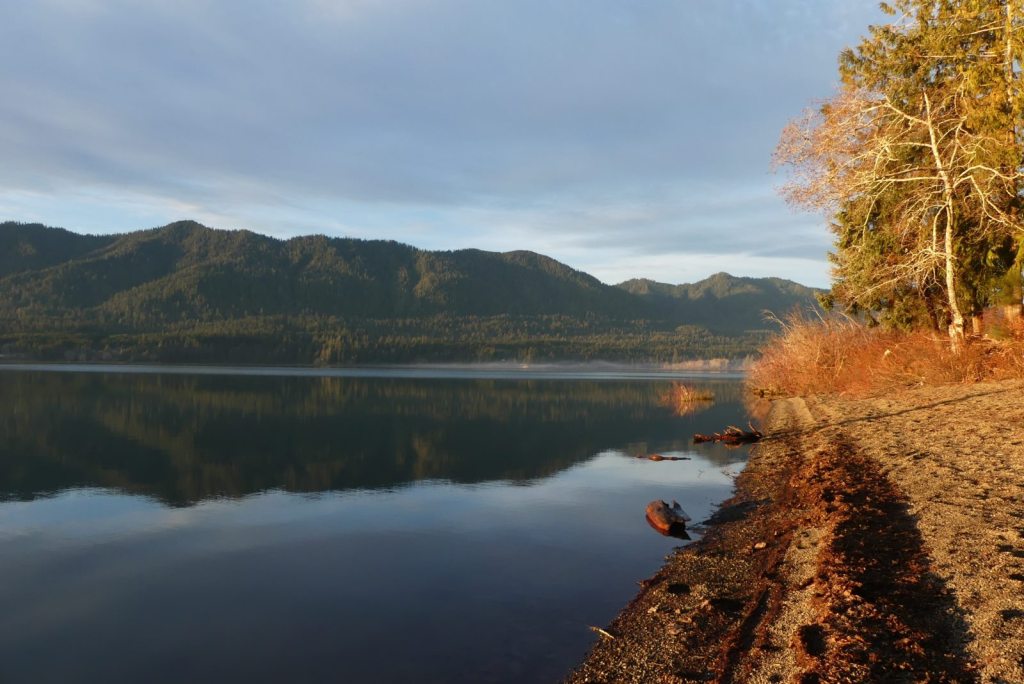
After sunset, the intensity of gold increased in glory, a good way to end the day.
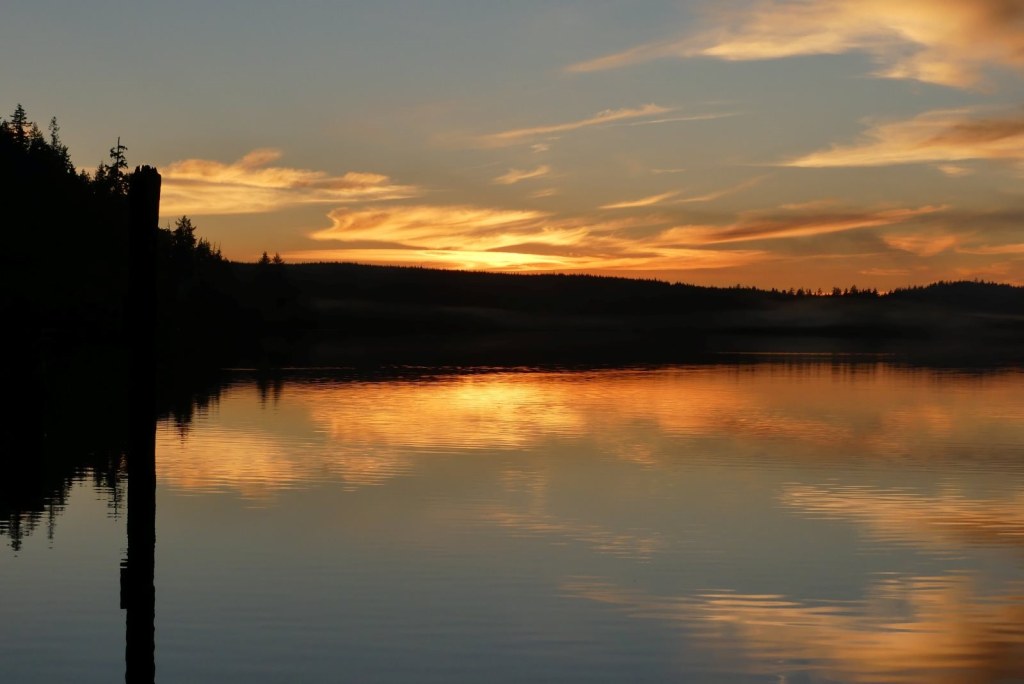
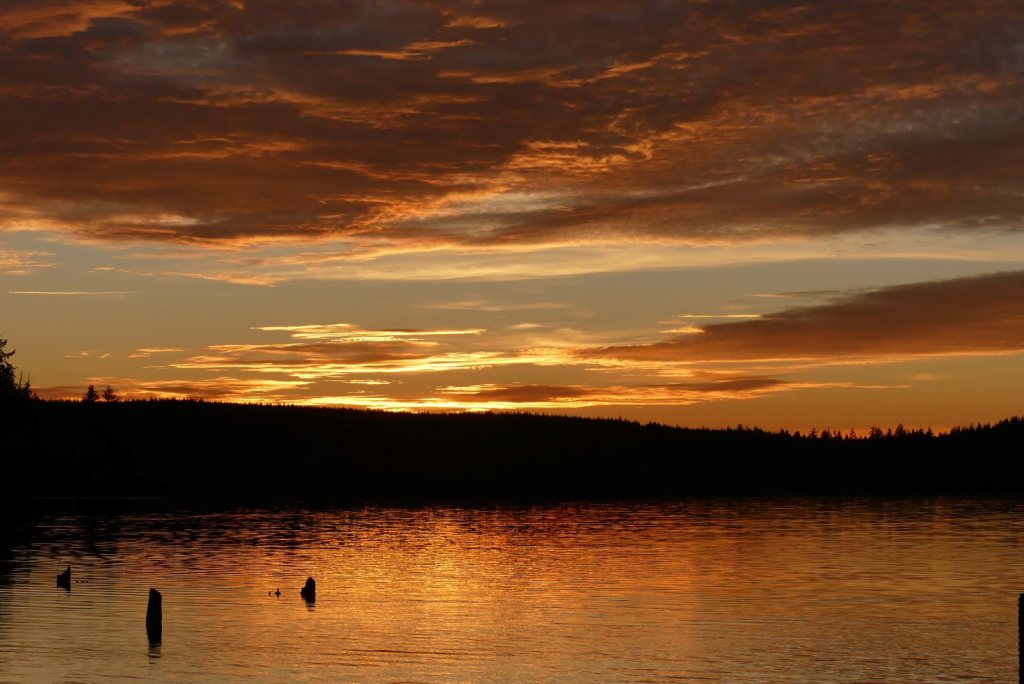
That’s my take on nature’s love of yellow and gold. Sharing with #Sunday Stills.
~ Susanne
Highlights from the Columbia Gorge
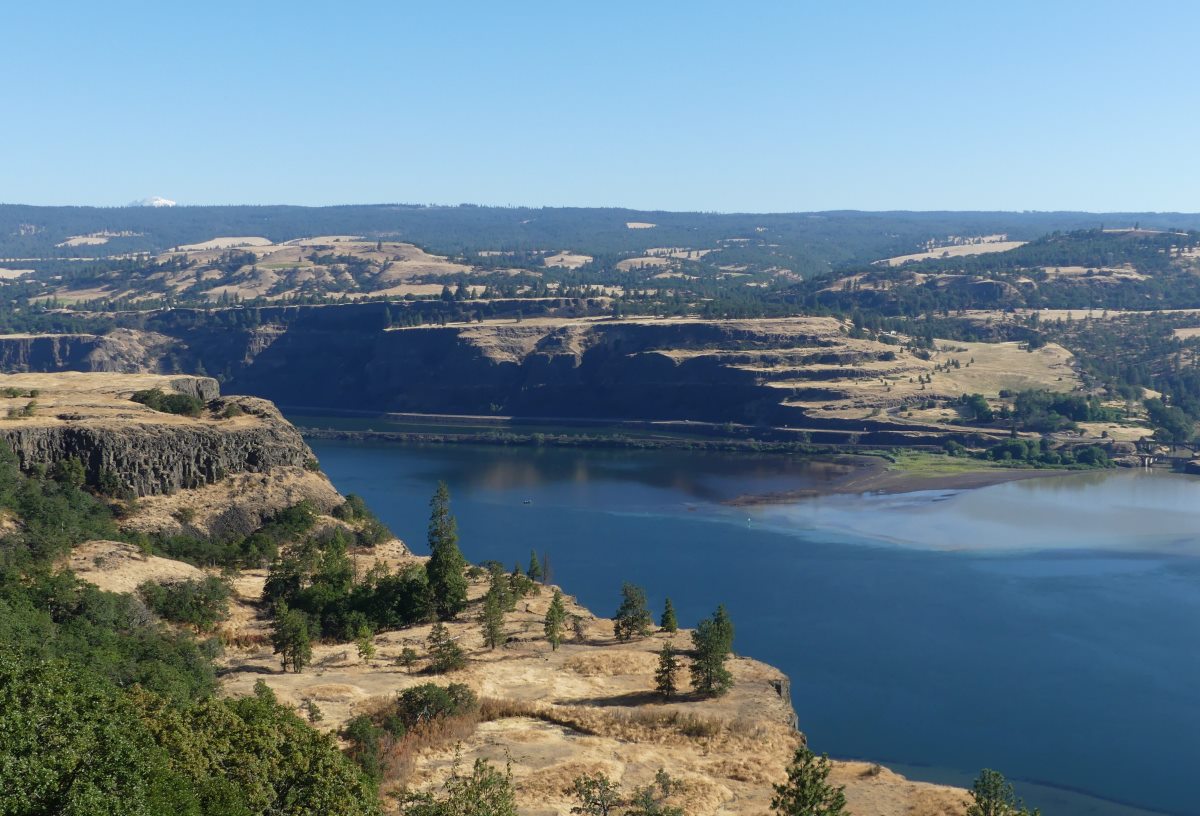
It was just last week that we were looking for a quick getaway and settled on one of our favorite places, the Columbia Gorge, three hours south. Three days, two nights, just enough time for the highlights.
We started at Crown Point for a look at the Gorge, facing east. Honestly, we didn’t mind the rain as we’d been suffering with high temperatures and no rain for weeks. Even so, slide over for a look at the sunny view from an earlier trip.
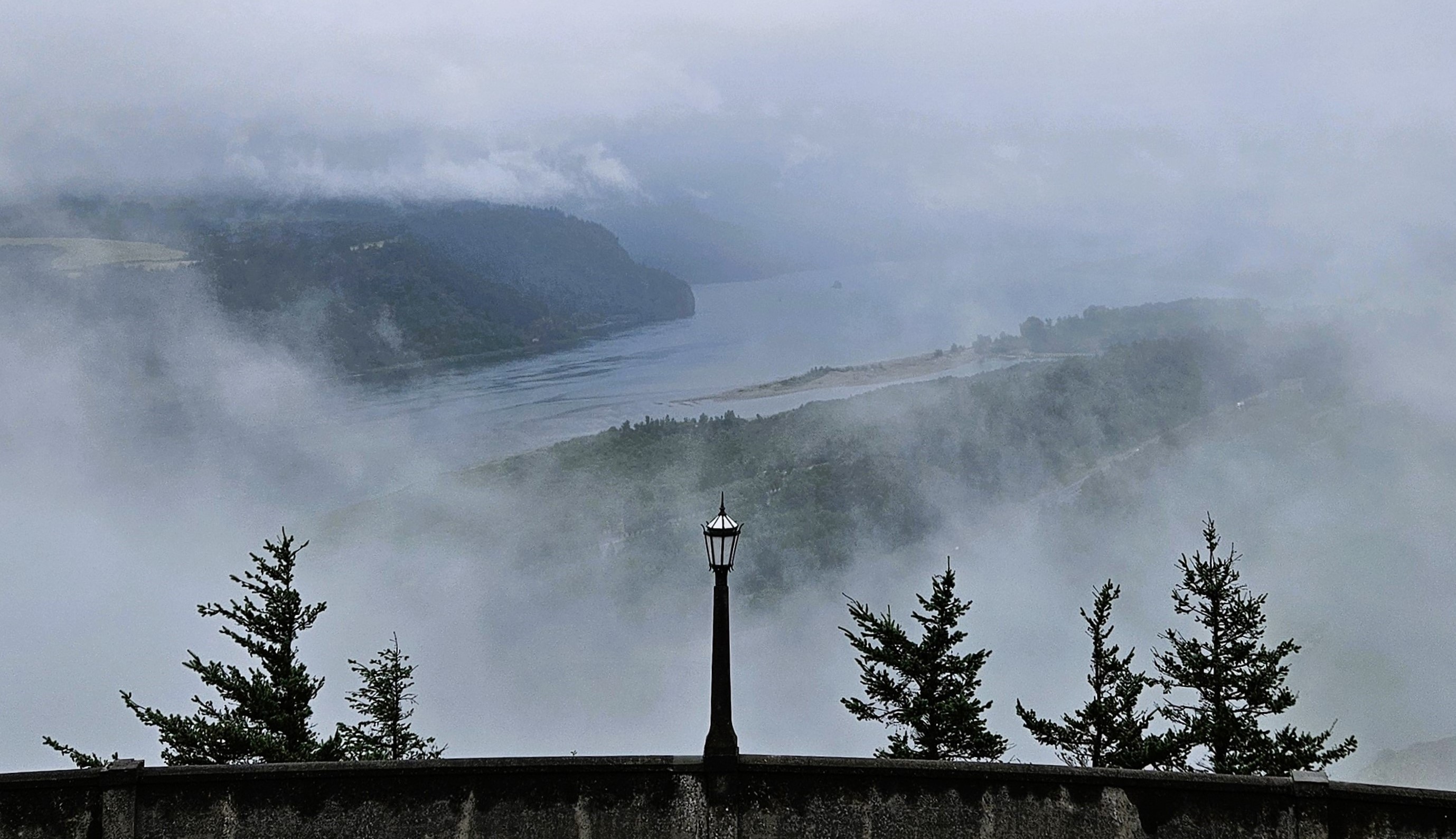
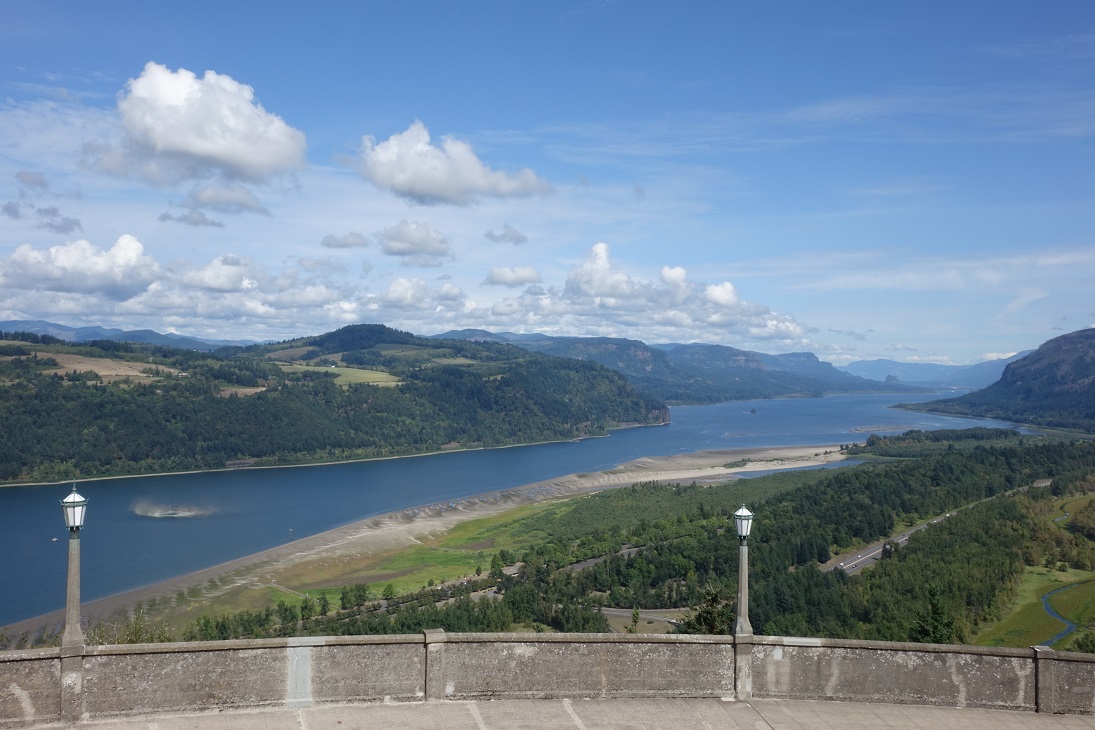

According to Wikipedia: “The 1918 Art Nouveau style Vista House is an observatory at Crown Point that also serves as a memorial to Oregon pioneers and as a comfort station for travelers on the Historic Columbia River Highway. The site, is on a rocky promontory, is 733 feet (223 m) above the Columbia River.”
The Historic Columbia River Highway was the first planned scenic highway in the country and was built between 1913 and 1922. More on that here.
To me, the jewels of the highway are the many waterfalls that line its west side, and we stopped by a couple of our favorites.
Latourell Falls

Yes, there were folks swimming in the pool at the base of the falls.
Horsetail Falls
No swimmers at Horsetail Falls, in fact, we had it to ourselves.
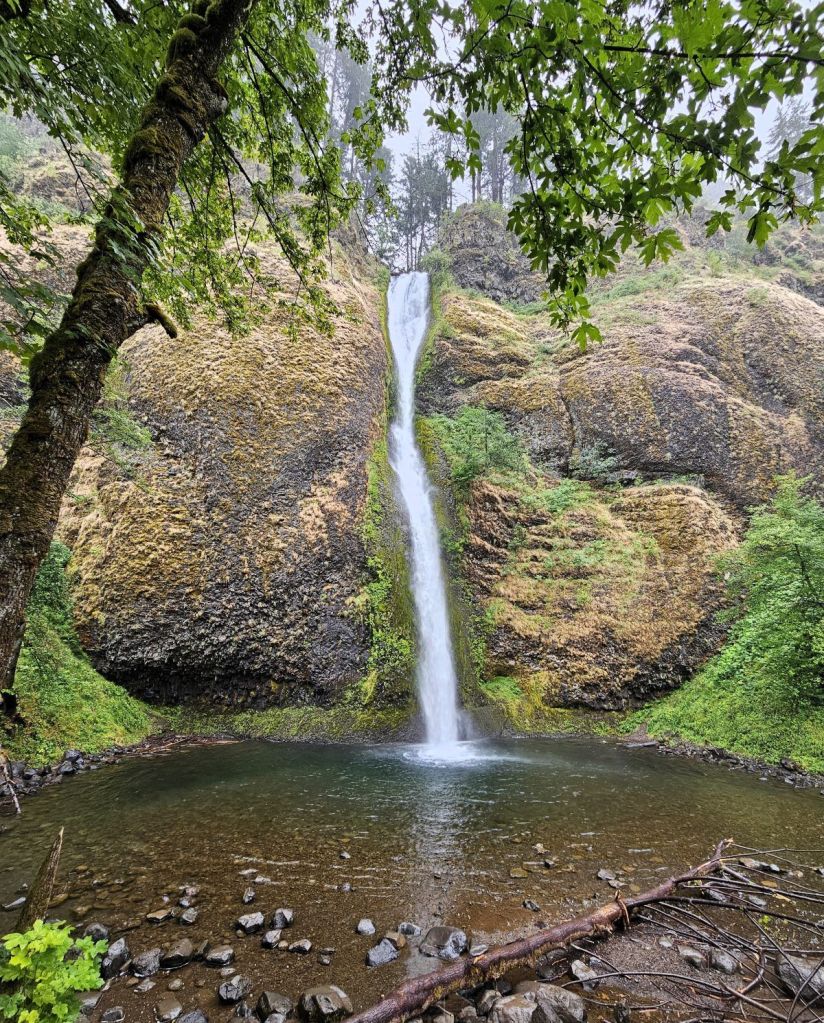
We didn’t stop at the most famous waterfall on the highway: Multnomah Falls now requires a reservation during the summer season; we didn’t bother as we’ve seen it many times before.

We spent the night at Hood River and the next day took a drive to Mt. Hood. It was beautiful and sunny and less than an hour to Timberline Lodge.

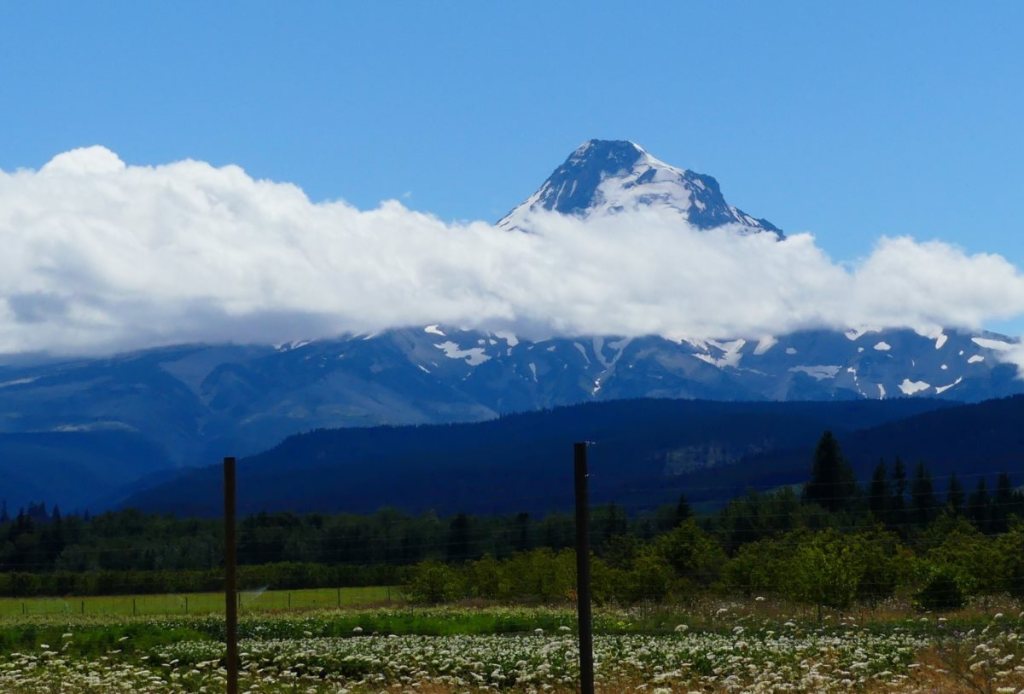
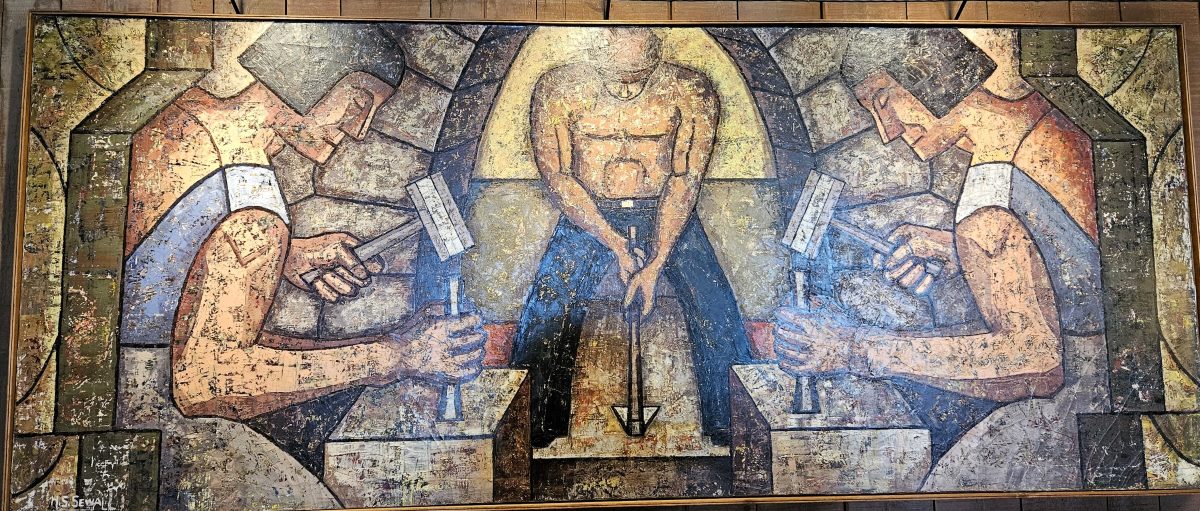
I was hoping to get good shots of the lodge against Mt Hood, but the mountain was socked in by clouds. Still, it’s worth showing you pictures of the rustic interior which is filled with original artwork. Built in the 1930’s as part of FDR’s plan to get Americans back to work, all manner of craftsman were employed to build and furnish it. More about the historic lodge can be found here.


The next day we found plenty of sunshine high above the Gorge at Rowena Crest, where the forest gives way to golden hills.


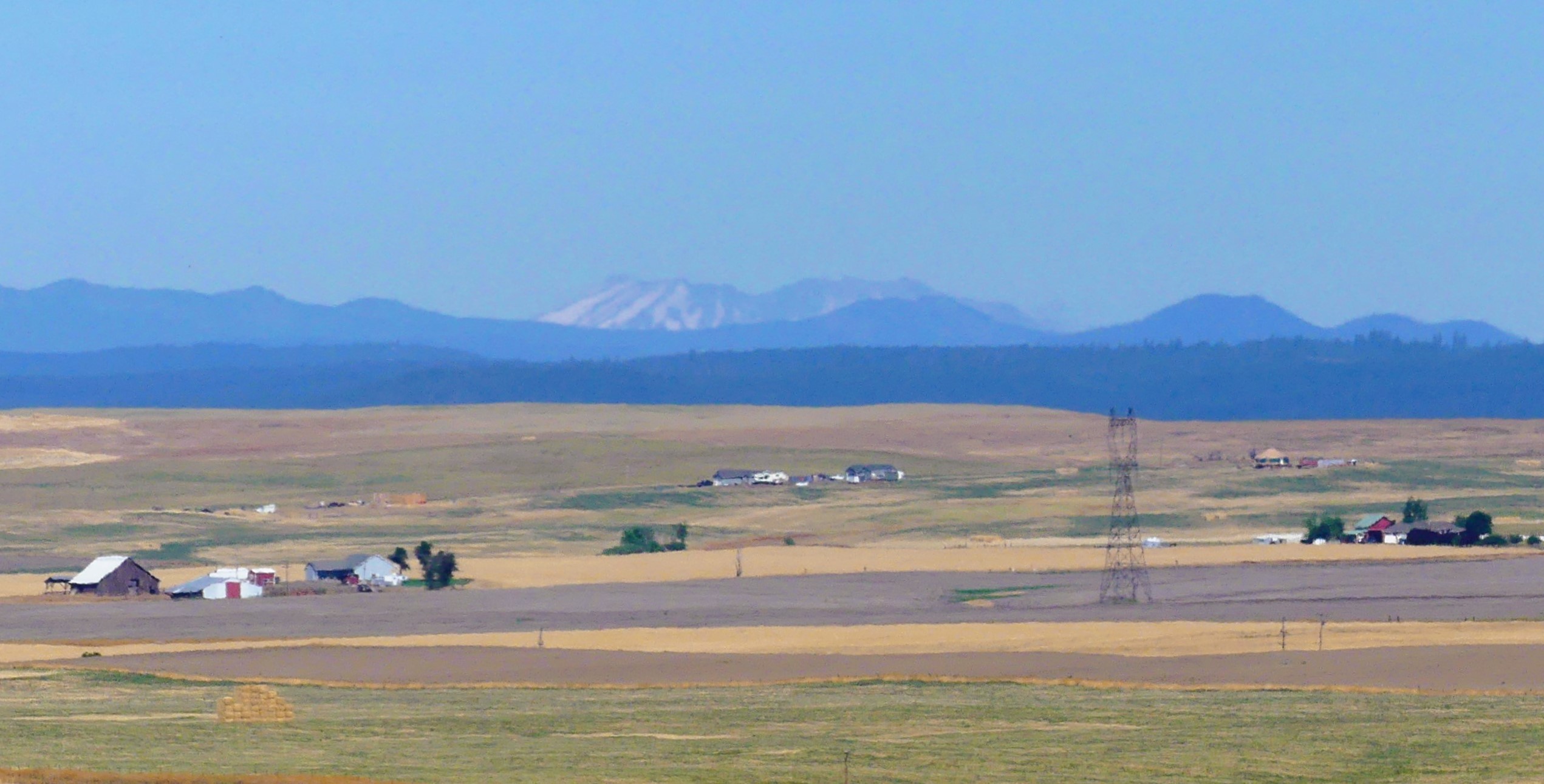
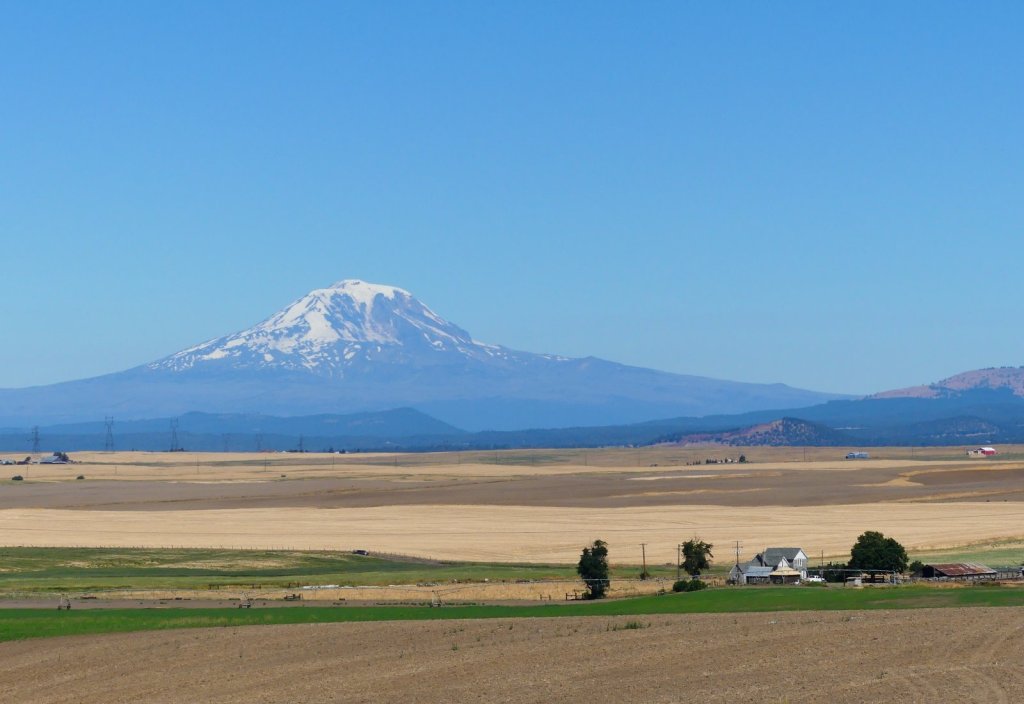
On the Washington side of the Gorge, headed for home, we got a great look at Mt. Adams, which though beautiful, is often overshadowed by Mt. Rainier to the north.
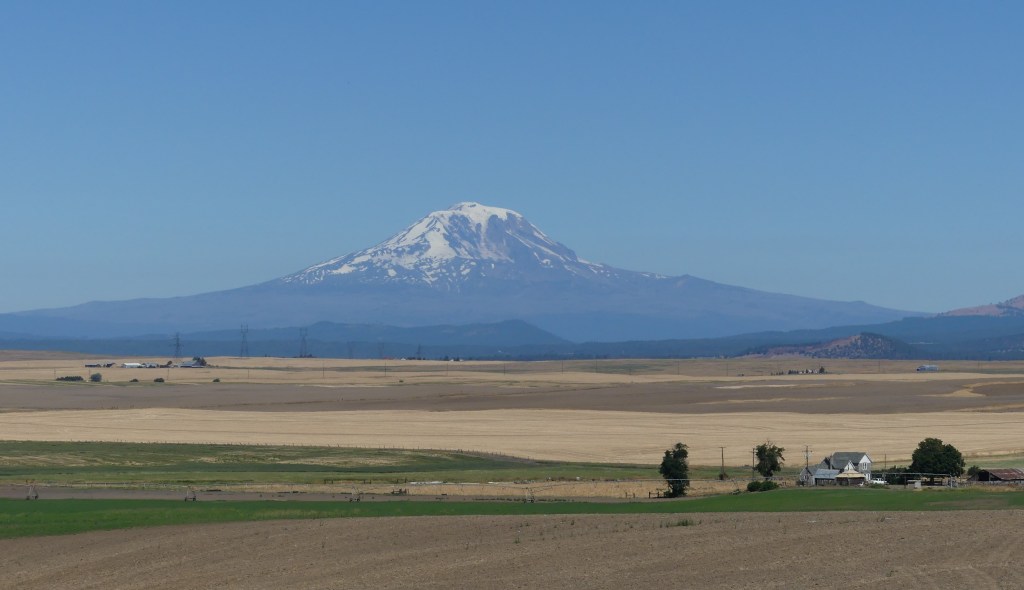
In fact, from this vantage point, four mountains can be seen; in addition to Mt Adams: Mt. Hood, Mt. St. Helens, and even the top of Mt. Rainier, in that order below.


But there is no doubt that Mt. Adams is the star of the show from here.
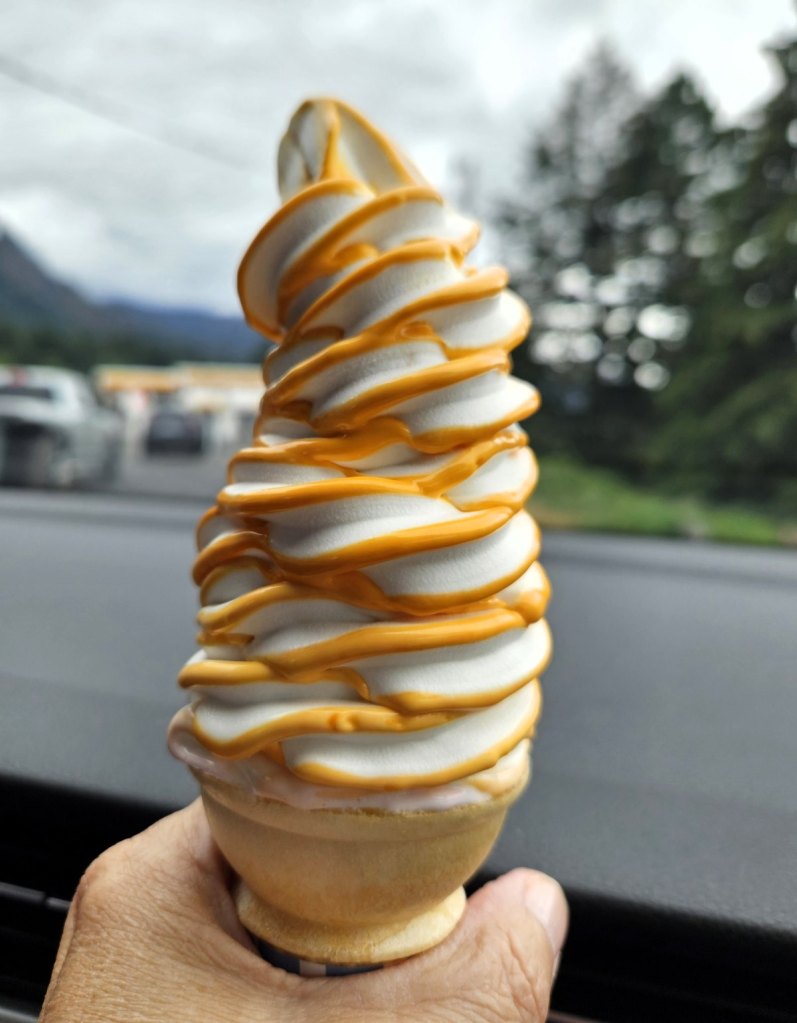
Now before I go, I have to show you one more highlight of our trip, an ice cream stop at the Eastwind Drive-In at Cascade Locks, for my favorite swirl cone. My sister who lives in the area recommended it to me, especially the large size, which is a foot tall. I was happy with a small, though next time, I may upgrade to a medium.
That’s all from the Columbia Gorge.
~ Susanne
Clematis – Two Ways
I’ve shared many pictures of Clematis Montana, a faithful, pink, prolific climber, that lights up my garden every year in May.
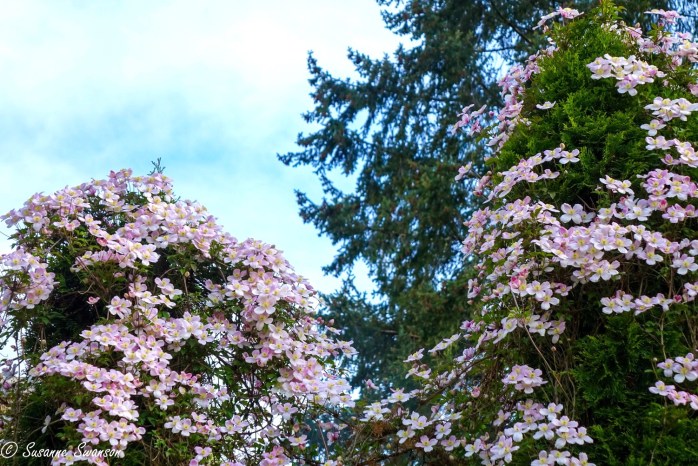
But rising above the fray, here and there, is another clematis with large white blossoms few and far between. It stays put year after year and the blossoms face heavenward, too high for me to easily photograph so I rarely do. You’ll see it poking its head above its pink cousin below.


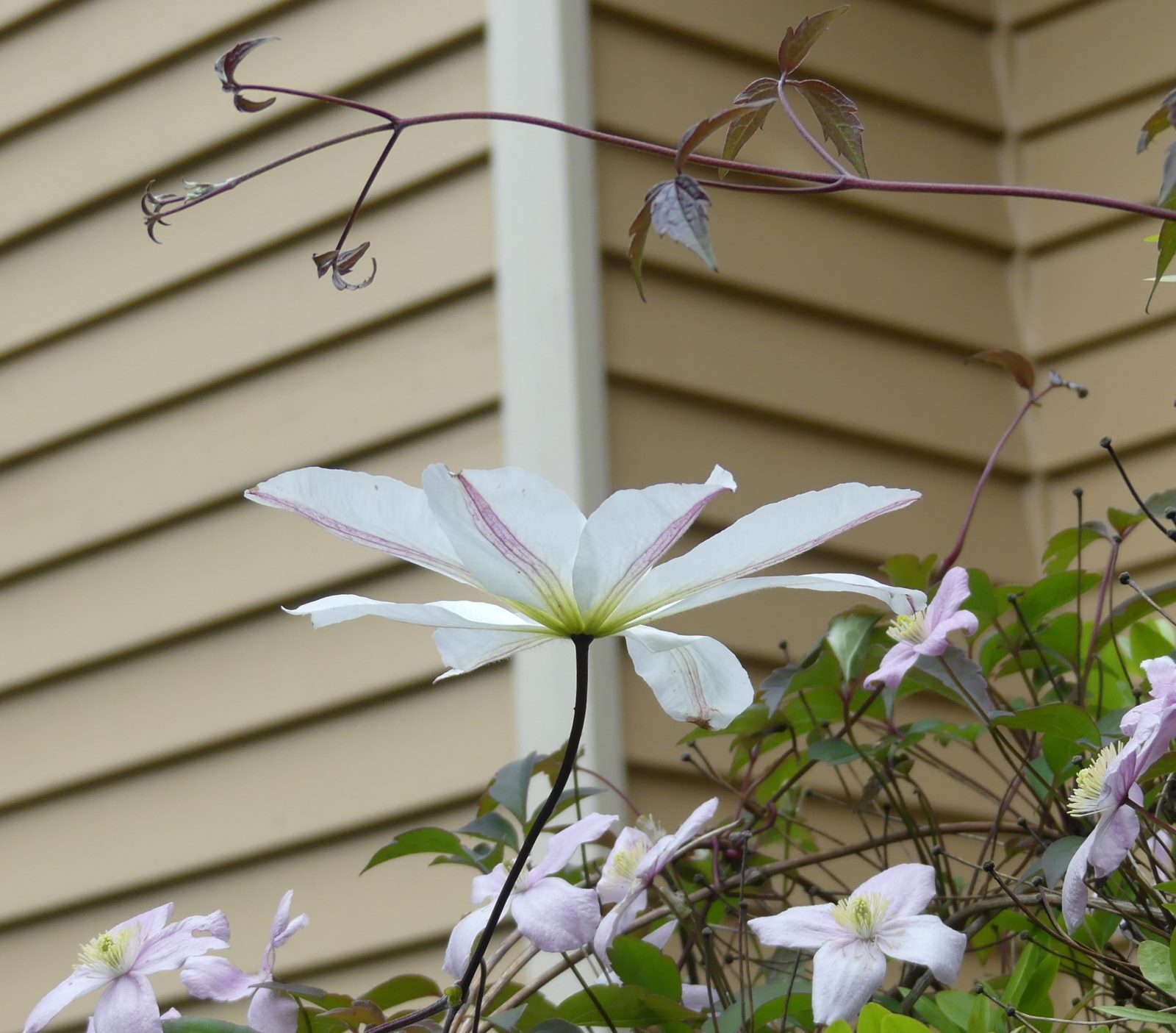
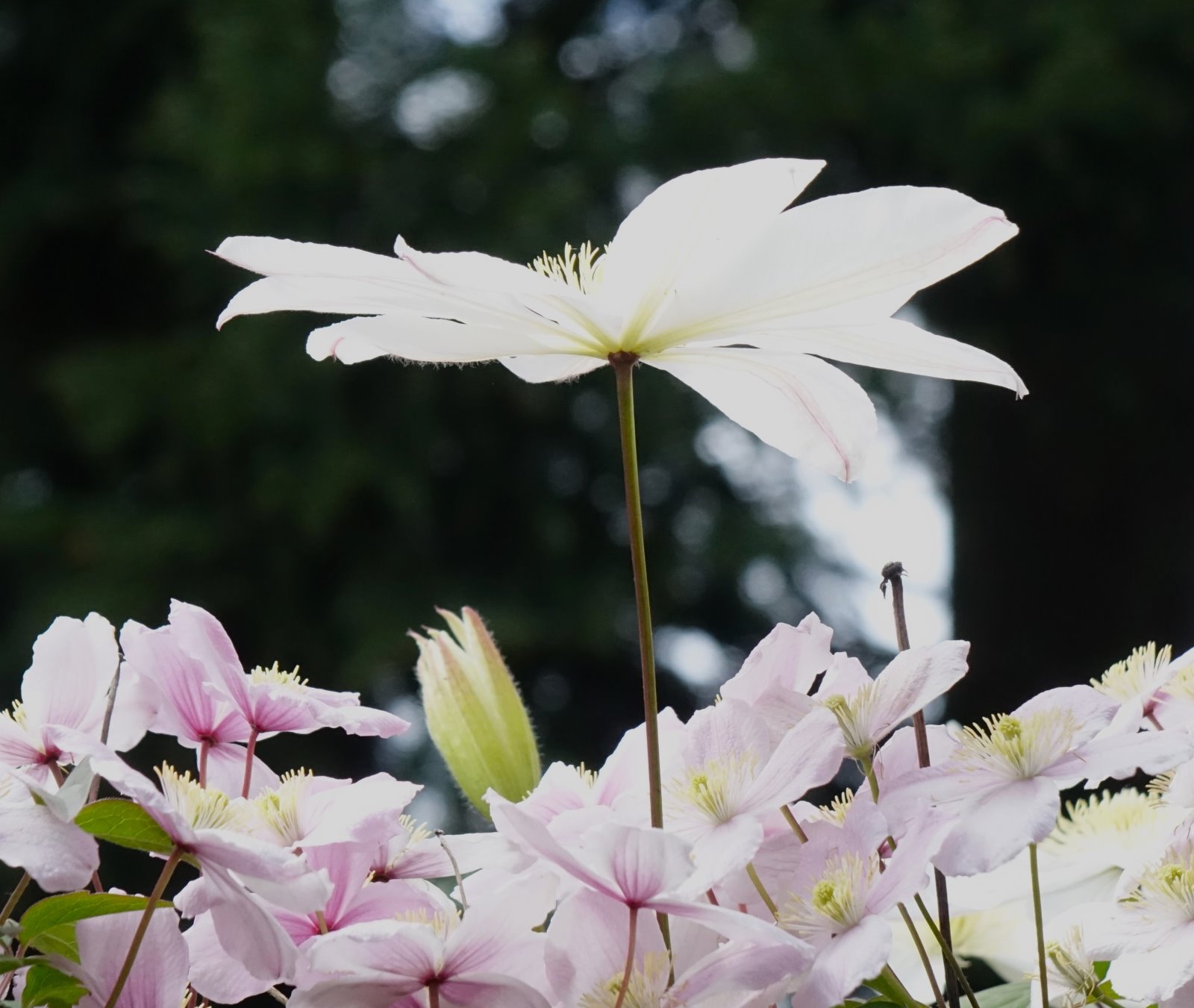
I don’t know why it doesn’t perform like Montana, but I do know I like it most when the blossoms are gone, and it goes to seed; then, its unique beauty shines.
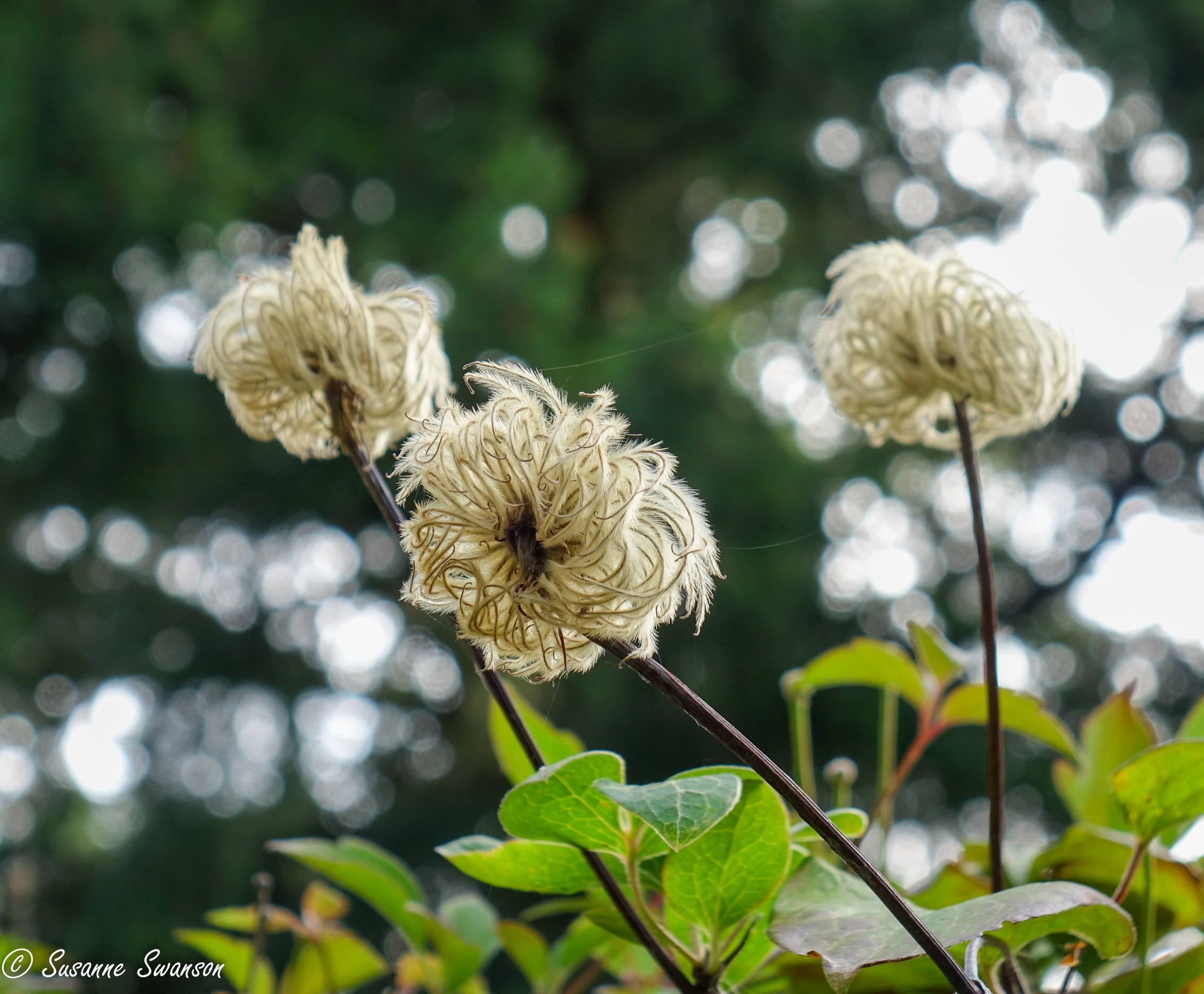
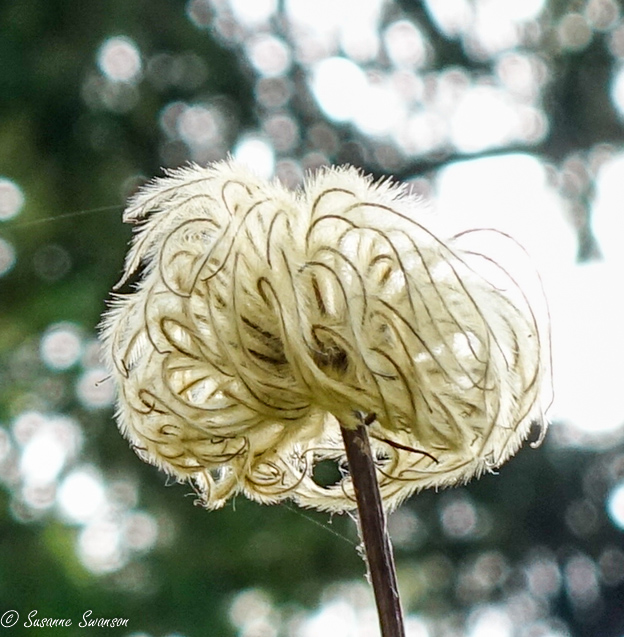
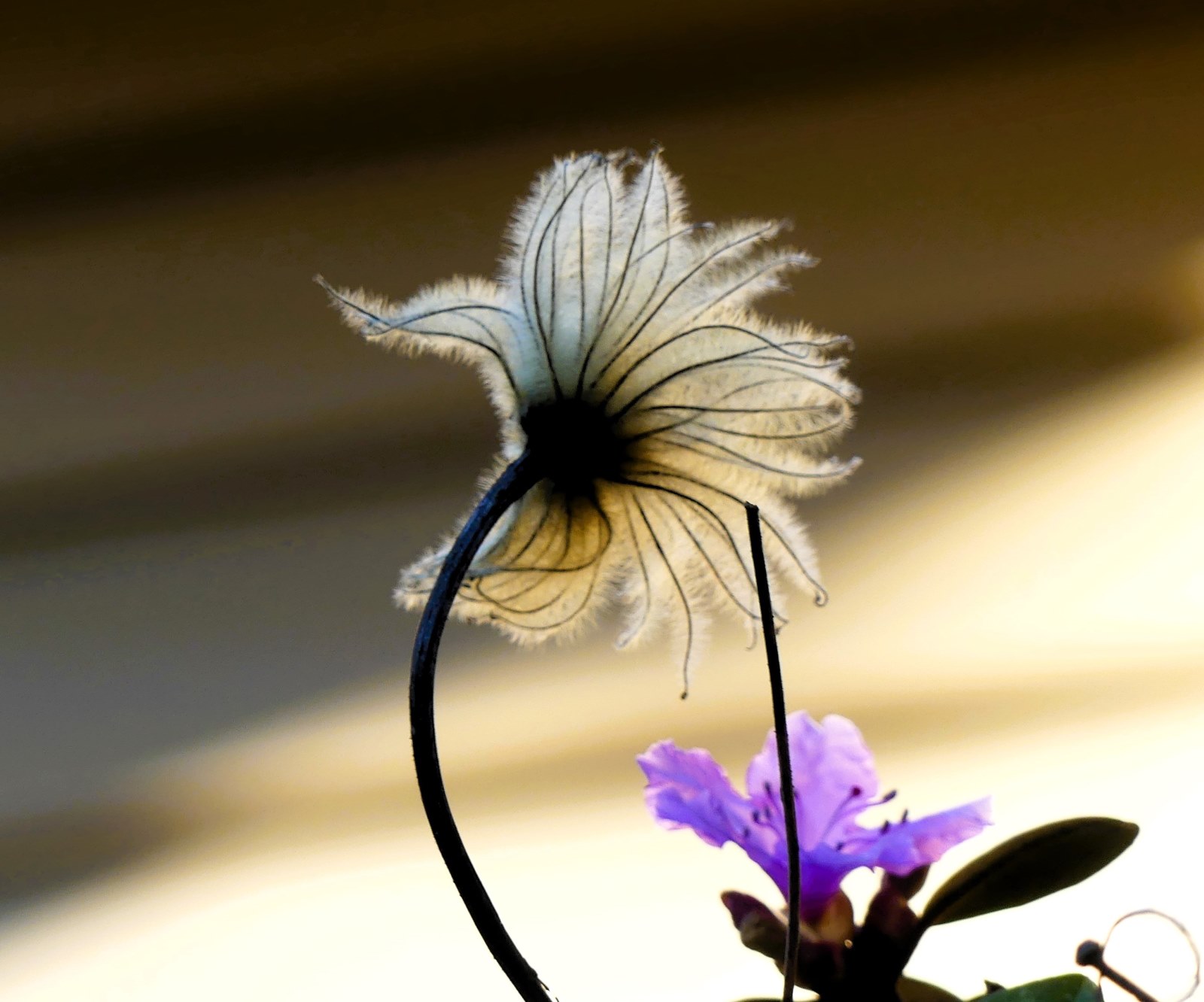
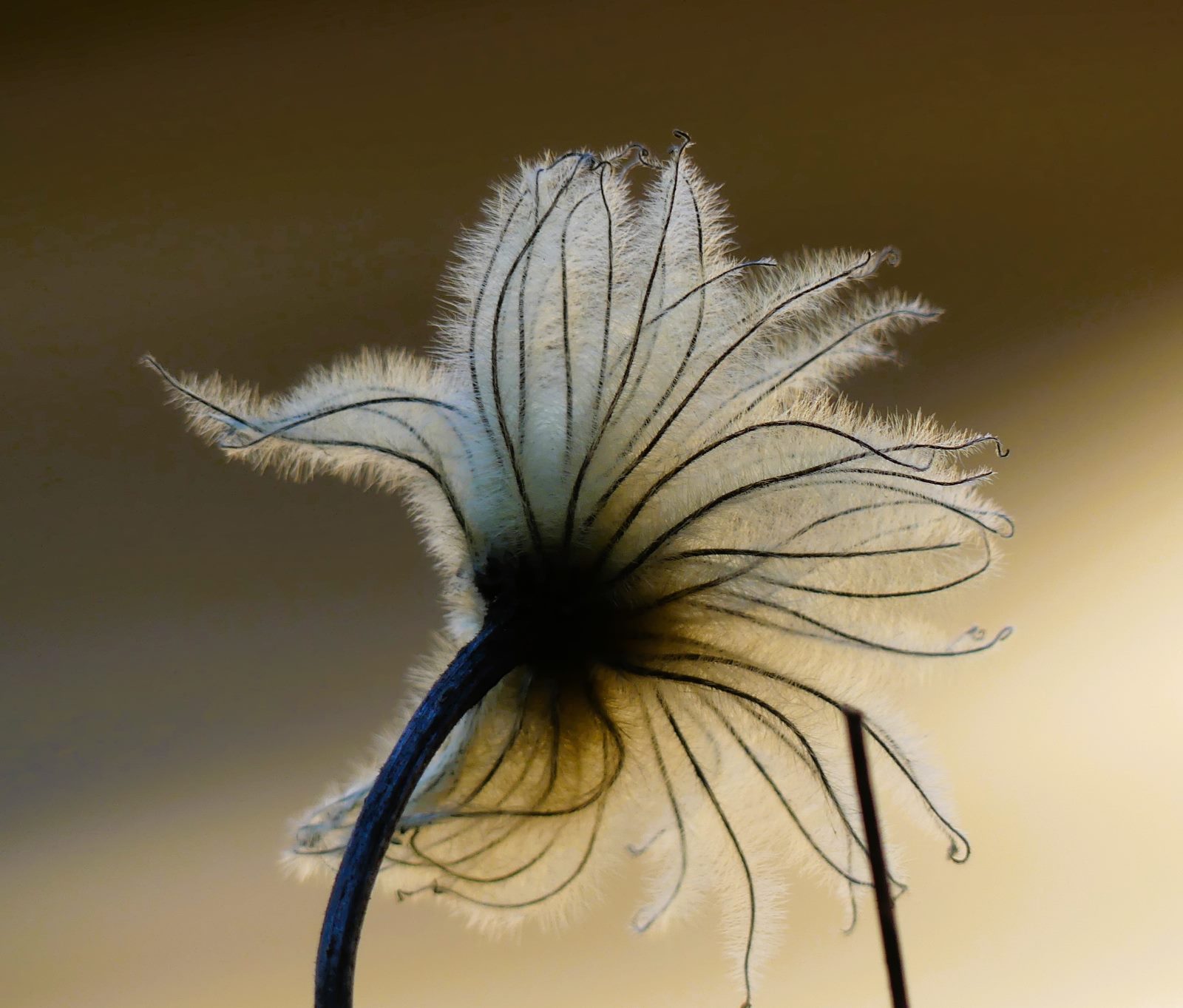
So there you have it: clematis, two ways.
~ Susanne
Two Oregon Beaches – A Wreck and a Rock – Which do you Prefer?
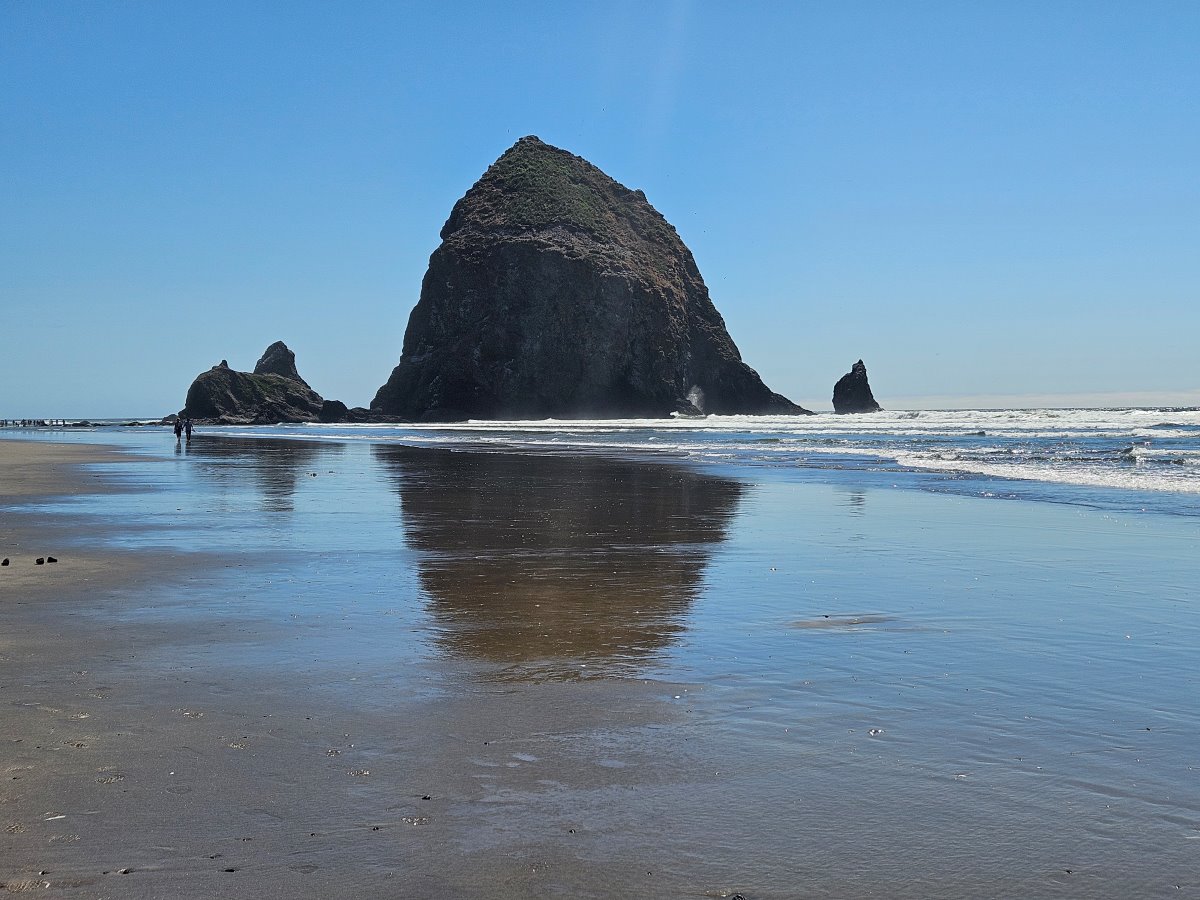
Perhaps you know the beaches of which I speak, perhaps not.
In my recent post on Long Beach (Washington, not California, here if you missed it) I mentioned that one should always cross the river into Oregon when visiting the Long Beach Peninsula. It’s a quick jaunt over the bridge to Astoria, where you can shop, eat, and visit the beaches nearby.
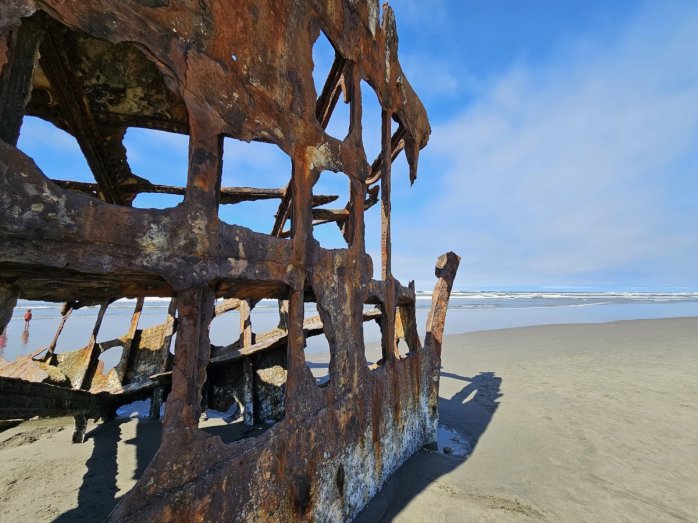
On our trip last month, we spent the day at two different Oregon beaches, the first at Fort Stevens State Park, for a look at the wreck of the Peter Iredale.
The beach itself is long, great for walking, flying a kite, bodysurfing, or playing beach volleyball.
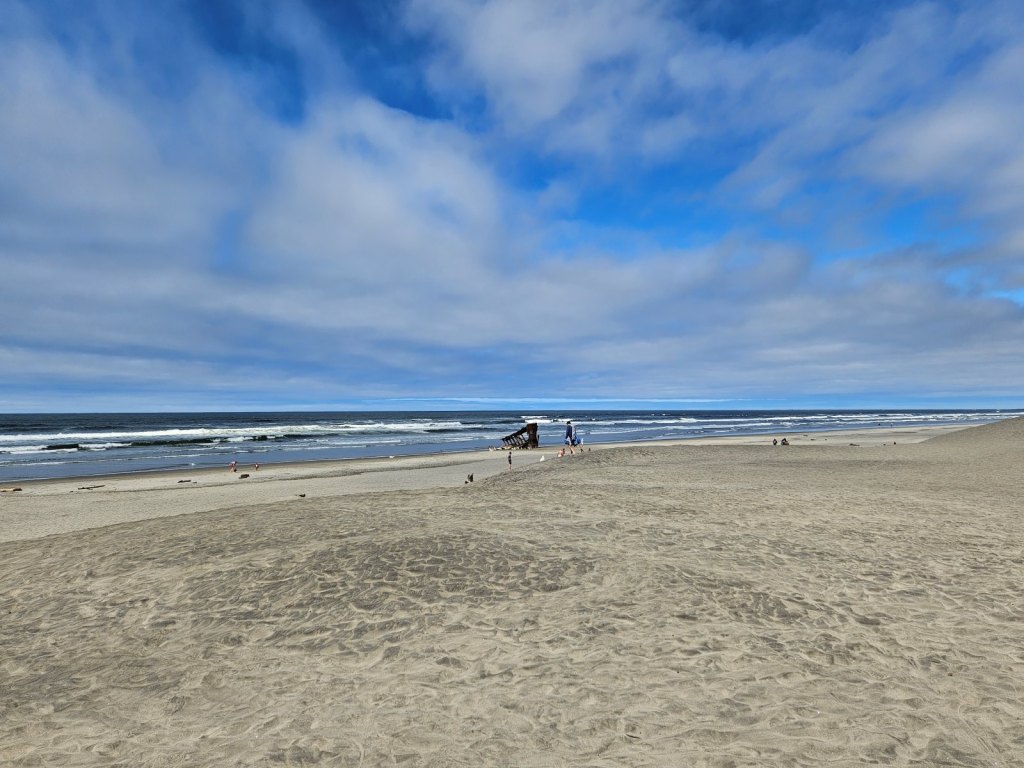
But you’ll be drawn to the rusty remains of the Peter Iredale, a ship which ran aground in 1906, one of the most accessible wrecks in the Graveyard of the Pacific.
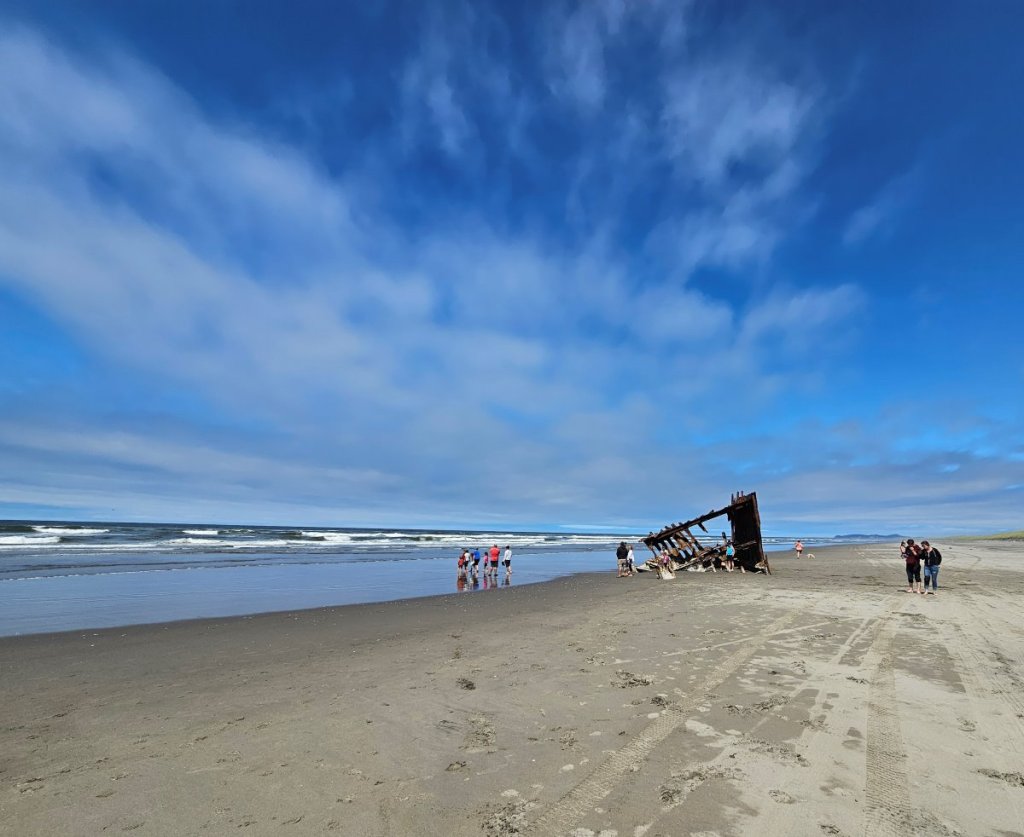
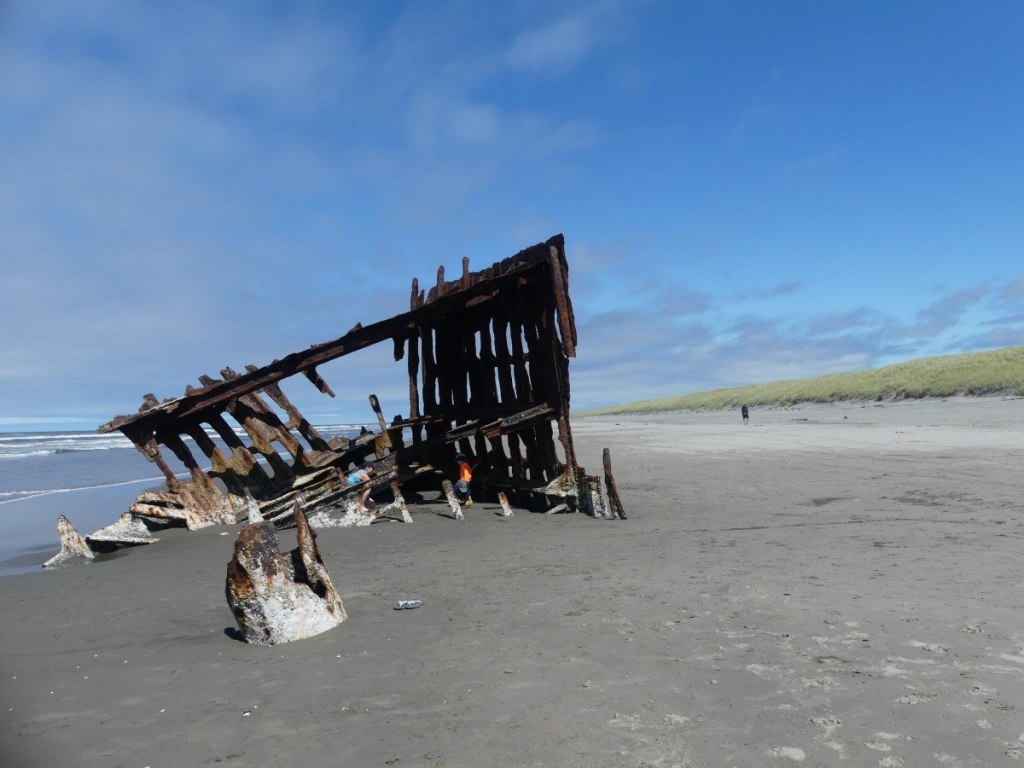
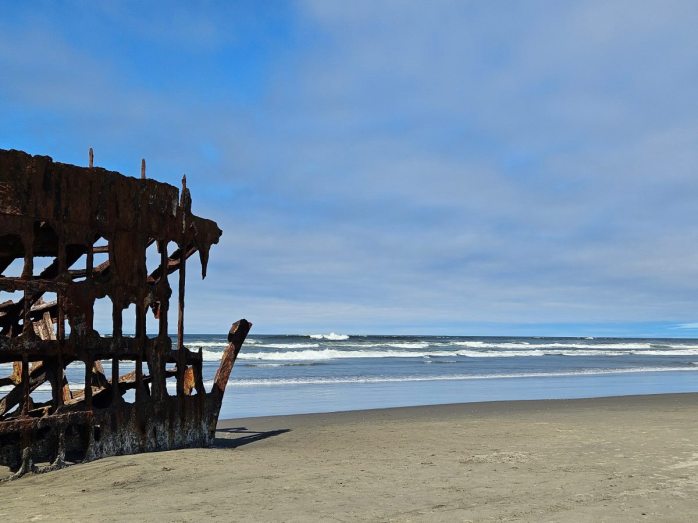
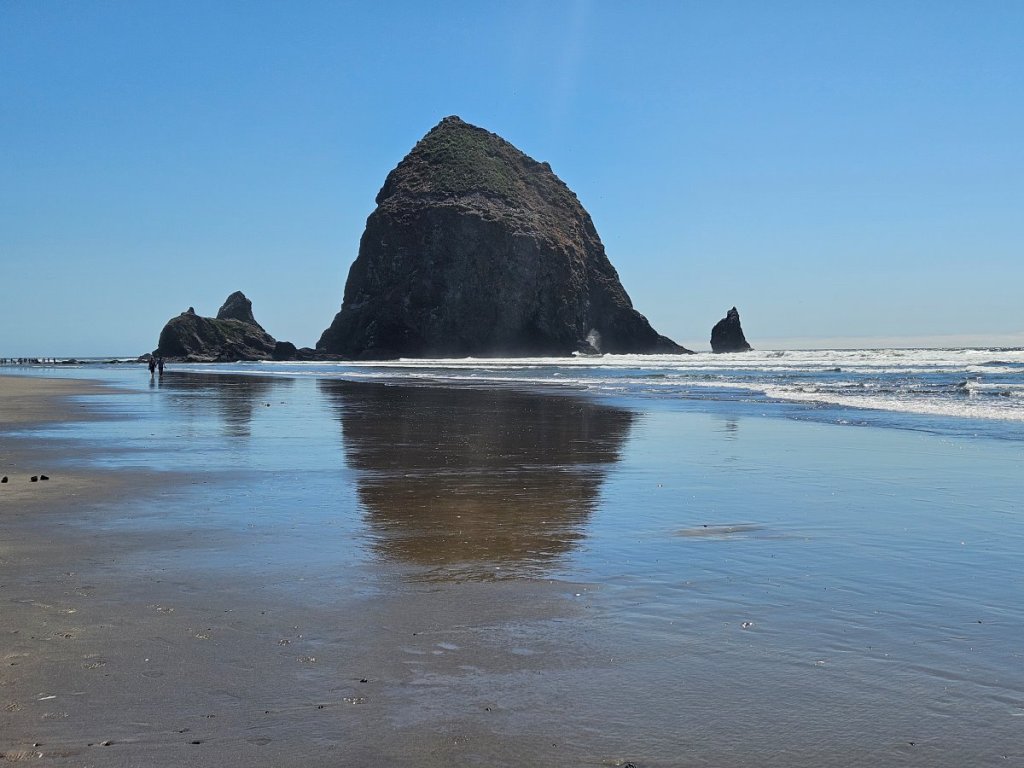
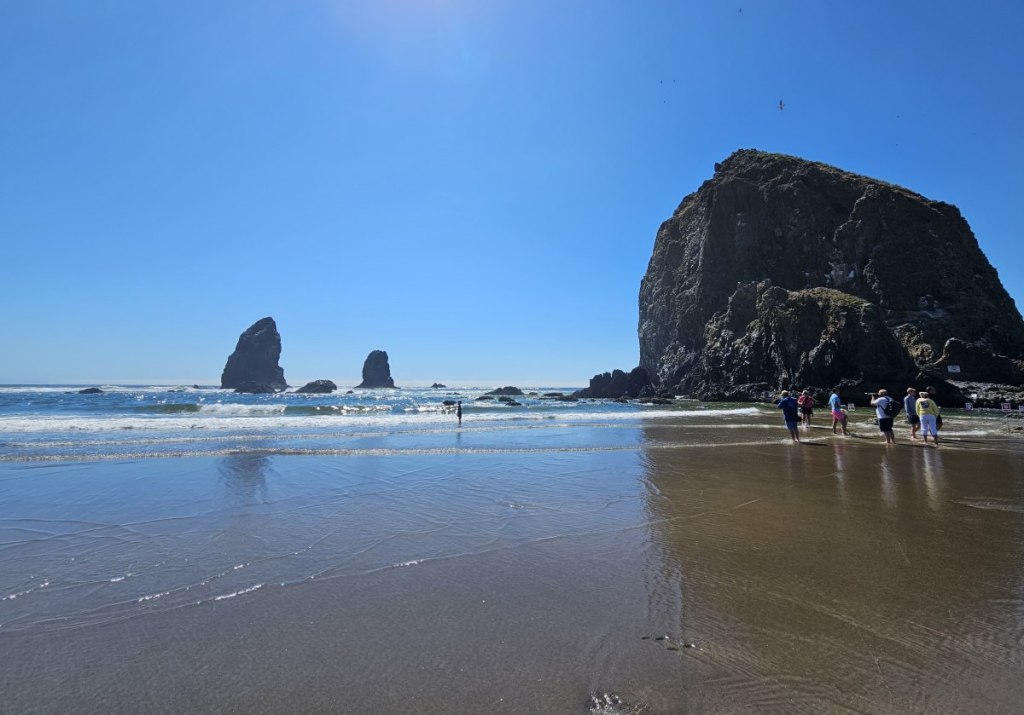
For the rock, you’ll head south to Cannon Beach, arguably the most famous beach town and landscape on the Oregon Coast, for a look at 236 ft. Haystack Rock.
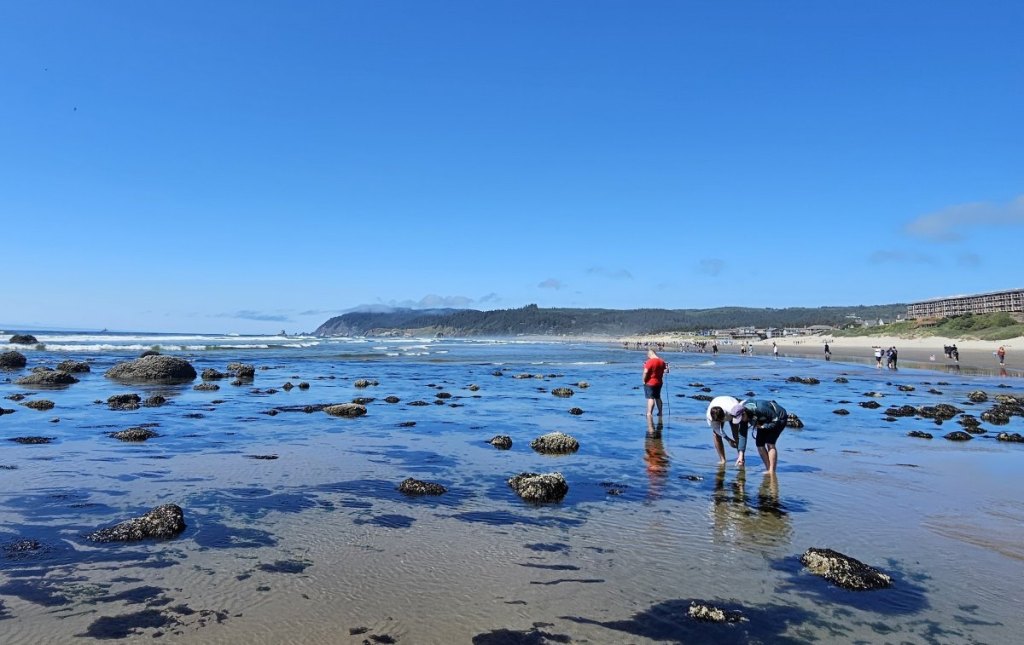
Cannon Beach is also great for walking, flying a kite, and playing beach volleyball, though you’ll have more crowds and a harder time finding parking.
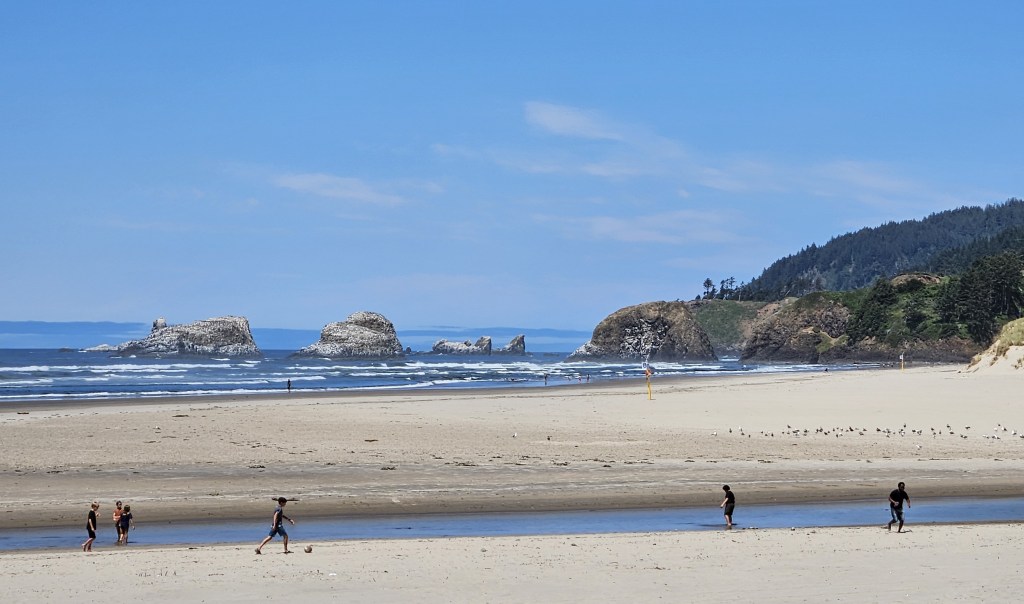
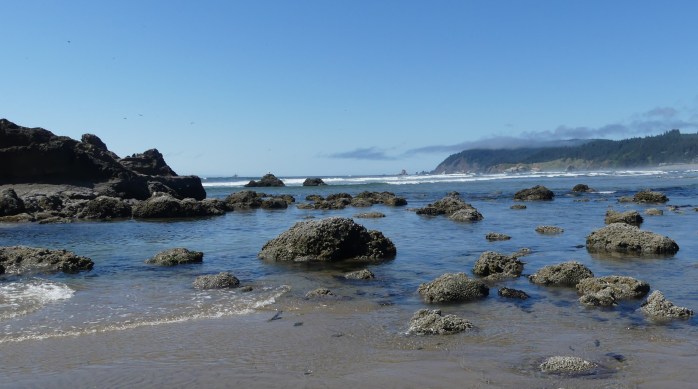
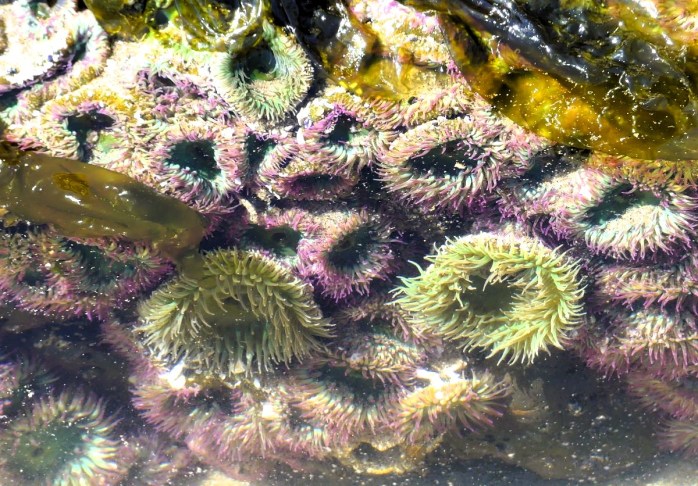
But mostly you’ll be drawn to the ancient rock, with its birds and tidepools.
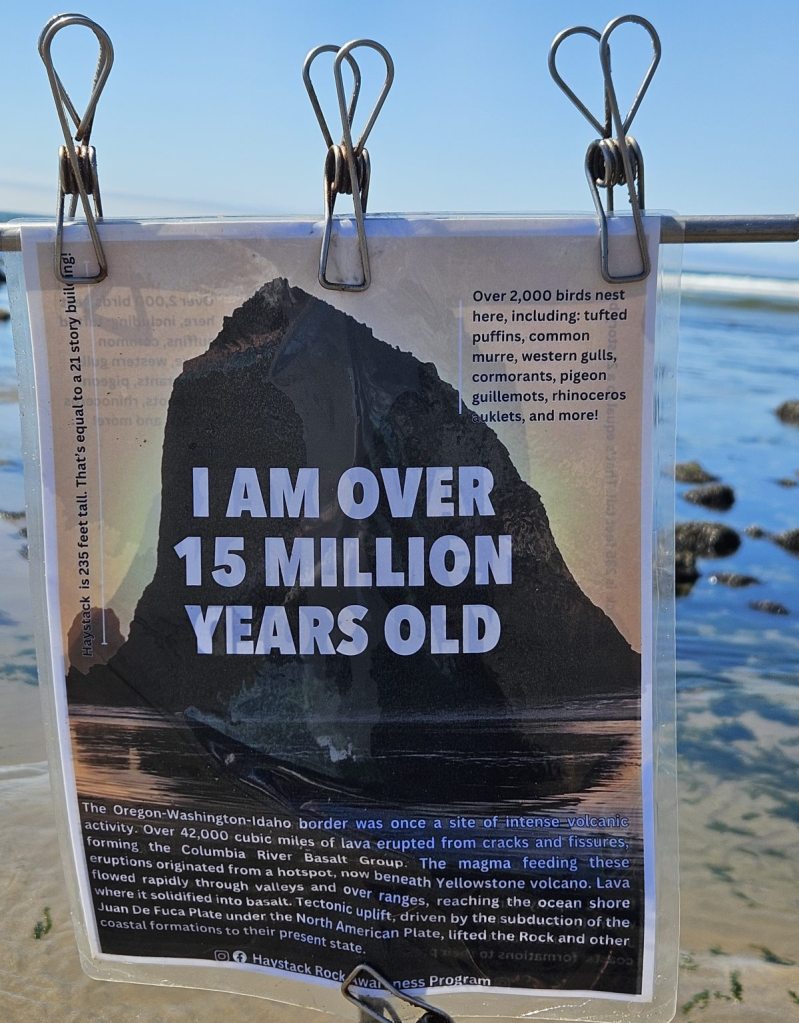
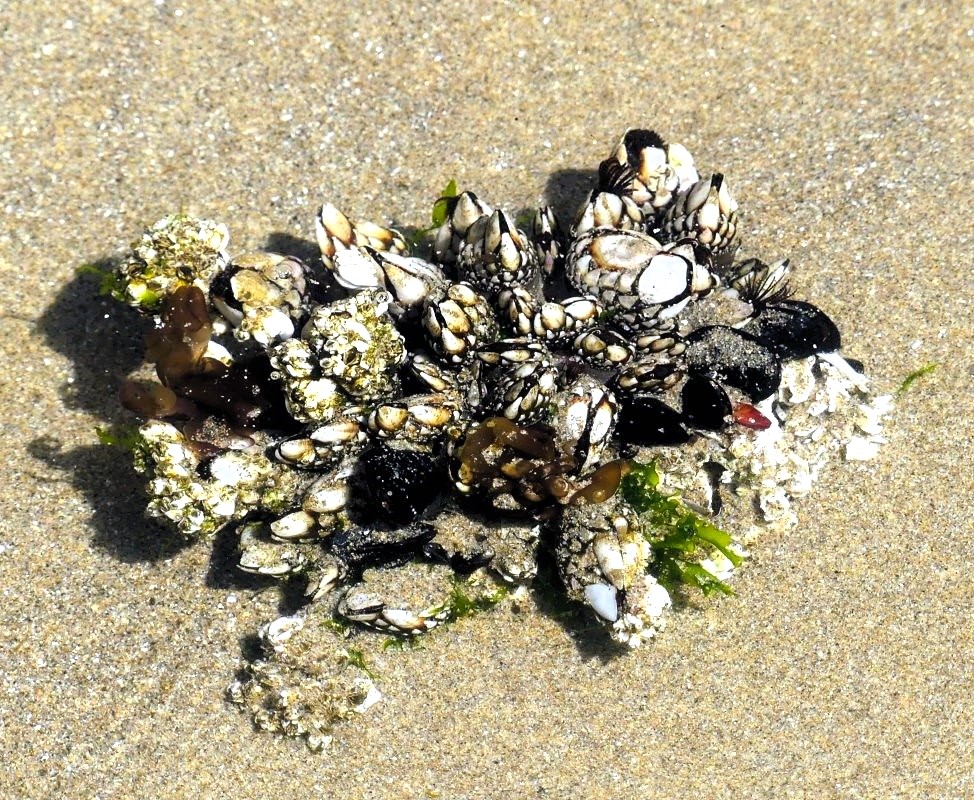
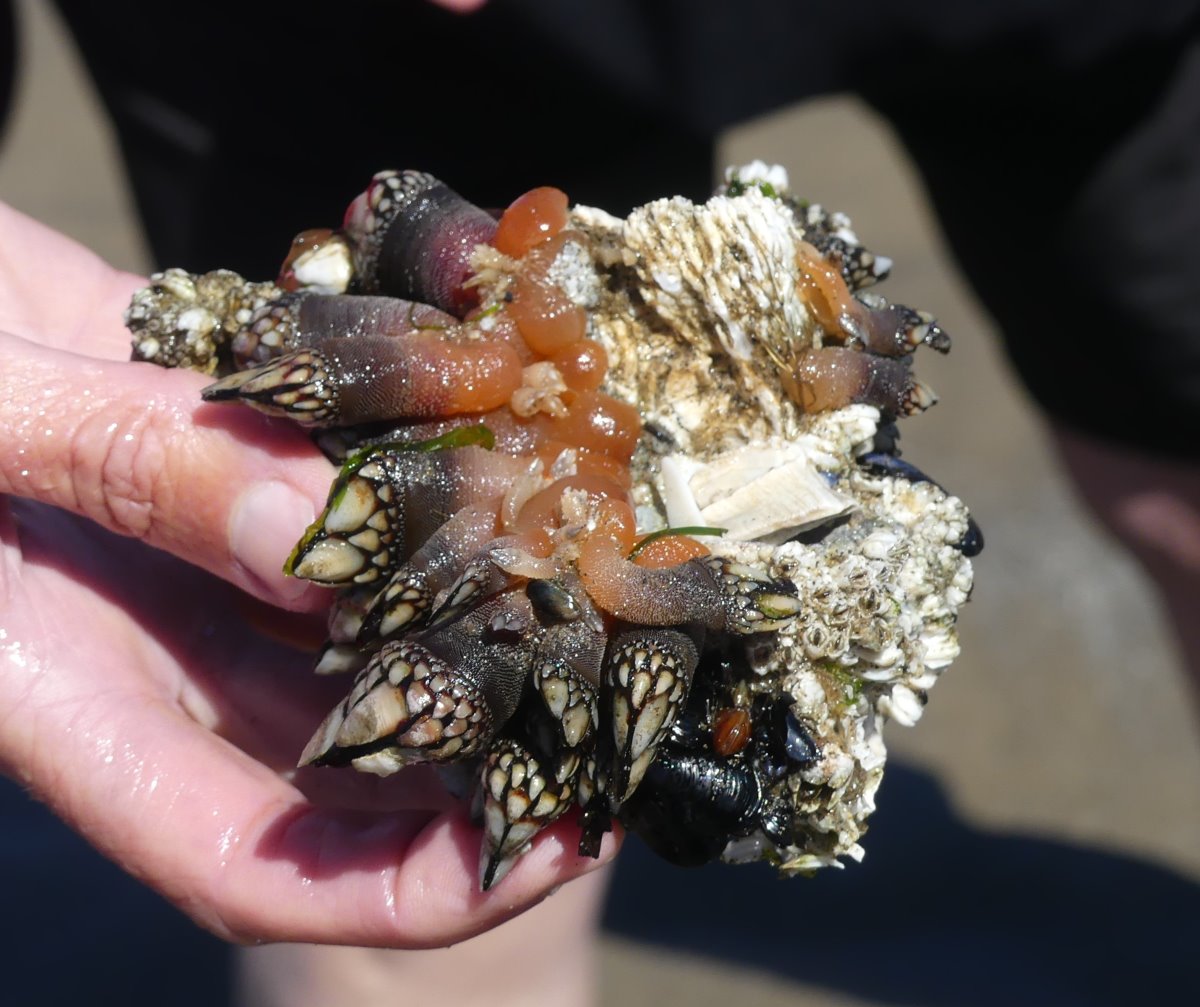
Which do you prefer?
You’ll want to see the wreck, of course, but you don’t want to miss that rock and its tidepools, either.
So on your next trip to Oregon, why not visit both?
~ Susanne
Busy as a Bee in Summer


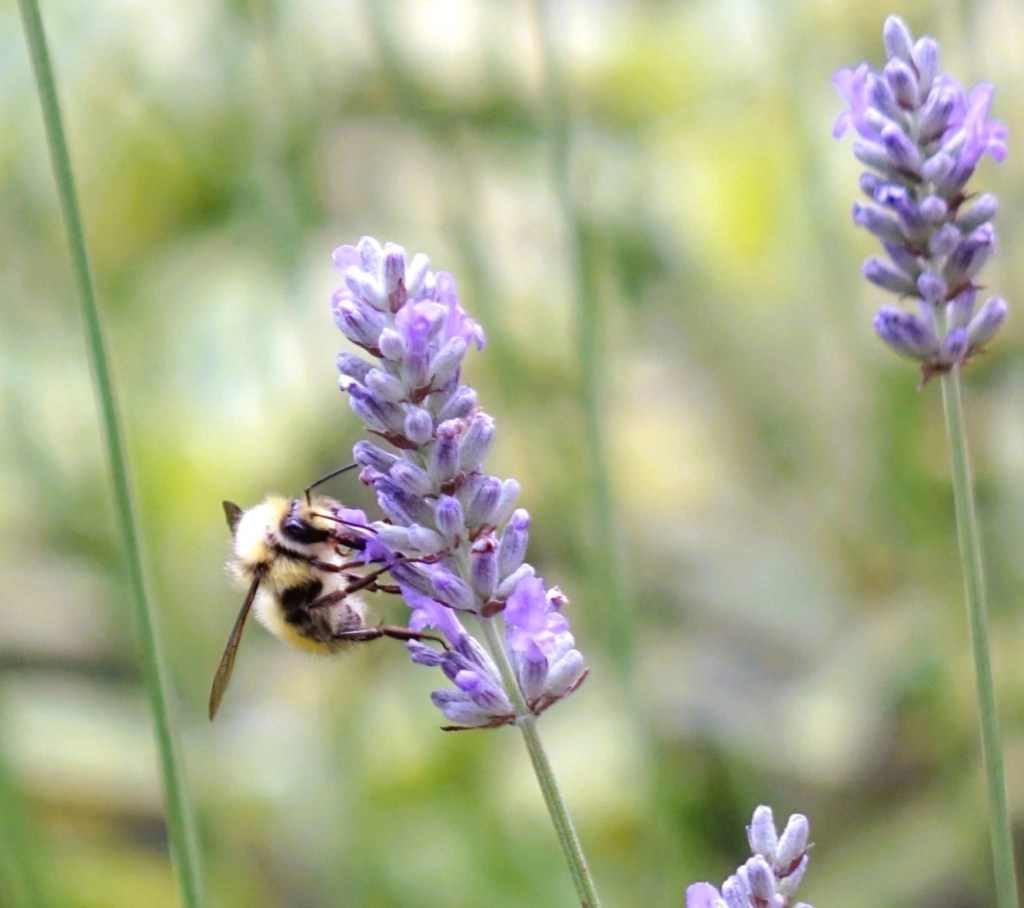

Six Bees for #SixWordSaturday.
~ Susanne
 Cats and Trails and Garden Tales