Cats and Trails and Garden Tales
Musings on cats, travel, gardens and life
Don’t Worry – Bee Happy!
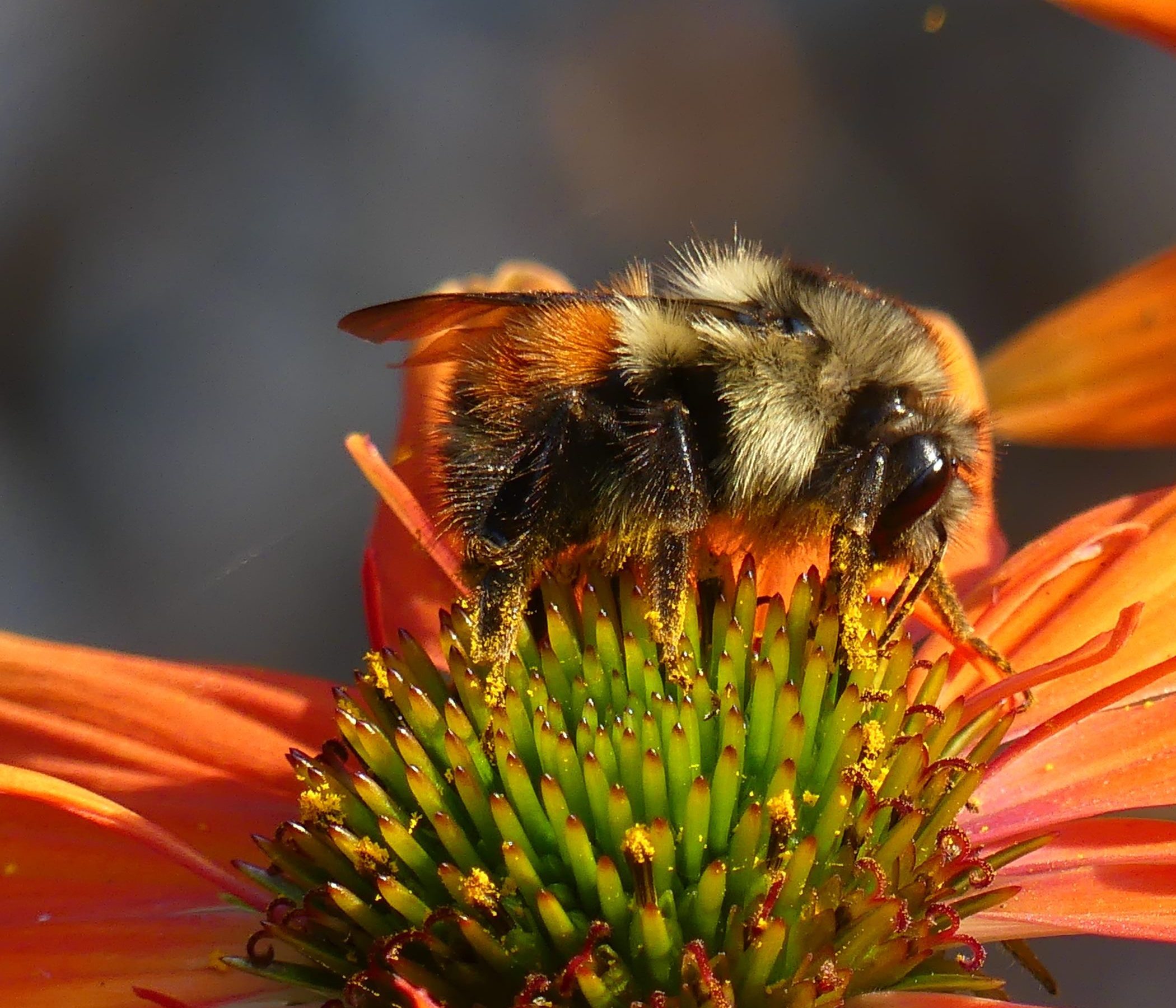
For this week’s #Sunday Stills color challenge – ORANGE – I looked no further than my own back yard.

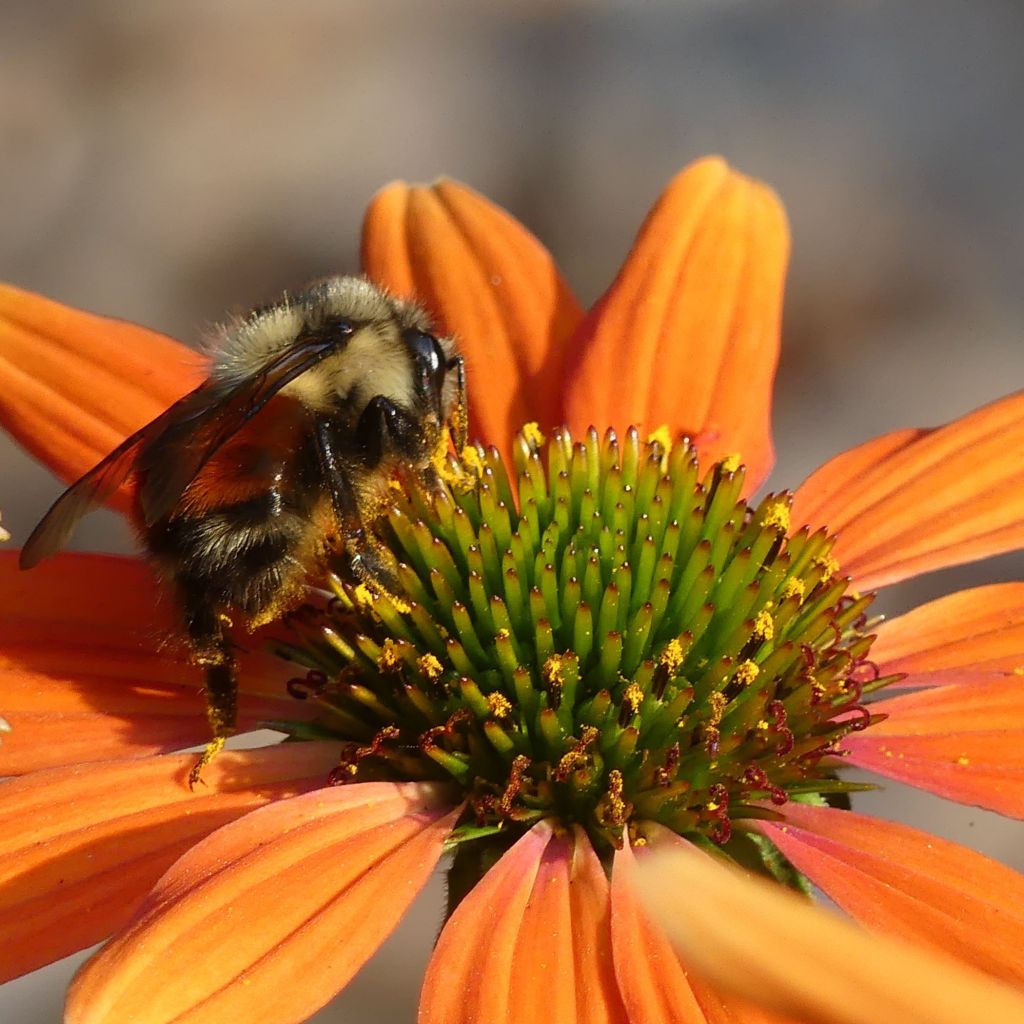
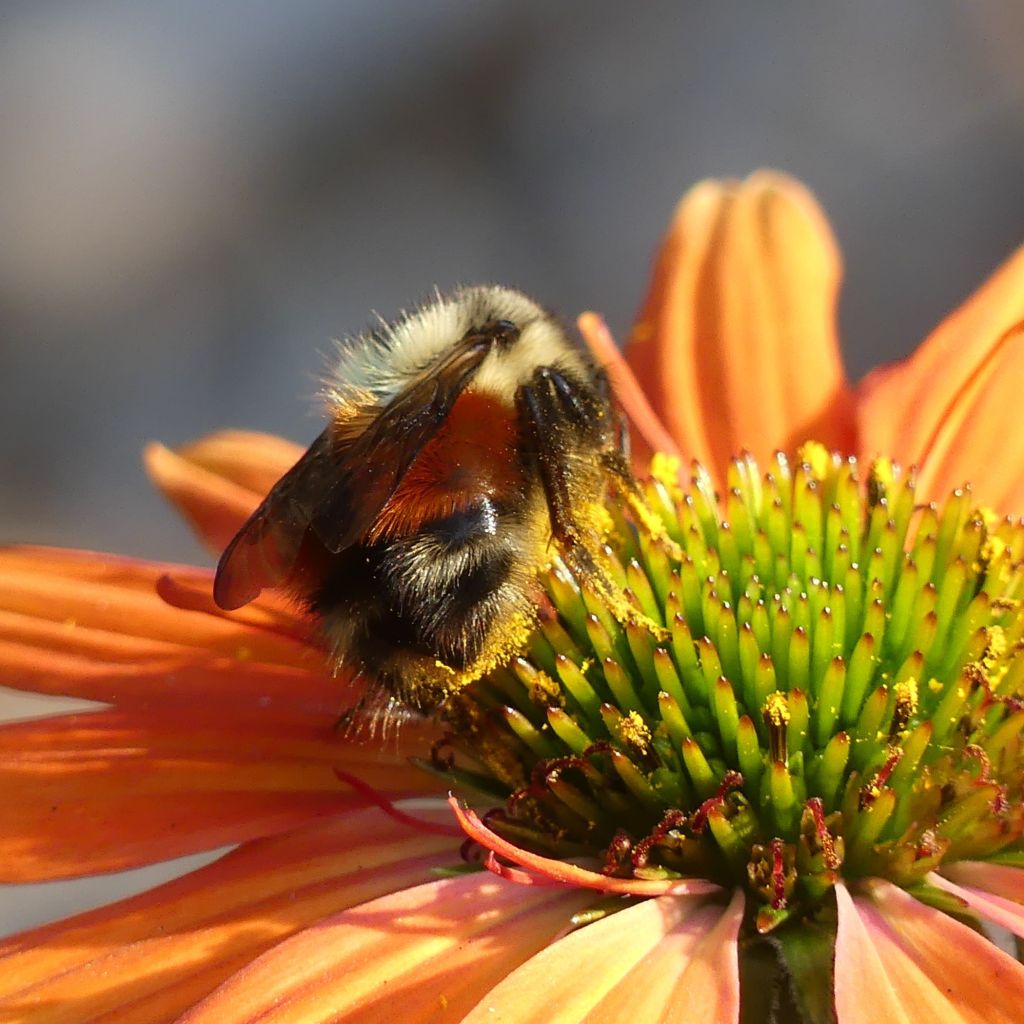
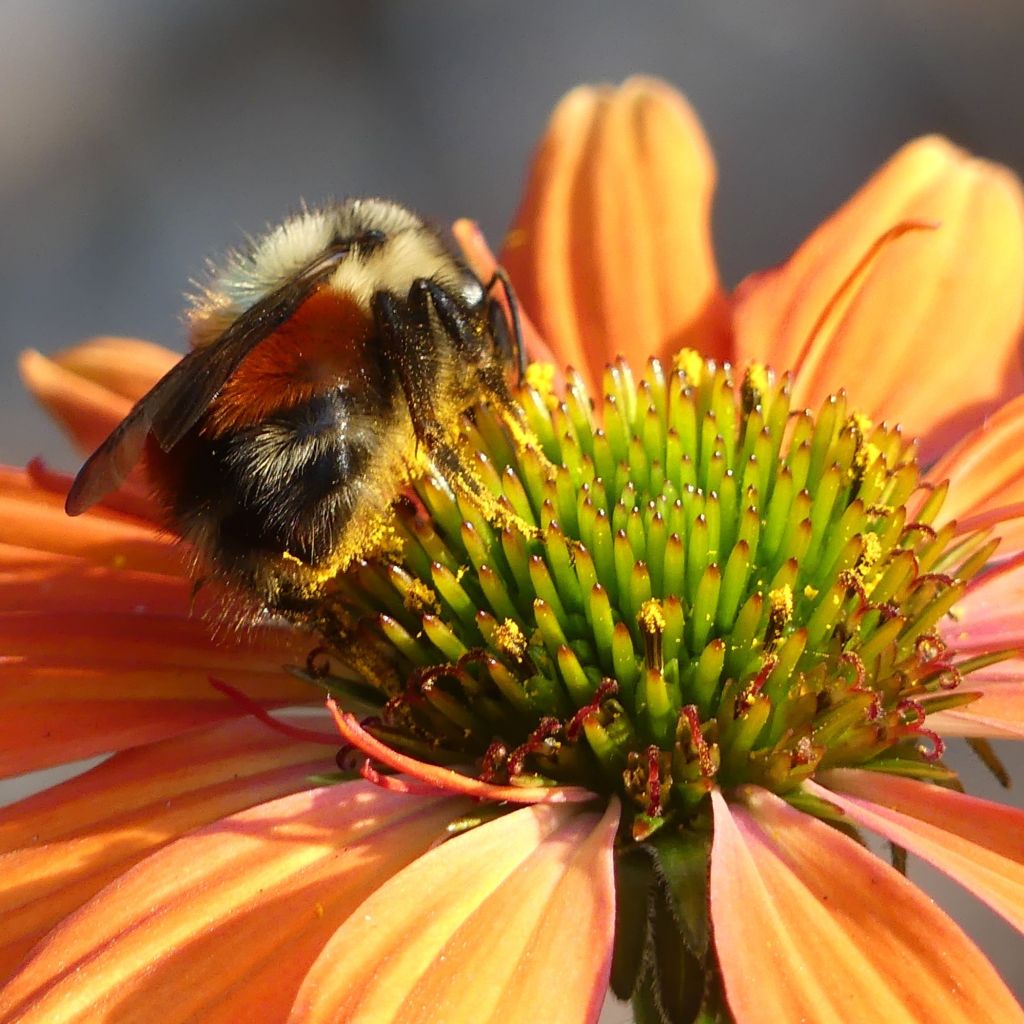

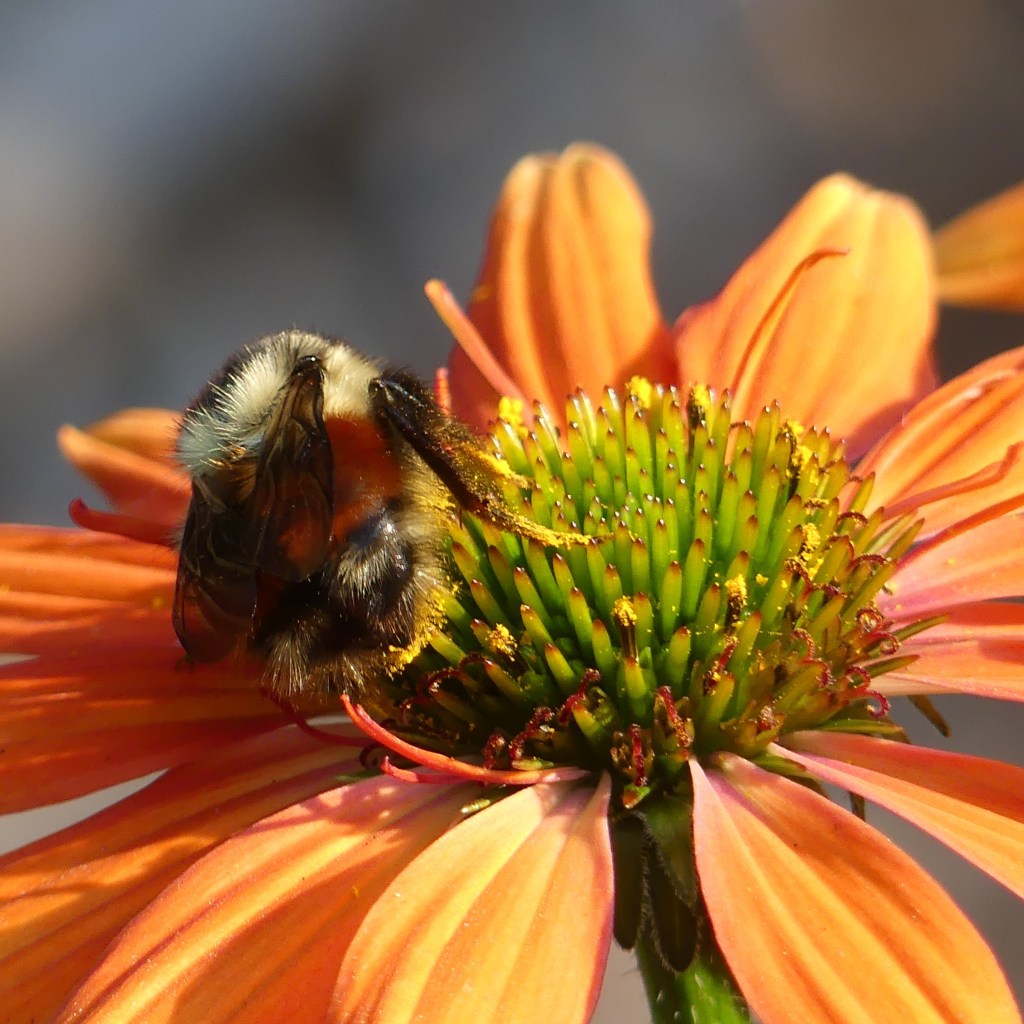
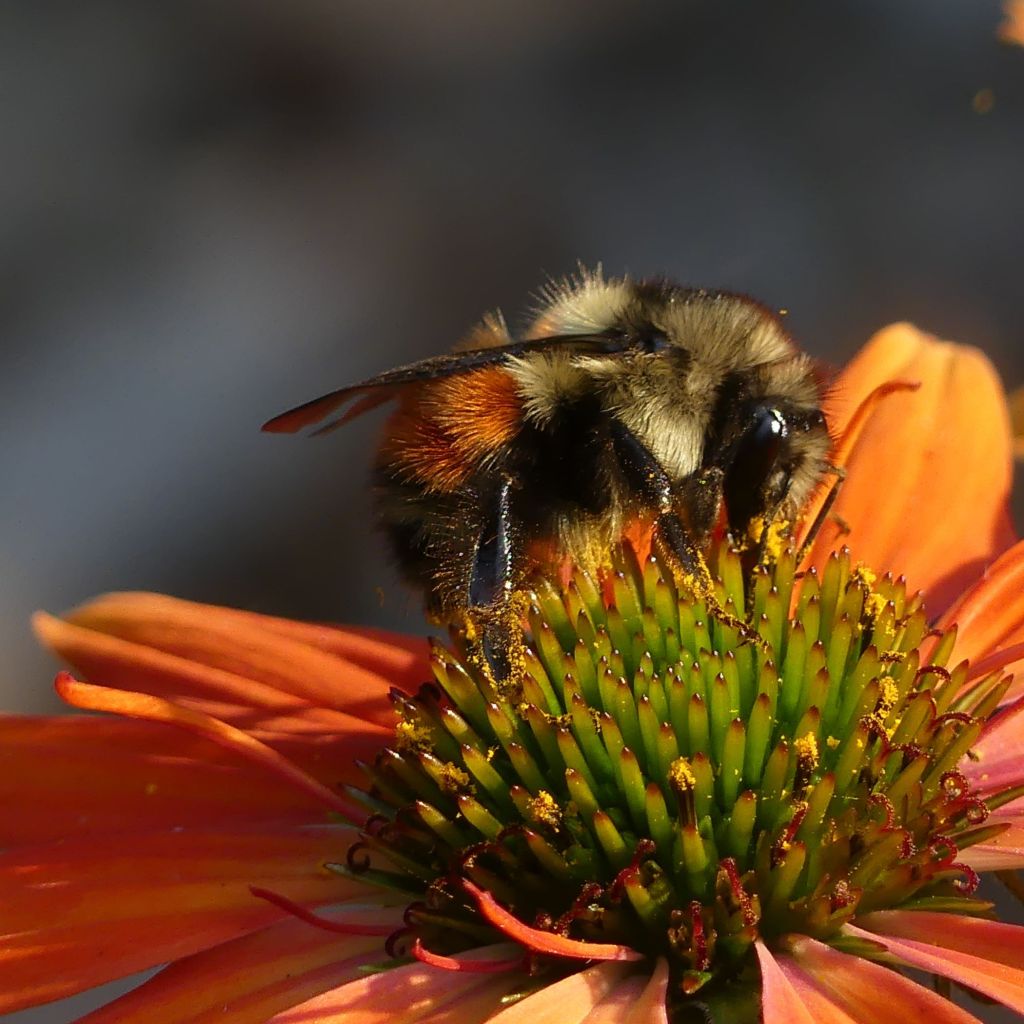
And I squared all seven pictures for #SevenforSeptember.
~ Susanne
Benji’s New Stairs
“Just for you, Benji.”
“What’s that, Sue?”
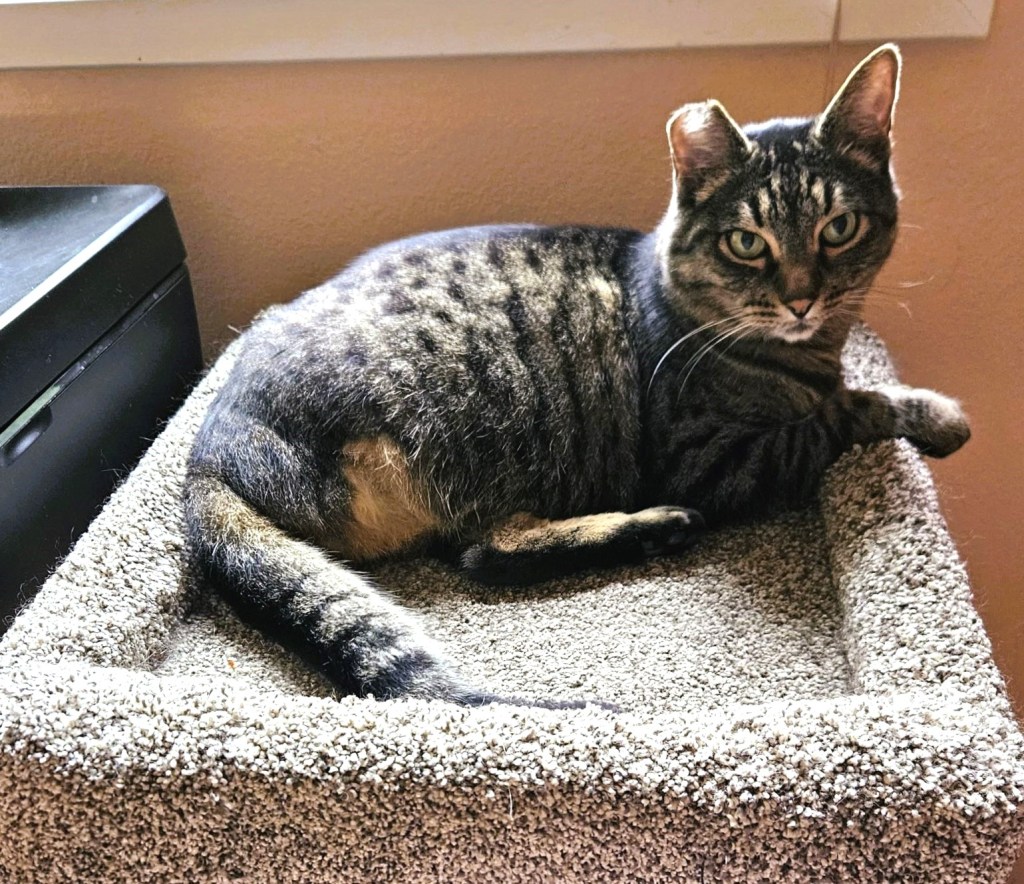
“The new stairs.”
“Oh that! About time! I appreciate it!”

Benji has always had a perch in my office and had no trouble getting to it with all fours.

But now as a tripod, he can’t jump as high, so he had to find another way: onto my chair, across the desk, and around the printer, which wasn’t convenient for either one of us.
So I looked and looked for a new perch but couldn’t find anything suitable, till I finally found some stairs online, and they were delivered yesterday.

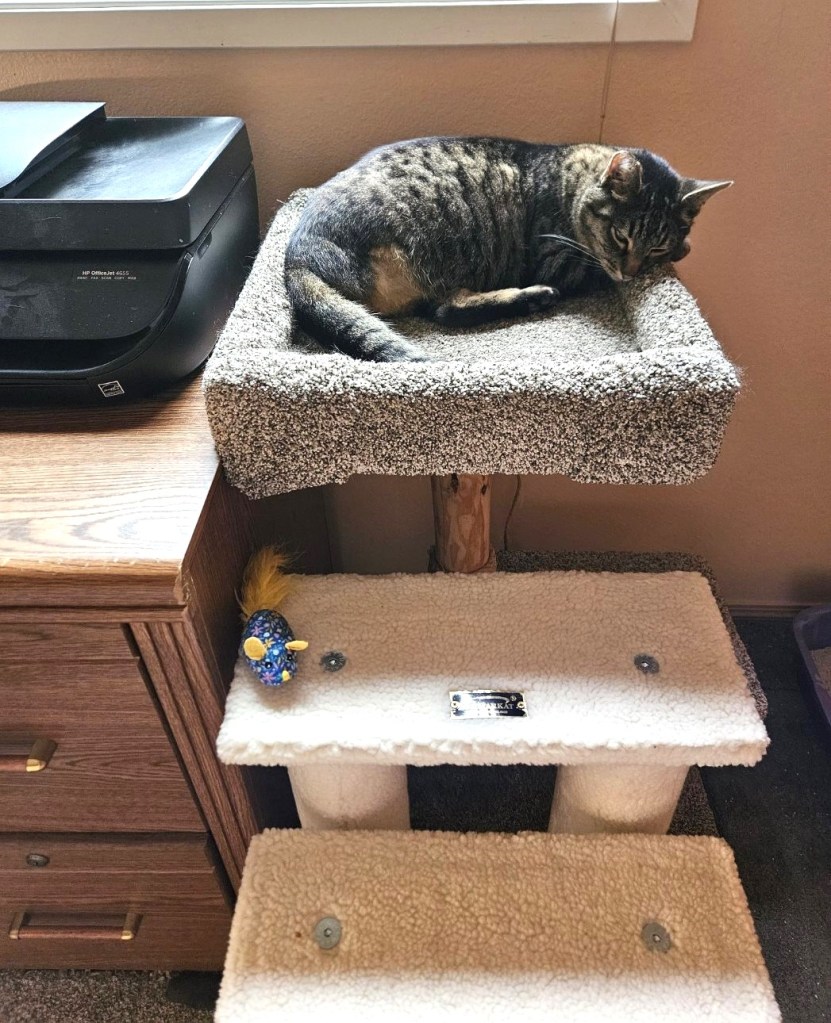
And I’m happy to report that they work perfectly to give him easy access to his throne, I mean perch.
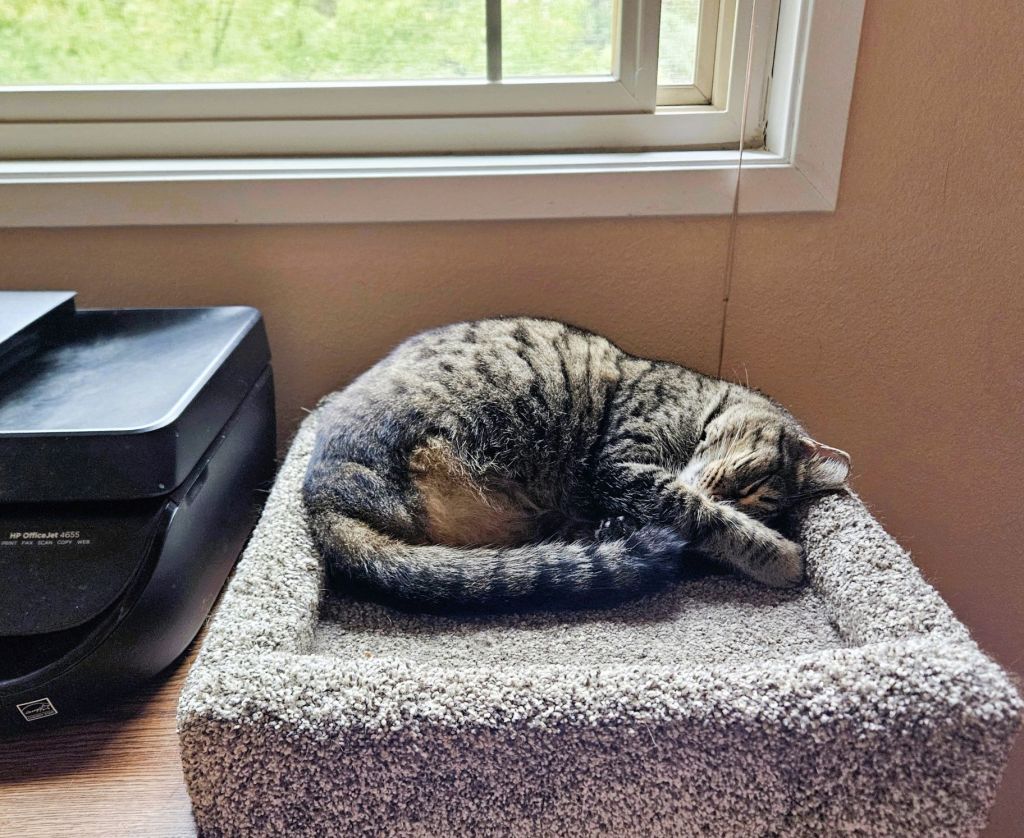

We do what we can.
~ Susanne & Benji
Seven Colors of the Rainbow
Did you know there are seven colors in the rainbow? I guess I did, though I forgot the specifics until I began to look for sevens, for #SevenforSeptember.
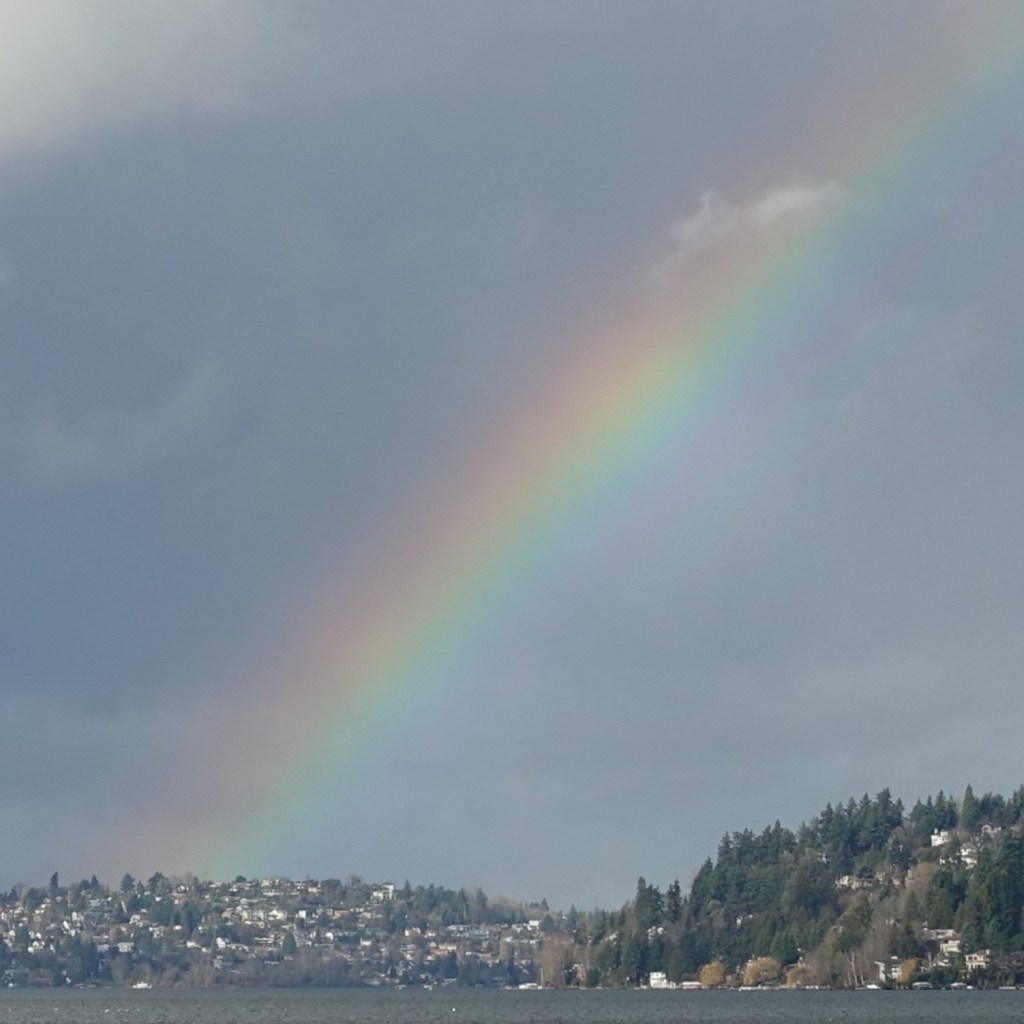
We don’t get many rainbows here in the Great Northwest though we do get lots of rain. So when we see them, they’re special, like the one I saw at Coulon Park (below), where most of the colors can be clearly seen, even as they meld into one another.
Red – Orange – Yellow – Green – Blue – Indigo – Violet
They always appear in that order and ROYGBIV may help you (and me) remember them.
The gallery of seven squares below includes all the colors of the rainbow, from red to violet. Yes, that’s a lavender plant, but looks more like violet to me. And indigo? Well, use your imagination. Some think it doesn’t belong in the list of seven rainbow colors at all.



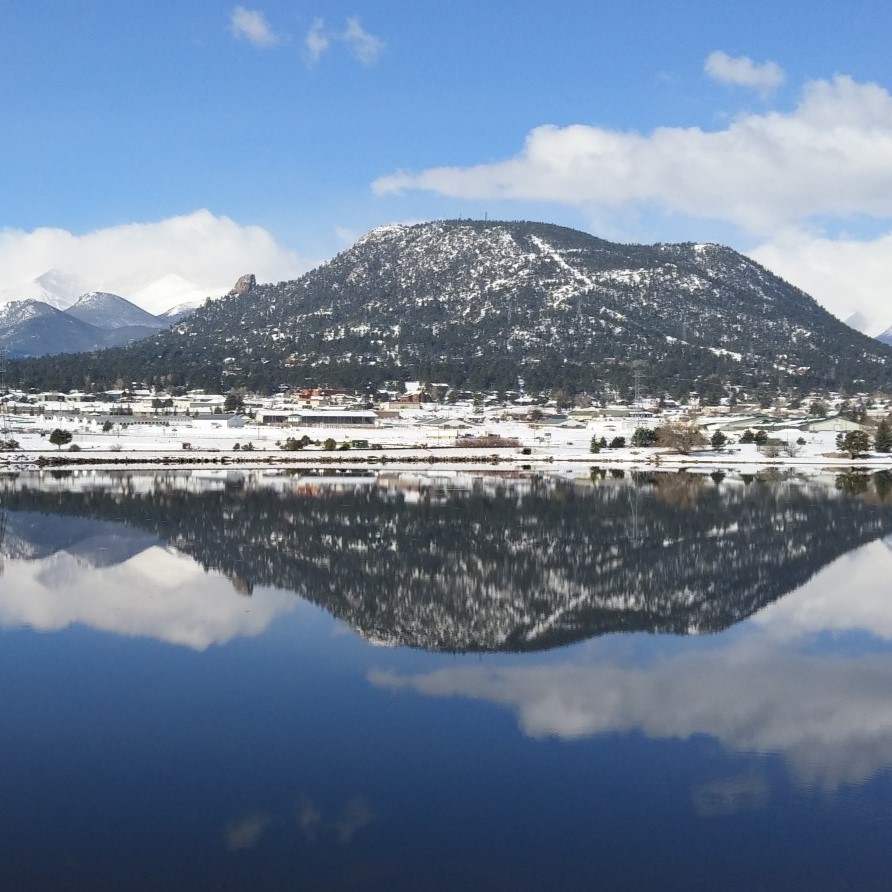

Who came up with the list anyway?
Turns out, it was Isaac Newton, back in the 1660’s who began a series of experiments with sunlight and prisms and demonstrated that clear white light was composed of seven visible colors.
According to Wikipedia, “Newton, who admitted his eyes were not very critical in distinguishing colours, originally divided the spectrum into five main colours: red, yellow, green, blue and violet. Later he included orange and indigo, giving seven main colours by analogy to the number of notes in a musical scale.”
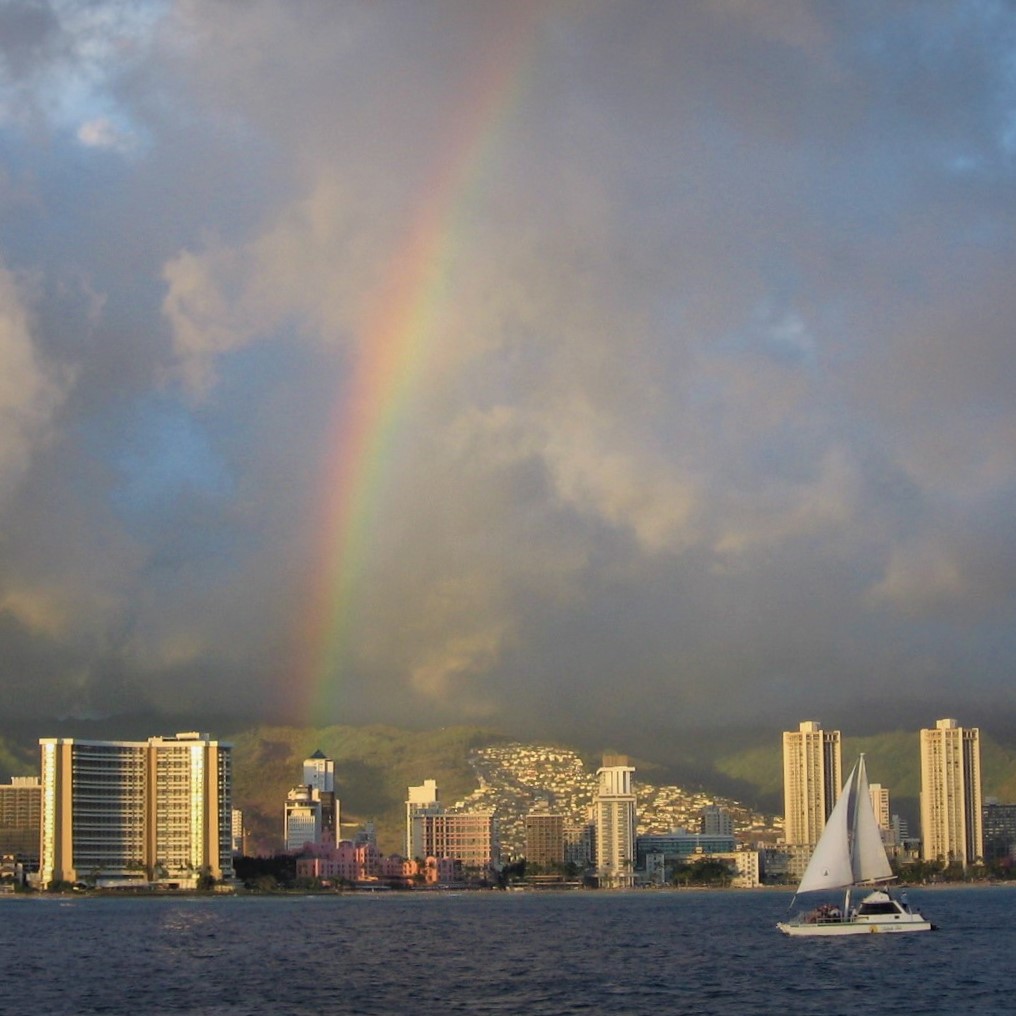
But enough of that. I’ll close with another rainbow, from our first trip to Hawaii in 2007, and a verse.

“I will set My bow in the clouds, and it shall be for a sign of a covenant between Me and the earth.”
Genesis 9:13
~ Susanne
My Sweet Benji
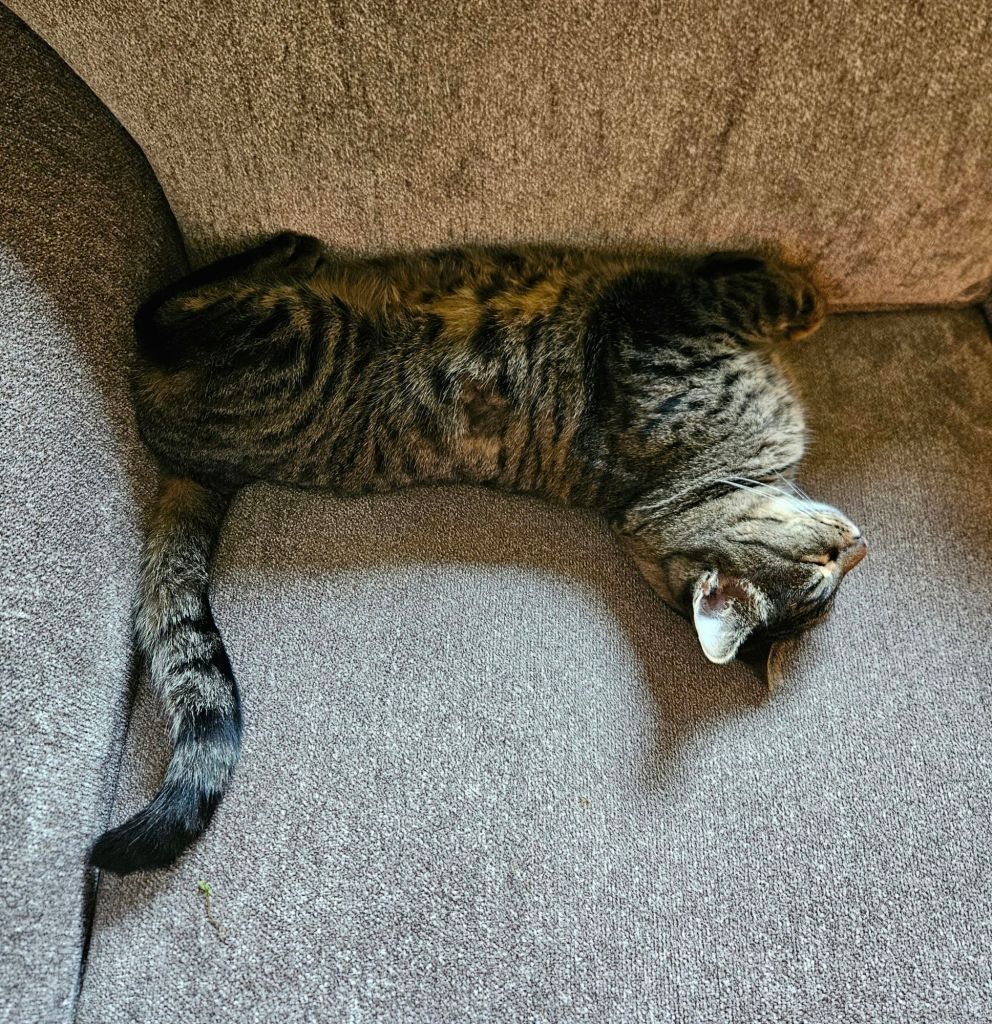
That is all.
~ Susanne
Sunrise on the Seventh
The sun rose a huge ball of fire over my backyard, suspended, brilliant, through the trees.
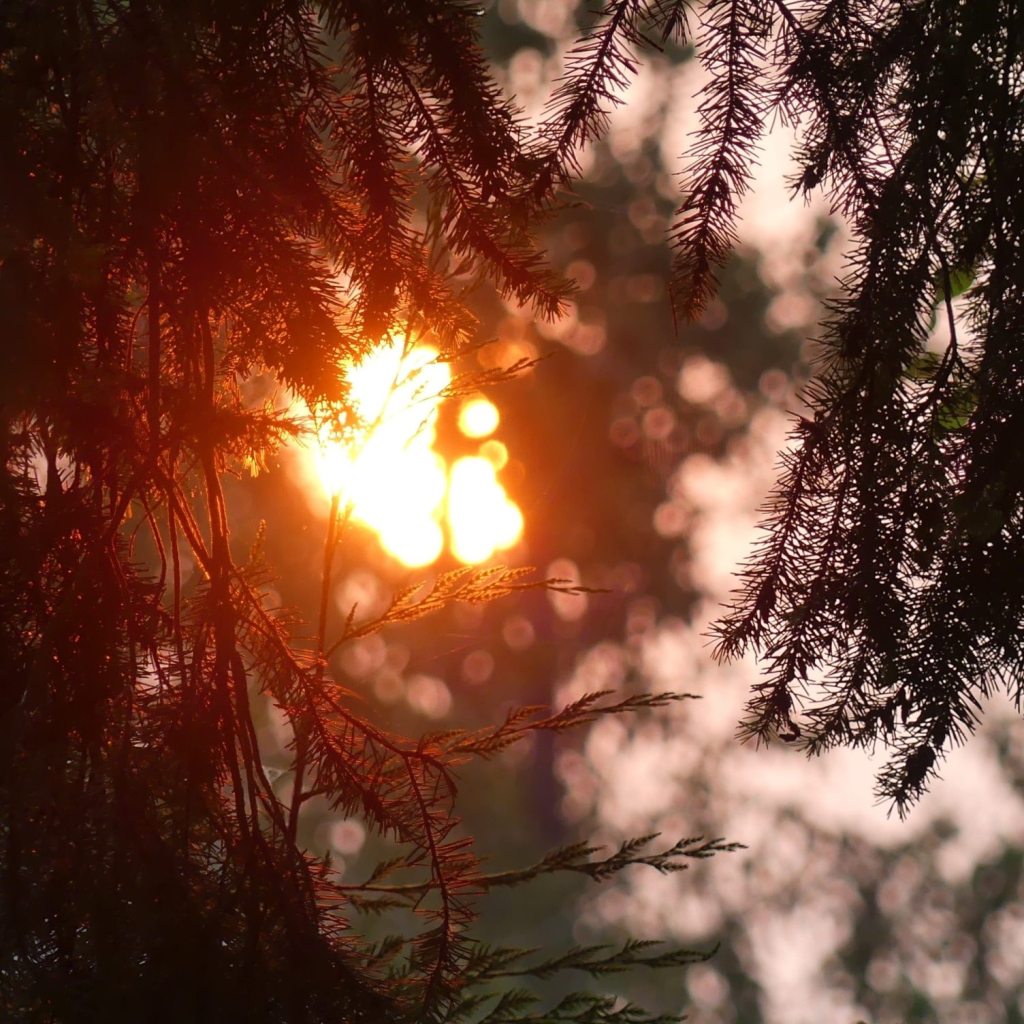
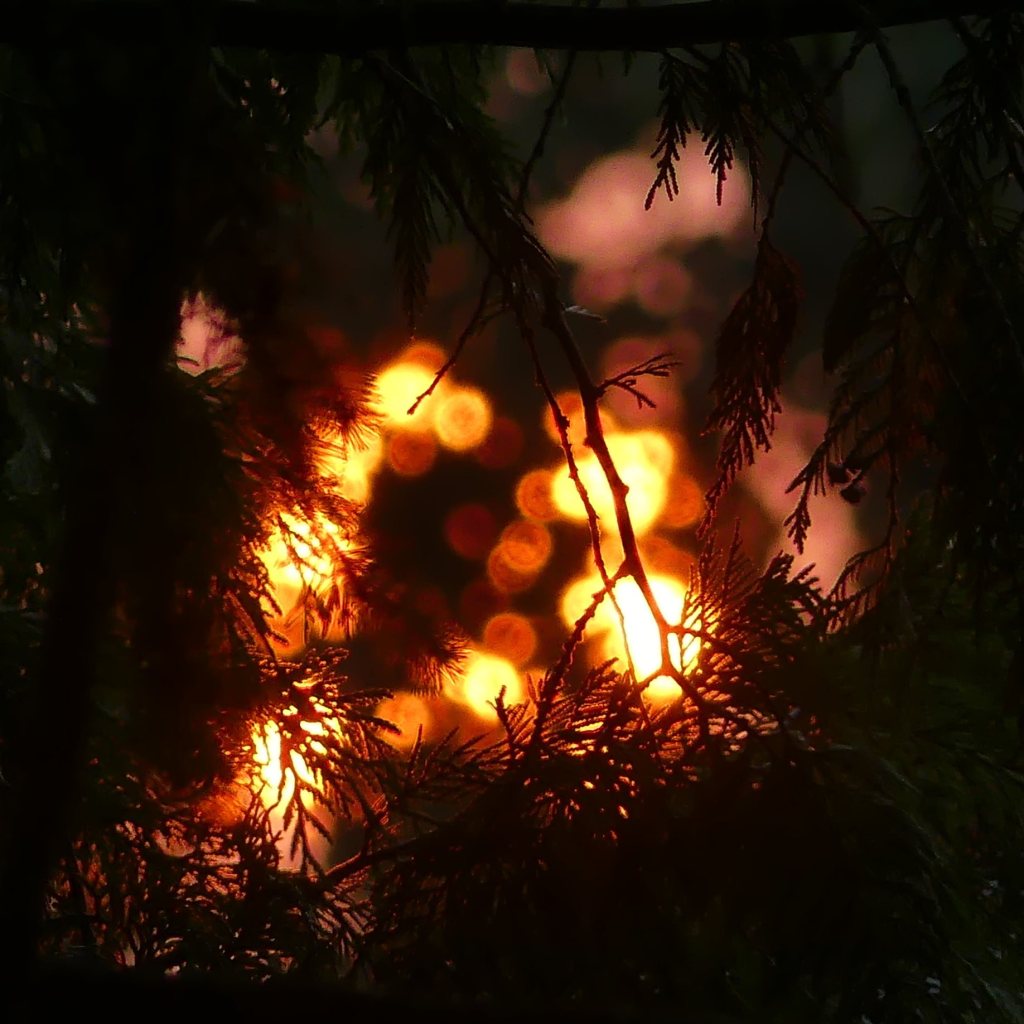

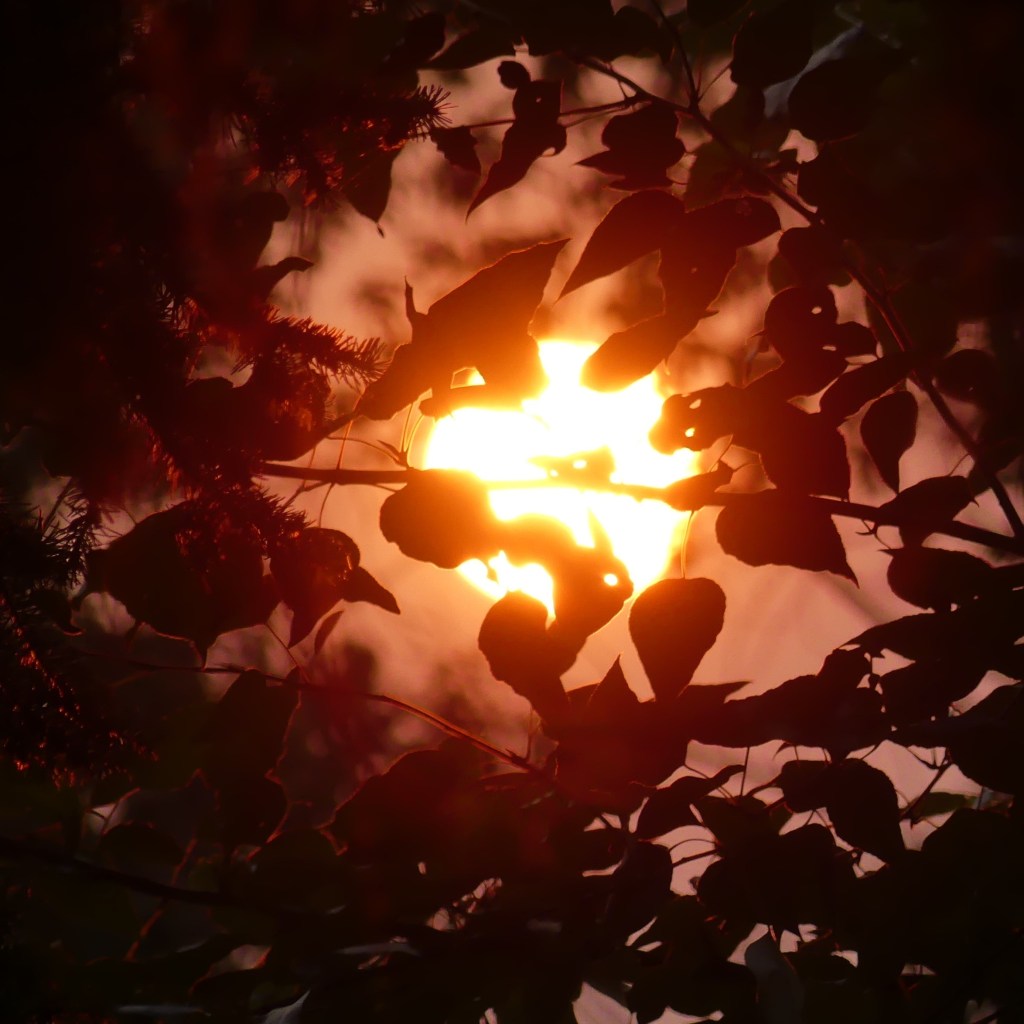
I heard the rooster crow


and rose to capture the fire on this 7th day of September for #SevenforSeptember, yes, while listening to the crowing of my neighbor’s rooster.
Happy Saturday!
~ Susanne
Boeing Jets in Sevens
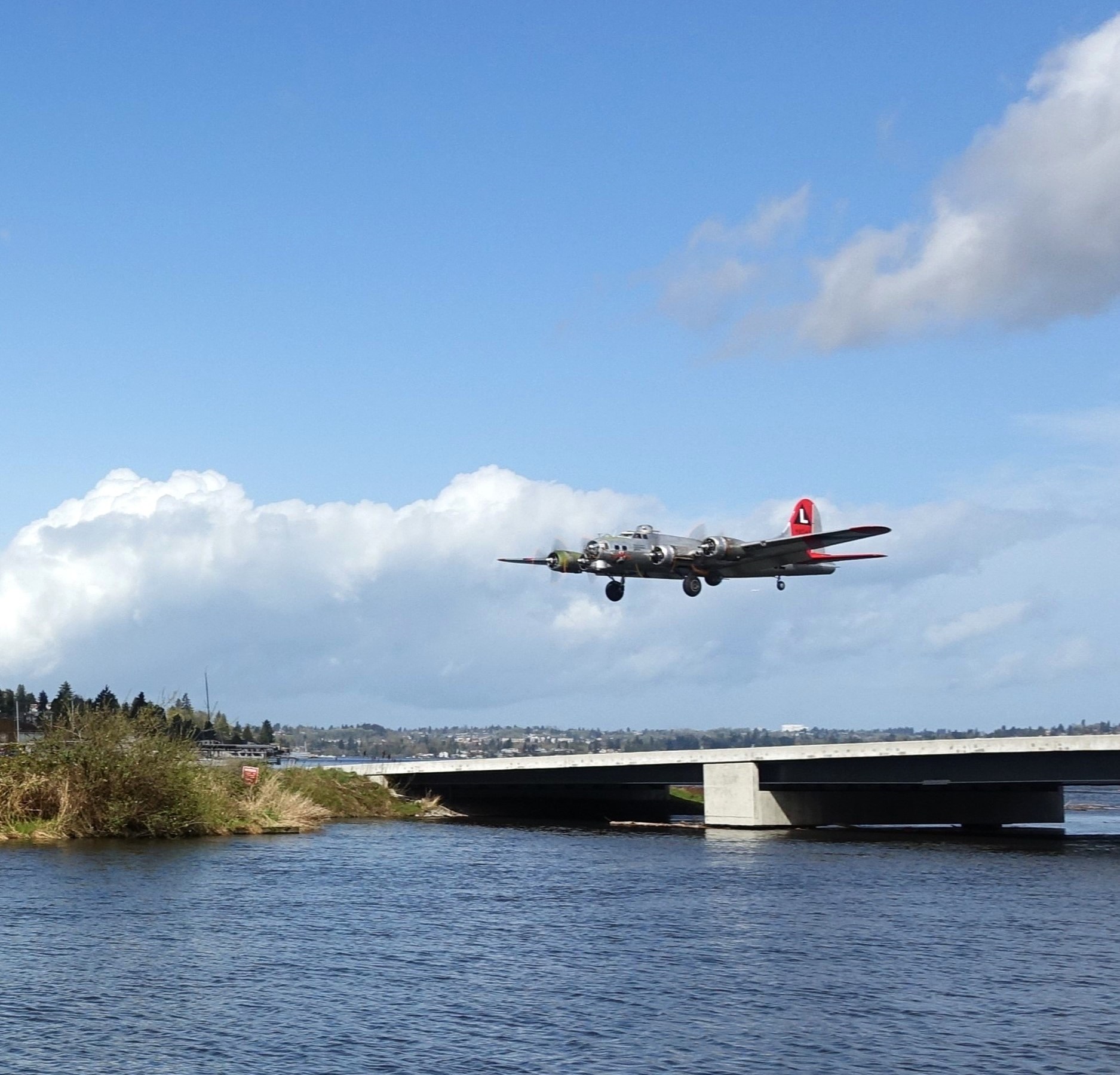
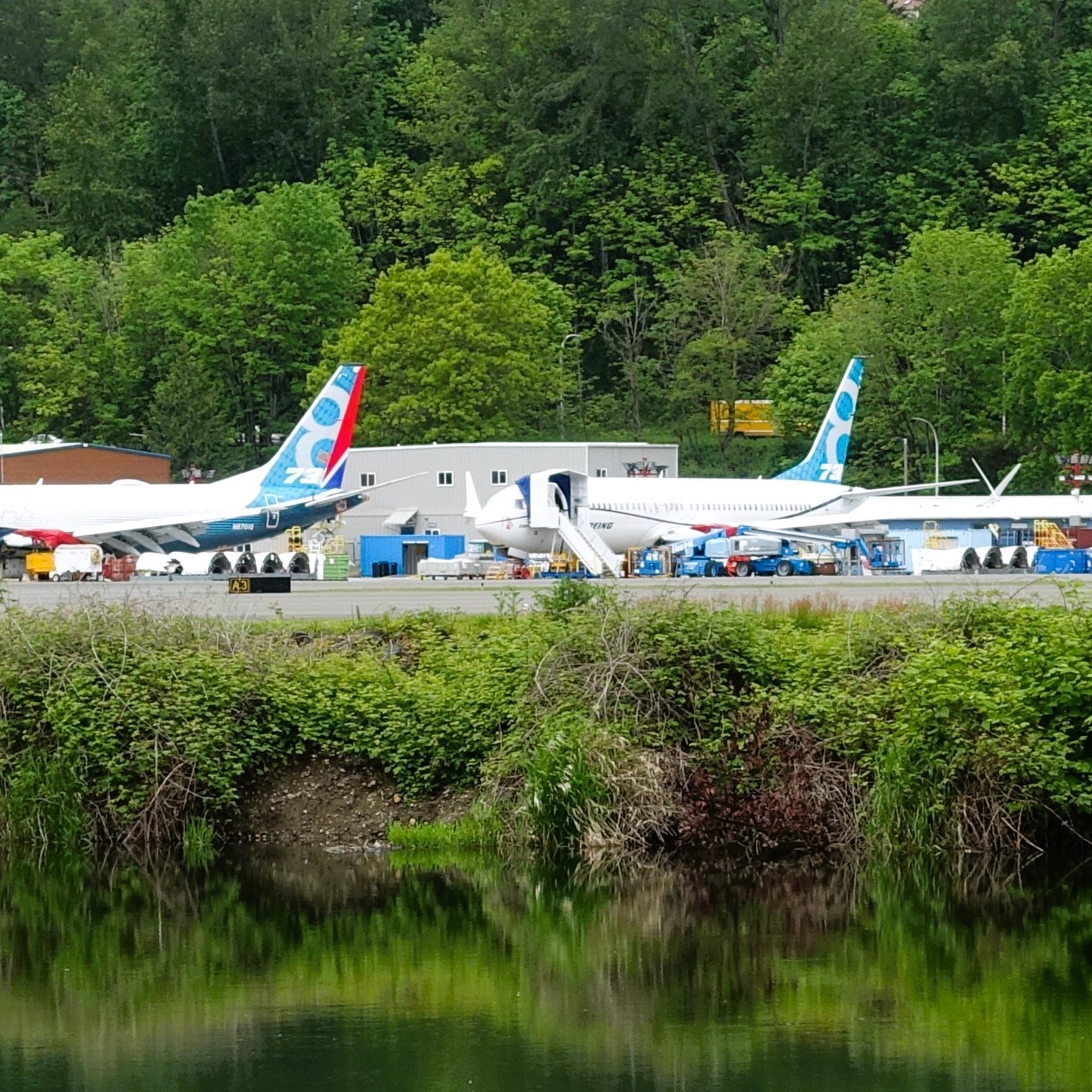
As you probably know, Boeing was born and raised in Seattle (so was I) so there’s much to see in the way of jets and planes around town at the plants that build them, such as these in Renton.
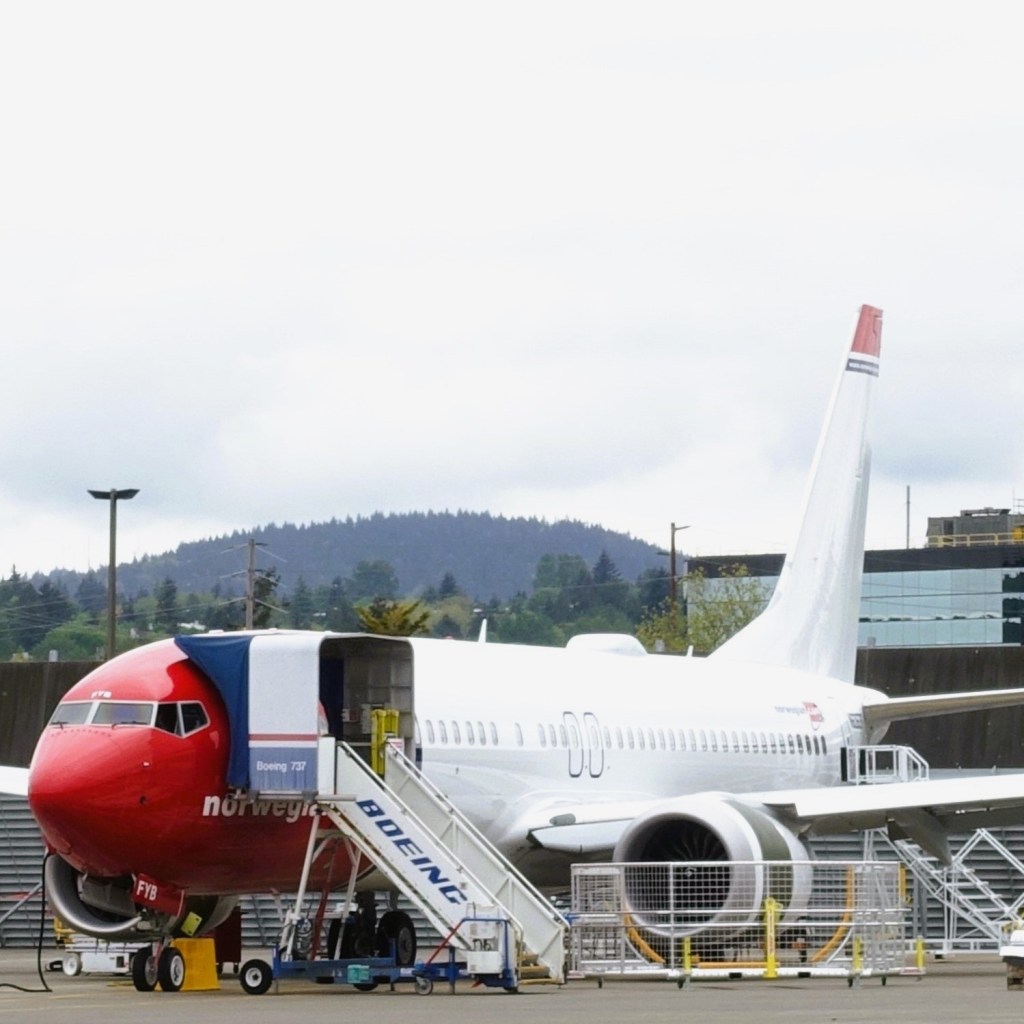
“Boeing’s 737 factory at the Renton, Wash., site leads the industry as the most efficient airplane factory in the world. More than 14,500 commercial airplanes (707, 727, 737, and 757) or about 30 percent of the worldwide fleet flying today were built in Renton.” Boeing.com


You’ll also find them in abundance at the Museum of Flight where they’re displayed along with their history.
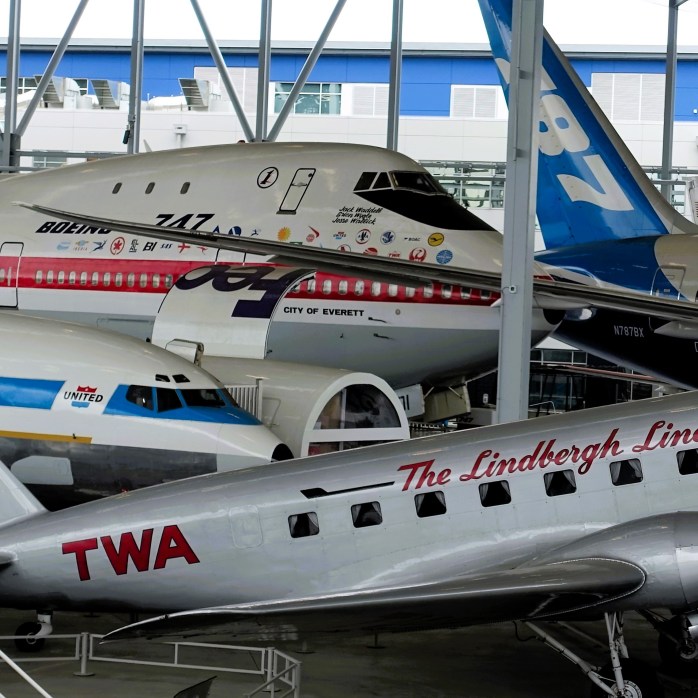
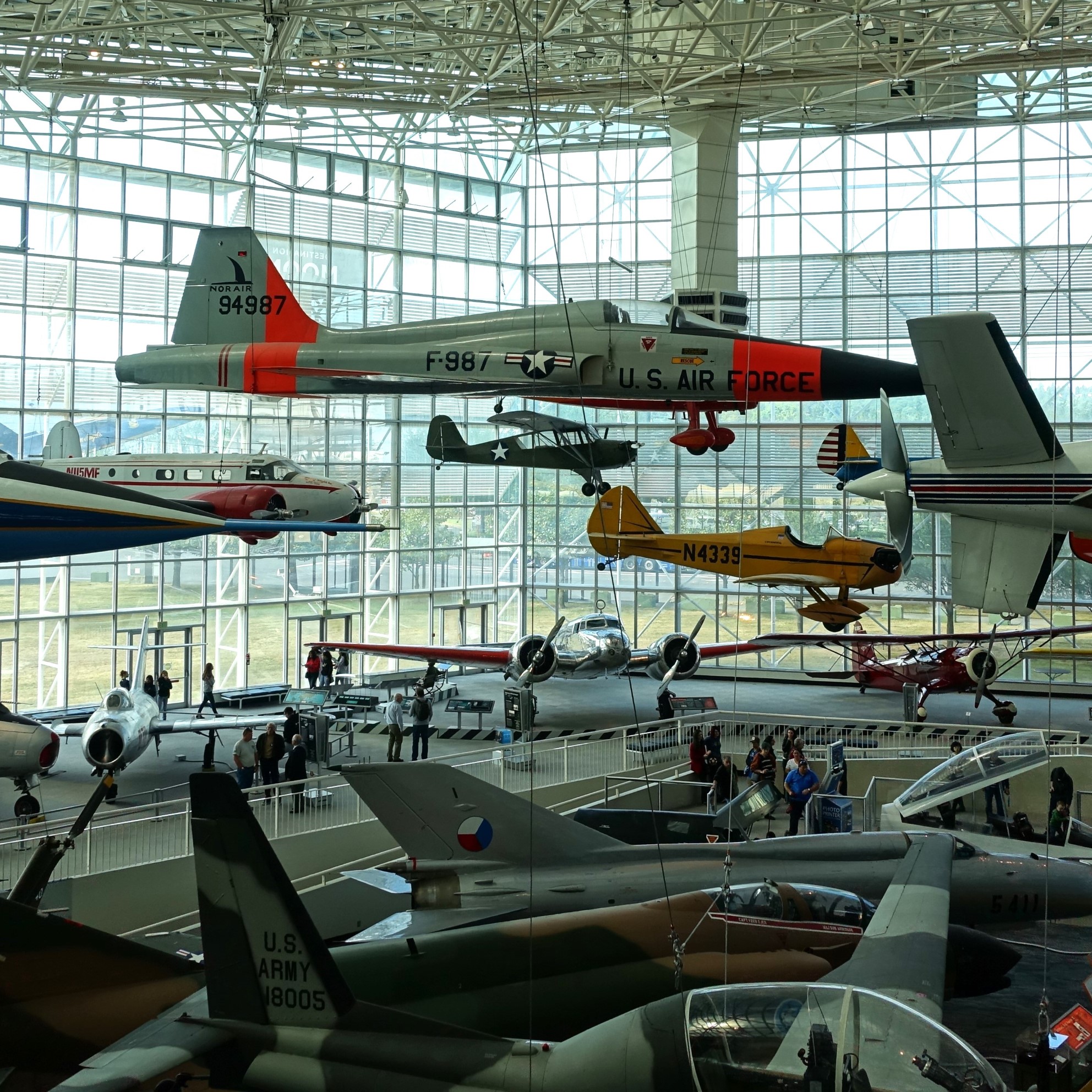
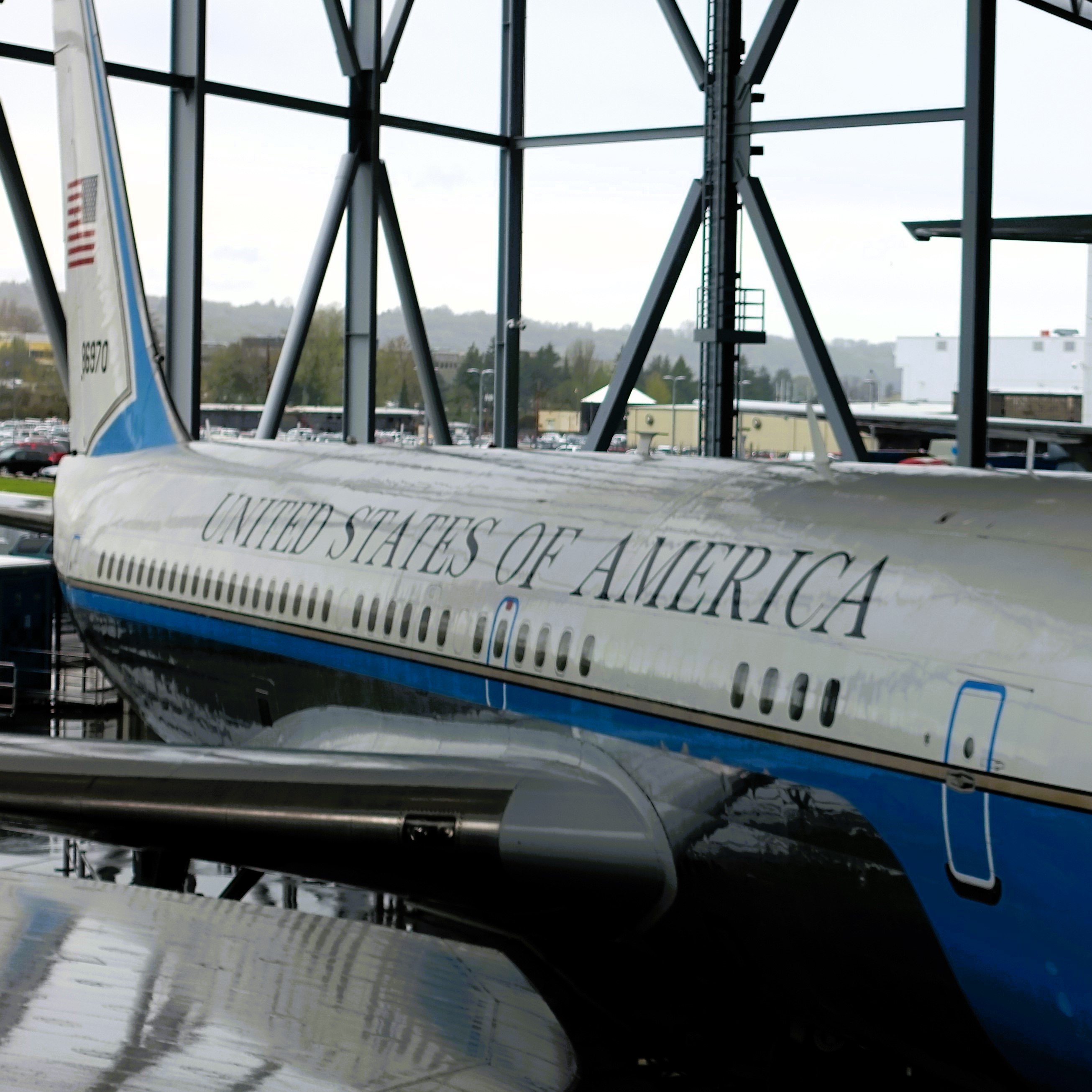
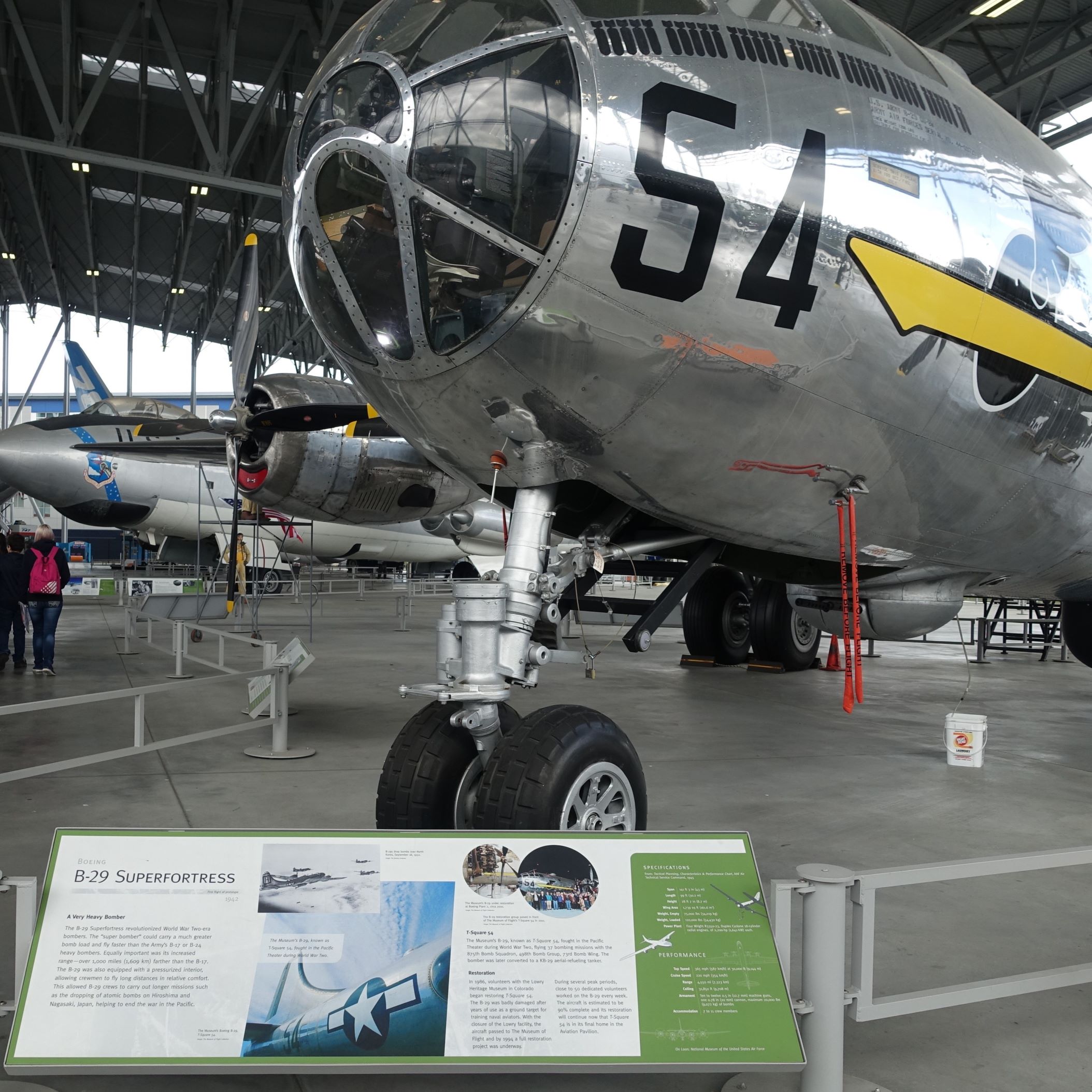
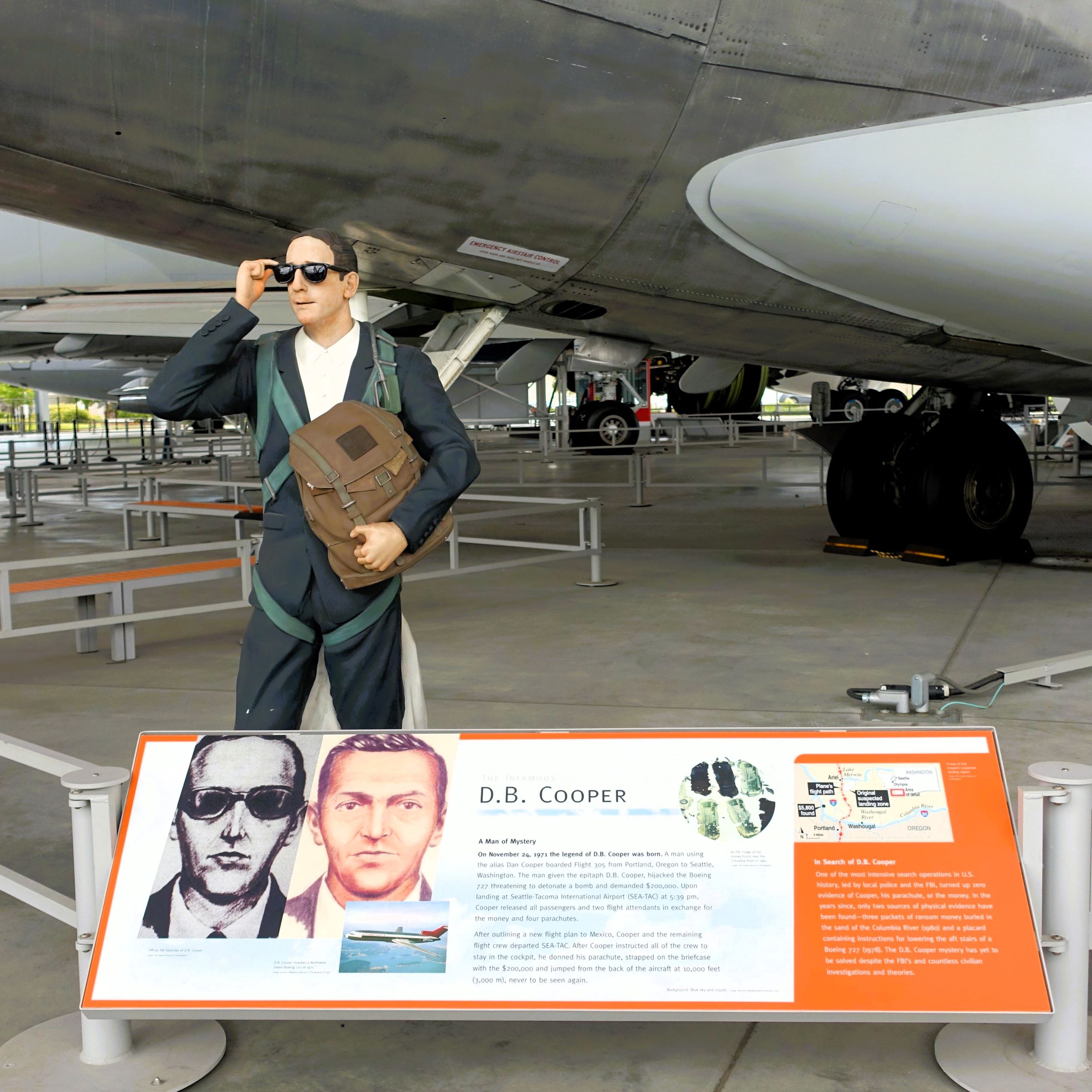
If you’re lucky you’ll see history in the sky as we did one day, while walking the Cedar Trail next to the Renton Boeing Plant, a Flying Fortress, a B-17 taking off and landing again and again, probably for paying customers.
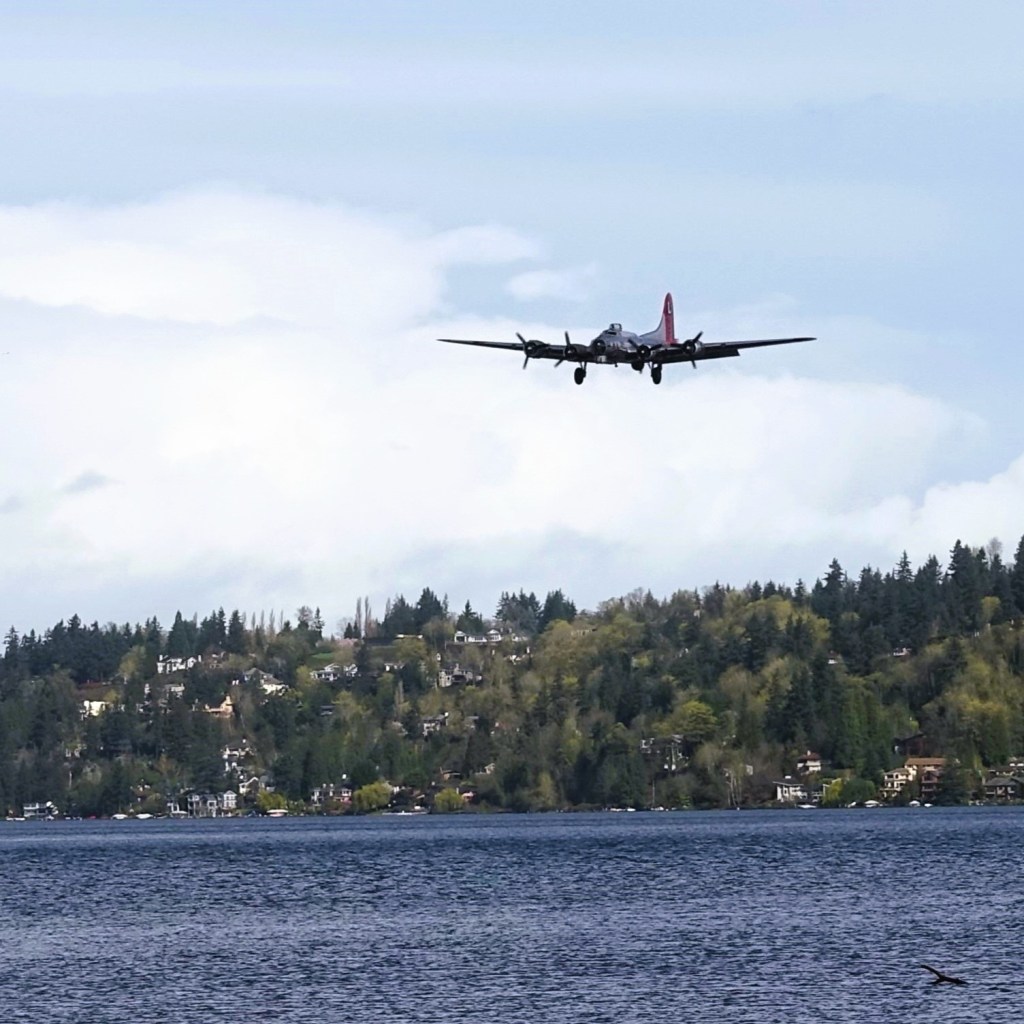
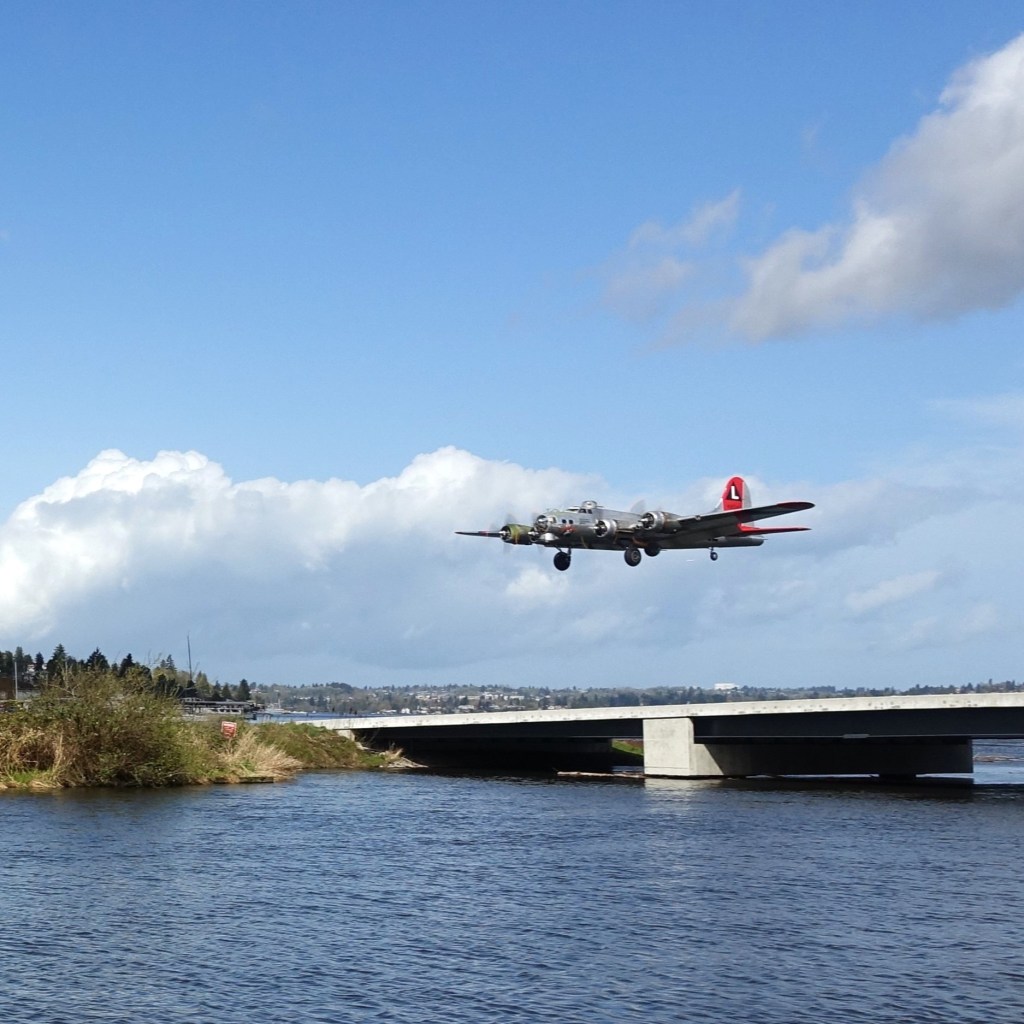
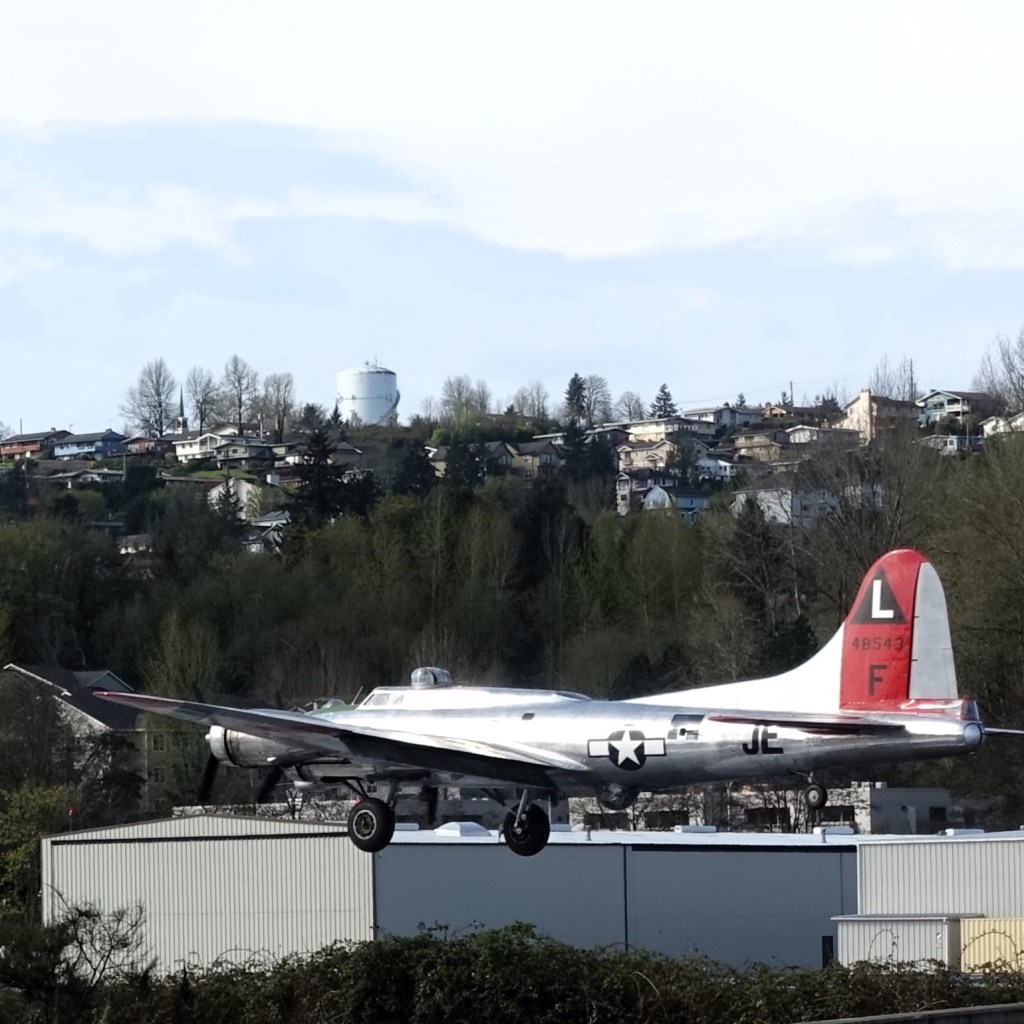
“The B-17 is one of history’s most significant aircraft for its role in the European and Pacific theater during World War II. It’s an iconic plane in the Boeing pantheon and has the statistics to prove it: the B-17 dropped more bombs in Europe than any other plane and was a deciding factor in the Allied victory.”
Museum of Flight
Sadly, Boeing has fallen on hard times lately, and we can only hope they return to their former glory soon.
By the way, there are so many SEVENS in the Boeing lineup, which is why I squared my photos to share them with #SevenforSeptember, a photo challenge.
~ Susanne
Seven Squared Bugs?
What’s that you say?
Squared pictures. Seven of them. Bugs. (I use the term loosely. All bugs are insects, not all insects are bugs!)
So I can ‘double dip’ into two photo challenges, #Sunday Stills and #SevenforSeptember.
I’ll start with an ordinary ‘bug’ resting on a nasturtium. The focus is obviously on the flower not the bug, perhaps a metaphor for life.

On the opposite side of the yard and the color wheel as well, is a bee in a blossom. An insect not a bug, a helpful pollinator.

The nuthatch was looking for bugs in the Douglas Fir tree; I’m sure he found them deep in the furrowed bark.

Perhaps the wren found bugs to feed its young from the same tree.

The skippers are out and about in my garden. They’re butterflies, pollinators, insects with big eyes, antennas, and wings.

And legs. Don’t forget the hairy legs.

Finally, I’ll close with a spider (an arachnid, neither insect or bug!) who caught an unsuspecting bug in his web. Spiderwebs are everywhere now, so watch your step, lest you too be snagged.

And that will do for today’s seven!
~ Susanne
Coulon Park – for All Seasons
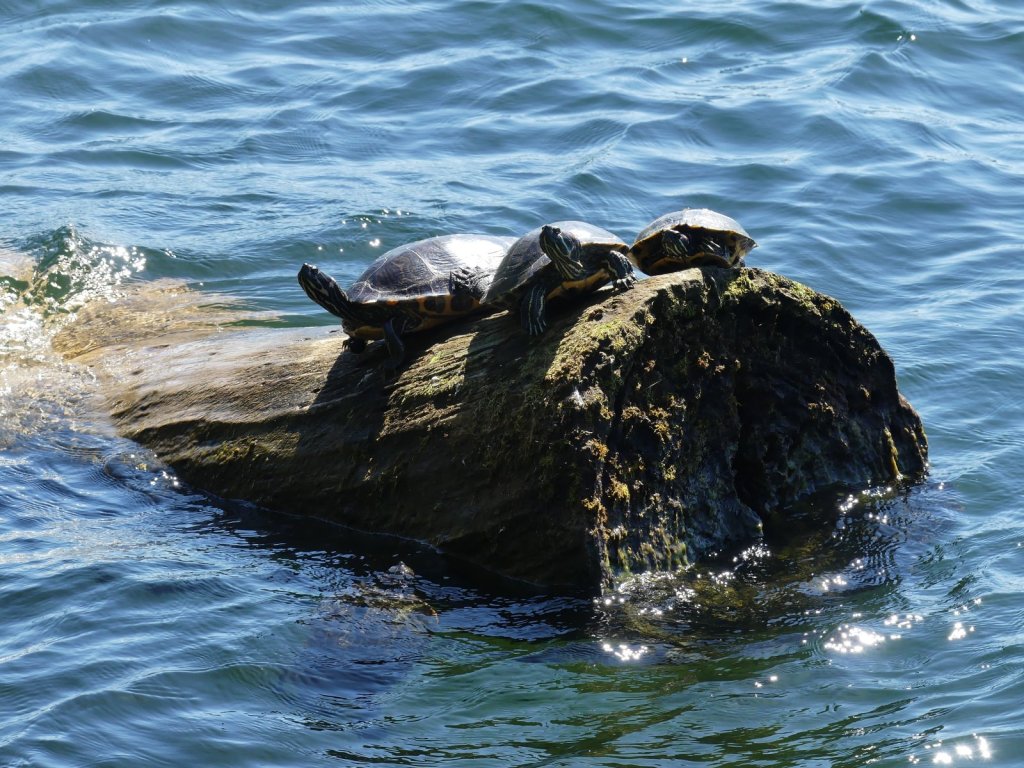
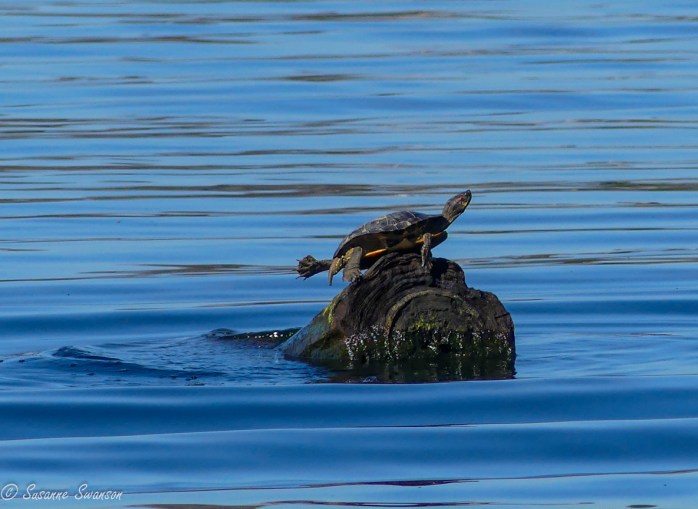
I took a walk at Coulon Park yesterday, before summer turns to fall. The sun was shiny, and the lake was sparkly, enjoyed by turtles and boaters alike.

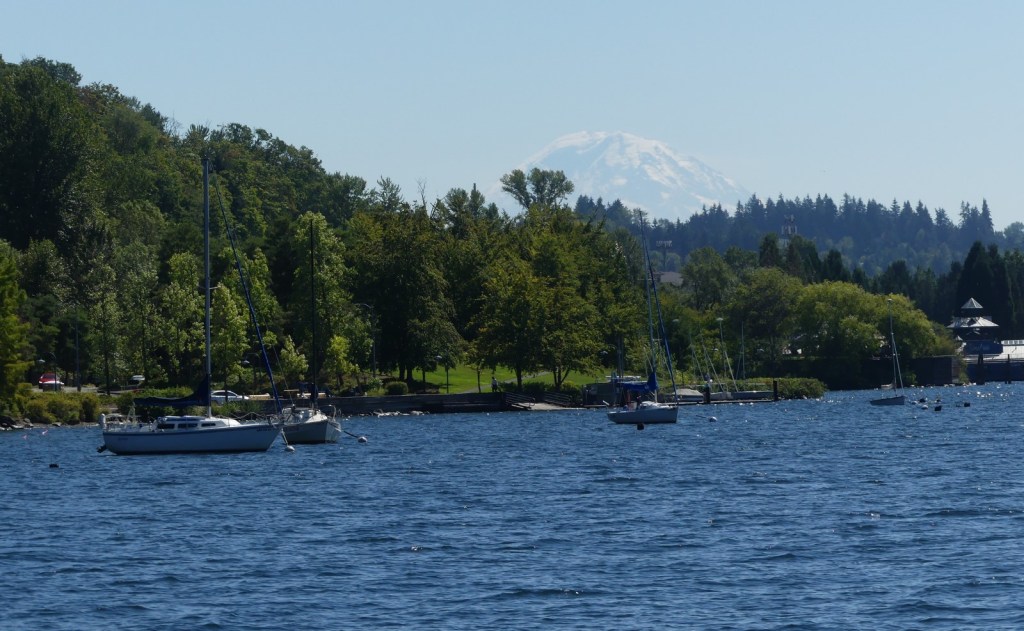
The Olympics were mostly bereft of snow, that will change soon enough.


Mt. Rainier is never bereft of snow, covered by more glaciers than any other mountain in the continental United States.
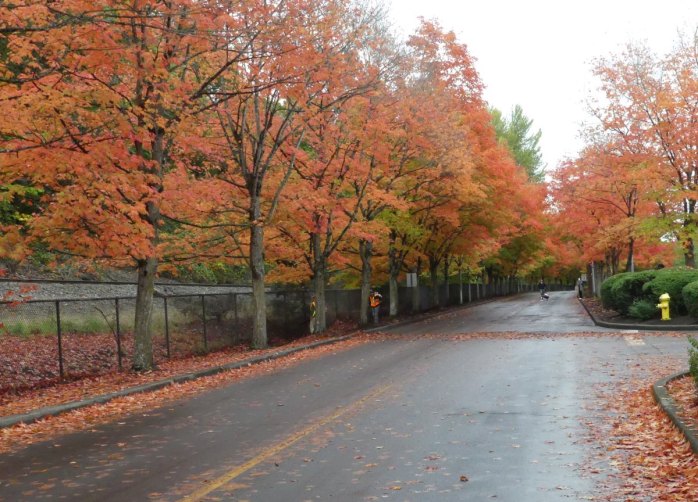
If I love visiting the park in summer, I love visiting in autumn even more, to see some of the best fall color around.
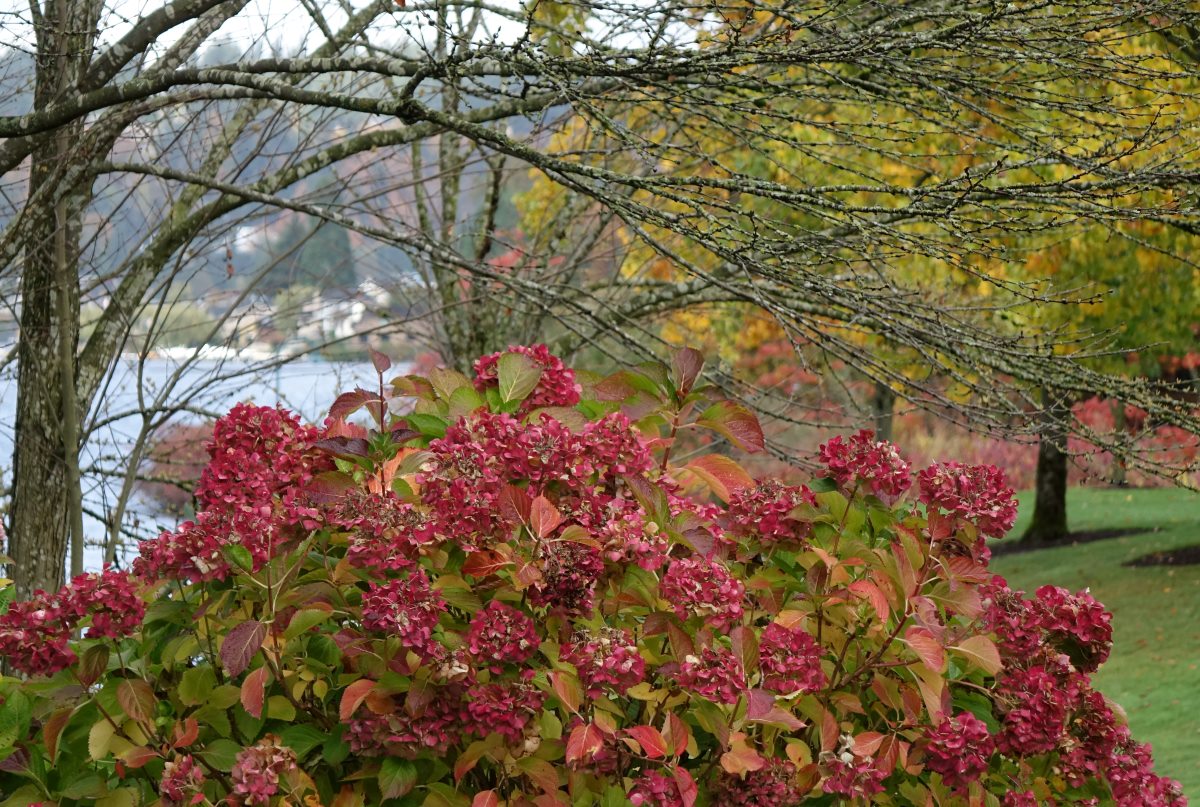

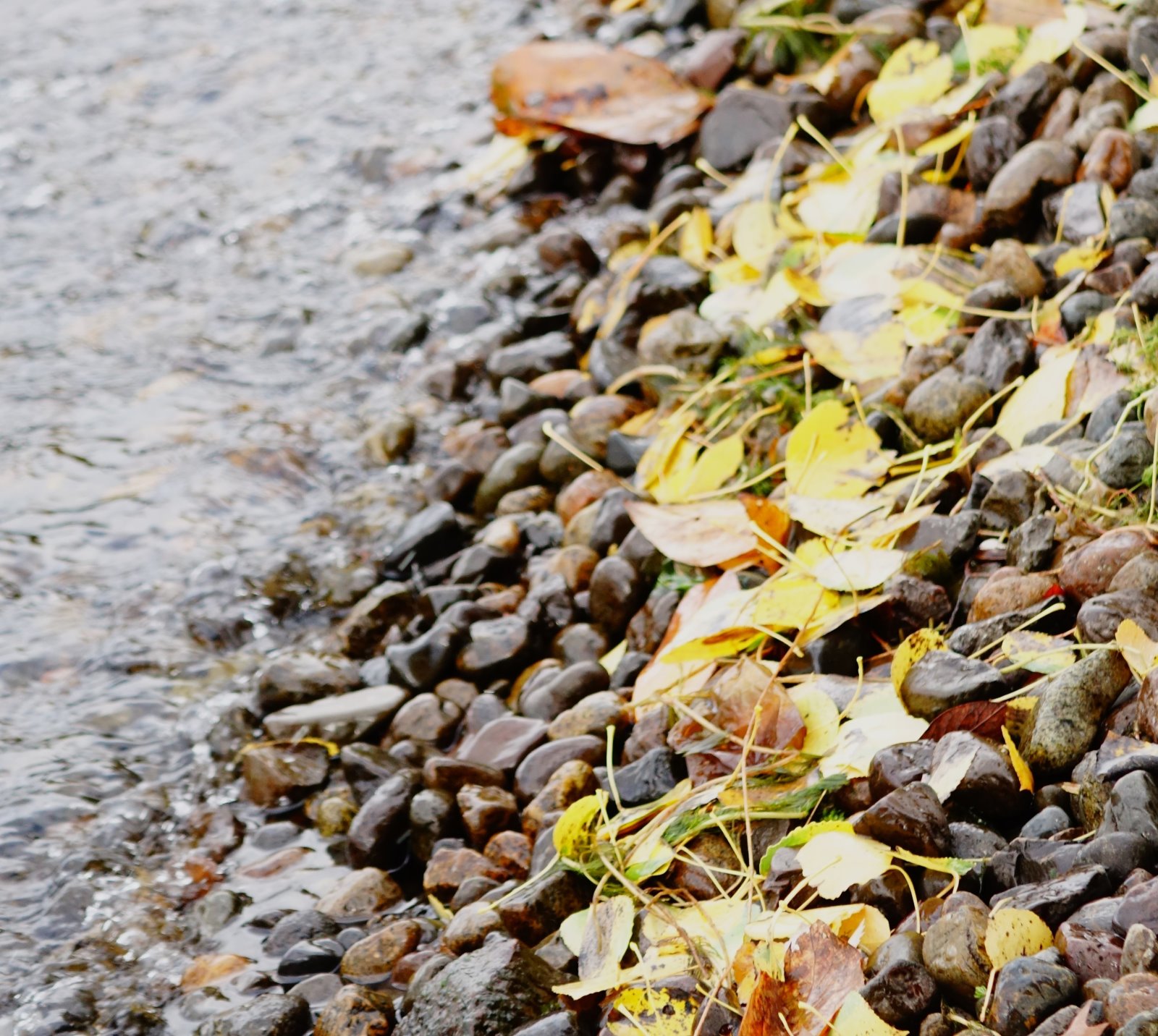

Winter brings its own beauty, quiet and peaceful.


By now the mountains are covered with snow, but just as often, shrouded in clouds.

Sometimes the clouds contain a rainbow or accent a glorious sunset.
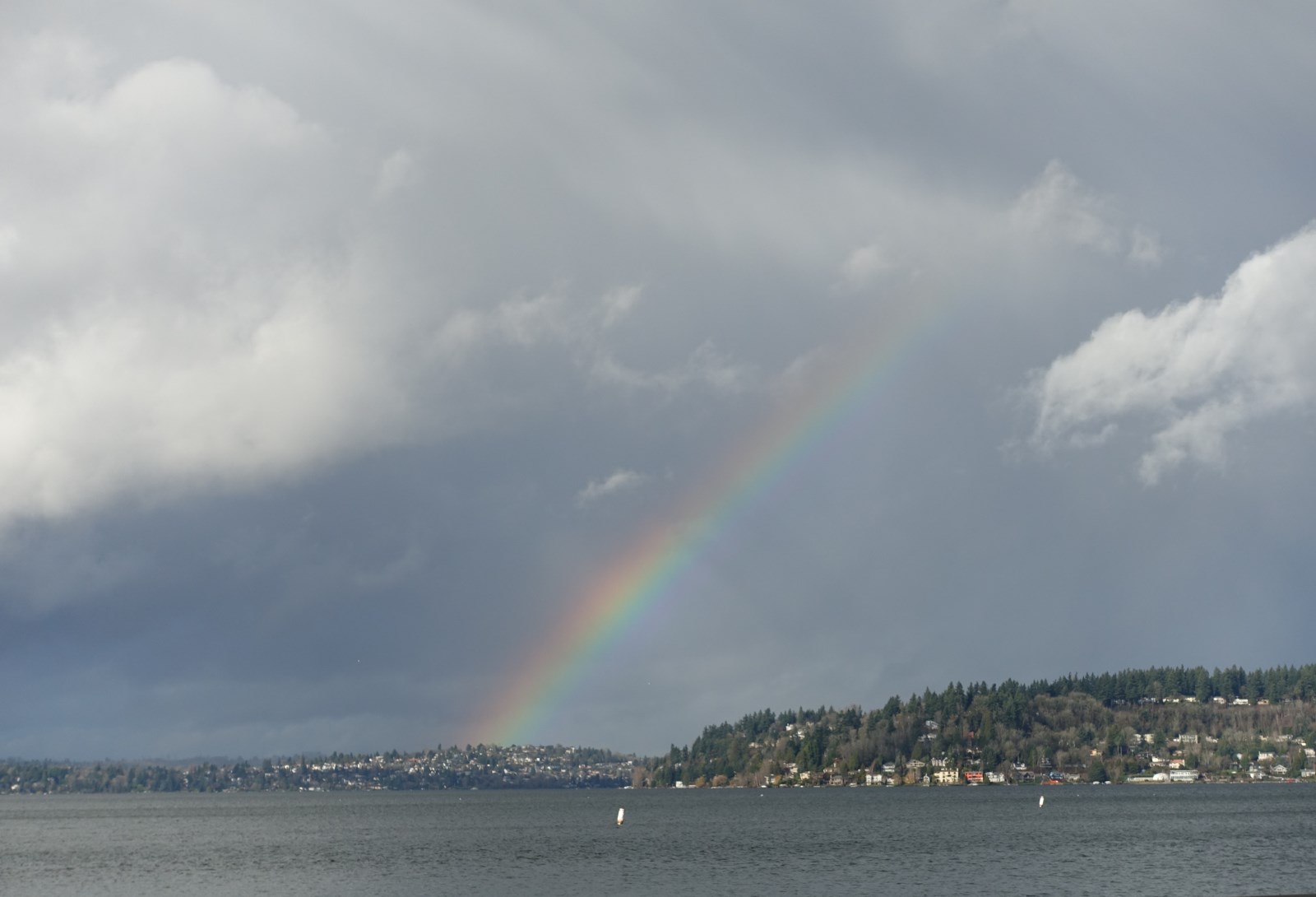

Trees leaf out in spring and flowers begin to bloom.
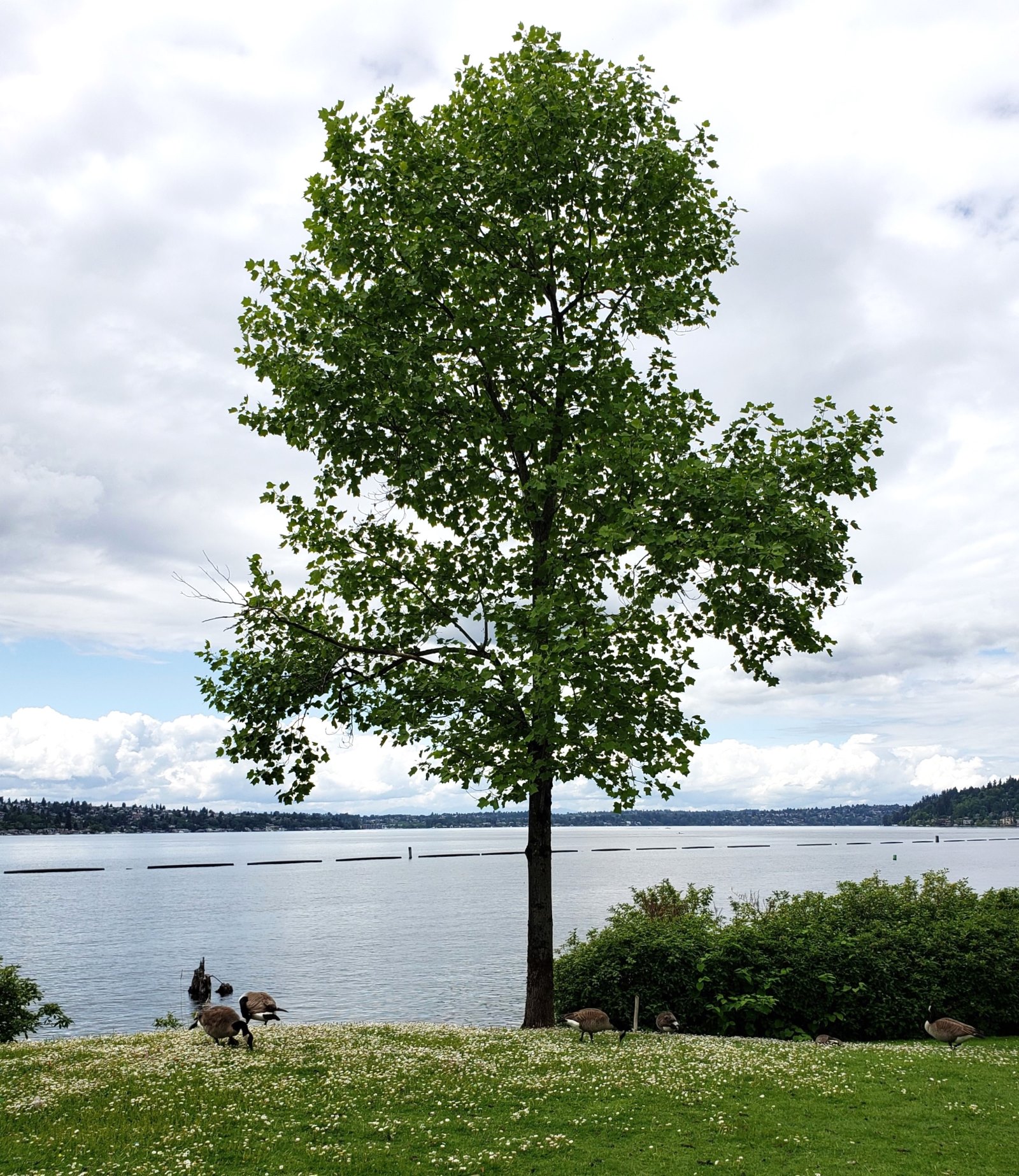
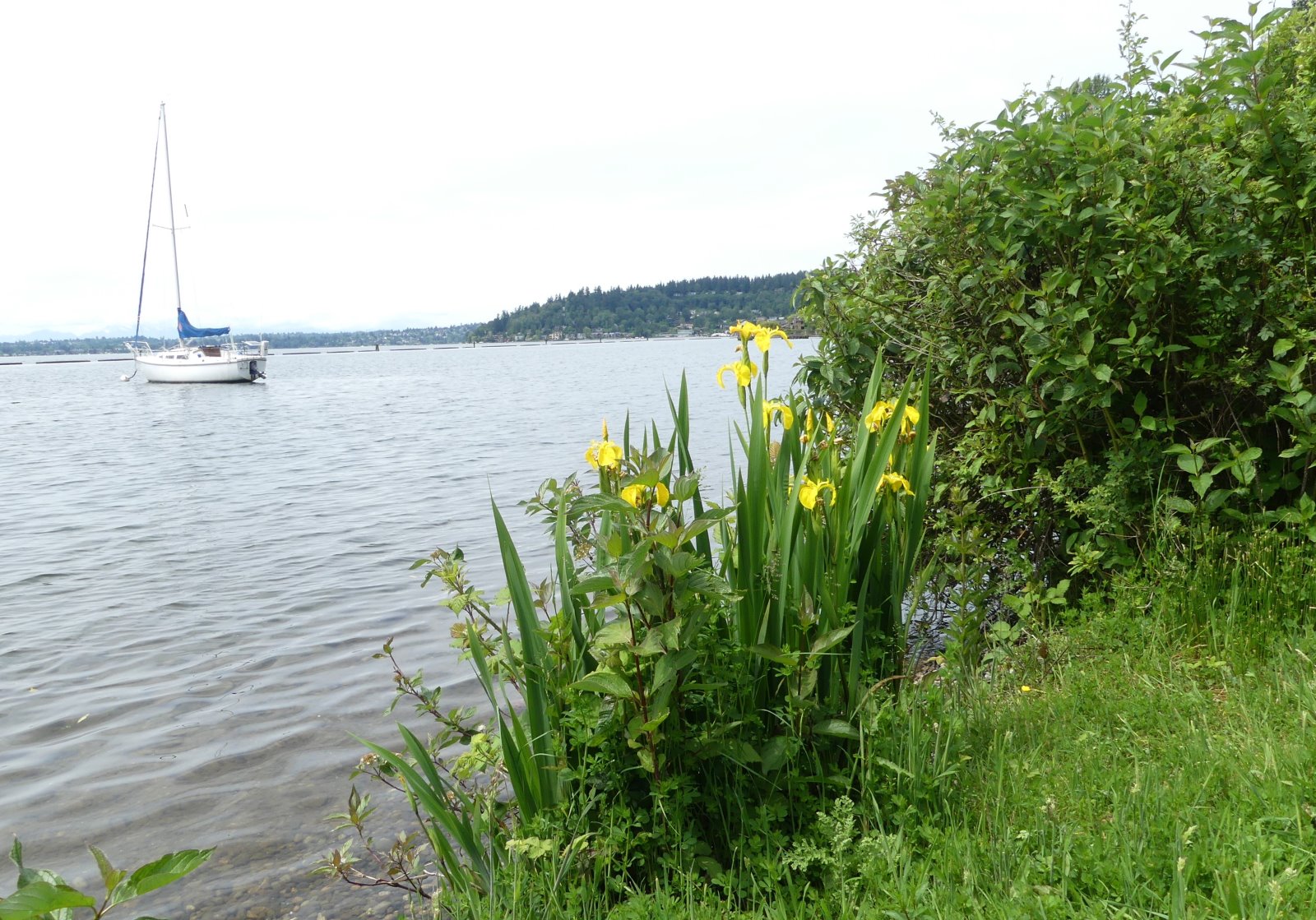
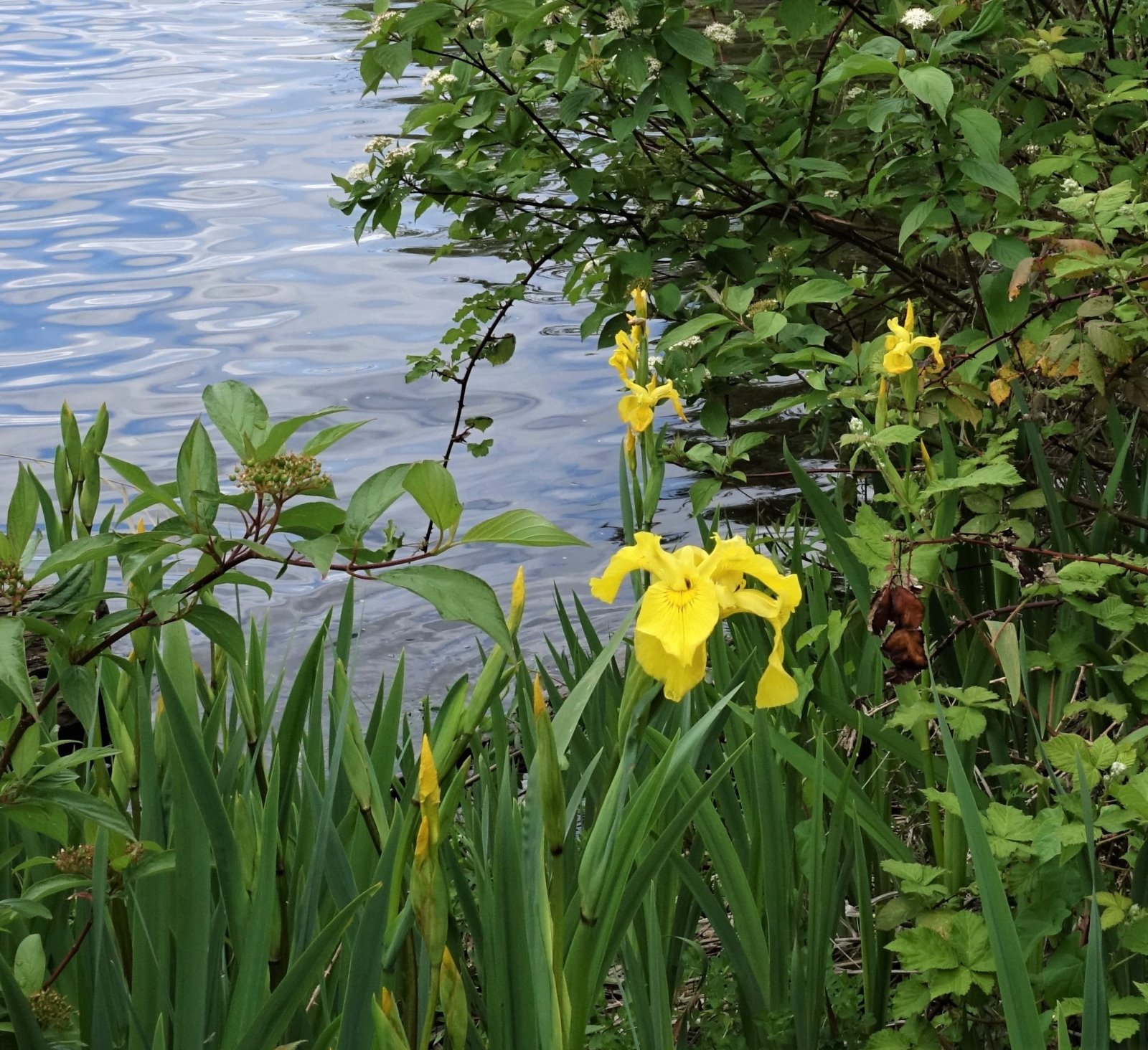
Turtles emerge
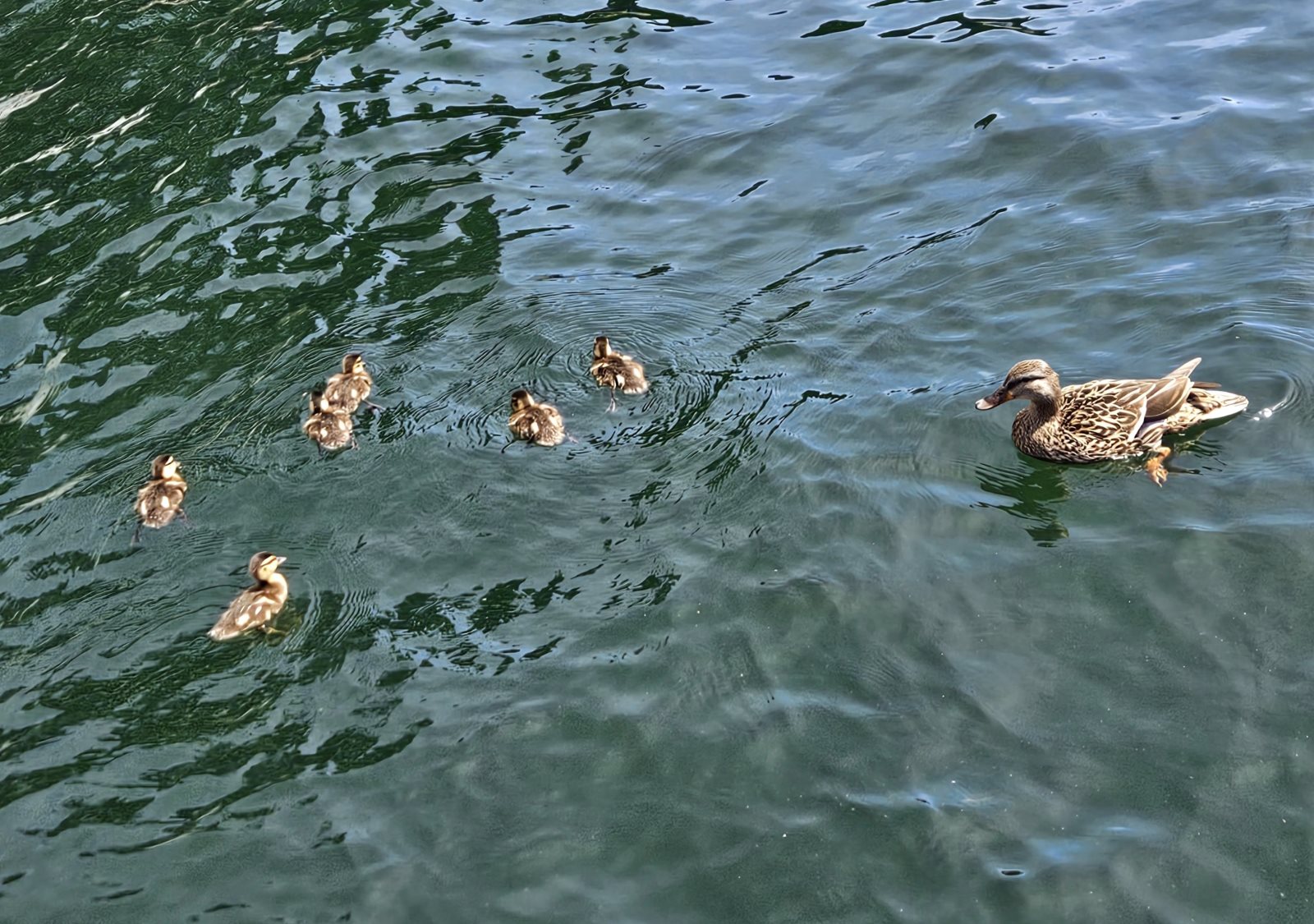
and ducklings learn to swim.

Seasons change, and the cycle of life continues.
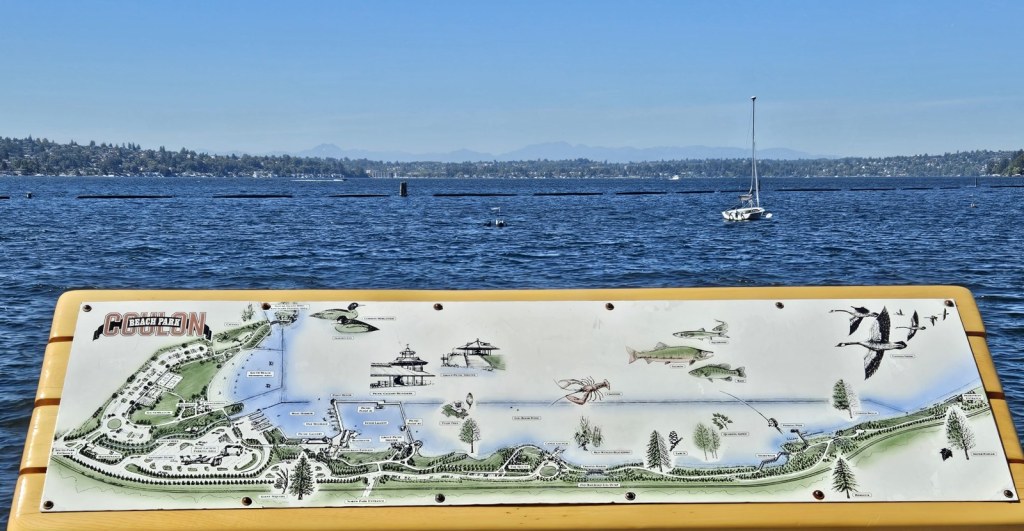
No better place to enjoy the change, than at #CoulonPark in Renton.
~ Susanne
Eight Years with Benji
“How time flies when you’re having a good time, right Benji?”
“I always have a good time, Sue! What exactly do you mean?”
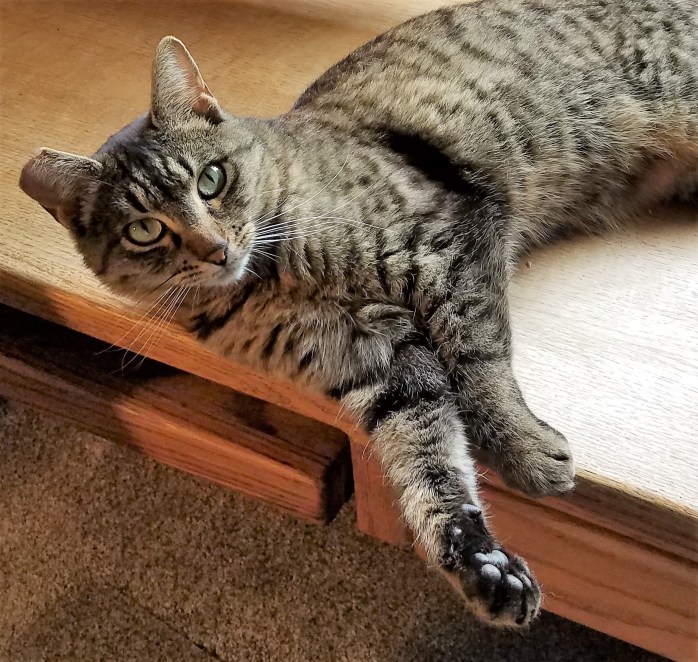
“I can’t believe it’s already been eight years since we brought you home from Seattle Humane. You were so tiny then! And the most photogenic cat I’ve ever had despite your scruffy ear.”

“I bet you say that to all your cats, Sue.”
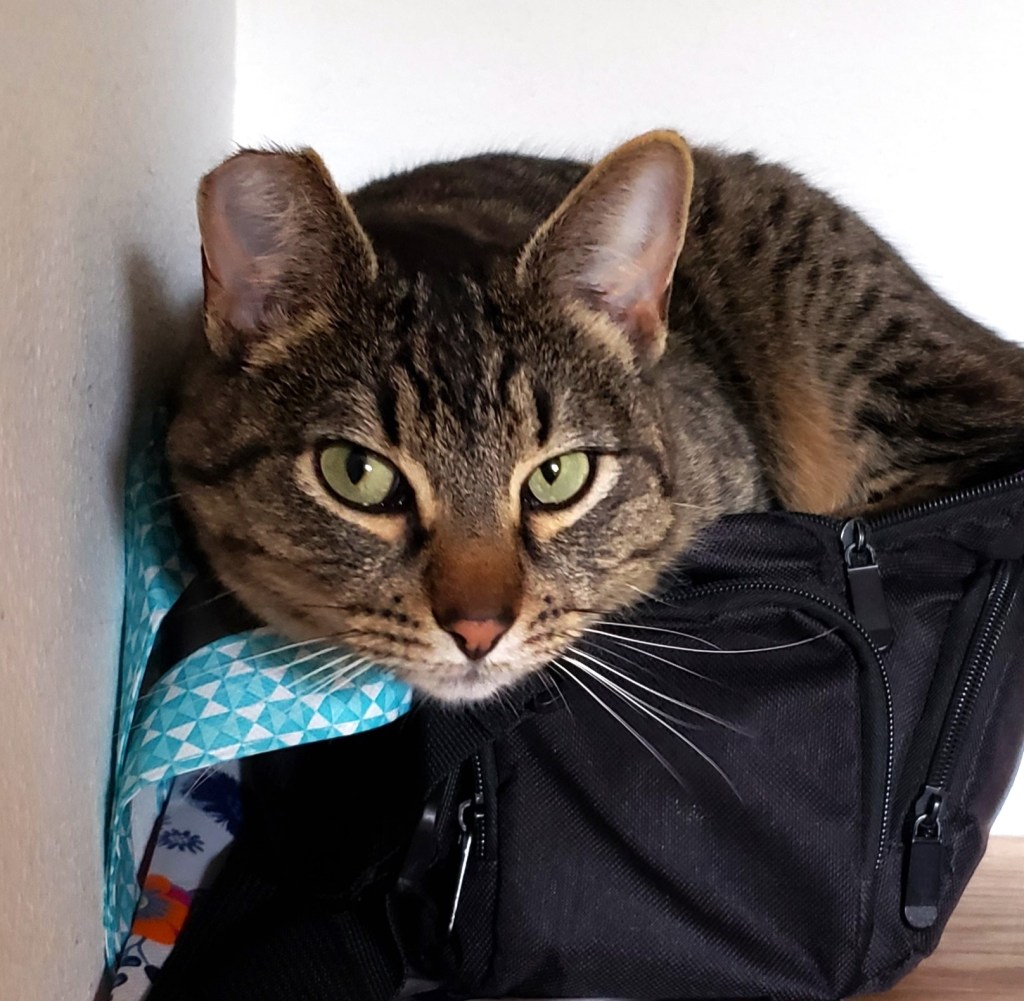
“No, really, Benji. I mean it. You’re special. And those eyes!”

“You mean these?” he asked.

“Indeed, I do, Benji! So expressive!”
“Aw thanks, Sue.”

“I think it was your eyes that won you a spot in the International Cat Care calendar. Remember that? You were pinup kitty for the month of May 2020! I was so proud of you.”
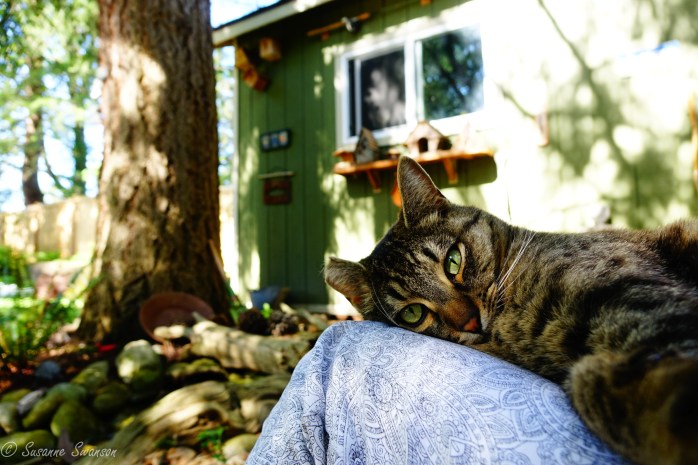

“Aw thanks, Sue! I was happy to be your first published picture. Maybe we should try again! How about this?”

“That’s a winner, Benji! You’re the best.”
“Here’s to another eight years!”
~ Susanne and Benji
Nature Shots Before and After
I rummaged through my pictures from last week, looking for some to fit the theme of this week’s #Sunday Stills Challenge, Before and After.
I found a sunflower, all wound up and tightly coiled, before blooming;
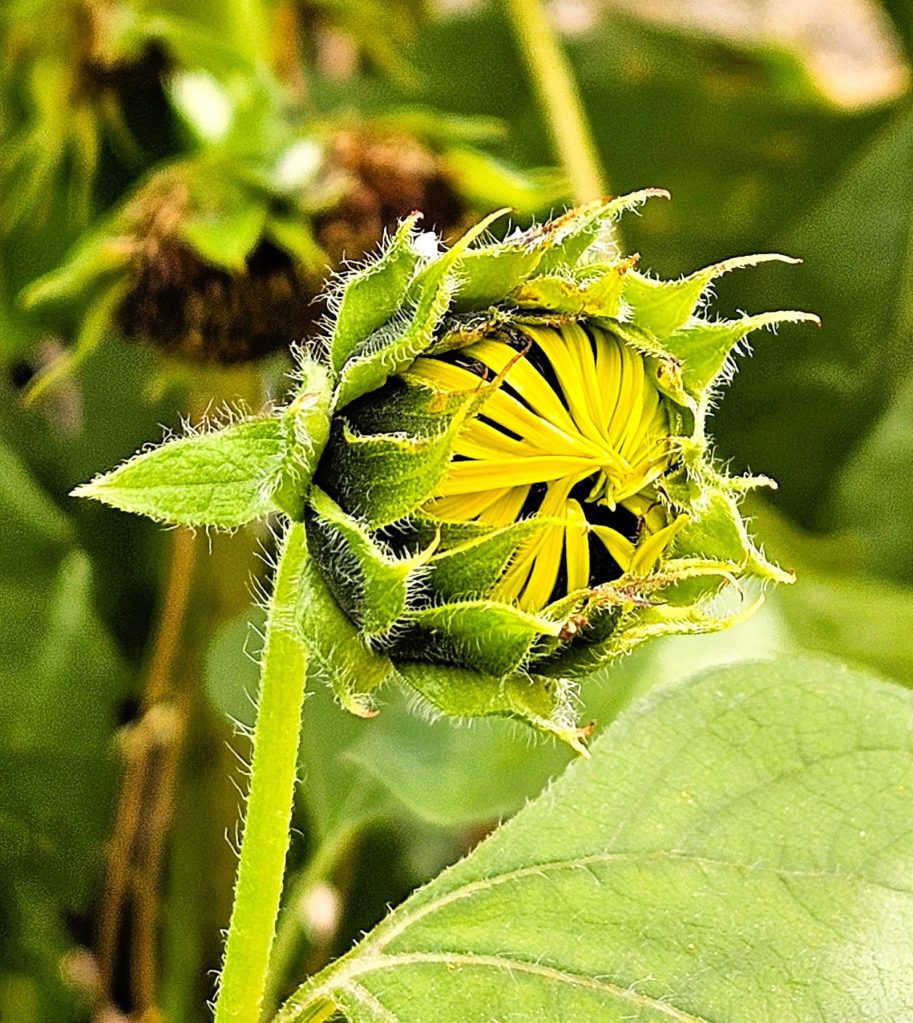
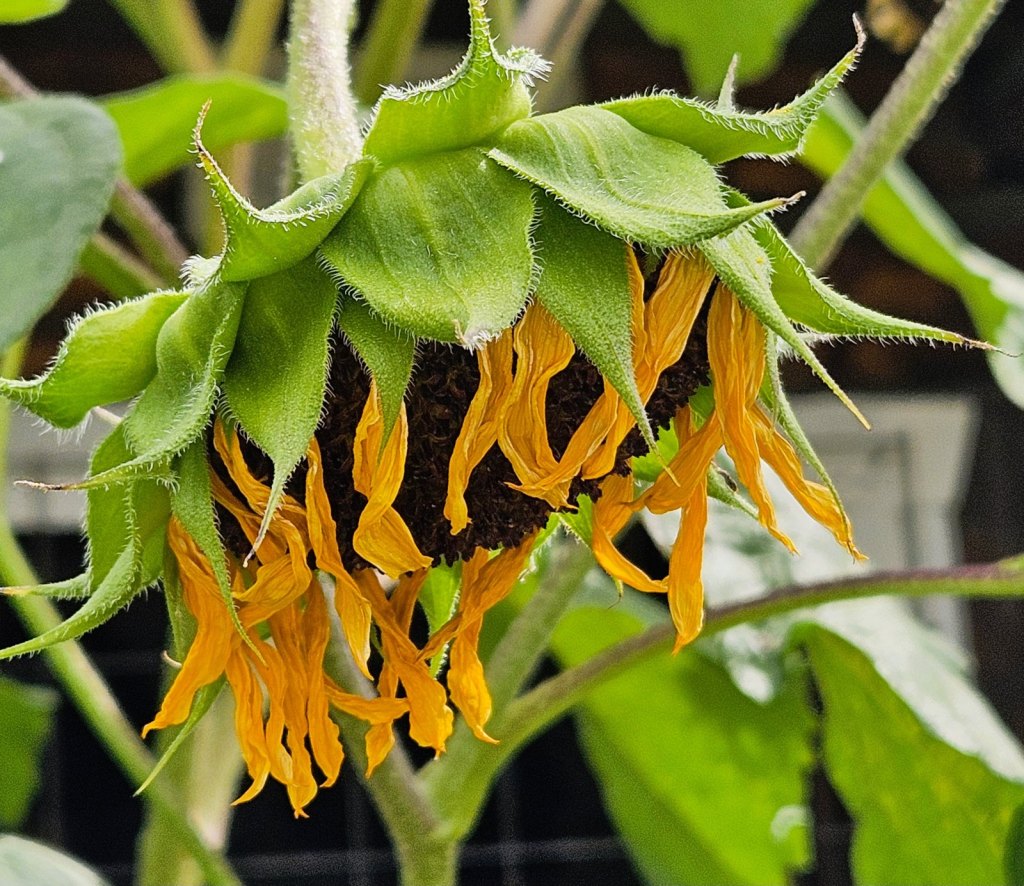
and his neighbor, sad and droopy, after.
And I found an osprey, just before he landed,


and after he touched down.

And that will have to do.
~ Susanne
 Cats and Trails and Garden Tales