Cats and Trails and Garden Tales
Musings on cats, travel, gardens and life
Synchronized Flying on the Cedar River Trail
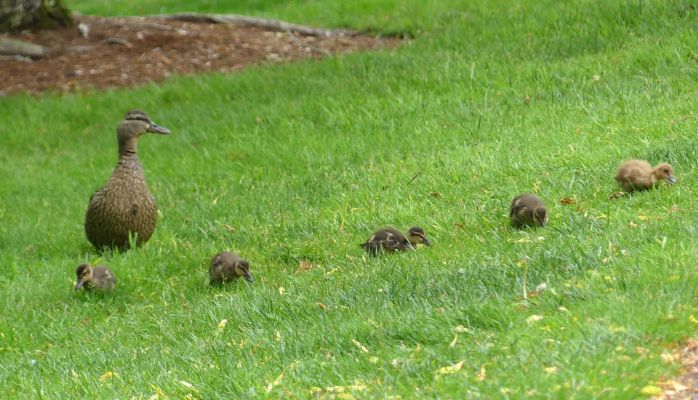
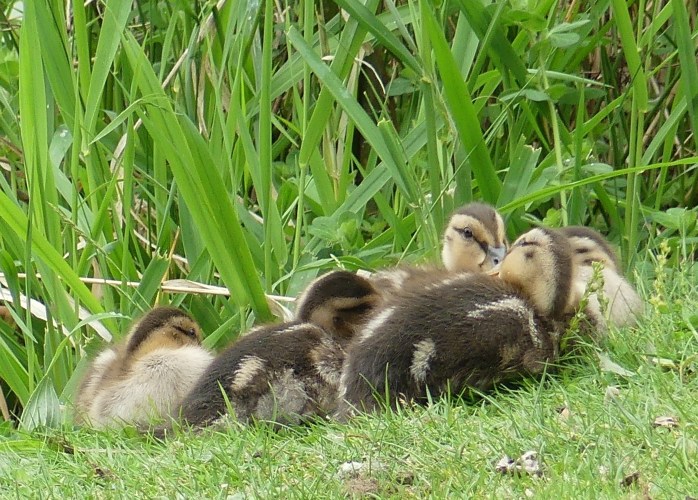
Last week I took a walk along the Cedar River and shared the trail with ducklings.
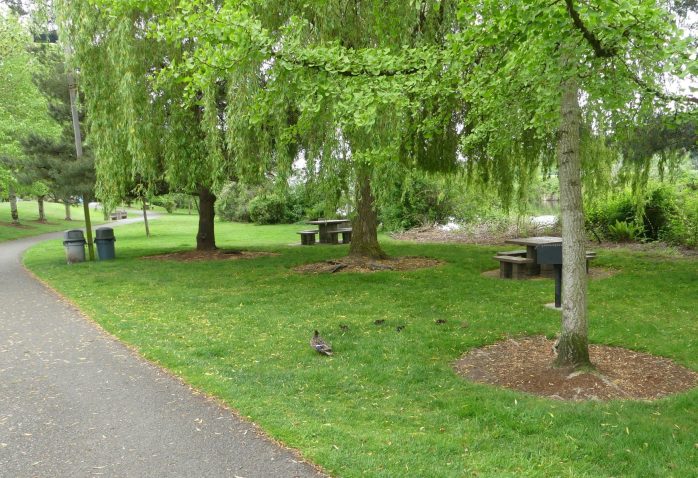
The trail follows the river on one side,
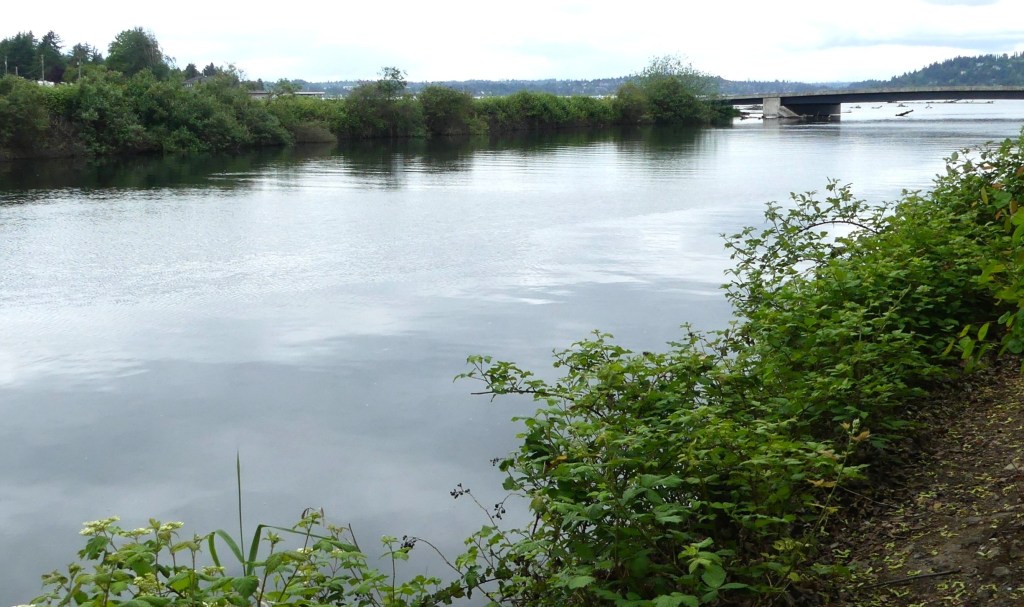
and the Boeing Plant on the other, (the plant to me, looking like the Twilight Zone.)
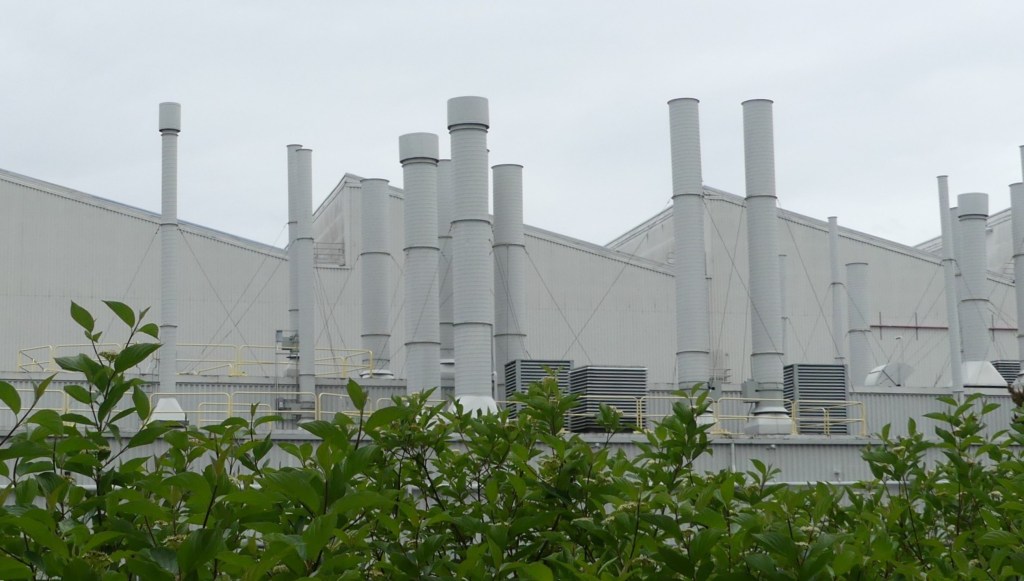
They build airplanes there, the 737 in particular, and have since World War Two, when they built the Superfortress, B-29.
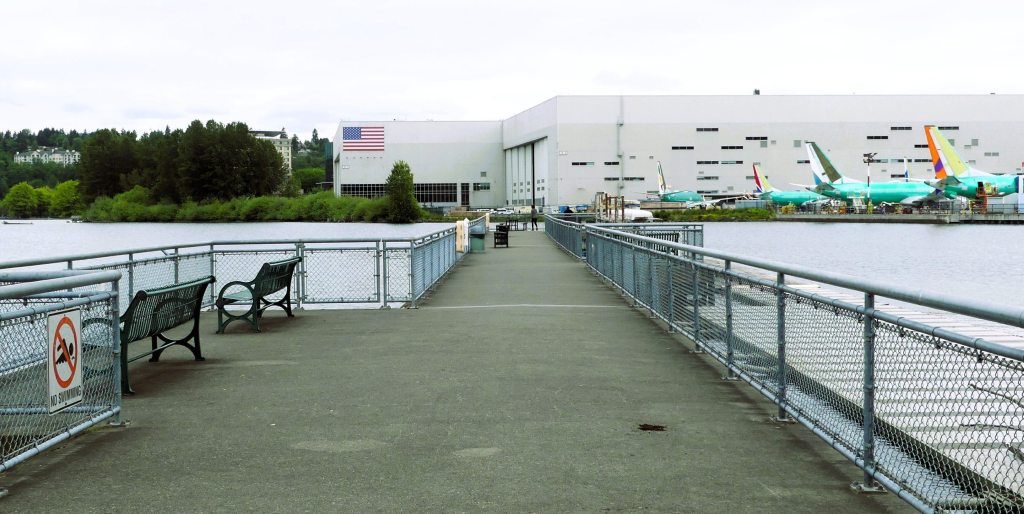
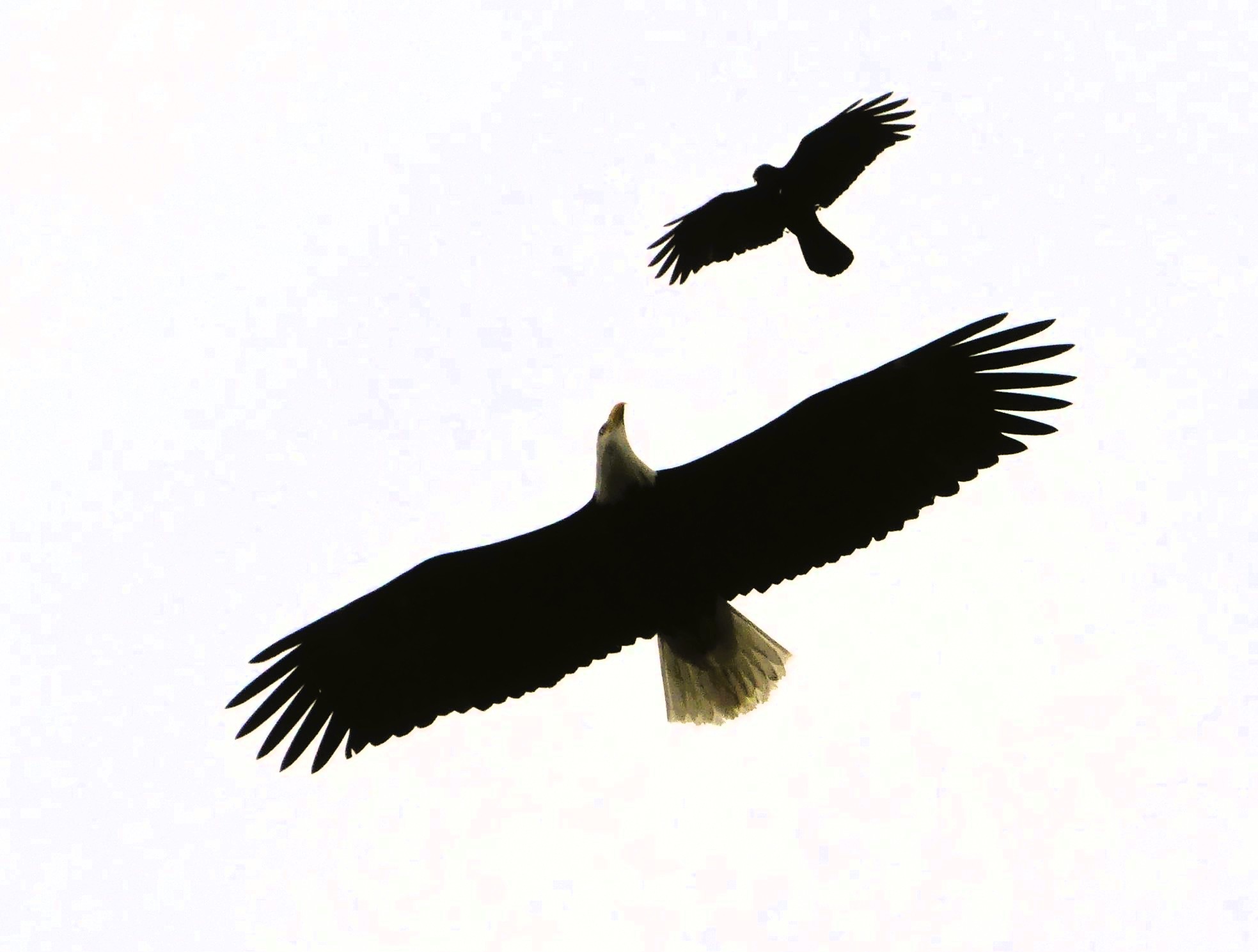
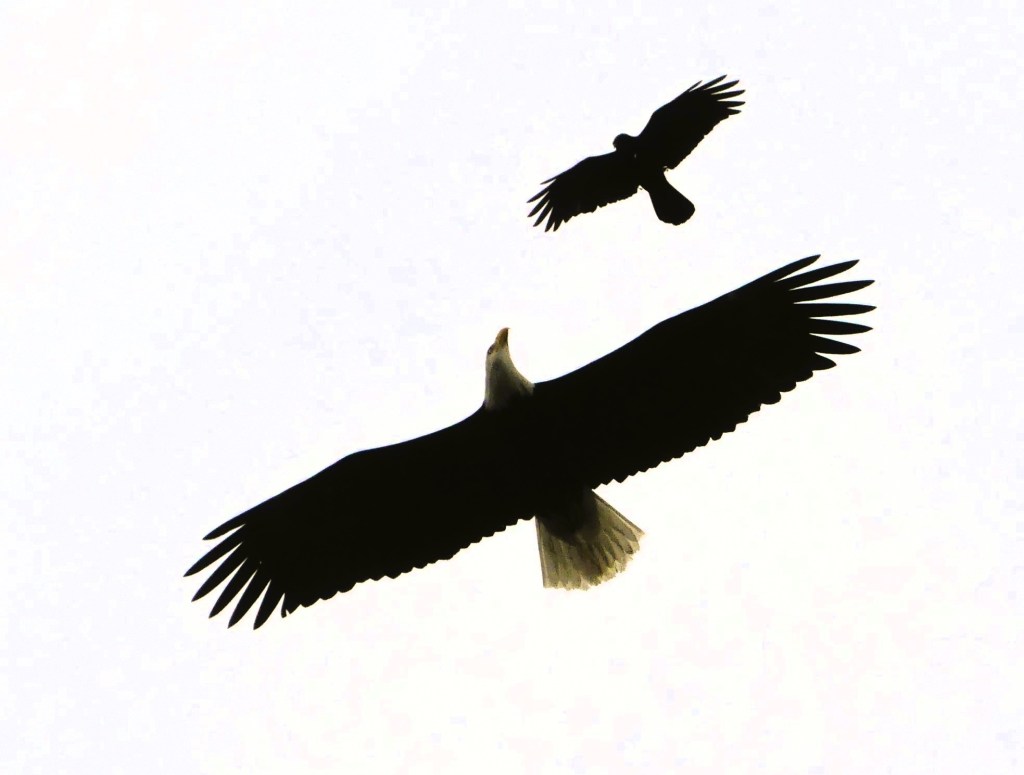
The Cedar River Trail ends where the river flows into Lake Washington. In addition to the Boeing jets, I saw many birds in flight, including a crow pestering an eagle.
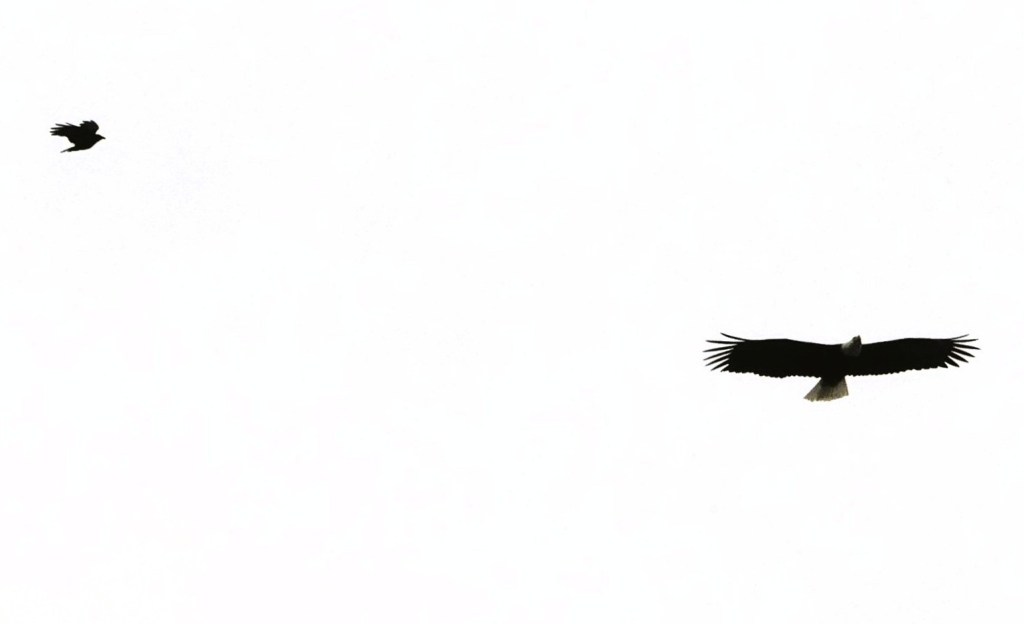
The crow was the aggressor, fearless, likely protecting its young, following the eagle closely. I like both birds, so I hope they worked it out.
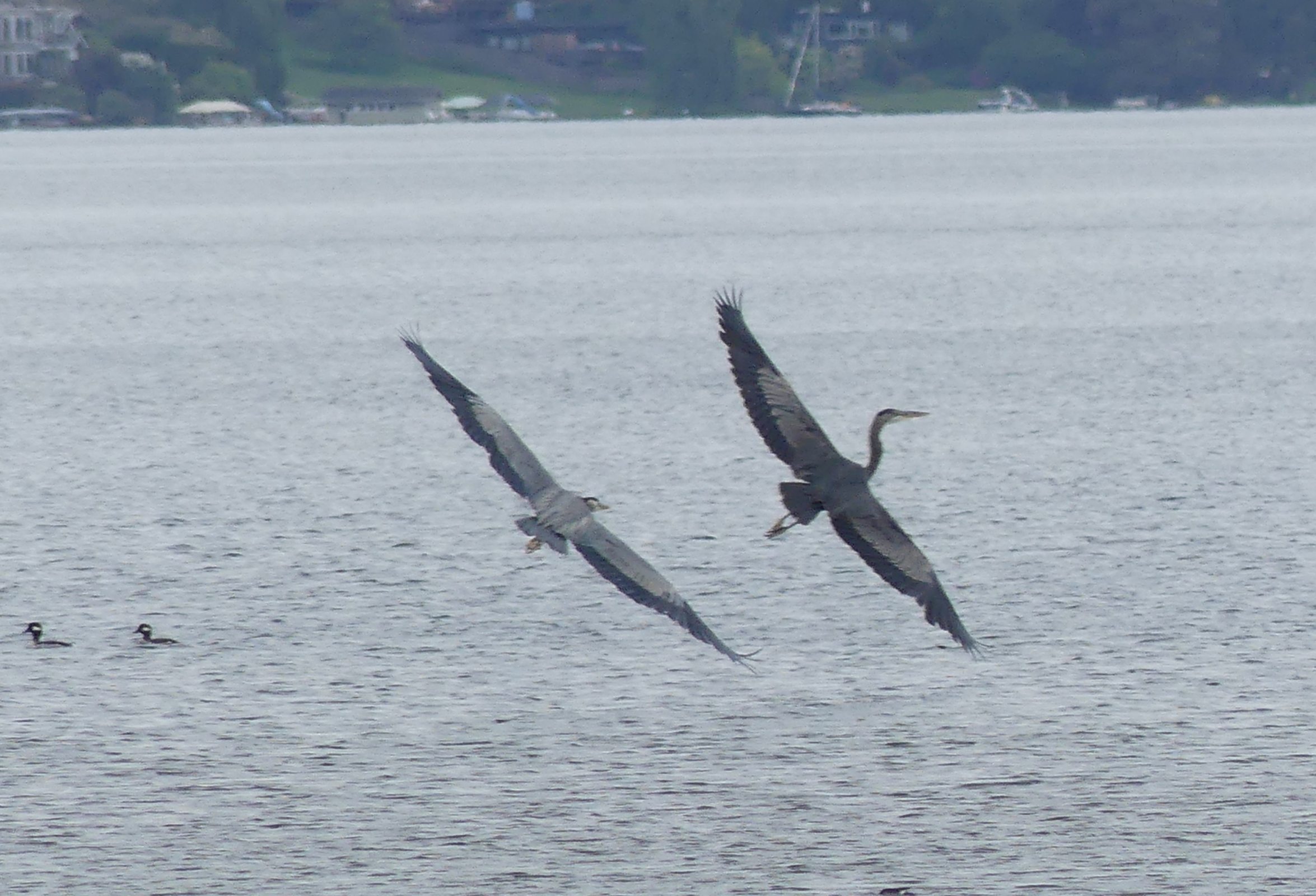
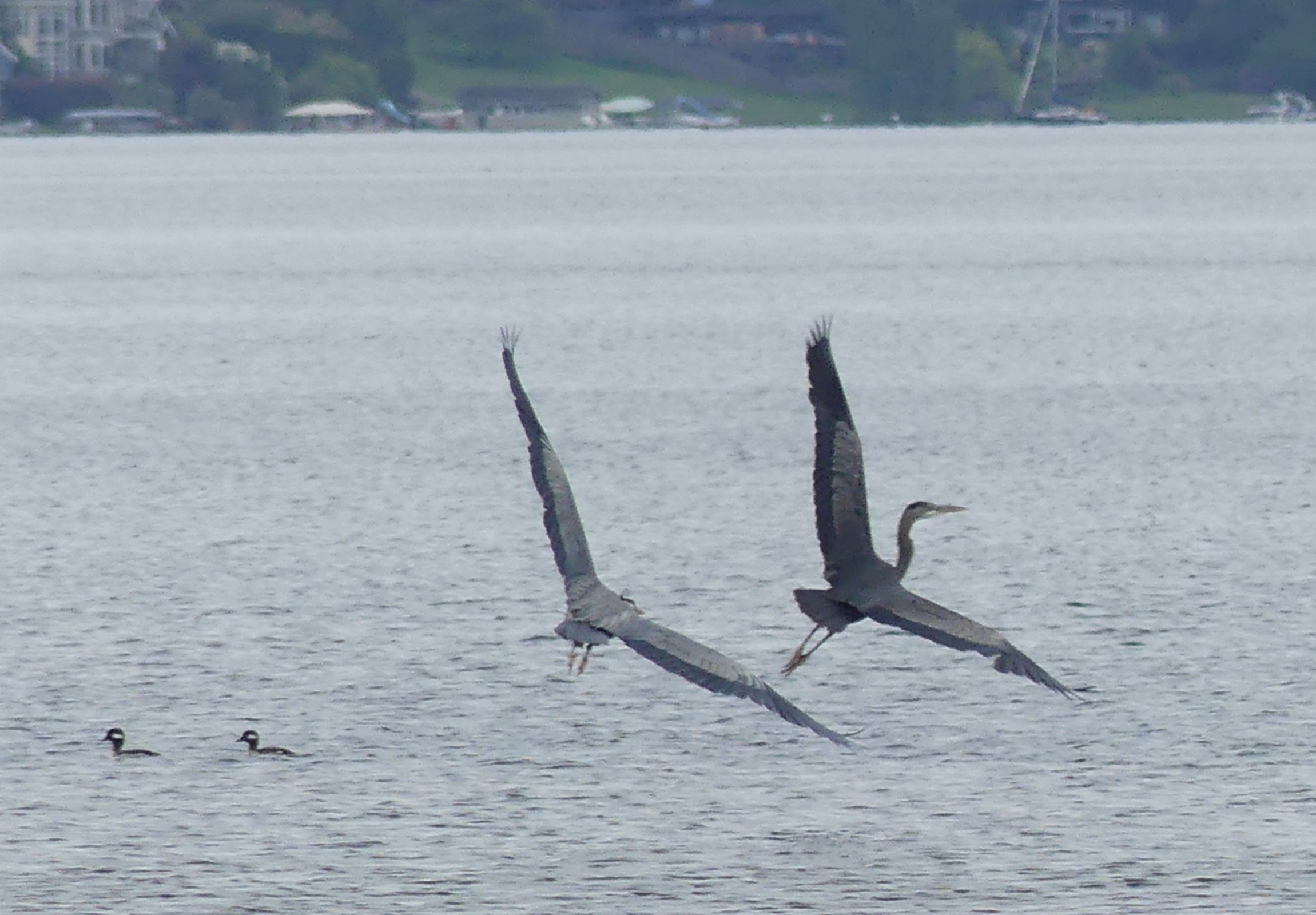
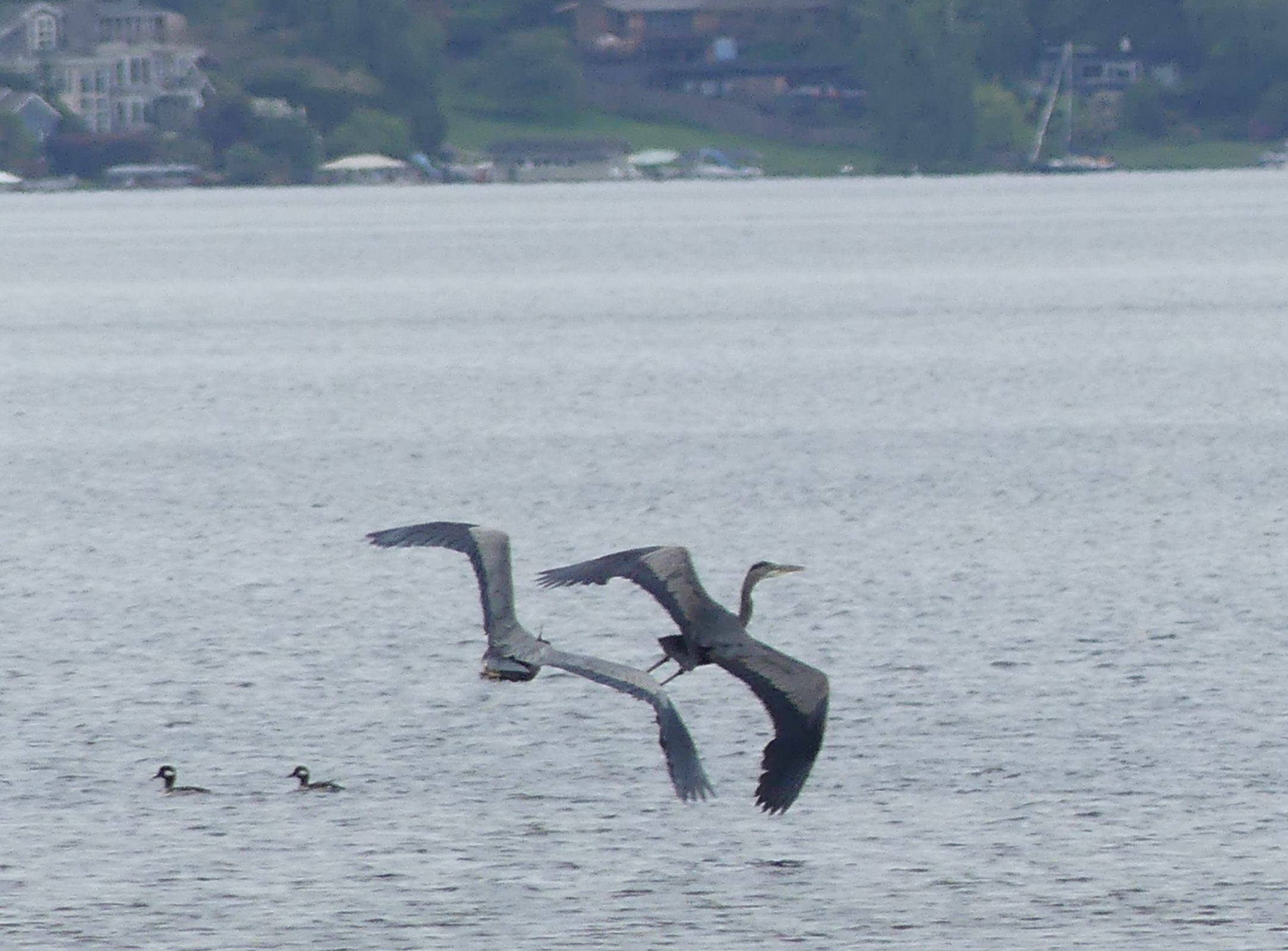
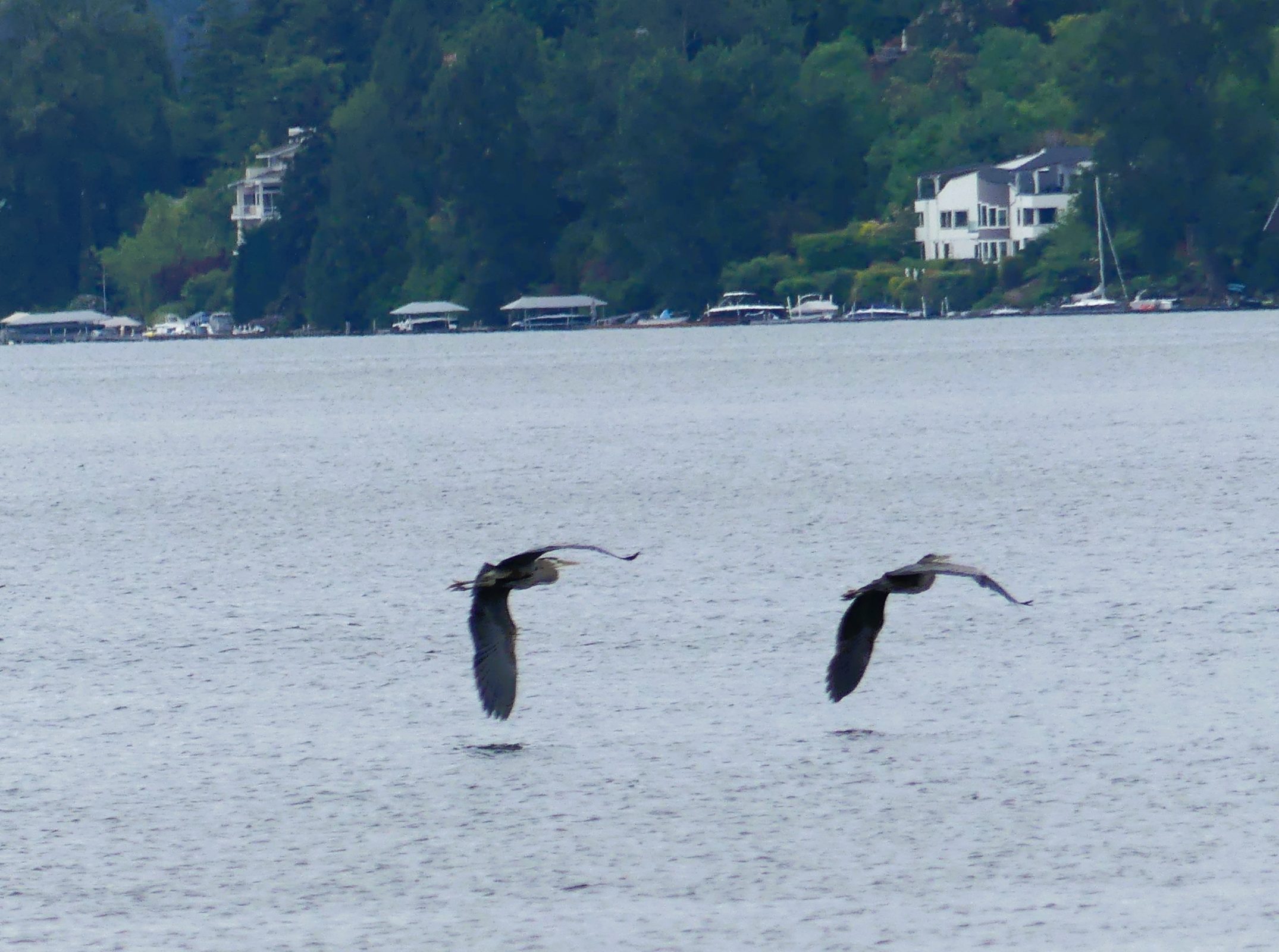
I saw a more friendly form of synchronized flying, by a pair of Great Blue Herons, with perfectly matched wing strokes.
And that will do for Sunday Stills, #Flight
~ Susanne
On the edge, with Benji
“So tell me, Benji. There’s something I need to know.”
“Sure, Sue, what is it?”
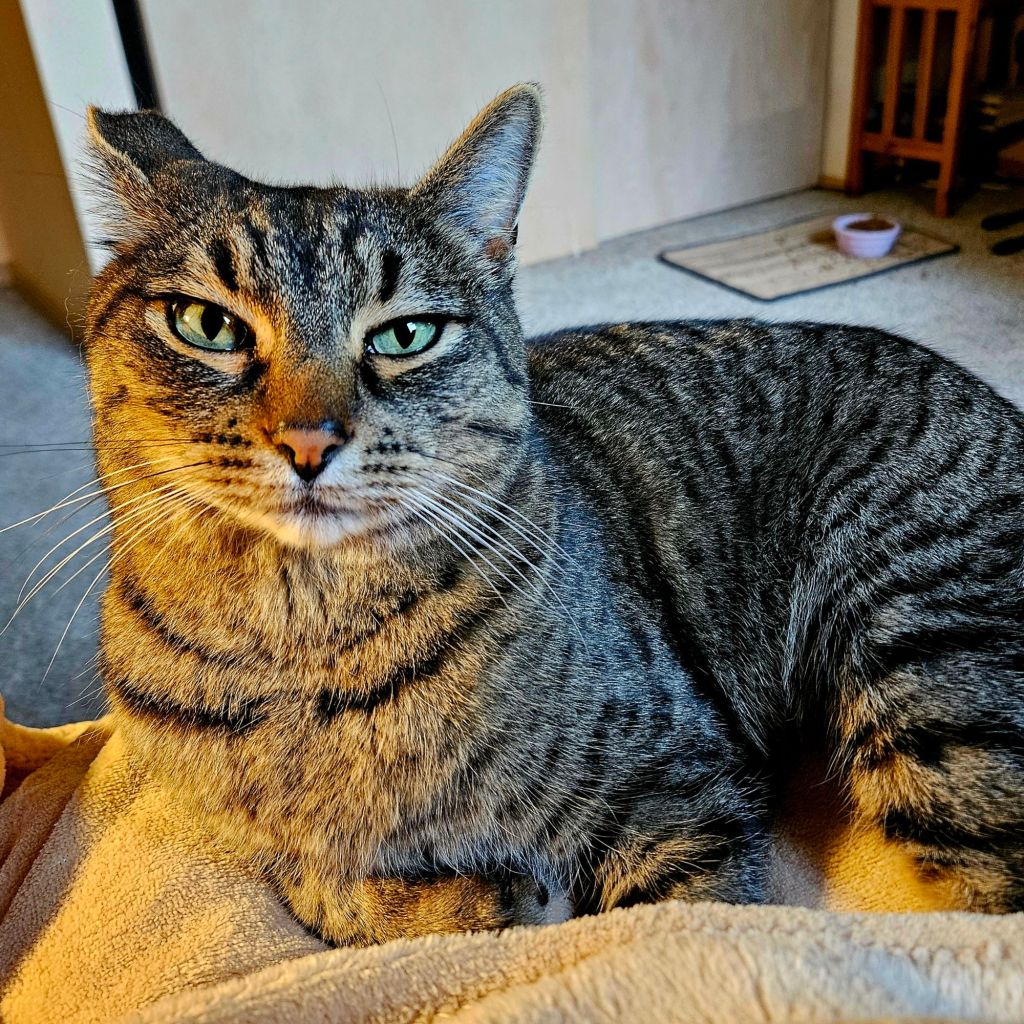
“The way you sleep on the edge. At first I thought you only did it to me but now I see you do the same thing to Bob.”
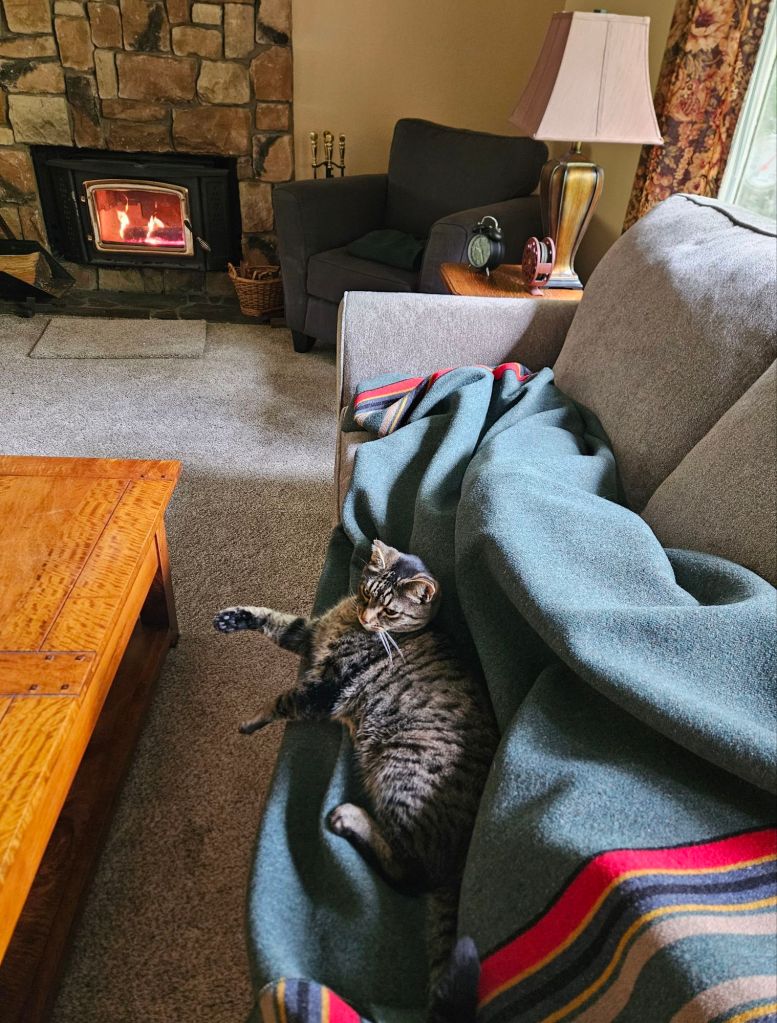
“And your point is… what, Sue?”
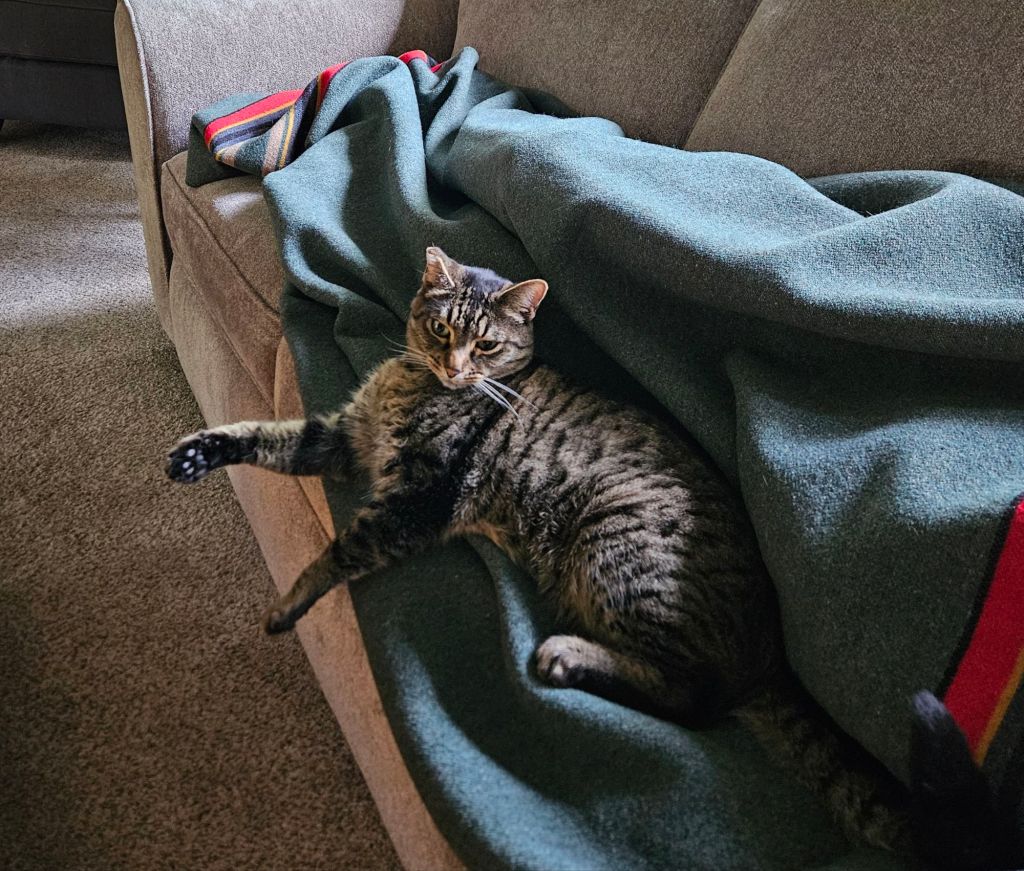
“Why do you do it? Aren’t you afraid of falling?
“We cats are very nimble, Sue. You know that.”
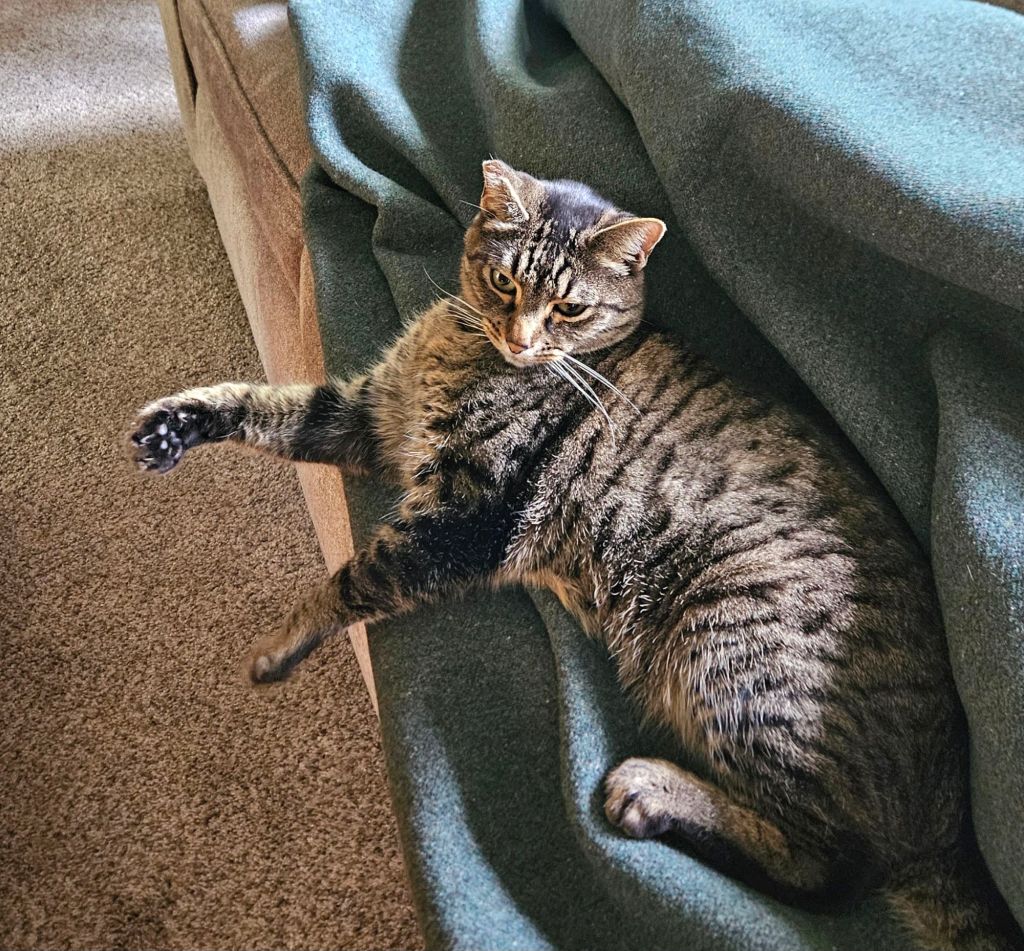
“Well, that’s fine for you, Benji. But on our side, we’re pinned in! We can’t move!”
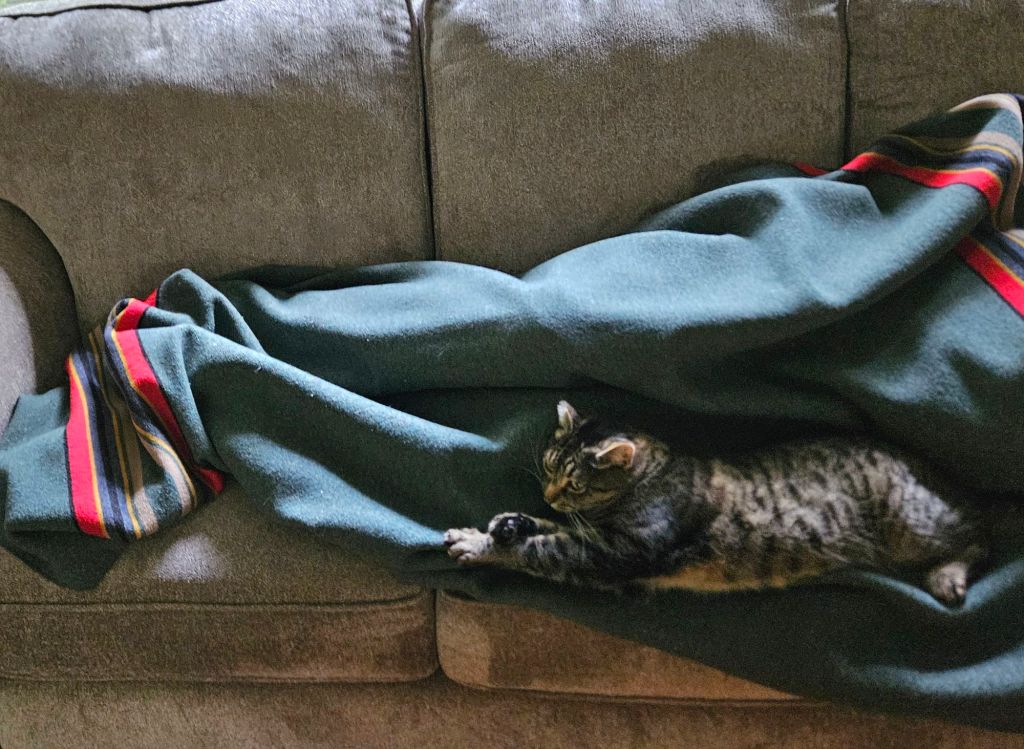
“Then it works” he said.
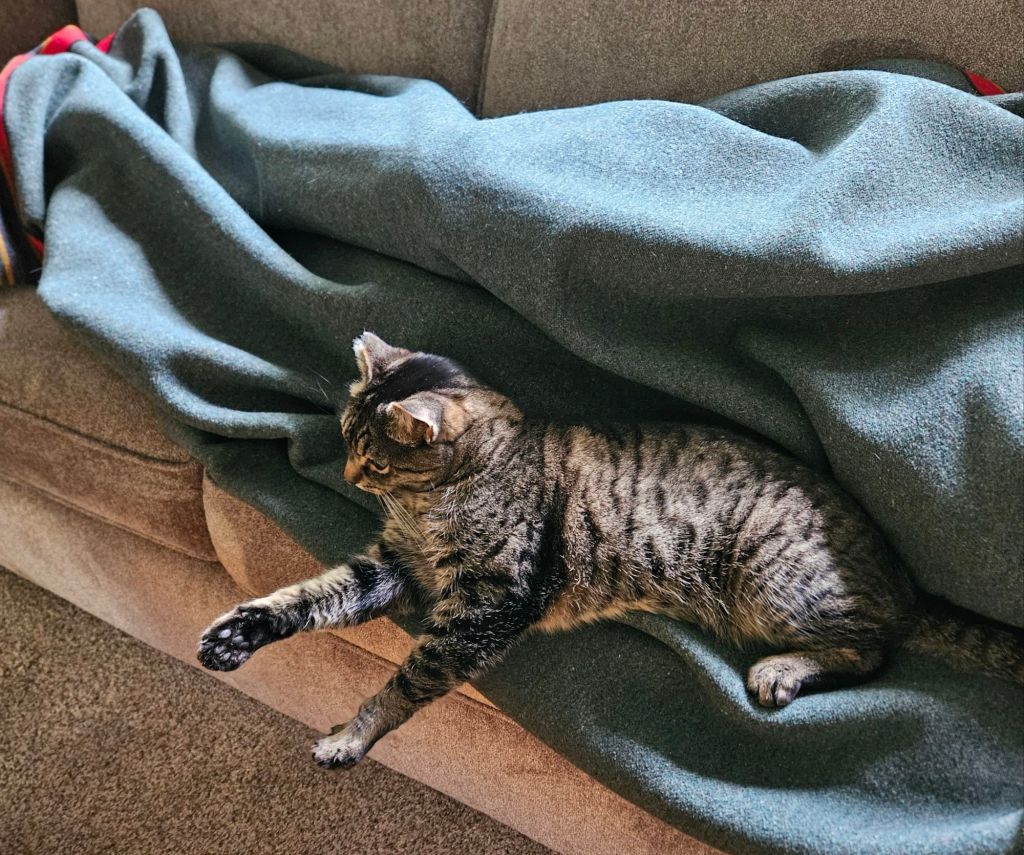
Happy Caturday from Susanne and Benji!
Have you been to the Ballard Locks? Why don’t you play tourist the next time you’re in Seattle!
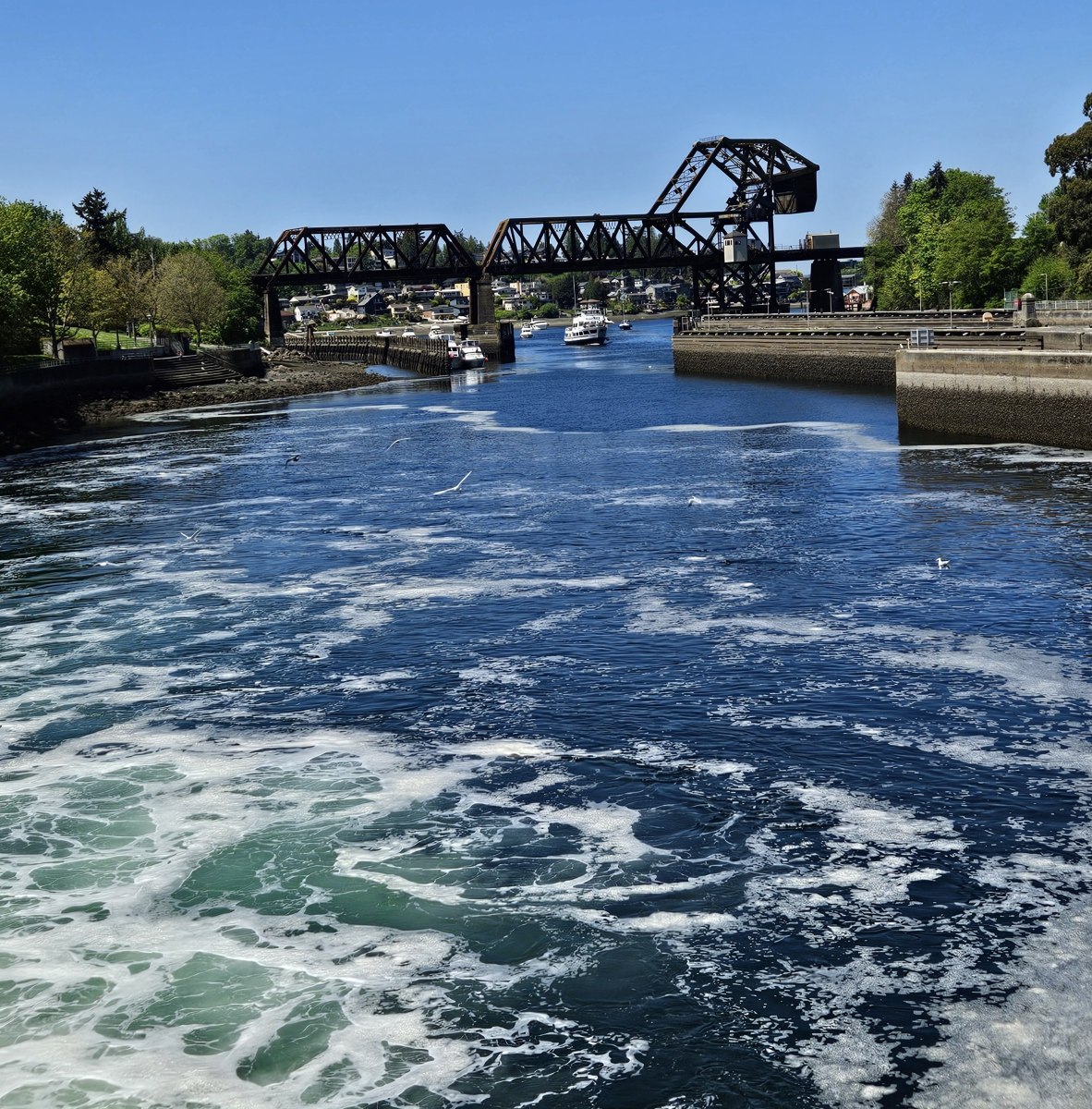
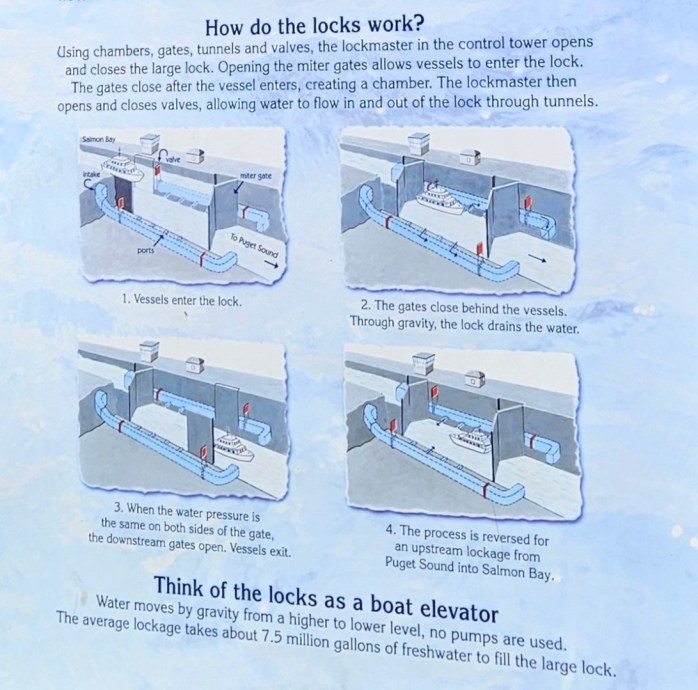
It had been many years since we last visited the locks, so on a recent sunny day, we headed north to the Hiram Chittenden (aka ‘Ballard’) Locks. We stopped by the Visitor Center, then watched the boats go through from Puget Sound to the Ship Canal.

You can think of the Locks as a Boat Elevator. They can elevate a large vessel 26 feet from the level of Puget Sound to the level of Salmon Bay in 10-15 minutes.
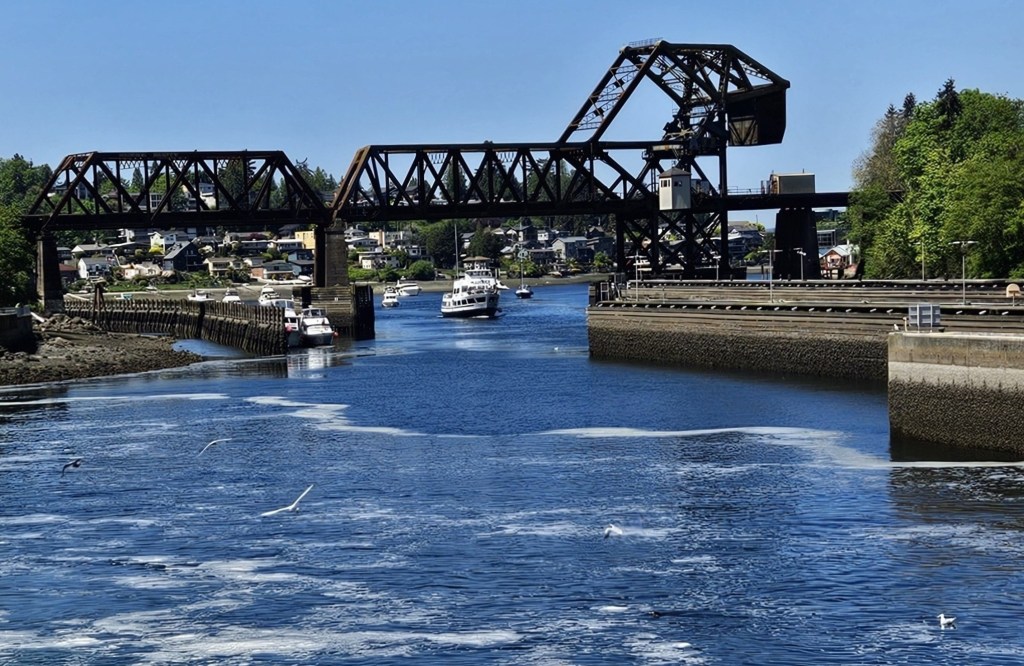
We watched an Argosy tour boat approach and enter.
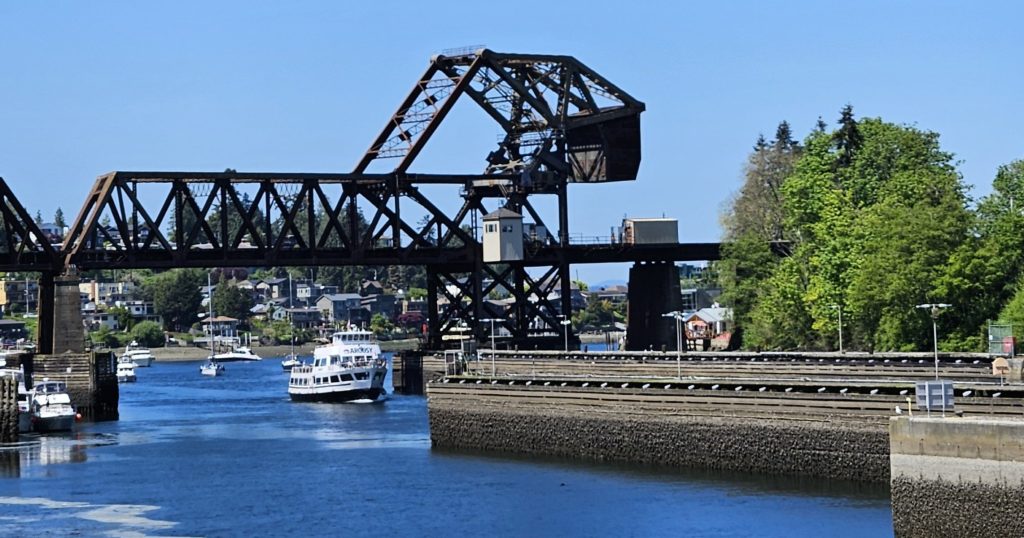
You can watch too!

After the water level was raised to match the lake, the ship went on its way. Doesn’t that look like fun? An Argosy tour is now on our list!

“Construction of the Lake Washington Ship Canal and Hiram M. Chittenden Locks was completed in 1917 by the U.S. Army Corps of Engineers. Connecting the waters of Lake Washington, Lake Union, and Salmon Bay to the tidal waters of Puget Sound, the canal and locks allow recreational and commercial vessels to travel to the docks and warehouses of Seattle’s busy freshwater harbor.
The complex of locks sits in the middle of Salmon Bay and are part of Seattle’s Lake Washington Ship Canal. They are known locally as the Ballard Locks after the neighborhood to their north.
The locks and associated facilities serve three purposes:
US Army Corps of Engineers
- To move boats from the water level of the lakes to the water level of Puget Sound, and vice versa.
- To maintain the water level of the freshwater Lake Washington and Lake Union at 20 to 22 feet above sea level.
- To prevent the mixing of sea water from Puget Sound with the fresh water of the lakes (saltwater intrusion)”.
I got a great perspective from above on a flight home to Seattle. This is the view toward the east, with the Cascade Mountains in the background and Lake Washington in front. Lake Union and the Ship Canal is in the center, and the Locks are near the bottom of the photo, near the outlet to Puget Sound.
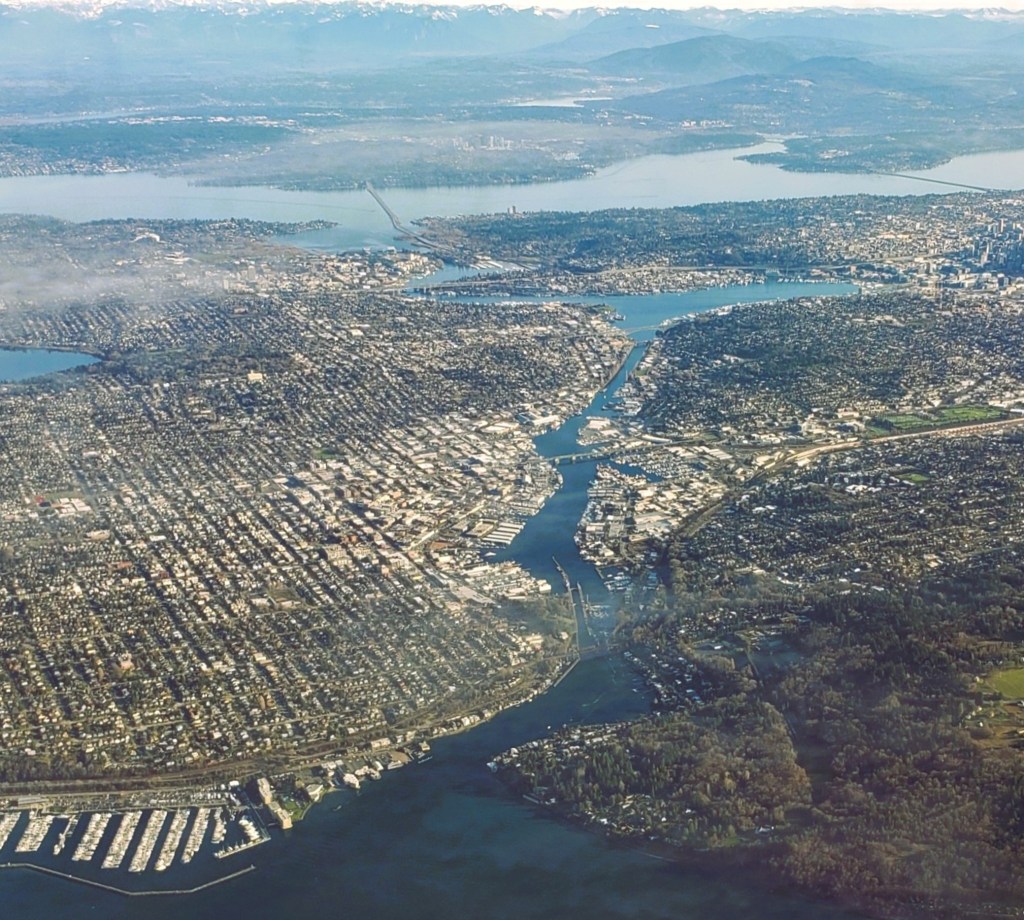
By the way, these are the busiest locks in the country, as well as a top tourist destination in Seattle. There’s also a fish ladder that’s fun to visit in the fall when the salmon running, one of the few in the world where saltwater meets freshwater.
After watching the ships sail through we went to Shilshole Bay for lunch,


and had this view of the Olympic Mountains.

It was a perfect day to play tourist in Seattle.
~ Susanne
Who gets the window seat?
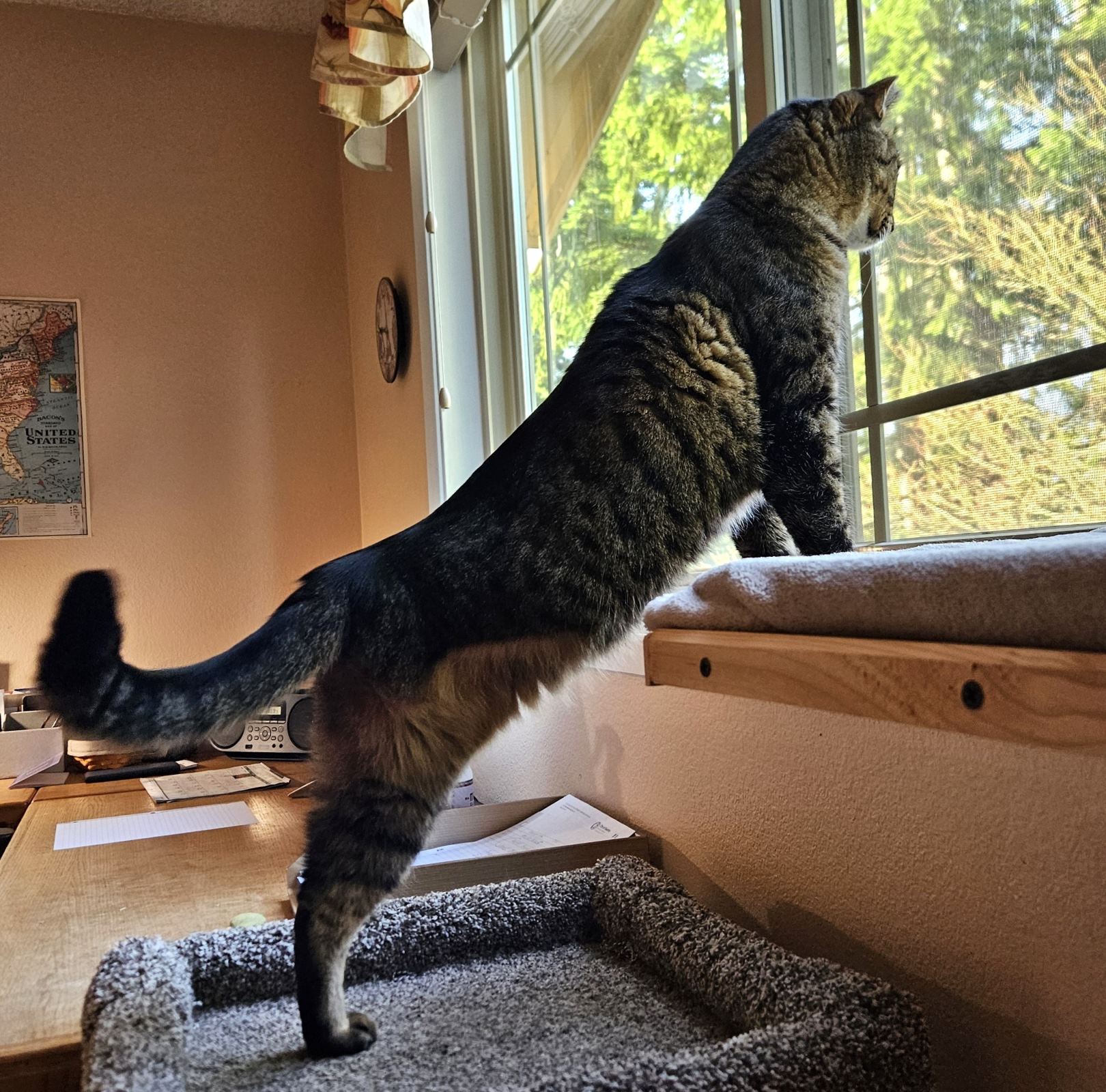
We take turns when flying. Since I’m the travel agent, I get the window going, Bob gets it on the return flight.
But here at home, there’s no denying it.

Benji owns the window seat.
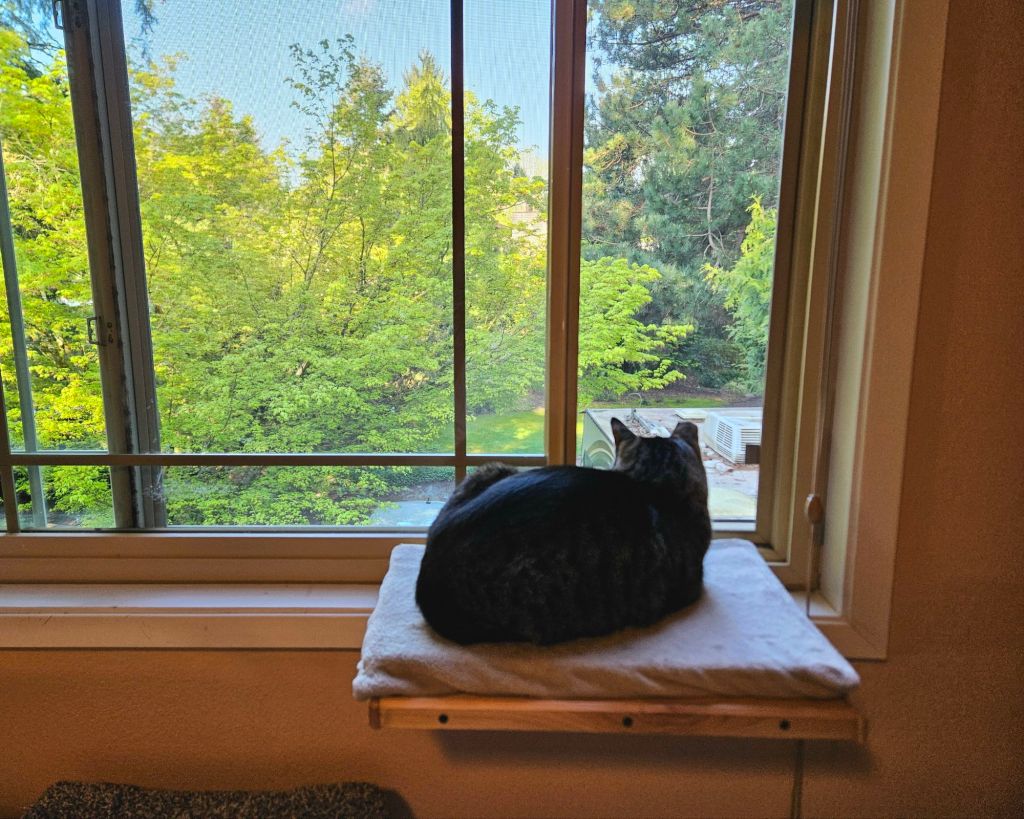
Tiger is content below.
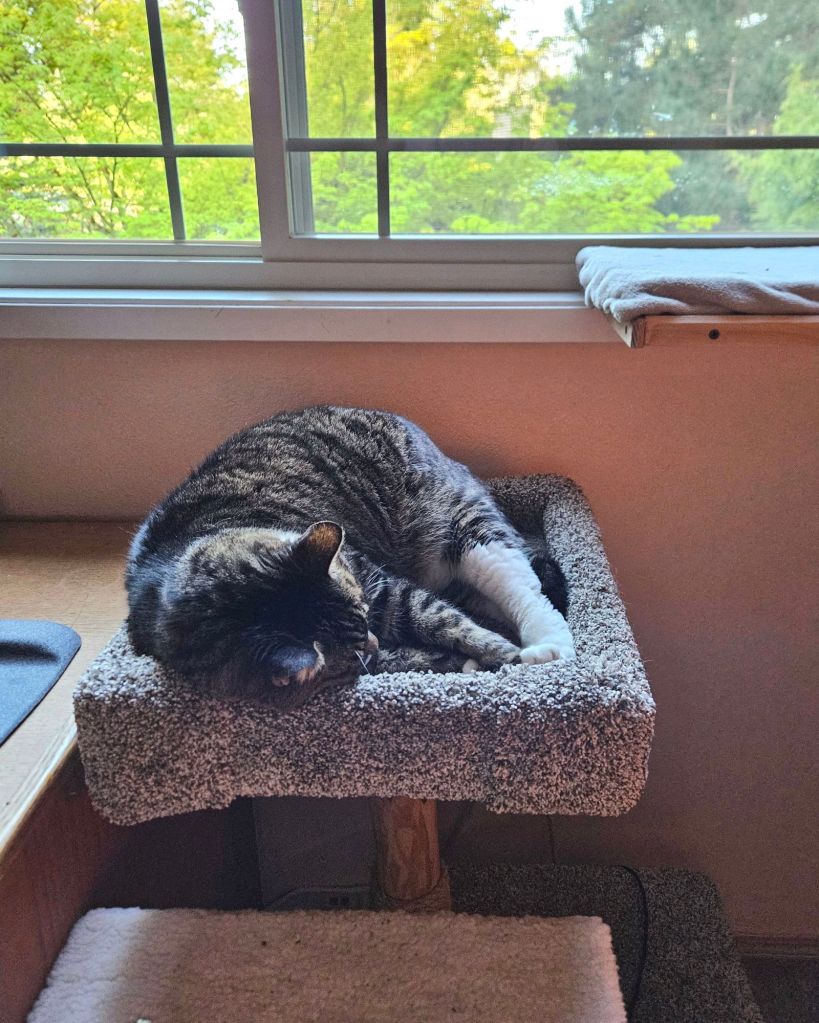
Happy Caturday from the boys!
~ Susanne
That’s why they Call it the Green
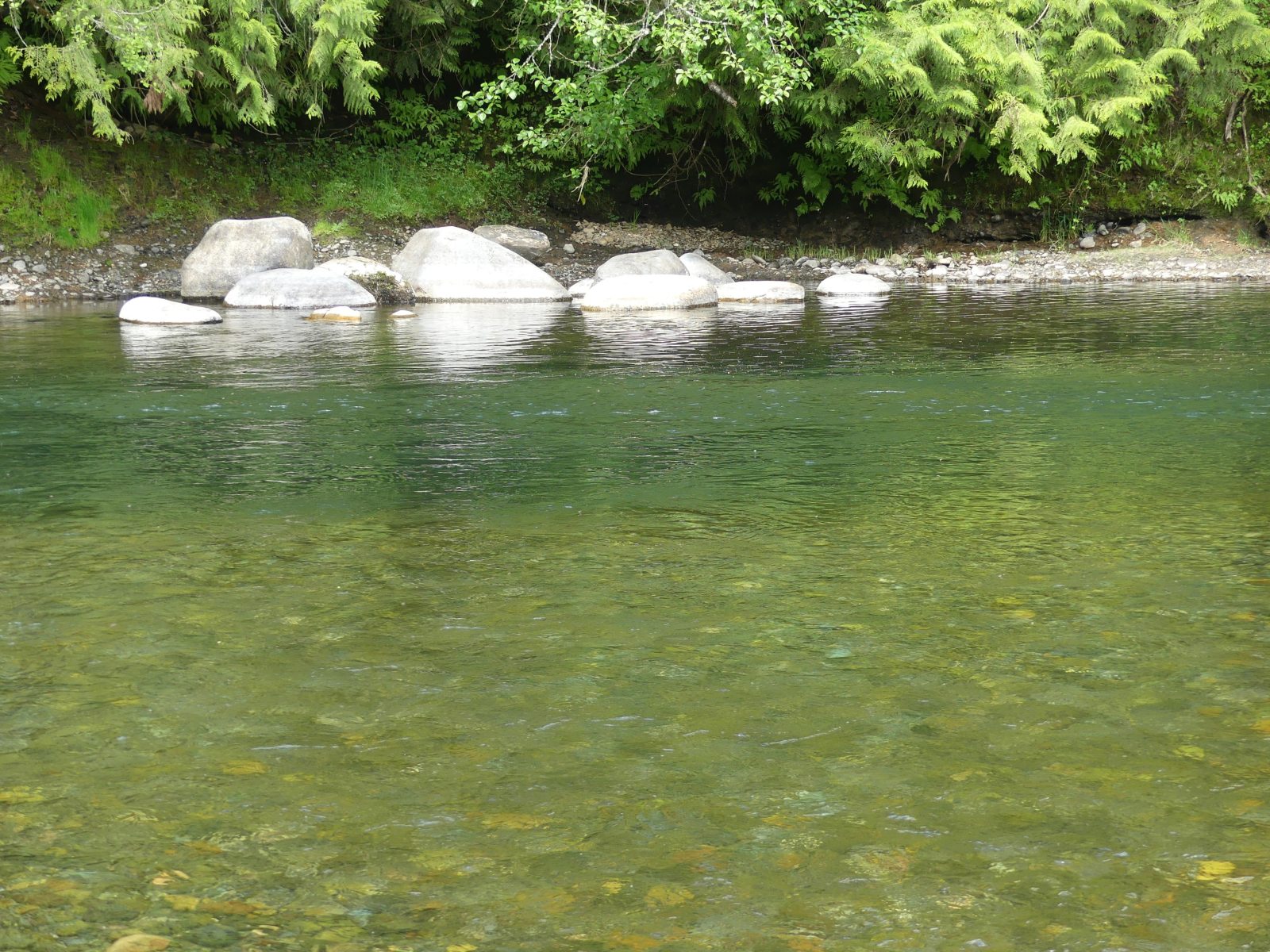
The Green River that is. Originating in Washington’s Cascade Mountains it flows through the small towns of Auburn and Kent before joining the Duwamish and emptying into Puget Sound. It can be accessed from many places along its 65-mile course, but we visited the river recently in Flaming Geyser State Park in Auburn. (Don’t be fooled by the name. The geyser has long since run out of gas.)
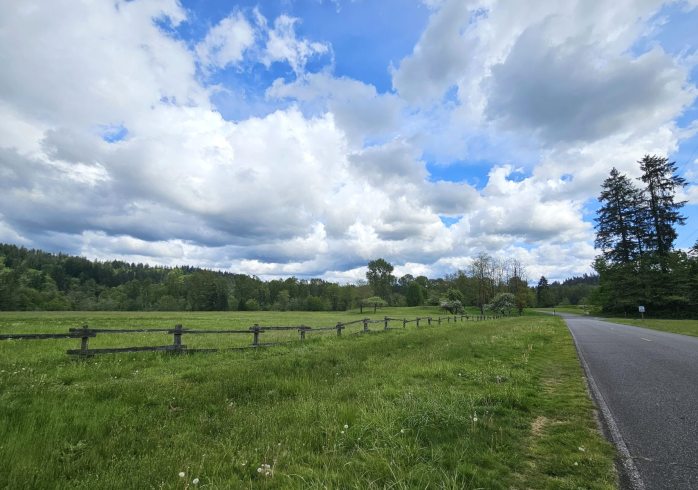
We crossed the bridge over the river into the park and were met with gorgeous meadows and happy birds.


We wondered which trail to walk, and my husband offered to show me his favorite place on the river to fish, which I will now share with you.
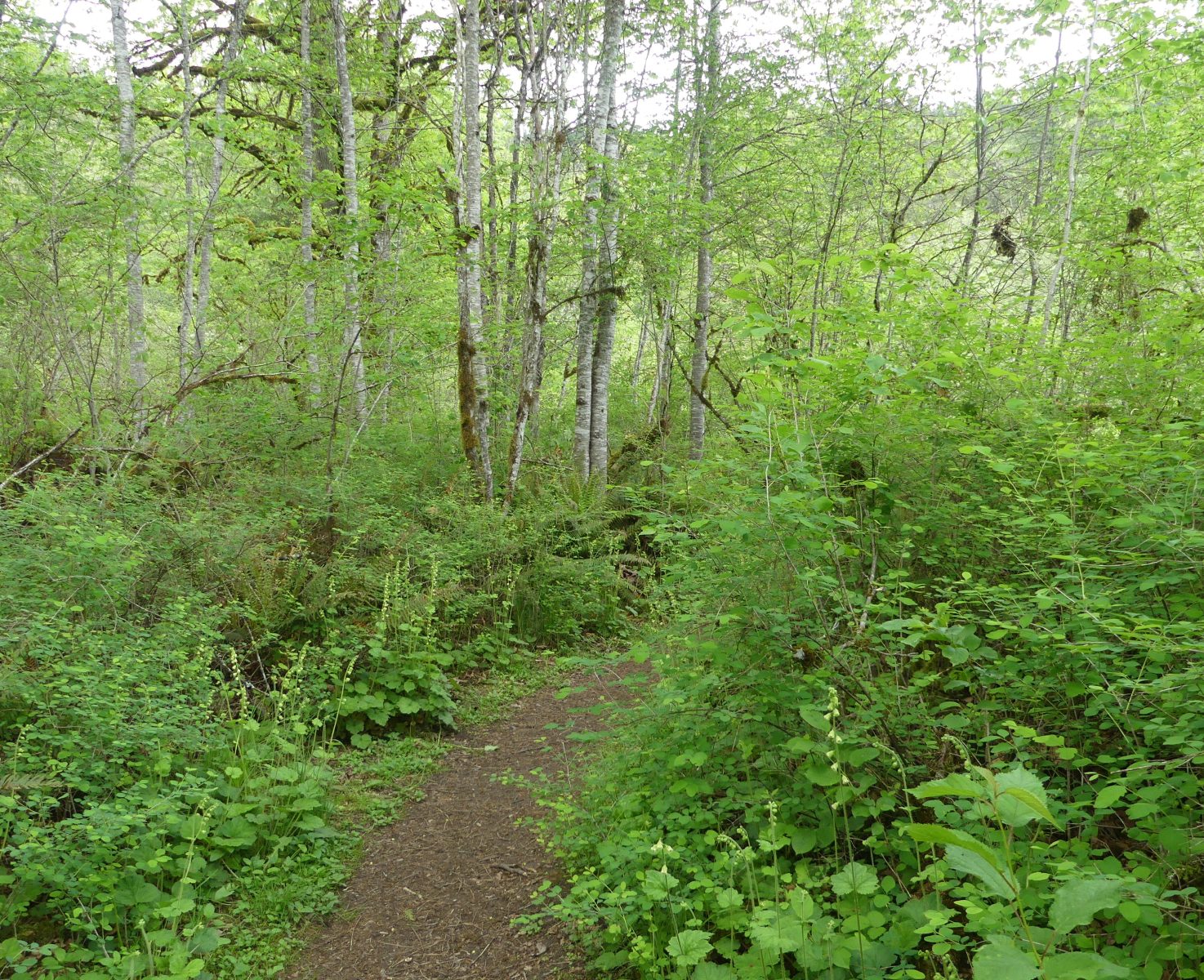
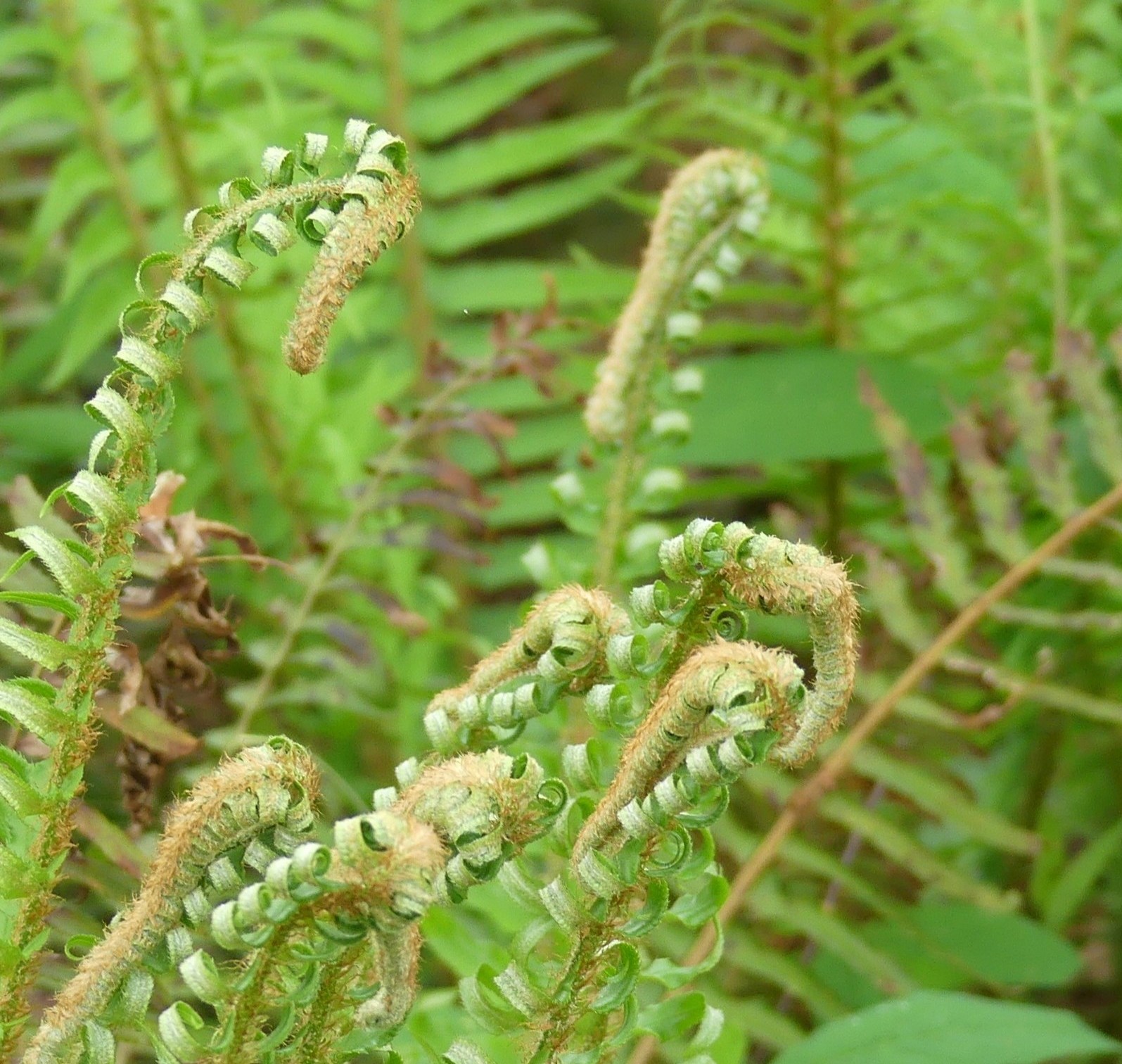
We took a short trail through the woods, rich in spring color, till we saw the clearing up ahead

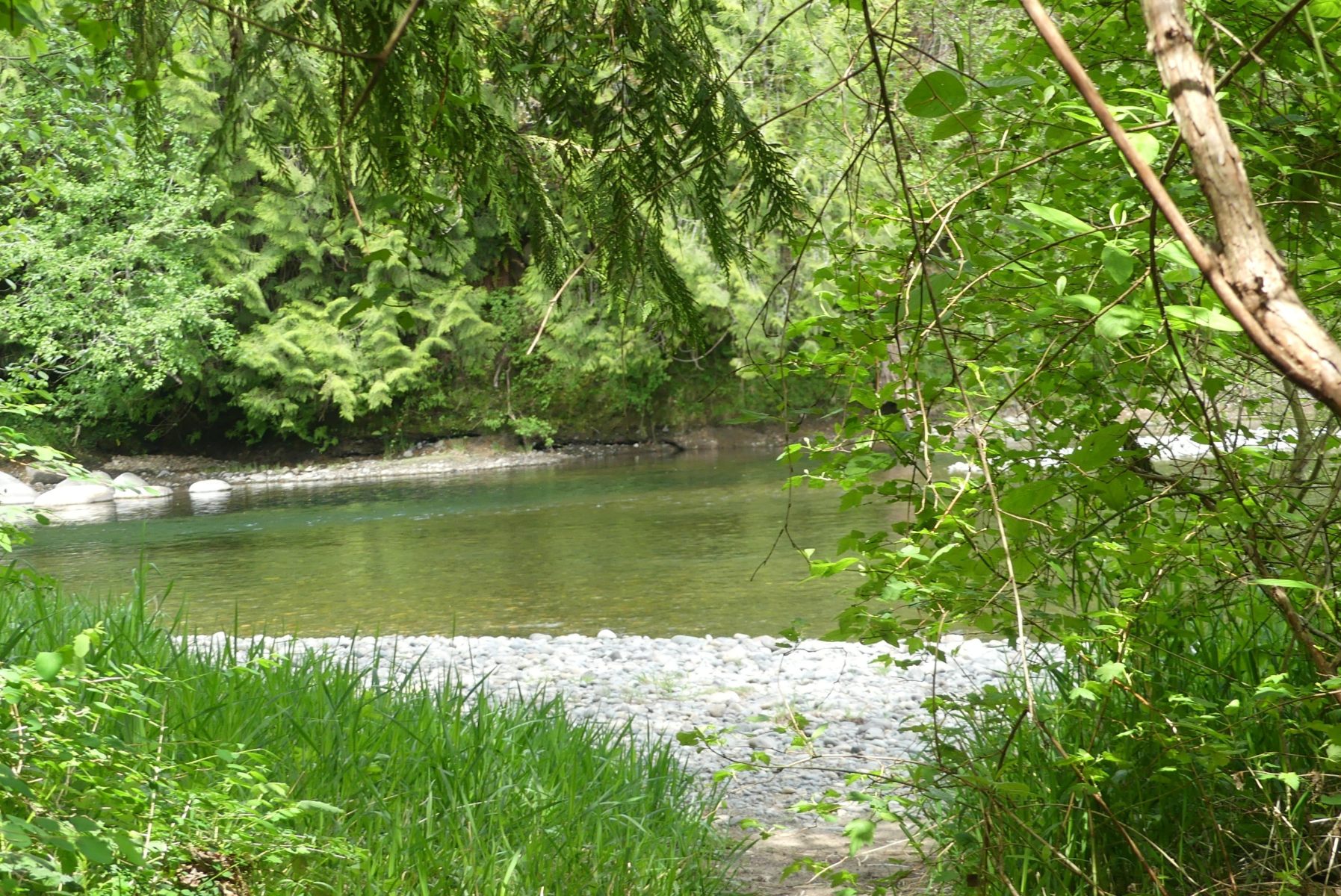
and arrived at the most peaceful stretch of the river, and it was GREEN, indeed!
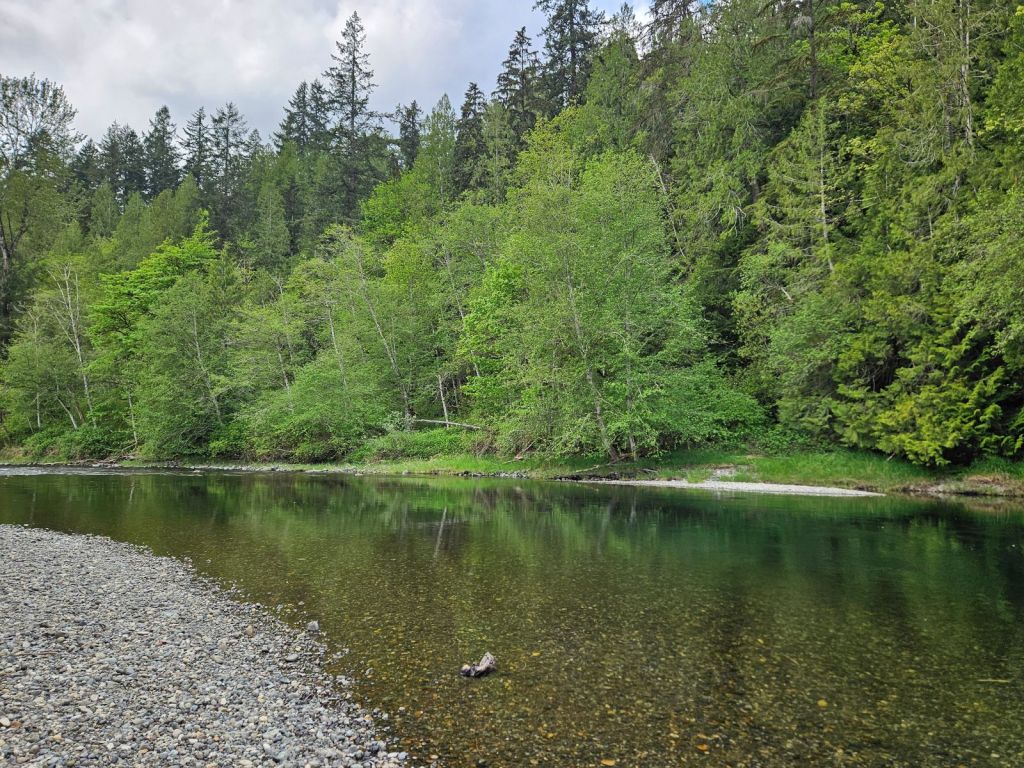

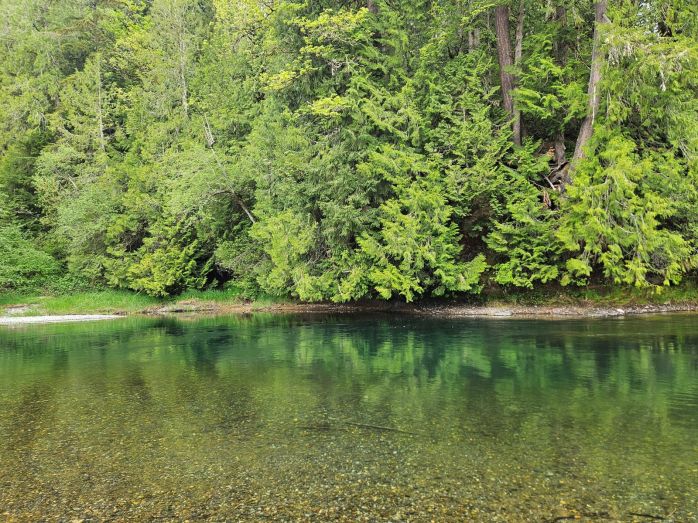
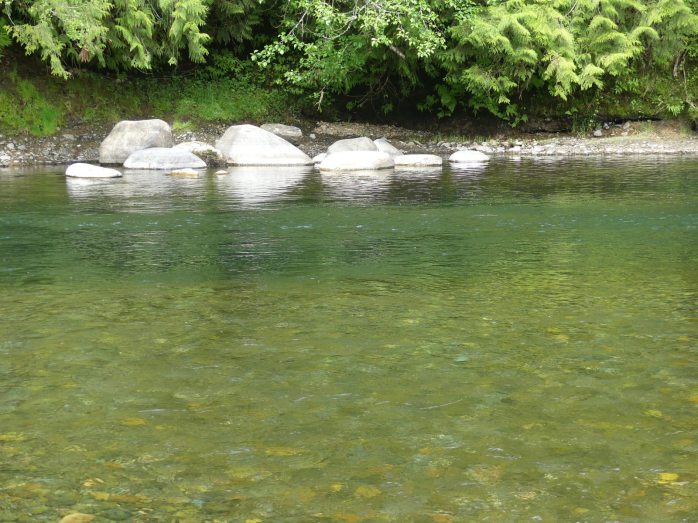
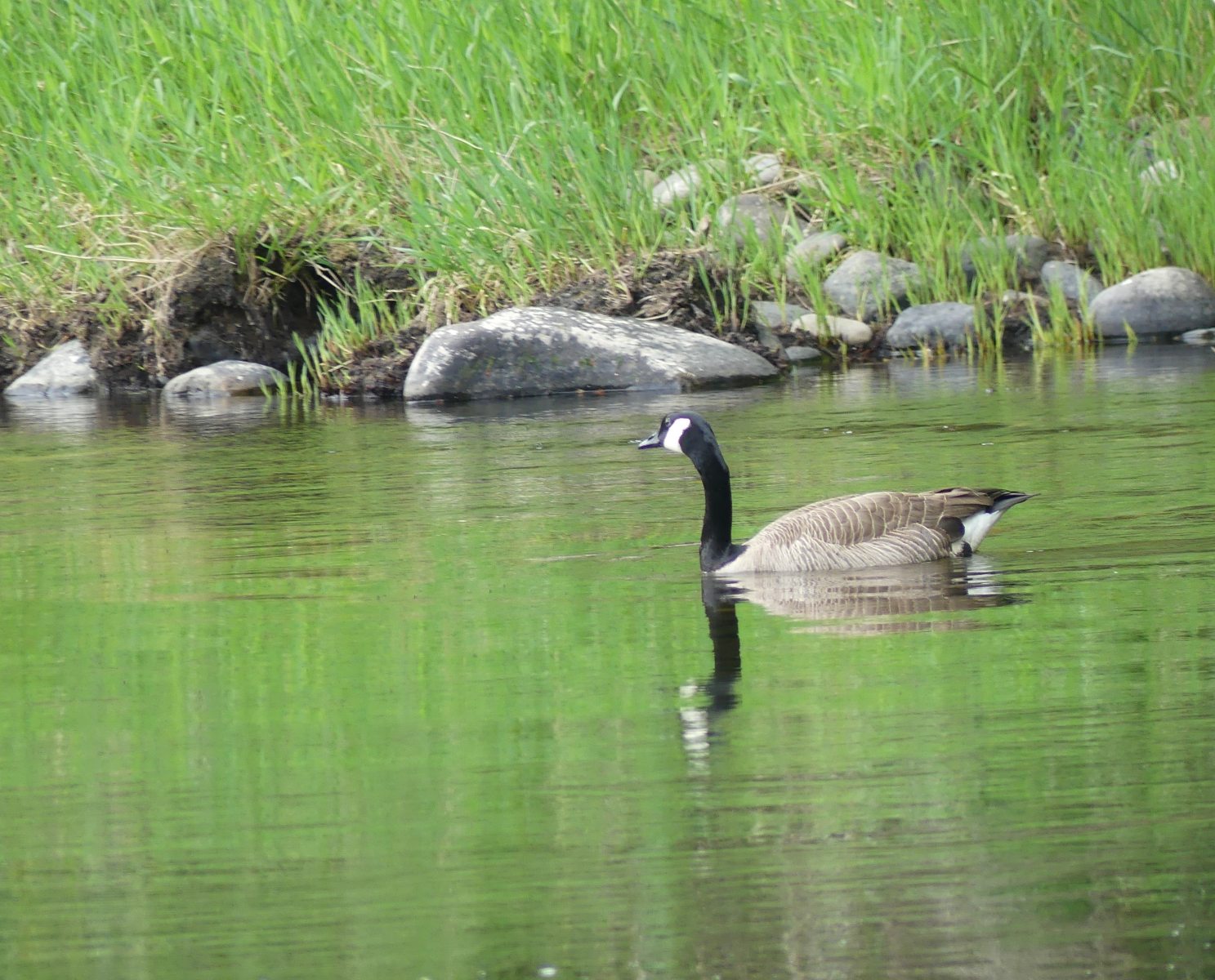
It was ours alone to enjoy, save for the geese who also appreciated the solitude.
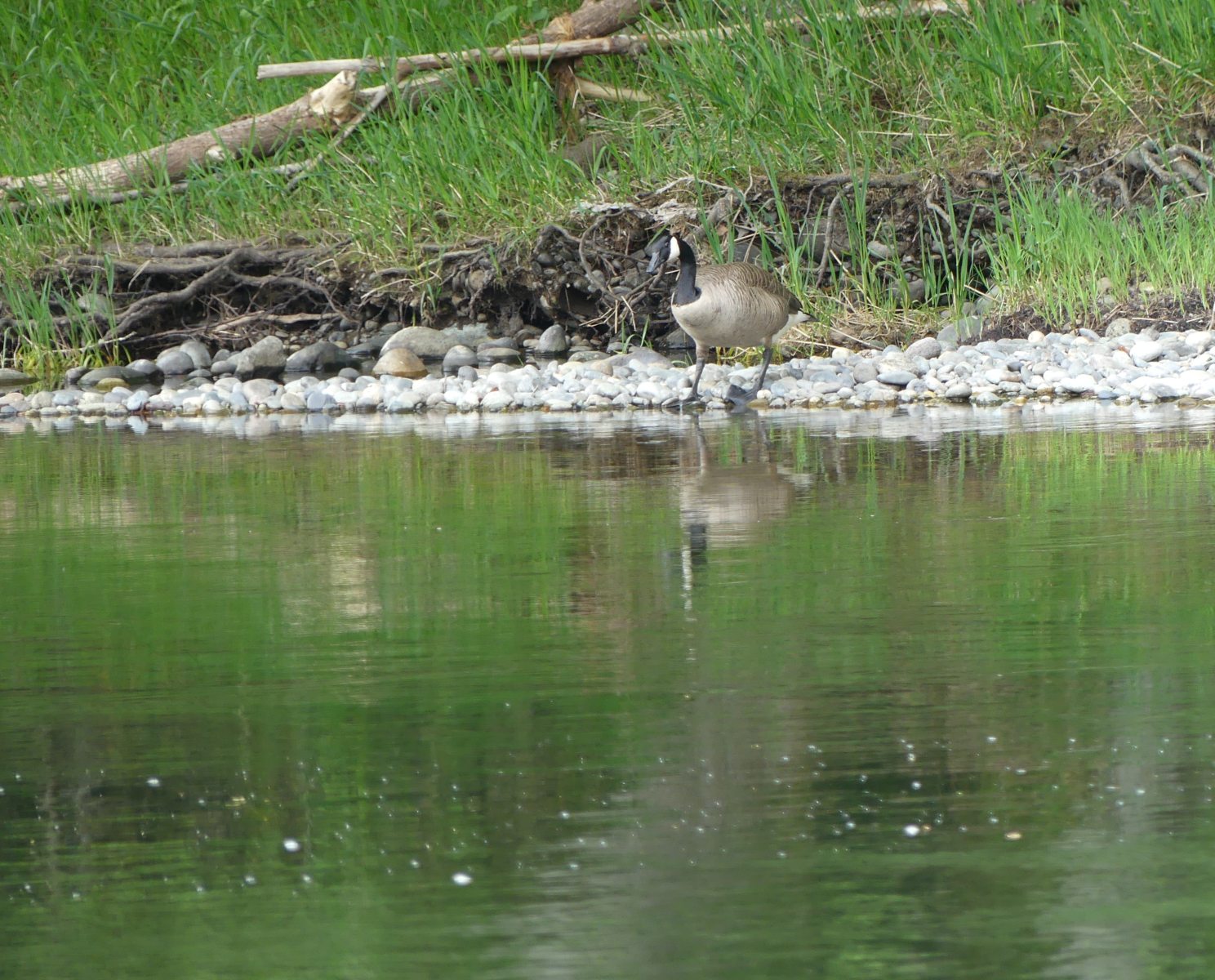
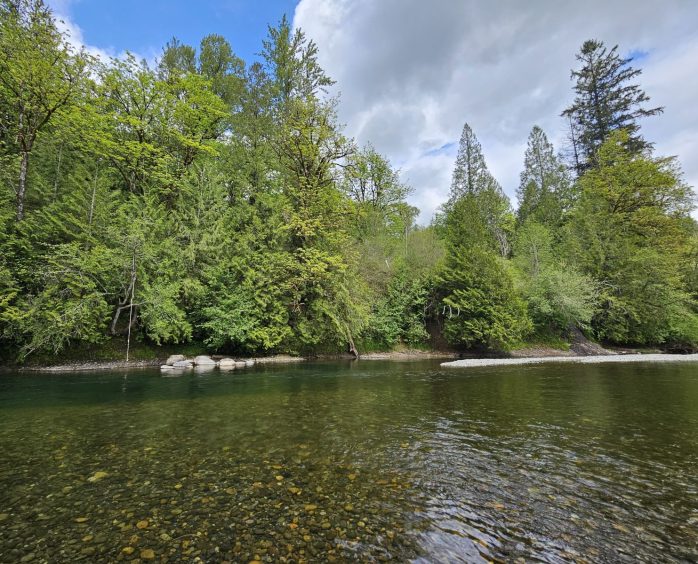
A rope swing on the other side tells another story in the summer, when the young dare each other to make a splash, most likely with plenty of hooting and hollering. Wouldn’t that be fun??
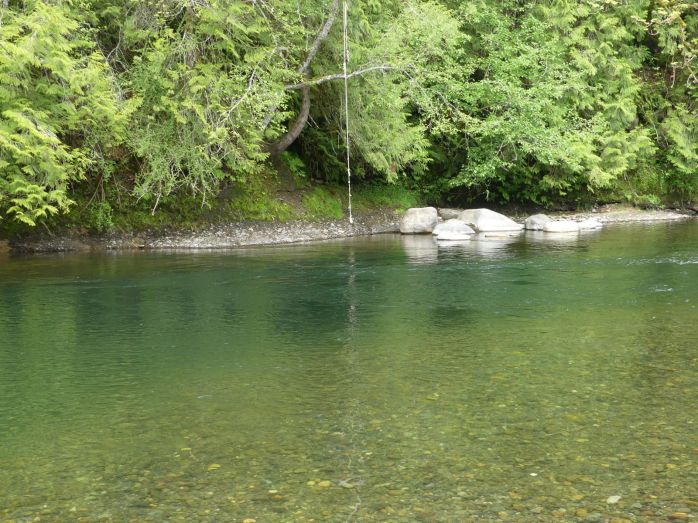
But Bob does his fishing in the fall, when it’s cool and quiet and the salmon are running. He does it for the sport and it’s catch and release. I’ll come along to watch.

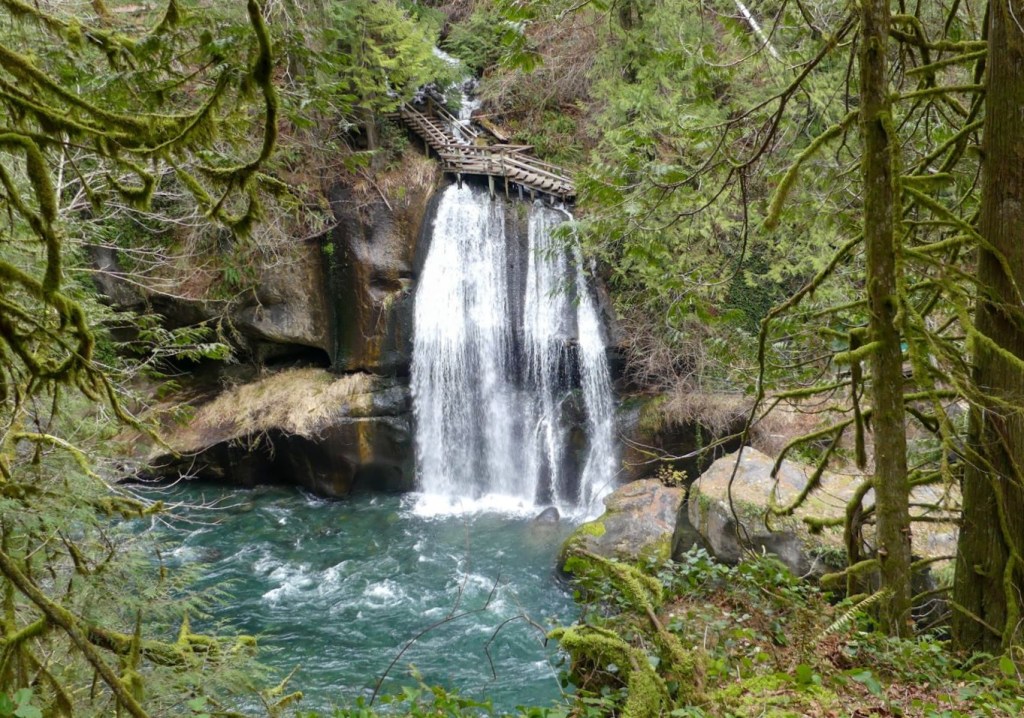
I’ve shared other spots along the river before, including the dramatic Green River Gorge, a wild and glorious place of high cliffs and waterfalls.

We took the rickety stairs into the Gorge a few years ago, and I shared about it here, if you missed it.
And that’s enough of the Green for today. If you’re ever in the area, be sure and check it out, at Flaming Geyser or Kanaskat-Palmer State Parks or at the Green River Gorge.
~ Susanne
Sleeping with Abandon

#Wordless Wednesday
~ Susanne
A Festival of Lilacs
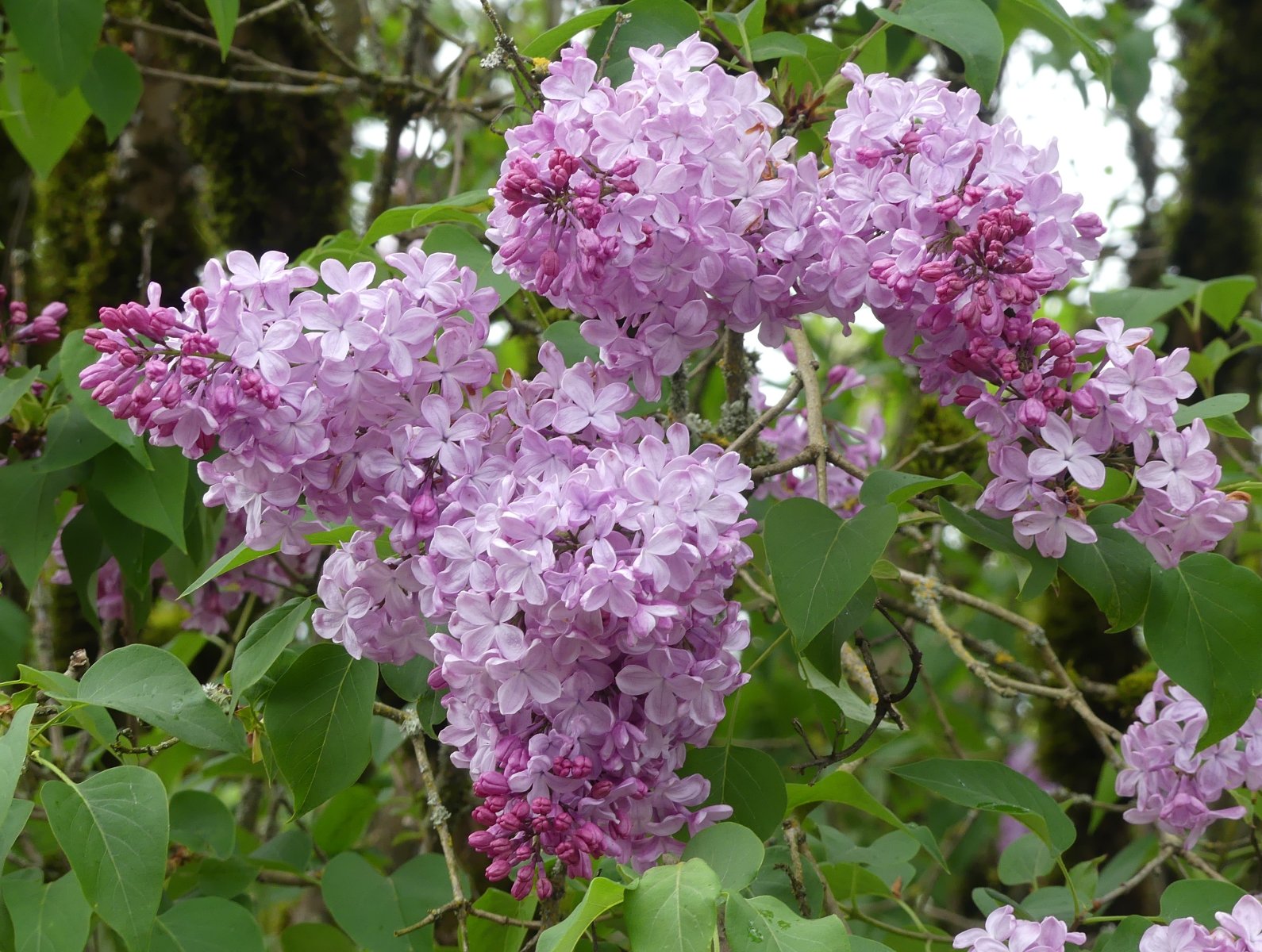
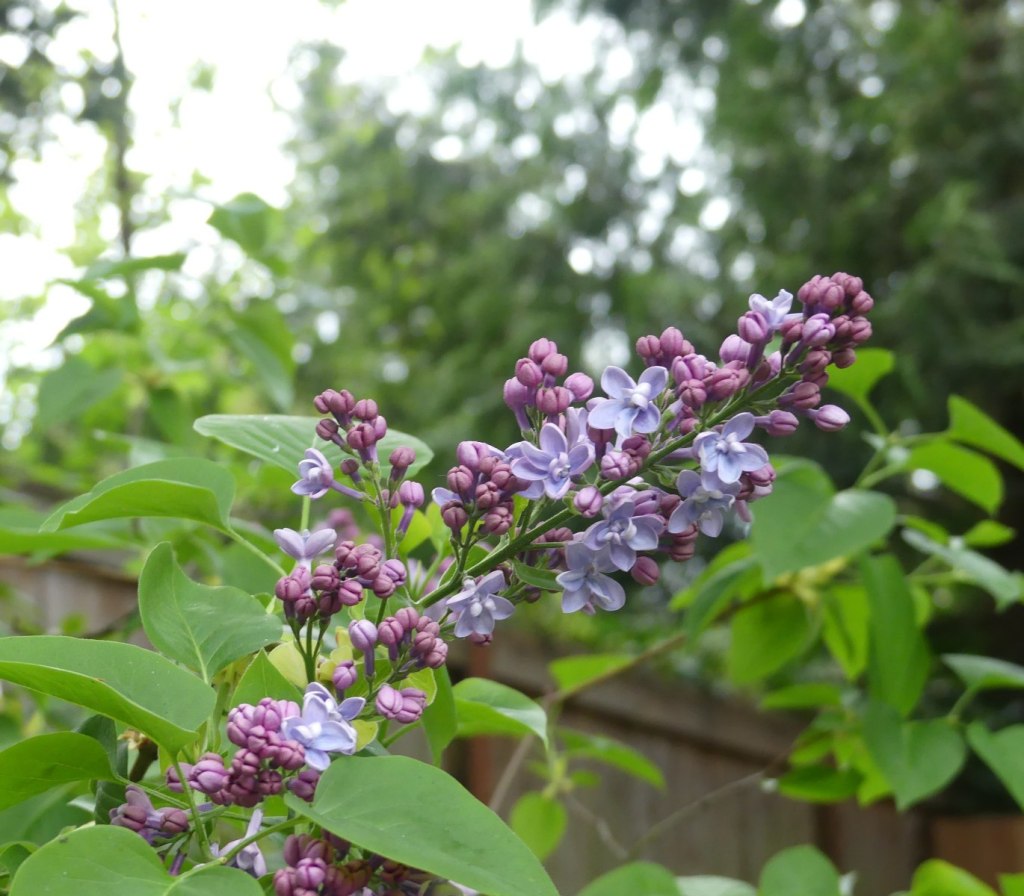
We didn’t make it to the Tulip Festival this year, but we did make it to a Lilac Festival, much smaller and much more fragrant. It was the last stop on our road trip, after we crossed the Columbia River into our home state of Washington.
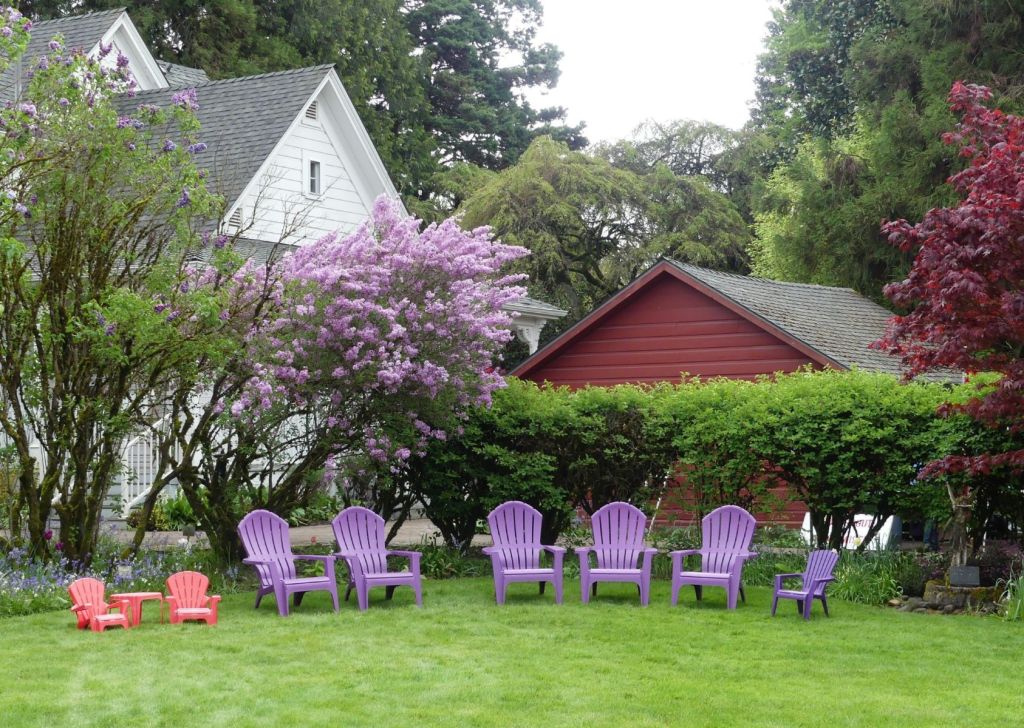
“The Hulda Klager Lilac Gardens is a restoration project to honor the work of famed lilac developer Hulda Klager. It contains an 1800s house and surrounding buildings and Gardens. It is a National Historic Site. In 2023 the museum/barn opened with many new exhibits. Annually, Lilac Days celebrates the site, Hulda’s work and raises funds to maintain the site.”
It was early in the season, so the many varieties of lilacs in pink, purple, and lavender pastels, were in various states of bloom.
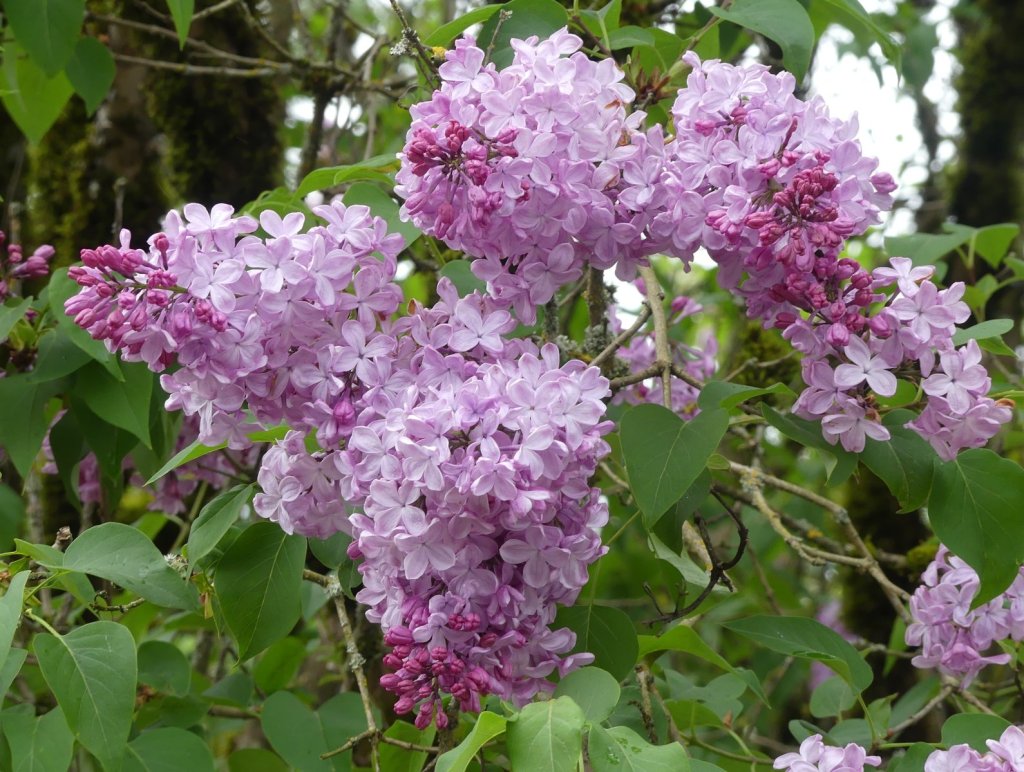

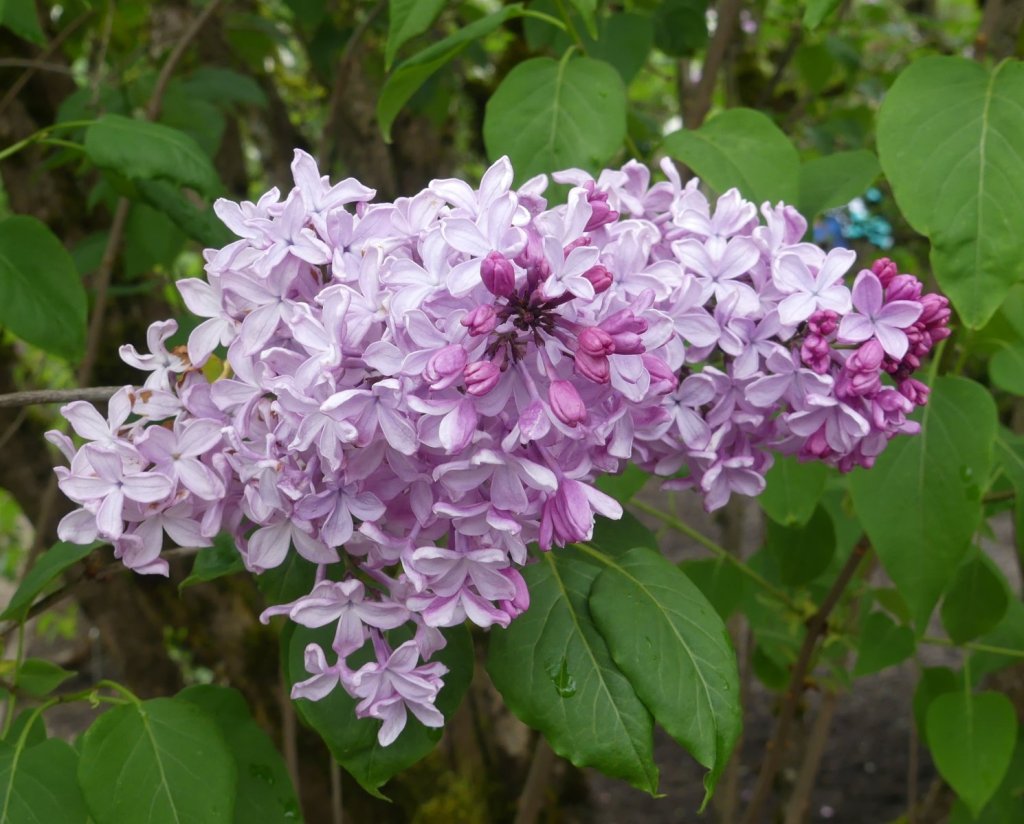
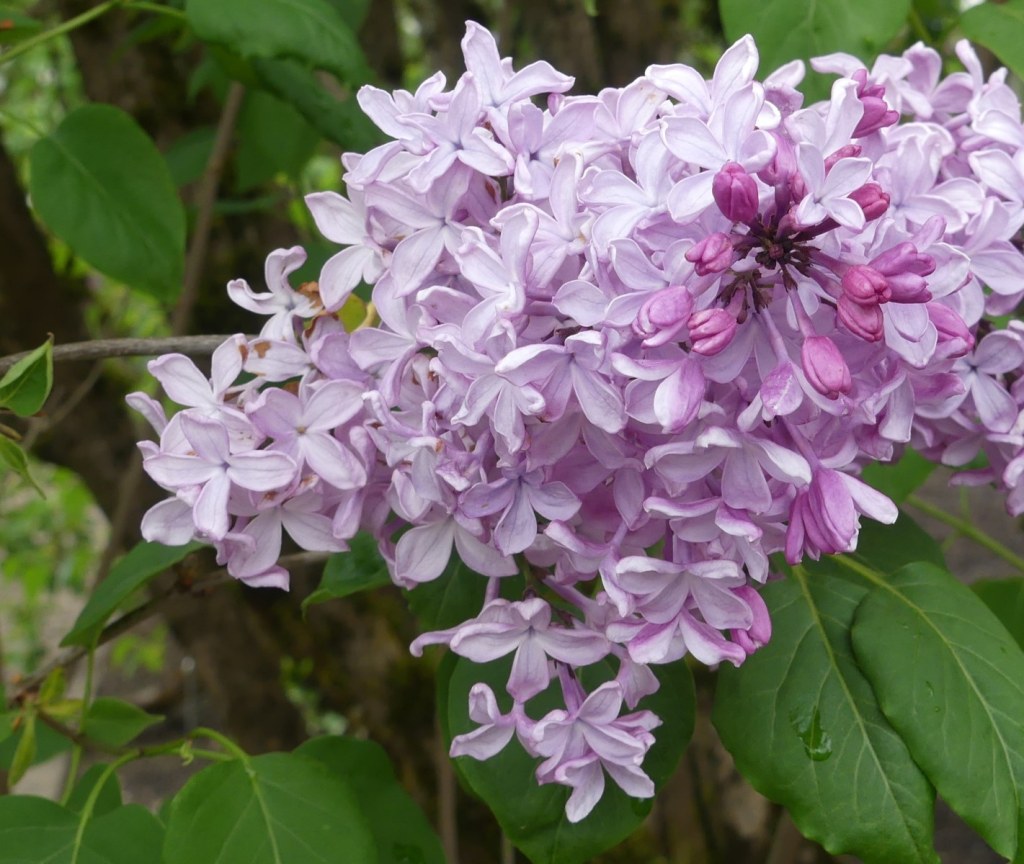
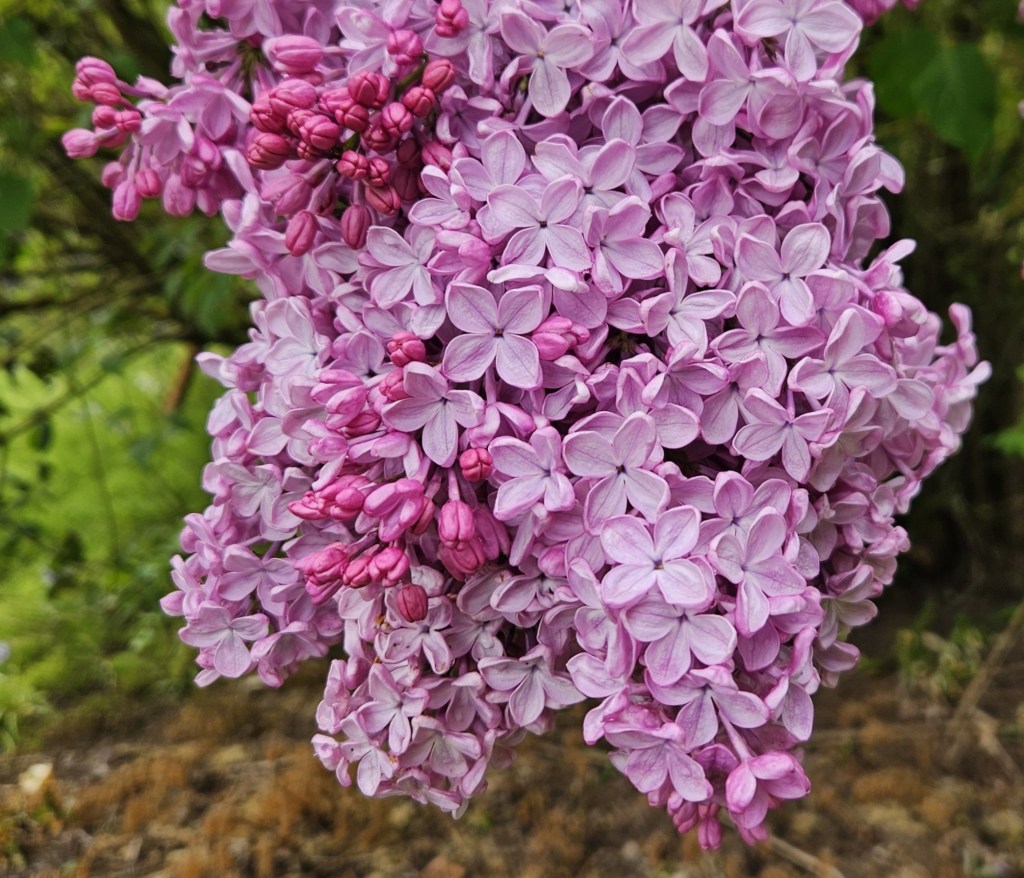
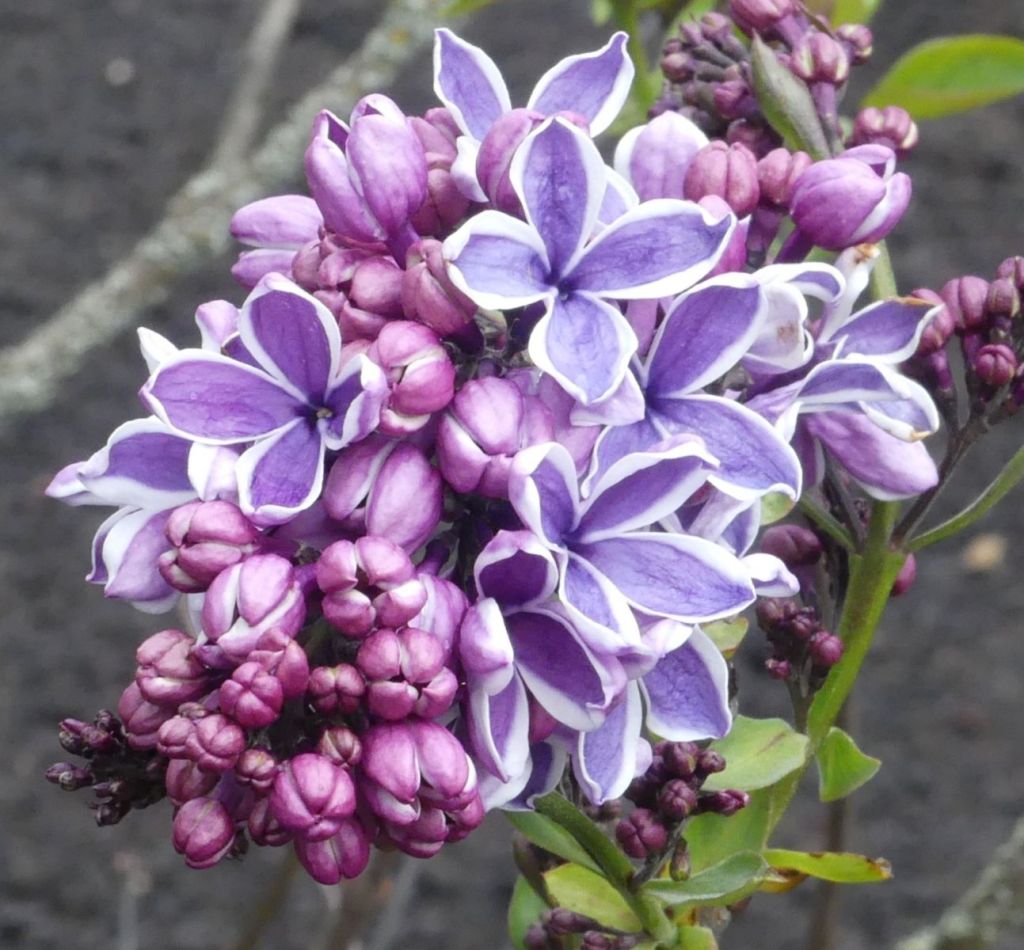

Some were deeper shades of purple and magenta, some developed by Hulda herself.
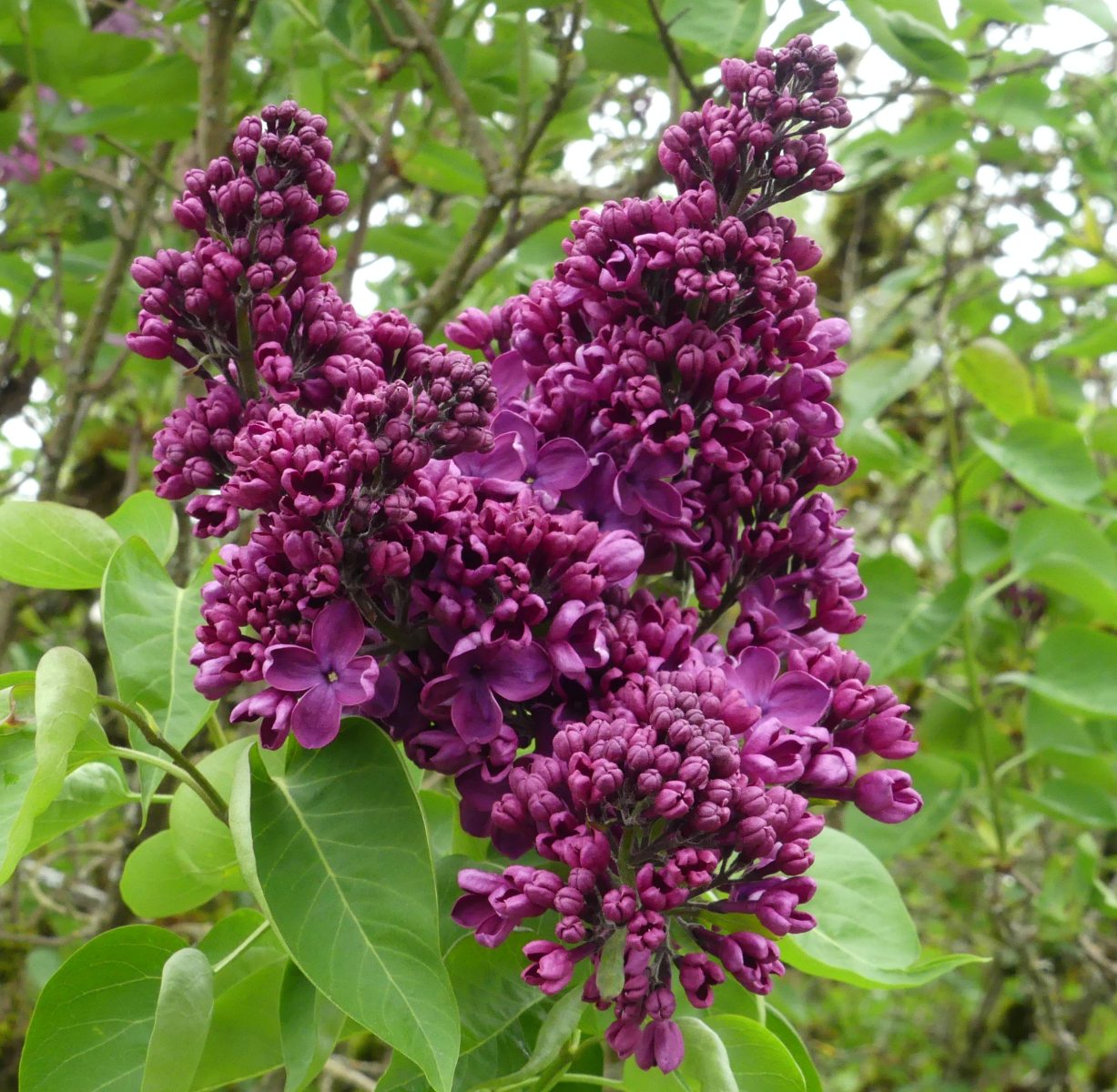
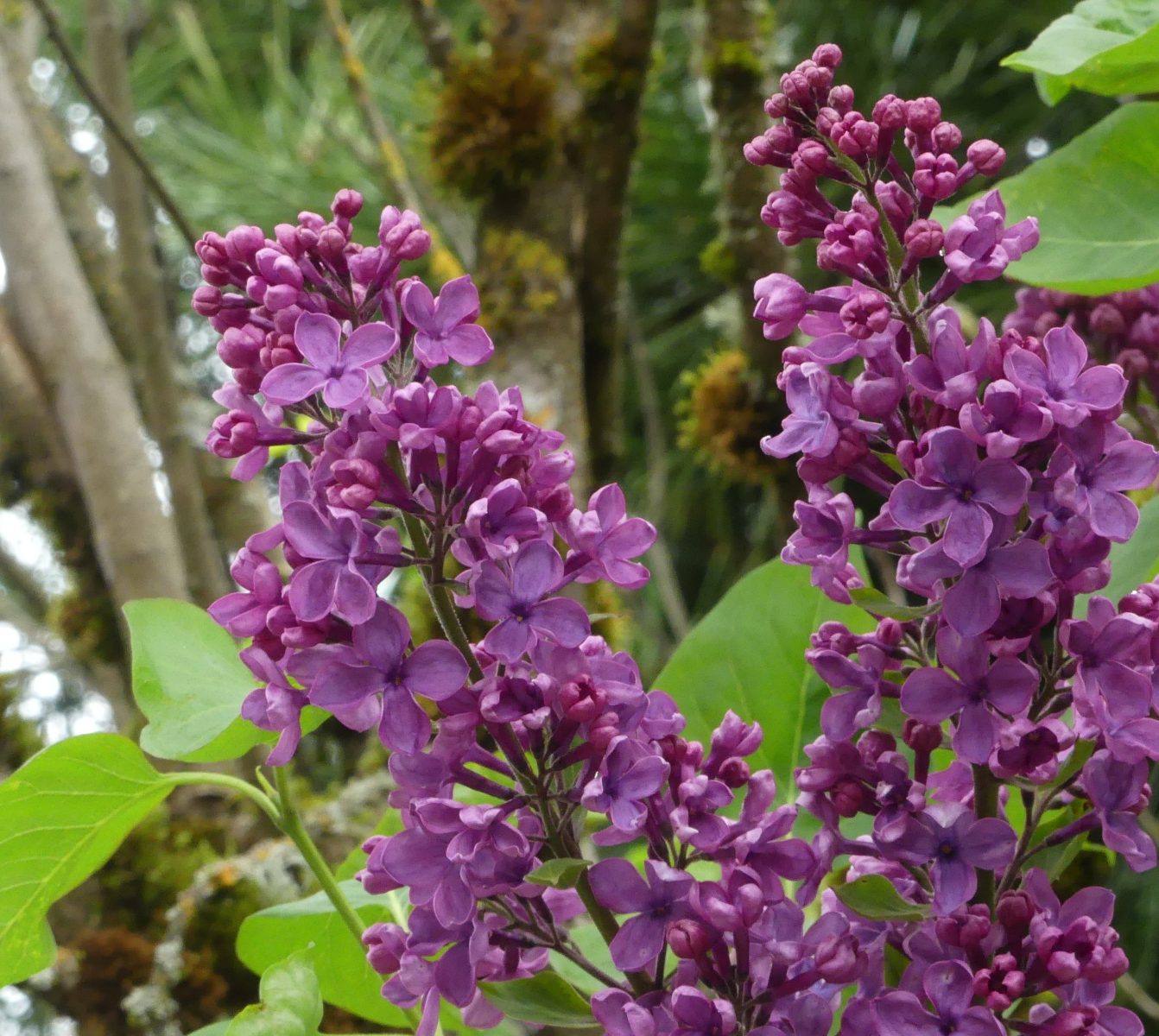
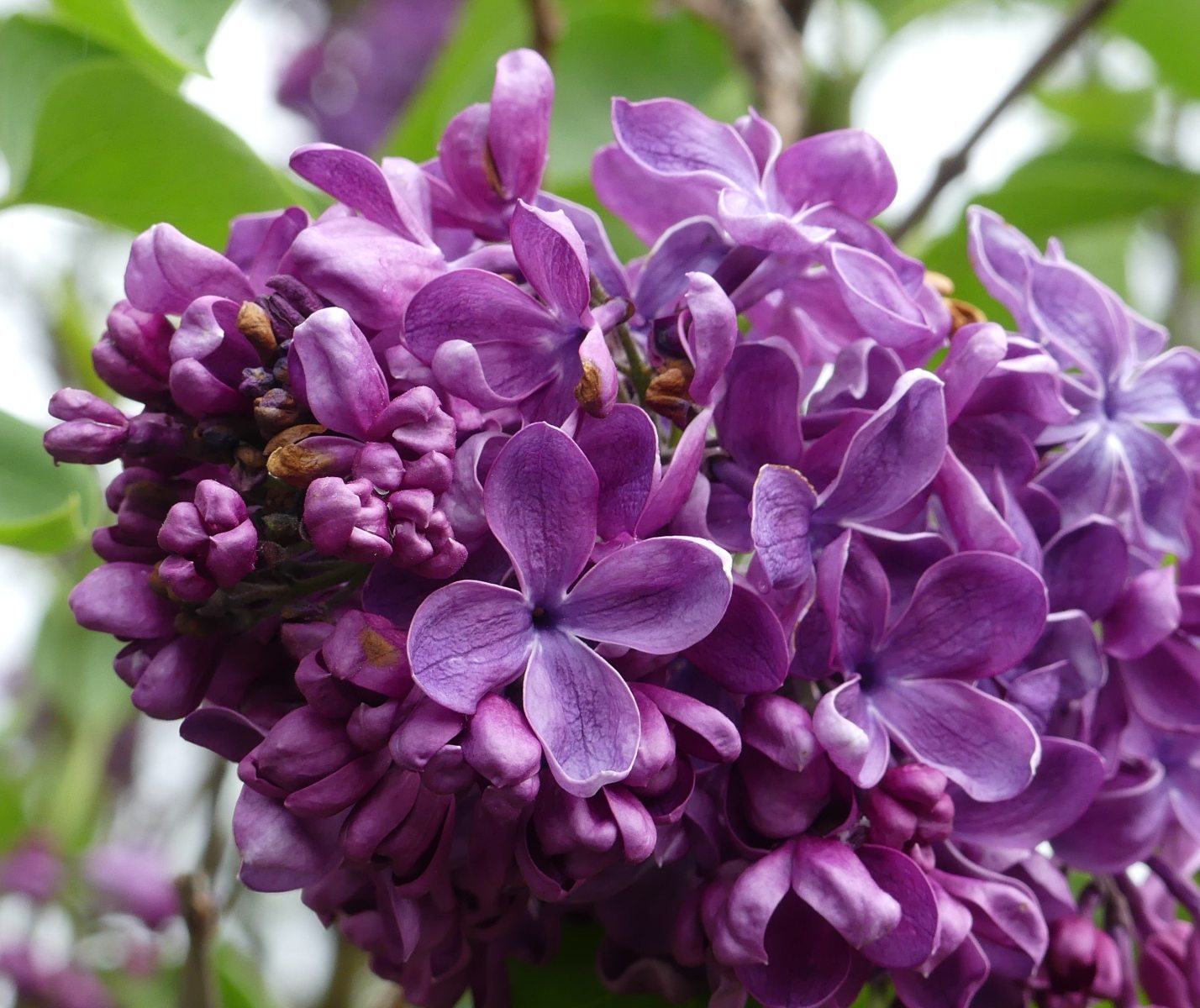
Hulda Klager was born in Germany in 1865 and was 2 years old when her family immigrated to this country, settling in Wisconsin. They moved to Woodland, Washington in 1877 and in 1905 she began hybridizing lilacs.
“By 1920 she had developed so many new varieties that she decided to hold an open house each spring when the lilacs were in full bloom to share her efforts with other lilac enthusiasts. This practice caused her to become known as “The Lilac Lady.”
Her legacy lives on in the restored house surrounded by the lilacs that she loved, for all to enjoy.
Sharing with Sunday Stills Pastel Challenge.
~ Susanne


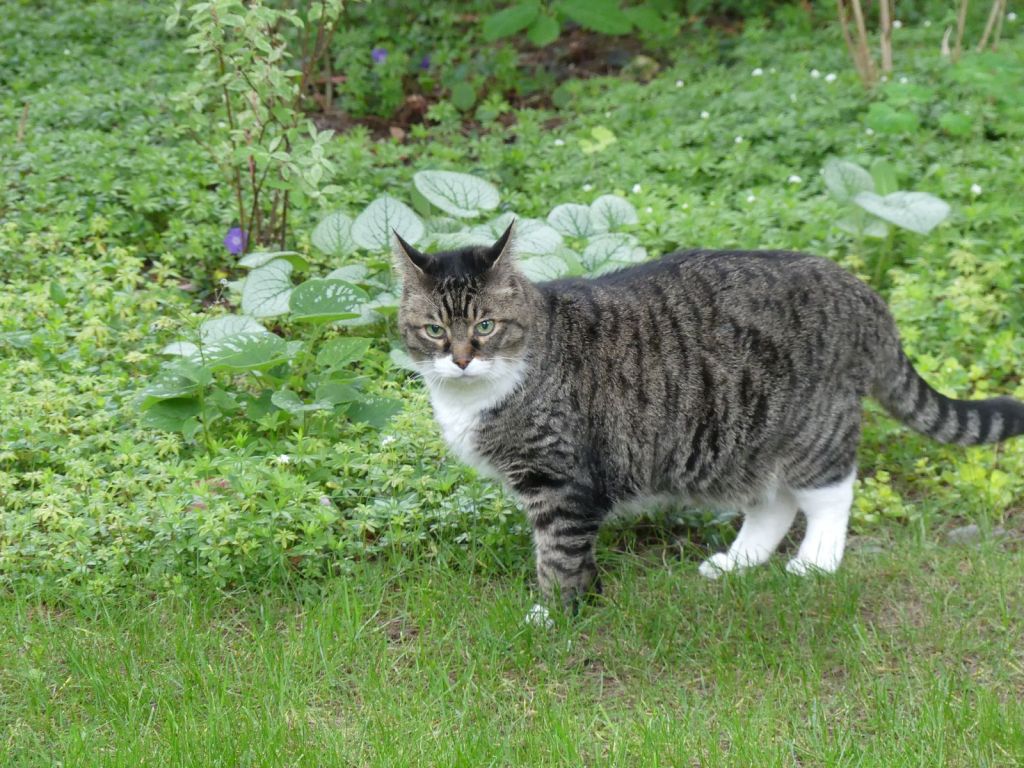

May Day May Day and all is Well!
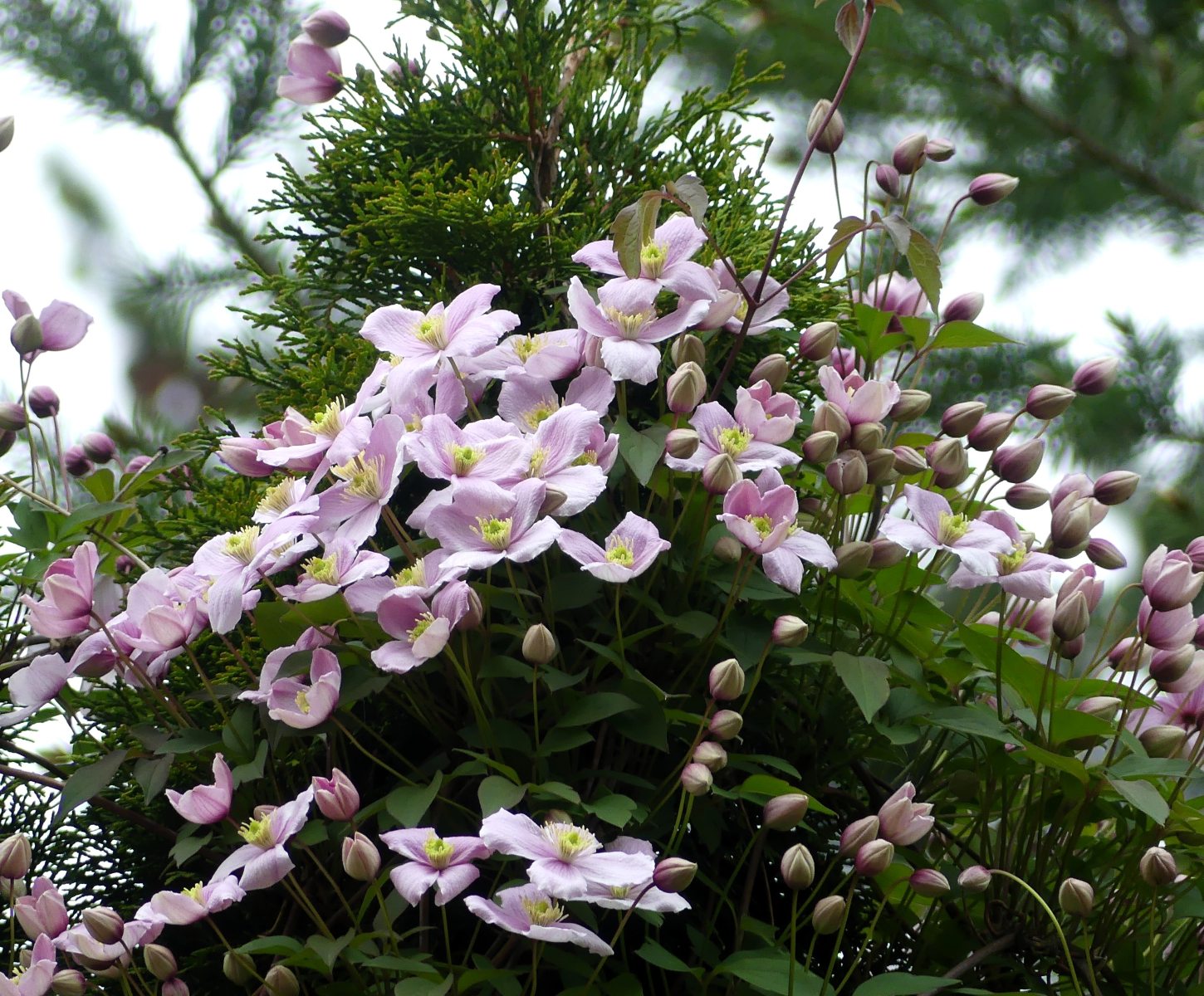
I don’t know why May Day is used to sound the alarm when from where I sit, it is a glorious day – soaking my bones in the hot tub, I can see the house finches busily working in their nest across the backyard.

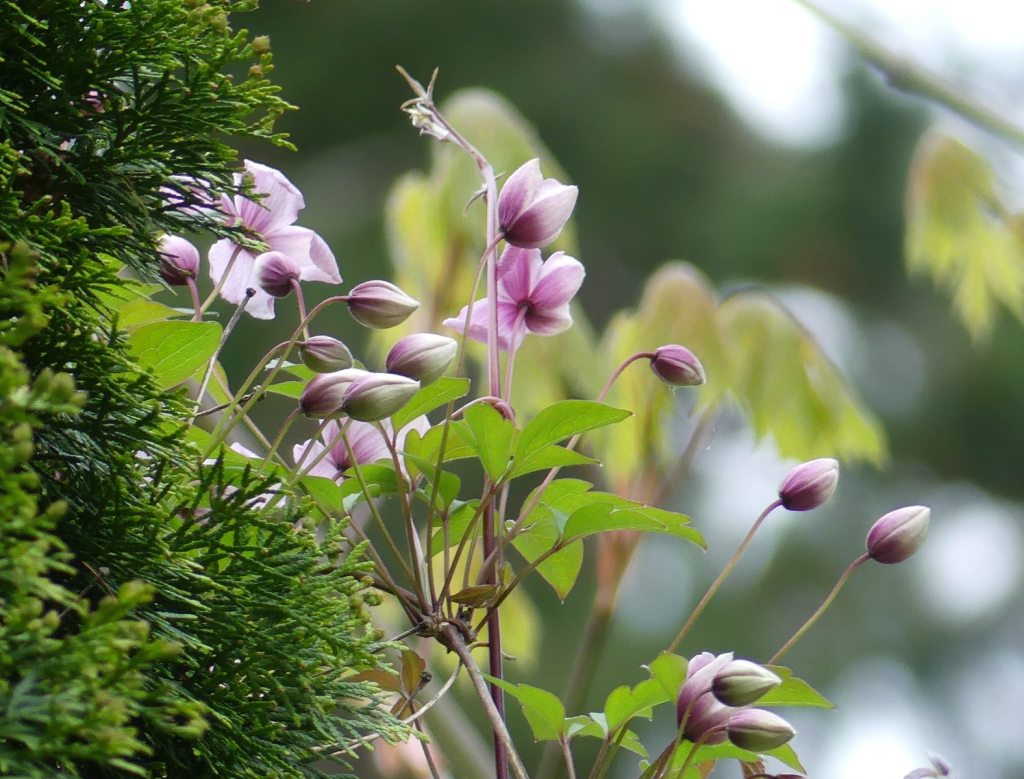
They return every year to the arborvitae, a rather dull garden shrub where they find refuge inside.


I watch them drop down to the garden beds below, where it seems to me the missus does all the work while the mister stands guard.
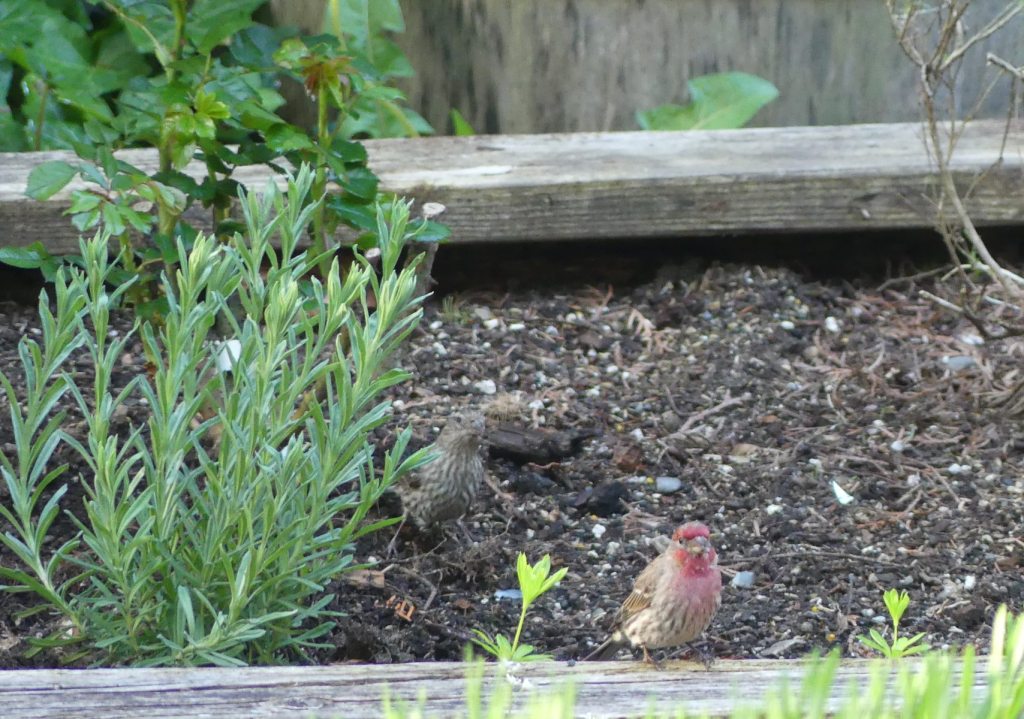

They return with building materials and disappear back inside the shrubs.


I think they appreciate the maple tree behind and the clematis nearby.
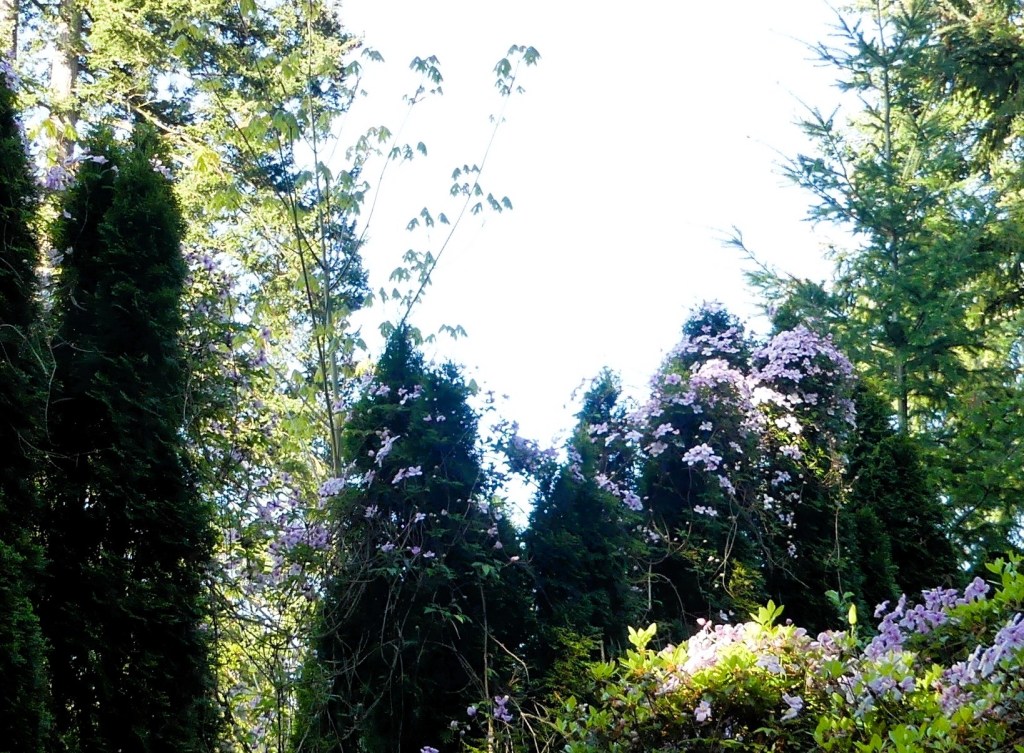

I know I do.

Today, on this beautiful first day of May, we are expecting temperatures into the upper seventies. Hooray! So why use ‘mayday’ as a distress call? Here’s the history according to Wikipedia.
“The “mayday” procedure word was conceived as a distress call in the early 1920s by Frederick Stanley Mockford, officer-in-charge of radio at Croydon Airport, England. He had been asked to think of a word that would indicate distress and would easily be understood by all pilots and ground staff in an emergency. Since much of the air traffic at the time was between Croydon and Le Bourget Airport in Paris, he proposed the term “mayday”, the phonetic equivalent of the French m’aider (a short form of venez m’aider, “come [and] help me”). (M’aidez is non-standard French; the phrase Aidez moi is standard.) The term is unrelated to the holiday May Day.”
So now you know! When used in an emergency it is repeated three times, mayday-mayday-mayday!
But I shall say it once!
Happy May Day!
~ Susanne
Road Trip to Napa – Yountville, Calistoga, Sonoma and Trinity Road!

After traveling a day and a half from Seattle, we arrived in beautiful Napa Valley where we were greeted with mile upon mile of vineyards! According to Napa Vintners, there are approximately 700 grape growers in Napa County and 475 physical wineries in Napa County. (Yes, you read that right!!)
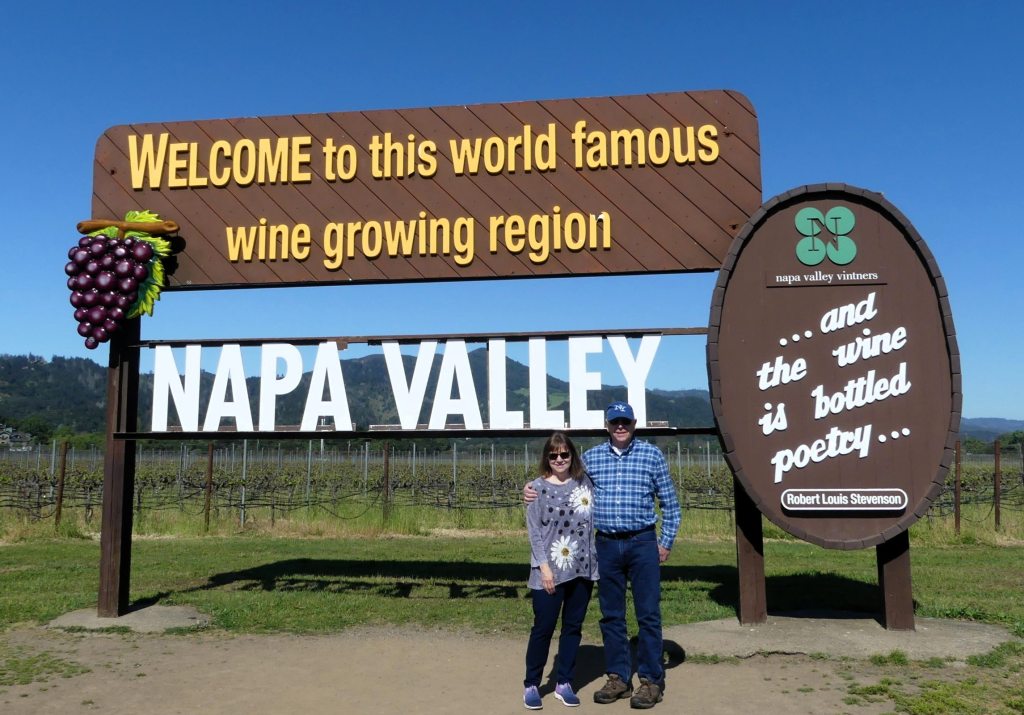
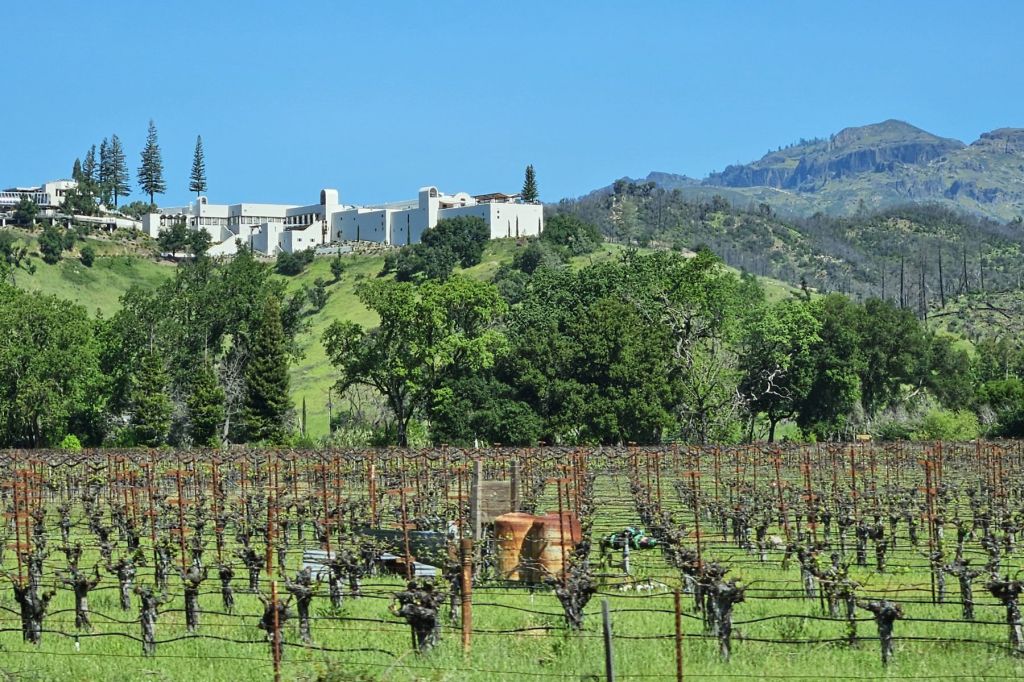
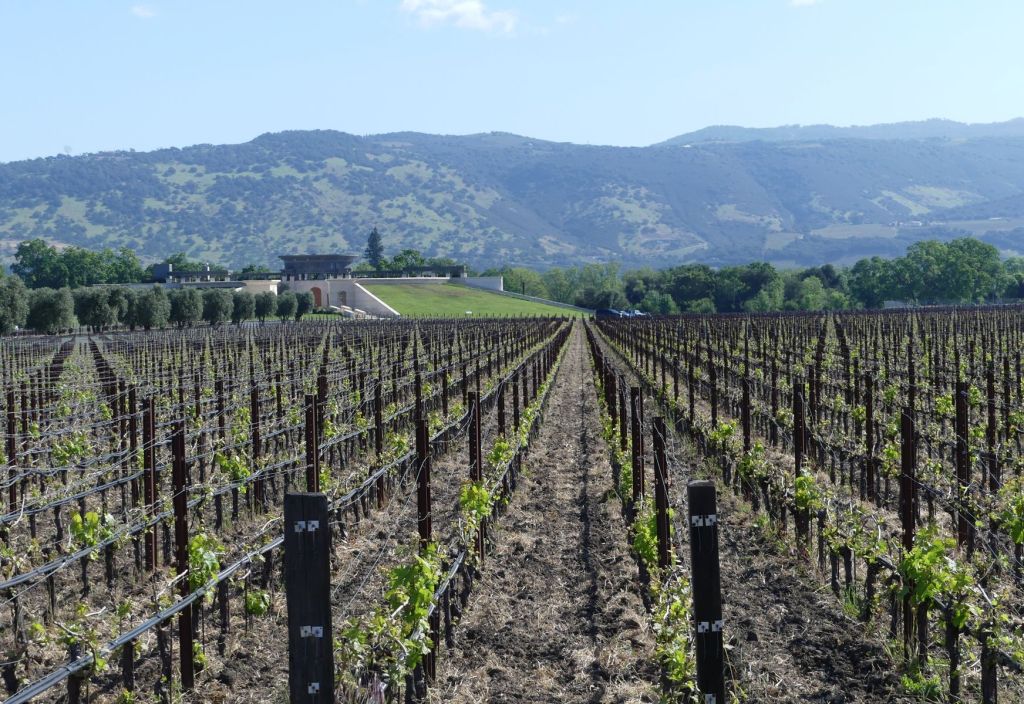
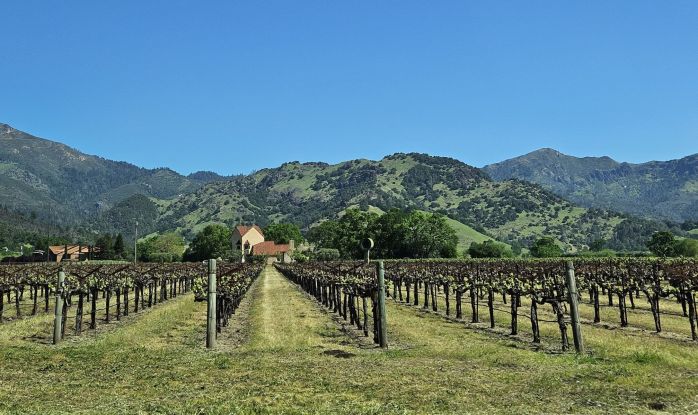
We stayed in the beautiful town of Yountville, but it sure looked like France when we dined at Bistro Jeanty. In fact, there are many world-class restaurants in Yountville, many with a French vibe, though some too expensive for us (French Laundry, anyone?)

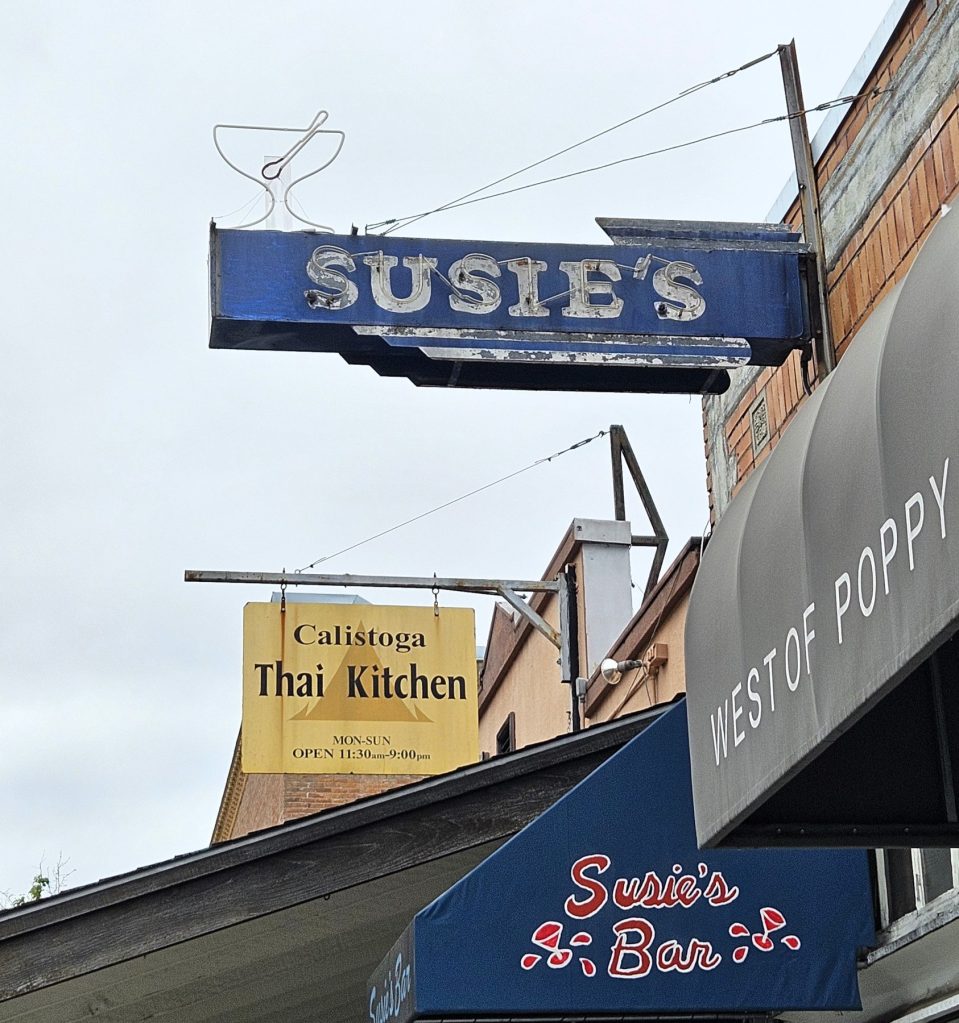
We started the next day with breakfast in the town of Napa, then took the scenic drive to Calistoga on the Silverado Trail. I was welcomed by this cute sign, with my childhood name, and shopped the many boutiques in town, doing my best to support the local economy.
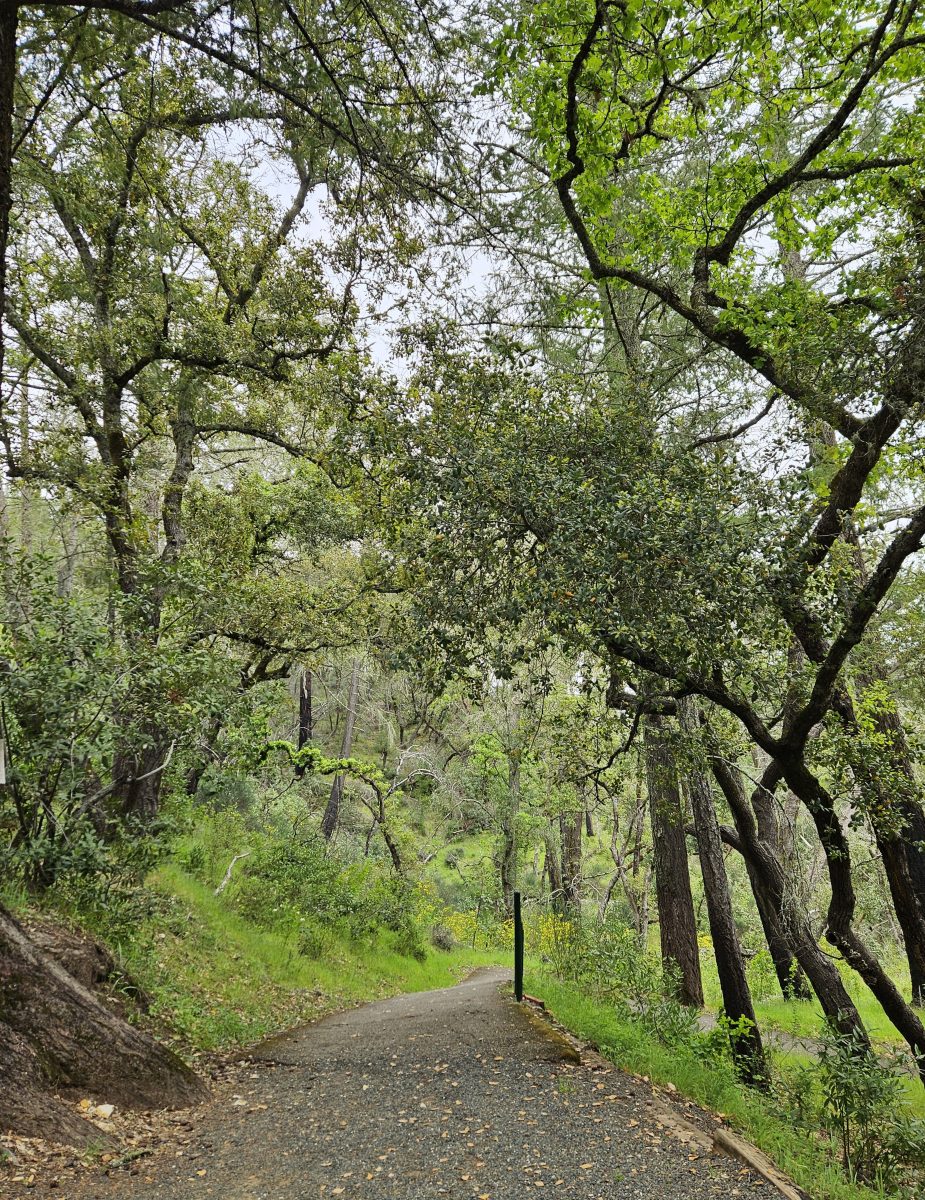
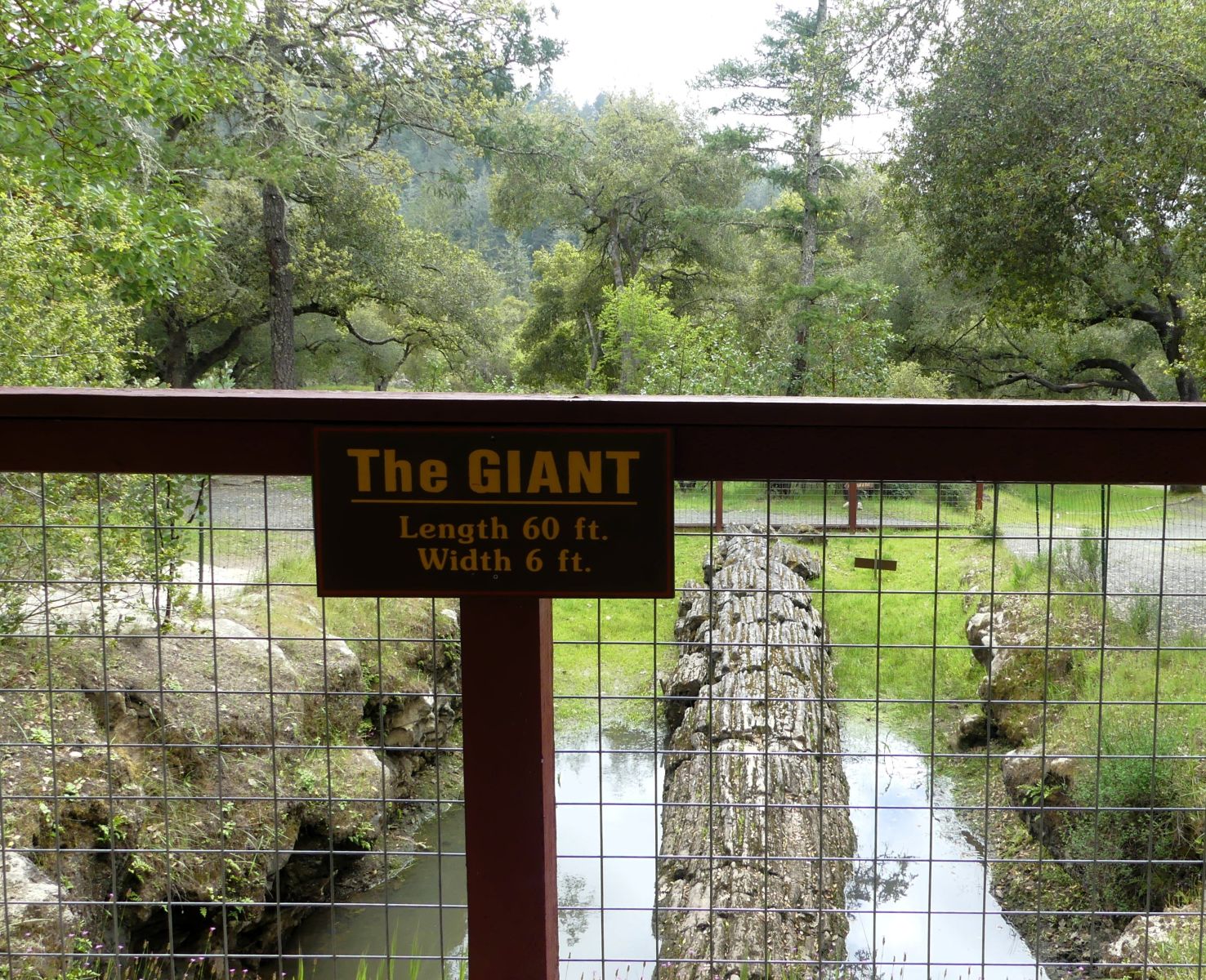
Afterwards we went to the nearby Petrified Forest, where we saw some of the largest petrified trees in the world, most ancient redwoods. We enjoyed walking the trails through the woods, both new and living, ancient and petrified.

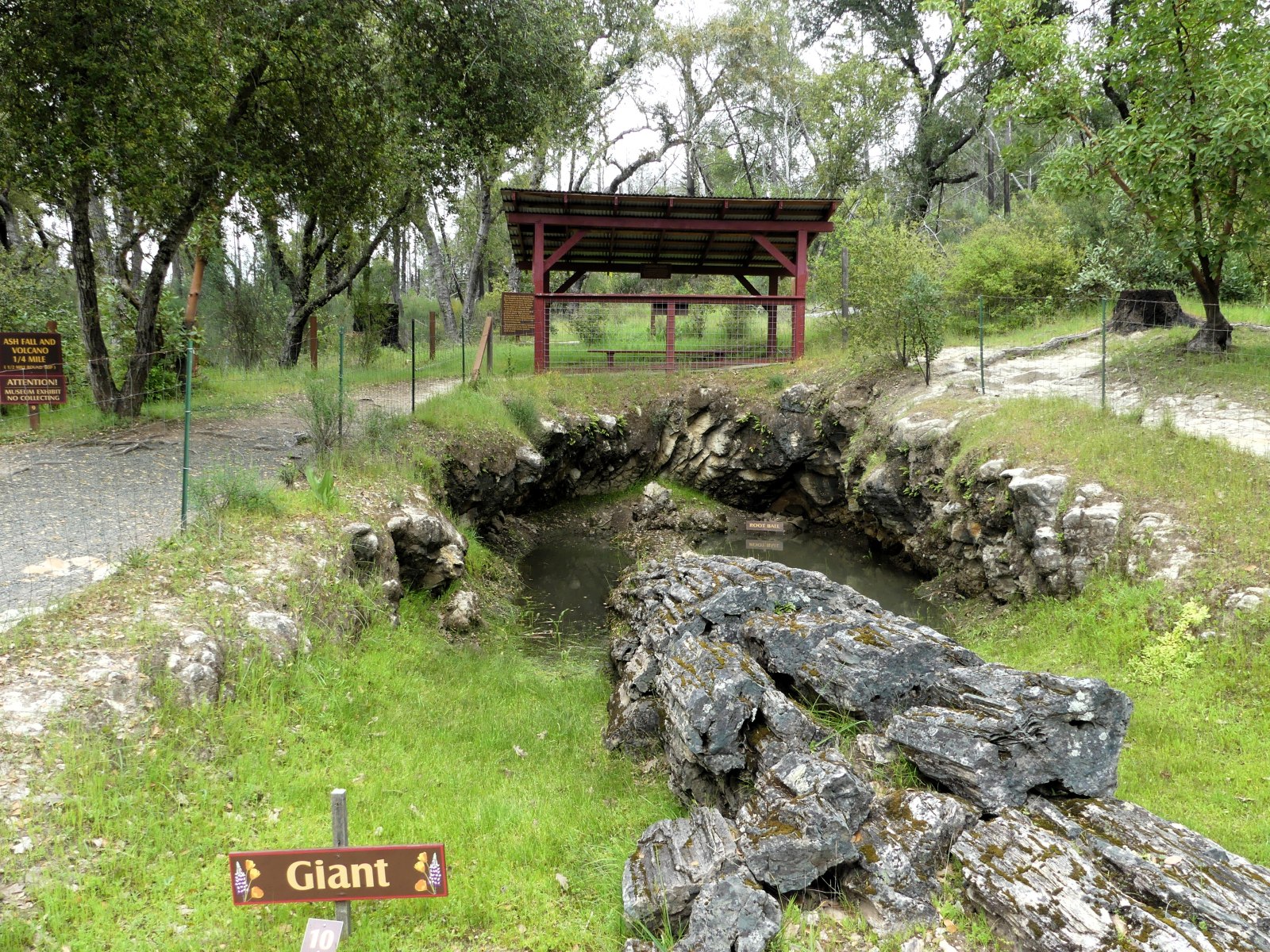
“The Petrified Forest, in Calistoga, California holds one of the finest examples in the world of a preserved ancient forest. This unique site at the gateway to the Napa Valley was created following a violent volcanic explosion 3.4 million years ago. Seven miles northeast of the property lies the remains of an extinct volcano that today we call Mt. St. Helena.”
PetrifiedForest.org

Soon we were hungry and continued to Sonoma where we found a good Mexican restaurant for lunch. We also got a look at some of the town’s historic buildings, including the San Francisco Solano mission, founded in 1823, and Blue Wing Inn, erected by General Mariano G. Vallejo about 1840 for the accommodations of emigrants and other travelers. (I like old stuff.)


After lunch, it was time to head back, which I assumed would be continuing south and around the bottom to complete our loop trip to Yountville. But GPS had other plans. Why not skip the heavy traffic and go directly across the mountains on Trinity Road. No, you don’t see it on the map below, maybe there’s a reason for that??
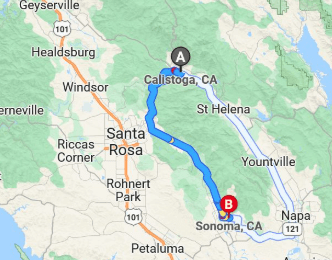
Who were we to argue? We took the advice and I directed Bob accordingly, up and over a very, windy, twisty mountain road (with no guardrails I might add) where we became those crazy tourists, who held up the little local traffic there was. (Maybe not, as Bob continually pulled over to let them go by.)
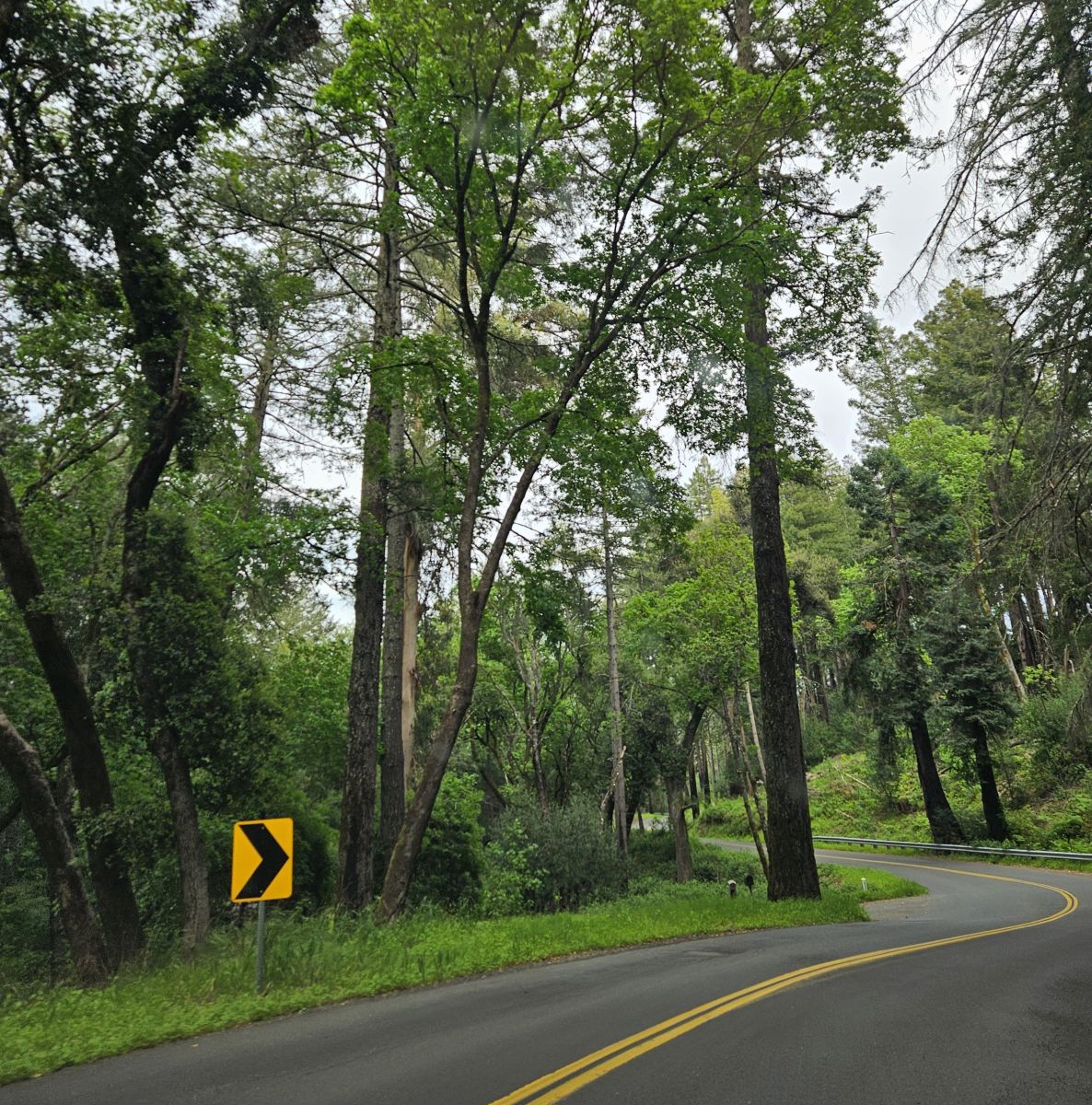

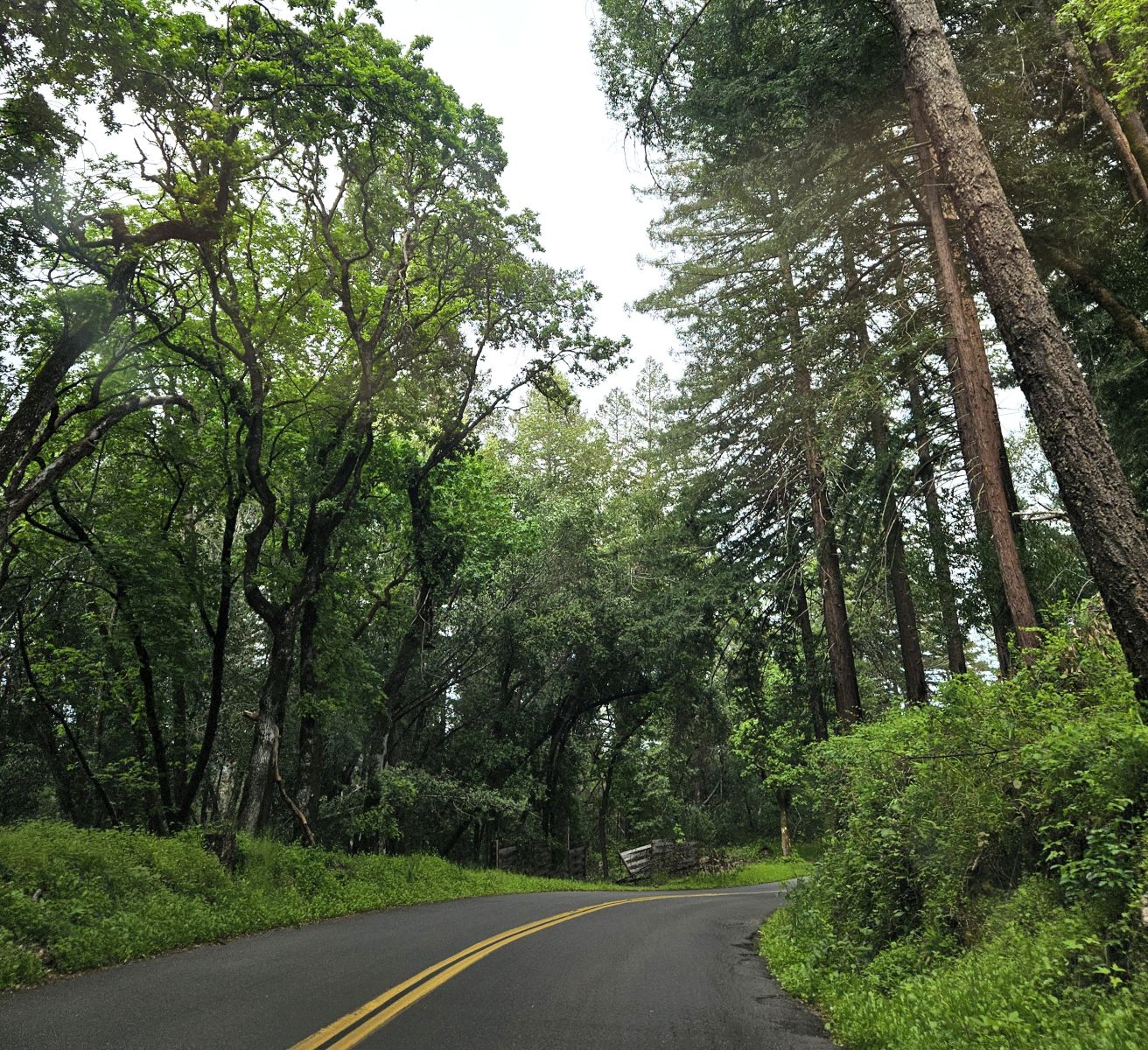
I had to laugh when I saw the the route on my phone. Apparently, the speed limit was 55 mph, and we were going 20. After all we valued our lives. 😉 🙂
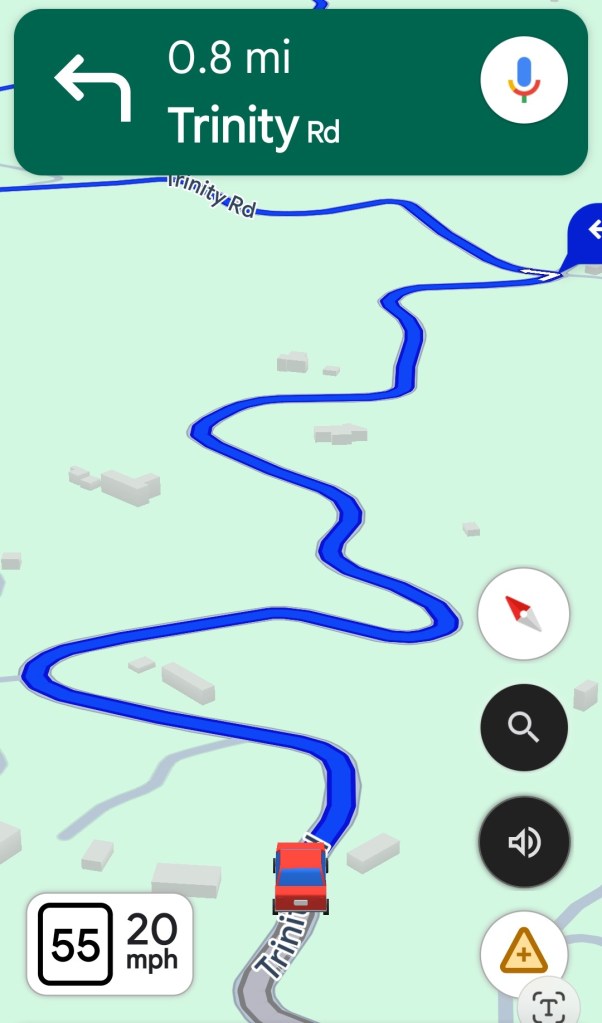
Fortunately, my husband is an excellent driver and has navigated many a mountain road in his day. Still, we were happy, when we finally began the descent into Napa Valley.
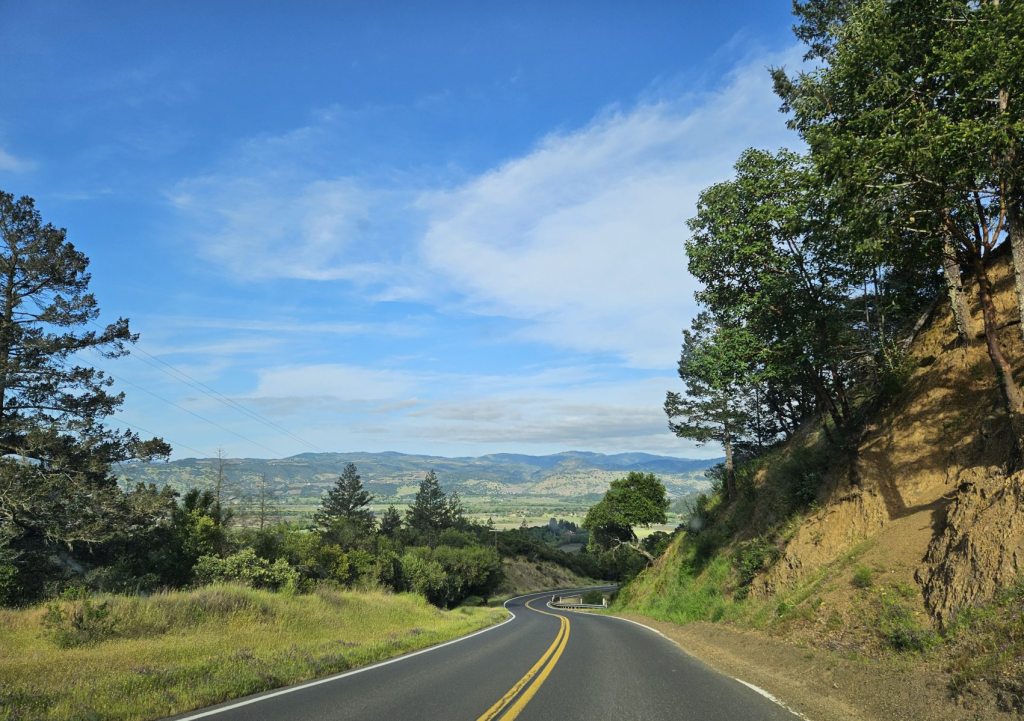
Honestly, I love that we took that road, even after I read stories of GPS sending many unprepared travelers across the white-knuckle drive. But isn’t that what makes travel fun? It’s the unexpected adventures that make for good memories !
We made more memories the next day, when we took the ferry from Vallejo to San Francisco but I’ll save that for a later post.
~ Susanne
 Cats and Trails and Garden Tales