Cats and Trails and Garden Tales
Musings on cats, travel, gardens and life
Swimming Lakes from my Youth
I was inspired by this week’s Sunday Stills #Water Challenge to reflect back on some of my favorite water memories from childhood.
Hicks Lake
That was the name of the lake, back in the last century, and it was my favorite place to swim as a child. It was a small lake in White Center (south Seattle) with a dock and low diving board. There were usually lifeguards present and you could only go past the ropes if you passed the swim test. I wasn’t a great swimmer and don’t remember having lessons, but I always passed the test.
Occasionally we would make the long, long walk to the lake. But more often, Mom would bring us kids after work on a hot summer day.
(The older I get the more appreciation I have for her driving us here and there after a busy day at work.)
She sat in the car and read while we swam and splashed around in the warm water – it was a shallow lake and the later it got on those long summer days, the warmer the water.
I went looking for Hicks Lake not too long ago (I’m nostalgic) and found it had mostly disappeared and also had a new name – Hicklin! Maybe Hicks sounded too much like, well, ‘hicks!’ I was so disappointed and the pictures I took were pathetic, so I have none to show you. Not so my next lake.
Green Lake
Before I started high school we moved to the north end of Seattle, near one of the most popular lakes in the city – Green Lake!
Summers were filled with walking around the 2.75-mile path, boating and fishing, but MOSTLY with swimming! Lifeguards were always present so there must have been swim tests there too, as I reached the dock and even braved the higher diving board!
I revisited the lake a few years ago for a fall walk (we no longer live nearby) and it was splendid.


There were still boat and paddle boat rentals.

And there in the distance – the swim beach!

I can almost feel the sun on my skin, smell the murky water, and hear the laughter, from those dog days of summer.

Happy Days! 🙂
~ Susanne
Douglas Fir Trees – Many Parts are Edible
If you are of a certain age, you’ll remember Euell Gibbons telling you that, “many parts are edible” as he broke off a branch from a pine tree. My friends and I would regularly quote this (in copycat accent) when we came across some strange plant or other foreign object in our travels. It was always good for a laugh.
I’m reminded of Euell every year when fresh, tender tips of new growth appear on the Douglas Fir trees in my yard.
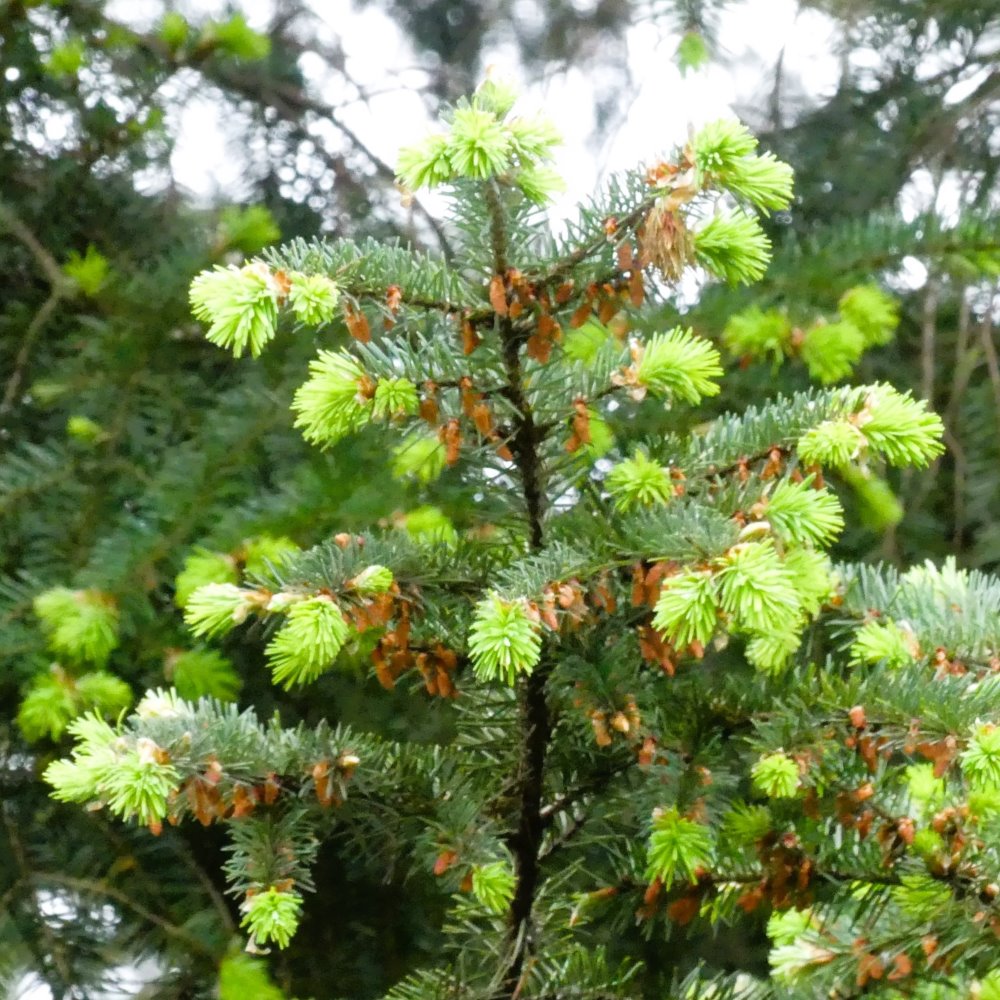
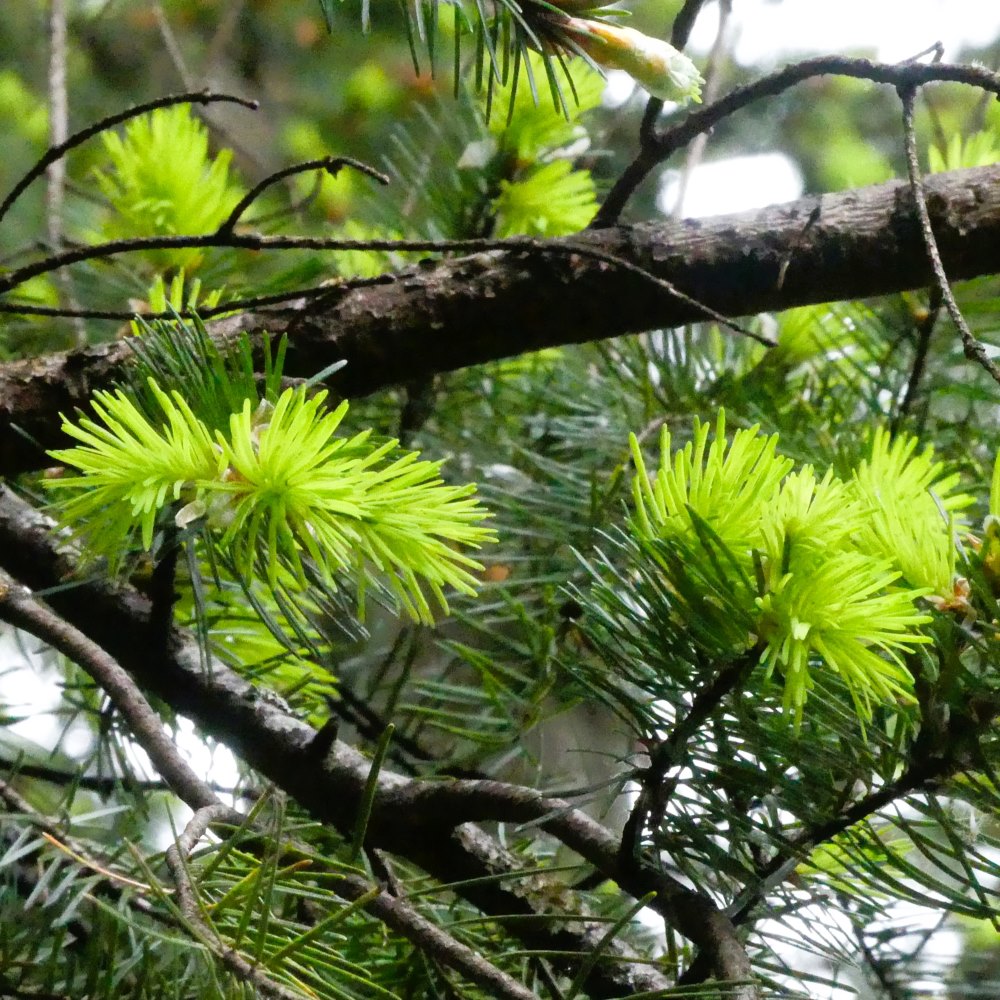
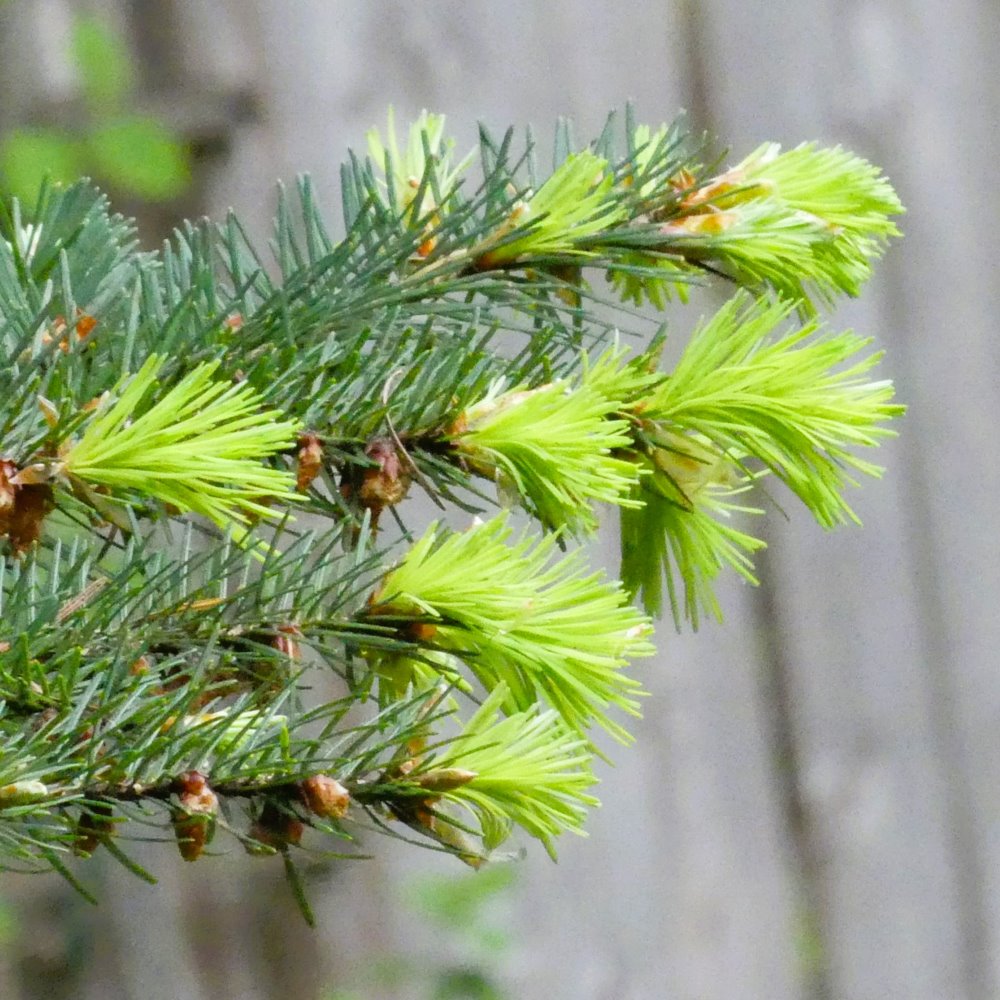
I haven’t tried Douglas Fir tips yet, but the internet confirms they are indeed edible.
But I have tried Grape Nuts, the cereal Euell was hawking, and if you plan on eating some, I have some advice for you: soak them a long time in milk if you don’t want to lose your teeth. Though tasty, they’re hard as rocks in your mouth! 🙂
Regardless, nothing says renewal like the spring green tips of the evergreen trees!
So I’m sharing with #SquaresRenew.
~ Susanne
Burgeoning Lavender in the Garden with the Bees
Spring is moving forward day by day, it’s messy and beautiful at the same time.
I wander in the garden where I spend more time watching than I do working.
Yesterday I pulled some weeds, planted some seeds, watched the bees, though not necessarily in that order.
As tiny blossoms are burgeoning on the lavender, more bees are visiting, drinking in the nectar,
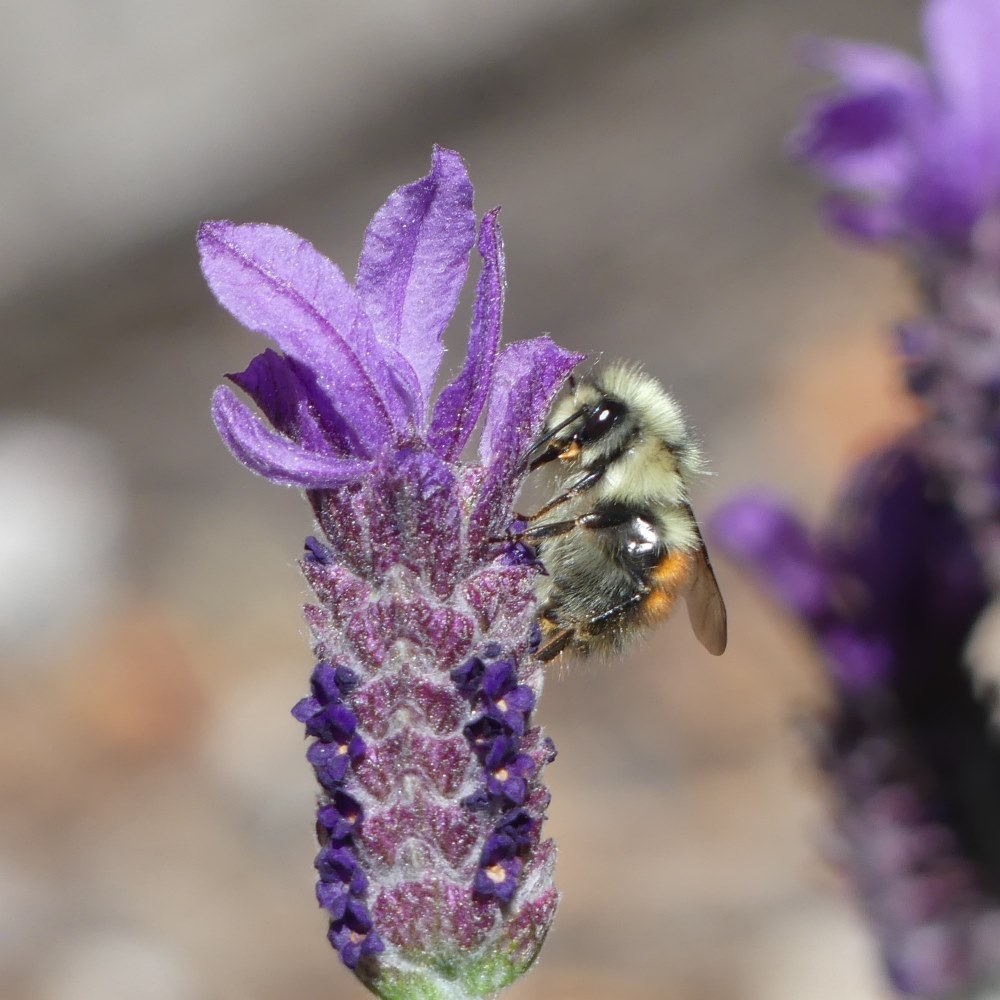
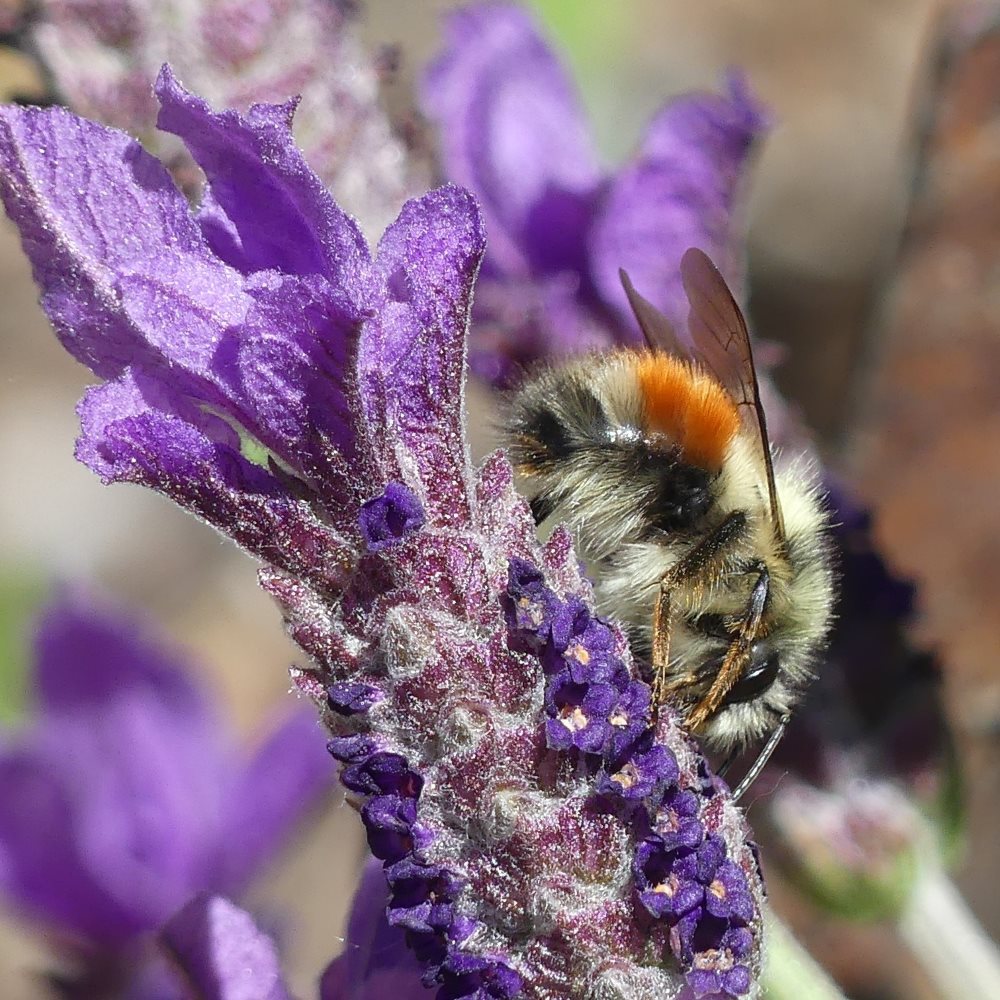
and gathering pollen
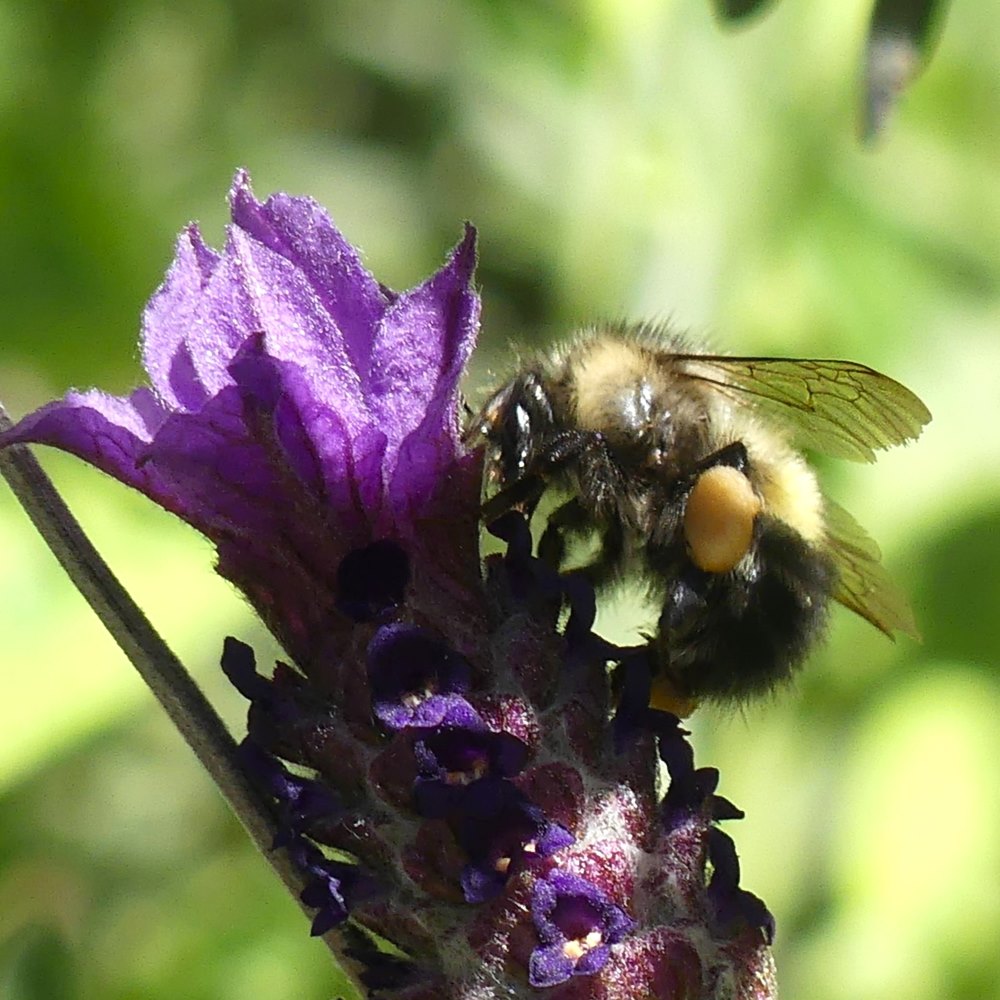
to carry back to the hive.
Squaring my photos for #SquaresRenew.
~ Susanne
Chickadees at Home in the Snag

I’ve told you about the snag we have in our front yard, saved from the axe a few years ago, per the recommendation of an arborist.
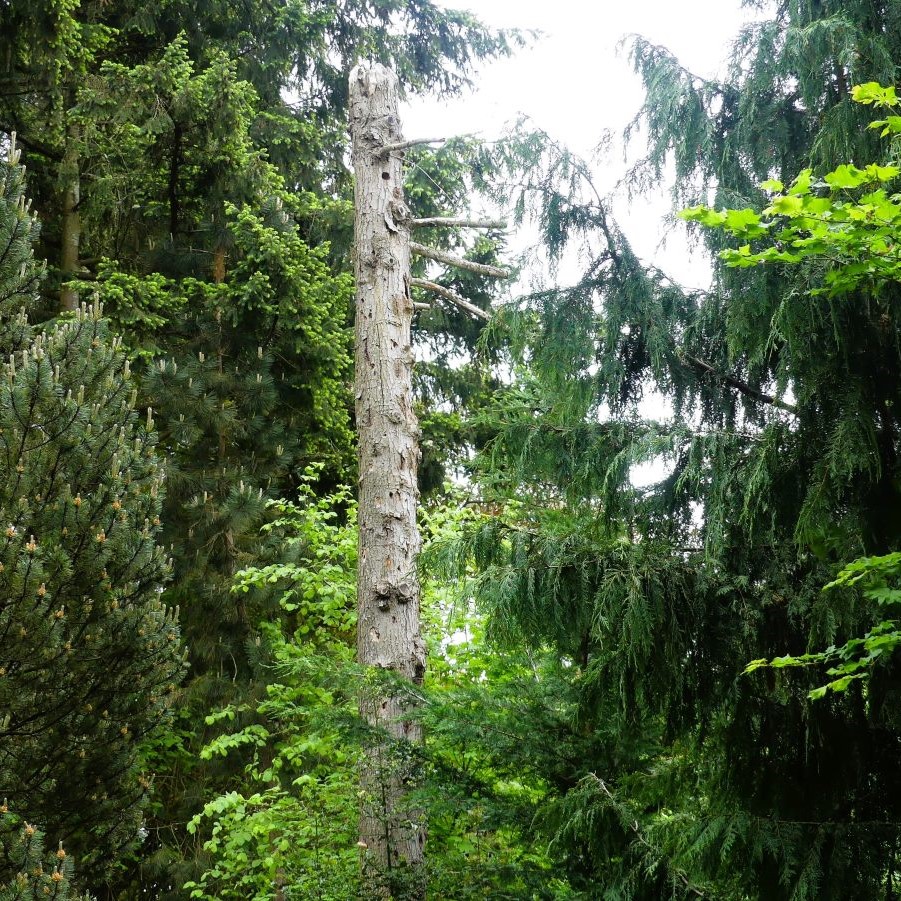
I’ve watched the Flickers do their renovation work
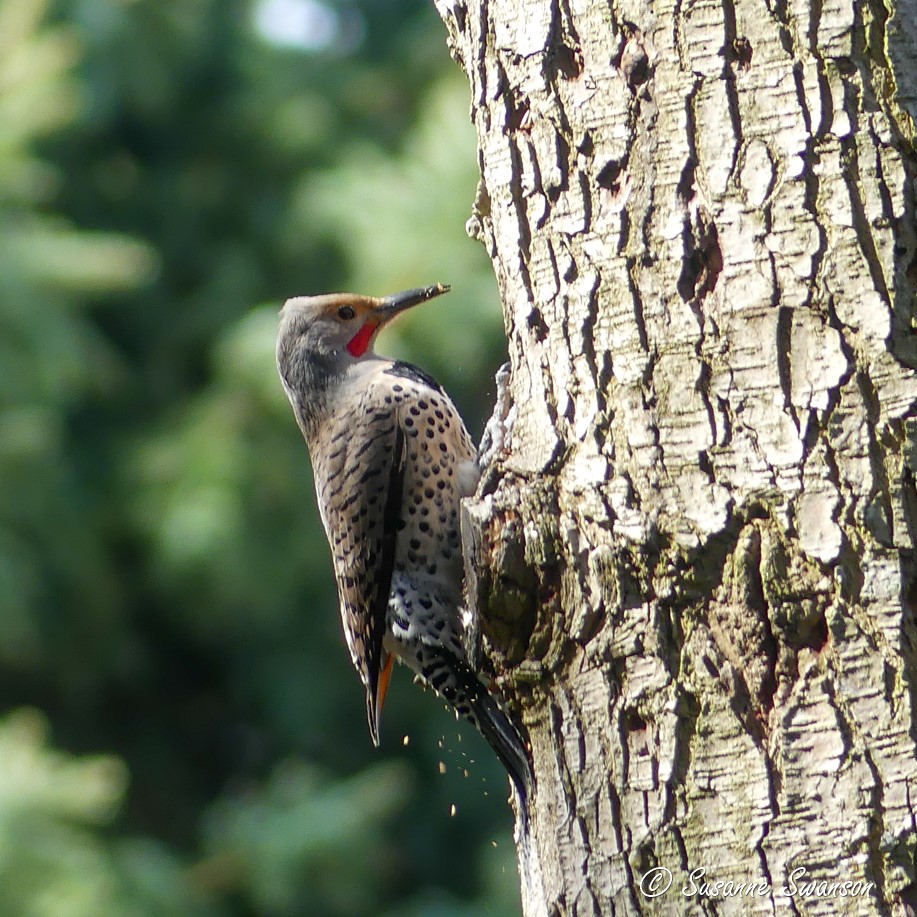
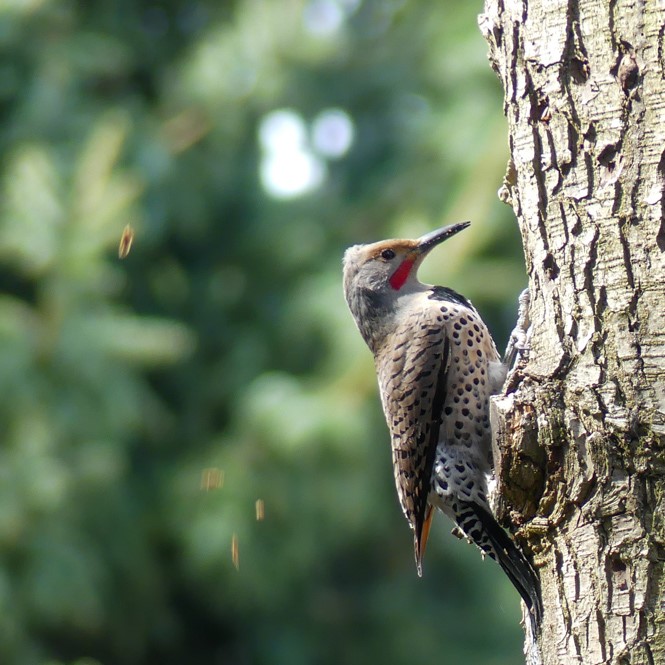
and seen them nesting in it year after year.
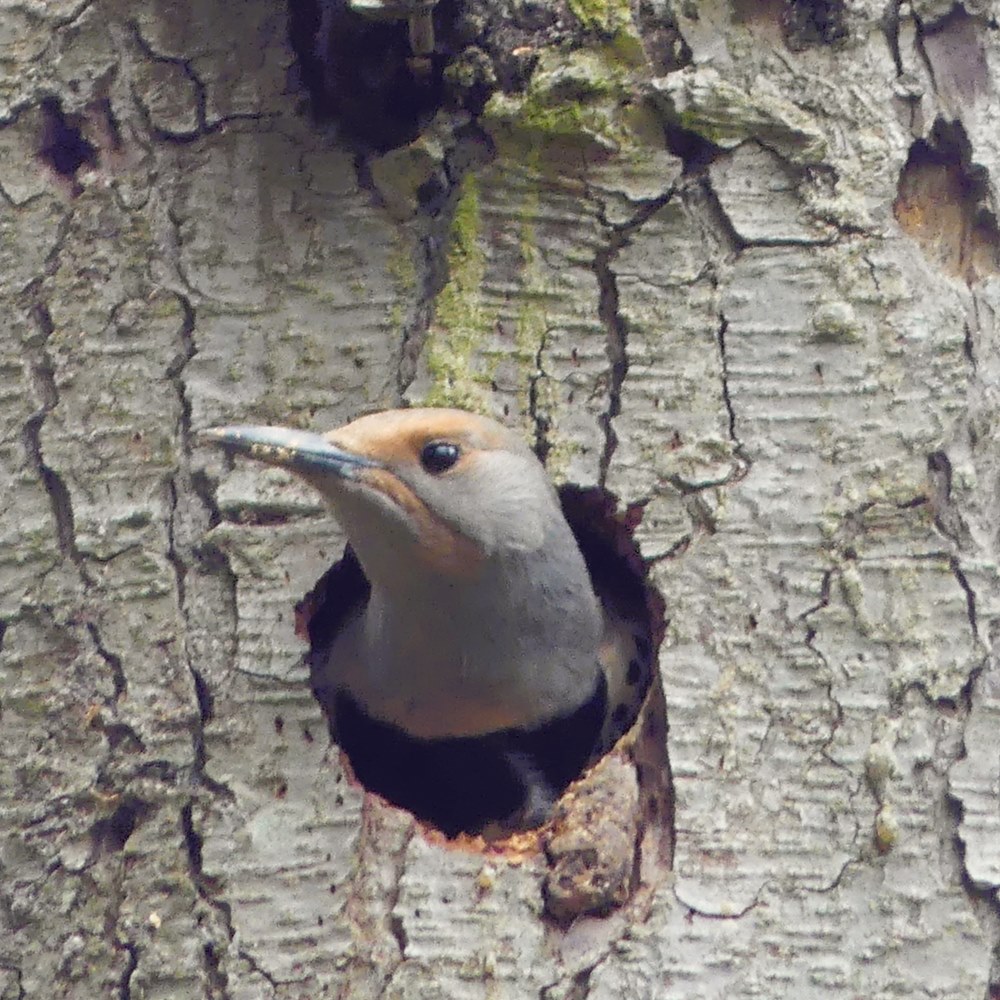
But the Northern Flickers aren’t the only ones using the snag. They’re pleased to share with their smaller friends including black-capped chickadees, who’ve taken up residence on the other side, after doing their own renovations.
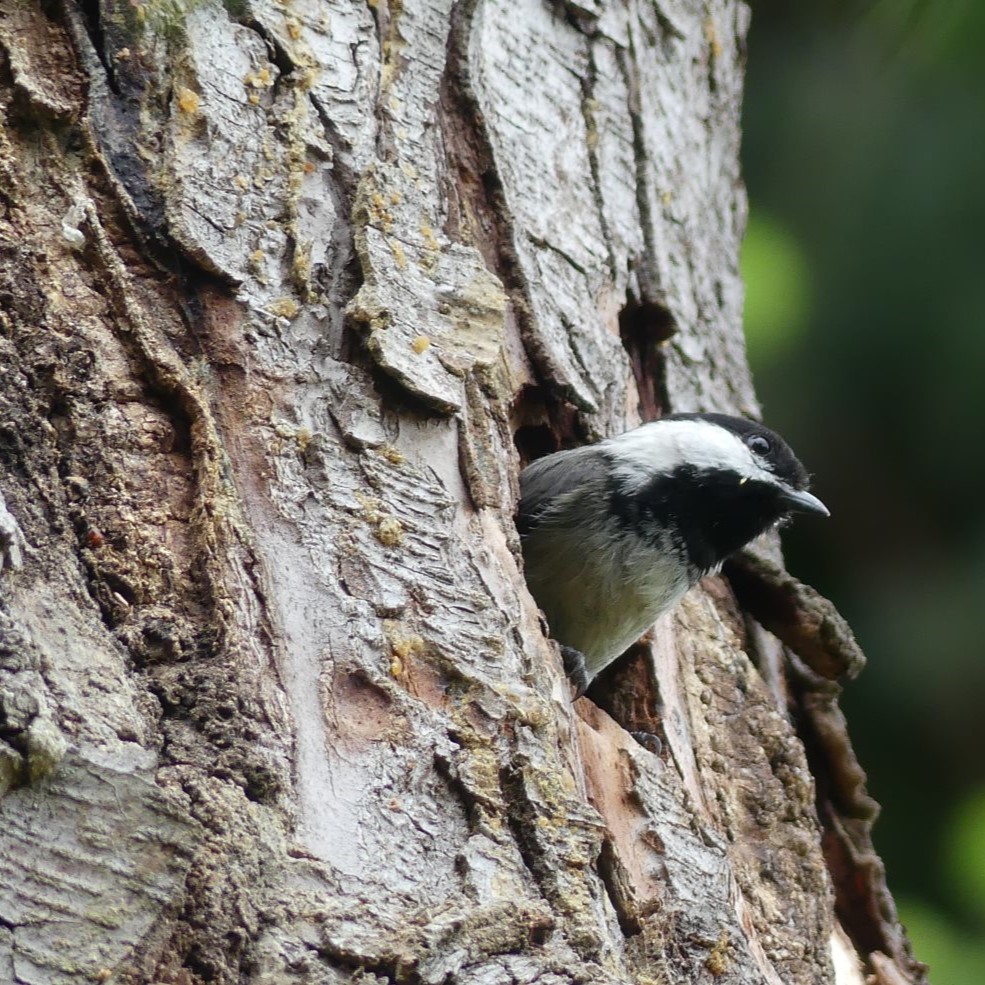
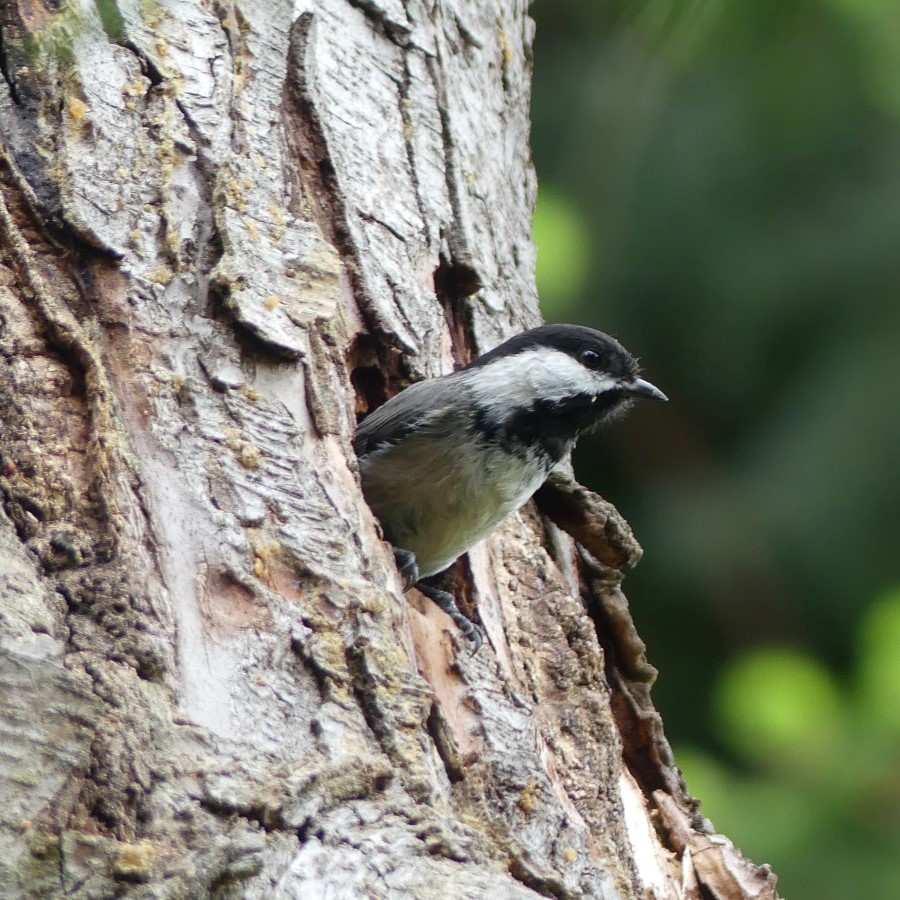
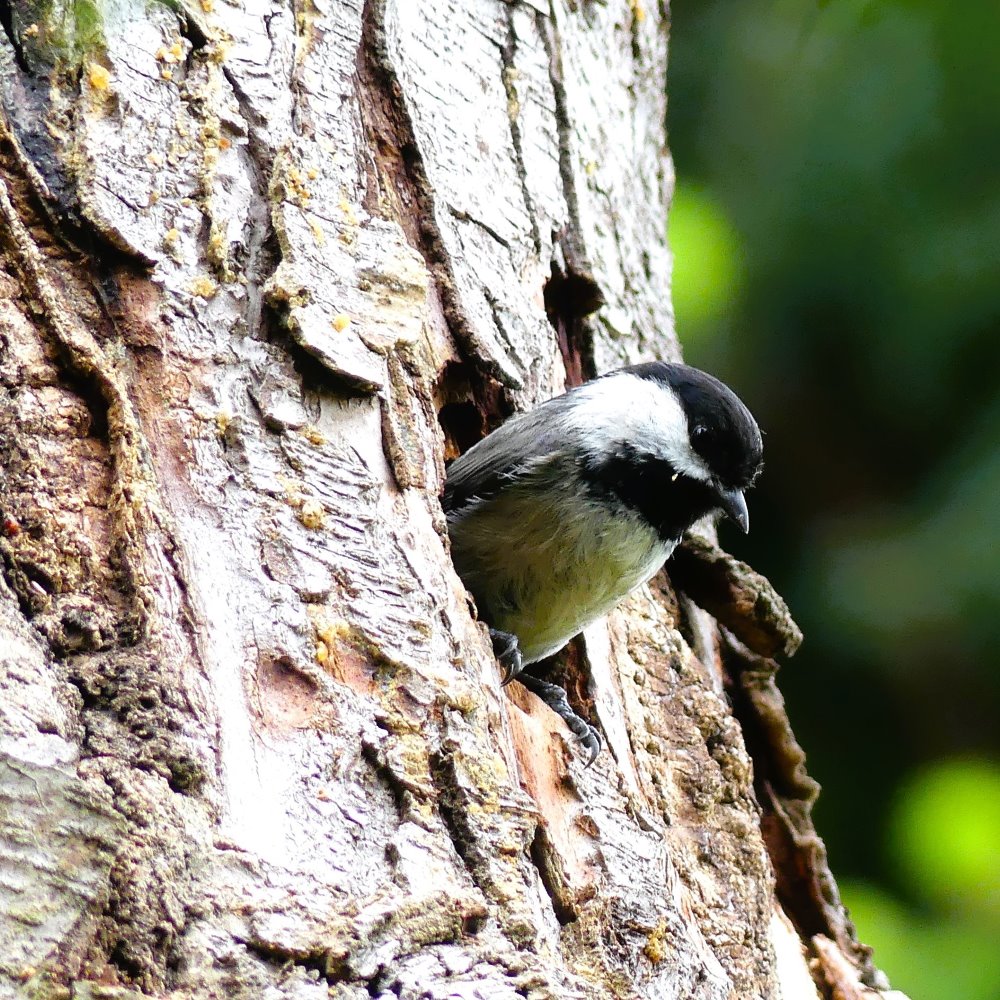

I love them all! 🙂
Sharing with #SquaresRenew.
~ Susanne
Swimming with the Goslings

I first saw them resting under the tree,
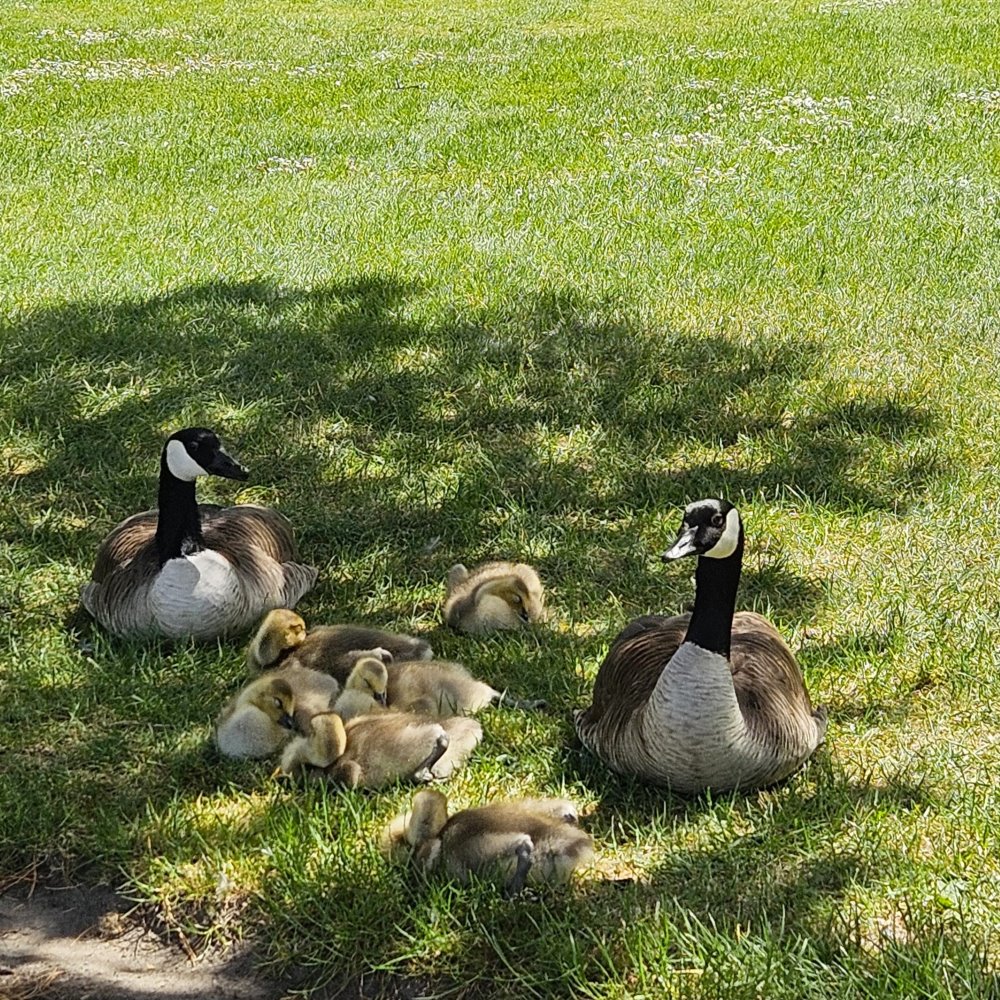
but it wasn’t long till they were heading for the beach,
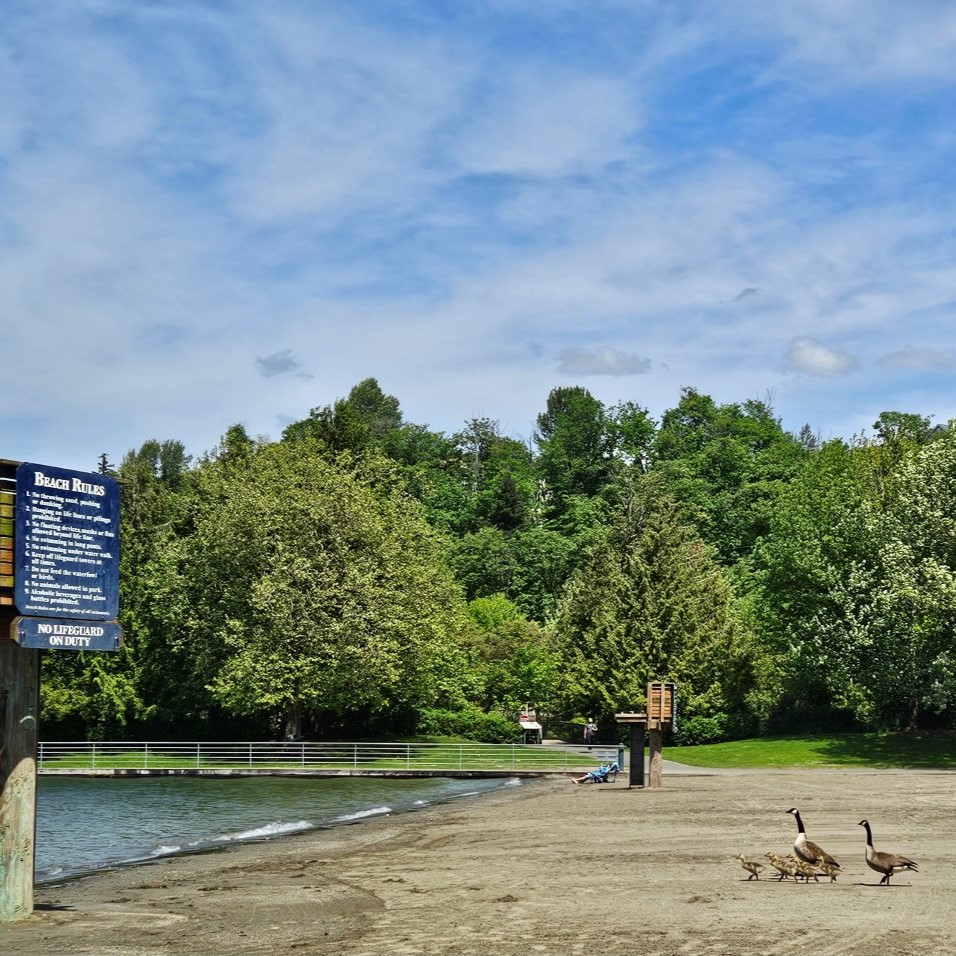
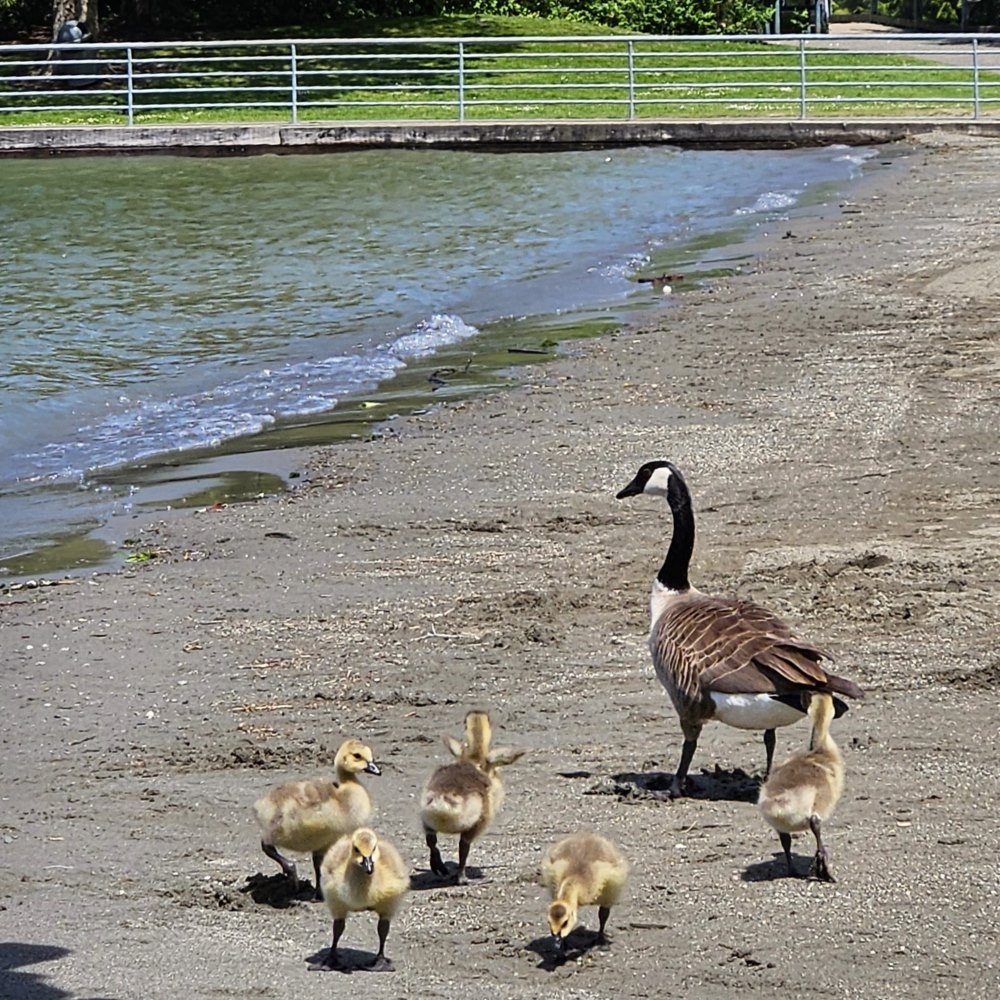
for a swim in the choppy waters,
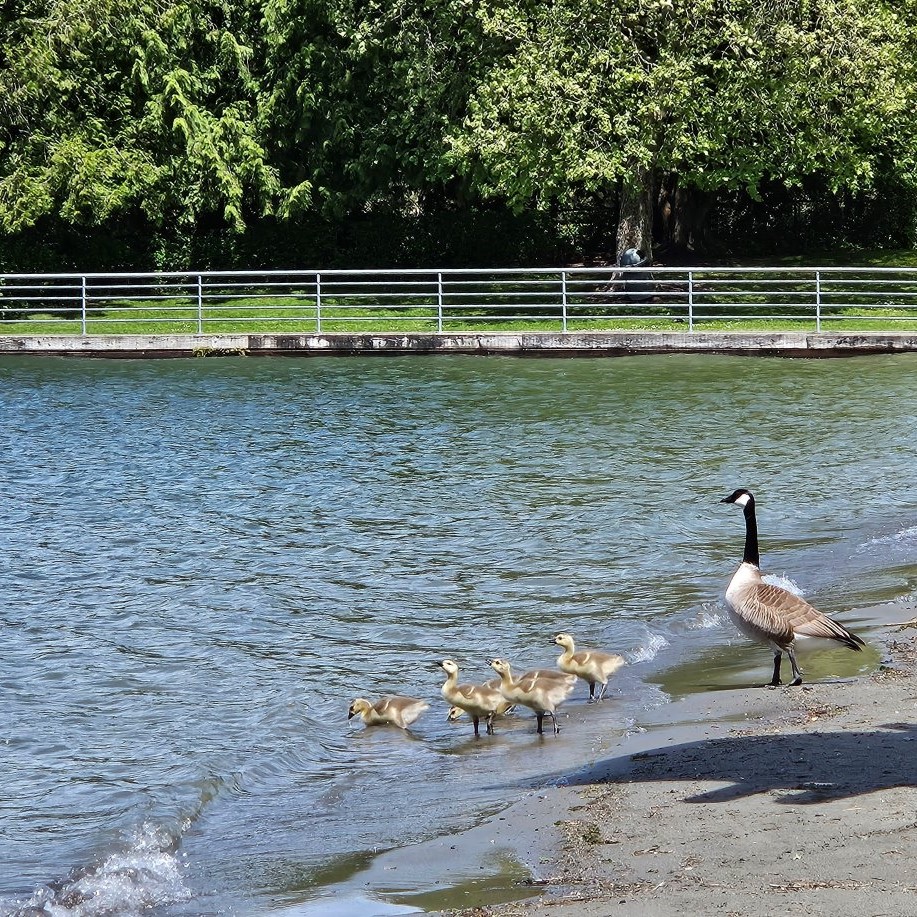
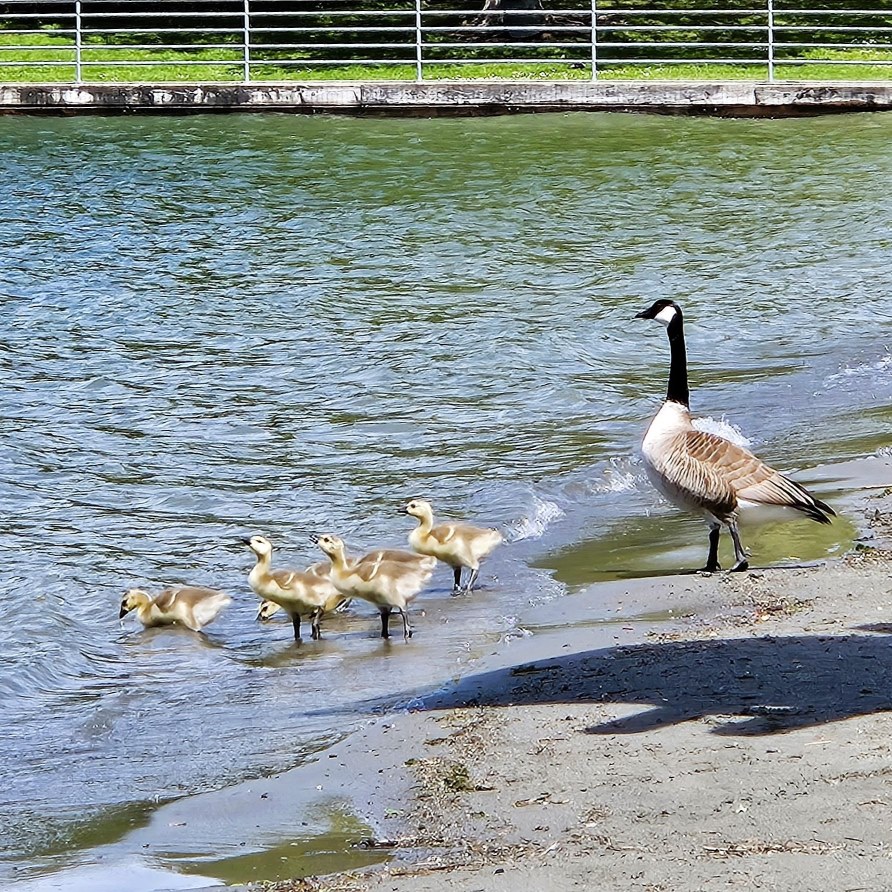
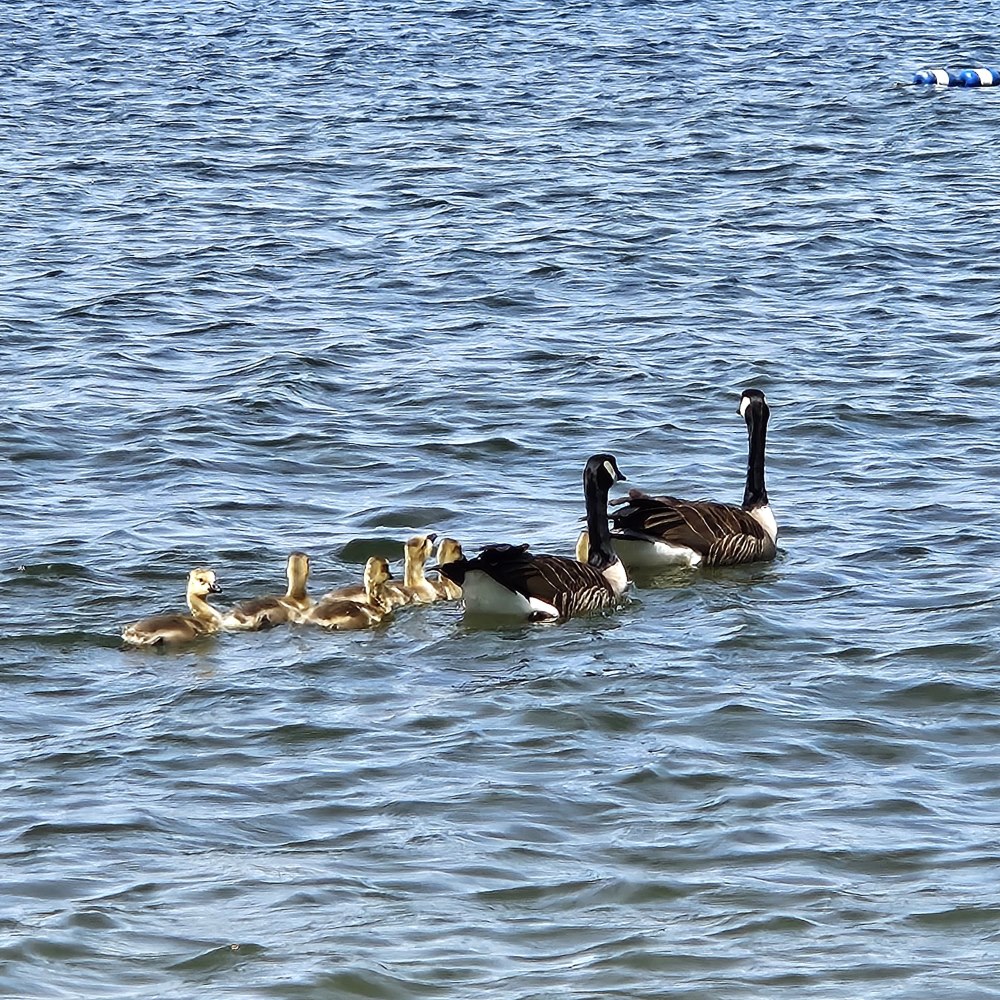
until it was time for lunch.
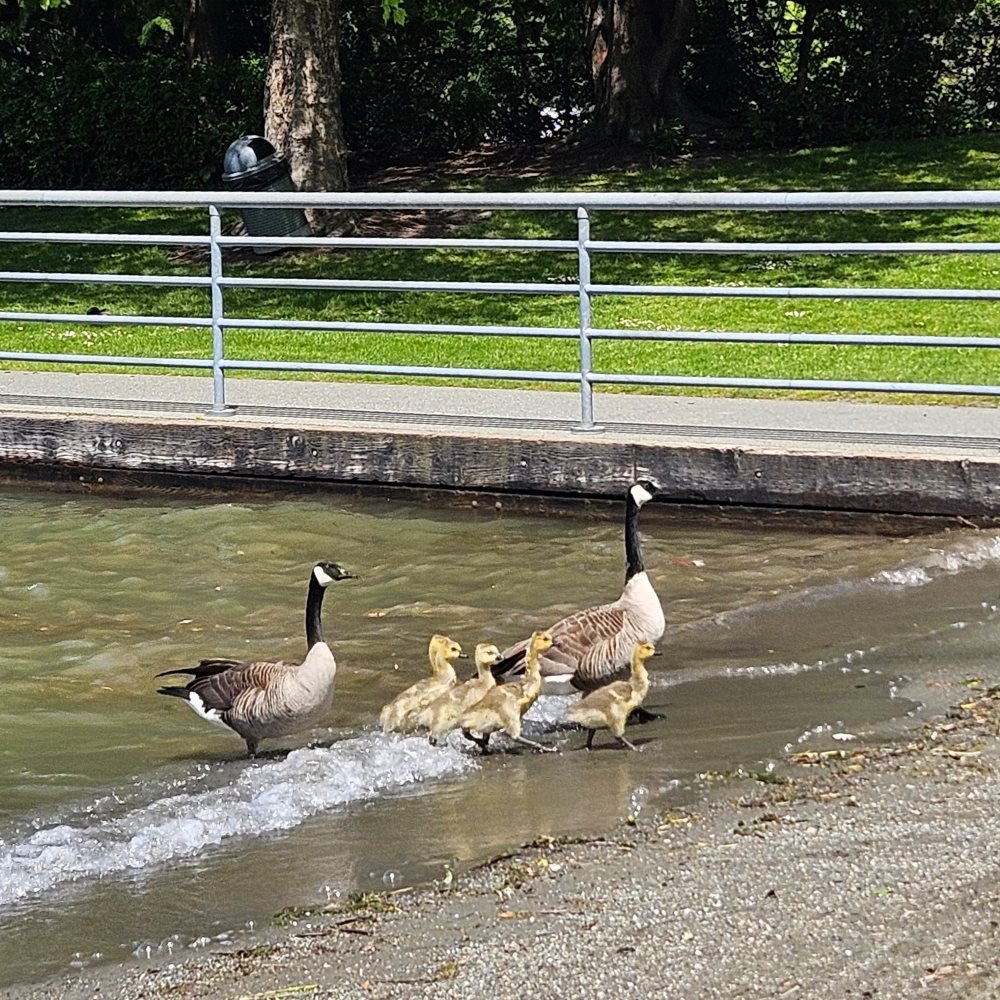
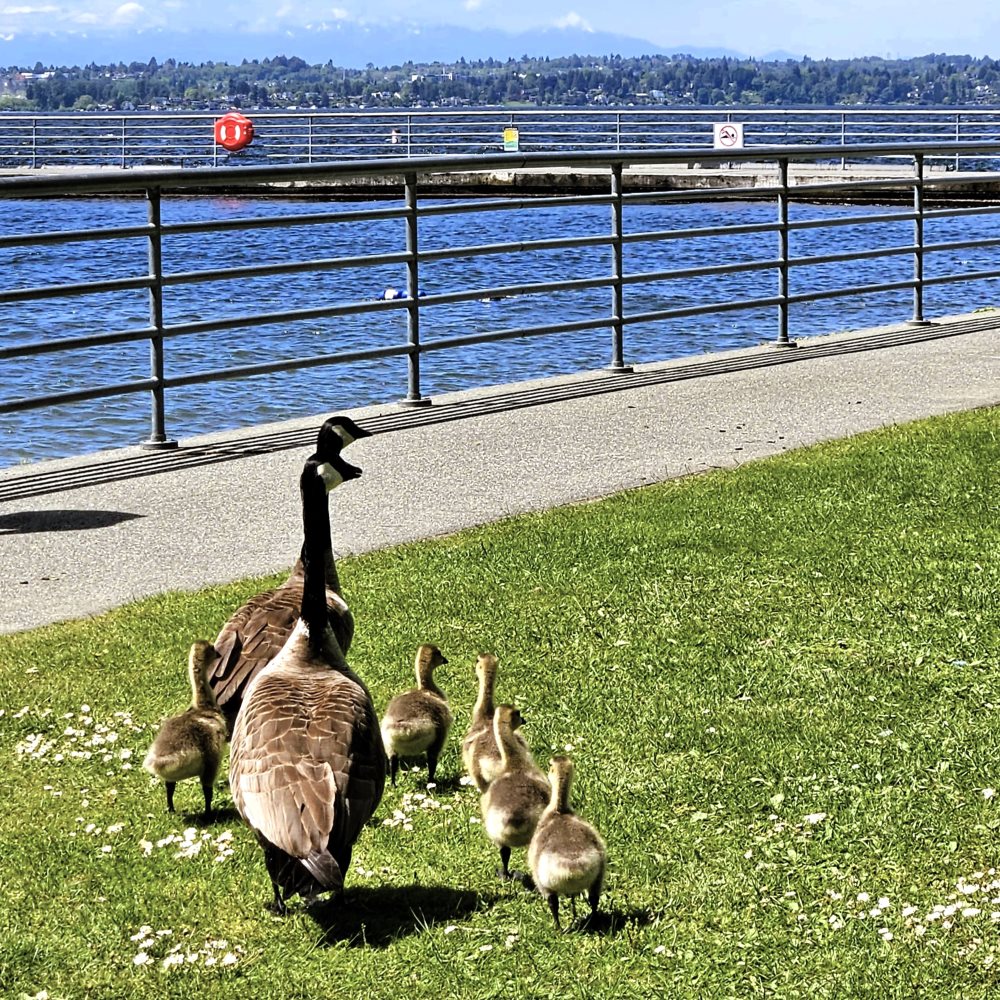
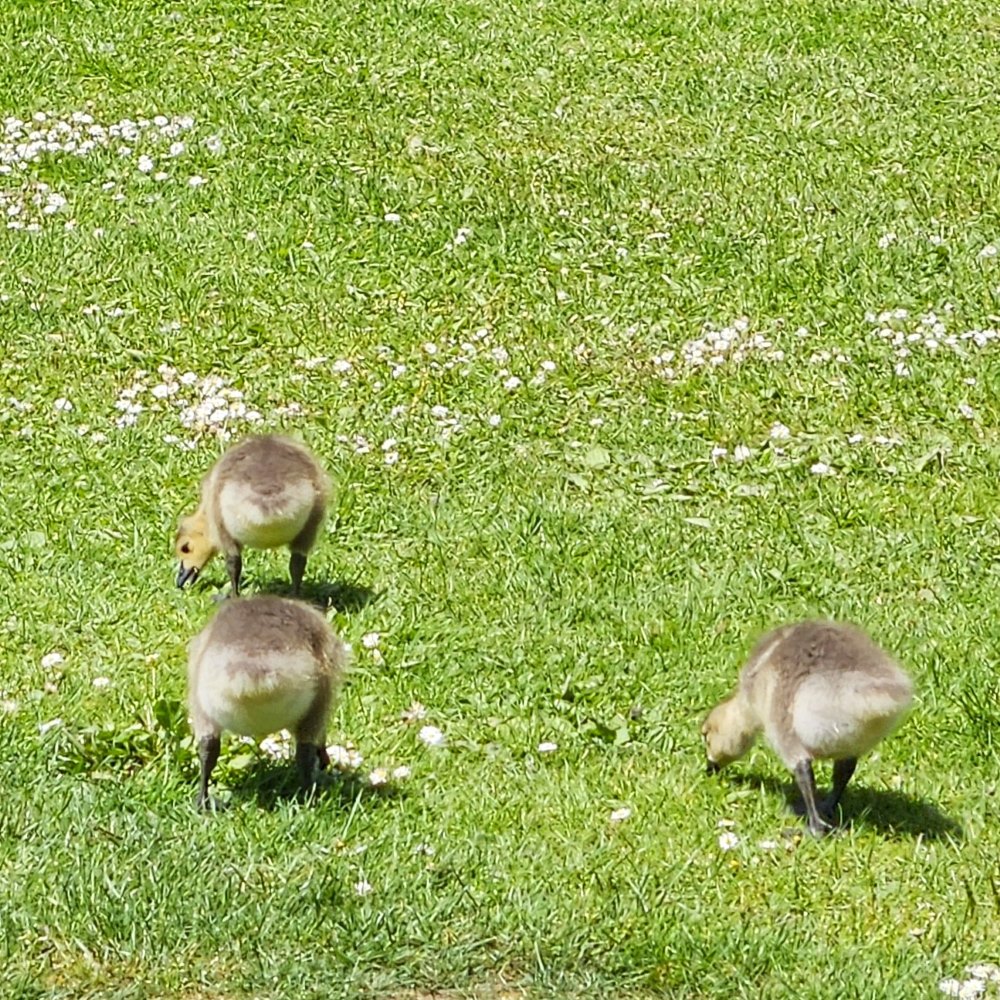
Just by watching them, I was refreshed and renewed.
Sharing with #SquaresRenew.
~ Susanne
A Gallery of Cobalt Blue
I love cobalt blue but it’s not so easy to find!
So I went through my archives and found some in the most unusual places, starting with Texas! No, not in the bluebonnets, those lovely wildflowers that adorn Texas in the spring, but from the Nasher Sculpture Center in Dallas.
I found a blue lady in the lobby, on track and moving forward, so I squared her for #SquaresRenew.

I found more blue inside, in sculptures of rock and pigment,


and ‘In Search of a Mountain,” by Anish Kapoor.


In Florida, I was impressed with the beauty of Cinderella’s Castle at Disney’s Magic Kingdom, shimmering in cobalt blue.


And nothing says cobalt like a winter sunset over the water, this one closer to home, in Port Ludlow on the Olympic Peninsula.


I’ll close with another square for #SquaresRenew – ‘Off We Go into the Wild Blue Yonder!’ with the Blue Angels. They fly over Lake Washington during Seattle’s Seafair weekend every summer.

And that will do for cobalt blue!
Sharing with Sunday Stills #Cobalt Blue.
~ Susanne
About those Northern Lights
Like most of you we heard there would be a spectacular display of Aurora Borealis over the weekend; the Northern Lights would reach much further south than is typical. The Pacific Northwest was included, and clear skies were in the forecast.
I also read that the best time to see them Friday night was between 12:00 am and 3:00 am when I expected to be sound asleep, so I conveniently forgot all about it, until I saw the magnificent pictures everywhere the next day.
So when I heard that Seattle was promised another display Saturday night, I made some effort to see them. But not from our house, we don’t face north, and are surrounded by trees; my dear husband offered to drive me to a high spot nearby.
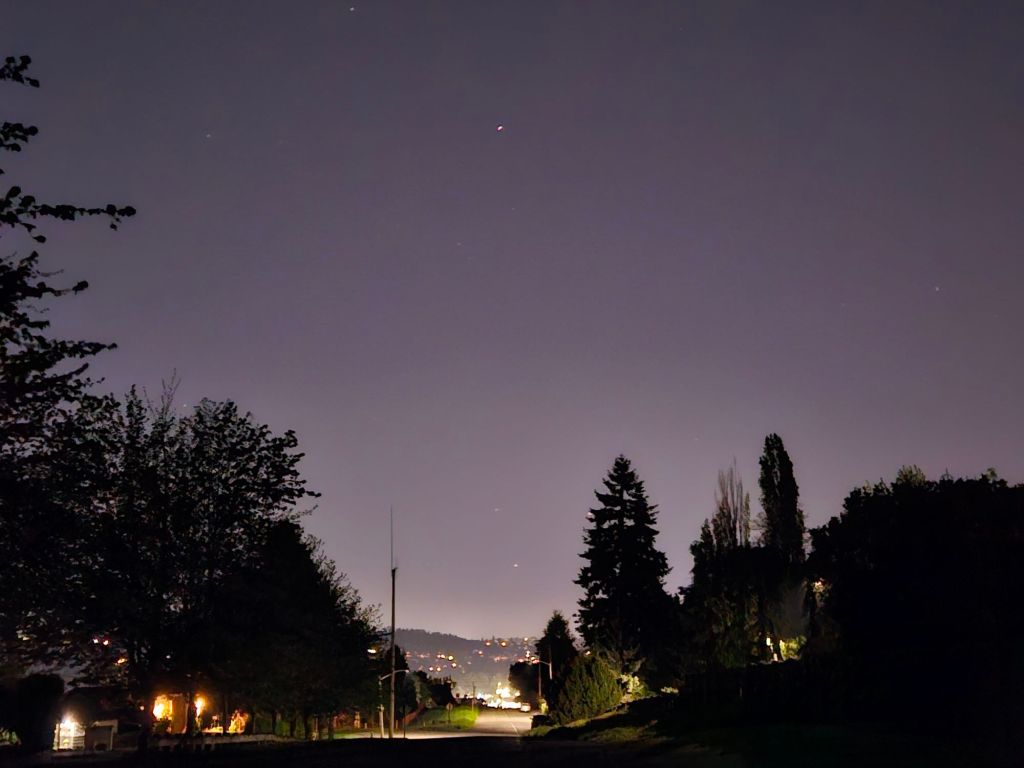
We arrived around 10:00 pm and could see Renton below, ablaze with manmade light, and the Seattle skyline in the distance.
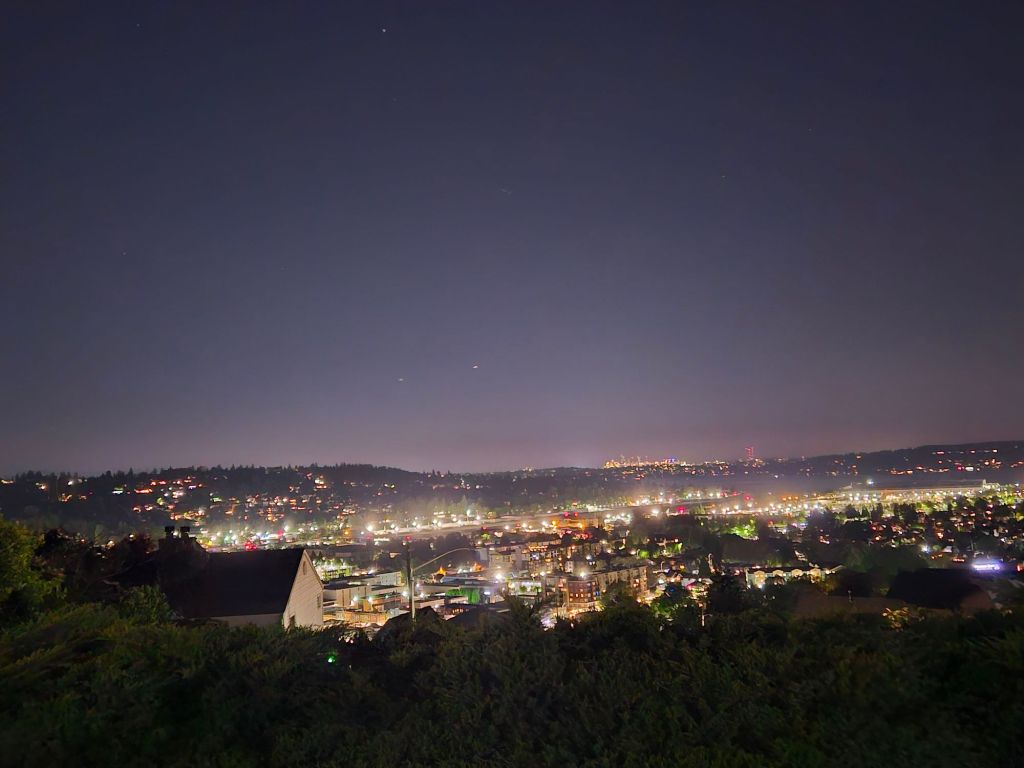
Other folks began to arrive and wondered where the show was.
“There’s something there,” I said “the sky should be inky dark, but there’s some kind of haze if you look closely.” Bob was not impressed, and I too had my doubts.
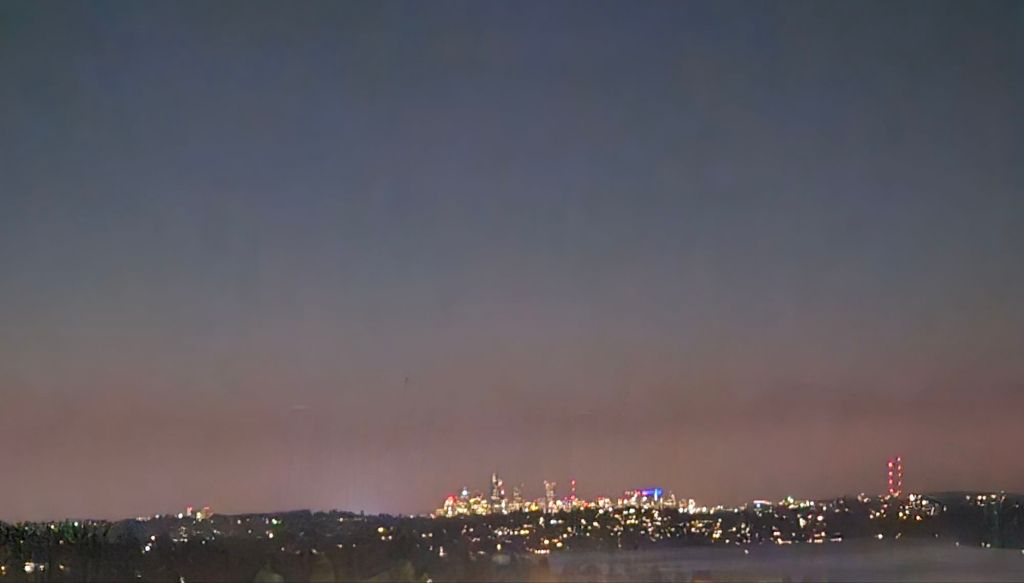
Yes, we saw smudges of color hanging over the horizon and I snapped a few photos. And I suspected if we waited longer (but how much longer? hours?) we might see the dancing colors in the sky everyone had raved about. But we were both SO tired, and less than 30 minutes later, headed back home.
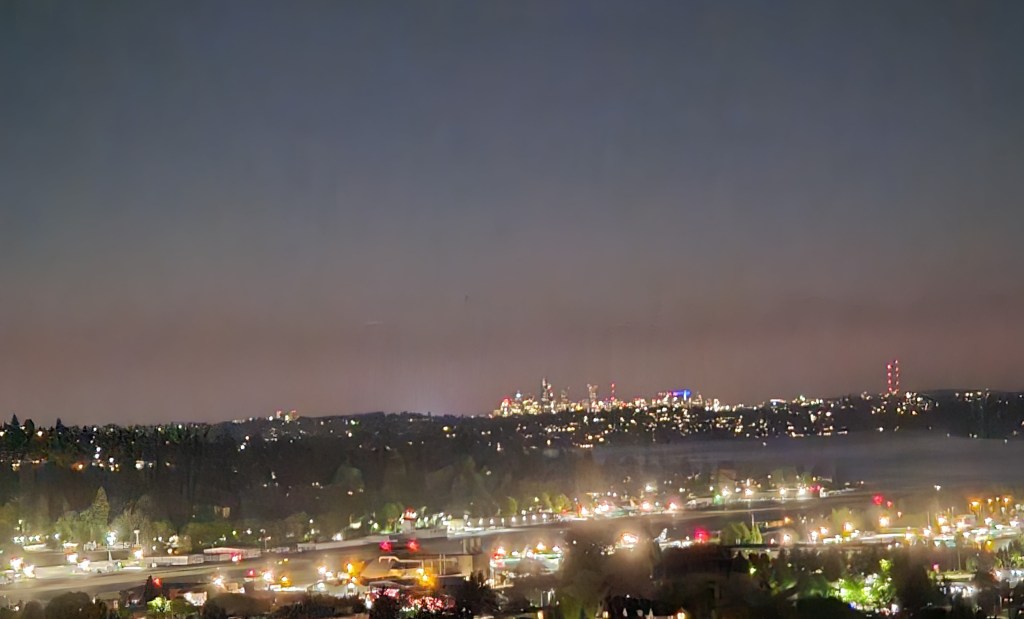
The pictures aren’t great but I do see more color in the images than I saw with my naked eye.
The Northern Lights might show up again tonight. I envy those folks who got a good view out their front door. I wish I was camping somewhere away from the city lights but alas, I am home, still not facing north and still surrounded by trees. And I quite can’t imagine getting up after midnight to try to find them again (nor trying to convince my husband to drive me somewhere.)
Sigh.
This will have to do.
~ Susanne
Kitty Selfie

“Smile, Benji.”

Testing my new phone’s camera. I upgraded from Samsung Galaxy S9 to S23. Not exactly cutting edge, the S24 came out earlier this year. I like to let them work the bugs out first and save some money in the process.
Not the top of the line but it’ll do just fine. I got the base version to retain the small size.
I took the photos and loaded them directly to WordPress, using the jetpack app on my phone, with no edits. I like the clarity and look forward to learning more of the features.
And Benji makes a great model, don’t you think?
Happy Caturday from Susanne and Benji! 🙂
Traveling the Oregon Coast in Black and White
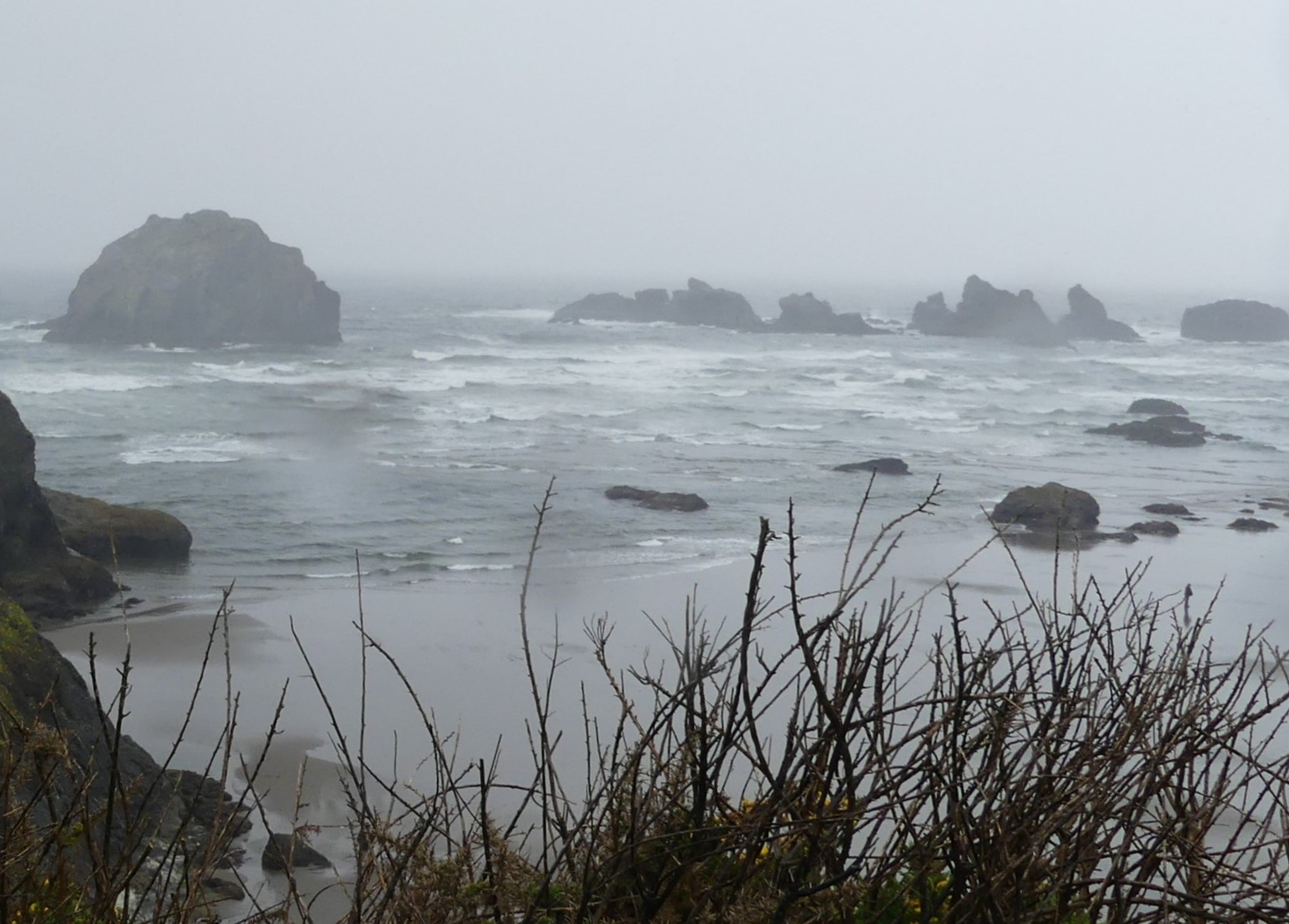
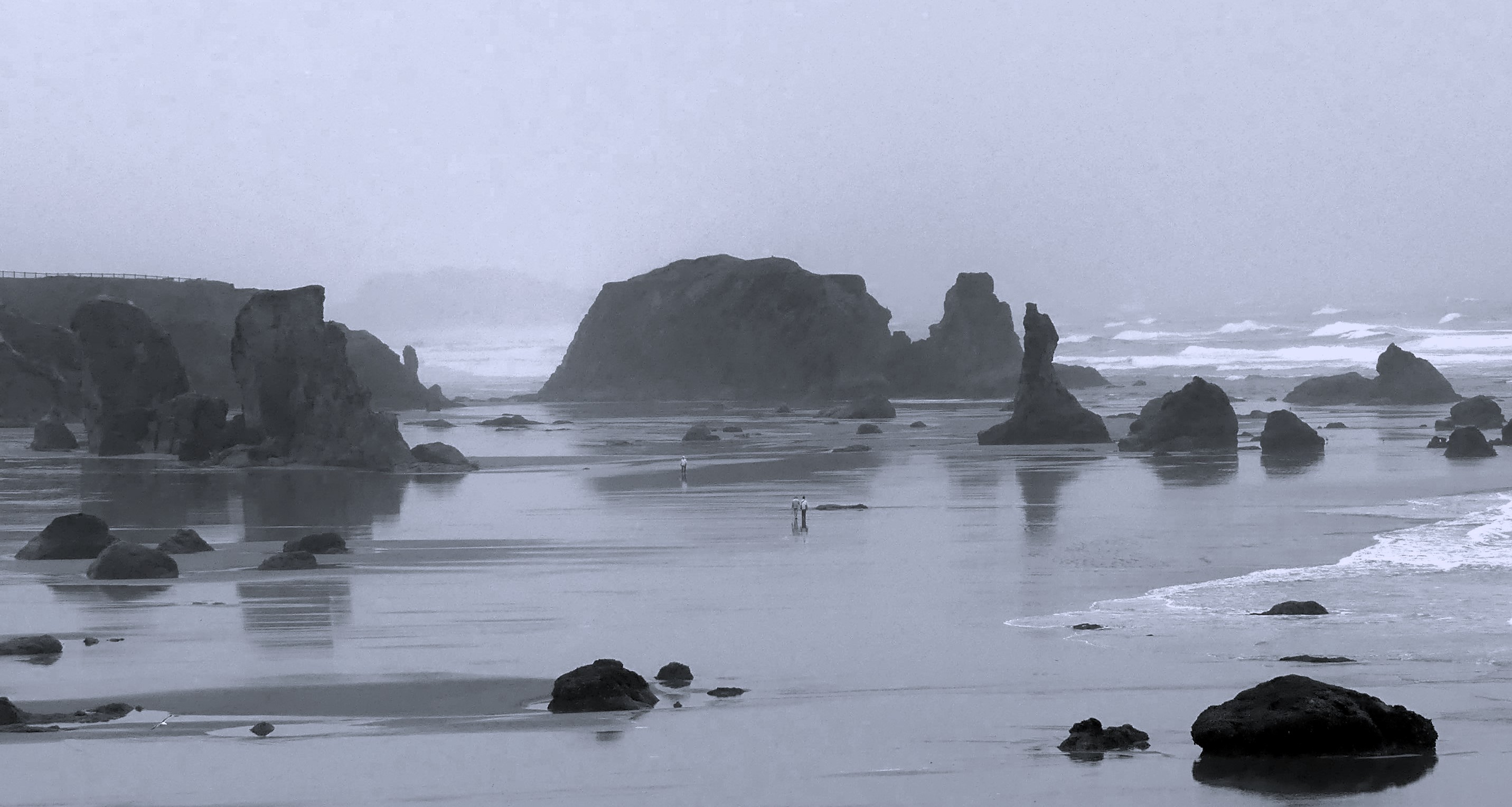
Not exactly on purpose, in black and white, that is. We had good weather the first half of our recent vacation in the Redwoods, but on our drive back home up the Oregon Coast? – Not so much.
It happens.
Still, it IS the Oregon Coast and there was much natural beauty to enjoy even shrouded by clouds and rain!
Bandon by the Sea
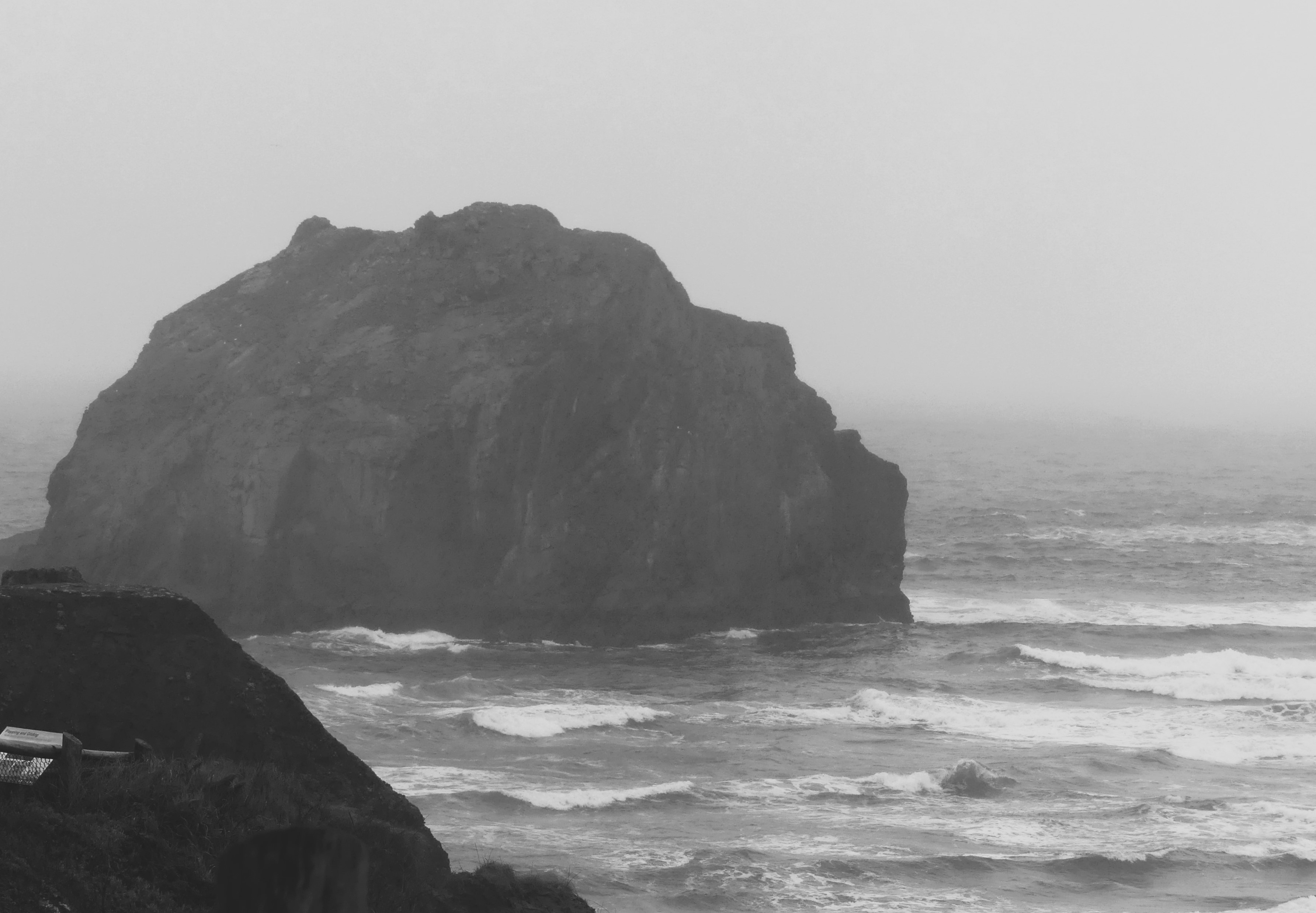
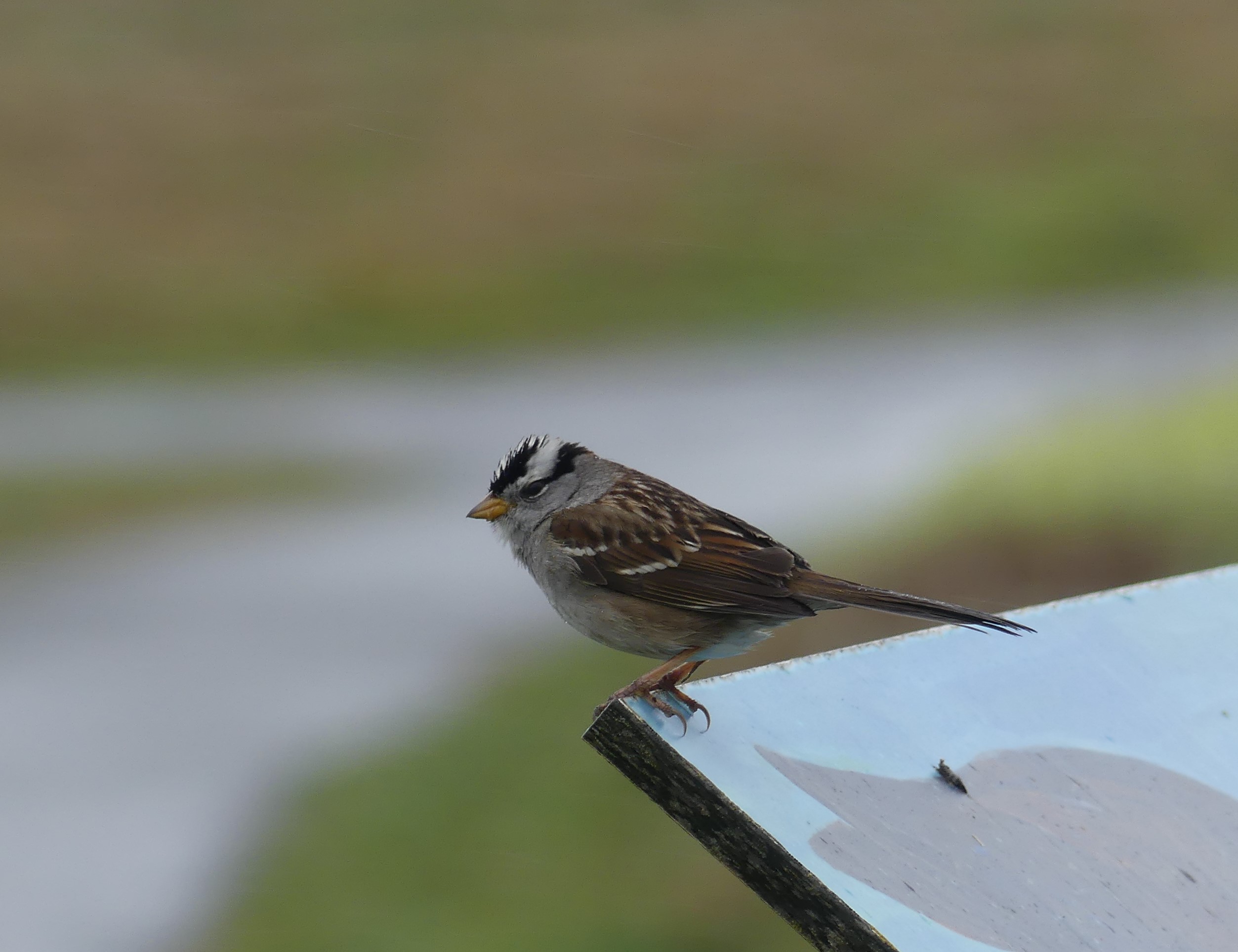
We spent the night in Bandon, one of my favorite places on the coast. The next day we stopped by Face Rock but didn’t venture down to the beach as it was pretty miserable. Even the sparrow seemed a bit under the weather.
Newport
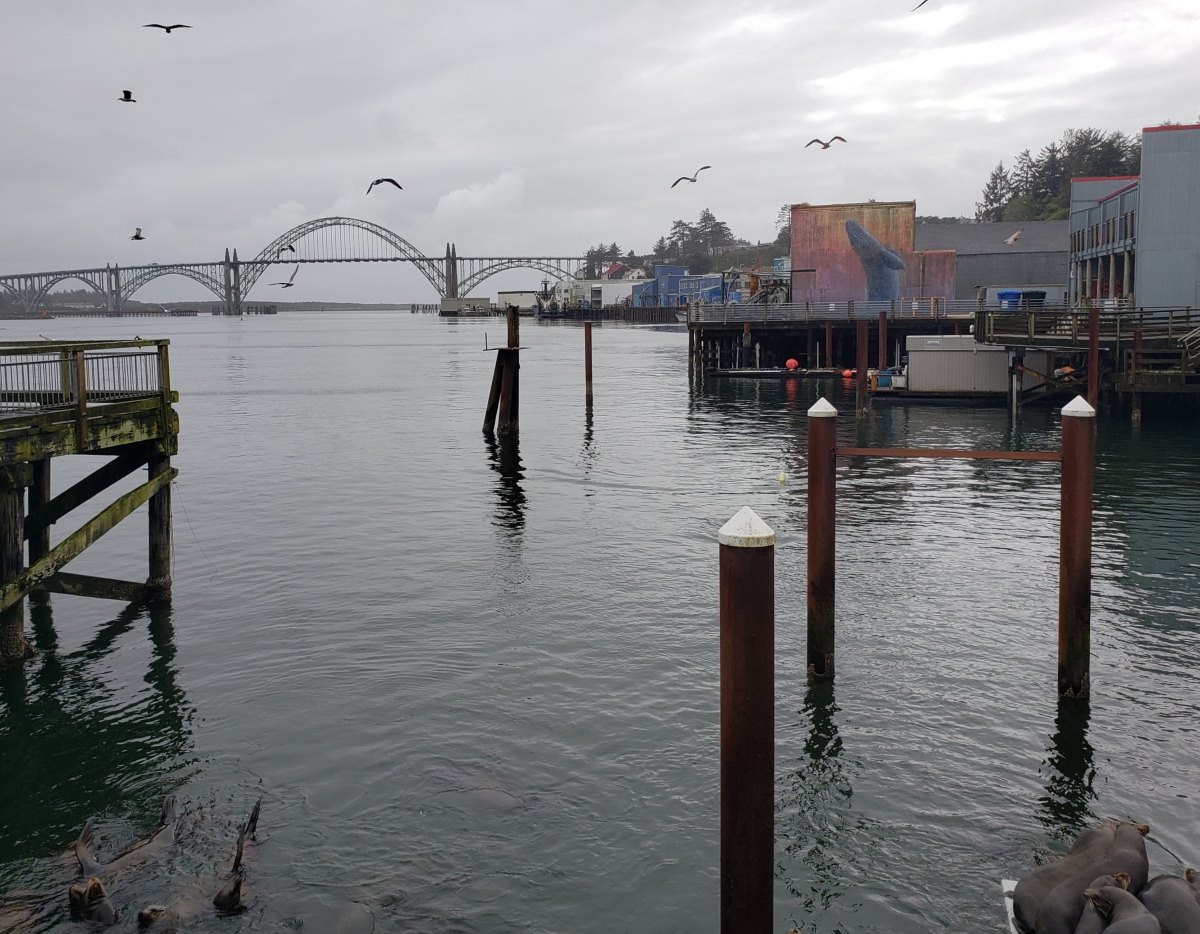
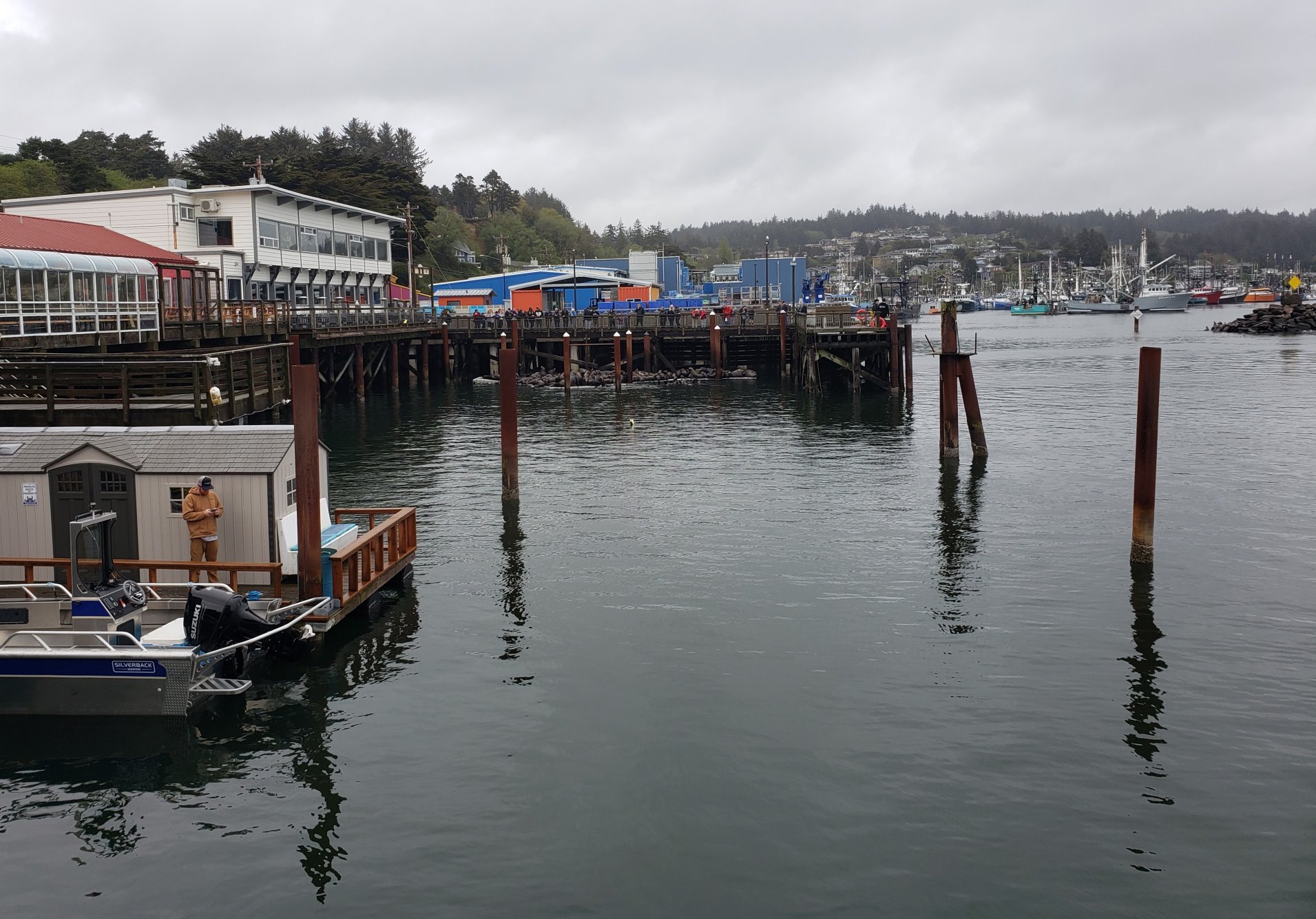
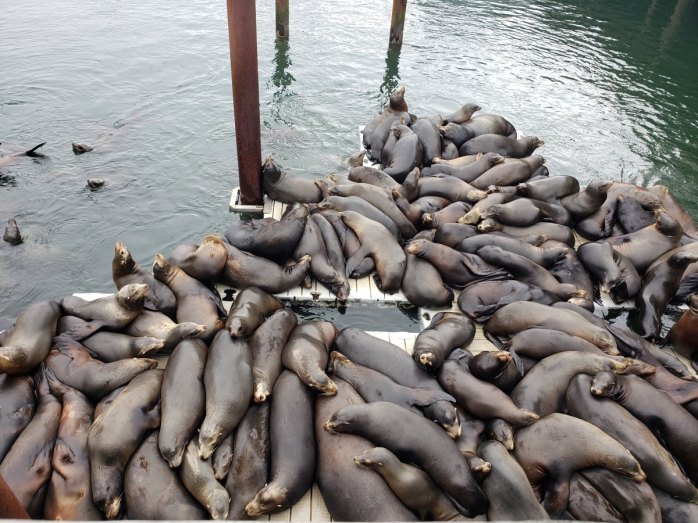
The next night we spent in Newport and visited Old Town on the waterfront, where we found dozens of (noisy) and somewhat hostile (to each other) sea lions.
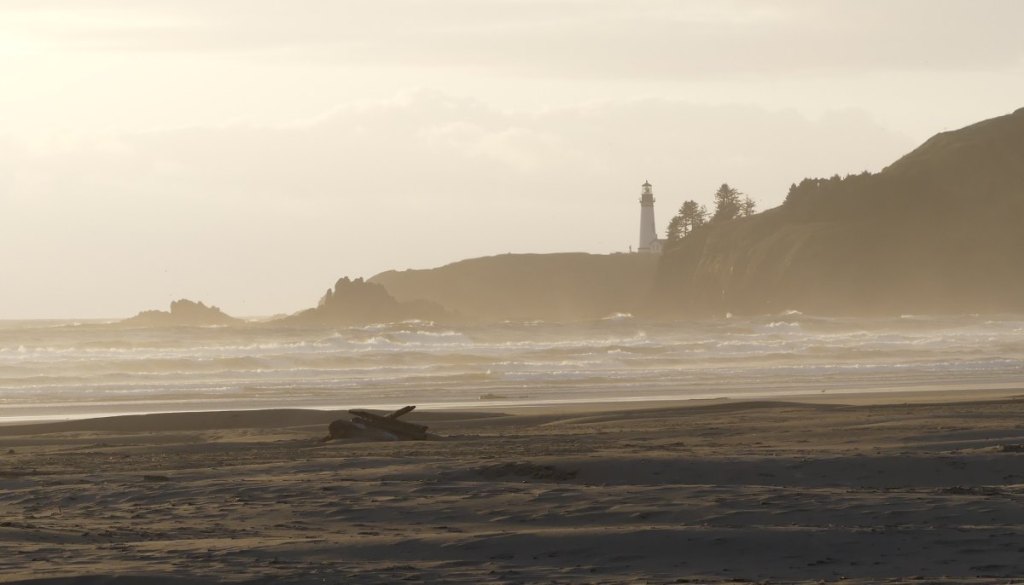
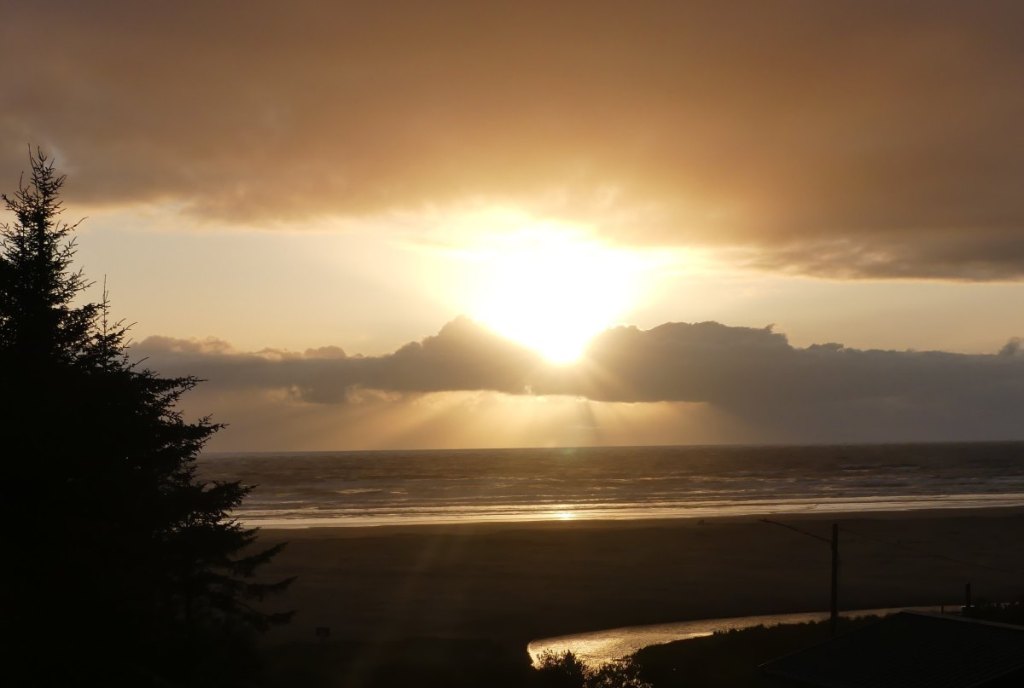
We did catch a break later that night with a reprieve from the rain and took a walk on the beach just before sunset.
Yaquina Head Lighthouse and Outstanding Natural Area
Yaquina Head is just north of Newport, and you can see the Lighthouse in the first picture above from the night before. The next day we visited the lighthouse close up.
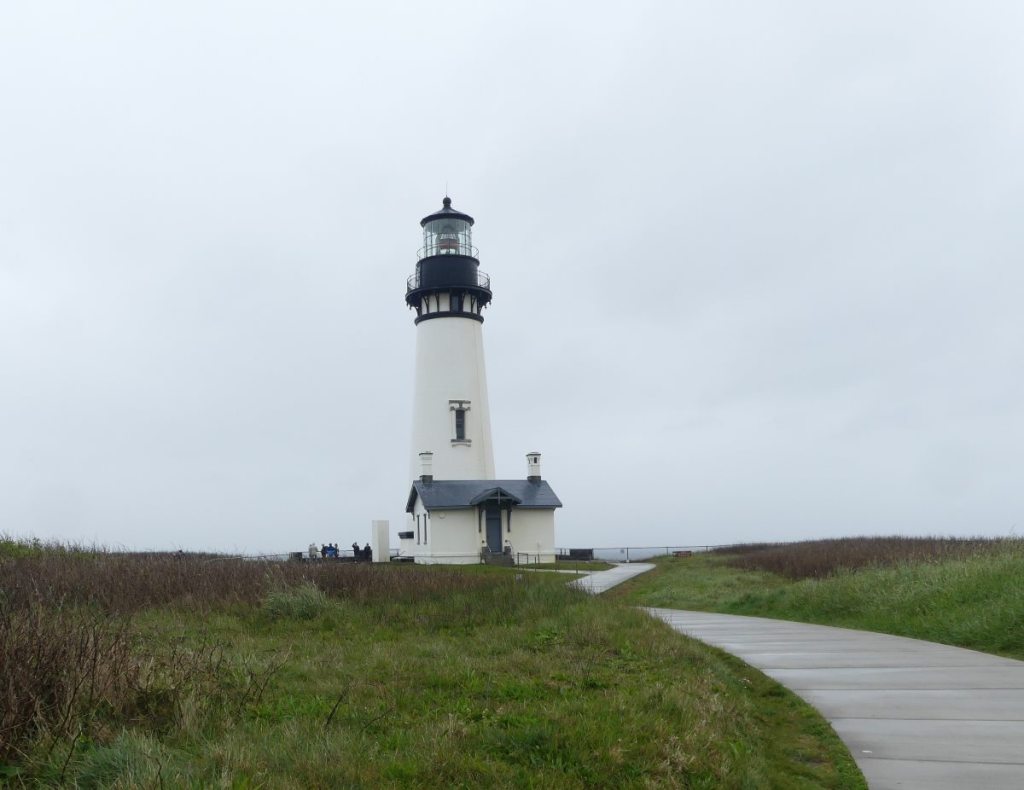
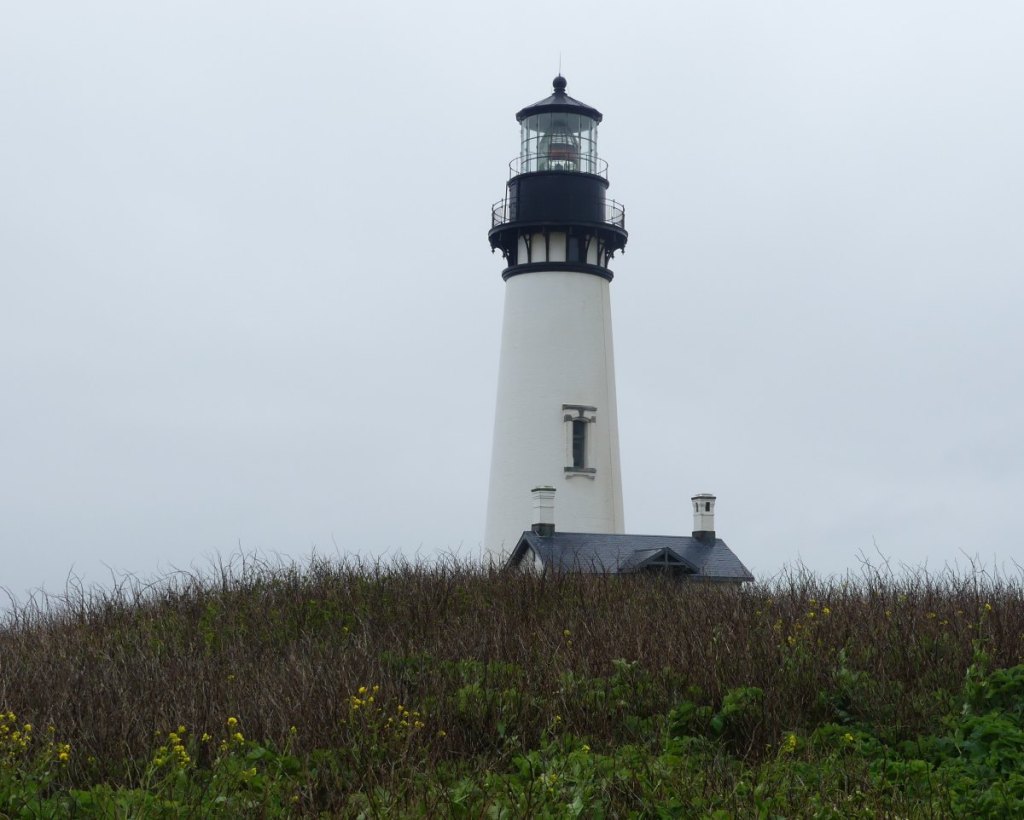
This is the tallest of Oregon’s lighthouses at 93 feet, and my favorite. It was first lit on August 20, 1873.
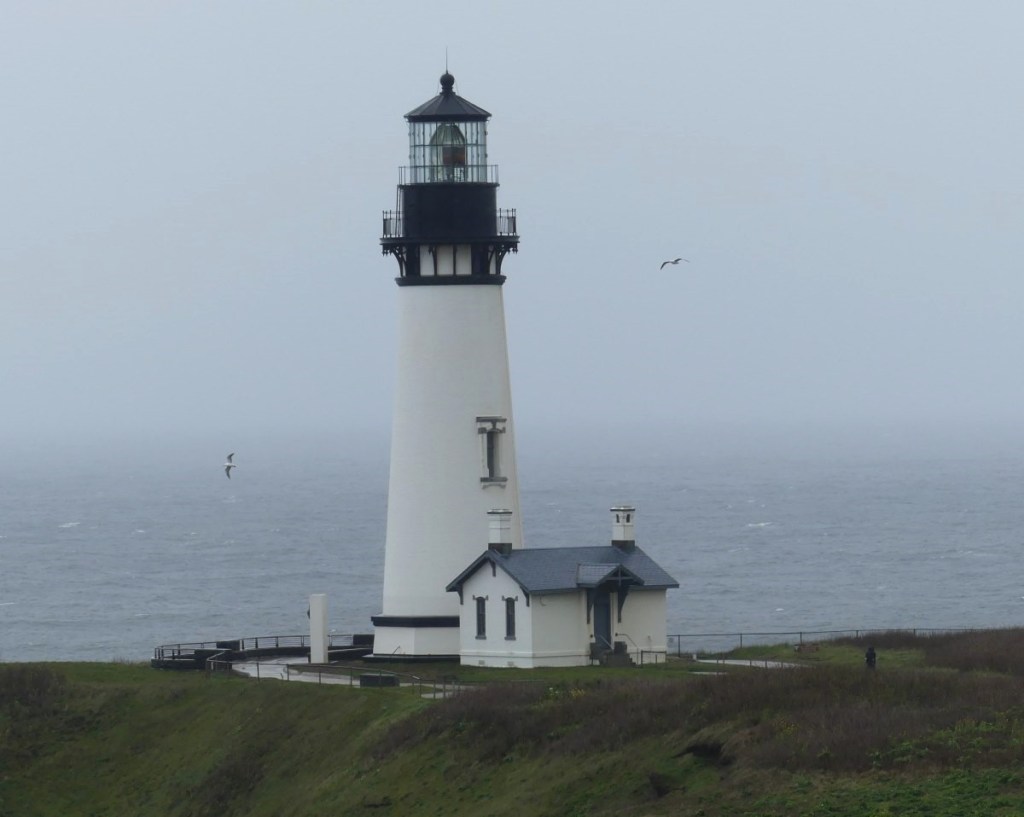
We’ve stopped by many times before, but this was the first time we took the stairs down to Cobble Beach below. Wow! The tide was out and tidepools were full!
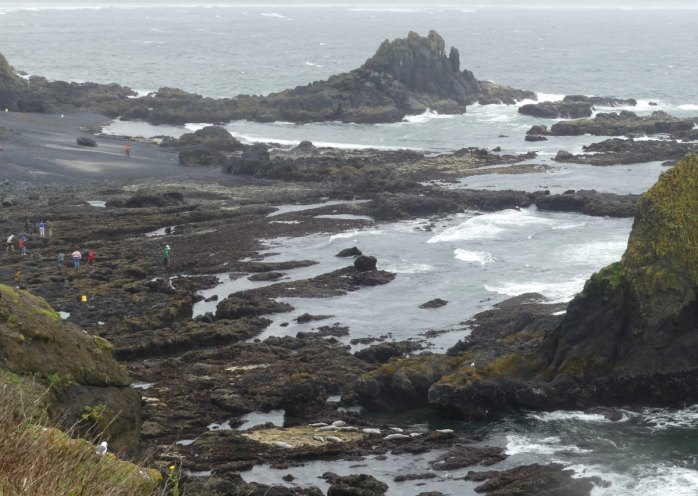
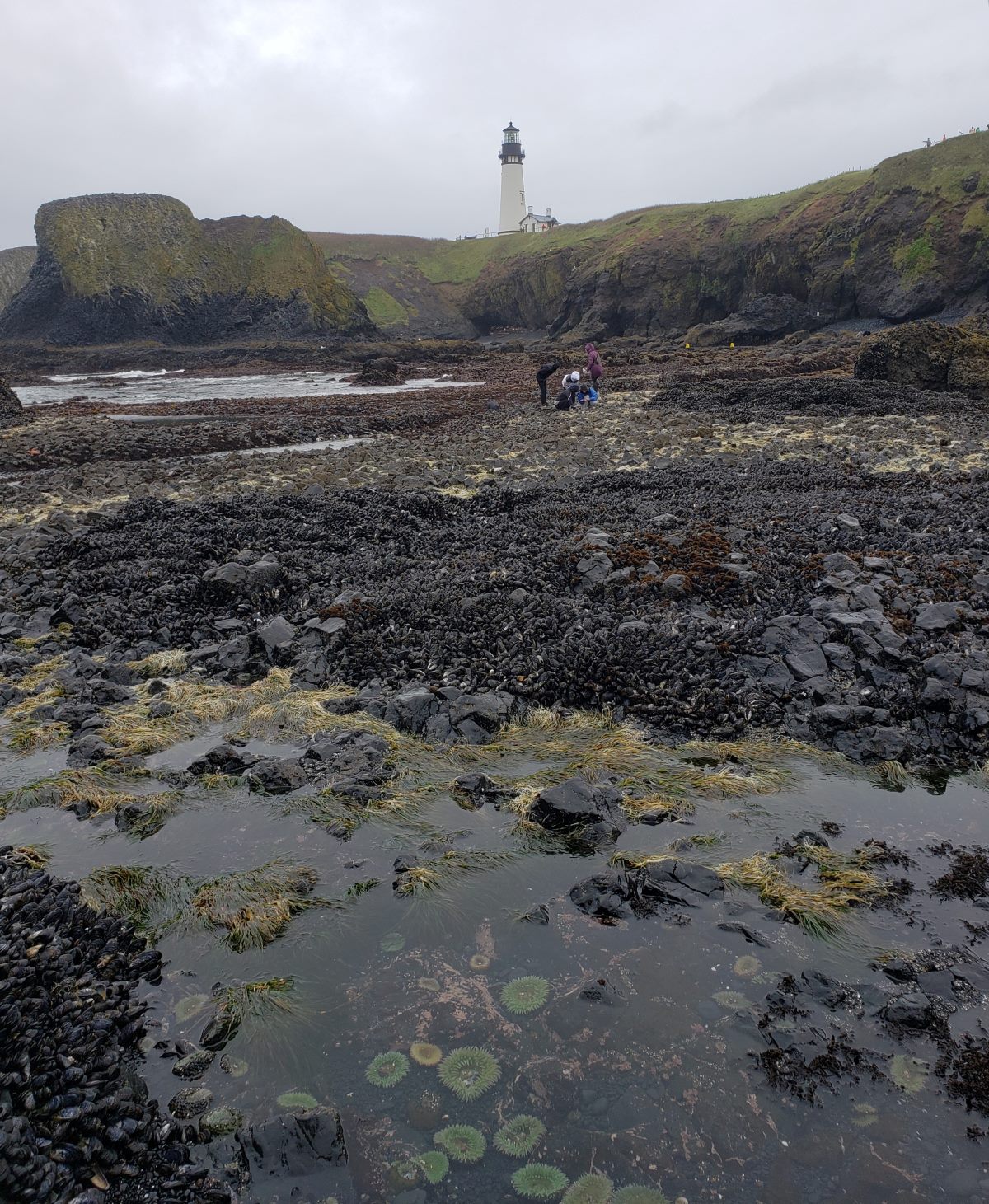
“The cobblestone beach was created roughly 14 million years ago as a result of the Columbia River basalt lava flow. Over the years, powerful erosion processes break down beachside cliffs releasing basalt cobbles. The cobblestones become smooth and polished from the constant tides and storms.” OregonDiscovery.com
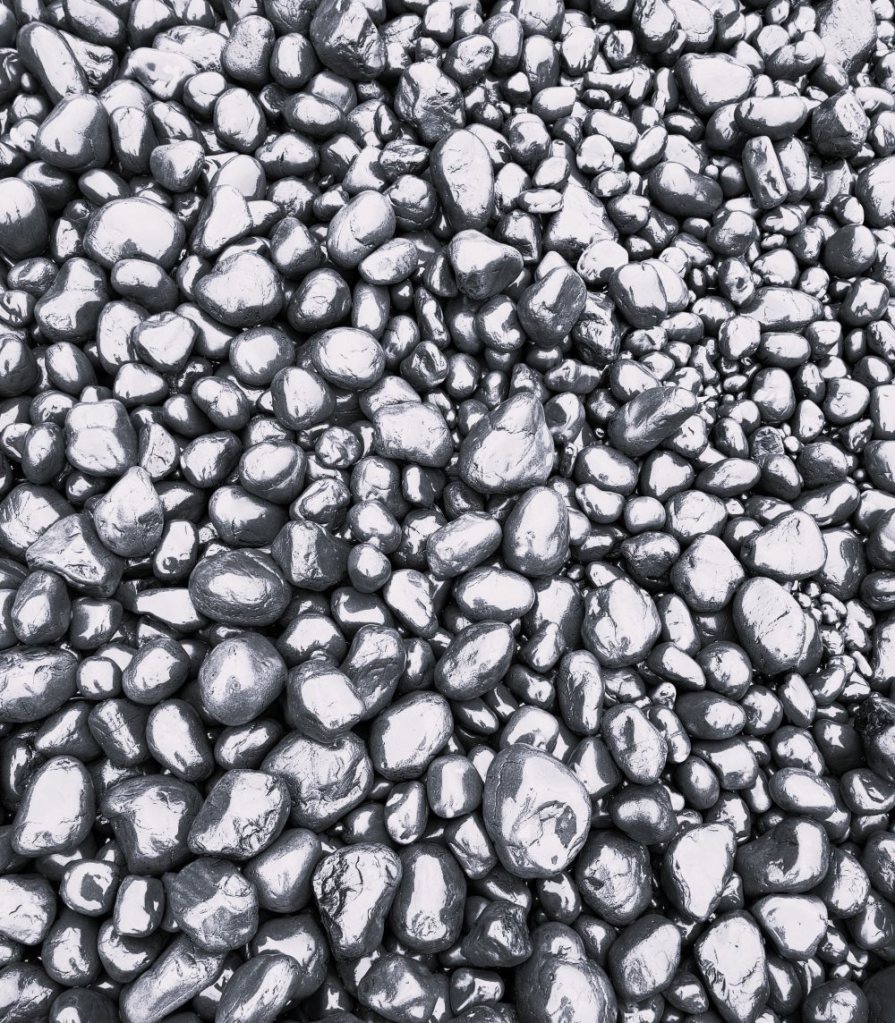
We crossed the slippery stones to the tidepools, careful to avoid stepping on the millions of mussels and other small creatures.
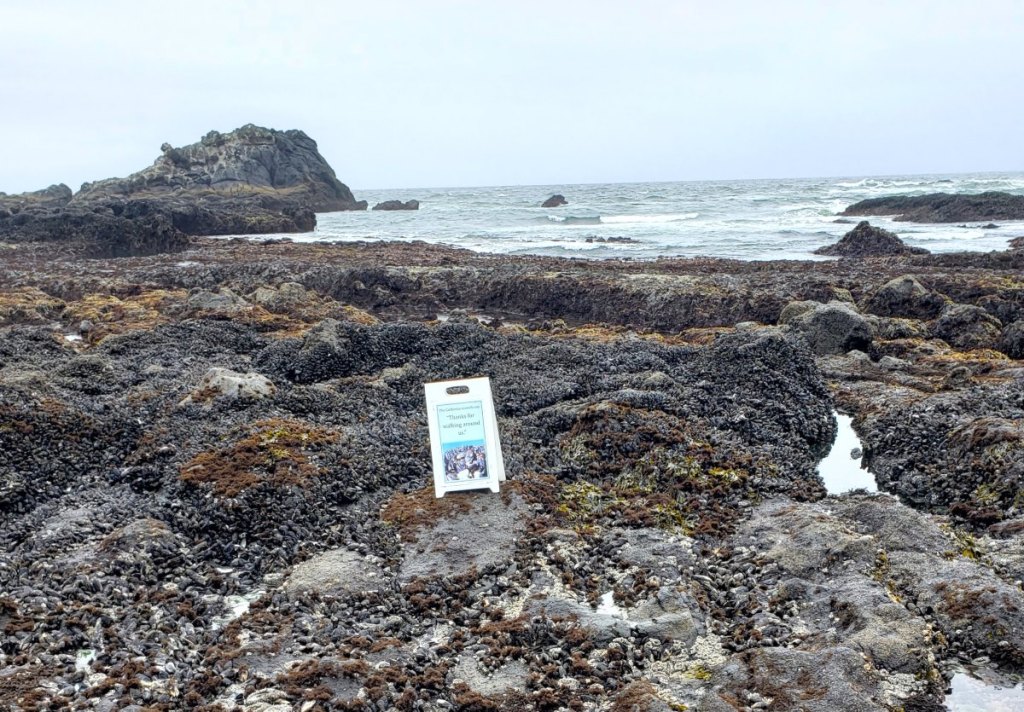

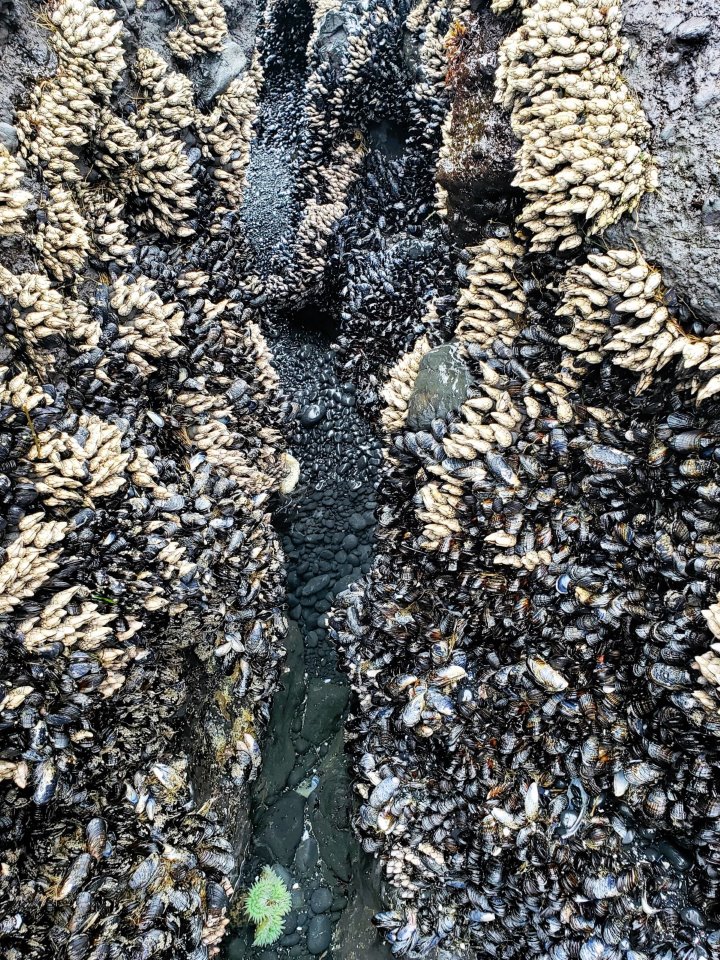
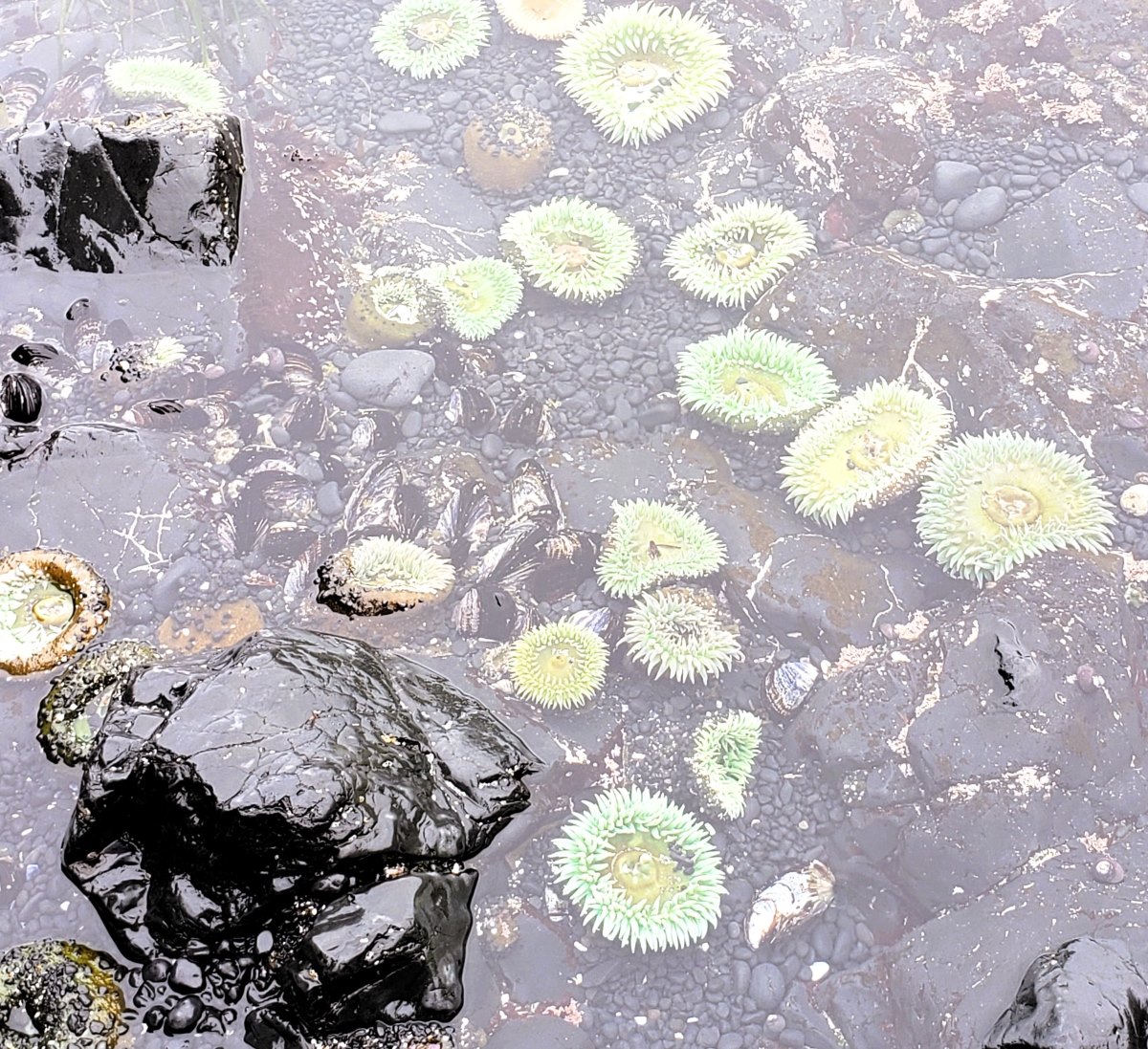
We also stayed far away from the resting seals, who live here year-round.
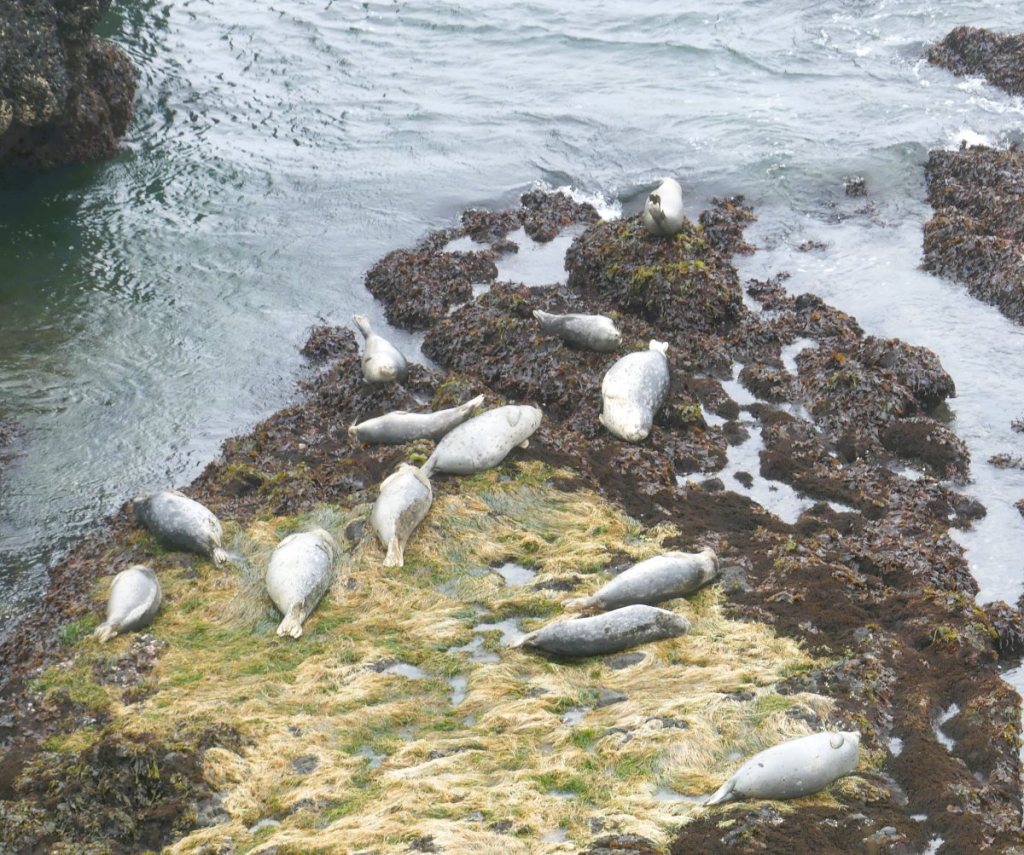
So, despite the inclement weather, this stop at Yaquina Head proved to be the highlight of our trip home. So never let a little (or a lot of) rain stop you!
~ Susanne
Bee Squares
You might think I’m selling something but I’m not; I’m participating in Becky’s #SquaresRenew challenge.
I see renewal everywhere in my garden this time of year, especially when the herbs begin to grow and blossom anew, attracting bees who come for the nectar and pollen to feed themselves and their young; plants benefit as the pollen is carried from plant to plant, for their own reproduction.
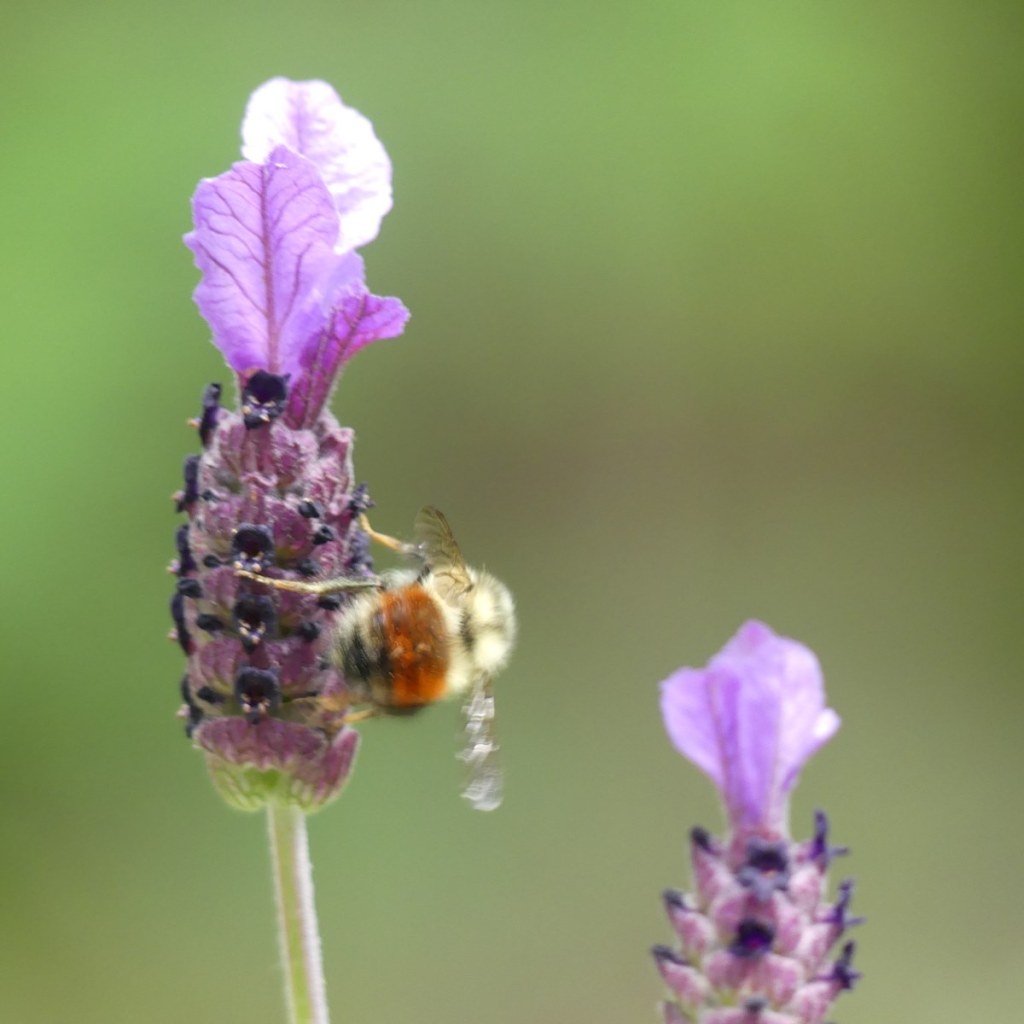
Herbs are resilient and faithful, requiring little from me. Over the winter they’re muted and mostly gray but come to life again in spring. Lavender is my favorite, the French variety burgeoning with color first in the tassel on top.
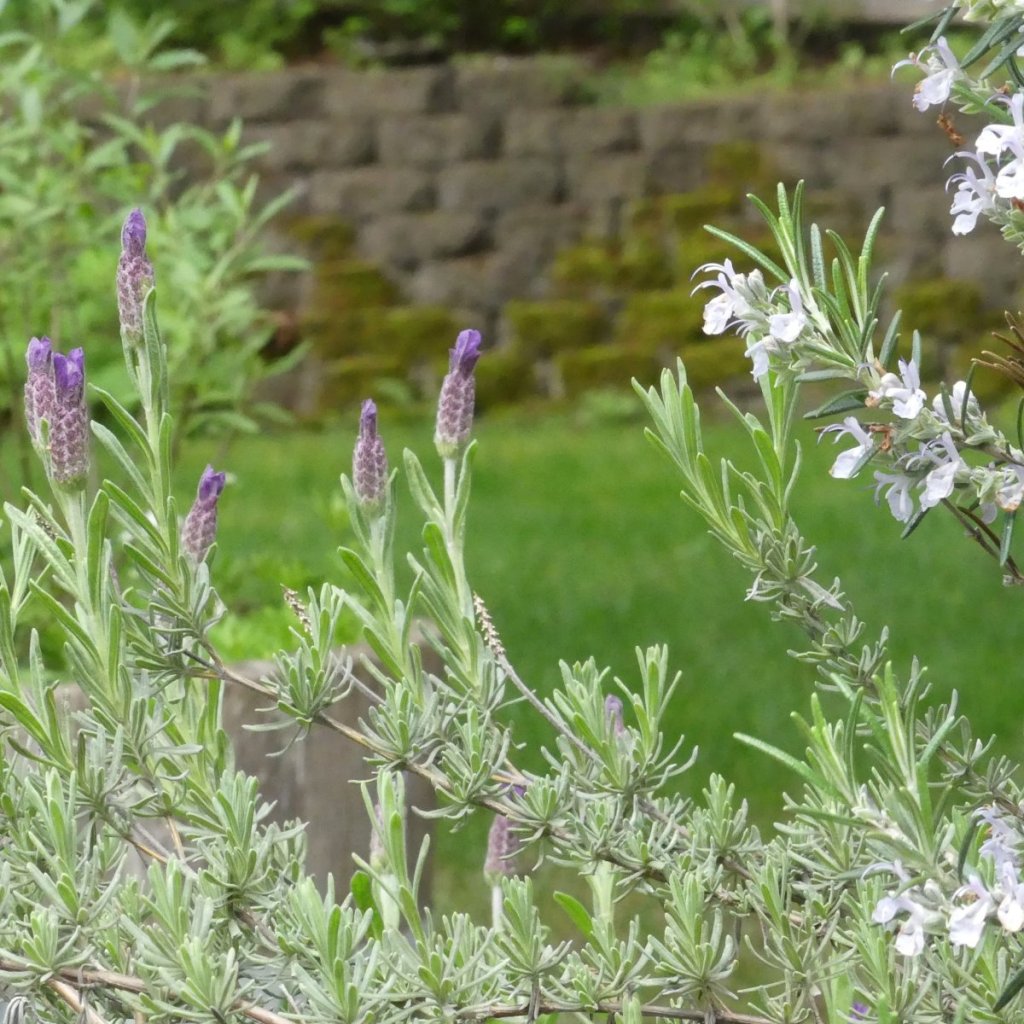
Though the lavender buds are still tiny and tightly coiled, they’re open enough for honeybees to visit, and they patiently work the stalks.
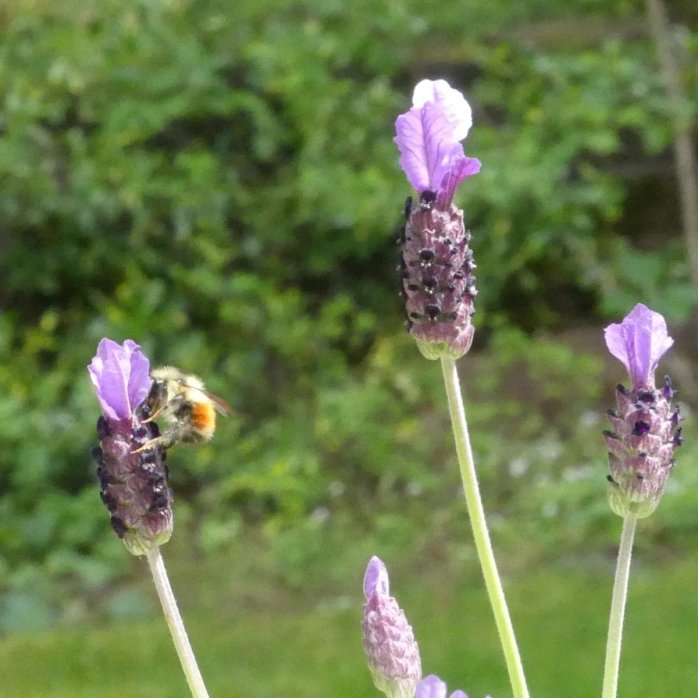
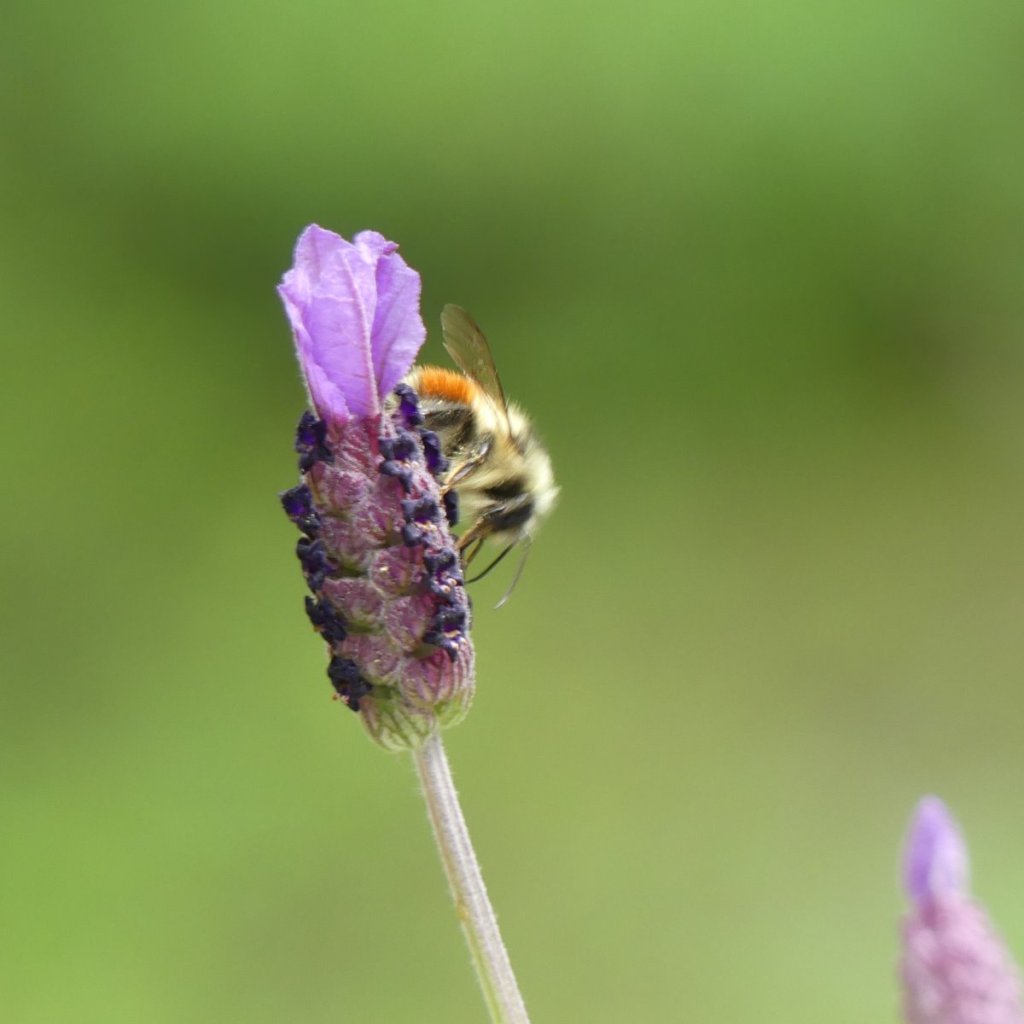
The larger, pale flowers of Rosemary attract bumblebees.
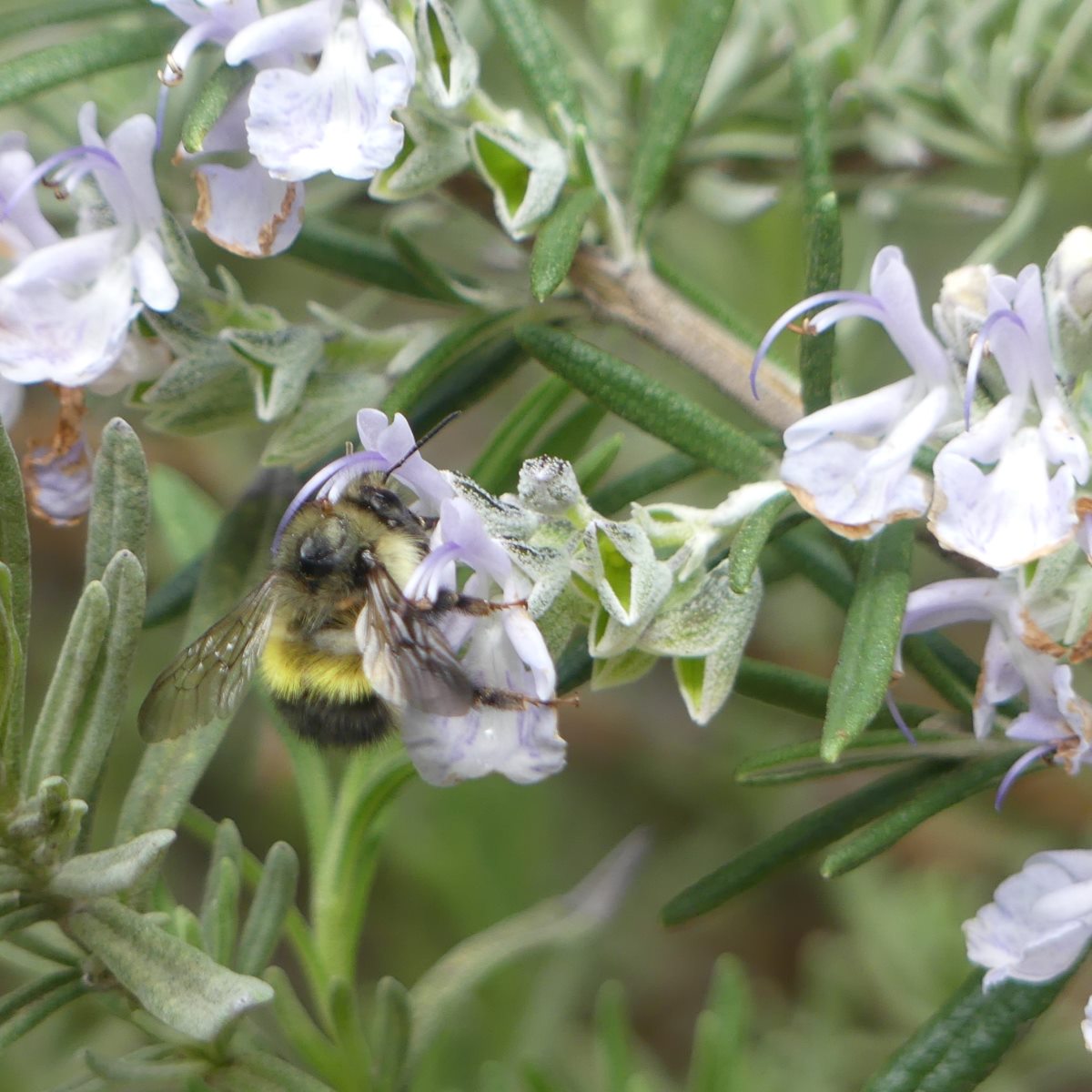
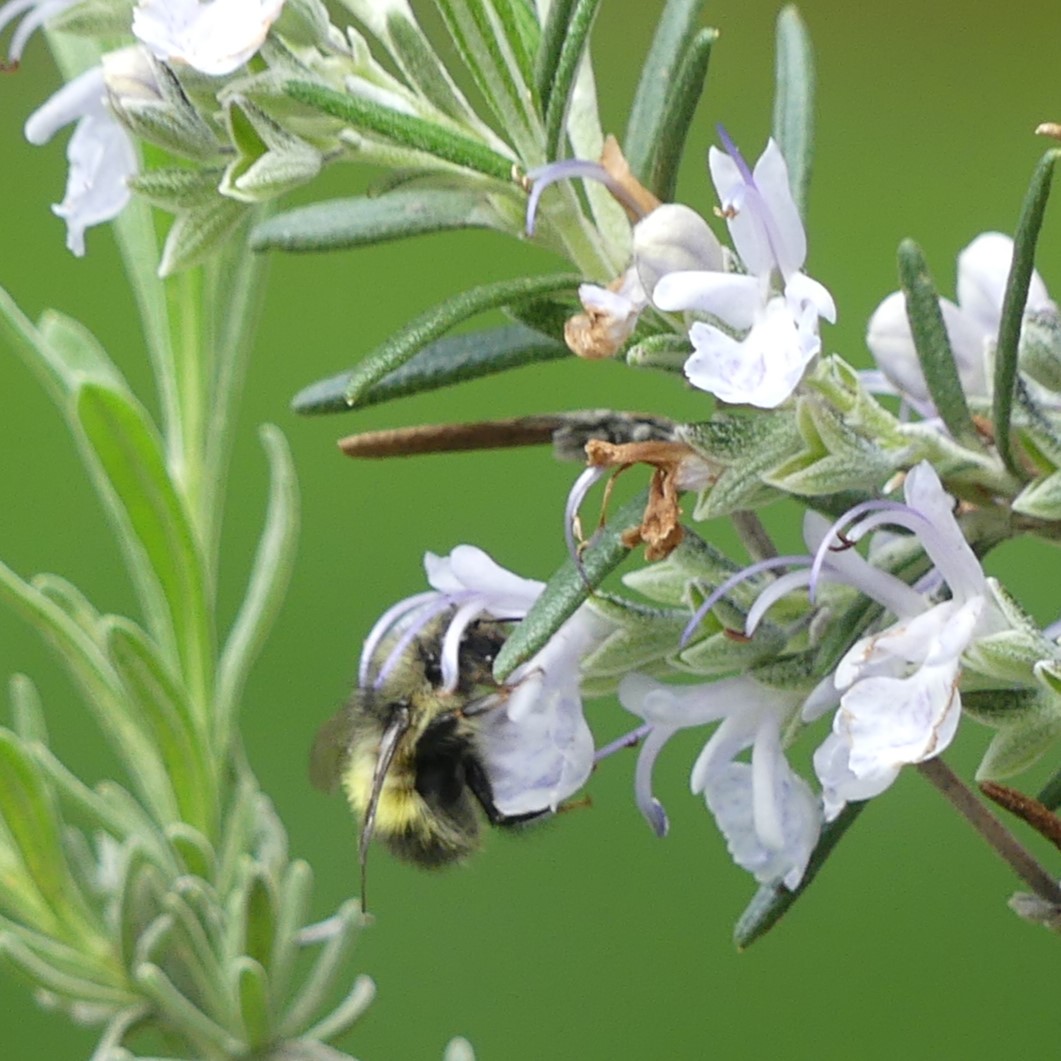
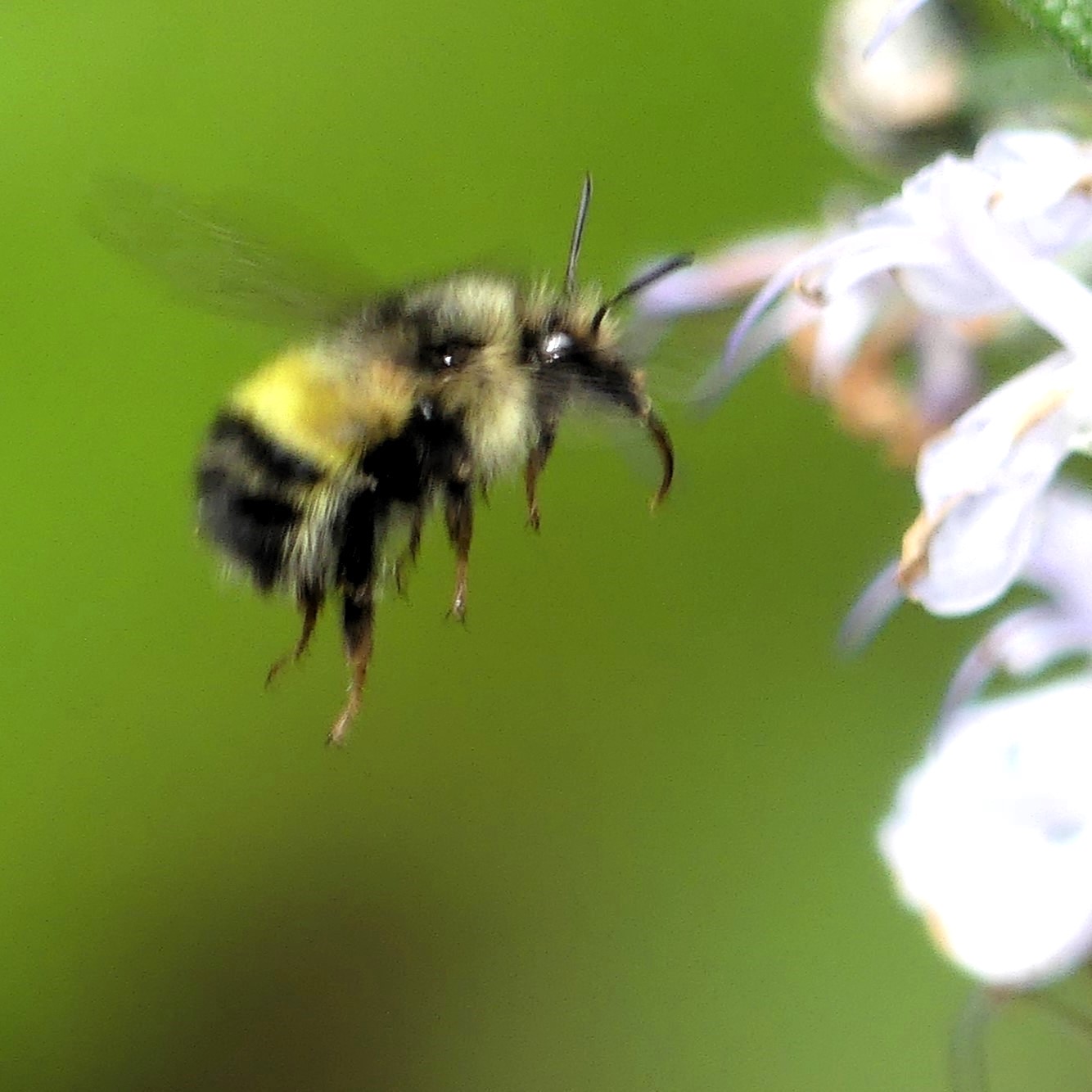
Some bees hibernate over winter (bumblebees and mason bees,) emerging when temperatures climb into the 50’s. Honeybees stay busy in their hives all winter long to keep the queen warm. Both finally emerge in the spring as food sources become abundant once again.
~ Susanne
 Cats and Trails and Garden Tales